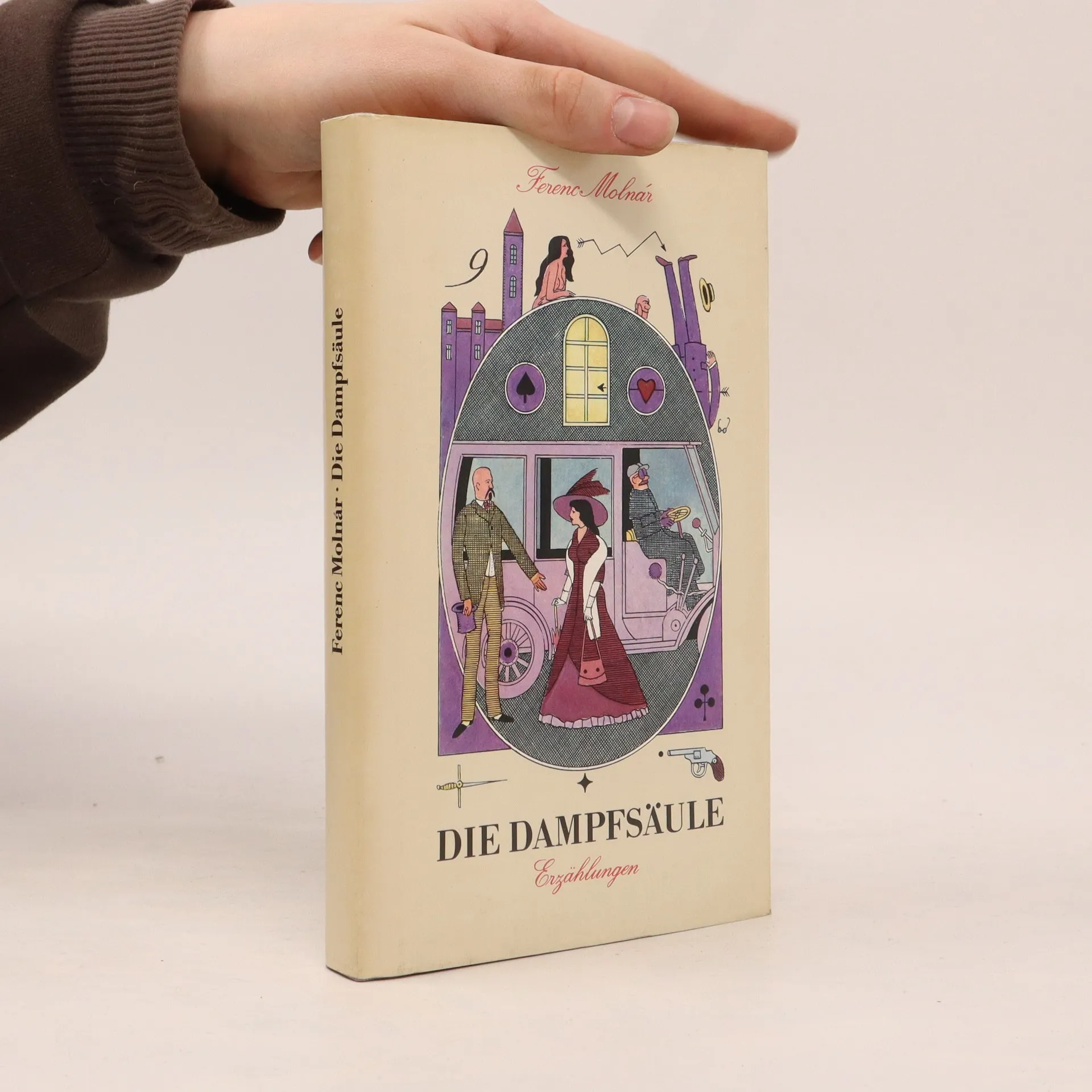
Ferenc Molnár was a Hungarian dramatist and novelist whose work deeply explores human nature and societal dynamics. His writing is characterized by sharp observation and insightful exploration into the complexities of interpersonal relationships. Molnár's prose often incorporates elements of irony and melancholy, offering readers a rich and thought-provoking literary experience. His unique style and thematic depth establish him as a significant literary figure.
Lektura z opracowaniem to znakomita pomoc i inspiracja dla uczniów oraz
nauczycieli. Tekst opatrzono wskazówkami interpretacyjnymi i hasłami
ułatwiającymi nawigację po książce dzięki nim łatwo znaleźć potrzebny w
trakcie omawiania lektury fragment, zgromadzić materiały do wypracowań i
ustnych wypowiedzi, zapamiętać najważniejsze informacje i utrwalić znajomość
lektury.
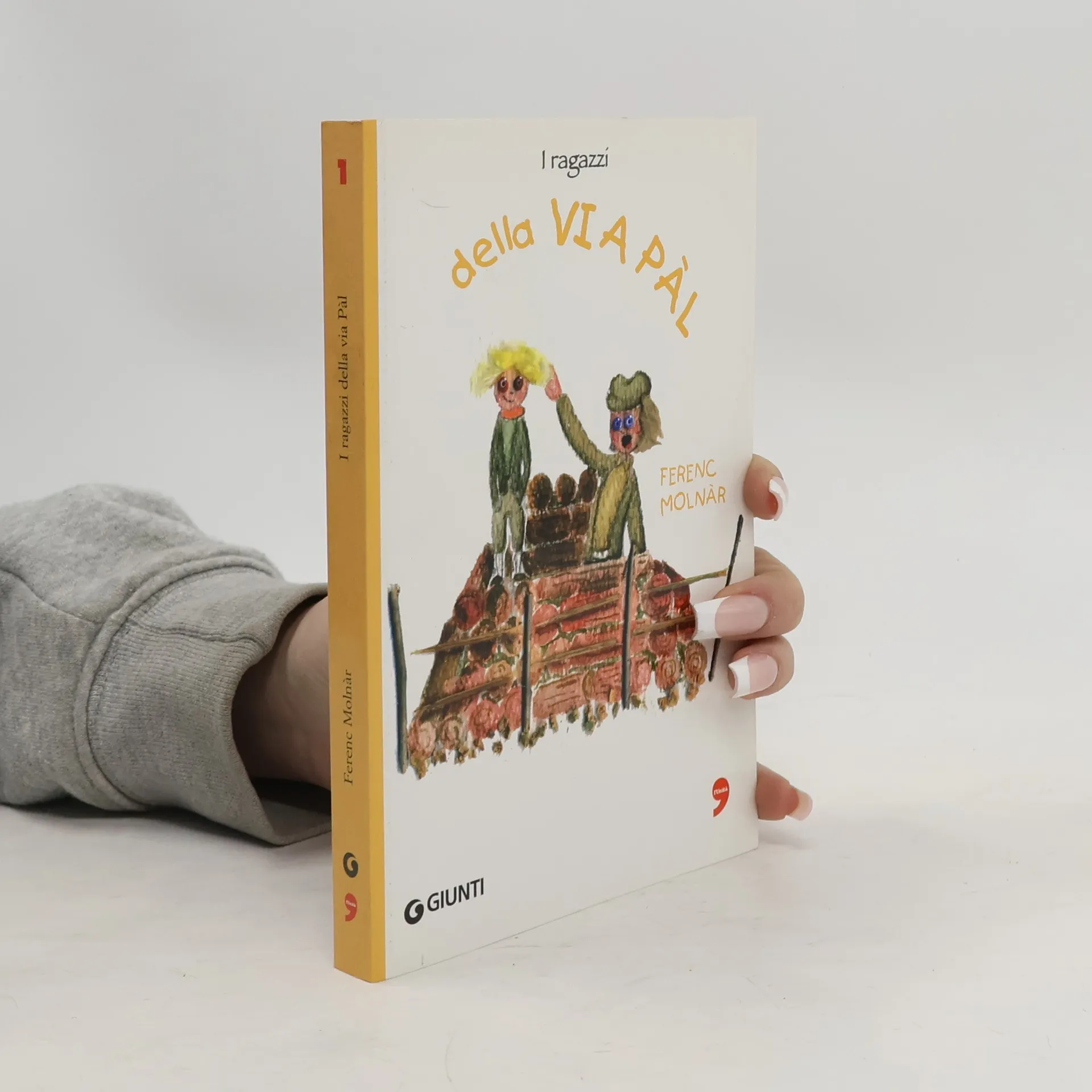
Chłopcy z Placu Broni to powieść węgierskiego pisarza Ferenca Molnra, po raz
pierwszy książka ukazała się w 1907 roku. Głównym tematem książki jest
przyjaźń grupy chłopców zamieszkujących ulicę Pawła. Tytuł powieści nawiązuje
do ulubionego miejsca zabaw głównych bohaterów Placu Broni, który jest tu
m.in. symbolem przyjaźni i lojalności, beztroskiego dzieciństwa, ale i
odpowiedzialności i walki o własne miejsce. Na pierwszy plan wysuwa się postać
Nemeczka najmłodszego i najmniej docenianego w grupie. Początkowo poznajemy go
jako tchórzliwego chłopca. Od początku jest jednak oddany grupie i mimo
strachu stara się zaimponować kolegom w każdej możliwej sytuacji. Jego śmierć
uwypukla wartość honoru i bycia oddanym jakiejś kwestii. Czasem ci najsłabsi
są najbardziej wartościowi, lecz często też niedoceniani.
Nemecsek, Boka ve Pál Sokağı'nın öbür çocukları 1907 yılında Budapeşte'nin yoksul Józsefváros semtinden yola çıktılar. Bugün artık bütün dünyada tanınıyorlar. Bugüne kadar her yaştan milyonlarca insan onların dokunaklı hikâyesini okudu; tıpkı Budapeşteli çocuklar gibi onlar da Boka'nın cesaretine hayran oldu, Nemecsek'in ürkek ama kararlı kahramanlığı karşısında gözyaşlarını tutamadı. Şimdi artık Pál Sokağı Çocukları'nın Arsa'sında kocaman çok katlı evler var. Ama ne gam: Dünyanın bütün çocukları Pál Sokağı'ndandır!
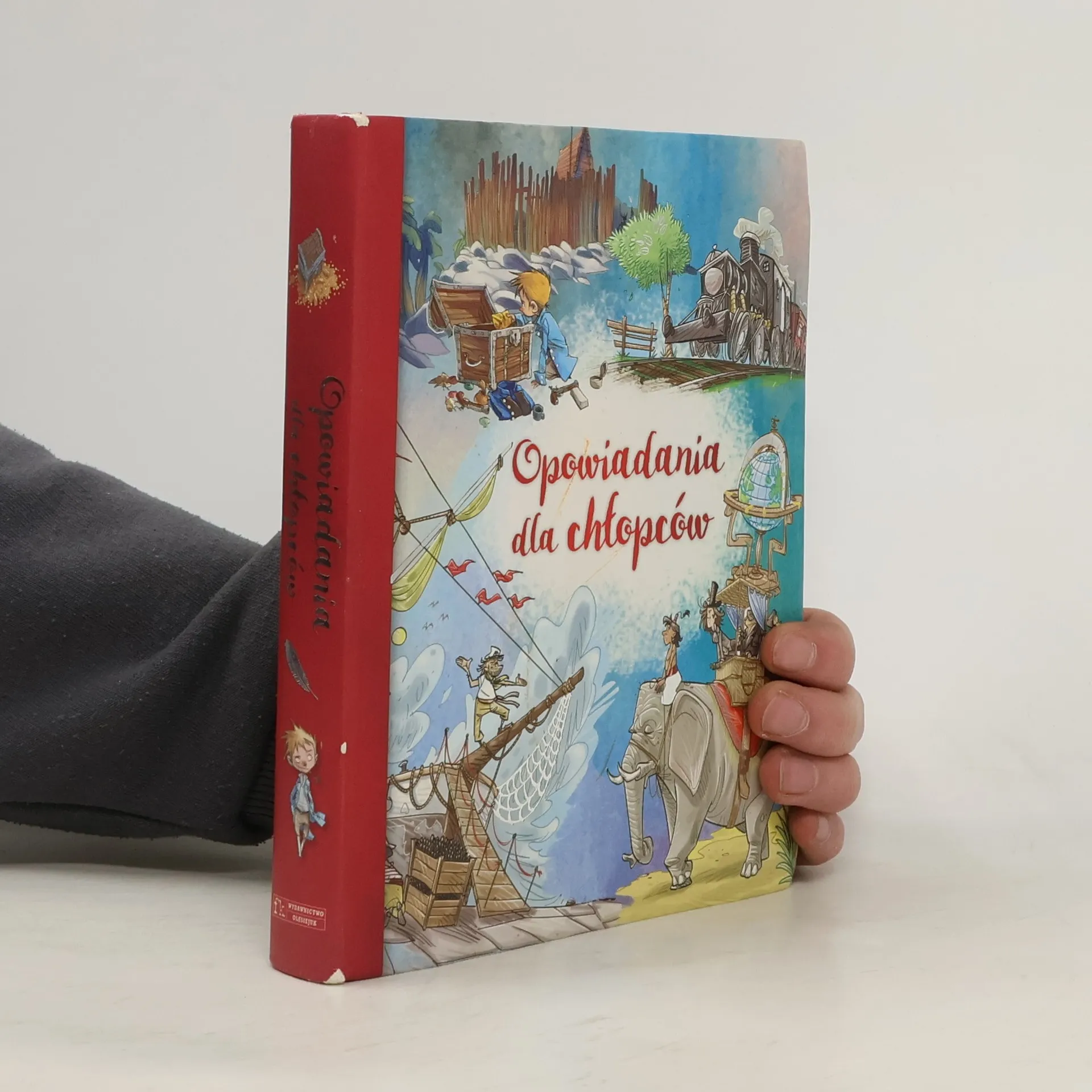
Zbiorek zawiera cztery historie będące adaptacjami znanych powieści dla chłopc�w: Wyspa skarb�w, W 80 dni dookoła świata, Biały Kieł, Chłopcy z Placu Broni. Młodzi czytelnicy poznają dzięki niemu niezapomniane przygody niezwykłych bohater�w, a lekturę umilą wspaniałe ilustracje.
Dans la plupart de ses grands romans, La Main gauche de la nuit, Les dépossédés et Le nom du monde est forêt, tous couronnés par des prix Hugo, Ursula Le Guin a tissé une toile de fond galactique. A l'origine, la planète Hain, il y a des centaines de milliers d'années, a essaimé l'humanité sur des dizaines de planètes, dont la Terre. Ivres de leurs capacités technologiques, les Hainiens ont d'abord multiplié les expériences génétiques et sociologiques, installant sur chaque monde colonisé une humanité différente. Puis, se rendant compte des atrocités auxquelles avaient conduit certaines de ces manipulations, ils en ont ressenti une intense culpabilité collective et ont créé la Ligue de tous les mondes puis l'Ekumen pour tenter de réparer. Sur les huit nouvelles de ce recueil, pour la plupart couronnées par des prix, sept se situent dans l'espace de l'Ekumen et en complètent la description. Avec un sens aigu de l'humanité et une précision d'ethnologue, Ursula Le Guin y décrit des sociétés différentes en mettant l'accent sur leurs variations sexuelles et sentimentales. La huitième histoire renouvelle le thème classique du navire interstellaire à générations.
Nella corner dei vicoli Pál e Maria si trova un terreno vuoto – una vista rara nella affollata Budapest. Per Buka, Ninczuk, Cella, Barbas, Kolnai e gli altri ragazzi del loro gruppo, l'area dietro la recinzione di legno è l'unico posto dove possono giocare senza che gli adulti vietino quasi ogni divertimento. Ma ecco che accade qualcosa: la banda del giardino botanico, guidata dal terribile Piri e dai fratelli Pastor, decide di prendere possesso del terreno vuoto per giocare a calcio. La banda del giardino botanico è sicura della propria forza e non considera la determinazione dei ragazzi di via Pál a difendere il loro campo – e l'intelligenza del ragazzo che li guida: Janos Buka. La storia della lotta – le azioni di spionaggio, i preparativi per la guerra e lo svolgimento delle battaglie – è prima di tutto la storia di Arno Ninczuk, l'unico soldato tra i ragazzi di via Pál e stretto amico di Janos Buka. Franz Molnár descrive nella sua bellissima e commovente storia la vita dei bambini in una grande città, affollata e grigia, dove i loro divertimenti sono pochi e la maggior parte deriva dalle invenzioni della loro immaginazione – che realizzano nel terreno vuoto, tra le pile di legna del vicino segheria.
Chlapci z Pavelské ulice je kniha pro mládež maďarského spisovatele Ference Molnára. Děj knihy se odehrává v Budapešťské čtvrti Józsefváros na přelomu 19. a 20. století. Ústředním motivem je boj dvou chlapeckých part o volný plácek na rohu Pavelské (Pál utca) a Mariánské (Mária utca)ulice. Kniha se brzy po svém vydání stala velmi populární a byla přeložena do mnoha jazyků. V češtině vyšla i pod názvem Hoši z Pavelské ulice.
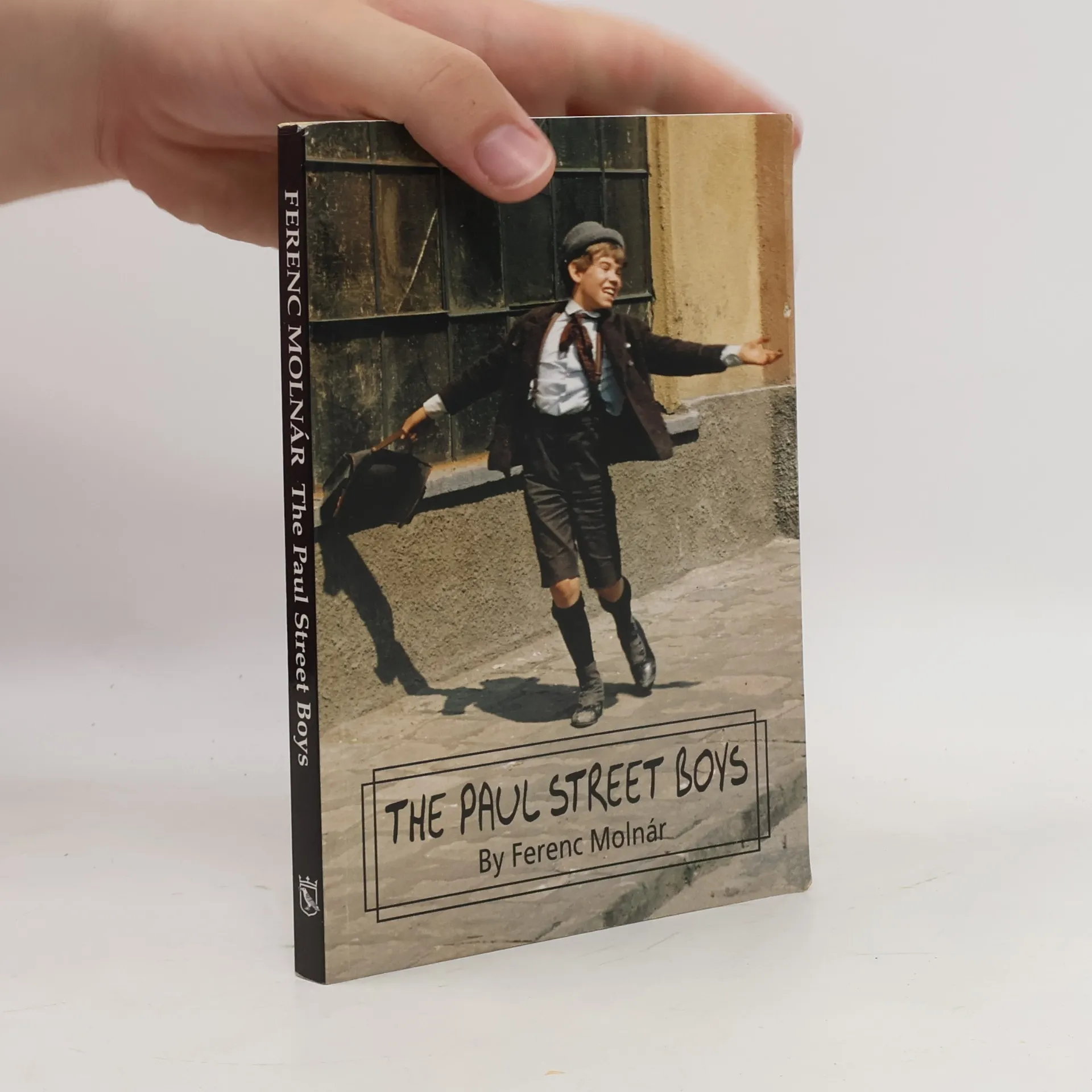
Ferenc Molnár's story is considered a classic of youth literature. Set in early 20th-century Budapest, it follows a group of boys in the fourth grade during a time when horse-drawn trams still ran through the city, and empty construction lots were common near bustling streets. This group "owns" a vacant lot on Pavel Street, where they play after school, adhering to strict rules of their organized gang. However, another group from a neighboring school decides to take over the lot by force. As both groups spy on each other's plans, a war is declared. Although the boys from Pavel Street win the battle, their victory comes at a steep price with the death of one friend, and they soon learn that the lot will be developed into an apartment building. Molnár masterfully captures the lives of urban boys, creating vivid characters that linger in memory. He skillfully balances tragedy and humor, allowing the reader to experience tension and emotional release, ultimately crafting a poignant allegory about the senselessness and cruelty of war.
Comedy / Characters: 17 male, 5 female, (extras)Scenery: Interior and 4 exteriors Liliom is a shiftless young bully in Budapest. He works intermittently as a barker for a merry go round and many servant girls fall victim to his charms. Among these girls is Julie, whom he eventually marries. Learning that he is about to become a father Liliom participates in a robbery to enhance his fortunes. But he is caught and stabs himself rather than submit to arrest. He is tried in the Magistrate's court on high, but they see through him there. They know what repentance is in his heart though he is much too cocky to admit it. He is sentenced to a term of years in the purifying fires with the promise that after that sentence has been served he can go back to earth with a chance to do one good deed there. A tender and moving story told with a master's touch.