

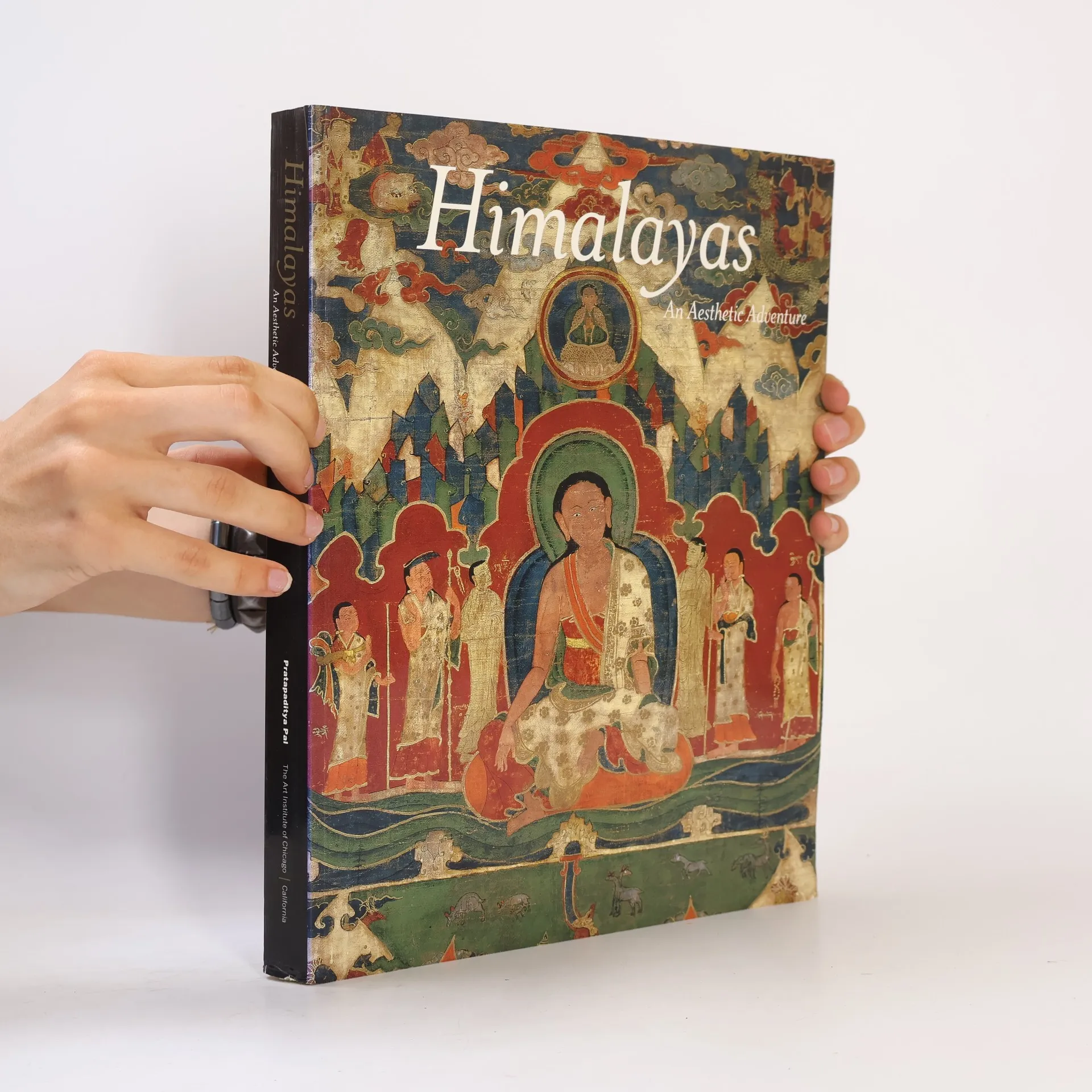
This sweeping survey of the artistic achievements of Himalayan culture is the first major exhibition to include objects from all the major religions of the region. Created to accompany the landmark art exhibition that will include almost two hundred of the finest works of art created between the sixth and nineteenth centuries in India, Nepal, Tibet, and Bhutan, this book explores the particular beauty that evolved from the spiritual traditions unique to the Himalayas. Lavishly illustrated with many rarely seen images, Himalayas conveys the spiritual aspirations of those who defied the physical hardships of an arduous mountain terrain to express their soaring creative spirit. Currently held in private and public collections in North America and Europe, seventy percent of this art has never been published or publicly exhibited. The works include temple sculptures of stone and wood; works in terracotta; cast bronzes with inlaid gemstones, gilding, and paint; colorful paintings—from reverential portraits to depictions of awe-inspiring deities—on cloth, palm leaf, paper, and wood; and ritual objects in various media. Pratapaditya Pal provides a fascinating description of the cultural milieu in which these works of art were created. Copublished with the Art Institute of Chicago
Oskar von Hinüber Books

Beiträge zur Erklärung der Senavarma-Inschrift
- 56 pages
- 2 hours of reading
Die Senavarma-Inschrift gehört in mehrfacher Hinsicht zu den bedeutendsten epigraphischen Denkmälern aus dem alten Indien in der Zeit vor dem um 320 n. Chr. beginnenden Gupta-Reich. Sie ist trotz der Neufunde von zahlreichen literarischen buddhistischen Texten auf Birkenrinde nach wie vor der längste zusammenhängende und ohne Lücken überlieferte Text in Gāndhārī und in Kharoșțhī-Schrift. Obwohl die Inschrift seit 1980 Bearbeiter findet, die das Verständnis des Textes vorantreiben, bleiben noch viele Einzelheiten ungeklärt. Oskar von Hinüber arbeitet auf Grundlage der vorigen Bearbeitungen weitere Textstellen heraus.
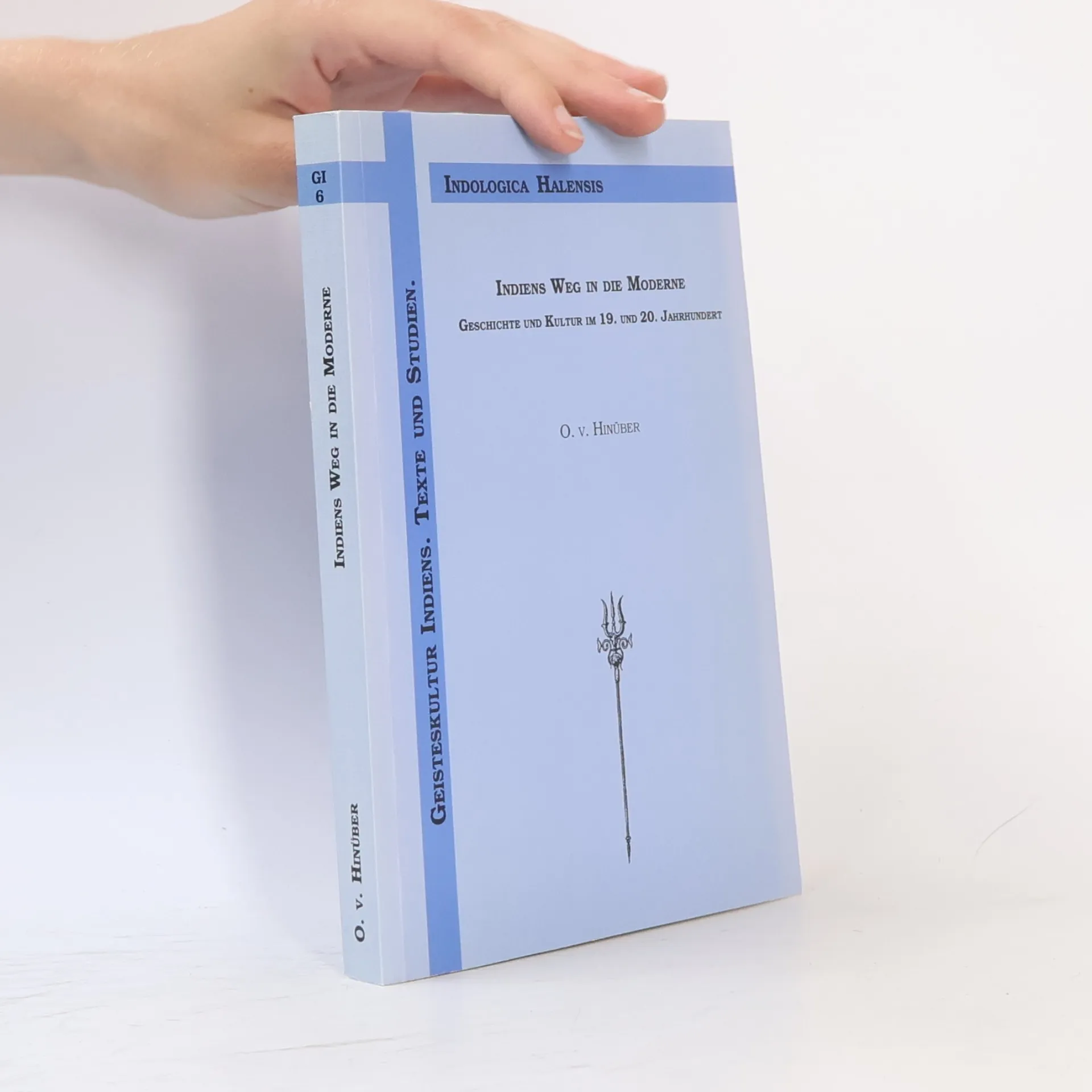
Geisteskultur Indiens. Texte und Studien. - 6: Indiens Weg in die Moderne
Geschichte und Kultur im 19. und 20. Jahrhundert
- 266 pages
- 10 hours of reading
Das Ziel der folgenden Ausführungen ist bescheiden. Es soll nicht mehr erreicht werden, als einen knappen Überblick über die Geschichte des indischen Kulturraumes während der beiden vergangenen Jahrhunderte zu geben. Neue oder gar originelle Forschungsergebnisse werden nicht vorgelegt. Vielmehr wird Bekanntes in anderer Form und mit anderen Akzentuierungen versehen dargeboten. Von anderen Einführungen dieser Art unterscheidet sich die vorliegende dadurch, dass sie nicht aus der Sicht eines Historikers, sondern eines Indologen geschrieben ist. Daher wird neben den politischen Ereignissen auch der kulturellen Entwicklung in bescheidenem Maße Aufmerksamkeit geschenkt, soweit der geringe Umfang das eben zulässt.