Explore the latest books of this year!
Bookbot

Anne Applebaum

    July 25, 1964

    A Pulitzer Prize-winning journalist and author, her work delves into the complexities of communism and the evolution of civil society in Central and Eastern Europe. Her writings offer profound insights into the political and social transformations that have shaped the region. As a respected columnist and editorial board member for a major newspaper, she contributes significantly to public discourse on pivotal international affairs.

    Anne Applebaum
    Twilight of Democracy
    Autocracy, Inc.: The Dictators Who Want to Run the World
    Gulag: A History of the Soviet Camps
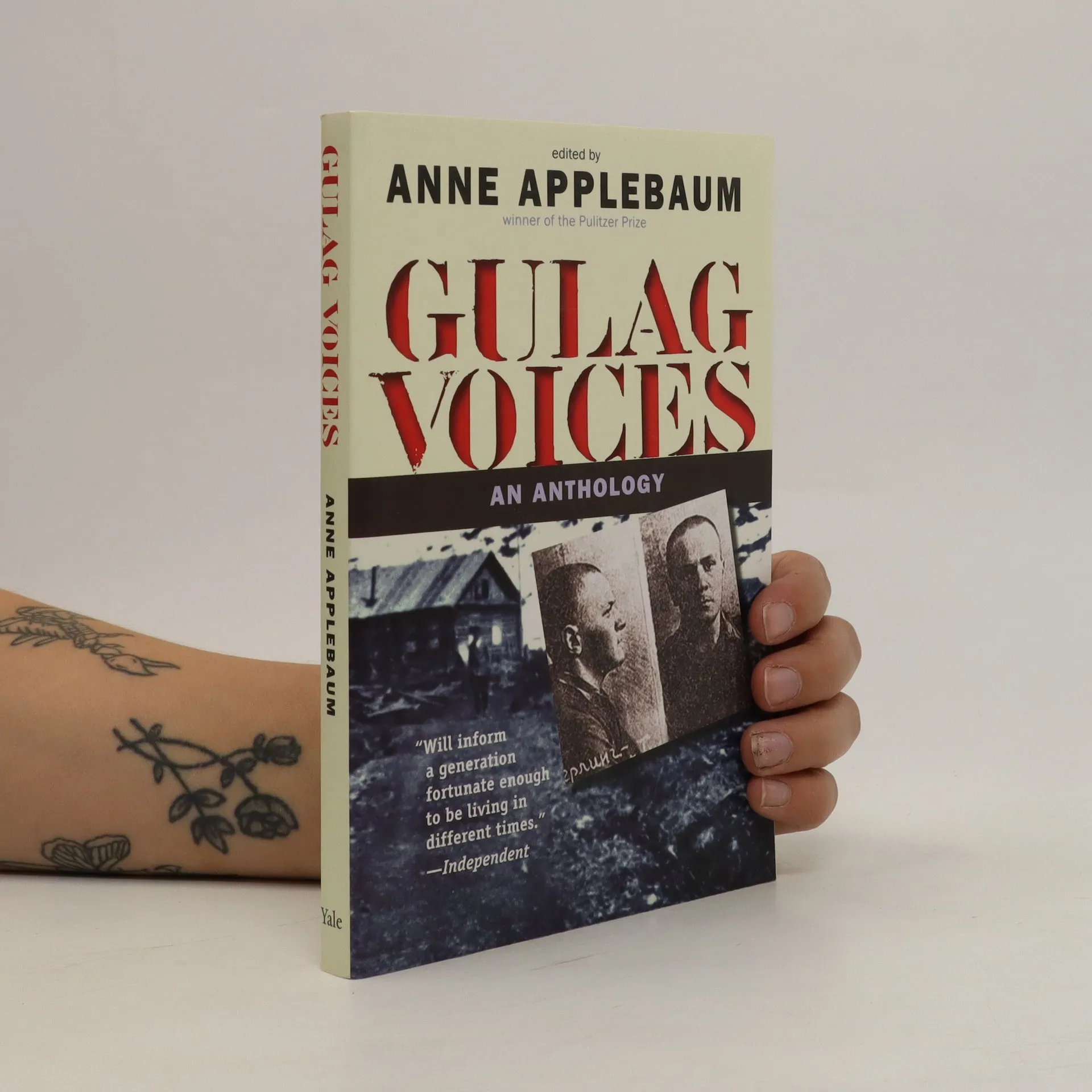
    Gulag Voices. An anthology
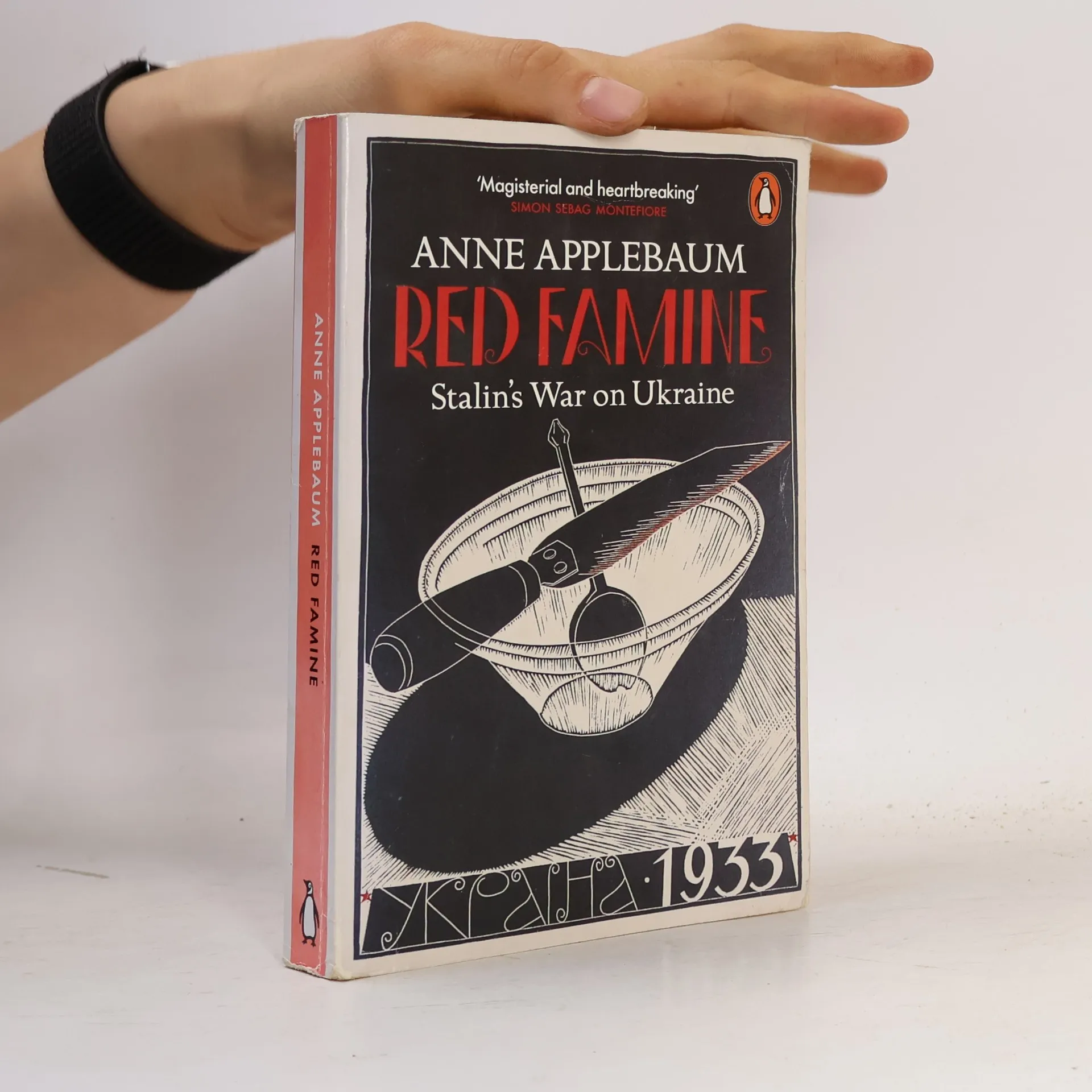
    Red Famine
    Red famine. Stalin's war on Ukraine
    • Red famine. Stalin's war on Ukraine

      • 461 pages
      • 17 hours of reading

      Introduction: the Ukrainian question -- The Ukrainian revolution, 1917 -- Rebellion, 1919 -- Famine and truce: the 1920s -- The double crisis: 1927-9 -- Collectivization: revolution in the countryside, 1930 -- Rebellion, 1930 -- Collectivization fails, 1931-2 -- Famine decisions, 1932: requisitions, blacklists and borders -- Famine decisions, 1932: the end of Ukrainization-- Famine decisions, 1932: the searches and the searchers -- Starvation: spring and summer, 1933 -- Survival: spring and summer, 1933 -- Aftermath -- The cover-up -- The Holodomor in history and memory -- Epilogue: the Ukraine question reconsidered

      Red famine. Stalin's war on Ukraine
      4.5
    • Red Famine

      • 608 pages
      • 22 hours of reading

      Applebaum's account is poised to become the definitive treatment of a significant political atrocity, vividly re-creating a pastoral world to illustrate its destruction. She argues that the deliberate starvation of Ukrainian peasants was part of a broader Soviet policy against the Ukrainian nation. Understanding this history is essential for contemporary Russians as they grapple with their past. Lucid and powerful, her argument that Stalin targeted Ukraine for special punishment is compelling. The narrative chronicles the devastation inflicted upon Ukraine by Stalin and his regime, built on suspicion and fear. By incorporating contemporary voices, the book resonates with current events, reminding readers that history offers both hope and tragedy. It serves as a heartbreaking history of Stalin's Ukrainian famine, illustrating how starvation was weaponized in the Sovietization of Ukraine. Applebaum’s work reveals the horrific consequences of a regime at war with its own people. Her relentless and shocking narrative solidifies her reputation as a leading historian of Soviet crimes, providing a crucial backstory for understanding present-day relations between Russia and Ukraine. This authoritative history is a vital resource for grasping the complexities of national strife.

      Red Famine
      4.4
    • Gulag Voices. An anthology

      • 195 pages
      • 7 hours of reading

      Collects the writings of a diverse group of people who survived imprisonment in the Gulag, recounting their experiences and relationships, and offering insight into the psychological aspects of life in the camps.

      Gulag Voices. An anthology
      4.5
    • Gulag: A History of the Soviet Camps

      • 624 pages
      • 22 hours of reading

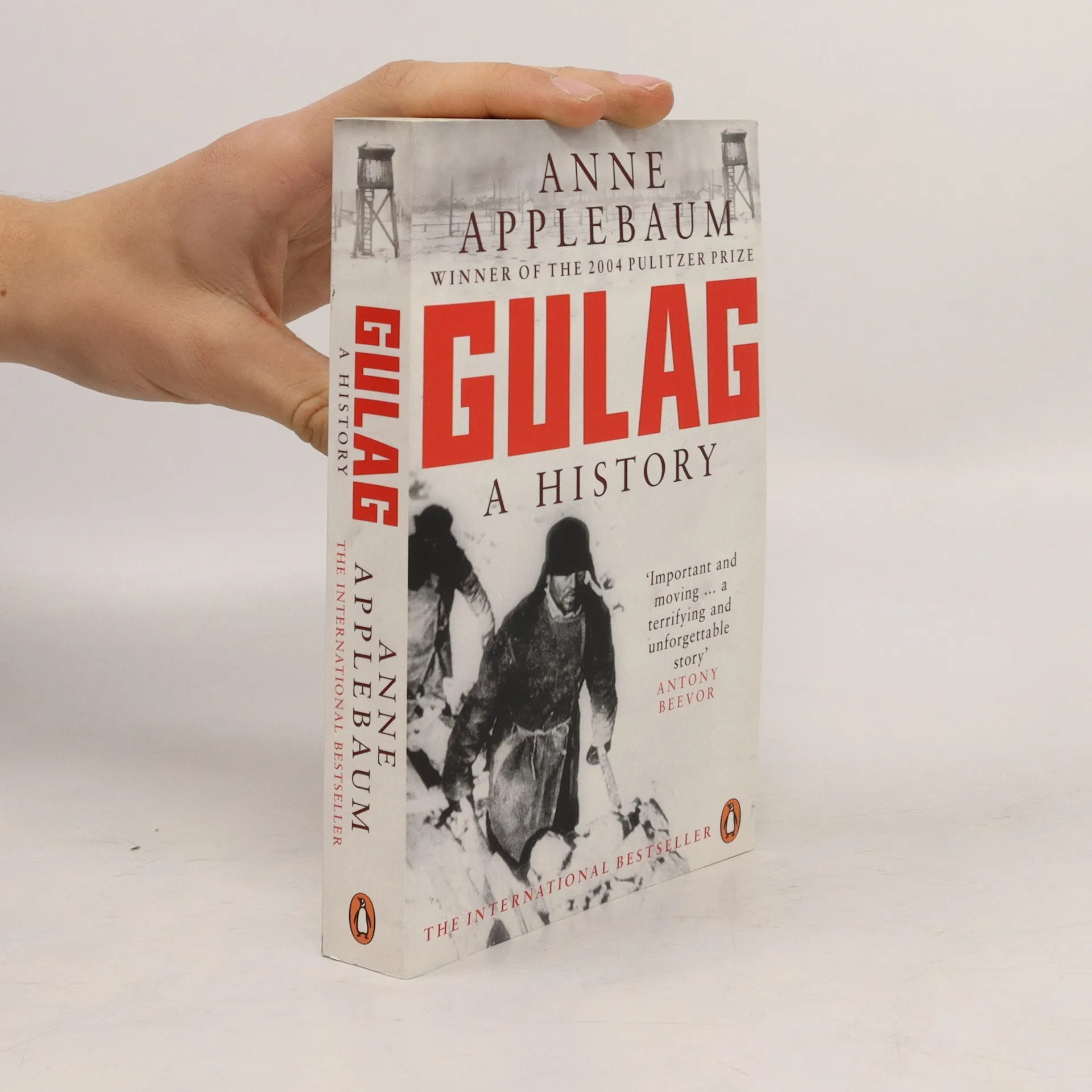
      Reveals one of the greatest horrors of the 20th century: the system of Soviet camps that are responsible for the deaths of countless millions. This work presents history of the camp: from its origins under the tsars, to its colossal expansion under Stalin's reign of terror, its zenith in the late 1940s and eventual collapse in the era of glasnost.

      Gulag: A History of the Soviet Camps
      4.3
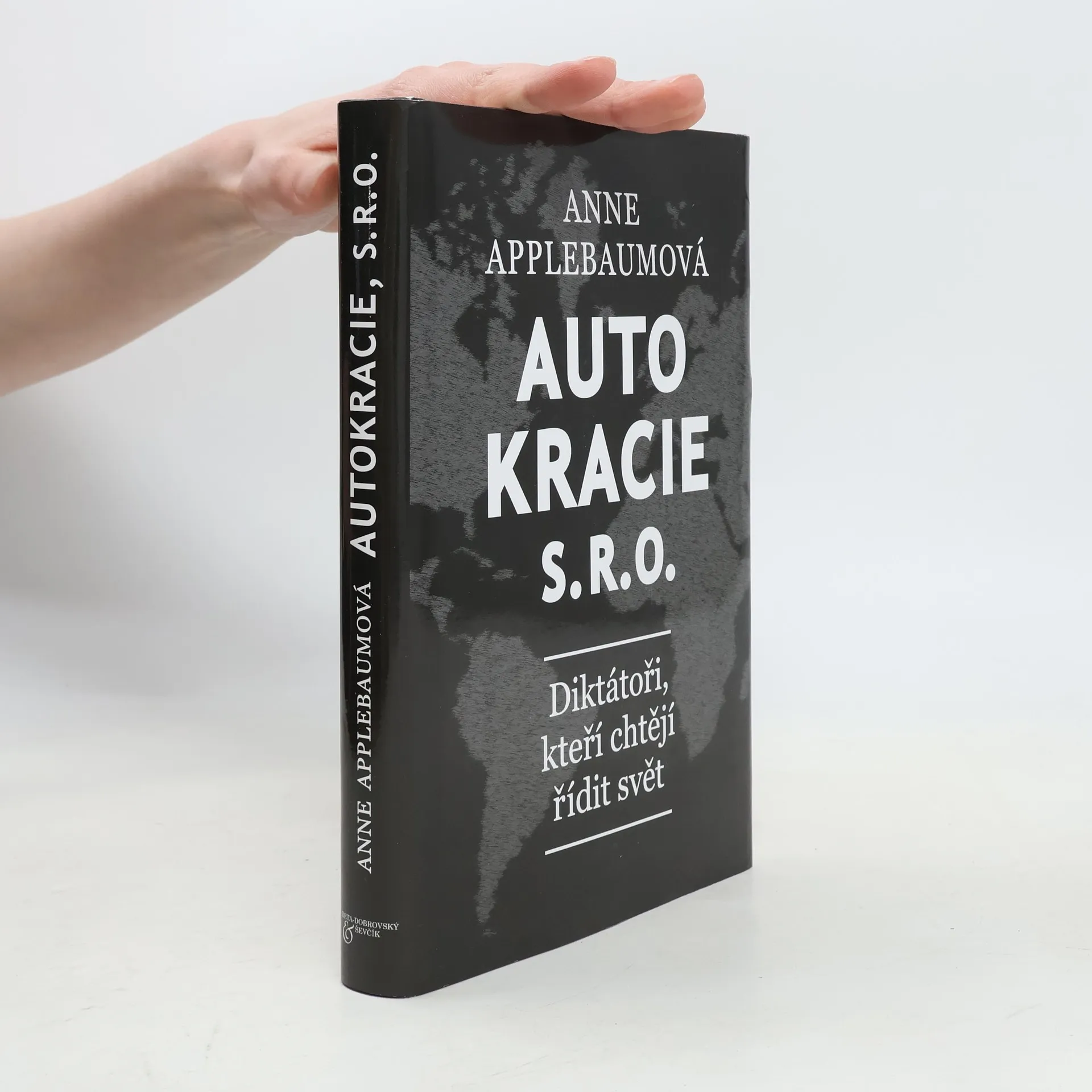
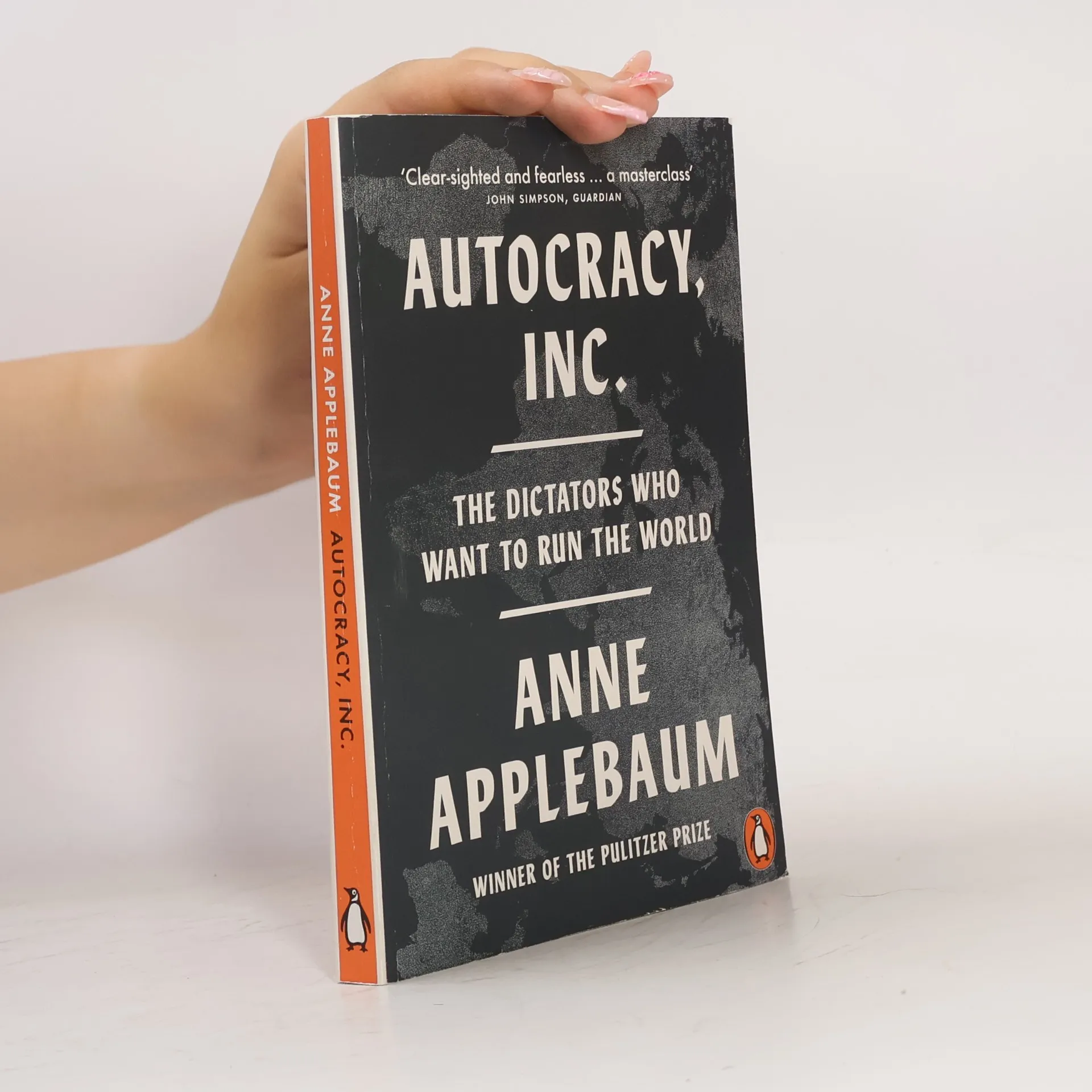
    • One of the world's most celebrated historians and journalists uncovers the networks aiming to undermine democracy. The traditional image of an autocratic state, with a single tyrant at the helm, is outdated. In the 21st century, autocracies function through sophisticated networks of kleptocratic financial systems, security services, and professional propagandists. These members are interconnected not just within their own countries but across borders. Corrupt, state-controlled companies collaborate internationally, while police forces in one nation can train and equip those in another. Propagandists share resources; troll farms promoting one dictator's agenda can easily support another's, emphasizing the same anti-democratic messages. Unlike historical military or political alliances, this network operates more like a conglomerate: Autocracy, Inc. Their interactions are transactional, transcending ideological, geographical, and cultural divides. Their sole commonality is a shared disdain for the democratic world and a desire to undermine its systems and values. This book explores the origins, persistence, and mechanics of this autocratic coalition, as well as how the democratic world has inadvertently bolstered it and what can be done to dismantle it.

      Autocracy, Inc.: The Dictators Who Want to Run the World
      4.2
    • Twilight of Democracy

      • 224 pages
      • 8 hours of reading

      NATIONAL BESTSELLER • "How did our democracy go wrong? This extraordinary document ... is Applebaum's answer." —Timothy Snyder, author of On Tyranny The Pulitzer Prize–winning historian explains, with electrifying clarity, why elites in democracies around the world are turning toward nationalism and authoritarianism. From the United States and Britain to continental Europe and beyond, liberal democracy is under siege, while authoritarianism is on the rise. In Twilight of Democracy, Anne Applebaum, an award-winning historian of Soviet atrocities who was one of the first American journalists to raise an alarm about antidemocratic trends in the West, explains the lure of nationalism and autocracy. In this captivating essay, she contends that political systems with radically simple beliefs are inherently appealing, especially when they benefit the loyal to the exclusion of everyone else. Elegantly written and urgently argued, Twilight of Democracy is a brilliant dissection of a world-shaking shift and a stirring glimpse of the road back to democratic values.

      Twilight of Democracy
      4.2
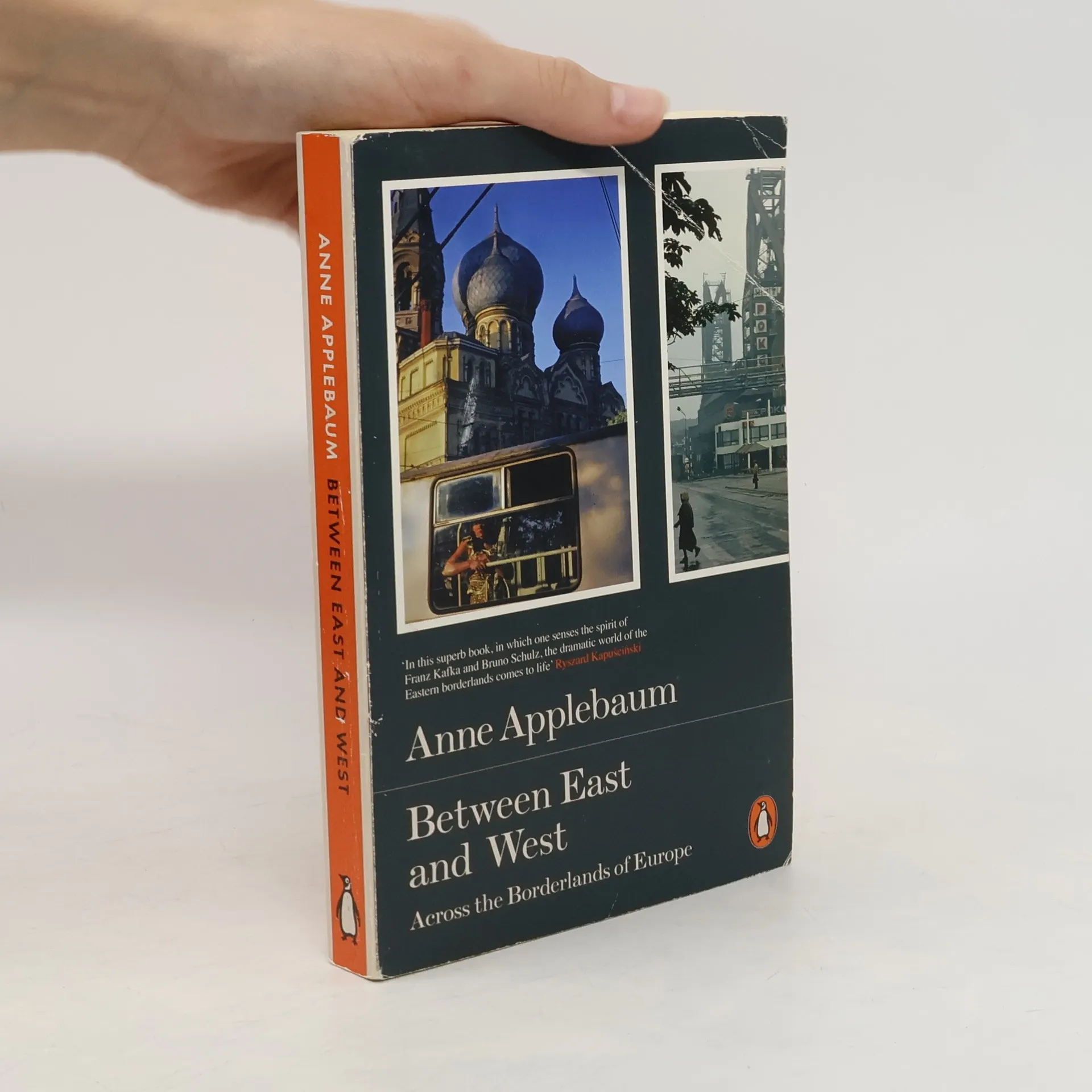
    • As Europe's borderlands emerged from Soviet rule, Anne Applebaum travelled from the Baltic to the Black Sea, through Lithuania, Belarus, Ukraine and the Carpathian mountains. Rich in vivid characters and stories of tragedy and survival, Between East and West illuminates the soul of a place, and the secret history of its people

      Between East and West : across the borderlands of Europe
      4.1
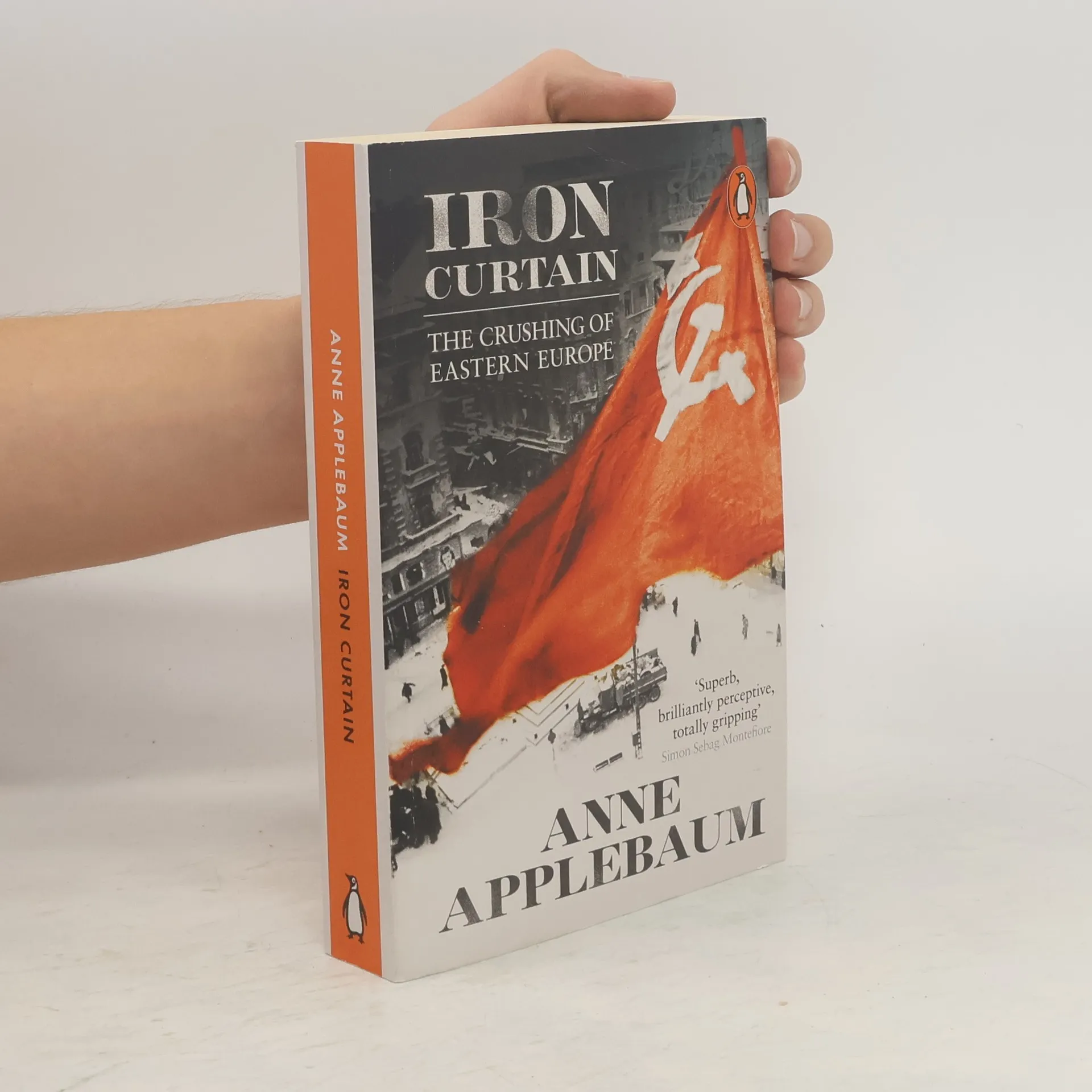
    • Iron Curtain

      The Crushing of Eastern Europe 1944-56

      Once the Nazis were defeated in 1945, the people of Central and Eastern Europe expected to recover the lives they had led before 1939. This book explains how Communism was imposed on these previously free societies in the decade after the end of the Second World War.

      Iron Curtain
      4.1
    • A FINANCIAL TIMES, ECONOMIST AND NEW STATESMAN BOOK OF THE YEAR 2020 'The most important non-fiction book of the year' David Hare In the years just before and after the fall of the Berlin Wall, people from across the political spectrum in Europe and America celebrated a great achievement, felt a common purpose and, very often, forged personal friendships. Yet over the following decades the euphoria evaporated, the common purpose and centre ground gradually disappeared, extremism rose once more and eventually - as this book compellingly relates - the relationships soured too. Anne Applebaum traces this history in an unfamiliar way, looking at the trajectories of individuals caught up in the public events of the last three decades. When politics becomes polarized, which side do you back? If you are a journalist, an intellectual, a civic leader, how do you deal with the re-emergence of authoritarian or nationalist ideas in your country? When your leaders appropriate history, or pedal conspiracies, or eviscerate the media and the judiciary, do you go along with it? Twilight of Democracy is an essay that combines the personal and the political in an original way and brings a fresh understanding to the dynamics of public life in Europe and America, both now and in the recent past.

      Twilight of democracy : the failure of politics and the parting of friends
      3.7
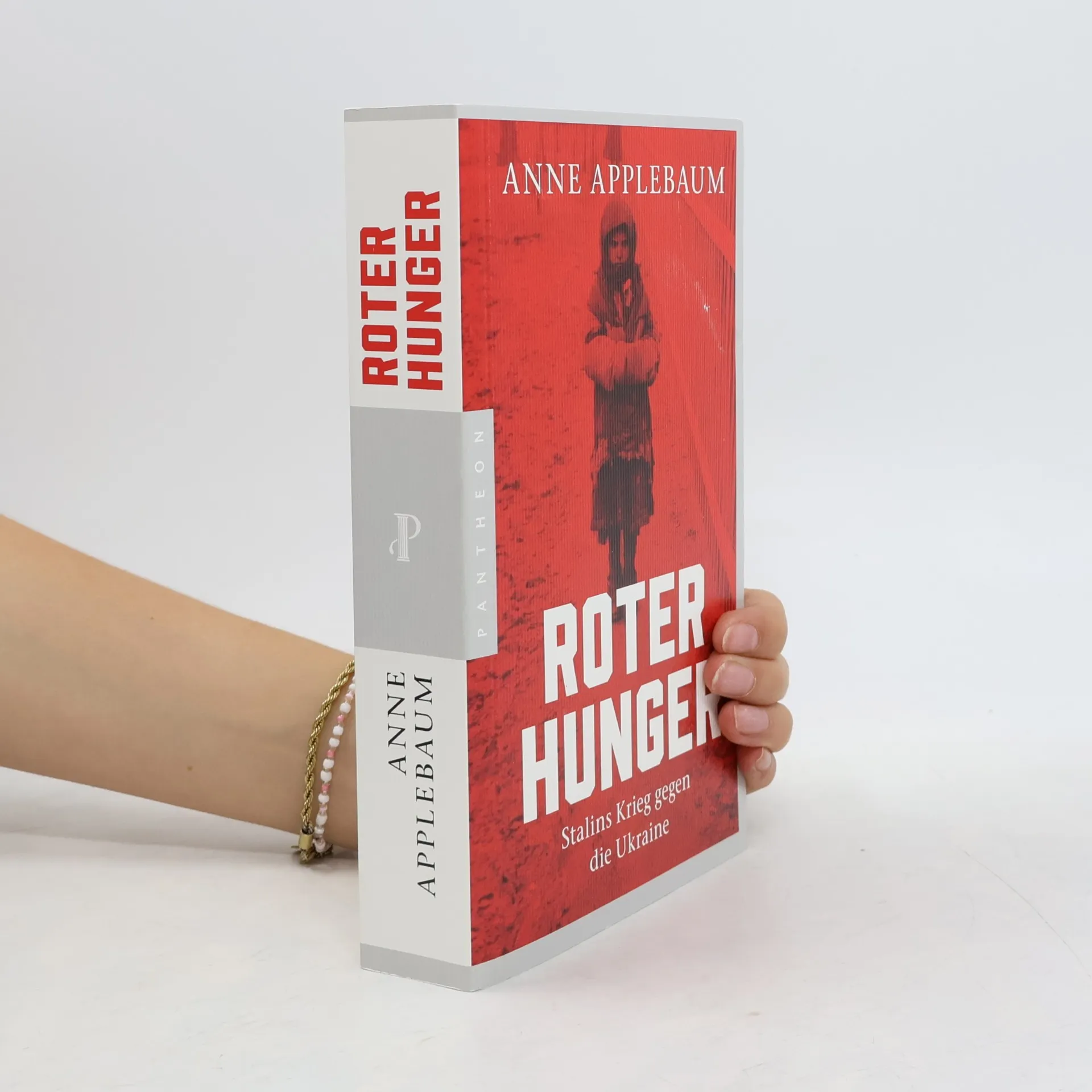
    • Roter Hunger

      Stalins Krieg gegen die Ukraine - FRIEDENSPREIS DES DEUTSCHEN BUCHHANDELS 2024 FÜR ANNE APPLEBAUM - Friedenspreis 2024 für Anne Applebaum

      Der Holodomor: die umfassende Darstellung eines der größten Menschheitsverbrechen Der gegenwärtige Krieg in der Ukraine ist ohne diese historische Last nicht zu verstehen - der erzwungene Hungertod von mehr als drei Millionen Ukrainern 1932 und 1933, Holodomor genannt, war eine der größten Katastrophen des 20. Jahrhunderts. Und sie hat Folgen bis heute – Stalins „Krieg gegen die Ukraine“ hat sich tief im kollektiven Bewusstsein der osteuropäischen Völker verankert. Pulitzer-Preisträgerin Anne Applebaum vereint in ihrer Darstellung auf eindrückliche Weise die Perspektive der Täter und jene der Opfer: Sie zeigt Stalins Terrorregime gegen die Ukraine, die Umstände der Vernichtungspolitik - und verleiht zugleich den hungernden Ukrainern eine Stimme. Ein gewaltiges Buch, erschütternd und erhellend zugleich. Ausstattung: mit Abb.

      Roter Hunger
      4.0