


Explore the latest books of this year!
Bookbot

Marie-Claire Pasquier

    L'Angleterre d'aujourd'hui par les textes
    The Humbling
    Exit Ghost
    Nemesis
    Fabula - 68: In mezzo scorre il fiume
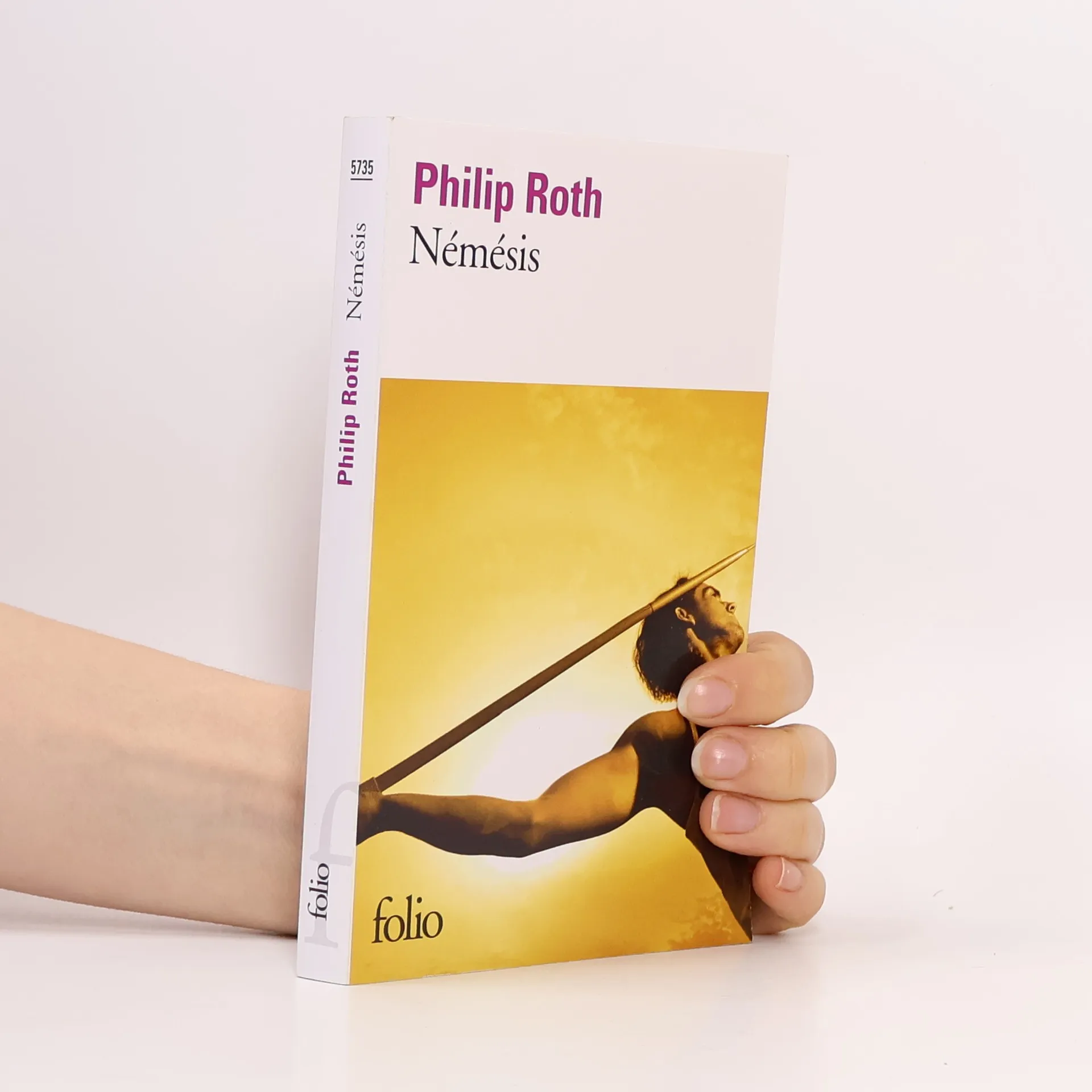
    folio: Némésis
    • folio: Némésis

      • 272 pages
      • 10 hours of reading

      Situé dans les environs de Newark, à l'époque où éclate une terrible épidémie de polio, Némésis décrit avec précision le jeu des circonstances sur nos vies. Pendant l'été 1944, Bucky Cantor, un jeune homme de vingt-trois ans, vigoureux, doté d'un grand sens du devoir, anime et dirige un terrain de jeu. Lanceur de javelot, haltérophile, il a honte de ne pas avoir pris part à la guerre aux côtés de ses contemporains en raison de sa mauvaise vue. Tandis que la maladie provoque des ravages parmi les enfants qui jouent sur le terrain, Roth nous fait sentir chaque parcelle d'émotion que peut susciter une telle calamité : peur, panique, colère, perplexité, souffrance et peine. Des rues de Newark au camp de vacances rudimentaire, haut dans les Poconos, Némésis dépeint avec tendresse le sort réservé aux enfants, le glissement de Cantor dans la tragédie personnelle et les effets terribles que produit une épidémie de polio sur la vie d'une communauté de Newark, étroitement organisée autour de la famille.

      folio: Némésis2014
      4.2
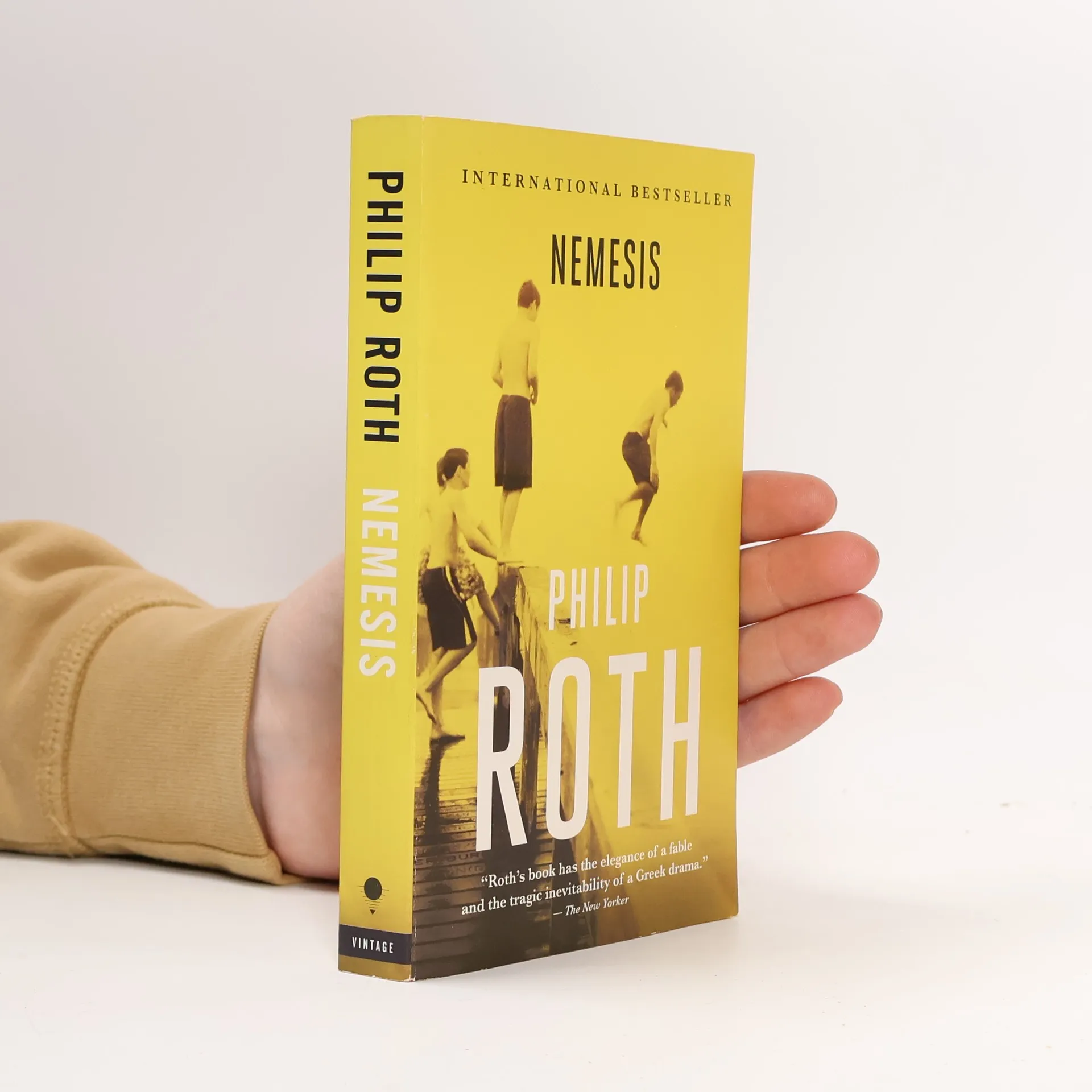
    • Nemesis

      • 44 pages
      • 2 hours of reading

      As polio begins to ravage Bucky's playground - child by helpless child - Roth leads us through every emotion such a pestilence can breed: the fear, the panic, the anger, the bewilderment, the suffering and the pain.

      Nemesis2012
      3.9
    • The Humbling

      • 140 pages
      • 5 hours of reading

      Everything is over for Simon Axler, the protagonist of Philip Roth's startling new book. One of the leading American stage actors of his generation, now in his 60s, he has lost his magic, his talent, and his assurance. His Falstaff and Peer Gynt and Vanya, all his great roles, "are melted into air, into thin air". When he goes on stage he feels like a lunatic and looks like an idiot. His confidence in his powers has drained away; he imagines people laughing at him; he can no longer pretend to be someone else. "Something fundamental has vanished." His wife has gone, his audience has left him, his agent can't persuade him to make a comeback. Into this shattering account of inexplicable and terrifying self-evacuation bursts a counterplot of unusual erotic desire, a consolation for the bereft life so risky and aberrant that it points not toward comfort and gratification but to a yet darker and more shocking end. In this long day's journey into night, told with Roth's inimitable urgency, bravura, and gravity, all the ways that we persuade ourselves of our solidity, all our life's performances - talent, love, sex, hope, energy, reputation - are stripped off. Following the dark meditations on mortality and endings in Everyman and Exit Ghost, and the bitterly ironic retrospective on youth and chance in Indignation, Roth has written another in his haunting group of late novels.

      The Humbling2011
      3.3
    • Exit Ghost

      • 292 pages
      • 11 hours of reading

      Returning to New York after eleven years, Nathan Zuckerman finds a transformed city. Having lived in solitude on his New England mountain, he has focused solely on writing, free from distractions and the burdens of modern life. However, his re-entry into the city quickly disrupts his isolation. He forms a connection with a young couple, offering to swap homes: they will escape post-9/11 Manhattan for his rural retreat, while he returns to urban life. This arrangement awakens Zuckerman's desires, particularly for the young woman, Jaime, reigniting his longing for intimacy and passion. His second connection is with Amy Bellette, once his muse and companion to his literary idol, E.I. Lonoff. Now aged and frail, Amy clings to memories of Lonoff, the writer who inspired Zuckerman's solitary journey into literature. The third connection is with a young biographer eager to uncover Lonoff's "great secret," pulling Zuckerman into a web of love, loss, and rivalry that he had hoped to avoid. As he navigates these relationships, Zuckerman grapples with themes of desire, mourning, and the complexities of human connection. This narrative reflects Roth's signature style and thematic depth, marking a significant evolution in his exploration of fiction.

      Exit Ghost2009
      3.6
    • Œuvres

      • 1904 pages
      • 67 hours of reading

      D'Oscar Wilde on retient surtout l'esprit fulgurant, les provocations, certains paradoxes, un roman (Le Portrait de Dorian Gray), quelques pièces de théâtre, enfin (surtout ?), sa condamnation aux travaux forcés pour pratiques homosexuelles. Wilde a longtemps pâti de son extraordinaire souci de créer sa propre légende, d'être non pas un créateur de fictions, mais une fiction vivante, et aussi du caractère spectaculaire de sa chute : passé de l'astre au désastre, l'élégant causeur dont les comédies triomphaient sur les scènes de Londres devenait brutalement un faussaire démasqué et un imposteur. Pour avoir voulu faire semblant d'être un homme honnête, il se trouva implicitement accusé d'avoir fait semblant d'être un écrivain. Le public d'aujourd'hui, soumis à un discours moins ou autrement normatif, voit plutôt en lui une victime de l'hypocrisie victorienne. Et l'écrivain de devenir une cause à défendre. Proposant des traductions nouvelles, regroupant la poésie, les contes et histoires, Dorian Gray, De profundis, les essais critiques (méconnus) et le théâtre, ce volume permet enfin à l'Œuvre de se dégager en tant que telle, dans sa cohérence comme dans ses contradictions, au-delà de ce qu'on a longtemps perçu comme un brillant recueil d'épigrammes.

      Œuvres1996
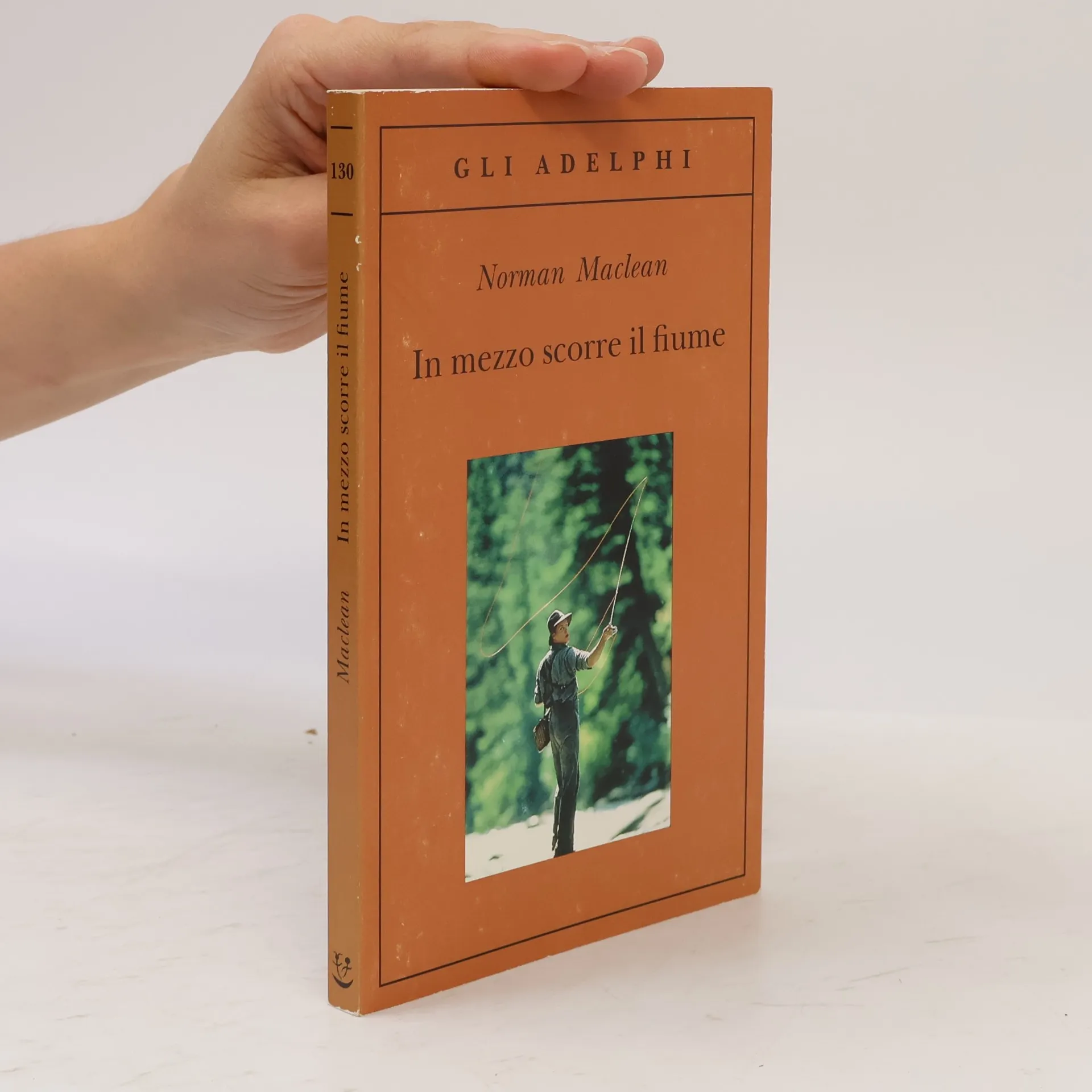
    • Fabula - 68: In mezzo scorre il fiume

      • 153 pages
      • 6 hours of reading

      Ci sono rari libri che sembrano fatti di niente e alla fine dei quali ci si trova a navigare nel tutto e precisamente su un fiume. «Alla fine tutte le cose si fondono in una sola, e un fiume la attraversa»: così leggiamo nelle ultime righe di questo romanzo, e in quel momento la frase ci pare chiara. Ma come ci si arriva? Ascoltando la storia di due fratelli del Montana appassionati di pesca a mosca in luoghi magnifici e deserti. Nulla di più semplice, eppure, i due fratelli crescono con l’idea che nulla nella vita sia tanto arduo e misterioso: «Nella nostra famiglia non c’era una chiara linea di demarcazione tra religione e pesca a mosca». Scopriamo come la pesca a mosca attiri complicazioni, che coinvolgono birra, cazzotti, sfide virili, zie presbiteriane, una pellerossa dai capelli lucenti, e un vecchio predicatore che legge il Vangelo in greco lungo il fiume. Mentre la tensione si sviluppa nel rapporto fra i due fratelli, che si amano e non si capiscono, si arriva a un finale lacerante, rivelando come siano «proprio le persone con cui viviamo, che amiamo e che dovremmo conoscere meglio, a eluderci». Per raccontare queste storie occorreva un tono asciutto e laconico, evocando un film di John Ford o una lirica di Robert Frost. Così, da una materia lieve e tragica, è nato un «fosco idillio americano». Il romanzo è apparso per la prima volta nel 1976.

      Fabula - 68: In mezzo scorre il fiume1993
      4.0