
Explore the latest books of this year!
Bookbot

Charles C Mann

    Charles C. Mann is a celebrated author whose work delves deeply into the intersection of history, science, and human society. Through his journalistic approach, he uncovers complex narratives, exploring how scientific discoveries and technological advancements have shaped human civilizations and their futures. Mann's style is characterized by its meticulous research and his ability to translate intricate subjects into compelling storytelling. His writing prompts readers to consider profound questions about our past and the potential paths ahead.

    Charles C Mann
    The Aspirin Wars
    The Wizard and the Prophet
    1493. Kolumbus' Erbe, englische Ausgabe
    The Second Creation
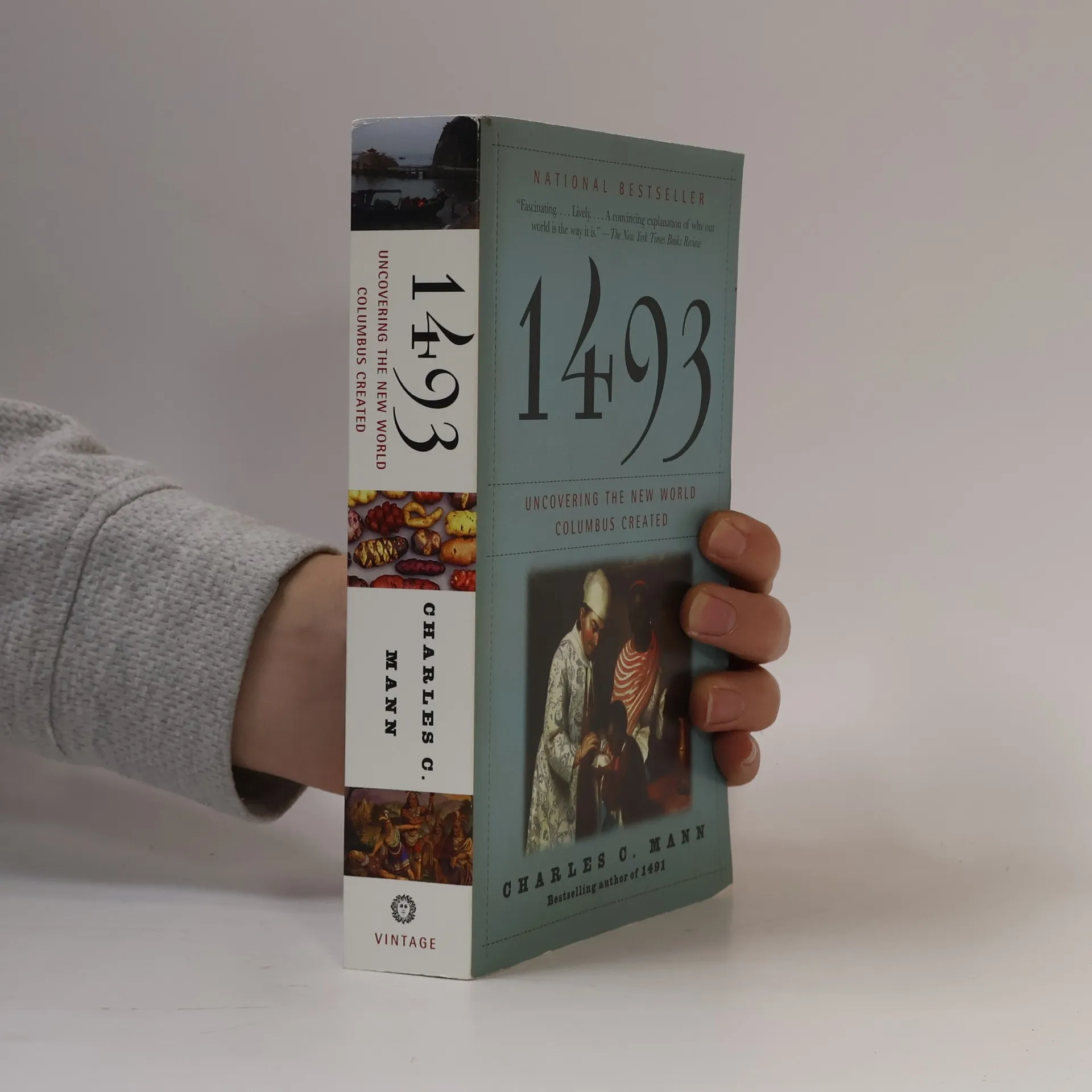
    1493 Uncovering the new world Columbus created
    Material World
    • Material World

      • 256 pages
      • 9 hours of reading

      Called “Fascinating! An incredible book” by Oprah Winfrey, this beloved photography collection vividly portrays the look and feel of the human condition everywhere on Earth. In an unprecedented effort, sixteen of the world’s foremost photographers traveled to thirty nations around the globe to live for a week with families that were statistically average for that nation. At the end of each visit, photographer and family collaborated on a remarkable portrait of the family members outside their home, surrounded by all of their possessions; a few jars and jugs for some, an explosion of electronic gadgetry for others. This internationally acclaimed bestseller puts a human face on the issues of population, environment, social justice, and consumption as it illuminates the crucial question facing our species Can all six billion of us have all the things we want? “Material culture, laid bare in this way, is surprisingly intimate―and whets a persons appetite to see the world.” ― The Atlantic “This remarkable book vividly presents its own cross section of families today, with the energy and intimacy of a work of art for our times . . . This is a record of striking value. No time traveler could bring back a more valuable resource.” ― Scientific America “Striking.” ― San Francisco Chronicle
      Material World
      4.6
    • NATIONAL BESTSELLER • A deeply engaging history of how European settlements in the post-Colombian Americas shaped the world—from the highly acclaimed author of 1491. • "Fascinating...Lively...A convincing explanation of why our world is the way it is." —The New York Times Book Review Presenting the latest research by biologists, anthropologists, archaeologists, and historians, Mann shows how the post-Columbian network of ecological and economic exchange fostered the rise of Europe, devastated imperial China, convulsed Africa, and for two centuries made Mexico City—where Asia, Europe, and the new frontier of the Americas dynamically interacted—the center of the world. In this history, Mann uncovers the germ of today's fiercest political disputes, from immigration to trade policy to culture wars. In 1493, Mann has again given readers an eye-opening scientific interpretation of our past, unequaled in its authority and fascination.

      1493 Uncovering the new world Columbus created
      5.0
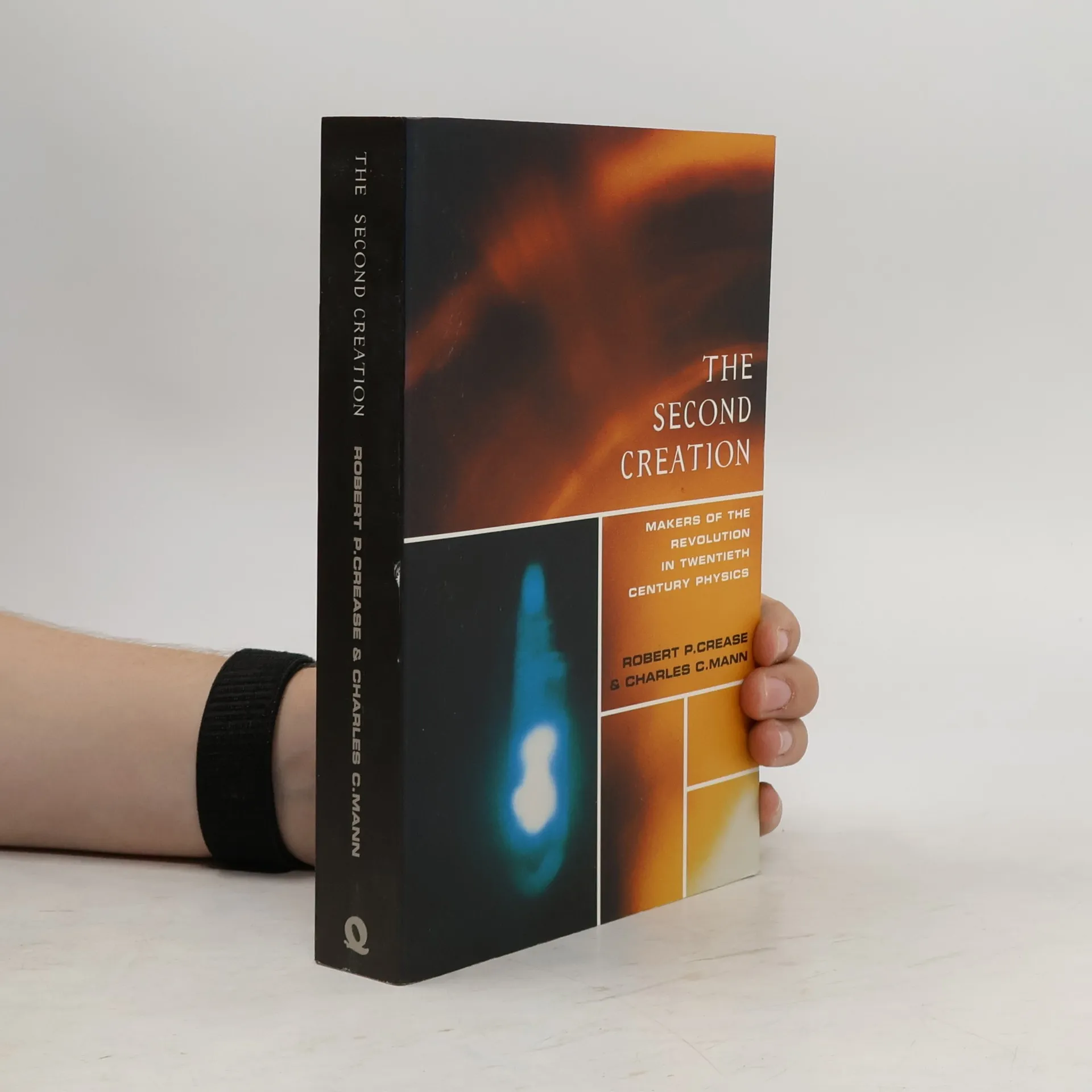
    • The Second Creation

      • 496 pages
      • 18 hours of reading

      The Second Creation is a dramatic--and human--chronicle of scientific investigators at the last frontier of knowledge. Robert Crease and Charles Mann take the reader on a fascinating journey in search of "unification" (a description of how matter behaves that can apply equally to everything) with brilliant scientists such as Niels Bohr, Max Planck, Albert Einstein, Erwin Schrödinger, Richard Feynman, Murray Gell-Mann, Sheldon Glashow, Steven Weinberg, and many others. They provide the definitive and highly entertaining story of the development of modern physics, and the human story of the physicists who set out to find the "theory of everything."The Second Creation tells the story of some of the most talented and idiosyncratic people in the world--many times in their own words. Crease and Mann conducted hundreds of interviews to capture the thinking and the personalities as well as the science. The authors make this complex subject matter clear and absorbing.

      The Second Creation
      4.0
    • 1493. Kolumbus' Erbe, englische Ausgabe

      • 560 pages
      • 20 hours of reading

      This is an account of history's biggest ecological invasion, when Europe and the Americas collided for the first time in millennia. The book explores how many historians believe that this collision of ecosystems and cultures - the Columbian Exchange - was the most consequential event in human history since the Neolithic Revolution.

      1493. Kolumbus' Erbe, englische Ausgabe
      4.3
    • The Wizard and the Prophet

      • 640 pages
      • 23 hours of reading

      "In forty years, Earth's population will reach ten billion. Can our world support that? What kind of world will it be? Those answering these questions generally fall into two deeply divided groups-Wizards and Prophets, as Charles Mann calls them in this balanced, authoritative, nonpolemical new book. The Prophets, he explains, follow William Vogt, a founding environmentalist who believed that in using more than our planet has to give, our prosperity will lead us to ruin. Cut back! was his mantra. Otherwise everyone will lose! The Wizards are the heirs of Norman Borlaug, whose research, in effect, wrangled the world in service to our species to produce modern high-yield crops that then saved millions from starvation. Innovate! was Borlaug's cry. Only in that way can everyone win! Mann delves into these diverging viewpoints to assess the four great challenges humanity faces-food, water, energy, climate change-grounding each in historical context and weighing the options for the future."-- Provided by publisher

      The Wizard and the Prophet
      4.2
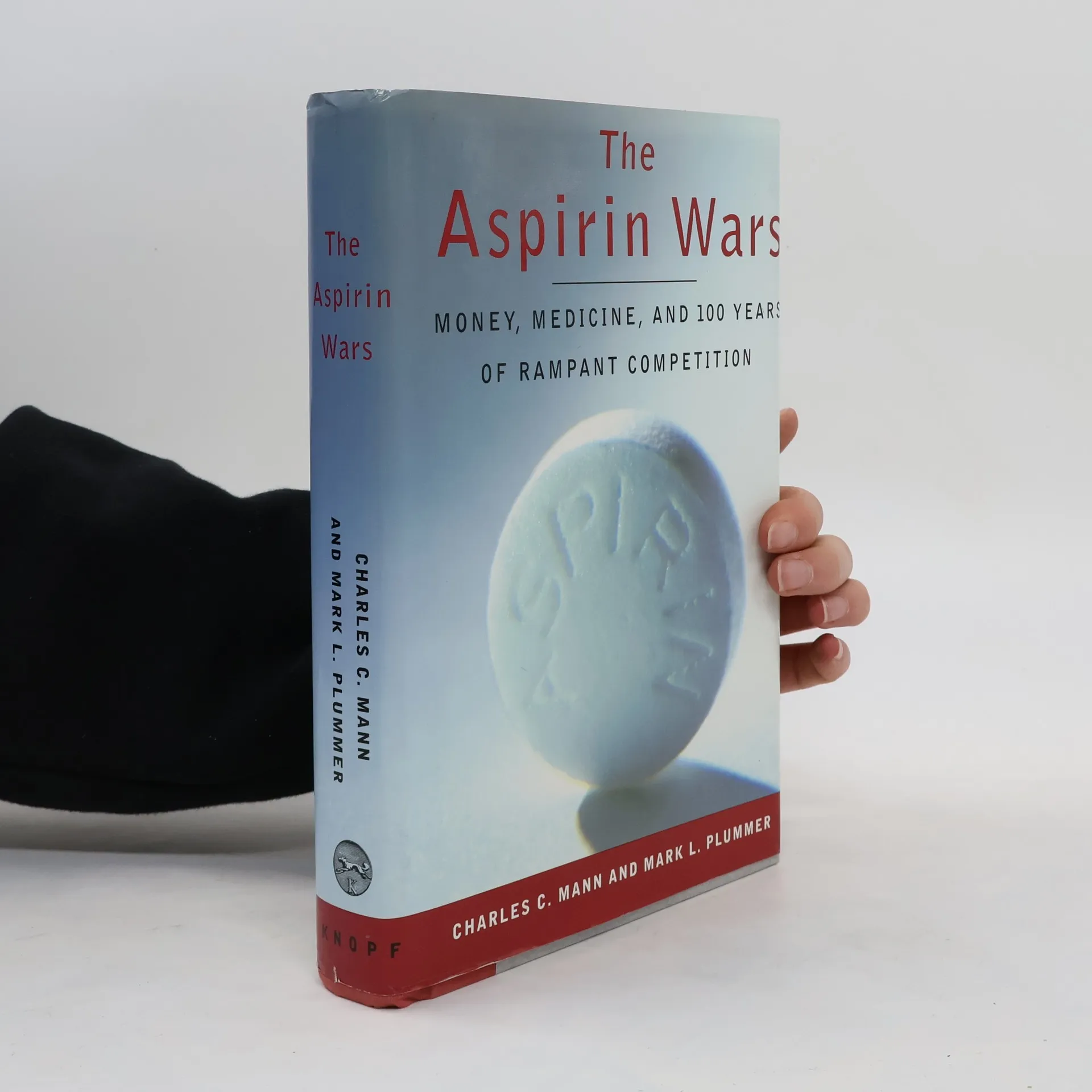
    • The Aspirin Wars

      • 420 pages
      • 15 hours of reading

      Mann and Plummer take us behind the scenes in the aspirin wars to penetrate the shores of capitalism and show the essence of competition at its canniest, most ruthless, most brilliant, and most fierce.ights to Atlantic. 8 pages of photographs.

      The Aspirin Wars
      3.8
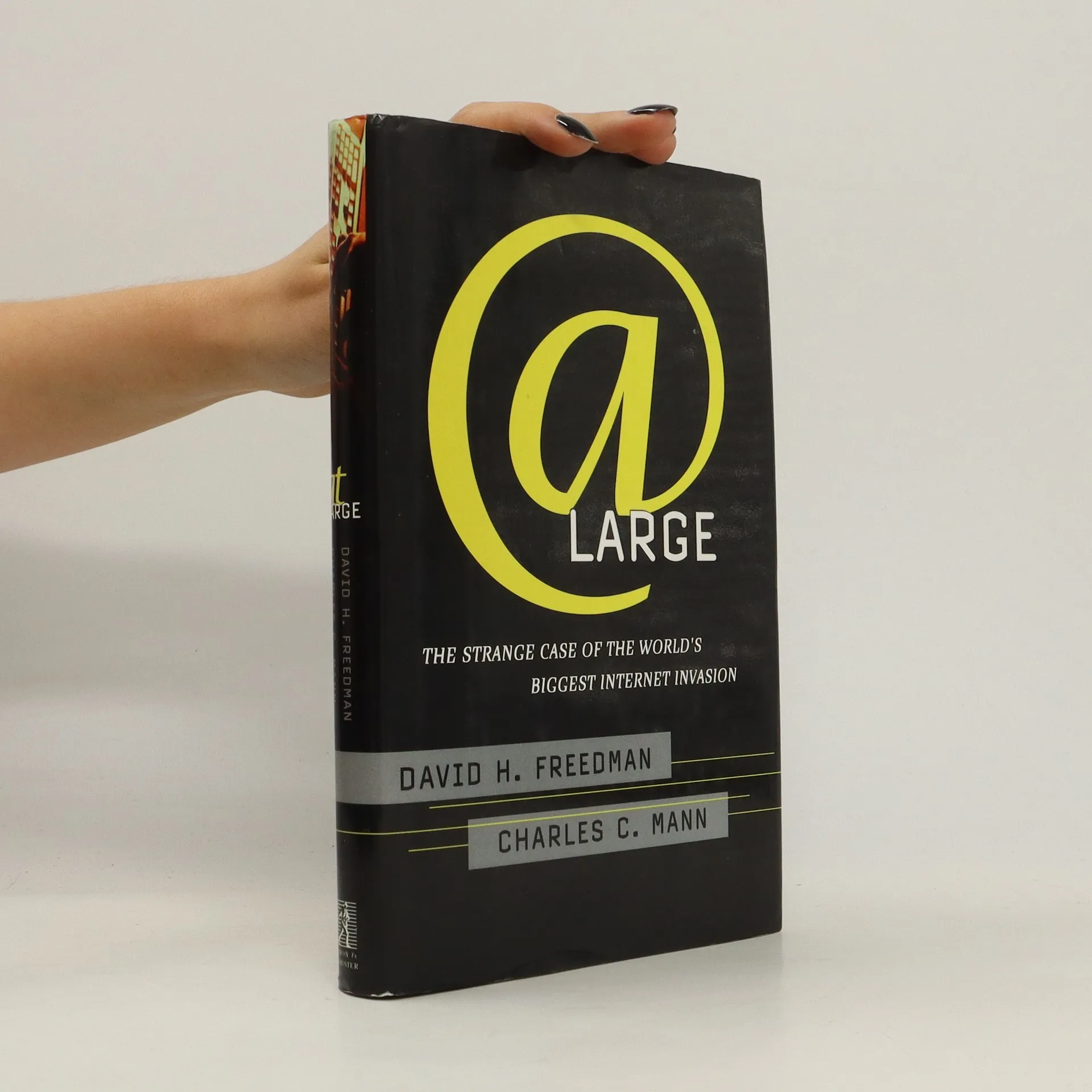
    • At Large

      • 315 pages
      • 12 hours of reading

      Describes how one computer hacker was able to access hundreds of business and government files and explains why the Internet is becoming less secure

      At Large
      3.9
    • 1491

      • 560 pages
      • 20 hours of reading

      In this groundbreaking work of science, history, and archaeology, Charles C. Mann radically alters our understanding of the Americas before the arrival of Columbus in 1492.Contrary to what so many Americans learn in school, the pre-Columbian Indians were not sparsely settled in a pristine wilderness; rather, there were huge numbers of Indians who actively molded and influenced the land around them. The astonishing Aztec capital of Tenochtitlan had running water and immaculately clean streets, and was larger than any contemporary European city. Mexican cultures created corn in a specialized breeding process that it has been called man’s first feat of genetic engineering. Indeed, Indians were not living lightly on the land but were landscaping and manipulating their world in ways that we are only now beginning to understand. Challenging and surprising, this a transformative new look at a rich and fascinating world we only thought we knew.

      1491
      4.1
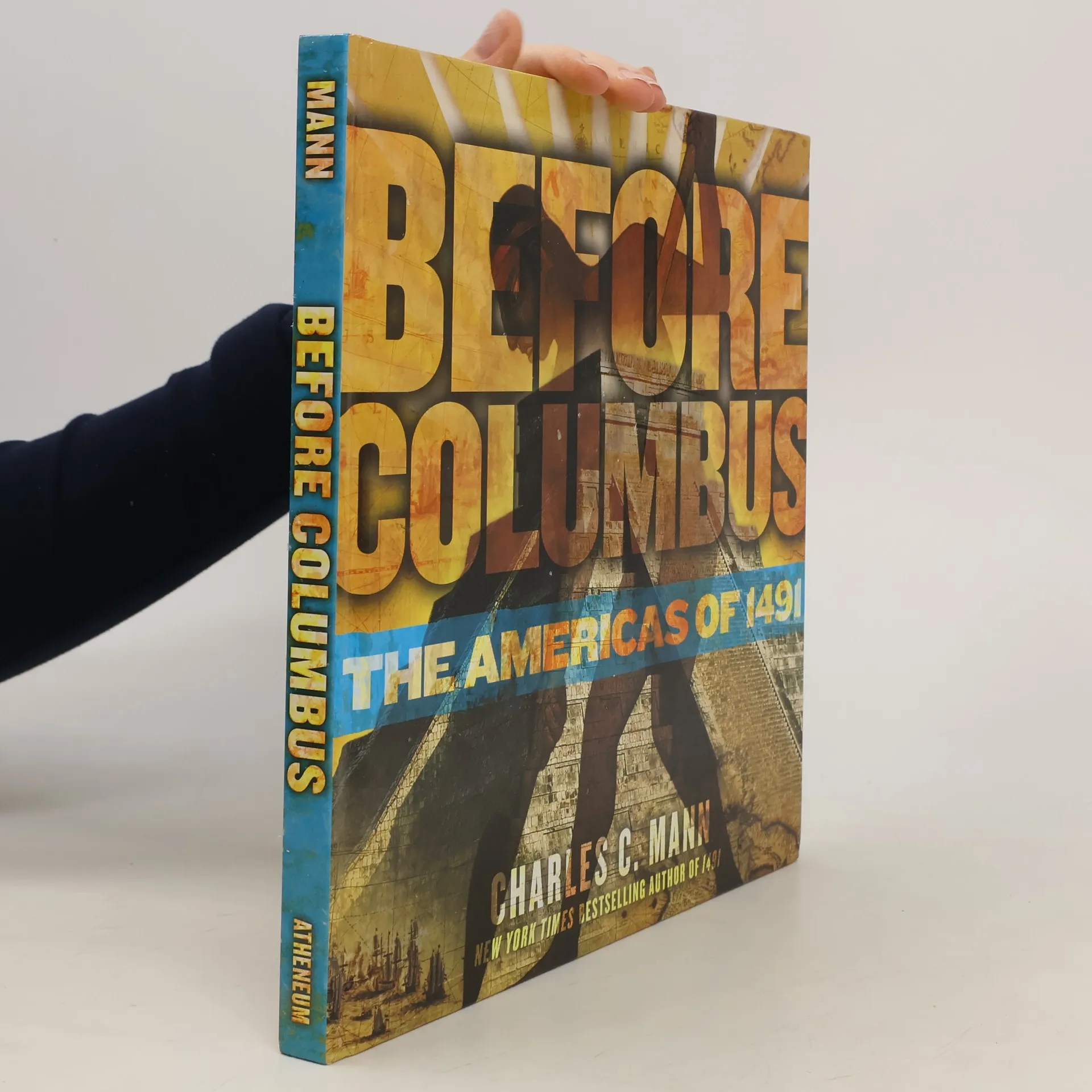
    • Before Columbus

      The Americas of 1491

      • 128 pages
      • 5 hours of reading

      Offering a vibrant exploration of the Americas, this companion book to "1491" engages young readers with stunning full-color visuals. It reveals the rich history and diverse cultures of the continent prior to Columbus, encouraging a deeper understanding of the indigenous peoples and their environments. This visually captivating journey aims to enlighten and inspire curiosity about America's past in a way that is accessible to younger audiences.

      Before Columbus
      4.0
    • Hand book of patent law for patent owners is an unchanged, high-quality reprint of the original edition of 1884. Hansebooks is editor of the literature on different topic areas such as research and science, travel and expeditions, cooking and nutrition, medicine, and other genres. As a publisher we focus on the preservation of historical literature. Many works of historical writers and scientists are available today as antiques only. Hansebooks newly publishes these books and contributes to the preservation of literature which has become rare and historical knowledge for the future.

      Hand book of patent law for patent owners
    • Amerika vor Kolumbus

      Die Geschichte eines unentdeckten Kontinents

      Charles C. Mann erzählt die Geschichte des vorkolumbischen Amerikas und hebt hervor, dass viele indianische Kulturen weiter entwickelt waren als die europäischen. Ihre Boote waren schneller und wendiger, und ihre Städte übertrafen das damalige Paris in Größe. Kolumbus‘ Ankunft veränderte den Kontinent grundlegend, als zwei völlig unterschiedliche Zivilisationen aufeinandertrafen. Die Begegnung war für die Ureinwohner katastrophal: Krankheiten wie Masern, Pocken und Grippe, die die Europäer mitbrachten, dezimierten ihre Bevölkerung, während Kriege sie weiter schwächten. Mann erweckt das vorkolumbische Amerika zum Leben und bietet überraschende Einblicke in die Lebensweise der Ureinwohner. Er zeigt, wie ihre Anbauflächen für Mais, Kürbis und Kartoffeln bis heute große Teile des Kontinents prägen. Das Buch ist fesselnd und wichtig, da es die Vorstellung von den Indianern als nomadischen Jägern widerlegt. Stattdessen lebten viele auf Farmen und errichteten einige der größten Städte der Welt. Amerika war geschäftiger, vielfältiger und dichter bevölkert, als frühere Forscher dachten. Das Werk wurde von der National Academy of Sciences als bestes Buch des Jahres ausgezeichnet.

      Amerika vor Kolumbus
      4.8
    • Kolumbus' Erbe

      Wie Menschen, Tiere, Pflanzen die Ozeane überquerten und die Welt von heute schufen

      «Das beste Sachbuch des Jahres.» TIME Die Entdeckung Amerikas war für das Leben auf unserem Planeten das folgenreichste Ereignis seit dem Aussterben der Dinosaurier. Denn: Millionen Jahre waren die Hemisphären weitgehend voneinander isoliert gewesen. Mit Kolumbus traten sie in einen Austausch. Menschen und Pflanzen, Tiere und Krankheiten gelangten per Schiff in neue Lebensräume und schufen eine Welt, in der nichts blieb, wie es einmal gewesen war. Das hatte auch gravierende politische Konsequenzen: Der «kolumbische Austausch» trug mehr als alles andere dazu bei, dass Europa zur Weltmacht aufstieg und China verdrängte. Charles C. Mann zeichnet ein spannendes Panorama dieser Vorgänge, das Kontinente und Jahrhunderte umfasst. Ein großartiges Lesevergnügen für alle Wissensdurstigen! «Herausragend.» The New York Times «Ein faszinierendes und vielschichtiges Buch, das auf vorbildliche Weise sprechende Fakten mit gutem Geschichtenerzählen vereint.» The Washington Post

      Kolumbus' Erbe
      4.1
    • 1493

      hoe de wereld zich ontwikkelde na de ontdekking van Amerika

      • 688 pages
      • 25 hours of reading

      Van een volstrekt geïsoleerd werelddeel werd Amerika, na de ontdekking door Columbus, een continent dat in een mum van tijd verbinding had met alle uithoeken van de aarde. De ontdekkingsreizen zorgden voor contacten tussen ecosystemen en samenlevingen die miljoenen jaren van elkaar gescheiden waren geweest. Charles Mann beschrijft de belangrijkste biologische gebeurtenis sinds het uitsterven van de dinosauriërs op meeslepende wijze. ‘Een uitermate rijk boek.’ Trouw ‘Boordevol interessante inzichten, wetenswaardigheden en onvoorziene, adembenemende ellende.’ NRC Handelsblad

      1493
      3.9
    • Počet obyvateľov Zeme dosiahne o tridsať rokov desať miliárd. Dokáže naša planéta uživiť toľkých ľudí? Aký svet to bude? Charles C. Mann v tejto jedinečnej, originálnej a dôležitej knihe objasňuje štyri veľké výzvy, ktorým čelíme – zabezpečenie potravy, vody a energie a vyrovnanie sa so zmenou klímy –, prostredníctvom kľúčovej práce a rozsiahleho vplyvu dvoch málo známych vedcov 20. storočia: Normana Borlauga a Williama Vogta. Vogt (Prorok) bol intelektuálnym predchodcom environmentálneho hnutia a veril, že spotrebou presahujúcou to, čo nám naša planéta dokáže poskytnúť, nás prosperita privedie do záhuby. Borlaugov výskum viedol v päťdesiatych rokoch k vyšľachteniu moderných plodín s vysokými výnosmi, ktoré spôsobili tzv. zelenú revolúciu a zachránili milióny pred hladom. Tento Čarodejník z názvu Mannovej knihy veril, že veda sa naďalej dokáže vyrovnávať s problémami, ktoré nás čakajú. Mann rozpráva osudy týchto vedcov a ich kľúčového vplyvu na dnešné debaty prostredníctvom príbehov siahajúcich od Mexika po Indiu, naprieč kontinentmi a oceánmi, z minulosti aj súčasnosti a s pohľadom do budúcnosti. Prorok a čarodejník je kniha originálna svojím konceptom, uštipačná svojimi pozorovaniami a dôsledne podložená faktami. Je to odporúčané čítanie pre každého, kto sa zaujíma, ako sme sa sem dostali, a aká budúcnosť čaká ľudstvo.

      Prorok a čarodejník: Dvaja priekopnícki vedci a ich protichodné vízie budúcnosti našej planéty
      4.5