Waterloo 1815
- 160 pages
- 6 hours of reading
A user-friendly, key guide to one of history's most iconic battles




A user-friendly, key guide to one of history's most iconic battles
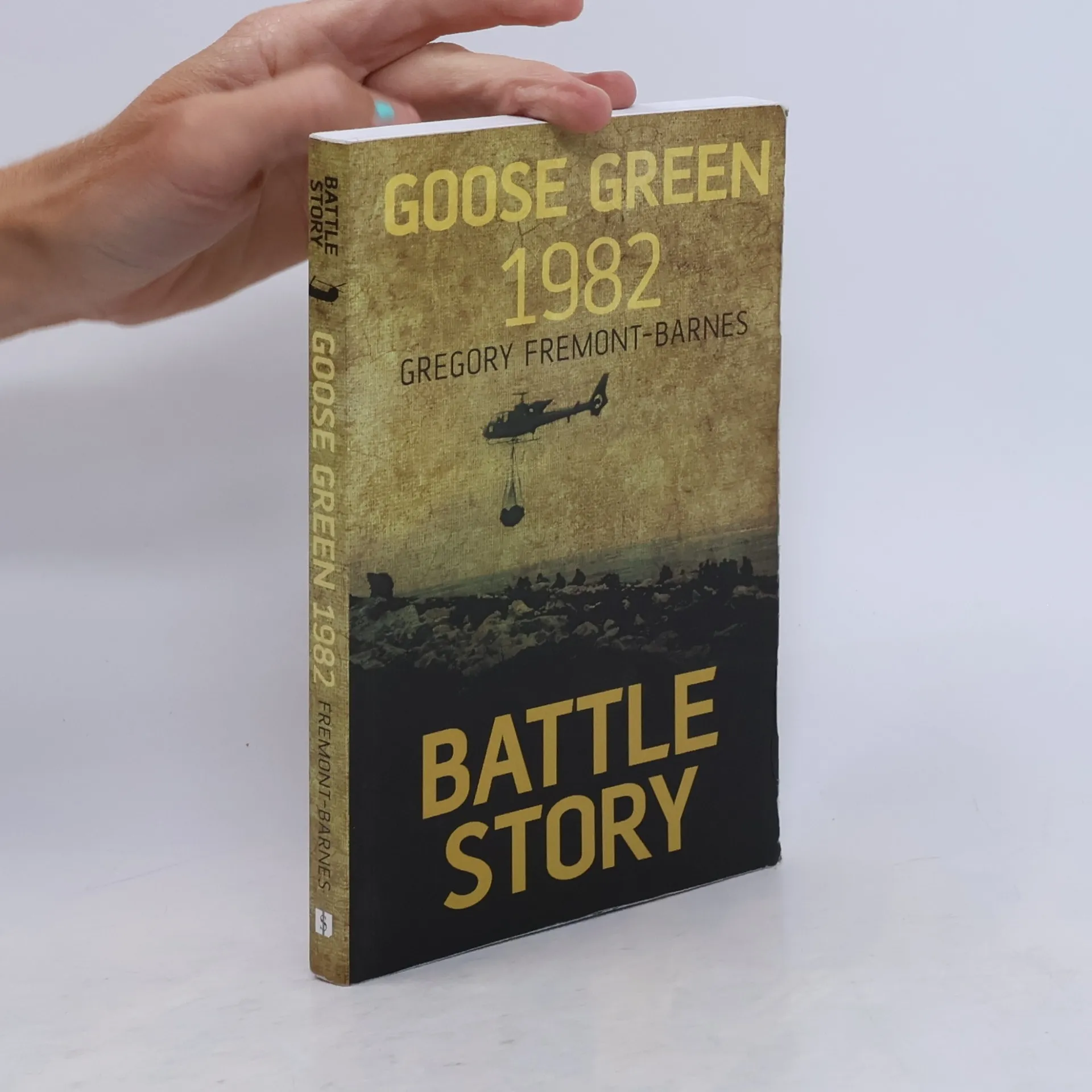
The detailed story of the first major engagement of the Falklands War. The Battle for Goose Green has become an integral part of the Falklands story and yet it nearly didn't take place at all. Goose Green was earmarked to be isolated, with the bulk of the British Army focused on Port Stanley, however as the momentum of the invasion force ground to a halt, political pressure came into play. It was important for the British to be seen to be achieving something in the campaign. So, despite much opposition, Brigadier Julian Thompson was forced to give the order to attack the Goose Green area. The British 2 Para Regiment were deployed against 12th Argentinean Regiment, which numbered approximately 1,200 men well-equipped with artillery and small-arms; the British believed that the Argentinean force numbered at least half this and set off with a strength of 690 men. They took two days' rations, weapons, and ammunition in the belief that it would be a swift conquest. There followed a bitter and bloody fight, as the Argentine forces fiercely defended the Goose Green area. Eventually the Argentines were forced to surrender, with 961 men captured, 145 taken prisoner during the fighting, and 47 killed.
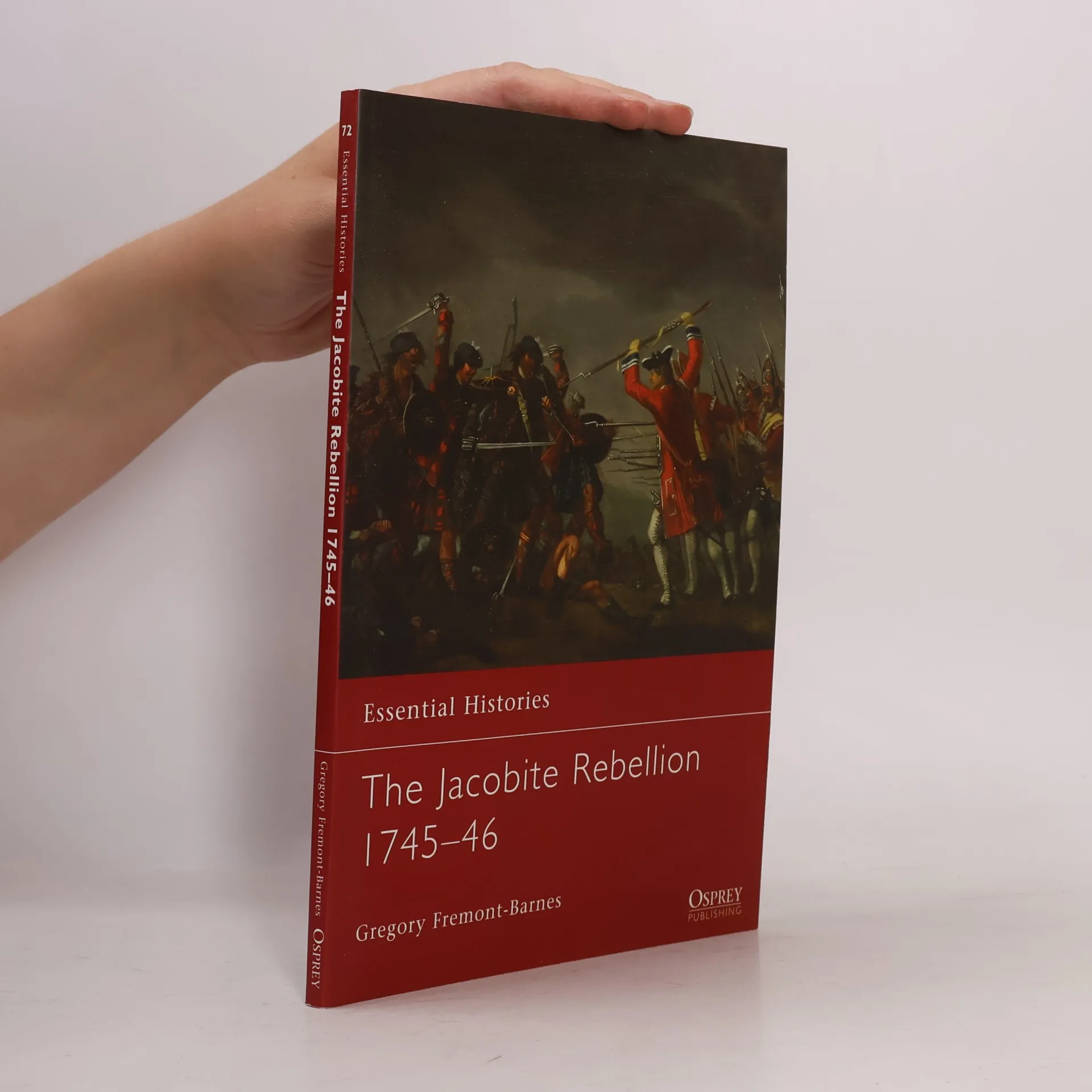
The Jacobite Rebellion was the final attempt of the House of Stuart to re- establish itself on the British throne. From the landing of Bonnie Prince Charlie to the battle of Culloden, this book offers an overview of the Rebellion, complete with detailed maps and period illustrations.
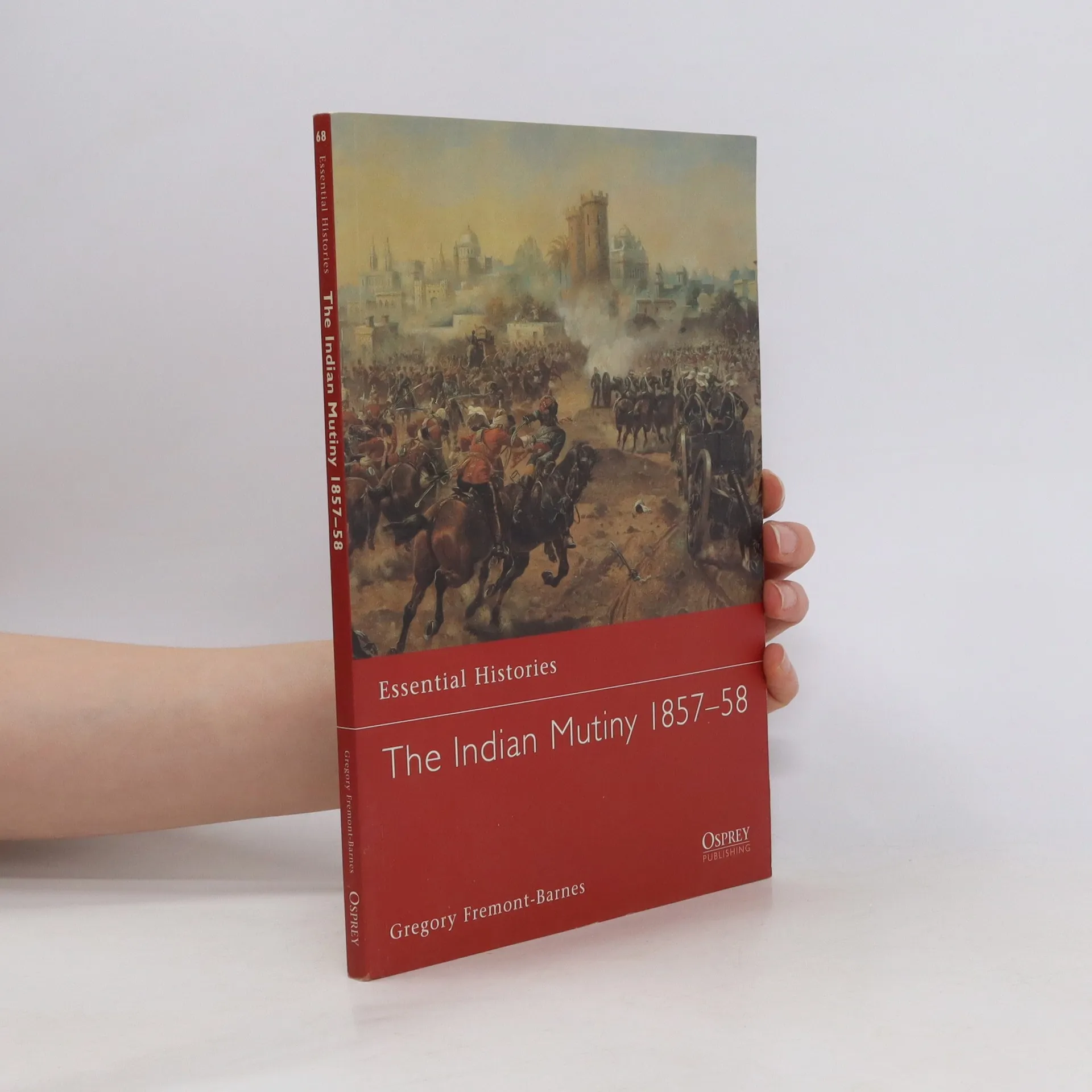
In the mid-19th century India was the focus of Britain's international prestige and commercial power - the most important colony in an empire which extended to every continent on the globe and protected by the seemingly dependable native armies of the East India Company. When, however, in 1857 discontent exploded into open rebellion, Britain was obliged to field its largest army in forty years to defend its 'jewel in the crown'. This book, drawing on the latest sources as well as numerous first-hand accounts, explains why the Sepoy armies rose up against the world's leading imperial power, details the major phases of the fighting, including the massacres at Cawnpore and the epic sieges of Delhi and Lucknow, and examines many other aspects of this compelling, at times horrifying, subject
Europe's great powers formed two powerful coalitions against France, yet force of numbers, superior leadership and the patriotic fervour of France's citizen-soldiers not only defeated each in turn, but closed the era of small, professional armies fighting for limited political objectives. This period produced commanders whose names remain a by-word for excellence in leadership to this day, Napoleon and Nelson. From Italy to Egypt Napoleon demonstrated his strategic genius and mastery of tactics in battles including Rivoli, the Pyramids and Marengo. Nelson's spectacular sea victories at the Nile and Copenhagen were foretastes of a century of British naval supremacy.