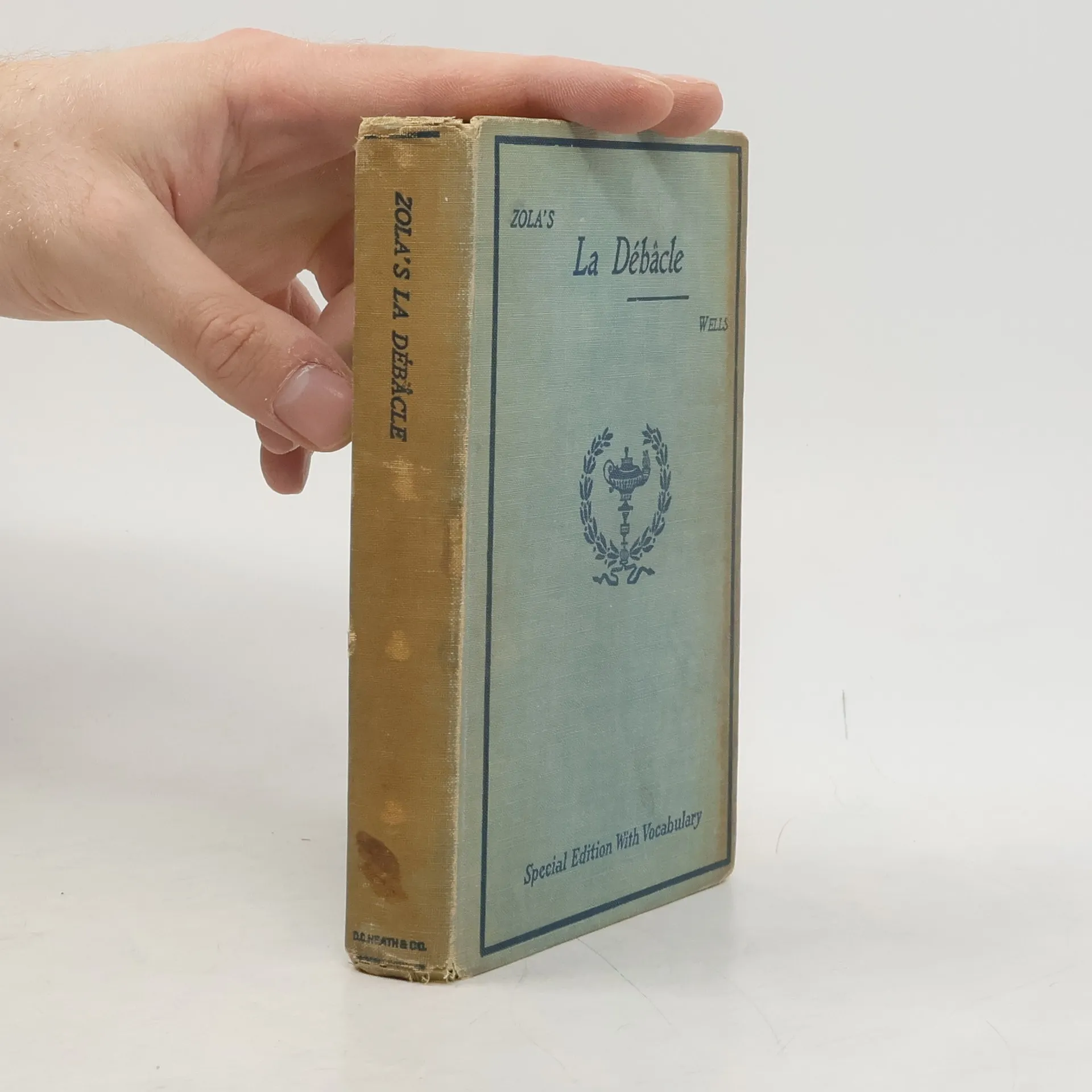
Émile Zola is regarded as one of the most significant French novelists of the 19th century and a founder of Naturalism. He initially published loosely connected novels and worked as a journalist before conceptualizing most of his works as part of a cycle that illuminates the social and political realities of his time. The twenty novels in this series narrate the family saga of the Rougons and Macquarts, addressing the conflict between the bourgeoisie and the working class. Zola, a moderate leftist, aimed to enrich conservative French literature with progressive elements. The novels are arranged in chronological order and tackle central societal issues. The cycle includes titles such as "The Fortune of the Rougons," "Nana," "Germinal," and "Doctor Pascal," each depicting various aspects of life under the Second Empire. Zola's work is considered crucial for understanding the social structures and conflicts of his era and has left a lasting impact on literature.