

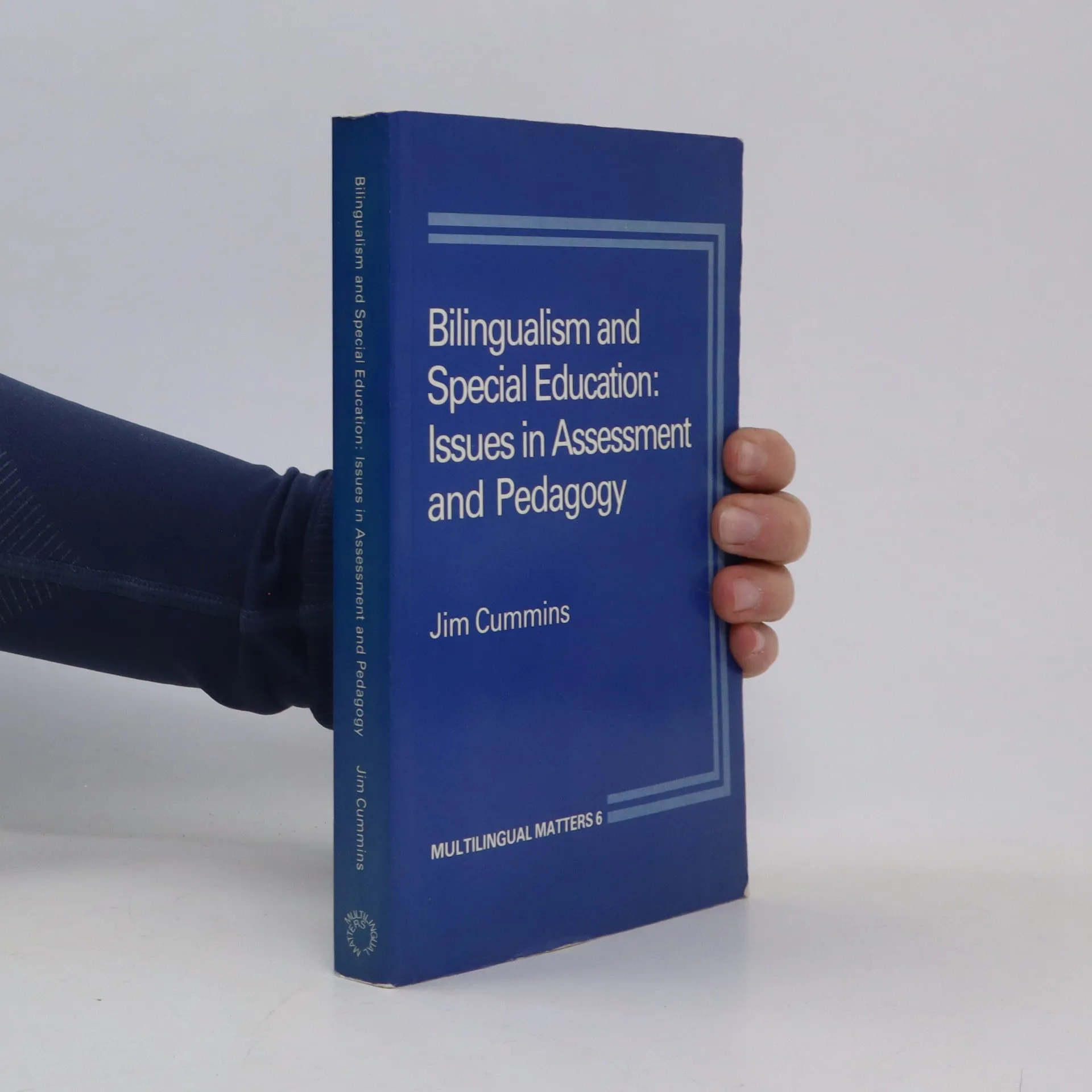
This book has a practical focus in that it examines the effectiveness of alternatives to traditional assessment and pedagogical practices for bilingual children. However, a central theme of the book is that progress can be made in improving practice only by means of a thorough re-examination of the assumptions underlying the entire special education enterprise, and particularly the diagnostic-prescriptive medical model that dominates much current practice. It argues that despite its laudable intentions, much special education practice with respect to bilingual students is fundamentally misdirected. Concrete suggestions are made both for changing the structure of special education services for bilingual students and for instituting more appropriate assessment and pedagogical practices.
Jim Cummins Books

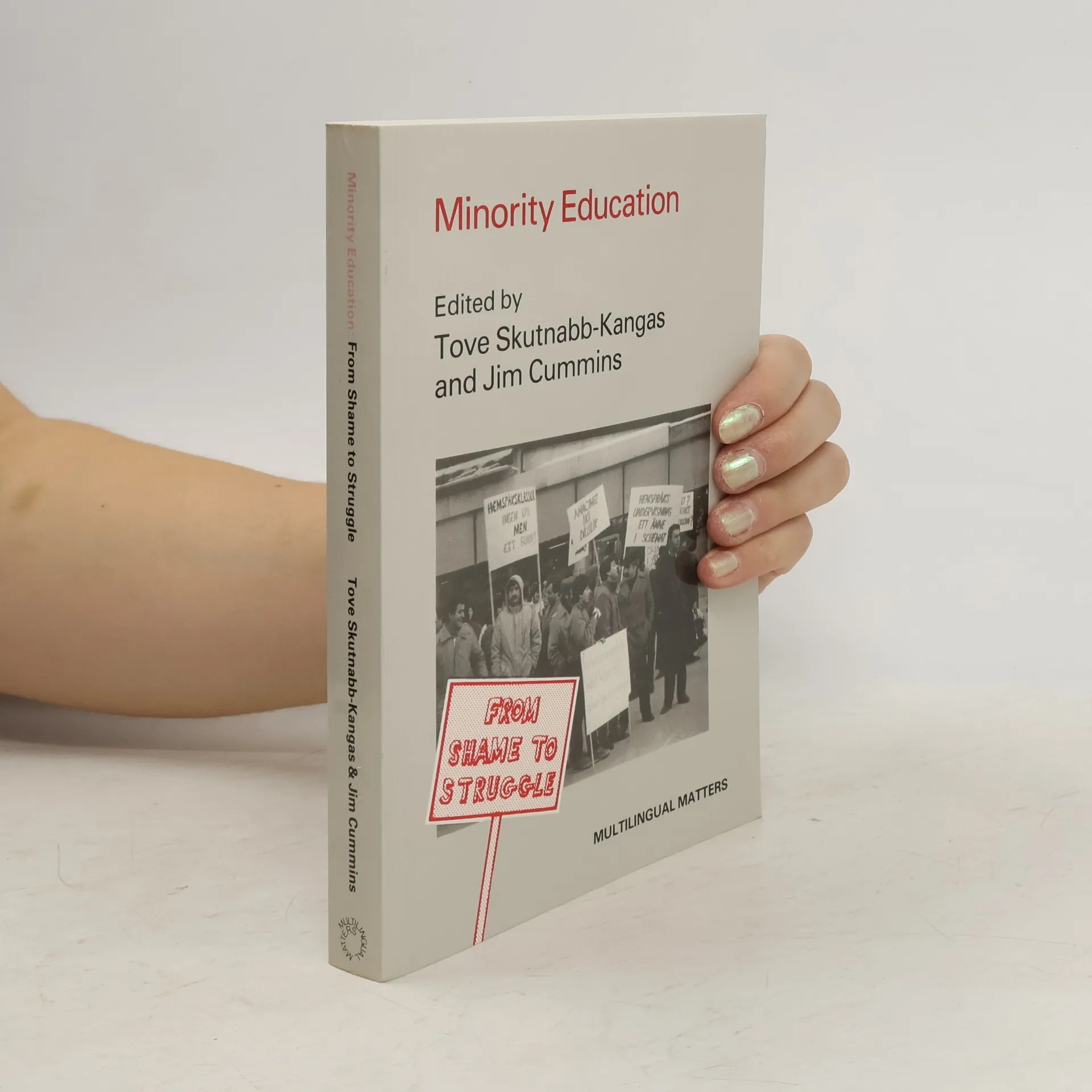
In the past two decades, the education of children from linguistic minority backgrounds in Europe and North America has sparked significant controversy. Many minority children face challenges in school, leading to high dropout rates and a lack of formal qualifications. Educators and policy-makers express concern that an entire generation of alienated youth is emerging from these educational systems without future prospects. This analysis delves into the policy issues affecting minority students in western industrialized societies and showcases successful case studies that have reversed the trend of academic failure among these groups. A key theme is that the academic struggles of minority students stem from the power dynamics between dominant and subordinate societal groups. Schools often reflect and perpetuate these power relations, punishing children for using their mother tongues, which undermines their confidence in their cultural identity and academic capabilities. To combat this failure, it is essential for educators to empower both minority students and their communities. The book presents case studies illustrating successful empowerment efforts, alongside insights from individuals and minority communities actively engaged in advocating for the educational and linguistic rights of minority children.
Défis et richesses des classes multilingues
Construire des ponts entre les cultures
- 155 pages
- 6 hours of reading
Plus de la moitié des enfants scolarisés dans le monde parlent une langue différente à l'école de celle qu'ils utilisent à la maison. Contrairement aux idées reçues, cela ne constitue pas un handicap, bien au contraire. Alors que les "classes internationales" et "bilingues" sont valorisées, l'accueil des élèves dits "allophones" est souvent perçu comme un défi pédagogique. C'est ici qu'intervient le travail de Nathalie Auger et Emmanuelle Le Pichon-Vorstmann, qui soutiennent que ces élèves représentent une opportunité d'apprentissage enrichissante. Elles plaident pour une approche qui ne minimise pas la langue maternelle, mais qui l'intègre comme un atout dans l'enseignement. Leurs propositions visent à créer des situations d'apprentissage dans toutes les disciplines, où la diversité linguistique et culturelle devient un levier pour des acquisitions solides. S'appuyant sur leur expérience et des recherches internationales, les auteures offrent de nombreuses ressources pratiques : fiches, documents, outils et dispositifs pour la classe. De plus, le livre aborde soixante-dix-huit questions recueillies auprès de parents, d'enseignants et d'élèves, permettant ainsi une exploration enrichissante de ce sujet essentiel.