

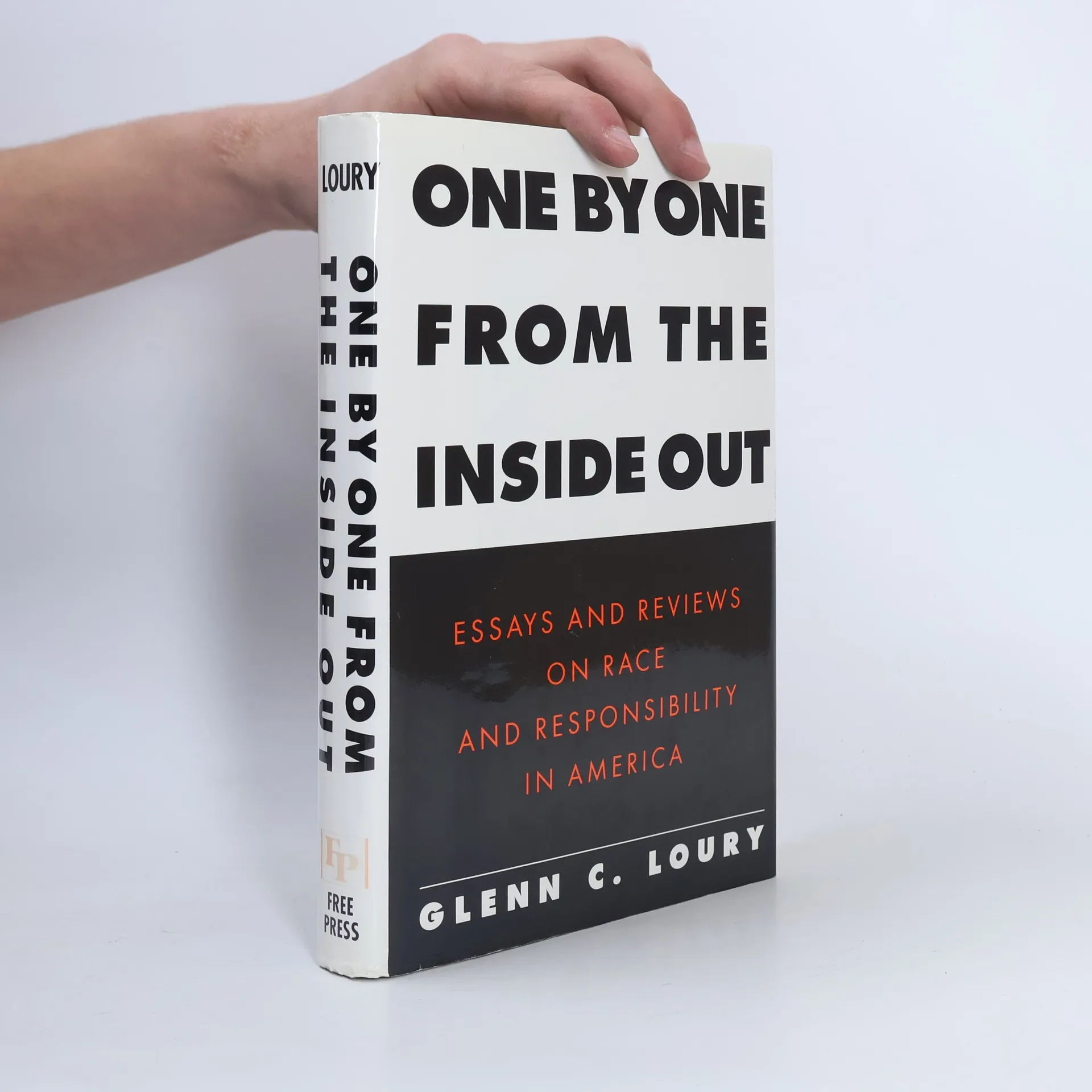
One by One from the Inside Out
Essays and Reviews on Race and Responsibility in America
- 332 pages
- 12 hours of reading
America is on the brink of a pivotal moment in race relations, as affirmative action faces significant criticism and potential decline. Glenn Loury views this crisis as a chance to reassess our progress and failures regarding race. He urges all Americans to move beyond the narrow focus on preferential policies that has dominated discourse. In a compelling commentary that transcends traditional political labels, Loury critiques the lack of open dialogue on sensitive racial issues. In a crucial opening chapter, he explores the historical conflict in black American thought between two perspectives: one, advocated by Booker T. Washington, emphasizes achieving equality through personal success, while the other, associated with W.E.B. Du Bois, calls for demanding rights and recognition. Loury advocates for a renewed balance between these traditions, promoting a civil rights consensus centered on black self-improvement. He critically examines various controversies, including black-Jewish relations, welfare reform, academic performance, public assistance dependence, family structure changes, and concerns over hate speech. Loury calls for blacks to compete based on merit and encourages whites to move past rigid "color-blind" and "color-conscious" policies. He argues that the nation has yet to establish a consensus that guarantees equality of opportunity for black Americans while maintaining democratic integrity. This work is a powerf