War is a very common theme in Greek myth and central to the Greeks'
understanding of their mythic past. Paul Chrystal describes the wars between
Olympians, Titans, giants, centaurs, lapiths and explains their significance
and symbolism.
Uniquely places the history of Roman York firmly in the context of Roman
Britain and of the Roman Empire at large - other books treat Roman Britain as
if it existed in isolation.
The book is, in short, the uplifting but sometimes tragic story of the many
women who stepped up to work in the factories, hospitals, field stations, in
transport and in civil defence, on the farms and shipyards, or signed up to
the various military and civil services during the two world wars of the 20th
century, ‘wars to end all wars…’.
The best Whitby travel guide, taking you on foot to its best, historic locations. Some of Britain s most loved holiday destinations are all covered in this new book from local resident and historian Paul Chrystal. Whitby, Robin Hood s Bay & Staithes Historic Walking Guides covers three beloved towns on the North East coast, and each are steeped in history. From the legend of Dracula and the ruinous abbey in Whitby, to the tales of Captain Cook in Staithes and smuggling in Robin Hood s Bay. Paul Chrystal has created the perfect tourist guidebook to staycationers visiting the North Yorkshire coast enabling them to discover the fascinating history of the towns on foot through a number of themed walks. Whitby recently took the top spot as the most popular holiday destination in the UK. The market for this book is therefore huge, particularly with the growing trend for staycations. With maps, interesting details and guides to the visitors attractions in each town. This book is the perfect accompaniment for any visit to North Yorkshire s coast.
Describes how modern developments in biological warfare have been, and will
continue to be, deployed in more warfare and acts of terrorism as a powerful
weapon of war - as indeed one of our Weapons of Mass Destruction (WMD).
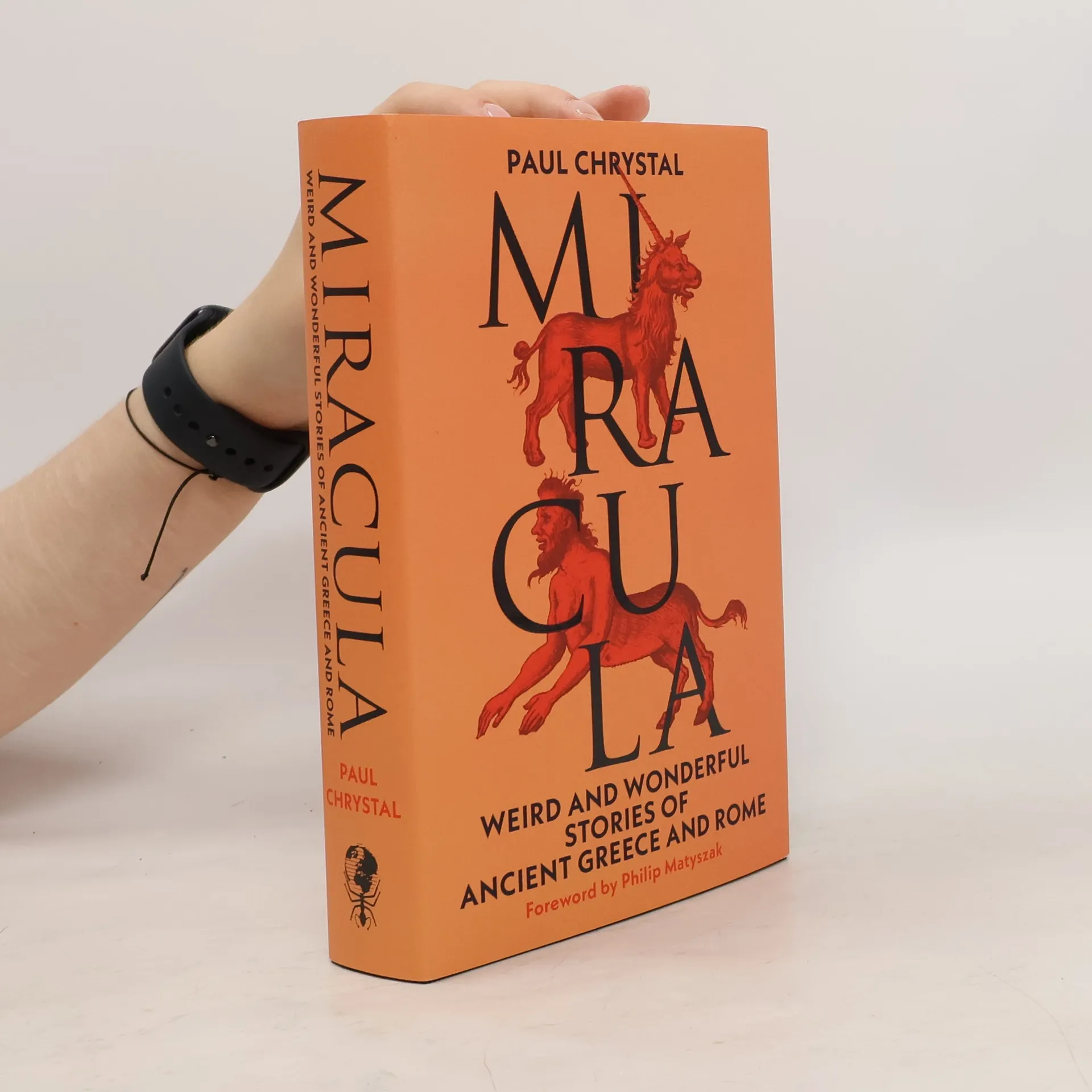
Weird and Wonderful Stories of Ancient Greece and Rome
472 pages
17 hours of reading
Occasionally scandalous and always fascinating, a cornucopia of surprising and little-told yarns from the classical world. Both humorous and shocking, Miracula is filled with astonishing facts and stories drawn from ancient Greece and Rome that have rarely been retold in English. It explores "the incredible" as presented by little-known classical writers like Callimachus and Phlegon of Tralles. Yet, it offers much more: even familiar authors such as Herodotus and Cicero often couldn't resist relating sensational, tabloid-worthy tales. The book also tackles ancient examples of topics still relevant today, such as racism, slavery, and misogyny. The pieces are by turns absorbing, enchanting, curious, unbelievable, comical, astonishing, disturbing, and occasionally just plain daft. An entertaining and sometimes lurid collection, this book is perfect for all those fascinated by the stranger aspects of the classical world, for history enthusiasts, and for anyone interested in classical history, society, and culture.
The first full treatment of women and warfare in Classical Greece and Rome.
Addresses the neglected subject of the role of women in war in the Classical
world.
150 Women Who Rewrote the Histories of Ancient Egypt, Israel, Greece and Rome
224 pages
8 hours of reading
Focusing on pre-classical civilizations, this book uncovers the stories of influential women in ancient Egypt and Israel, expanding the narrative beyond well-known figures from Greece and Rome. It highlights their roles and contributions within their societies, offering insights into their lives and the social histories of their times. By introducing these prominent women, the book enriches the understanding of female influence in early history, making their stories accessible to a broader audience.
This comprehensive, fully illustrated book is a unique and invaluable guide to
York's Roman heritage, essential reading for all those with an interest in the
city.
This book is different from other books on York. Contained within its pages
are hugely appealing photographic glimpses of how people lived, worked and
played in the city a century ago, images full of human history, and so much
more than the usual street scenes.
For the first time, these images of York – which are unavailable from any other source – are being published in this new book which provides a fascinating pictorial history of the city.The Yorkshire Evening Press , known today simply as The Press , has been the beating heart of life in York since 1882. Through the reporting of its journalists and the images captured by its photographers, The Press has witnessed the stories, events and changes in the city.This book is a unique compilation of around 350 photographs which have been published in the The Press (and before that The Yorkshire Evening Press ) over the last 80 or so years. Captions accompany each of the photographs telling the story behind the picture and placing it in historical context. Many of the images have not been seen since they were first published in the paper, and for that reason they provide the reader with an opportunity to indulge in some unashamed and untrammelled nostalgia, whatever their age. York Through the Lens… is a wonderful trip down memory lane for York residents past and present, local historians and anyone interested in the history of the city and, indeed, of England. York resident Paul Chrystal is no stranger to the city, having written many books on the history of the region. With collaboration from staff at The Press , this fascinating collection of images and accompanying stories are sure to delight.
The history of a nation in the objects that define it. There are many ways by which the history of a nation can be by places, people, its laws, politics, economics and culture. Significant objects are another defining factor and it is through objects that this book tells the history of Britain from prehistoric times to the modern age. One hundred historically significant objects speak out as emblems of a particular event in Britain’s history – from the earliest fossils and stone tools of our ancient ancestors, to the development of a vaccine for coronavirus; from the Magna Carta which defines our justice system to the iconic red telephone box and BBC microphone.