

The year 2009 marks the 500th anniversary of Henry VIII’s accession to the throne, and to celebrate this momentous occasion, leading Tudor scholars David Starkey and Susan Doran examine the extraordinary transformations—personal and political, intellectual and religious, literary, aesthetic, and linguistic—that took place during Henry’s reign. Drawing on the British Library’s unparalleled collections, Henry VIII explores the motives and beliefs that spurred Henry’s actions, masterfully telling the story of his reign. This refreshing approach reaches beyond the myths and stereotypes surrounding this monumental historical figure and encourages readers to reassess their perceptions of the great Tudor monarch who still manages to cast a spell over our imaginations. Richly illustrated with color images from the accompanying exhibition at the British Library—including many of Henry’s own annotated volumes—and including contributions from notable scholars such as Eamon Duffy and James Carley, this volume presents an unsurpassed firsthand outline of the revolutionary changes in ideas that took place during Henry’s reign—and above all, in his own mind.
Susan Doran Book order (chronological)
A British historian whose primary studies center on the reign of Elizabeth I, with a particular focus on the themes of marriage and succession. Her work delves into the complexities of Early Modern British and European history, offering deep insights into the political and social issues of the era. She brings her extensive knowledge to her academic role as an educator at Oxford University.

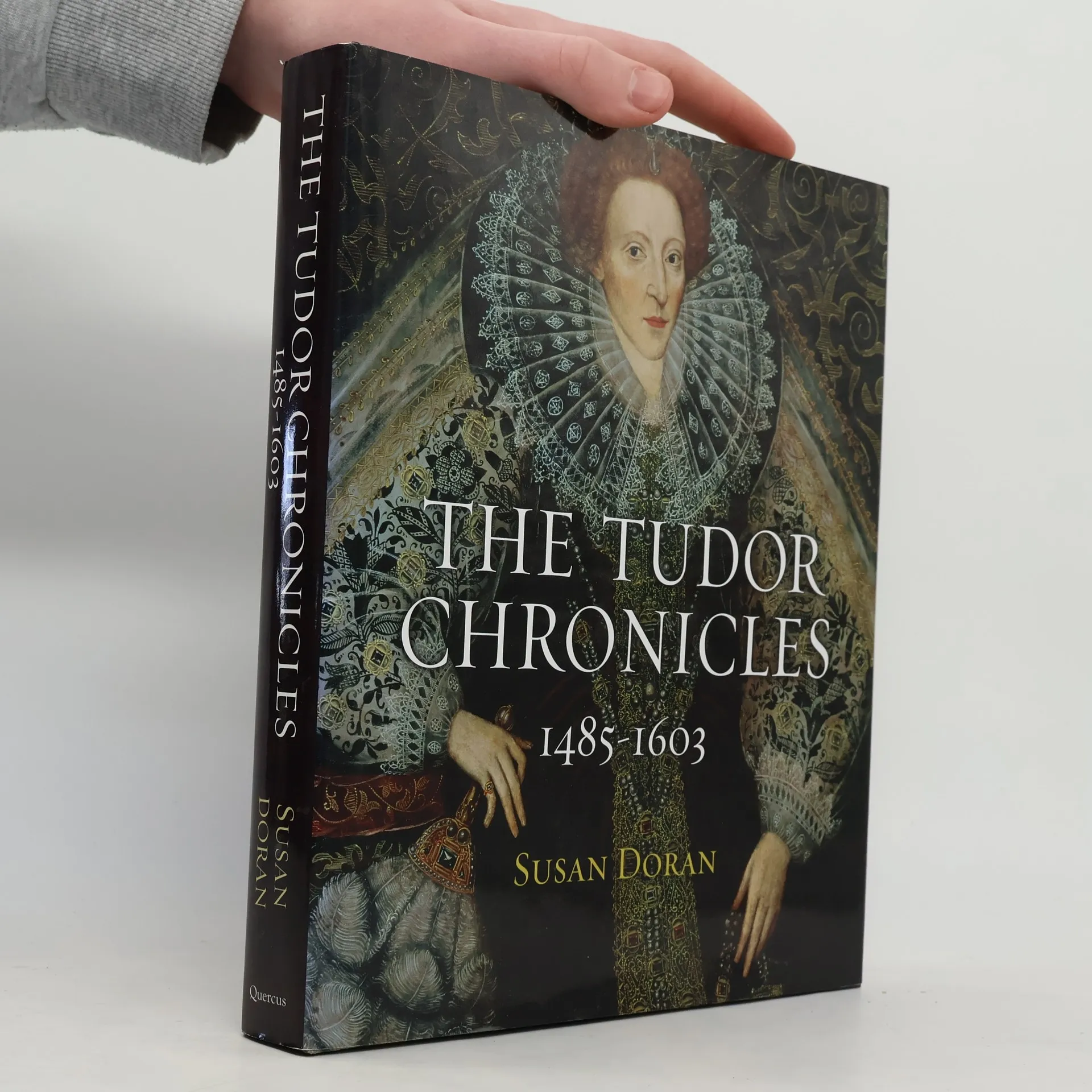
The Tudor period (1485 to 1603) is often seen as the birth of an English national identity, symbolized by the iconic figure of Elizabeth I. This era marked the end of the Wars of the Roses, the establishment of the Anglican Church, successful defenses against foreign threats, and the beginnings of empire. It also produced a remarkable generation of musical composers like Thomas Tallis and William Byrd, alongside the flourishing of English poetry and drama, highlighted by Ben Jonson, Christopher Marlowe, and William Shakespeare. However, it was also a time of rebellion, invasion fears, sectarian conflict, and growing concerns over dynastic succession. The narrative offers a compelling year-by-year account of this tumultuous period, enriched with extensive quotes from contemporary sources and accompanied by stunning images, including portraits, maps, and artifacts. Authoritative and visually captivating, this work is crafted by a knowledgeable scholar, bringing this glorious era of English history to life. It serves as an ideal gift for anyone intrigued by 16th-century England.