Explore the latest books of this year!
Bookbot

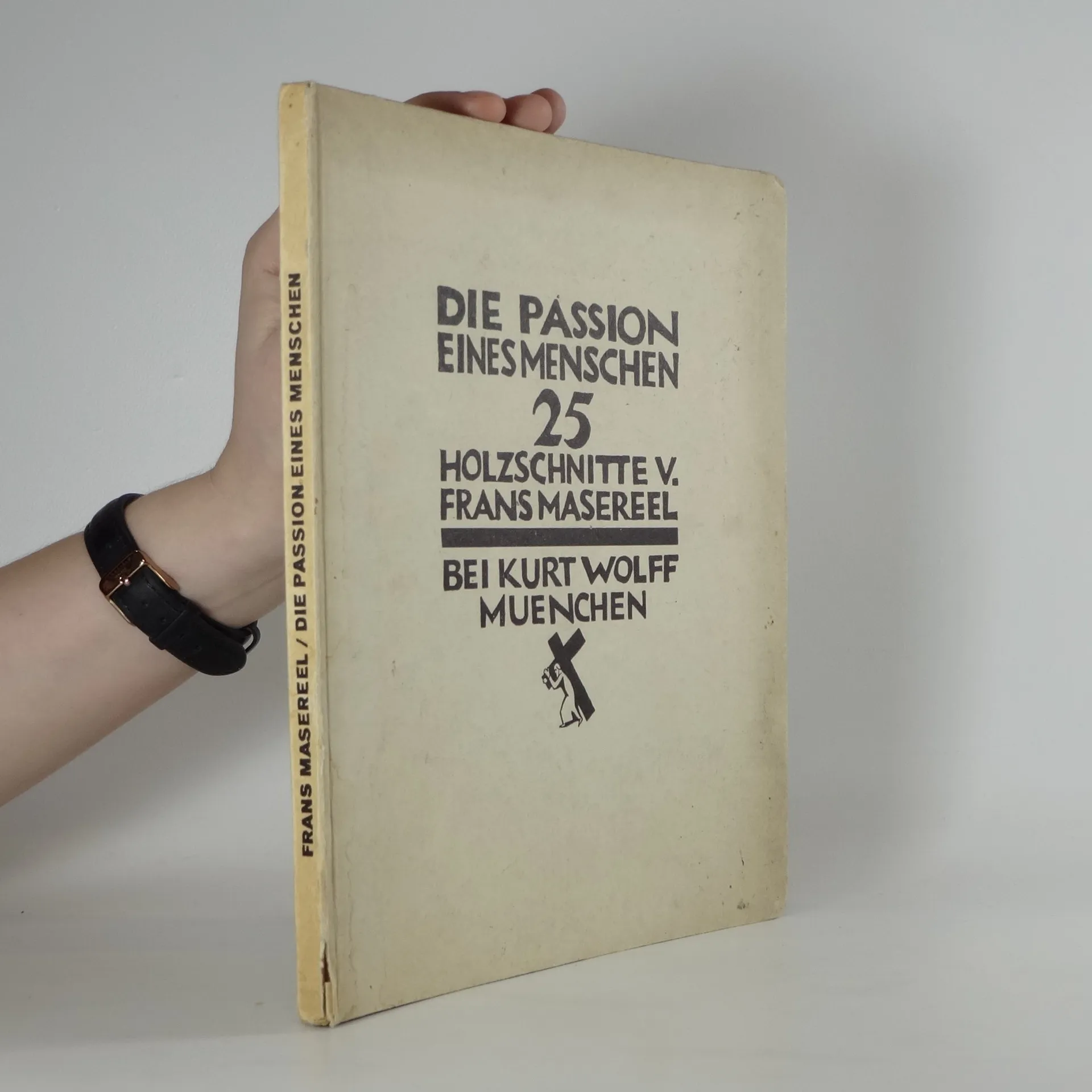
Frans Masereel

    July 31, 1889 – January 3, 1972

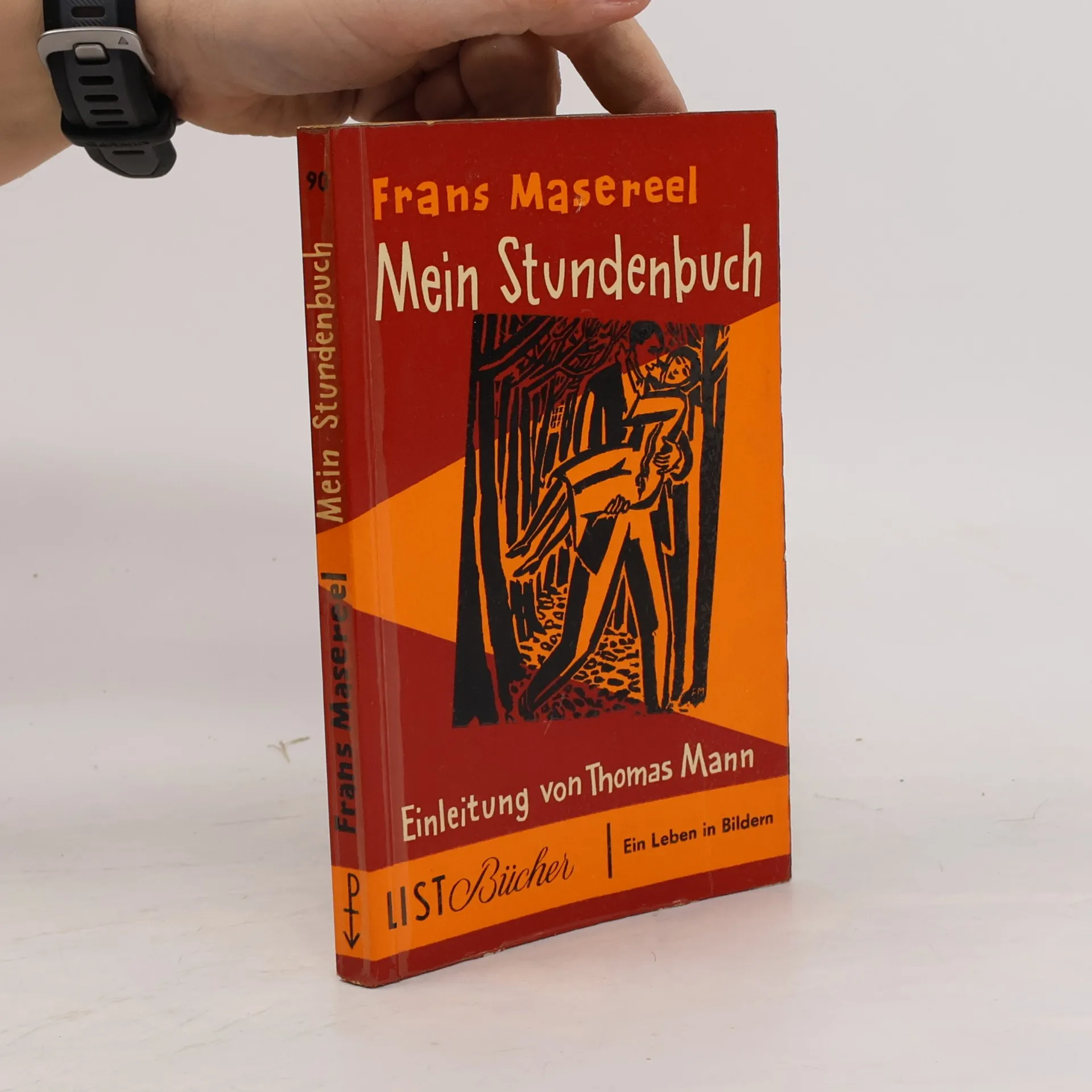
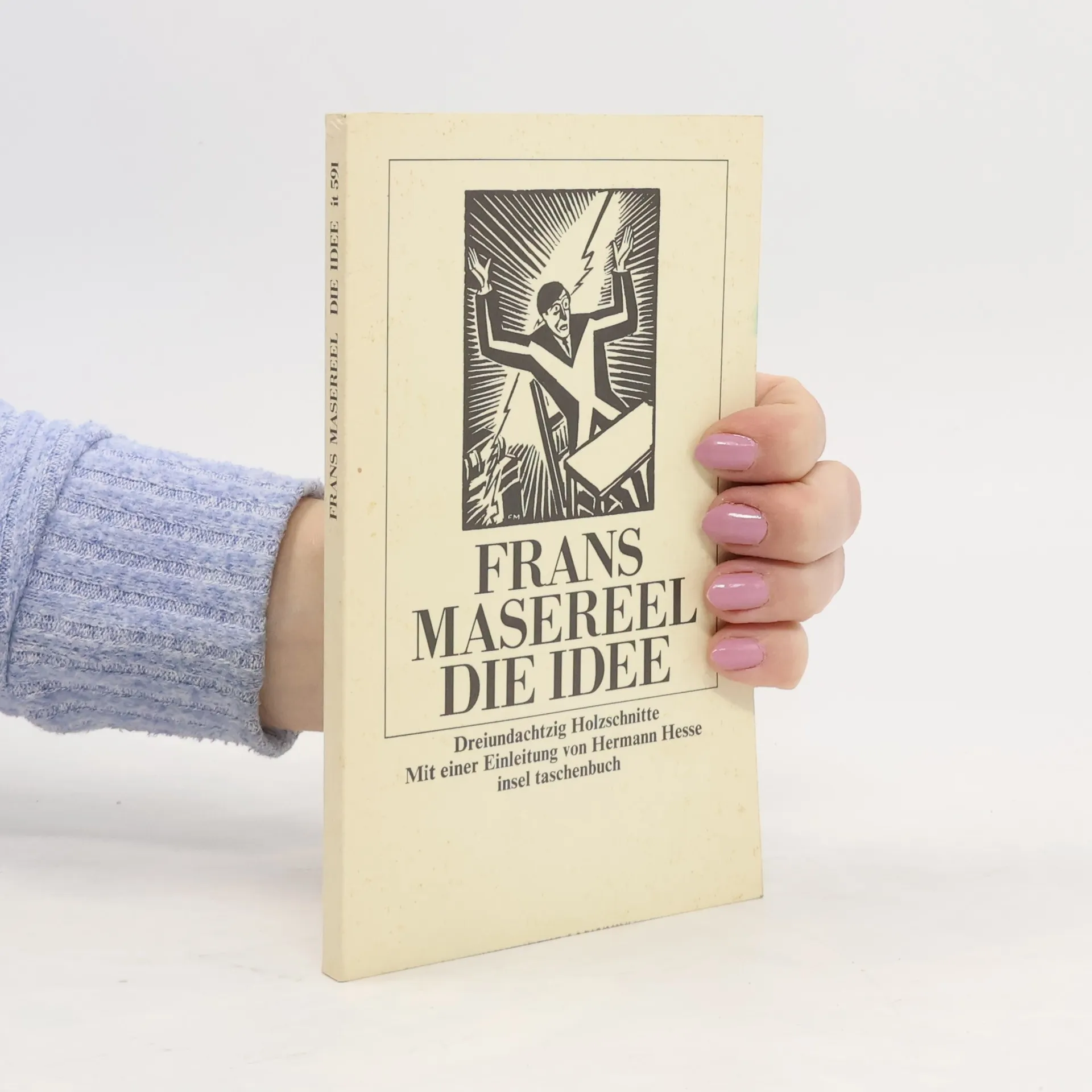
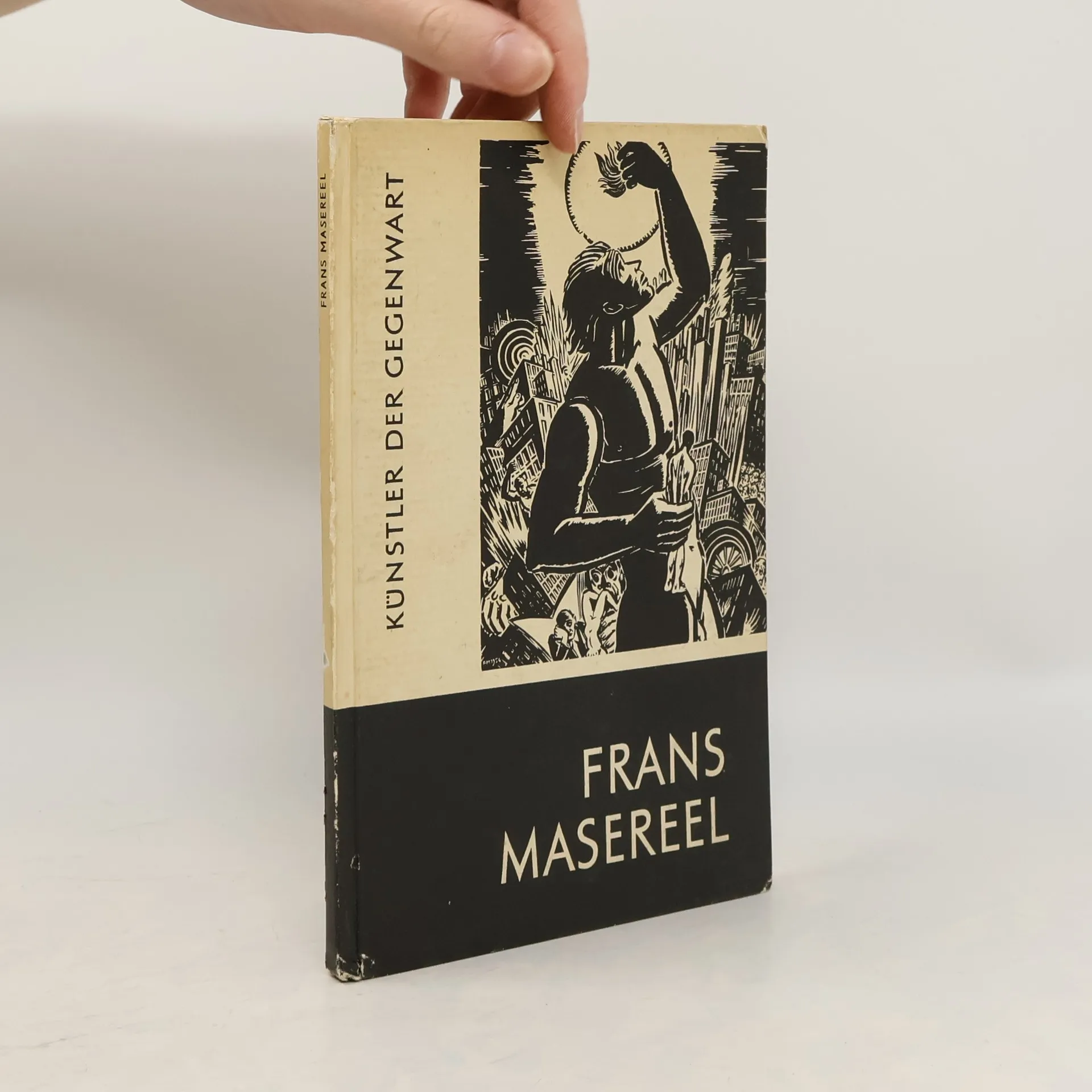
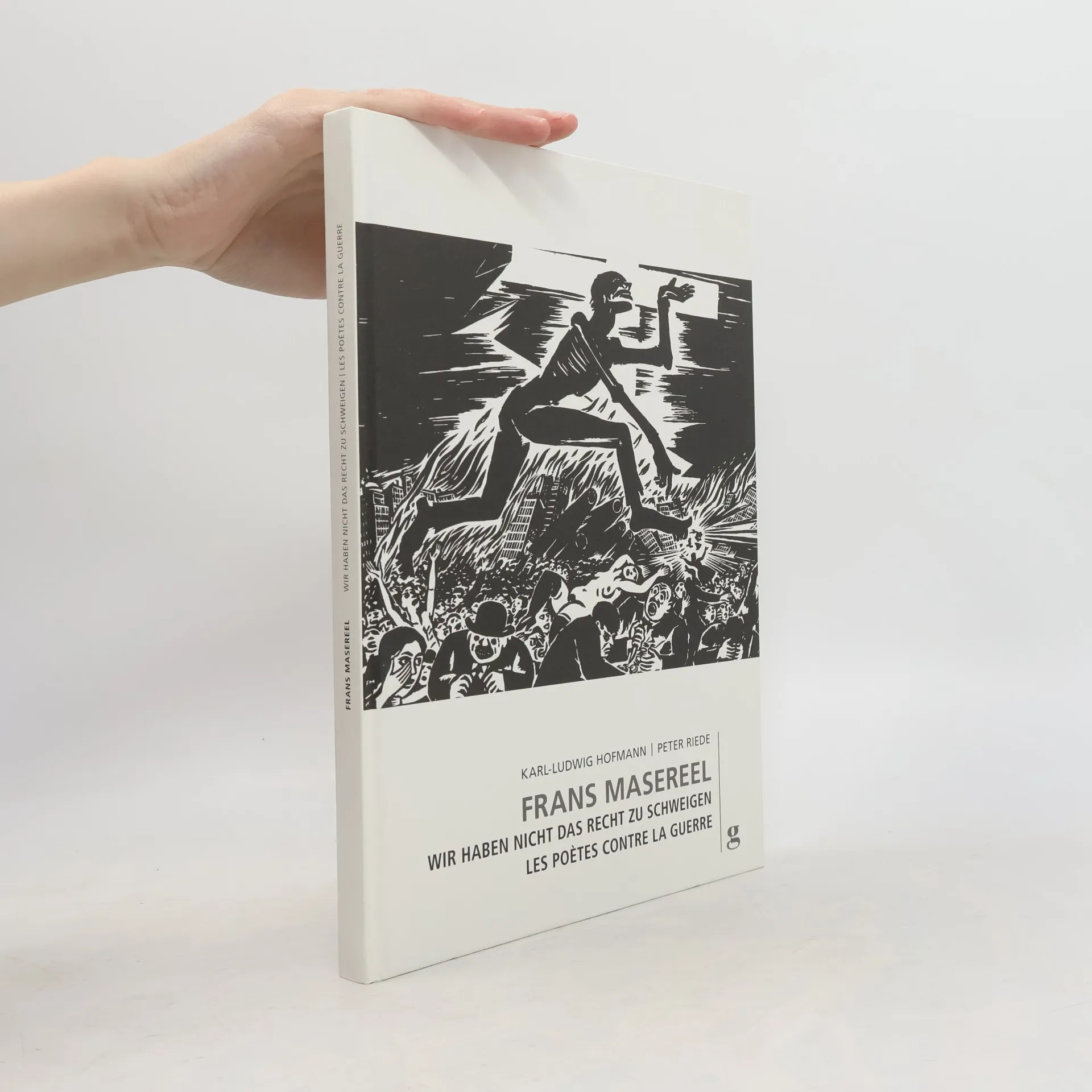
    Frans Masereel was a Flemish painter and graphic artist, celebrated primarily for his masterful woodcuts. His work often delves into the struggles between the individual and society, imbued with a strong sense of social critique and humanist ideals. He is particularly renowned for his full-page woodcut illustrations and as a pioneer of the modern wordless novel, a visual storytelling medium he explored with exceptional skill and emotional resonance.

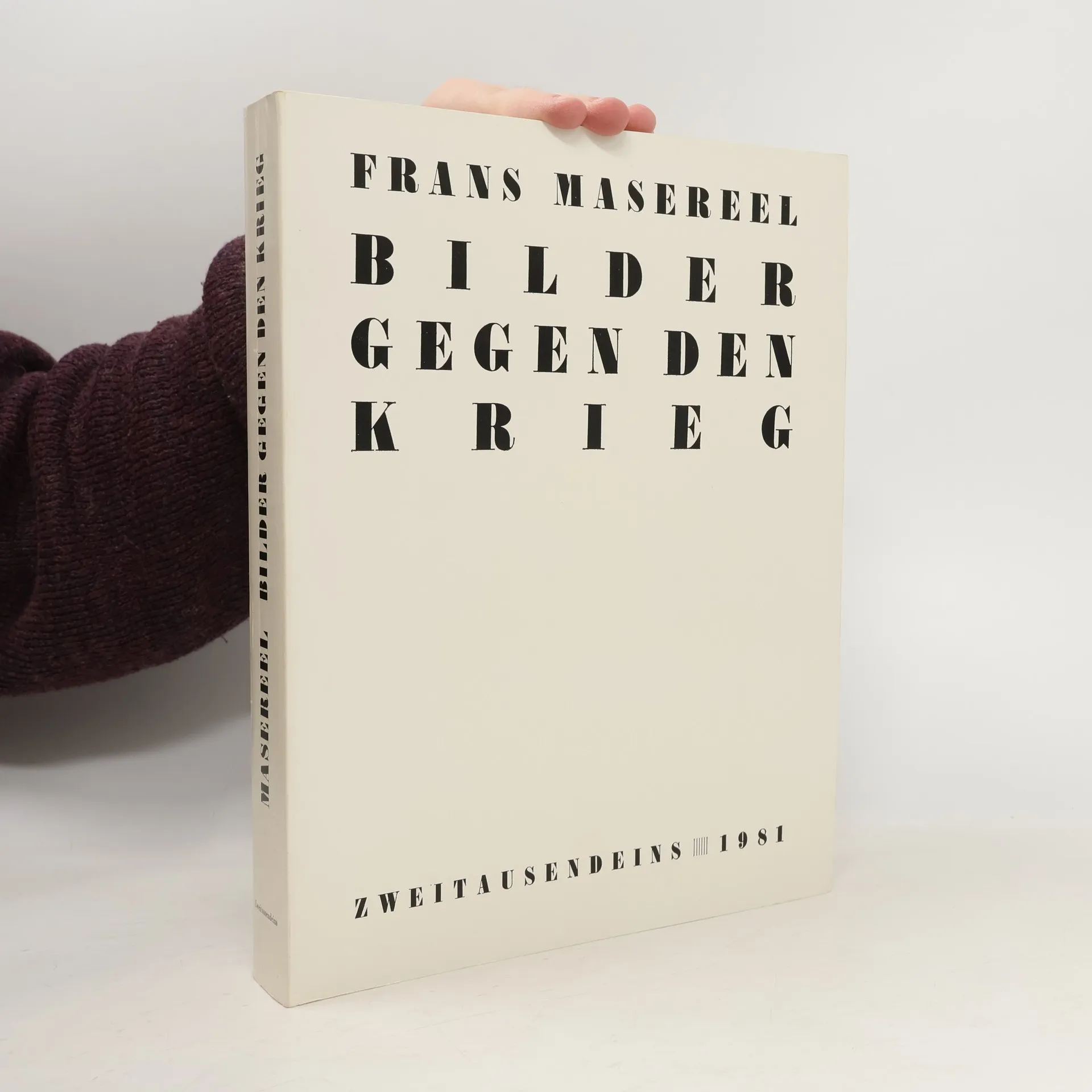
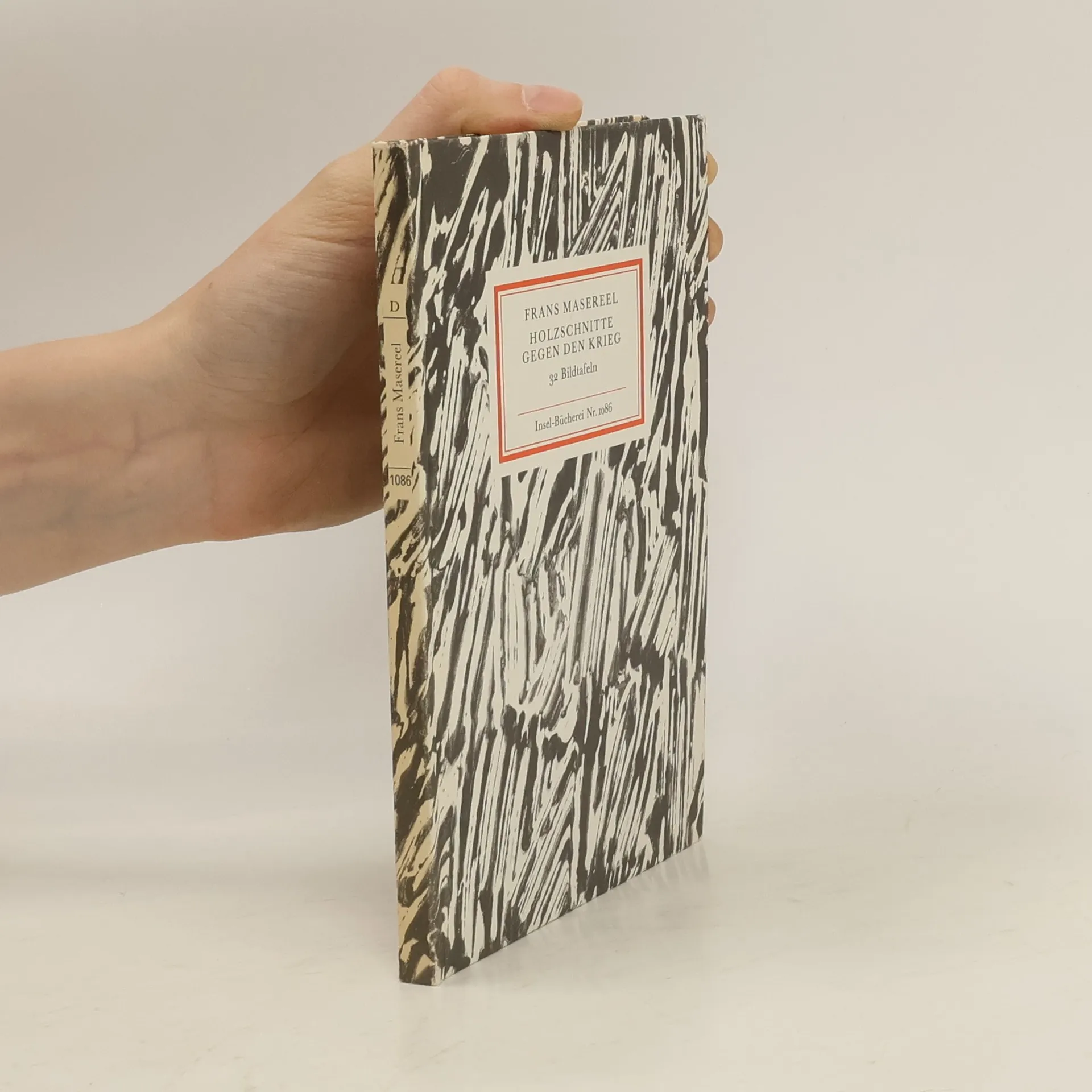
    Holzschnitte gegen den Krieg
    Germinal
    China Memories
    Idée de paix
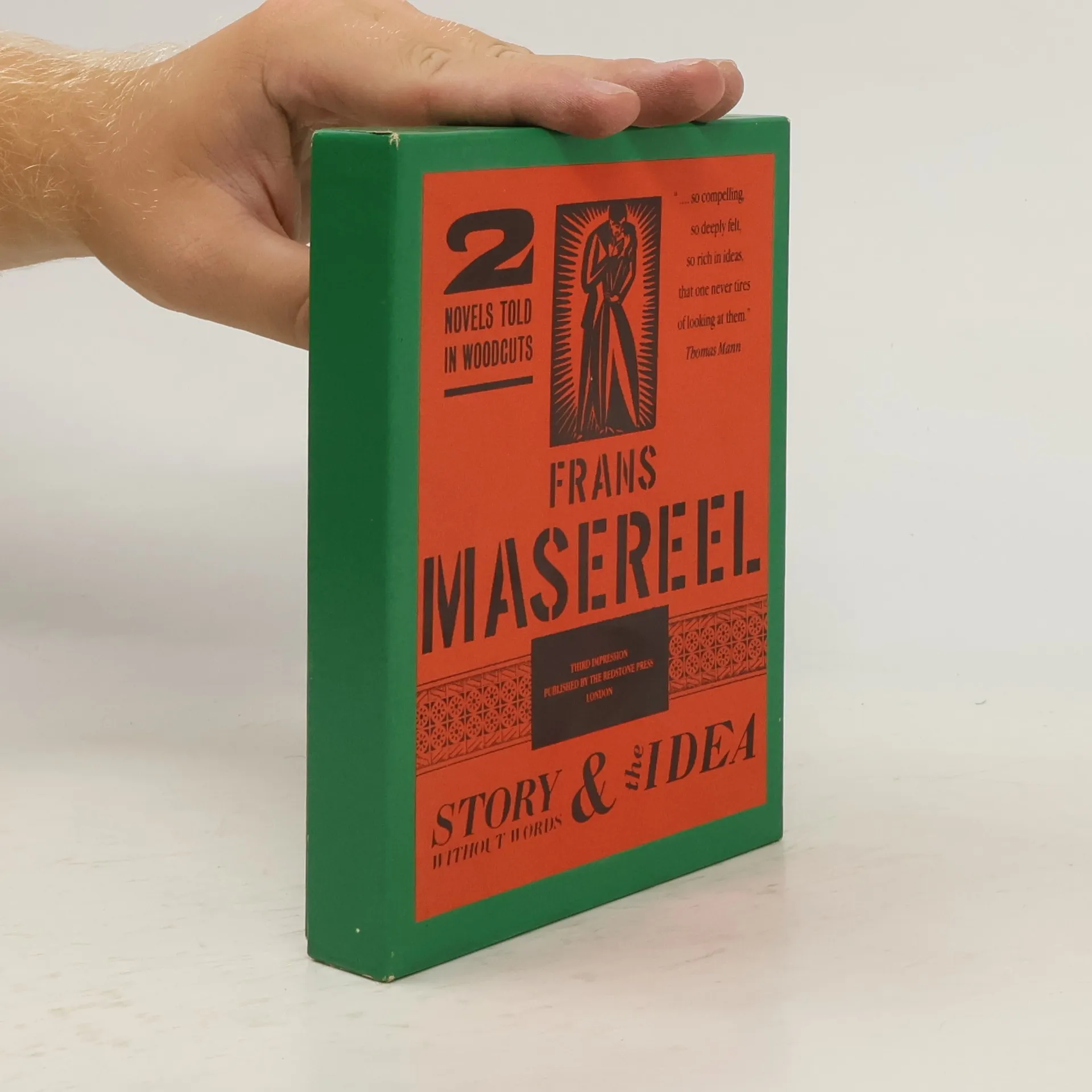
    The Idea / Story Without Words: Third Impression
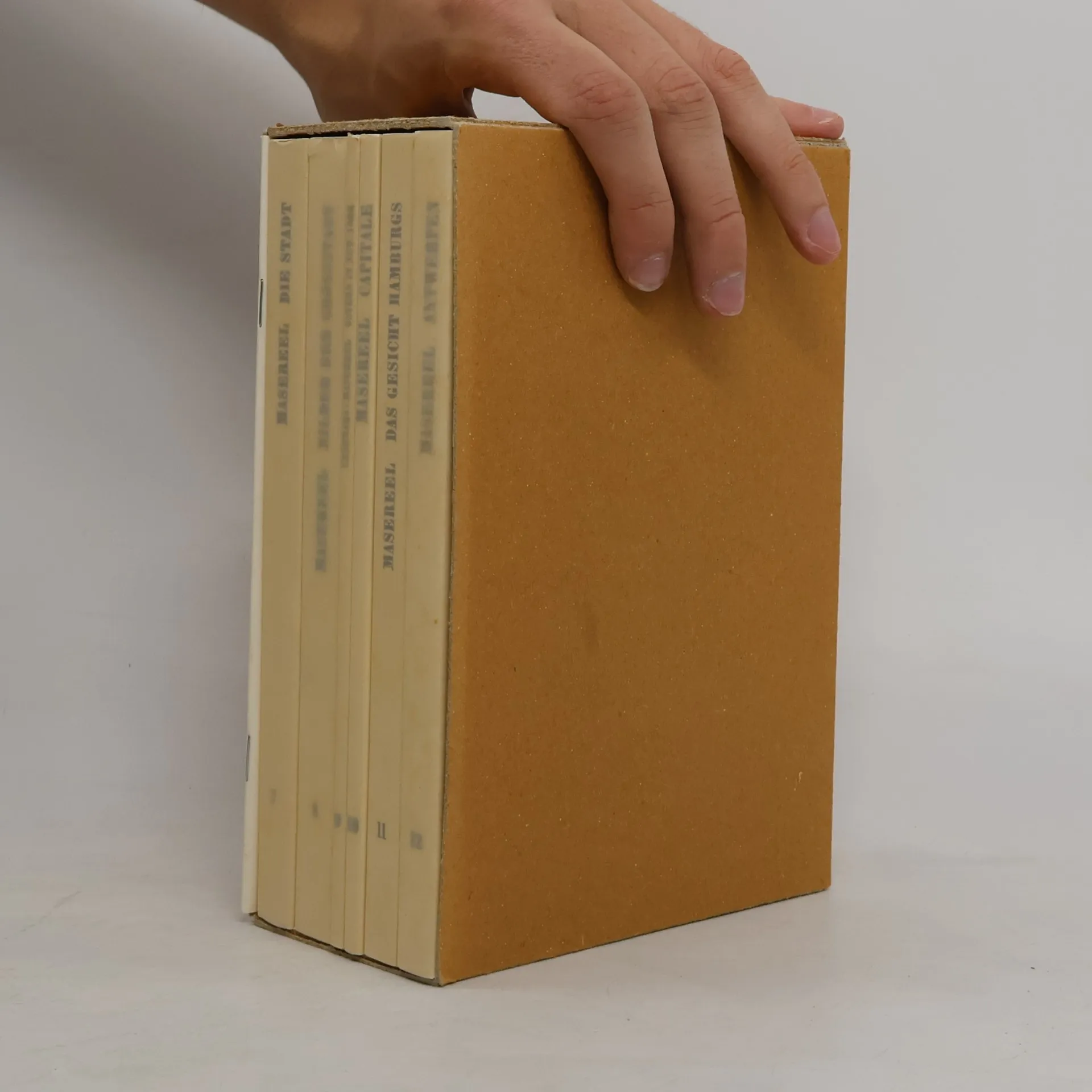
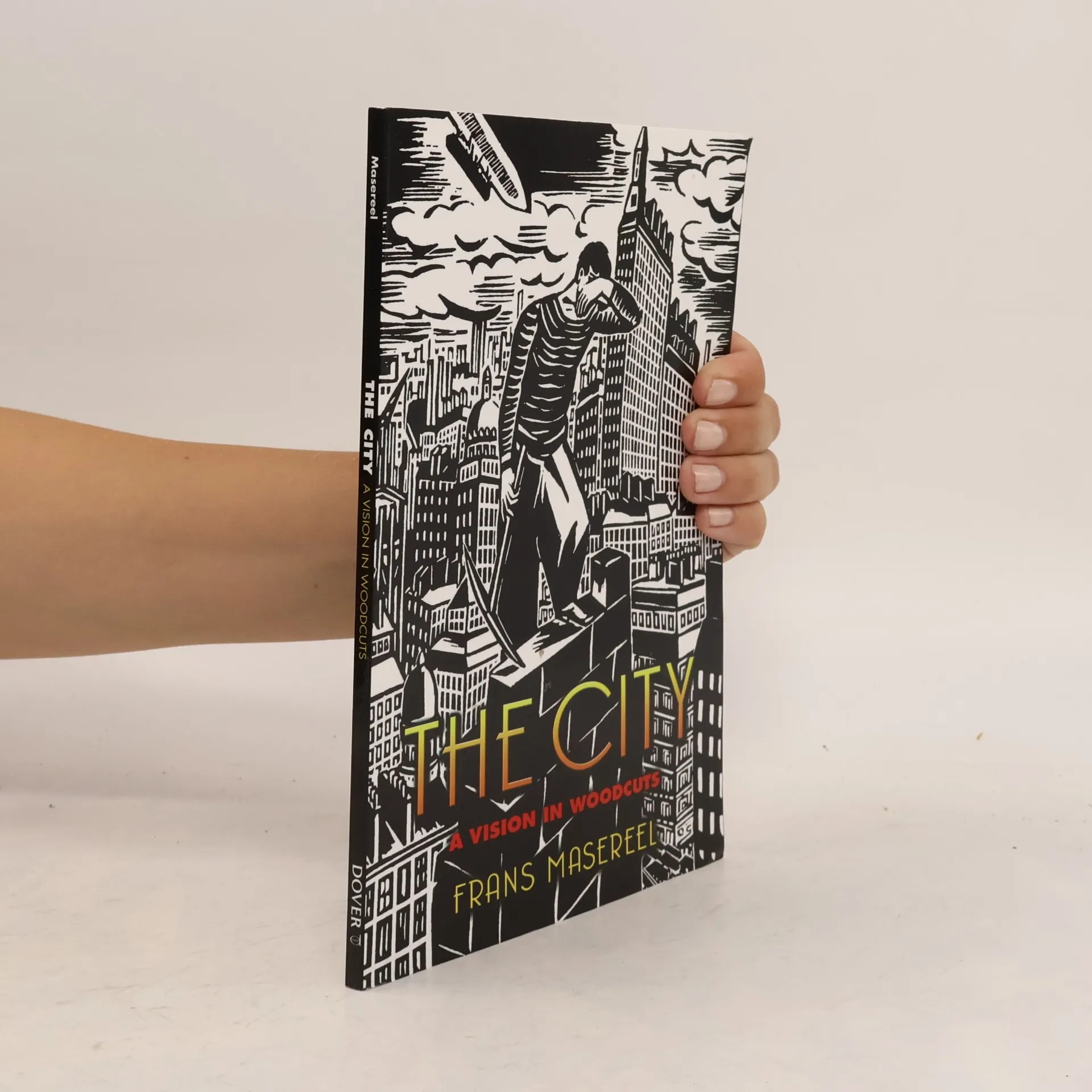
    The City A Vision In Woodcuts
    • The City A Vision In Woodcuts

      • 112 pages
      • 4 hours of reading
      4.3(328)Add rating

      "An absolute song for an ongoing visit with timelessness." — The New York TimesThis graphic novel by an Expressionist master offers a stunning depiction of urban Europe between the world wars. First published in Germany in 1925, it presents unforgettable images from the tense and dynamic Weimar period, rendered in 100 woodcuts of remarkable force and beauty.A pacifist during World War I, Belgian-born Frans Masereel (1889-1972) sympathized with the struggles of the working classes and strived to make his art accessible to ordinary people. His evocative woodcuts convey scenes of work and leisure, wealth and deprivation, and joy and loneliness. Banned by the Nazis, Masereel's works were championed in Communist countries; however, the artist steered clear of political affiliations. His clarity of vision transcends any propagandist use of the images, which stand as timeless indictments of oppression and injustice.Thomas Mann described Masereel's works as "so strangely compelling, so deeply felt, so rich in ideas that one never tires of looking at them." Epic and unflinching in its scope, The City continues to influence modern fine and graphic art, while recapturing the mood of a vanished era.
      The City A Vision In Woodcuts
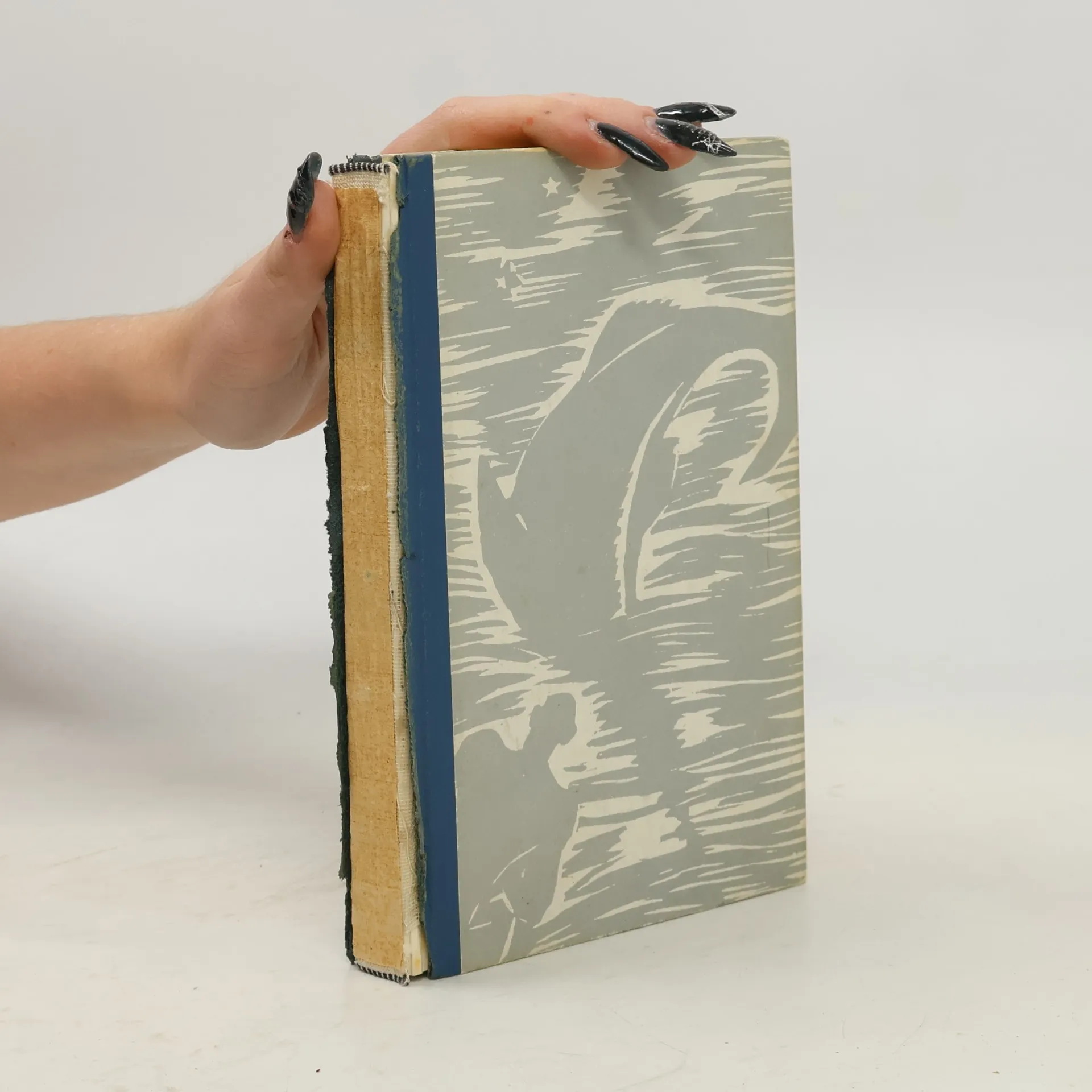
    • Created in the 1920s by the acclaimed wood-engraver Frans Masereel, this book contains two picture novels in one. The Idea depicts the life cycle of an idea, as personified by a naked woman, struggling in the streets of an industrialized city peopled by politicians and businessmen who try to use and destroy her. Story Without Words is a tale of unrequited love and courtship, its images rich with symposium.

      The Idea / Story Without Words: Third Impression
    • This is a pre-1923 historical reproduction that was curated for quality. Quality assurance was conducted on each of these books in an attempt to remove books with imperfections introduced by the digitization process. Though we have made best efforts - the books may have occasional errors that do not impede the reading experience. We believe this work is culturally important and have elected to bring the book back into print as part of our continuing commitment to the preservation of printed works worldwide.

      Germinal
    • 'IDEA jest historia? Idei. Rodzi sie? w głowie me?zczyzny, który doznaje olśnienia. Przyjmuje wygla?d kobiety równie nagiej, jak prawda wyłaniaja?ca sie? z mroku. Zeby mogła zyc swoim zyciem jej twórca wsuwa ja? do koperty i posyła w świat. Adresaci odkrywaja? ja? naga? i zszokowani spiesza?, zeby ja? ubrac. Jednak Idea nie ma niczego do ukrycia, buntuje się, zrywa ubrania i ucieka ulicami obcego jej miasta Rozpowszechniana się w prasie, w ksia?zkach, wznieca gniew władz czym doprowadza do autodafe. Idea jest jednak odporna na ogien głupoty, wstaje z płomieni i wykorzystuje wszystkie dostępne jej srodki nowoczesnej komunikacji i transportu, zeby rozprzestrzenic sie? z jeszcze większa pre?dkoscia?, sieja?c panike? i chaos wewna?trz społeczenstwa. Gdy jej misja zostaje ukonczona, powraca na łono tego, który dał jej zycie. Powieść graficzna IDEA ukazała się w 1920 roku w nakładzie 853 egz w wydawnictwie Ollendorff w Paryżu i z dnia na dzień zyskała sobie ogromną popularność w środowisku artystycznym zyskując bardzo przychylne recenzję. Frans Masereel od początku zabiegał by jego książki były dostępne dla każdego czytelnika. Jego marzenie spełniło się dopiero przy kolejnych wydaniach gdy w 1926 roku, monachijski wydawca Kurt Wolff wznowił ksia?zke? w niedrogim, popularnym wydaniu najpierw 4000 egz i ponownie 5000 egz. Książka zostałą wtedy opatrzona przedmowa? napisana? przez Thomasa Manna. Wydawnictwo LOKATOR po 104 latach od pierwszego francuskiego wydania publikuje to dzieło ojca powieści graficznej po raz pierwszy na polskim rynku w symbolicznym nakładzie 853 numerowanych egzemplarzy, otwierając tym samym serię albumów graficzny belgijskiego twórcy.

      Idea