

Explore the latest books of this year!
Bookbot

Fanny Howe

    Fanny Howe is an American experimental poet and prose writer whose work critically examines the exchange between the material and the spiritual. Her writing is characterized by a spare yet passionate intensity, delving into profound spiritual and existential questions. Howe consistently engages with pressing issues of social justice and the fate of society, infusing her exploration of consciousness with a deep political urgency. Her unique literary contribution lies in this potent fusion of personal introspection with a compelling social conscience.

    Night Philosophy
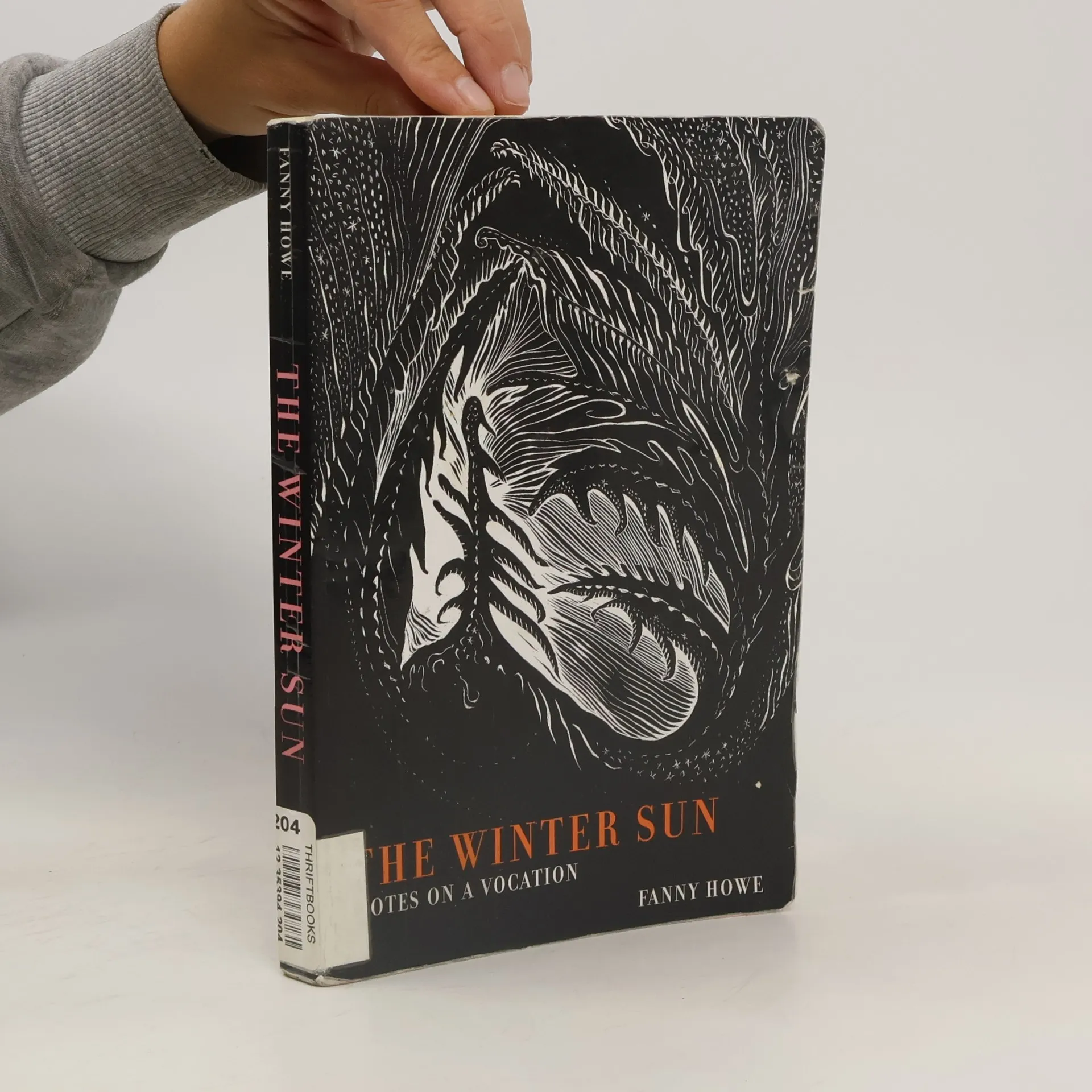
    The Winter Sun
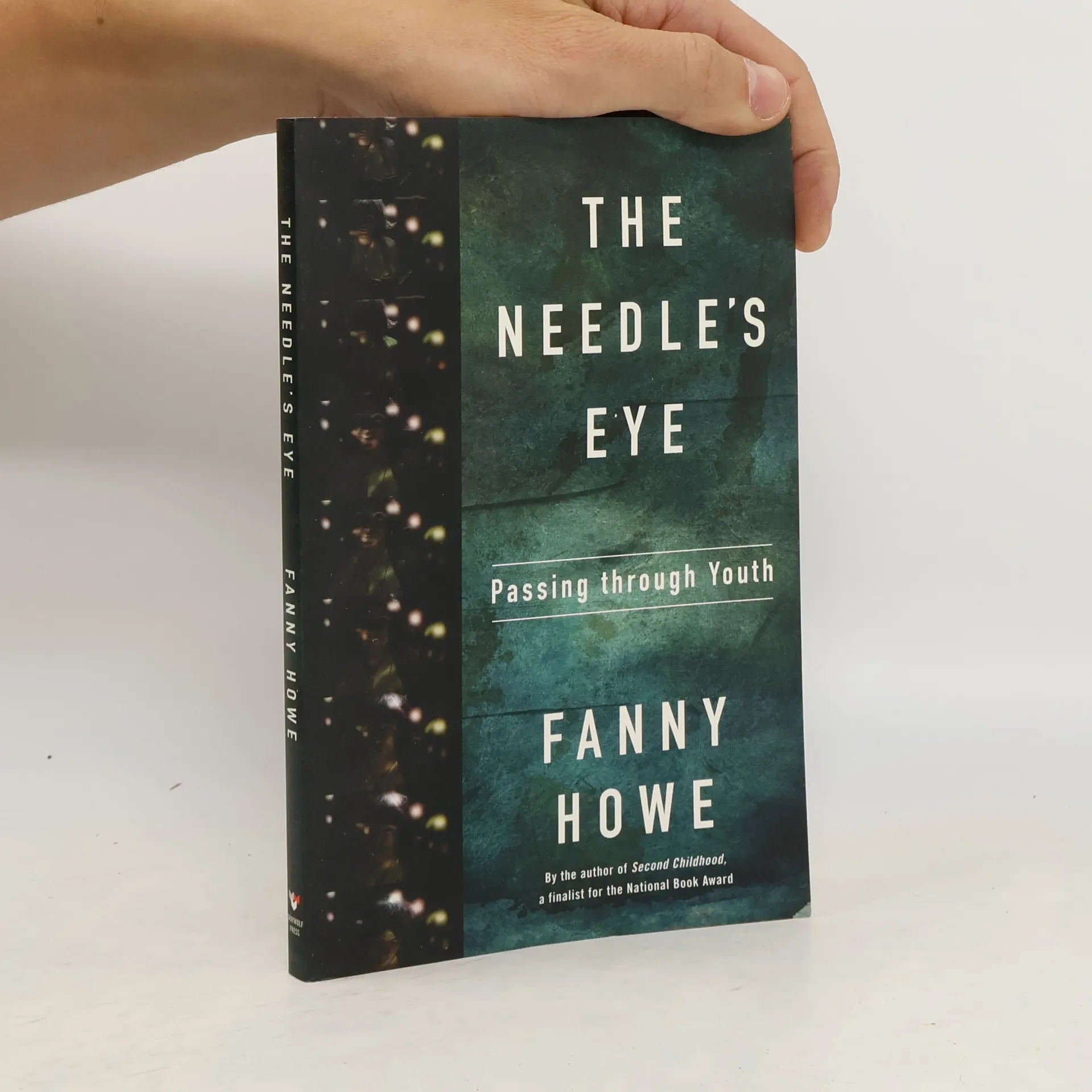
    The Needle's Eye
    London-rose - Beauty Will Save The World
    Bronte Wilde
    Indivisible, new edition
    • Indivisible, new edition

      • 320 pages
      • 12 hours of reading

      The conclusion of a radically philosophical and personal series of Fanny Howe novels animated by questions of race, spirituality, childhood, transience, resistance, and poverty. First published by Semiotexte in 2001, Indivisible concludes a radically philosophical and personal series of Fanny Howe novels animated by questions of race, spirituality, childhood, transience, wonder, resistance, and poverty. Depicting the tempestuous multiracial world of artists and activists who lived in working-class Boston during the 1960s, Indivisible begins when its narrator, Henny, locks her husband in a closet so that she might better discuss things with God. On the verge of a religious conversion, Henny attempts to make peace with the dead by telling their stories.

      Indivisible, new edition
    • Bronte Wilde

      • 160 pages
      • 6 hours of reading

      Set against the backdrop of the early 1960s counter-culture, this early novel by Fanny Howe follows a dispossessed young woman deeply influenced by a childhood friend. Her journey from the East to the West Coast of the USA becomes a desperate attempt to escape her past and reinvent herself, ultimately leading to tragedy. The narrative explores themes of identity, friendship, and the quest for belonging in a rapidly changing society.

      Bronte Wilde
    • London-rose - Beauty Will Save The World

      • 100 pages
      • 4 hours of reading
      4.1(33)Add rating

      The story of failure asks one question only: What do people who lose do next? 'Let the best one win.' War is one way. The other way is religion. Let me at the stakes. It's so much a matter of patience. No fury, beyond all reason, no sequence broken, but diverted.Nothing seems to cooperate when you lose control. Blue becomes violet. Bend your head to the blank. The solution is so simple: don't identify yourself with your description of yourself

      London-rose - Beauty Will Save The World
    • The Needle's Eye

      Passing Through Youth

      • 160 pages
      • 6 hours of reading

      "The Needle's Eye: Passing through Youth takes the side of the young--boys and girls, doomed and saved--as they weave their ways through ancient and modern times. The Boston Marathon bombers, Francis and Clare of Assisi, legendary nymphs, and urban nomads occupy this sequence of essays, poems, and tales, their stories and chronologies shifting and overlapping."--Back cover.

      The Needle's Eye
    • The Winter Sun

      Notes on a Vocation

      • 220 pages
      • 8 hours of reading

      "A collage of essays on childhood, language, spiritual biographies, and the writer's life, 'a vocation has no name'"--P. [4] of cover.

      The Winter Sun
    • "NIGHT PHILOSOPHY is collected around the figure of the child, the figure of the child not just as a little person under the tutelage of adults, but also the submerged one, who knows, who is without power, who doesn't matter. The book proposes a minor politics that disperses all concentrations of power. Fanny Howe chronicles the weak and persistent, those who never assimilate at the cost of having another group to dominate. She explores the dynamics of the child as victim in a desensitized era, when transgression is the zeitgeist, and the victim-perpetrator model controls citizens."-- Provided by publisher

      Night Philosophy