

City of Dreams
- 500 pages
- 18 hours of reading
Explores the many faces of Universal Pictures throughout its history.


Explores the many faces of Universal Pictures throughout its history.
The biography explores the vibrant and fulfilling life of a star from the Golden Age of Hollywood, delving into their career milestones, personal struggles, and the cultural impact they had during their era. It highlights key moments in their journey, showcasing their contributions to film and the entertainment industry, while also reflecting on the challenges faced in a rapidly changing world. Through a rich narrative, the book paints a portrait of resilience, talent, and the enduring legacy of a beloved icon.
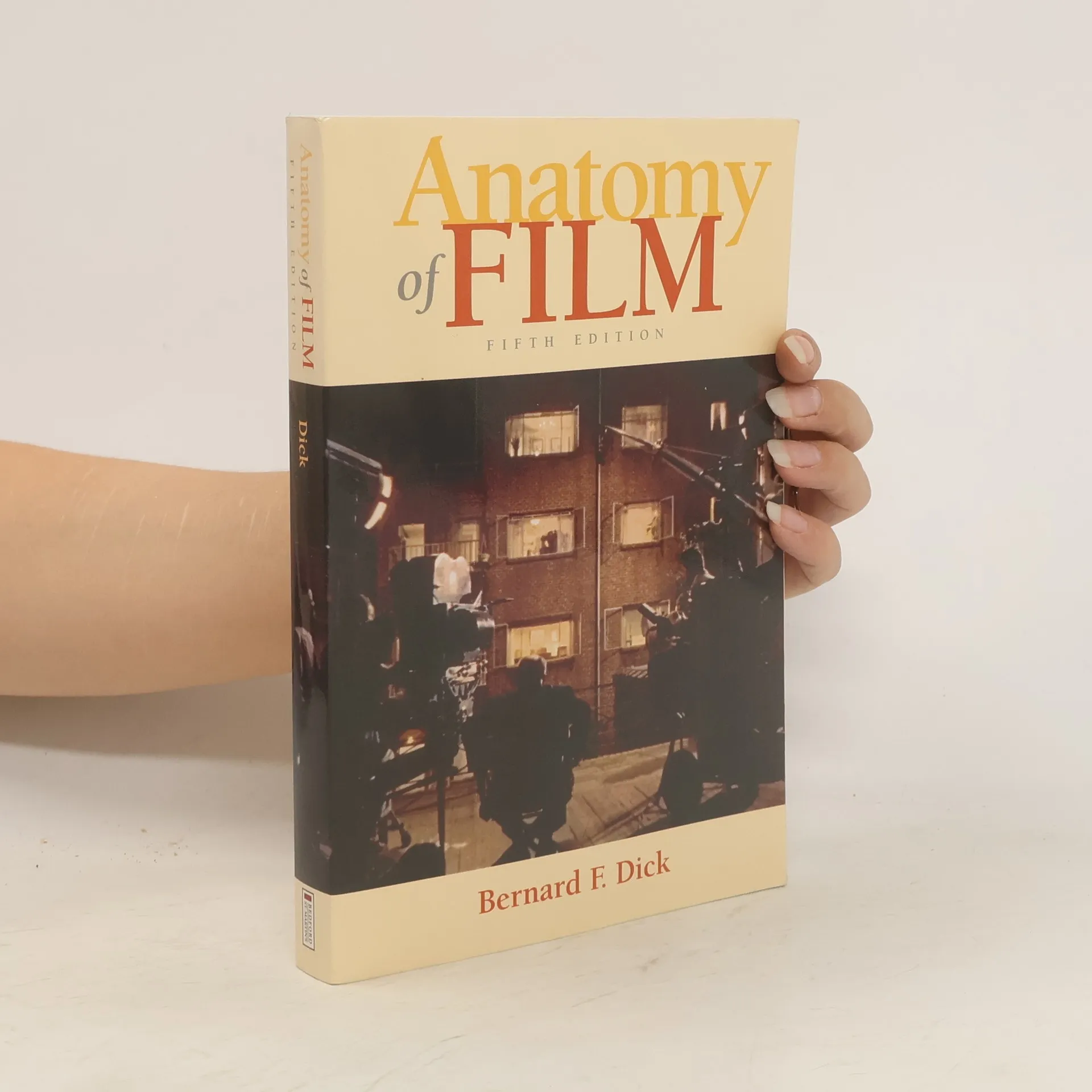
Anatomy of Film is a brief, jargon-free introduction to film appreciation and analysis. Designed to be used in either English or Communication departments, Anatomy of Film helps students new to film develop a critical awareness of cinema without overwhelming them.
The Death of Paramount Pictures and the Birth of Corporate Hollywood
The narrative delves into the remarkable lives of influential figures who shaped Paramount's legacy, showcasing personalities like Billy Wilder, Adolph Zukor, and Shari Redstone. It highlights their contributions and the dynamic interactions that defined the studio's evolution, illustrating how these larger-than-life characters influenced the film industry and left a lasting impact on entertainment.
First study to focus on the work of the Ten: their short stories, plays, novels, criticism, poems, memoirs, and, of course, their films.
A radically different portrait of the man who ran Columbia Pictures.
Draws on numerous sources to finally tell the full story of Hal Wallis's illustrious production career
A new, updated edition of The Star-Spangled Screen.
Horror films. Deanna Durbin musicals. Francis the talking mule. Ma and Pa Kettle. Ross Hunter weepies. Theme parks. ET . Apollo 13 . These are only a few of the many faces of Universal Pictures.In February 1906 Carl Laemmle, German immigrant and former clothing store manager, opened his first nickelodeon in Chicago. He quickly moved from exhibition to distribution and to film production. A master of publicity and promotions, within ten years "Uncle Carl" had moved his entire operation to southern California, founded a city, and established Universal Pictures as one of the major Hollywood studios.In time Universal found its niche in horror films featuring Karloff and Lugosi, comedies starring Abbott and Costello and W.C. Fields, and low-budget musicals. But Carl Laemmle Jr. proved less adept than his father at empire building. Eventually he was forced out by financial difficulties, opening the way for a string of studio heads who entered and exited one after another. Thus the age of corporate Hollywood arrived at Universal Pictures earlier than at other studios.The Universal-International merger in 1946, Decca's stock takeover in the early 1950s, and MCA's buyout in 1962 all presaged today's Hollywood, where the art of the deal often eclipses the art of making movies. Stars and executives have come and gone, shaping and reshaping the studio's image, but through it all Universal's revolving globe logo has remained on movie screens around the world. And, unlike several other studios of Hollywood's golden age, Universal still makes movies today.