Nigel Thrift explores recent changes in the British research university that
threaten to erode the quality of these higher education institutions. He
considers what a research university has now become by examining the
quandaries that have arisen from a succession of misplaced strategies and
false expectations.
Exploring the interplay between urban environments and ecological degradation, Nigel Thrift analyzes how cities contribute to widespread animal mortality and environmental destruction. By blending social theory with empirical research, he critiques current urban practices and proposes pathways for transforming cities into spaces that coexist harmoniously with other life forms. The book ultimately seeks to inspire a collective shift towards sustainable urban living that respects and nurtures the planet's diverse ecosystems.
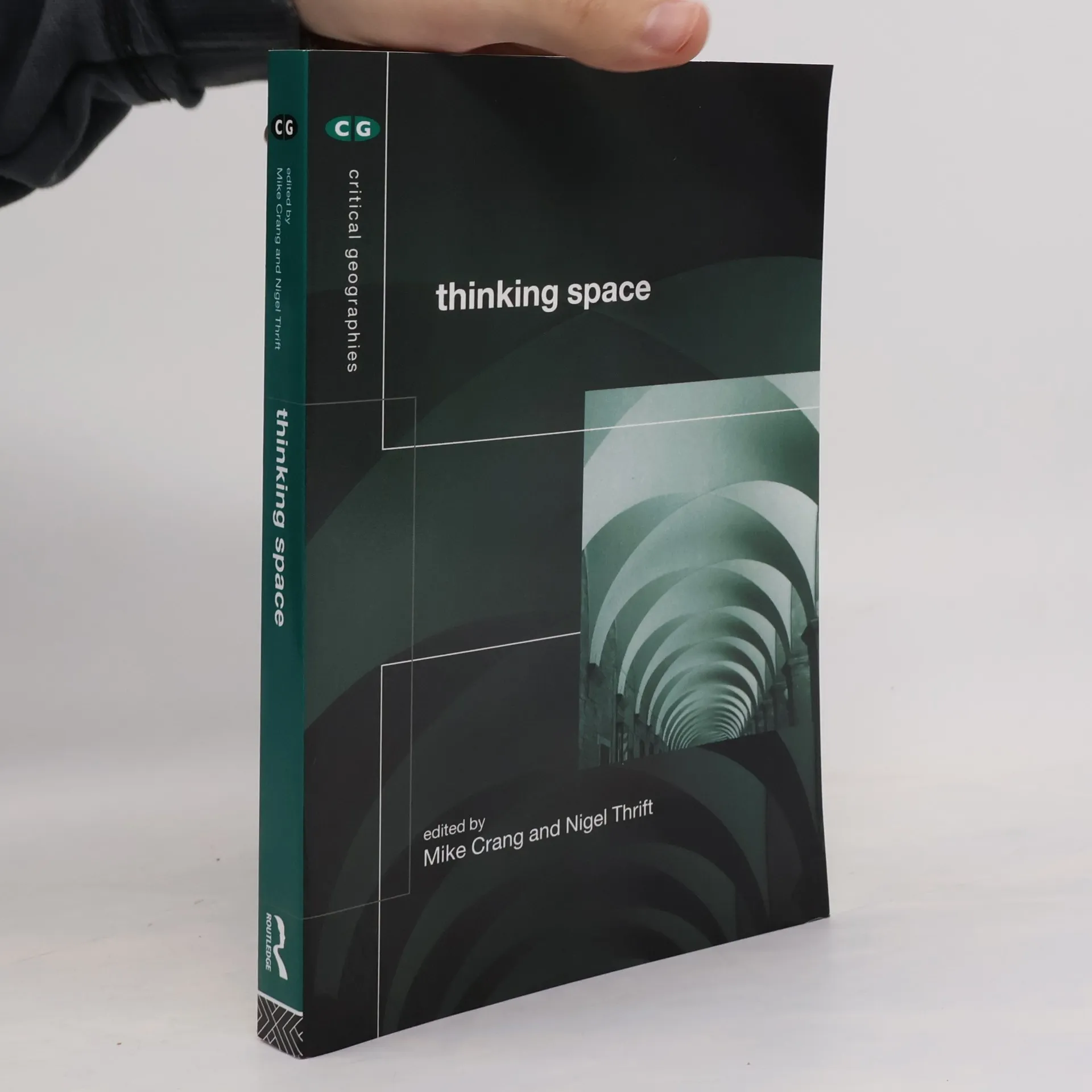
As theorists have begun using geographical concepts and metaphors to think about the complex and differentiated world, it is important to reflect on their work, and its impact on our thoughts on space. This revealing book explores the work of a wide range of prolific social theorists. Included contributions from an impressive range of renowned geographical writers, each examine the work of one writer - ranging from early this century to contemporary writers. Among the writers discussed are Georg Simmel, Mikhail Bakhtin, Gilles Deleuze, Helene Cixous, Henri Lefebvre, Jacques Lacan, Pierre Bourdieu, Michel Foucault and Franz Fanon. Ideal for those interested in the 'spatial turn' in social and cultural theory, this fascinating book asks what role space plays in the work of such theorists, what difference (if any) it makes to their concepts, and what difference such an appreciation makes to the way we might think about space.
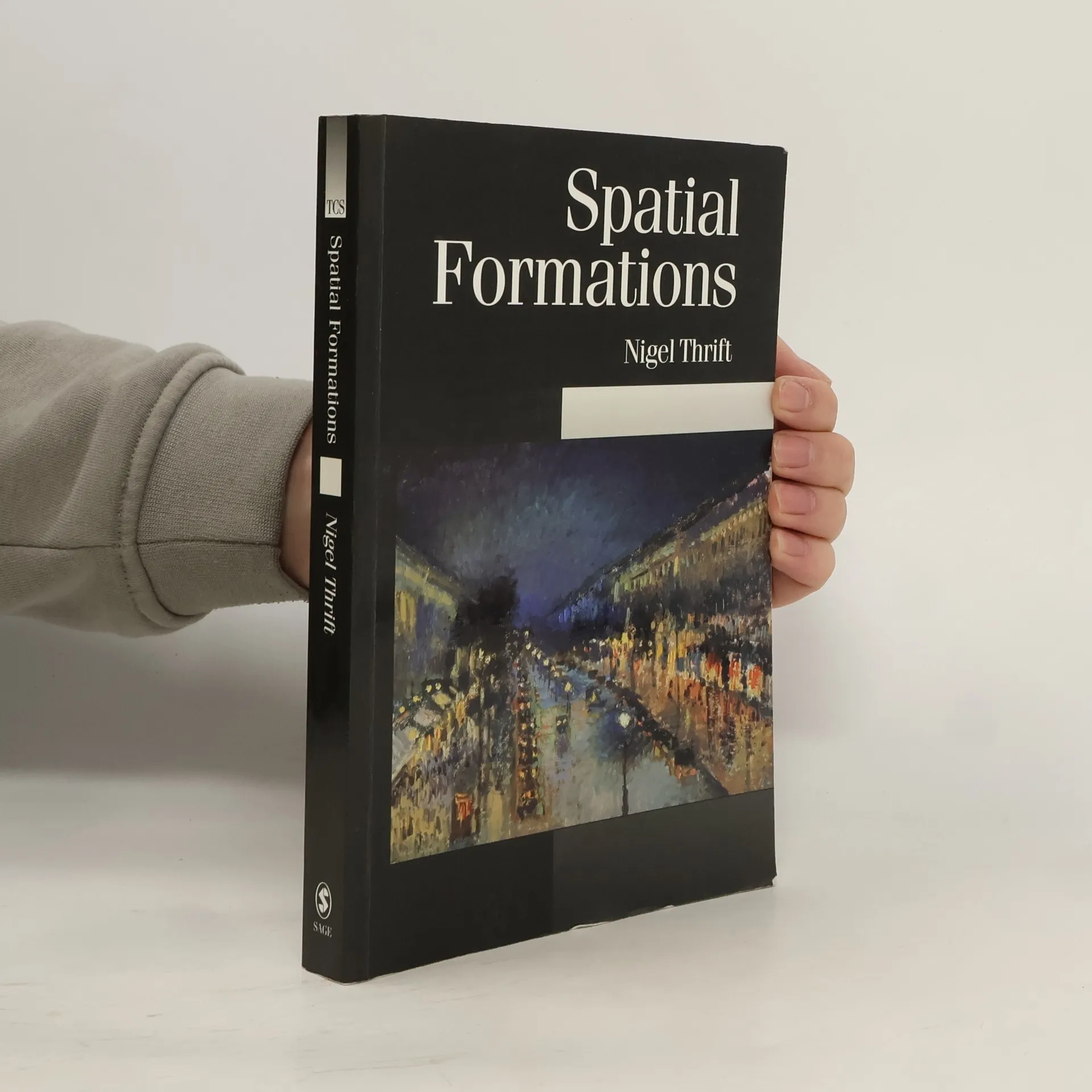
This essential guide to social theory and space is written by one of the leading writers in the field. Nigel Thrift explores the interconnections among people, places and things and demonstrates why they must be examined in relation to each other rather than in isolation - as is too often the case. Spatial Formations presents a formidable analysis of how space is socially constructed, unmade and reconstructed. Thrift provides the reader with a direct understanding of how social theory can be used to make sense of spatial forms and practices, and how spatial relations are made durable over space and time. These themes are developed through case studies, ranging from medieval time consciousness to the modern usage of m