

How modern food helped make modern society between 1870 and 1930: stories of power and food, from bananas and beer to bread and fake meat.The modern way of eating--our taste for food that is processed, packaged, and advertised--has its roots as far back as the 1870s. Many food writers trace our eating habits to World War II, but this book shows that our current food system began to coalesce much earlier. Modern food came from and helped to create a society based on racial hierarchies, colonization, and global integration. Acquired Tastes explores these themes through a series of moments in food history--stories of bread, beer, sugar, canned food, cereal, bananas, and more--that shaped how we think about food today. Contributors consider the displacement of native peoples for agricultural development; the invention of Pilsner, the first international beer style; the "long con" of gilded sugar and corn syrup; Josephine Baker's banana skirt and the rise of celebrity tastemakers; and faith in institutions and experts who produced, among other things, food rankings and fake meat.
Benjamin J. Cohen Books

Benjamin Jerry Cohen perceives himself as fortunate despite never having been labeled "Lucky Jerry" by others. His introspective journey reveals a unique perspective on luck and self-identity, challenging conventional notions of success and fortune. As he navigates his life, readers are invited to explore themes of perception, resilience, and the personal definitions of luck.
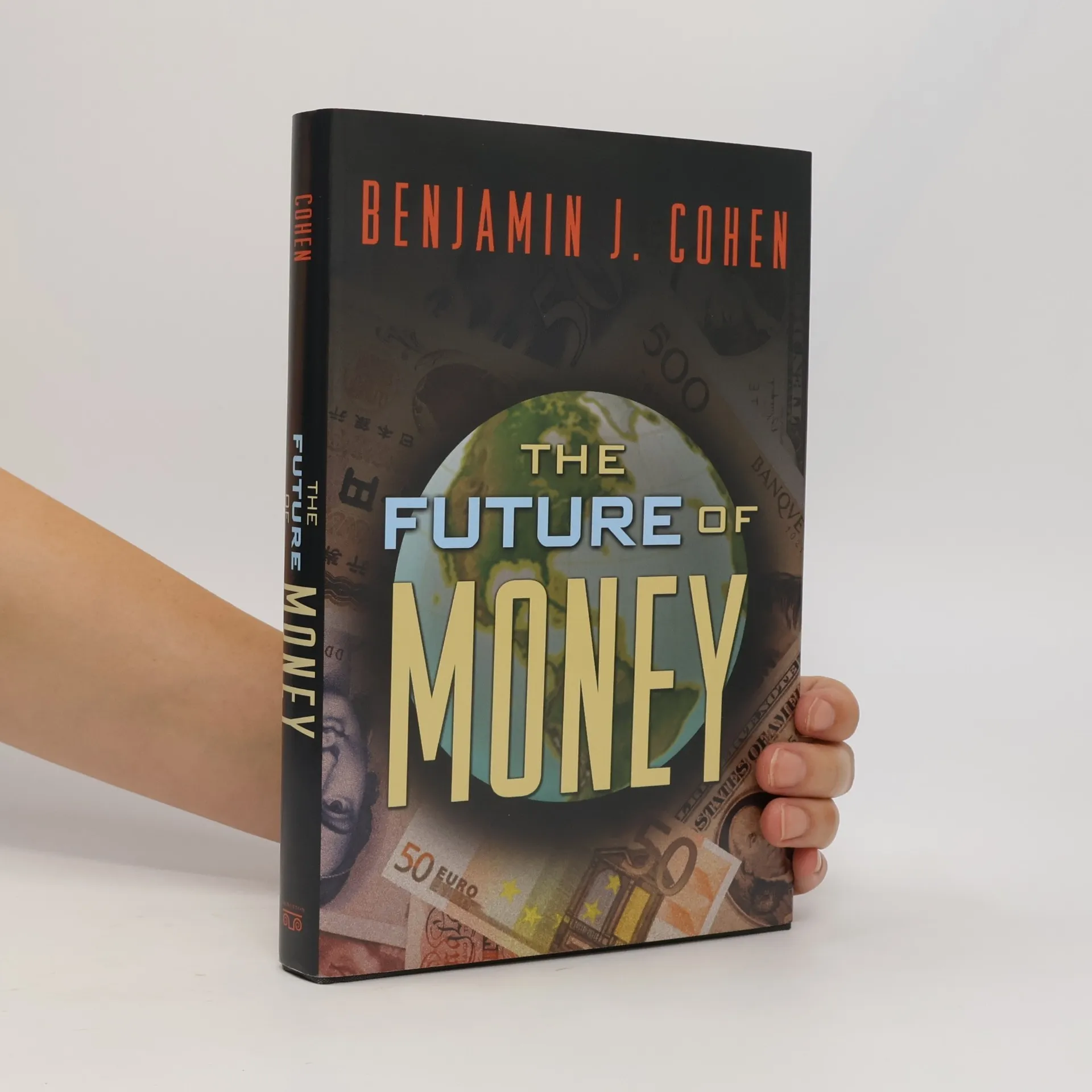
The Future of Money
- 320 pages
- 12 hours of reading
Is globalization leading to fewer currencies and simpler monetary management? Many specialists believe so, as national governments' territorial monopolies over money seem to be diminishing. However, Benjamin Cohen argues against this "Contraction Contention," asserting that the number of currencies is likely to expand, complicating monetary governance. The book presents an innovative theoretical model to understand states' strategic preferences in monetary management, addressing whether governments should maintain traditional monetary sovereignty or pursue regional currency consolidation. This model offers two significant advancements: it highlights the three-dimensional nature of decision-making, rather than comparing just two options, and it emphasizes the degrees of currency regionalization as a key factor influencing state preferences. Cohen also examines the private sector's role as an alternative source of money. The book concludes with two essential policy proposals: first, to revive fiscal policy as a macroeconomic management tool to counteract the diminishing effectiveness of monetary policy; second, for the International Monetary Fund to play a more active role in coordinating decentralized government decision-making. While the future of money may be fraught with challenges, the book outlines alternative policies that can help avoid chaos.
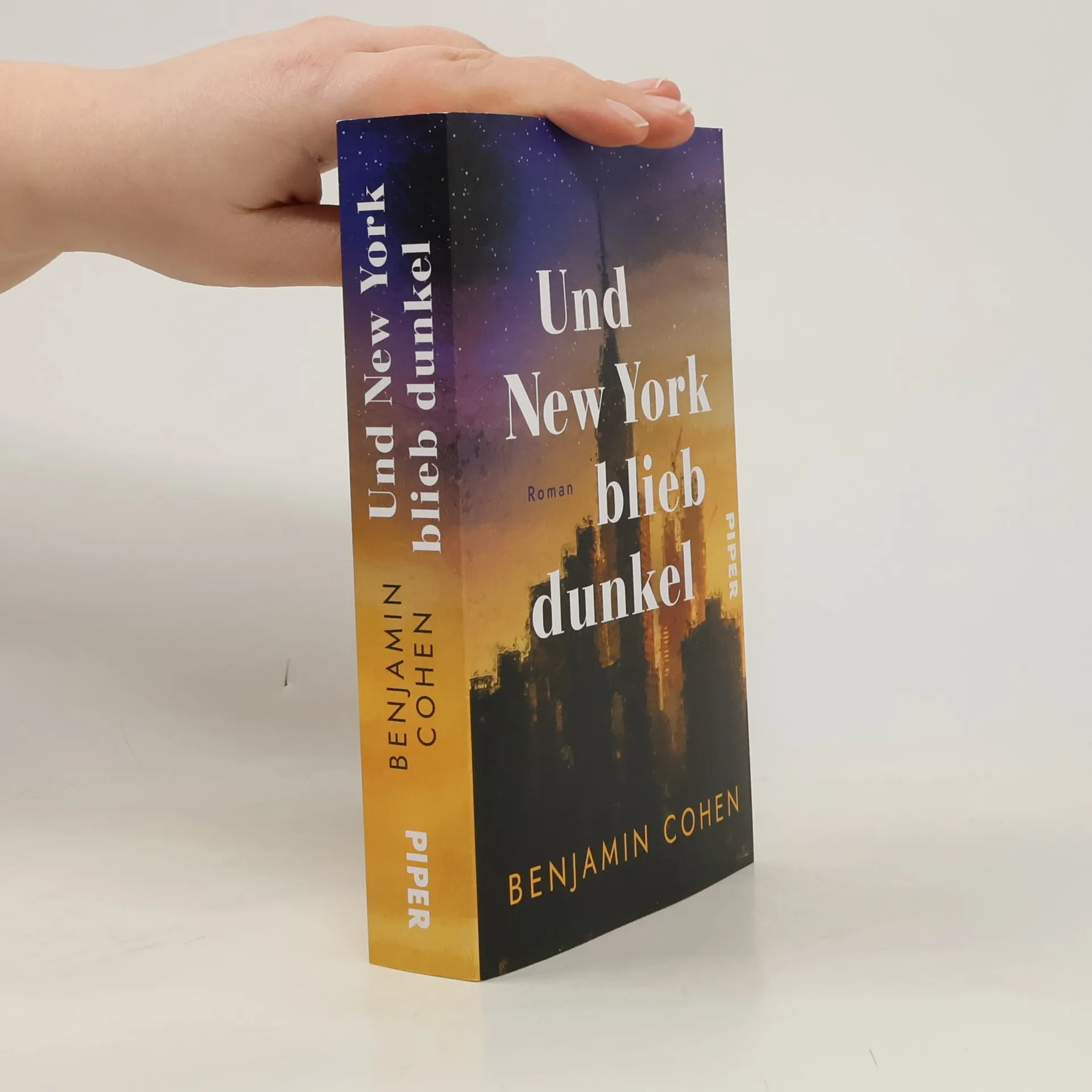
Und New York blieb dunkel
Roman | Der größte Stromausfall der Geschichte Amerikas: Ein Roman auf wahren Begebenheiten
- 400 pages
- 14 hours of reading
Wenn in der Stadt, die niemals schläft, plötzlich die Lichter ausgehen Juli 1977: Es ist heiß in New York. Wie viele andere sehnt sich Cynthia Simmons nach dem angekündigten Gewitter. Als es endlich blitzt und donnert, geschieht Unerwartetes: Ein Blitzschlag sorgt für einen Stromausfall in der Stadt! Während auf der Upper East Side ausgelassen gefeiert wird, bangt Cynthias Mann in Brooklyn um sein Geschäft, denn Plünderer ziehen durch das Viertel. Cynthia schlägt sich derweil durch die Straßen, besorgt um ihre hochschwangere Tochter Pamela, die zur Vorsorge im Krankenhaus war und sich nun nicht mehr meldet. Eine Nacht, die so viel verändern wird, bricht an … Basierend auf wahren Begebenheiten aus dem Jahr 1977! Benjamin Cohen erzählt mitreißend und spannend von einer der dunkelsten Nächte New Yorks.