

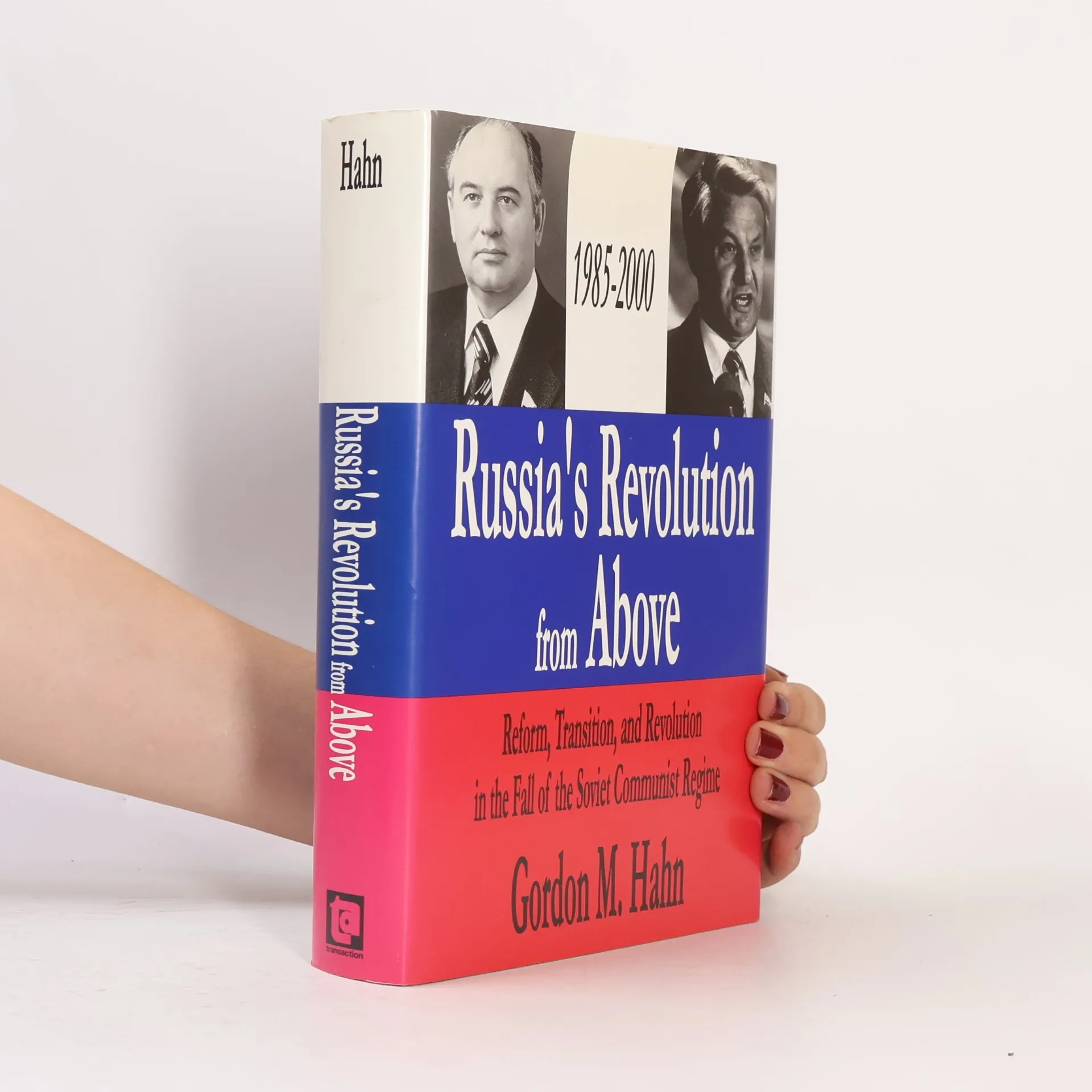

Reform, Transition, and Revolution in the Fall of the Soviet Communist Regime
618 pages
22 hours of reading
The fall of the Soviet communist regime in 1991 offers a challenging contrast to other instances of democratic transition and change in the last decades of the twentieth century
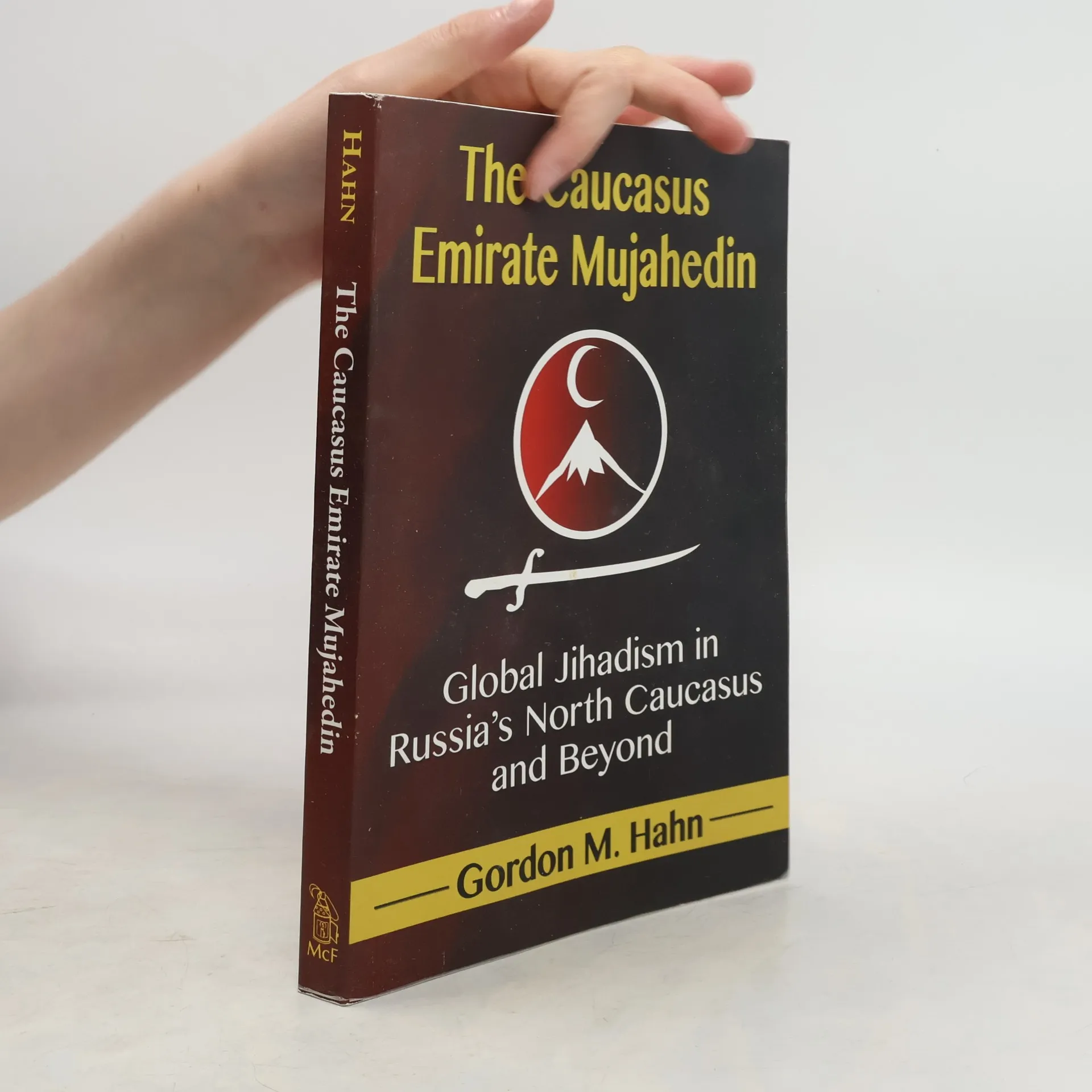
Russia's North Caucasus mujahedin of the self-declared Caucasus Emirate and the history thereof is part and parcel of the global jihadi revolutionary movement which includes but is no longer led by Al Qaeda. This book corrects the inadequate previous treatments of the violence in the Caucasus, almost all of which explain what ought to be called the rise of jihadism in the Caucasus solely in terms of Russian actions. The author brings the international jihadist and local North Caucasian causes back into the picture, detailing the global Jihadist/Islamist revolutionary movement's propagation of the "jihadi method" and material support to nationalist and Islamic extremists in Chechnya and the Caucasus since the mid-1990s. Like jihadi groups in Afghanistan and Pakistan, Iraq, Syria, and Africa, the Caucasus Emirate is an Al Qaeda ally and de facto affiliate. It represents a threat to Russian, U.S., and international security as evidenced by terrorist plots perpetrated or inspired by it in Belgium, the Czech Republic, Denmark, Spain, Azerbaijan, and Boston.
Security, Vigilance and Relations with the West from Ivan III to Putin
472 pages
17 hours of reading
The book explores the complex relationship between Russia and Western powers from the decline of the Mongol Empire to the present. It highlights how this interaction has shaped Russia's cultural, political, economic, and military landscape. The narrative delves into the geopolitical tensions arising from Russia's simultaneous attraction to Western ideas and its resistance to them, which has led to a persistent struggle for national identity and societal stability throughout its history.
Konflikt medzi kolektívnym Západom a Ruskom o Ukrajinu bol najvýraznejšie zosobnený expanziou NATO a EÚ, ktoré sa dostali až k hraniciam Ruska. Ukrajinská dráma, ktorá prepukla na jeseň 2013, mala svoje korene v zložitých okolnostiach predchádzajúcich Majdanu v roku 2014. Autor podrobne skúma historické pozadie a komplexné súvislosti ukrajinského konfliktu, sledujúc udalosti od masových demonštrácií na kyjevskom Majdane po prevzatie moci ukrajinským režimom. Rozoberá dva významné rozkoly, ktoré formovali krízu: prvý sa týkal vnútorných rozdielov medzi západnou a juhovýchodnou Ukrajinou, a druhý bol spôsobený geopolitickými faktormi na medzinárodnej úrovni. Expanzia NATO a EÚ vyostrila vnútorné rozpory na Ukrajine, čím sa krajina stala časovanou bombou. Kniha tiež osvetľuje úlohu radikálnych ukrajinských nacionalistov a neofašistov pri masakri vo februári 2014, ktorý prispel k zosadeniu prezidenta Viktora Janukovyča a nepriniesol demokratické výsledky. Tieto udalosti viedli k ruskému zabratiu Krymu a zapojeniu sa do občianskej vojny v Donbase. Analýza súvisí aj s aktuálnymi udalosťami a vznikom „novej studenej vojny“.