

Explore the latest books of this year!
Bookbot

William Egginton

    William Egginton is a literary critic and philosopher whose work spans a wide range of subjects, including theatricality, fictionality, literary criticism, psychoanalysis, and ethics. He also explores religious moderation and theories of mediation. His academic career has led him to Johns Hopkins University, where he teaches Spanish and Latin American literature and the relationship between literature and philosophy. Egginton's approach blends deep literary analysis with philosophical reflection, offering readers insightful perspectives on the nature of fiction and its role in society.

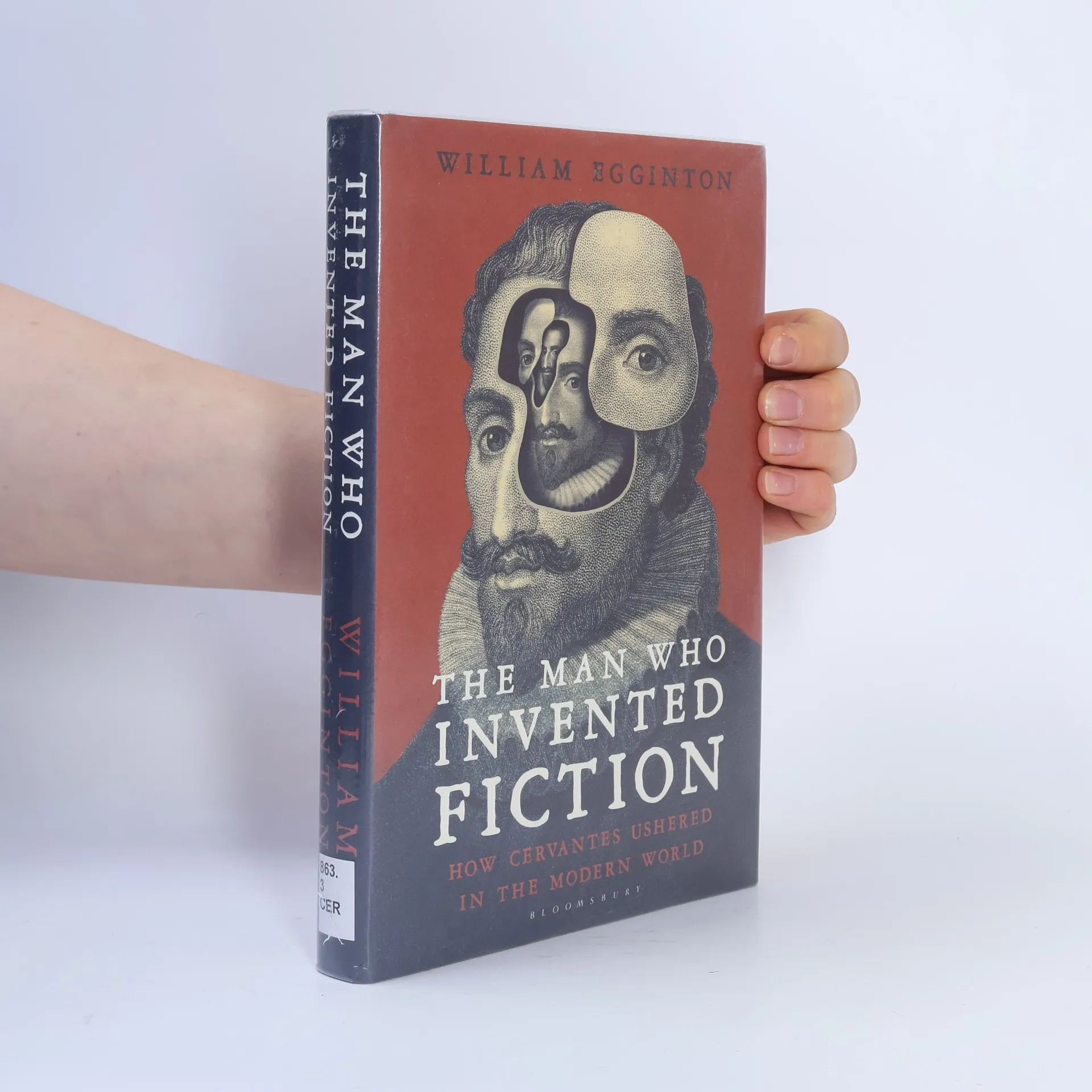
    The Man Who Invented Fiction
    Thinking with Borges
    The Rigor of Angels
    The Rigor of Angels
    • The Rigor of Angels

      Borges, Heisenberg, Kant, and the Ultimate Nature of Reality

      • 368 pages
      • 13 hours of reading

      Exploring the intersection of love, science, and philosophy, this book delves into the insights of poet Jorge Luis Borges, physicist Werner Heisenberg, and philosopher Immanuel Kant. Each figure grapples with the complexities of human experience and knowledge, revealing that love inherently involves loss, reality is never fully describable, and human understanding has its limits. Through their reflections, the author highlights the profound mystery of existence and our relationship to it, offering a captivating examination of how these themes intertwine across disciplines.

      The Rigor of Angels2024
      4.0
    • The Man Who Invented Fiction

      • 272 pages
      • 10 hours of reading

      400 years after the publication of Don Quixote (1605-15), William Egginton reveals how Cervantes came to invent what we now call fiction, and how fiction changed the world

      The Man Who Invented Fiction2016
      3.7
    • Thinking With Borges engages the most pressing and persistent questions of the philosophical tradition—including those of time, eternity, politics, law, justice, language, reality, identity and memory—through original and often brilliant readings of the Borgesian archive. Going beyond Borges’s self-deprecating claim that he deployed the philosophical canon only for aesthetic purposes, the contributors to Thinking With Borges demonstrate that he seeks to answer the most enduring philosophical questions in ways that both contest and extend the philosophical tradition.

      Thinking with Borges2009
      4.0