Leila Ahmed's scholarly work delves into critical issues of Islamic history, Muslim feminism, and the role of women within Islam. Her writing often draws from personal experiences of a multicultural upbringing and life as an expatriate, offering distinct perspectives on Islamic faith. She highlights the distinction between 'official' Islam and the personal experience of faith, analyzing the historical and contemporary roles of women within the tradition. Her contributions are significant for understanding the complex intersections of religion, gender, and culture.
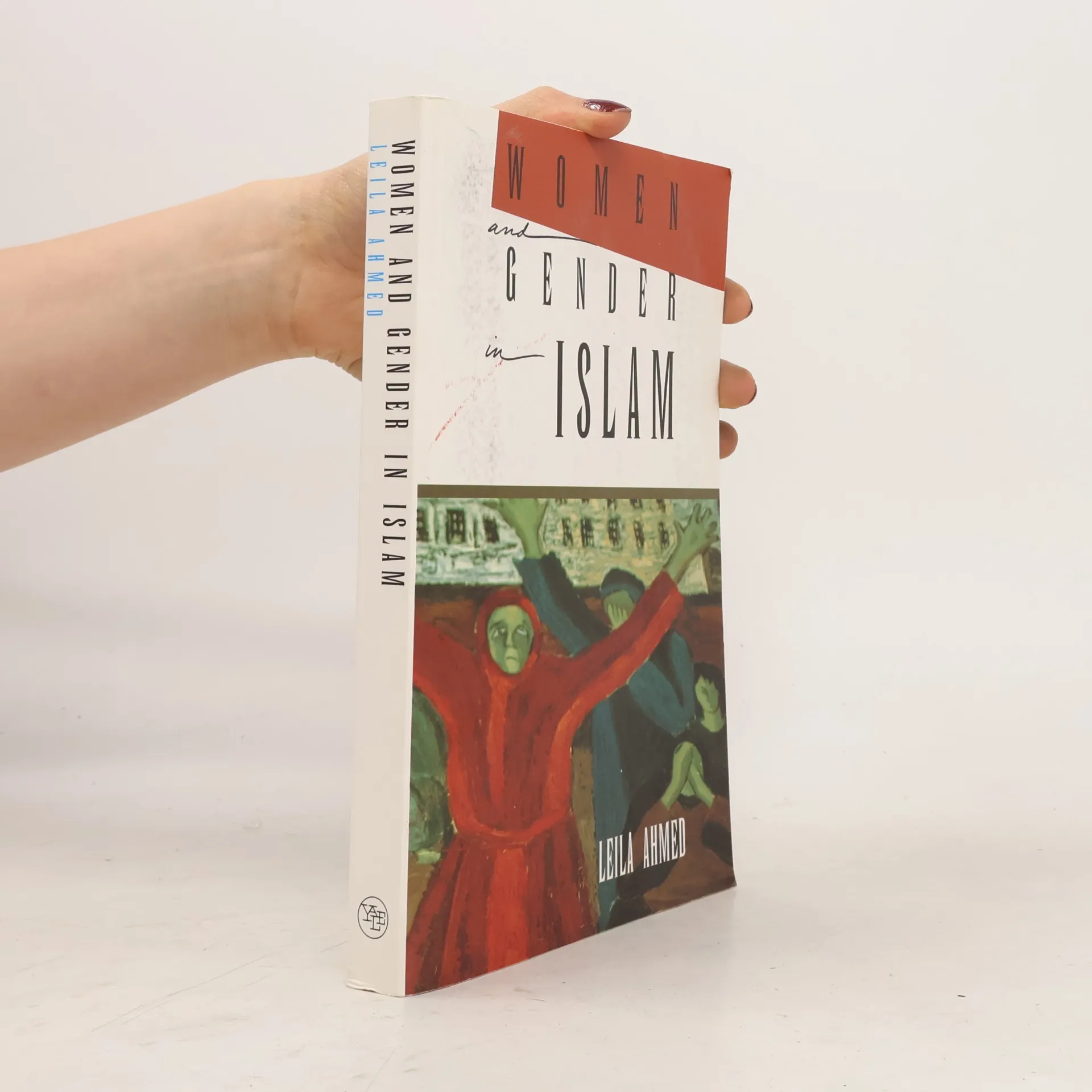
Are Islamic societies inherently oppressive to women? This text explores the
historical roots concerning the debate about women and Islam, tracing the
developments in Islamic discourses on women and gender from ancient world to
the 20th century.
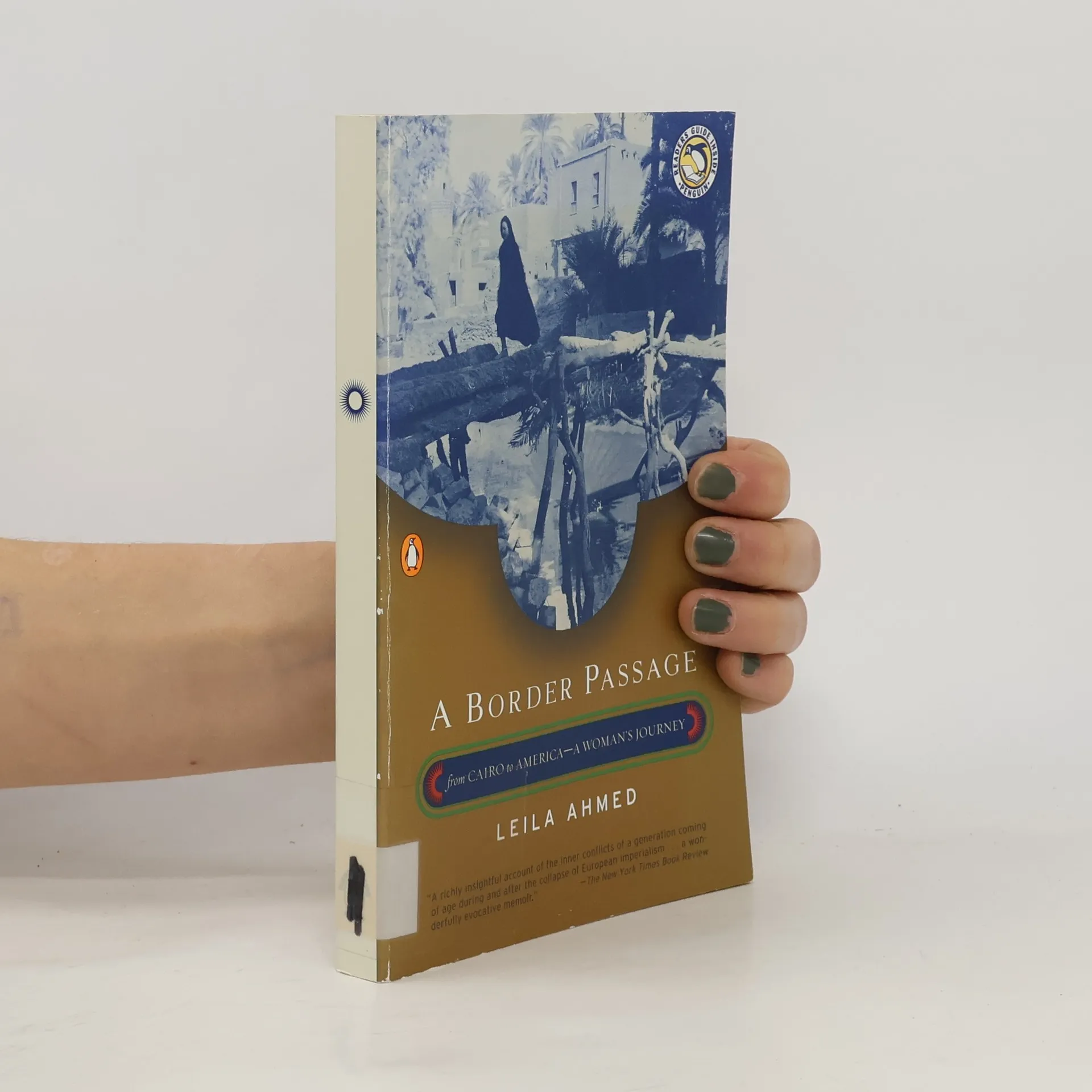
From Cairo to America – A Woman's Journey. Readers Guide Inside
307 pages
11 hours of reading
An Egyptian woman's reflections on her changing homeland—updated with an afterword on the Arab SpringIn language that vividly evokes the lush summers of Cairo and the stark beauty of the Arabian desert, Leila Ahmed movingly recounts her Egyptian childhood growing up in a rich tradition of Islamic women and describes how she eventually came to terms with her identity as a feminist living in America. As a young woman in Cairo in the forties and fifties, Ahmed witnessed some of the major transformations of this century—the end of British colonialism, the rise of Arab nationalism, and the breakdown of Egypt's once multireligious society. As today's Egypt continues to undergo revolutionary change, Ahmed's inspirational story remains as poignant and relevant as ever.