
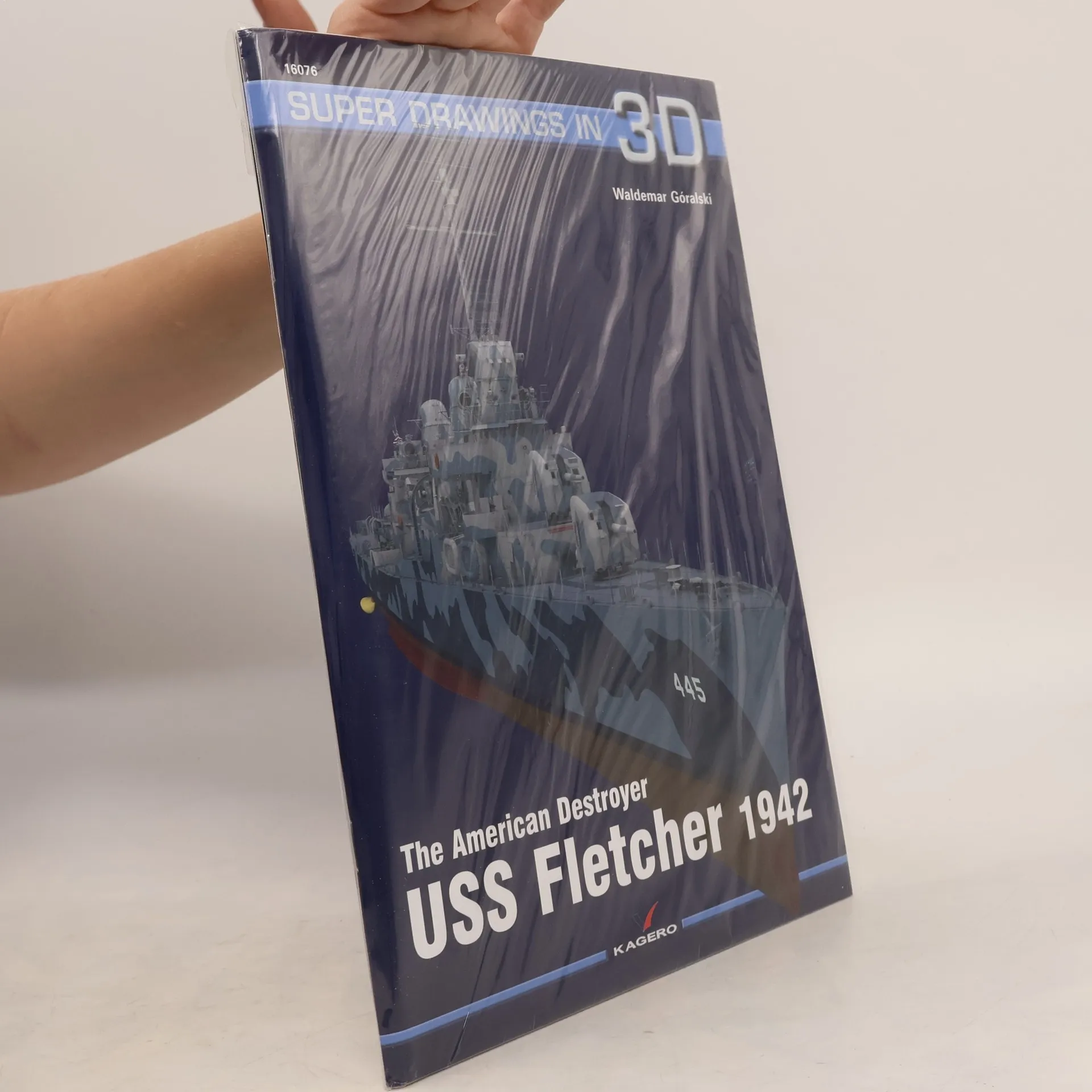
Covers the USS Stevens (DD-479), one of the 175 Fletcher-class destroyers, and considered one of the finest world War II warships of that type. číst celé
Waldemar Goralski Book order (chronological)


- 2021
- 2021
Clearly illustrated and effectively described; an excellent guide to the Japanese Battleship Kongo from WWII.
- 2020
When, in the early 1930s, the Americans began modernizing their navy, they considered the replacement of old destroyers from the Great War as one of the most urgent tasks. However, the new projects, disappointed and dissatisfied the sailors. Some of these vessels were heavily overloaded (e.g. Sims class and early Benson ships), as a result some of the weaponry had to be removed. By proceeding with the design of subsequent series of destroyers, efforts were made to respect the Treaty restrictions (London, 1936). The originally formulated requirements envisaged a destroyer with a displacement of 1,600 tons and armament consisting of not less than 4.5-inch (127 mm) guns and 10 x 533mm torpedo tubes and a speed of 36 knots. There were six variants of vessels slightly different from earlier Benson and Sims classes. It soon became apparent that additional requirements could not be met within the limits of this displacement. This mainly concerned making space for a 28-mm quadruple automatic cannon and more powerful ASuW weapons.
- 2020
The Japanese Battleship Nagato 1944
- 28 pages
- 1 hour of reading
The battleship “Nagato” was the first dreadnought equipped with a main artillery with a caliber exceeding 400 mm. It was armed with eight 406 mm (16 in) guns. The keel of “Nagato” was laid in 1917 in the naval shipyard in Kure. The ship was launched in 1919 and incorporated into service on November 15, 1920. The sister unit was “Mutsu”. Before the war, “Nagato” underwent many modifications and repairs increasing combat value of the ship. With the outbreak of World War II, “Nagato” became the flagship of Admiral Isoroku Yamamoto. The attack on Pearl Harbor was ordered from this battleship’s deck.
- 2020
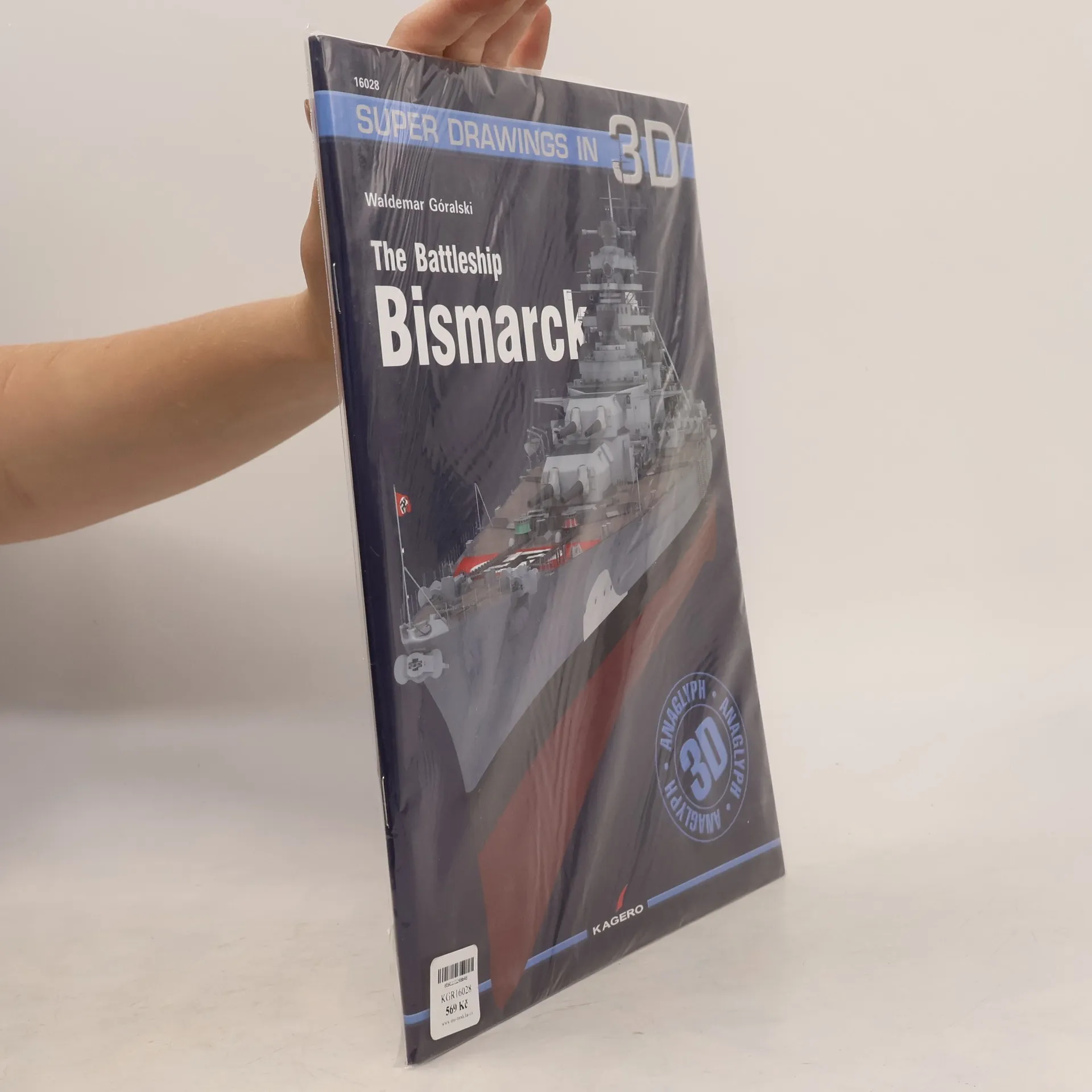
The German heavy cruiser PRINZ EUGEN was an enlarged version of the Admiral Hipper class ships.
- 2017
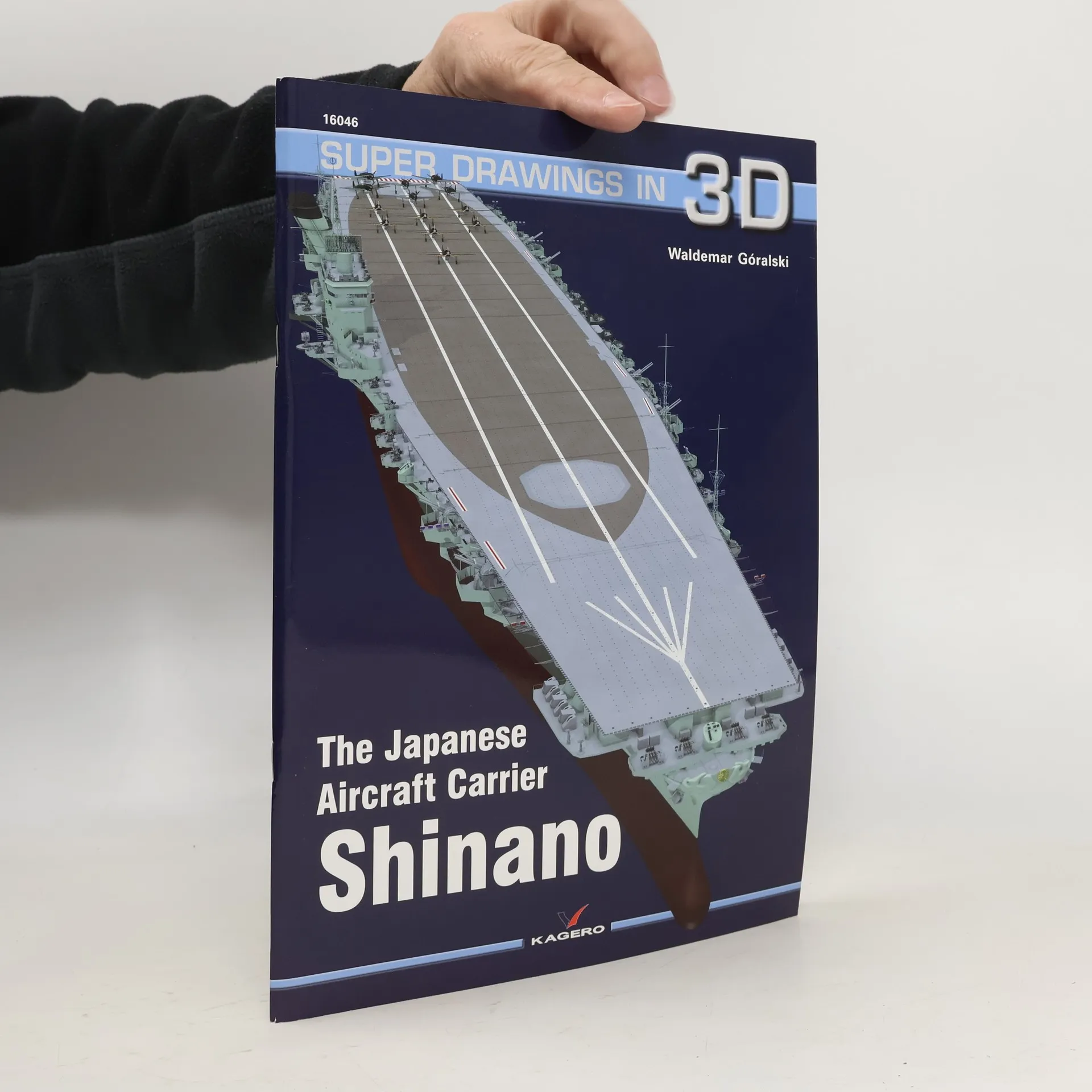
Super Drawings in 3D - 16046: The Japanese Carrier Shinano
- 84 pages
- 3 hours of reading
On 4 May 1940 the third Yamato-class battleship was laid down at the Navy Shipyard in Yokosuka. It was to be named Shinano, after a province on Honshu Island, in Nagato prefecture. That was also the name of the longest river in Japan (320 km). Admiral Yamamoto was born at its banks. Due to material supply difficulties, in December 1940 the construction was suspended. In 1942, after the Japanese defeat at Midway (four aircraft carriers were lost) it was decided to continue the construction of the ship as an aircraft carrier, in order to partially make up for losses suffered in this class of ships. The rebuilding scheme was designed by Vice Admirals Keji Fukuda and Seichi Izamur.
- 2010
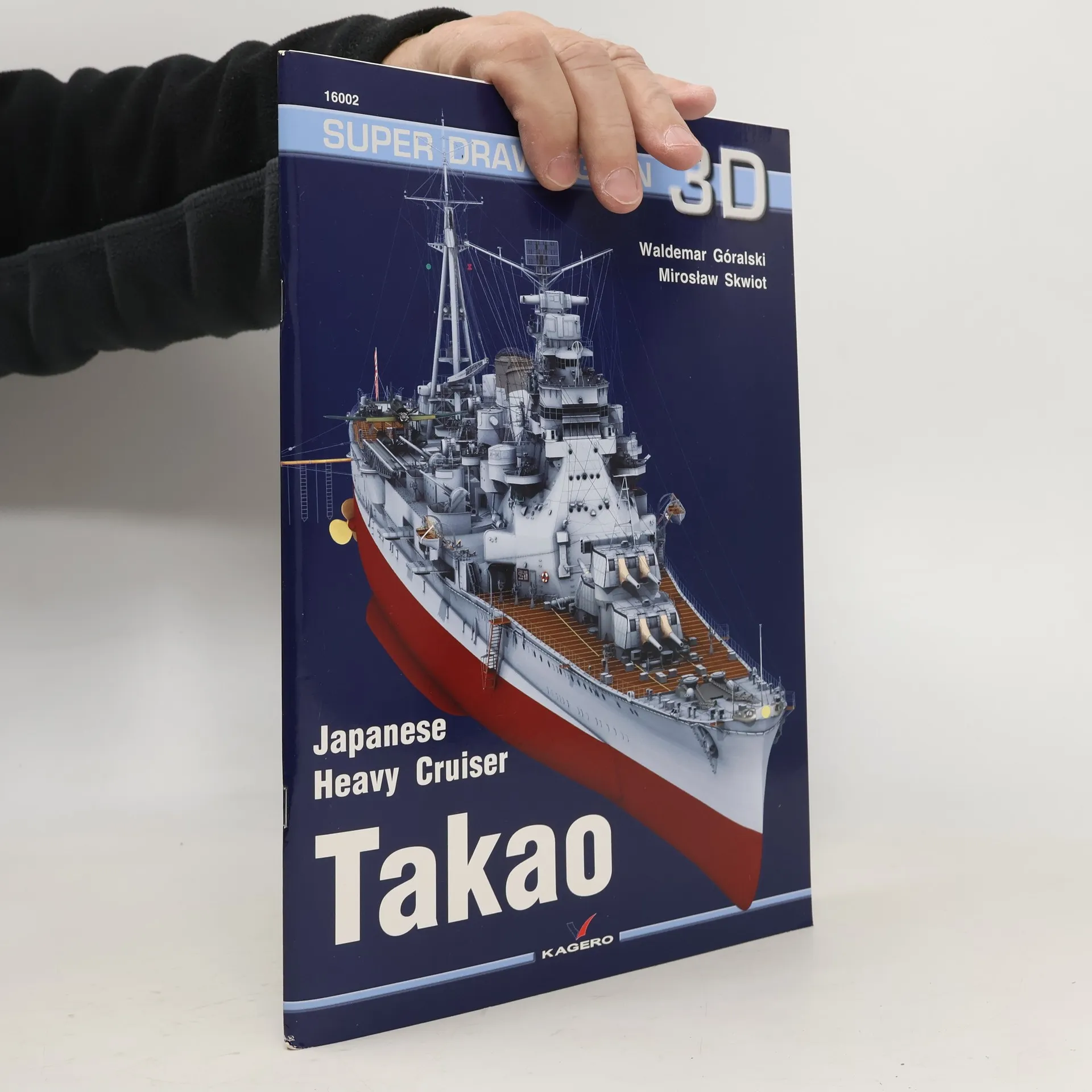
Japanese Heavy Cruiser Takao
- 58 pages
- 3 hours of reading
Takao was the first of four Takao-class heavy cruisers, designed to improve upon the unstable Myōkō-class. Approved under the 1927 fiscal year budget, these ships were integral to the Imperial Japanese Navy's Decisive Battle strategy, serving as a multipurpose long-range strike force. Built at the Yokosuka Naval shipyards and named after a mountain, Takao was launched on 12 May 1930 and commissioned on 31 May 1932. From the onset of the war, she was assigned to the Pacific theater. In early 1942, Takao participated in operations in the Java Sea, including the Battle of the Java Sea, where one of her floatplanes bombed the Dutch merchant ship Enggano. The following night, she and Atago sank the U.S. Navy destroyer Pillsbury without any survivors. Throughout the war, Takao engaged in various Pacific campaigns against Allied forces. This new series delves into the construction of iconic ships—battleships, carriers, cruisers, and submarines—featuring groundbreaking 3D imagery that allows for detailed views of each vessel. It includes information on design, development, combat history, and numerous photographs, along with 1/350th scale drawings, making it an exceptional reference tool.
- 2008
In-depth look at the Japanese heavy cruiser Aoba, veteran of the battles of Coral Sea, Savo Island and Cape Esperance - origins, construction, technical characteristics, armor, propulsion, armament, fire control, aircraft and operational history. Excellent visual guide to the ship from all aspects - overall and in detail - camouflage, modifications, weapons systems, boats, cranes, catapults even seaplanes. Features 100 scale drawings, color graphics, b/w photos and data tables. Also includes bonus double-sided, full color poster and 1/350 scale plans representing the ship's starboard and port profiles, bow and stern views plus overhead plan view and various scale detail scrap art. English text. 58 pages.

