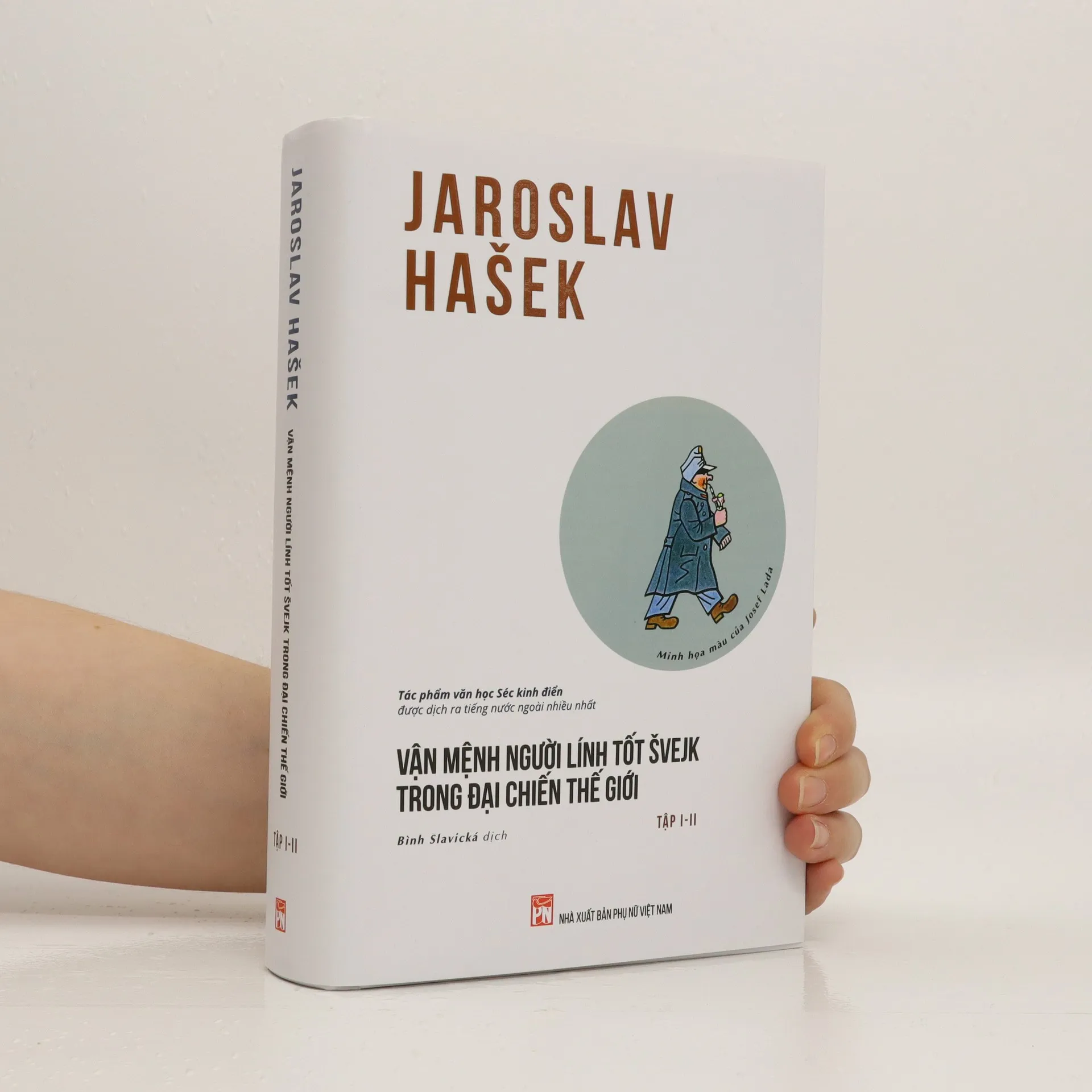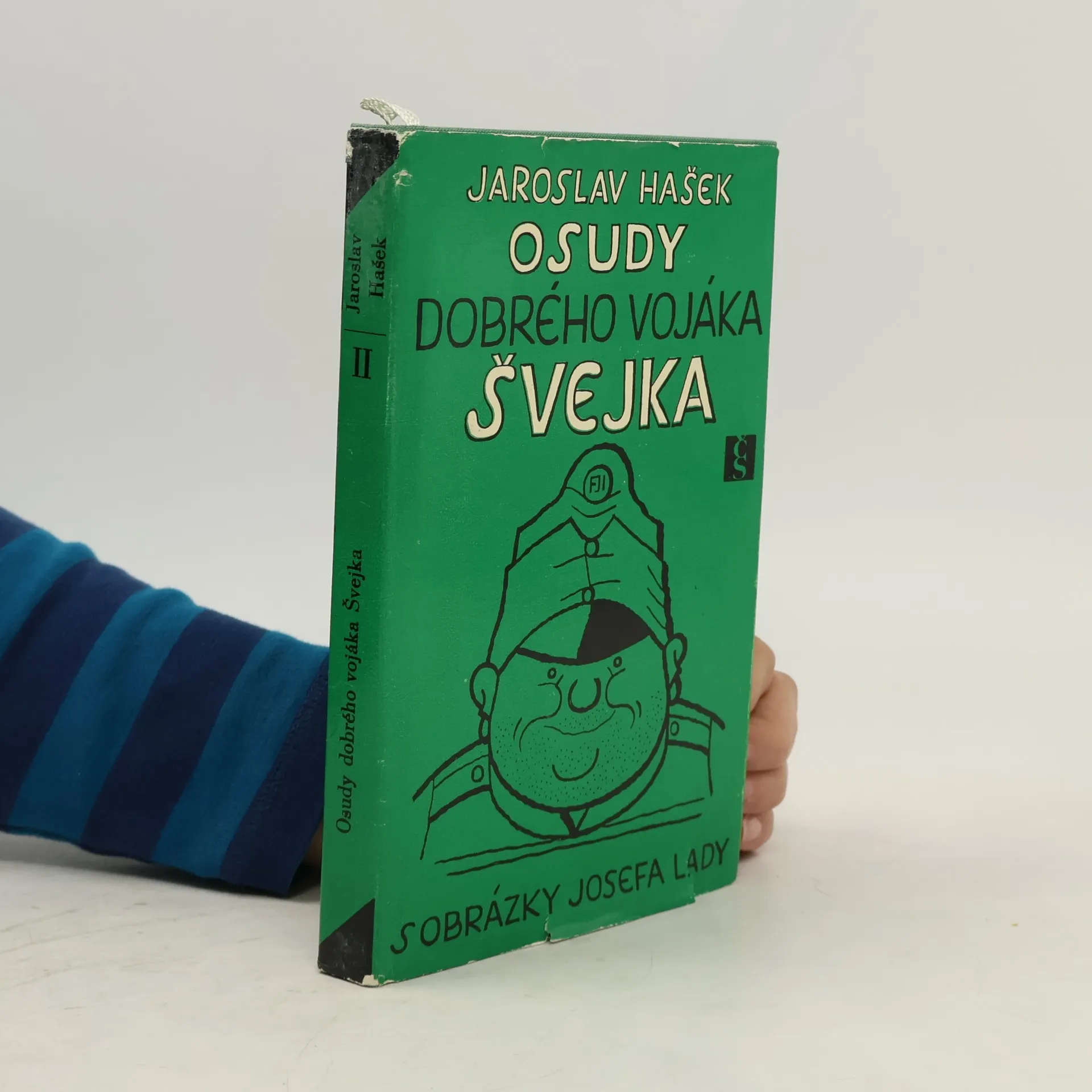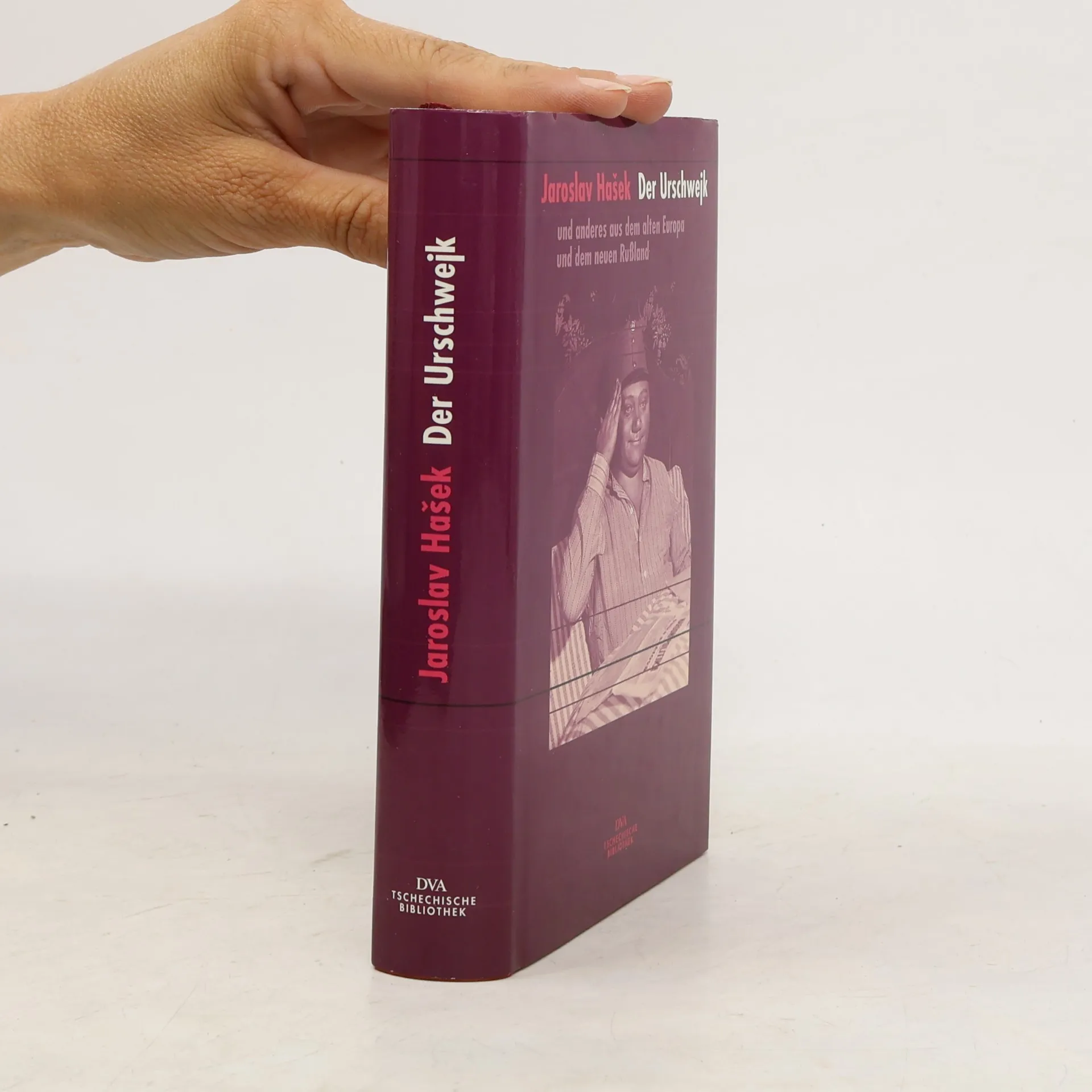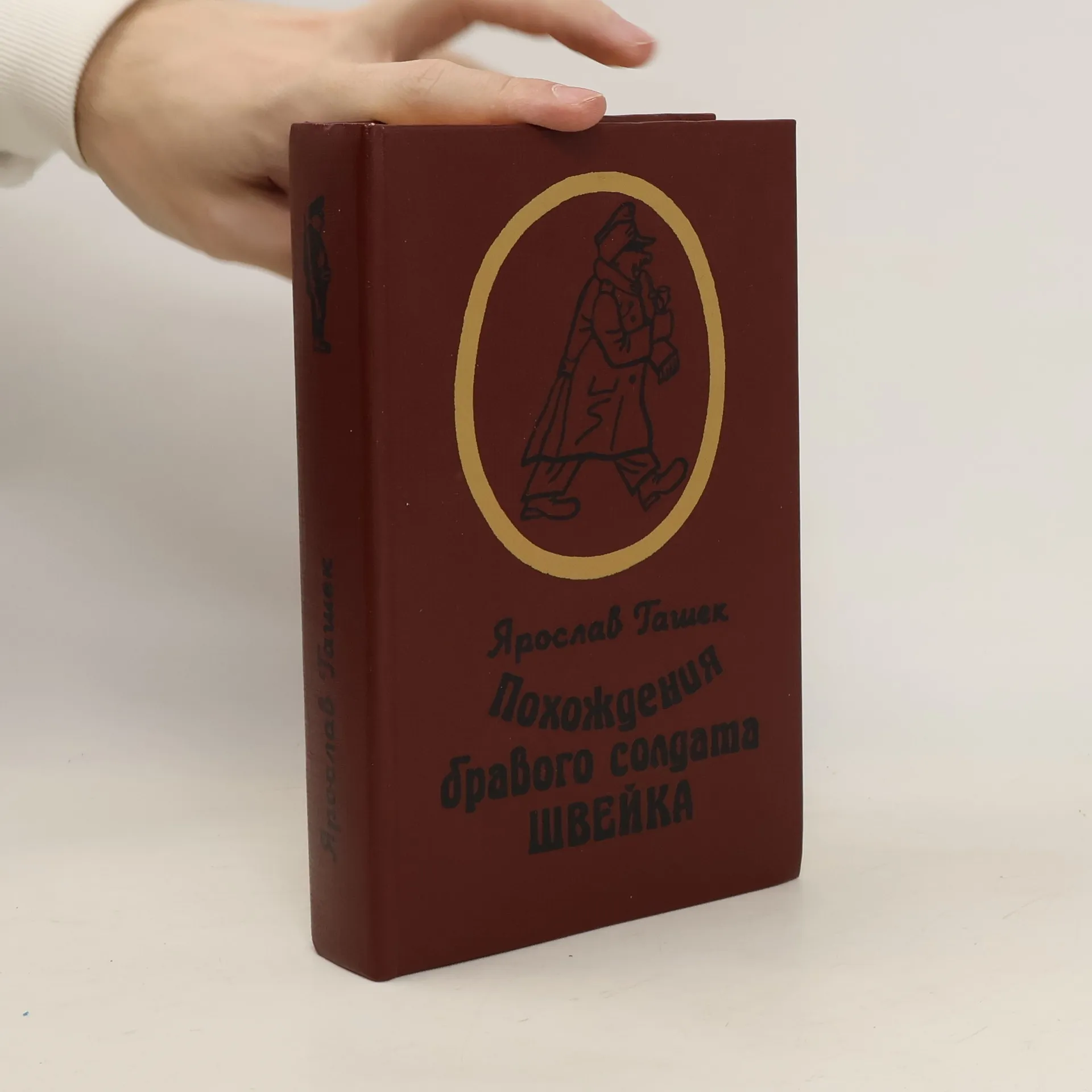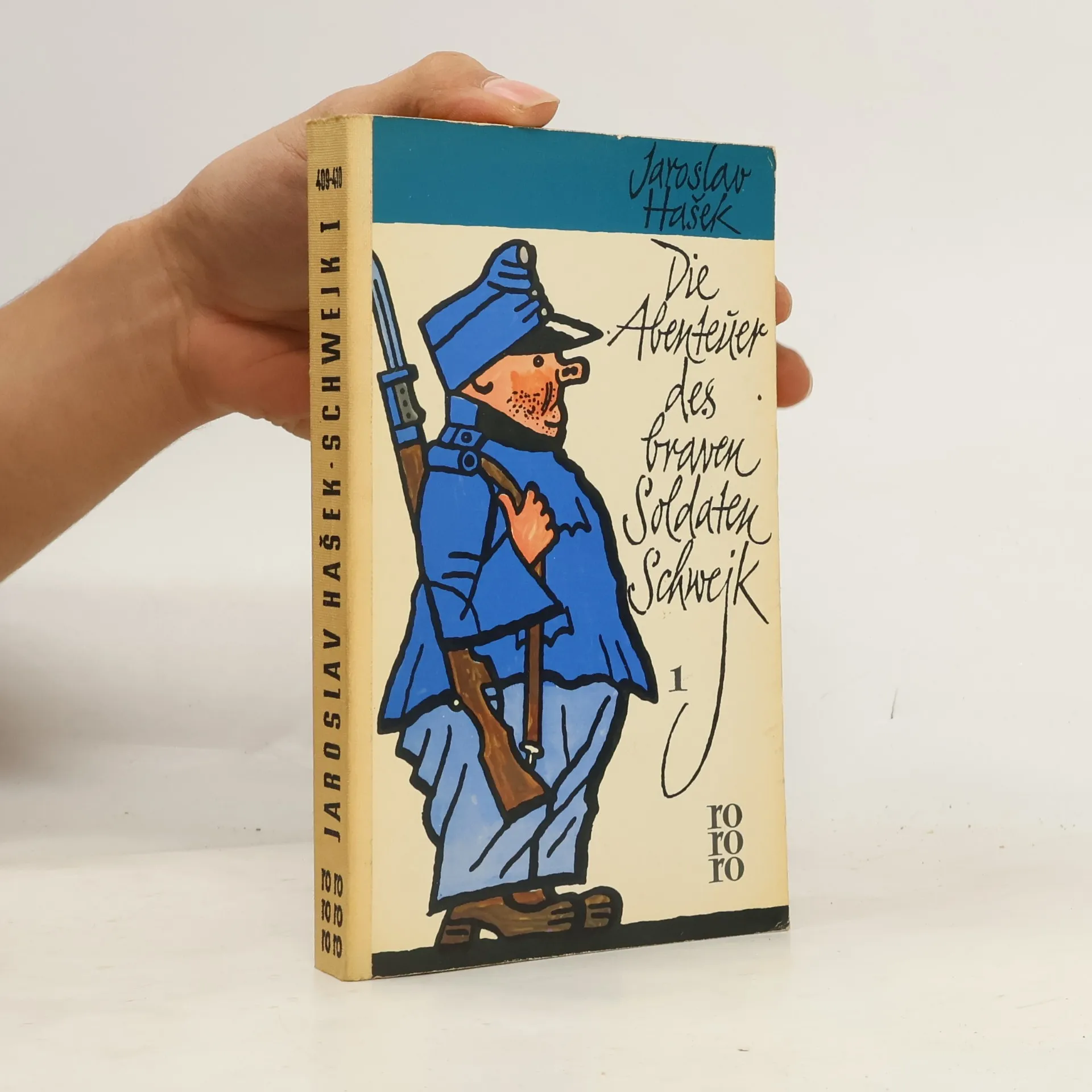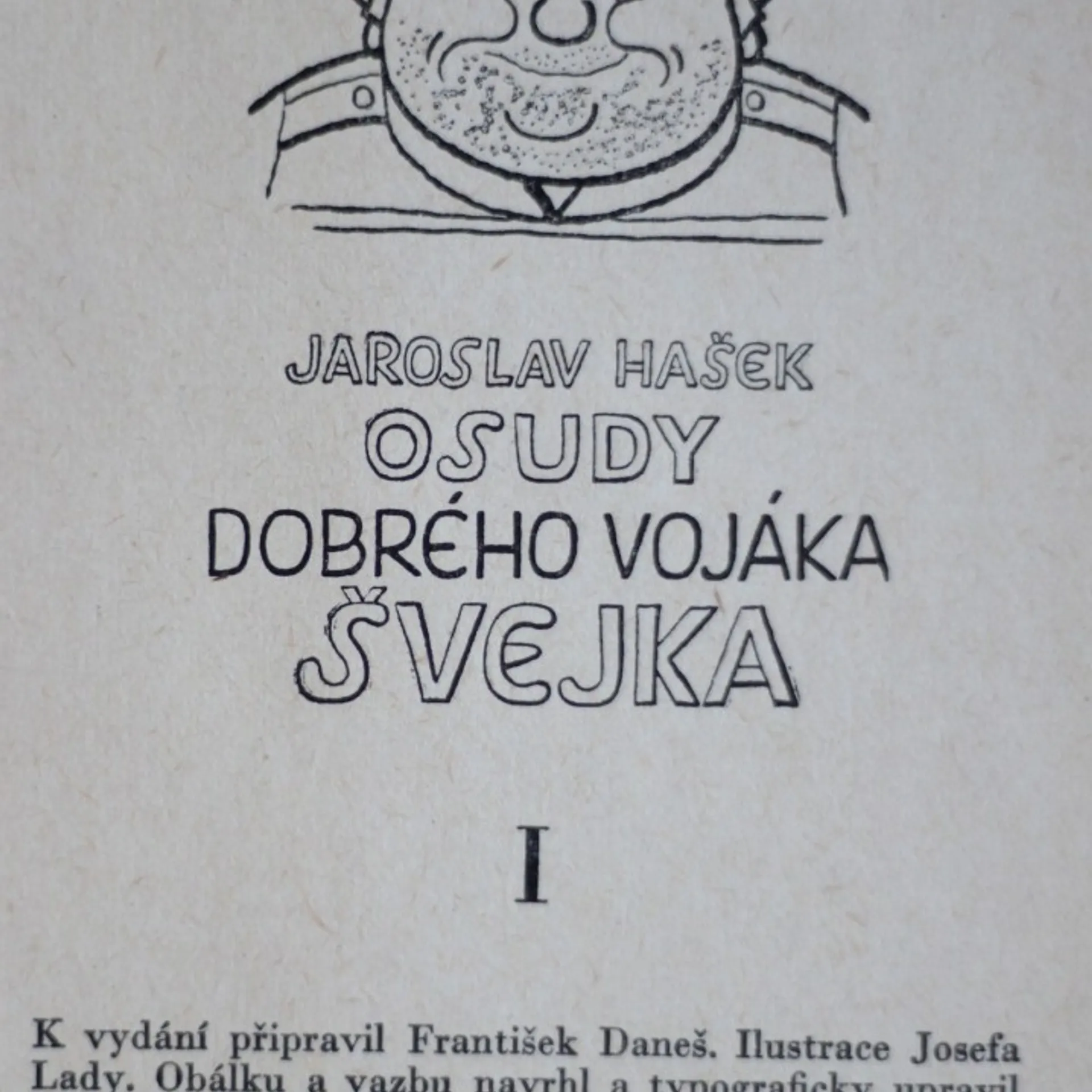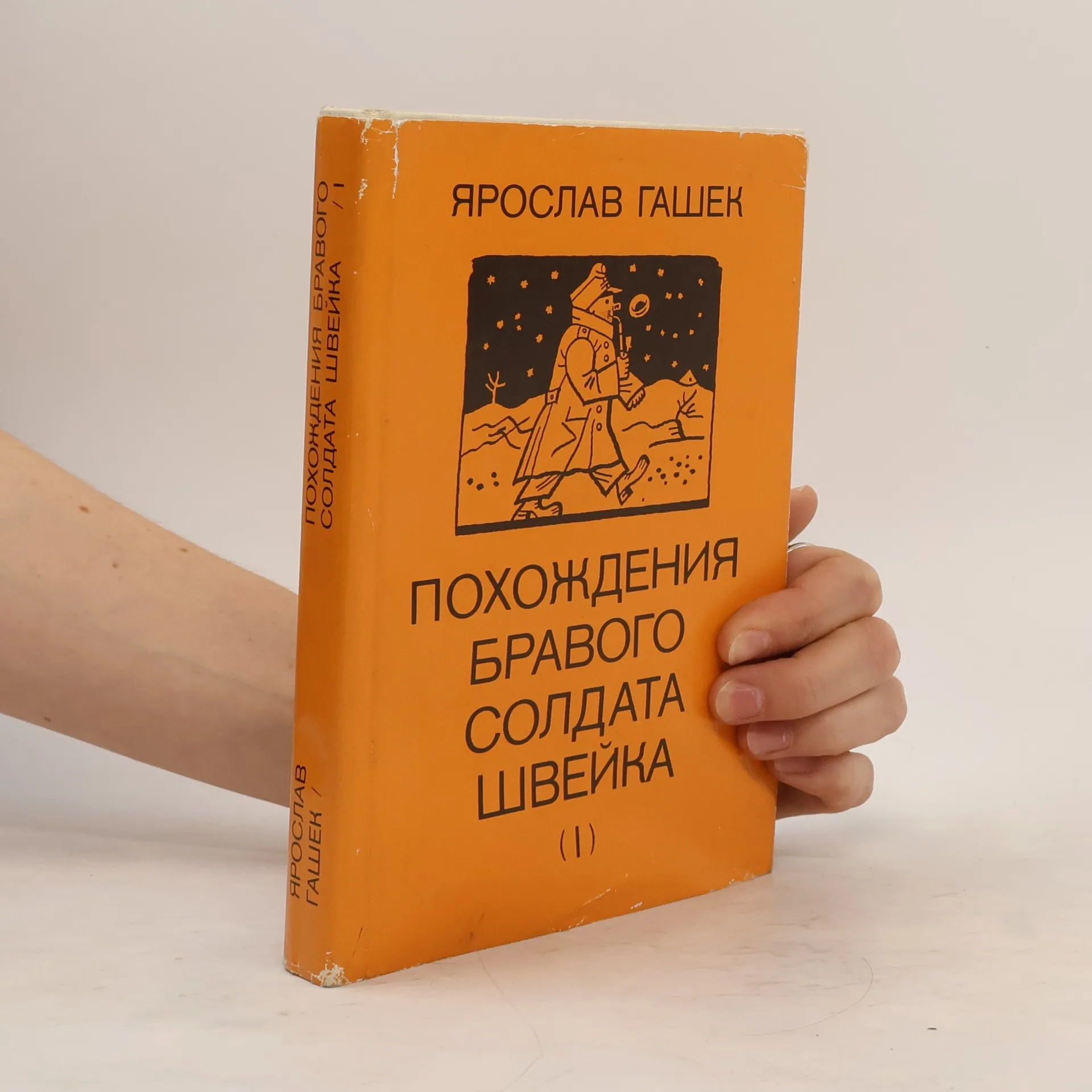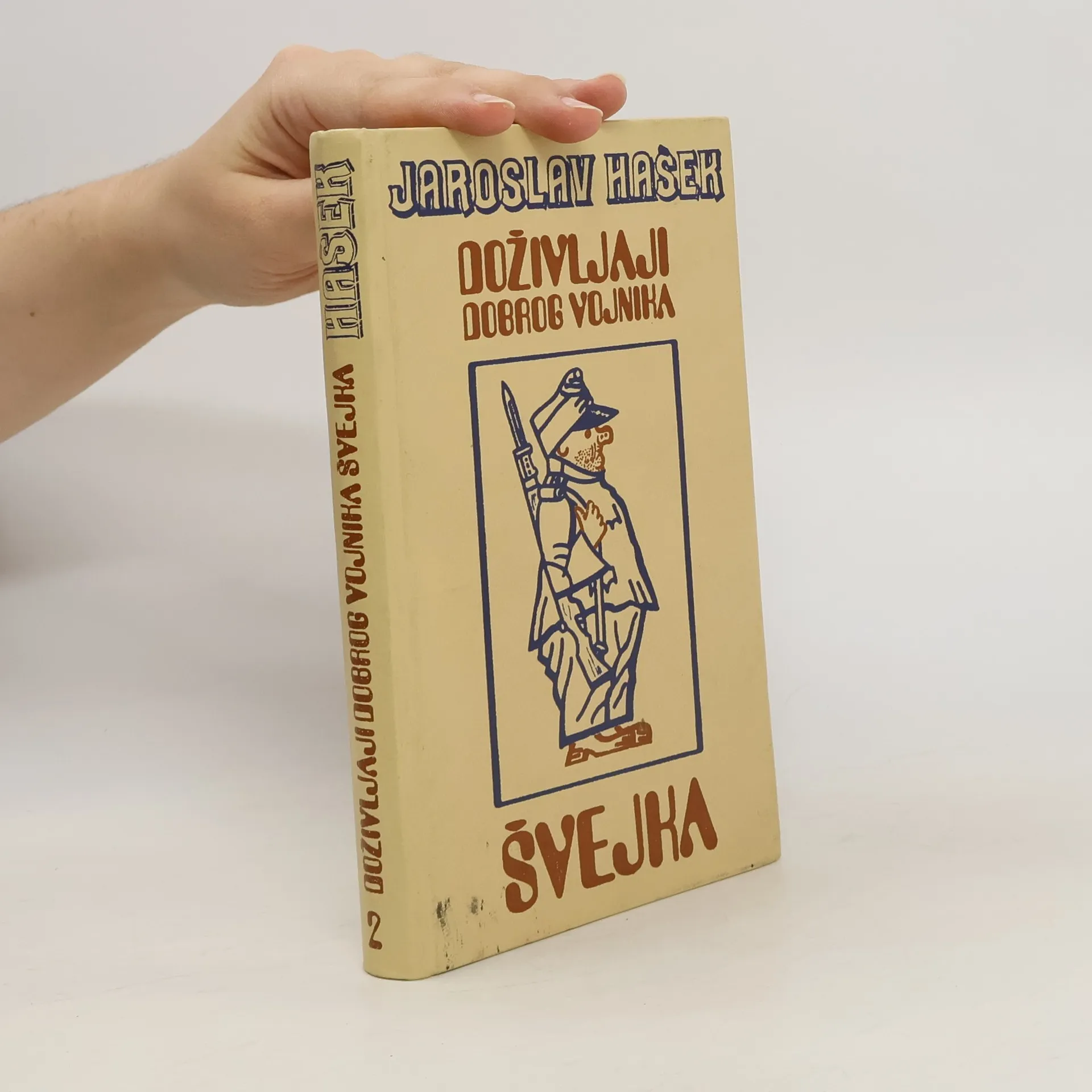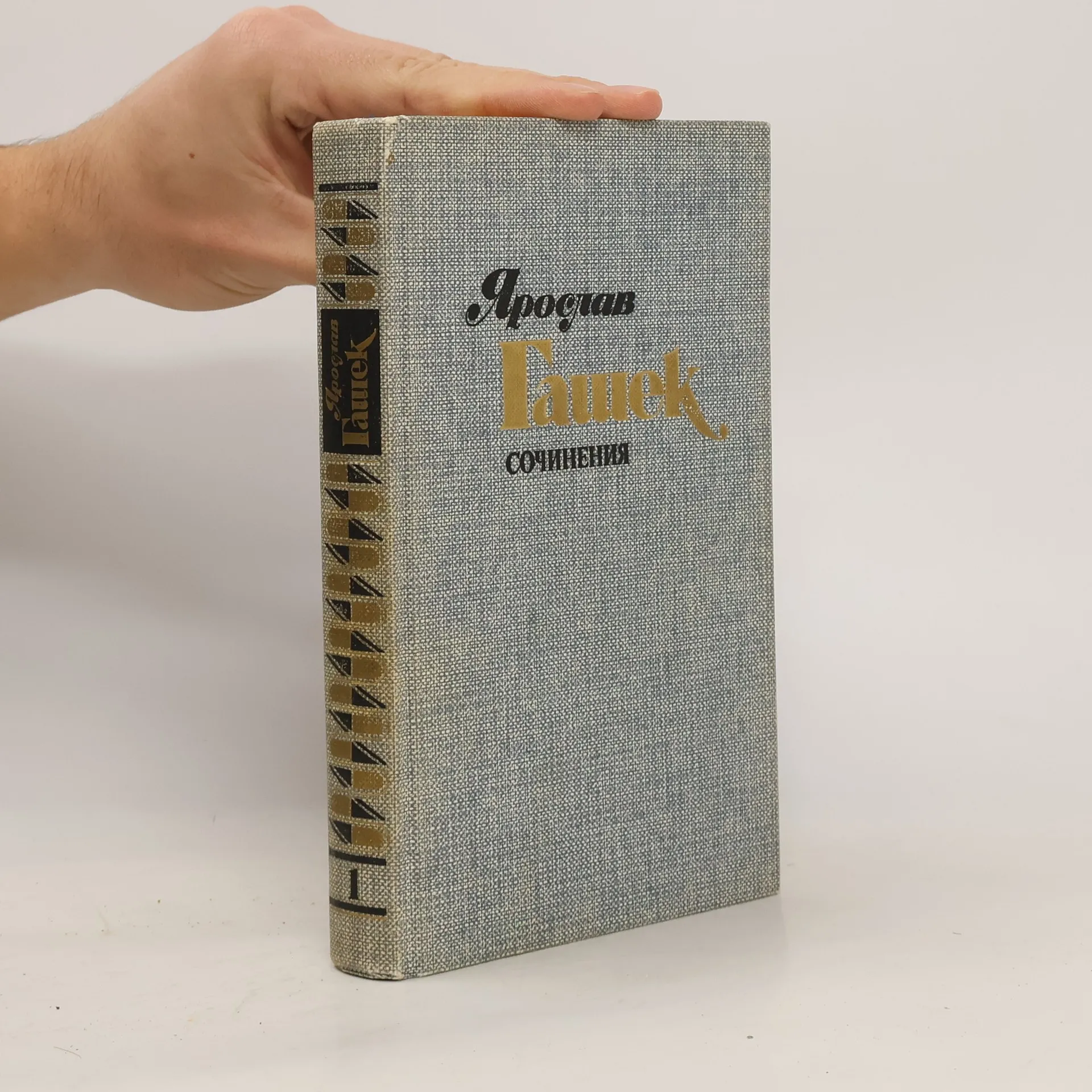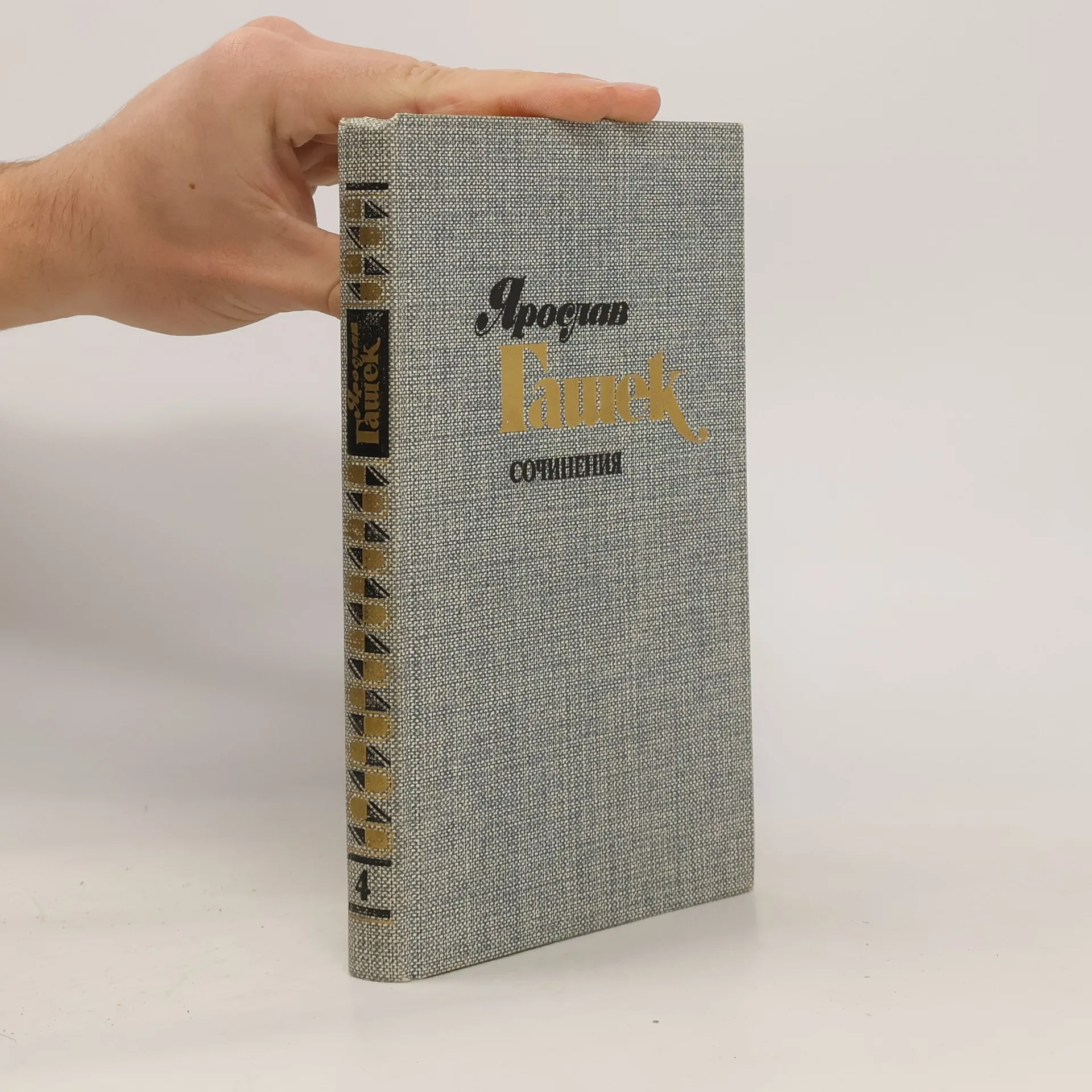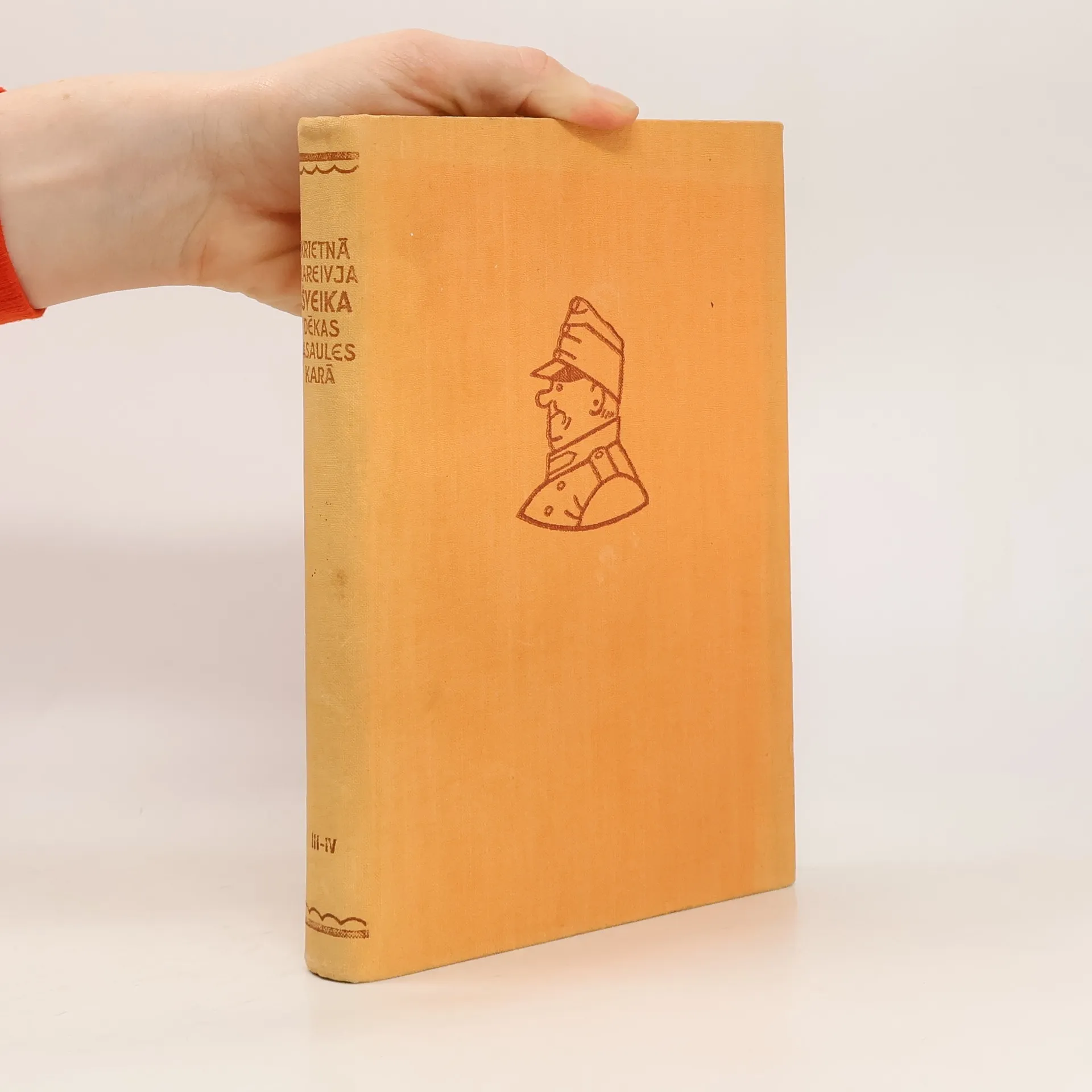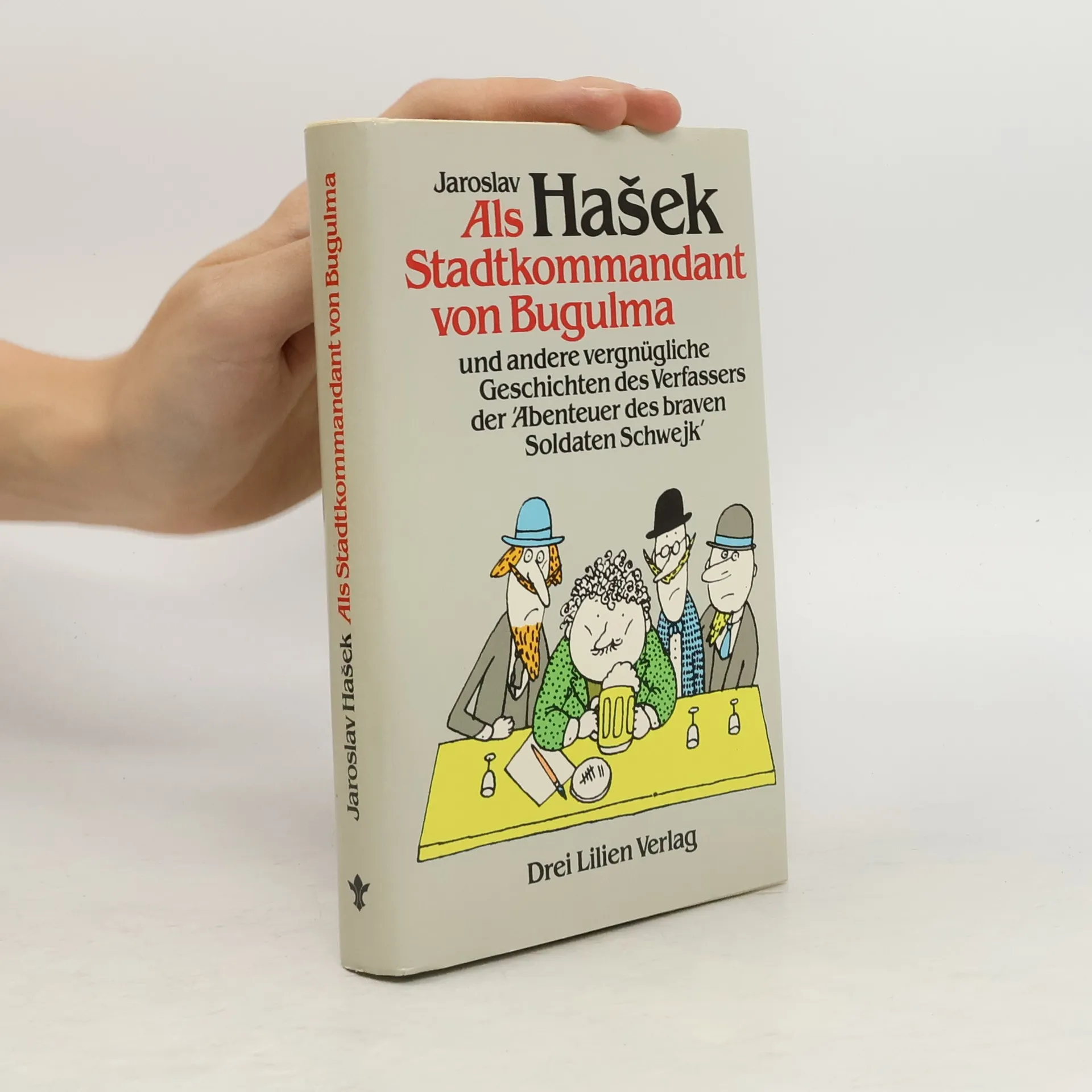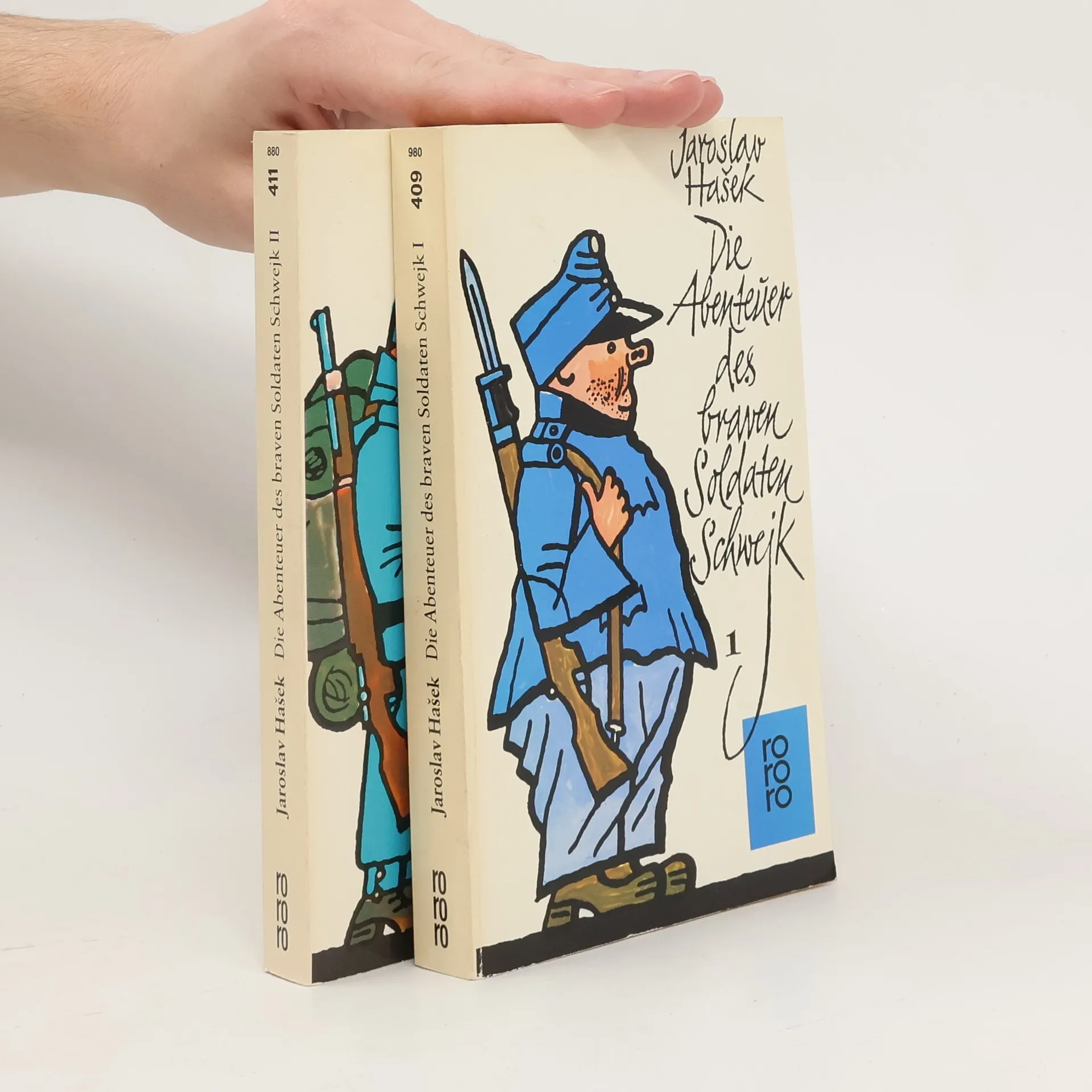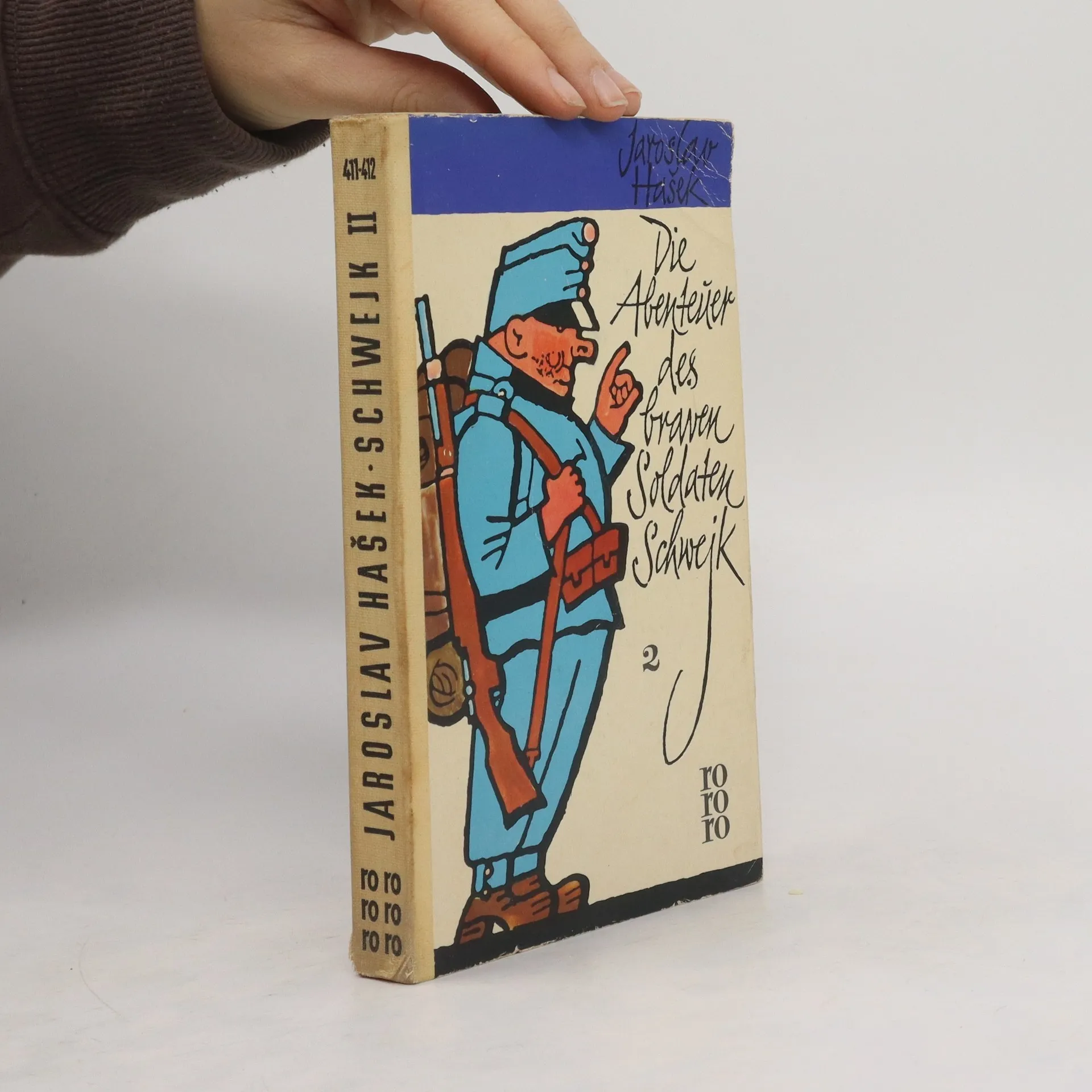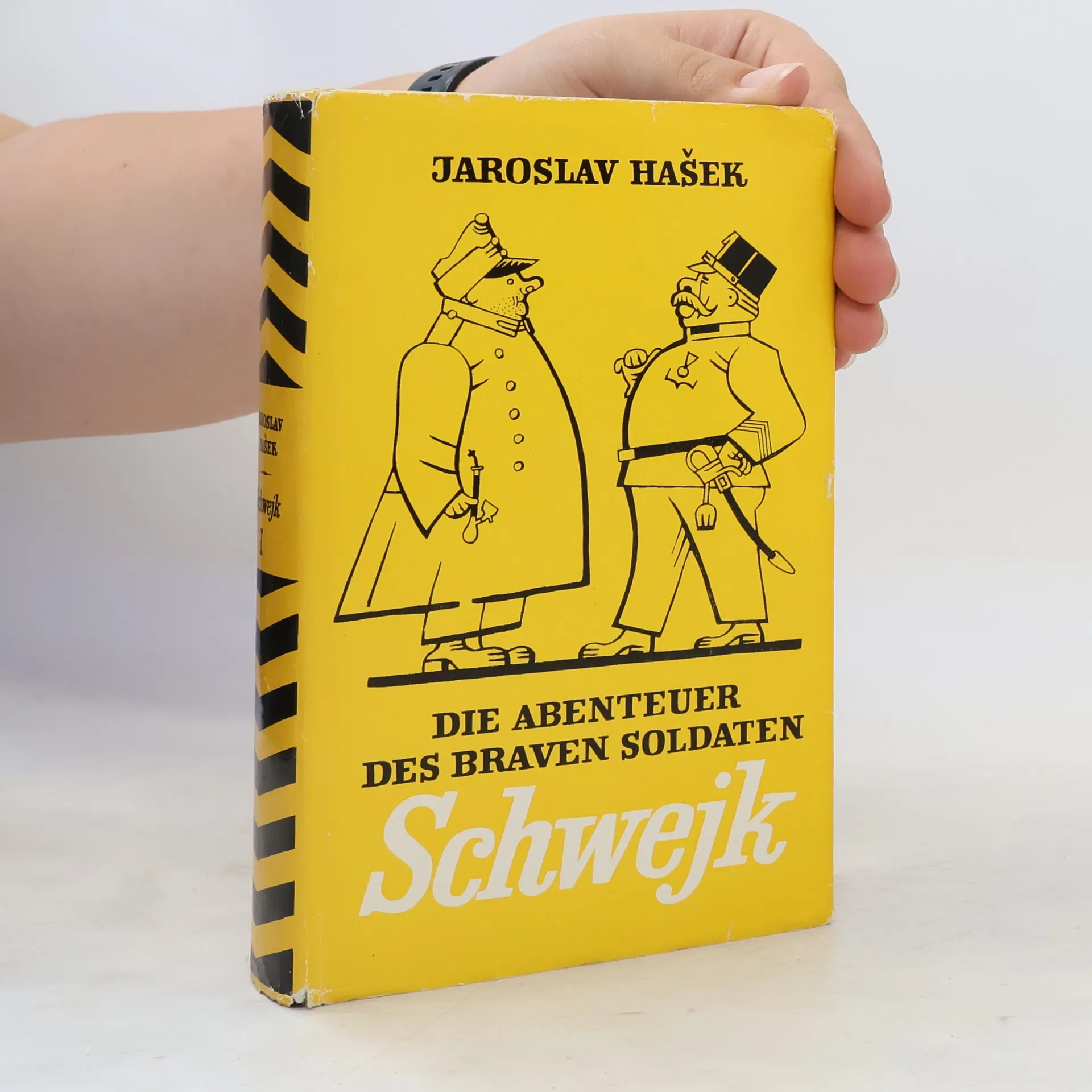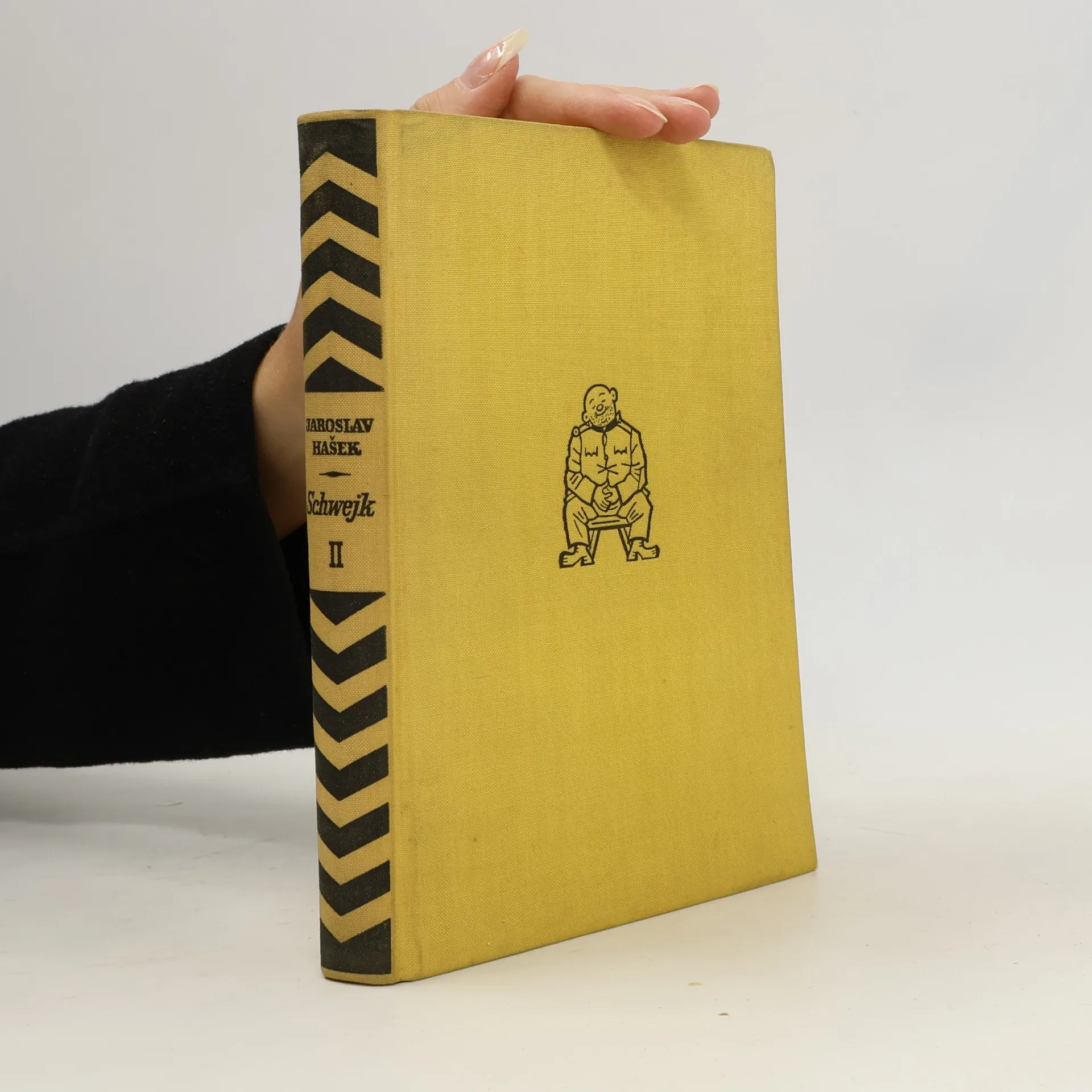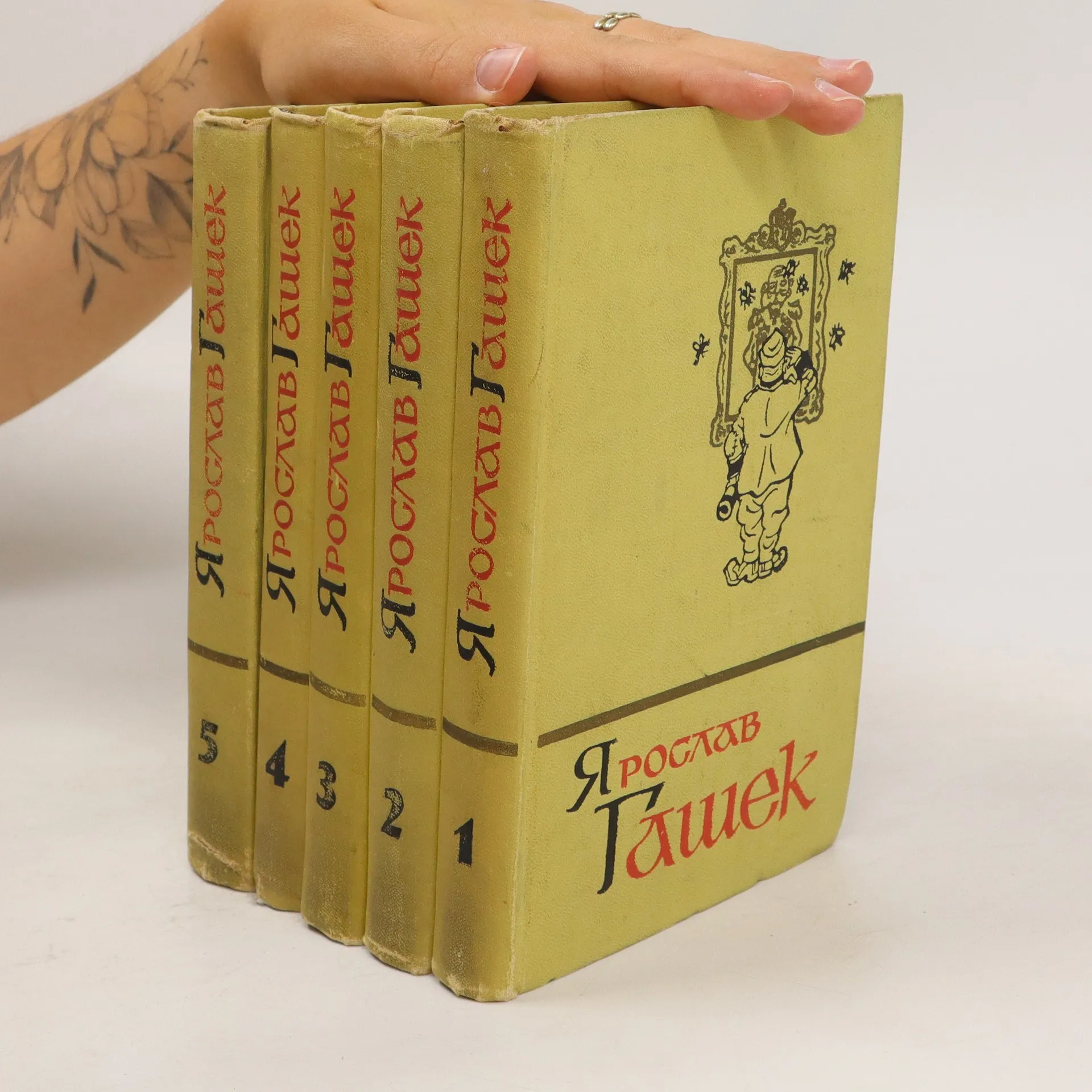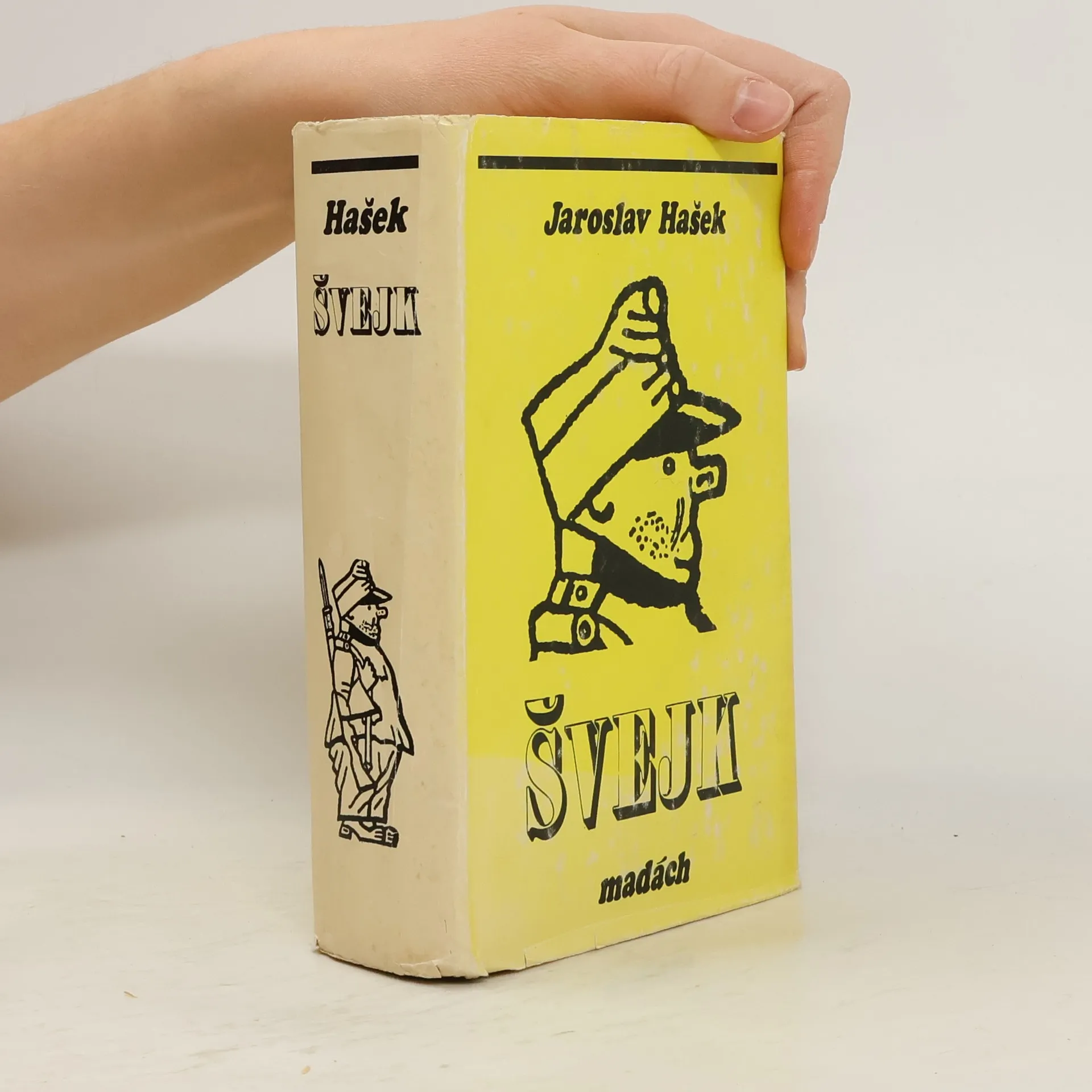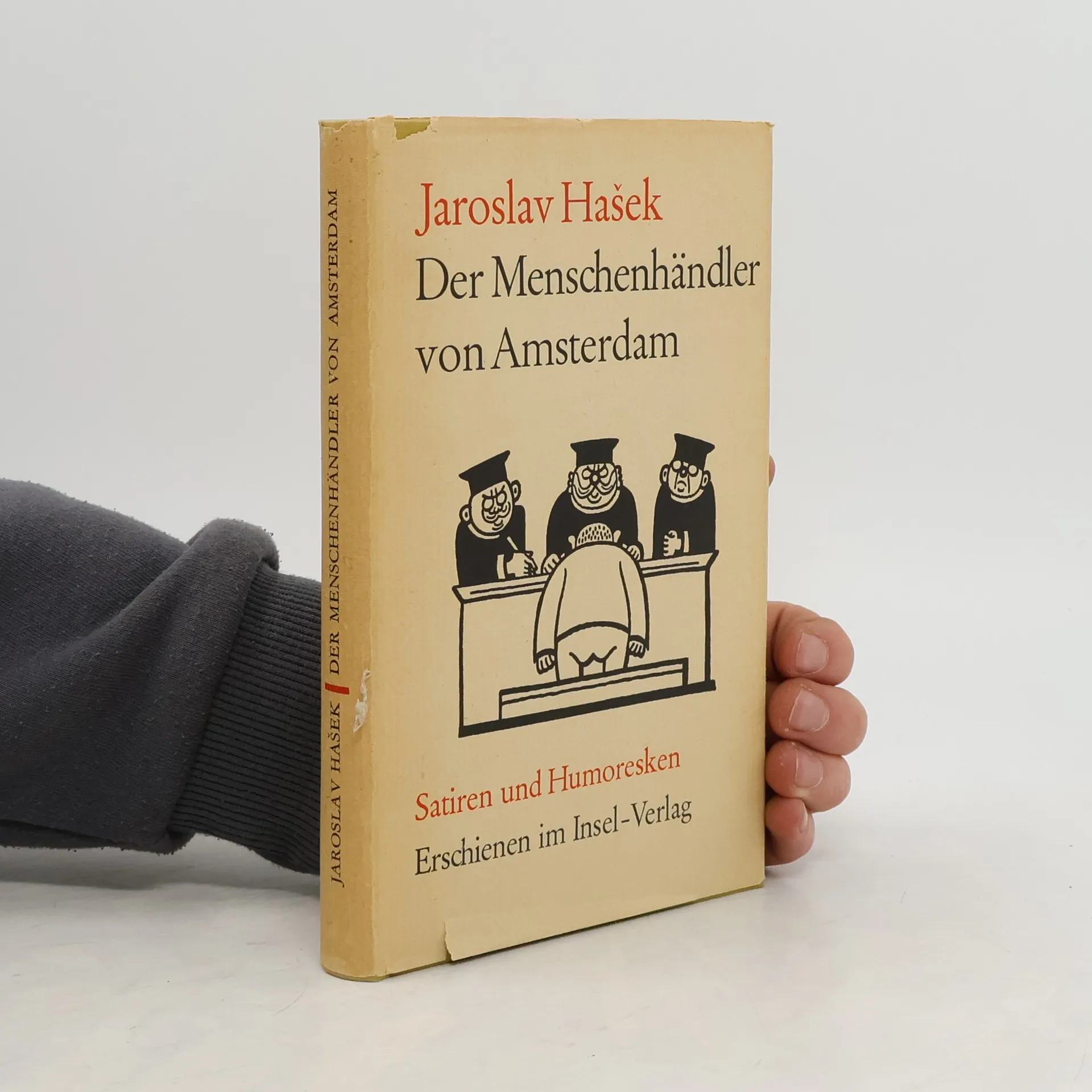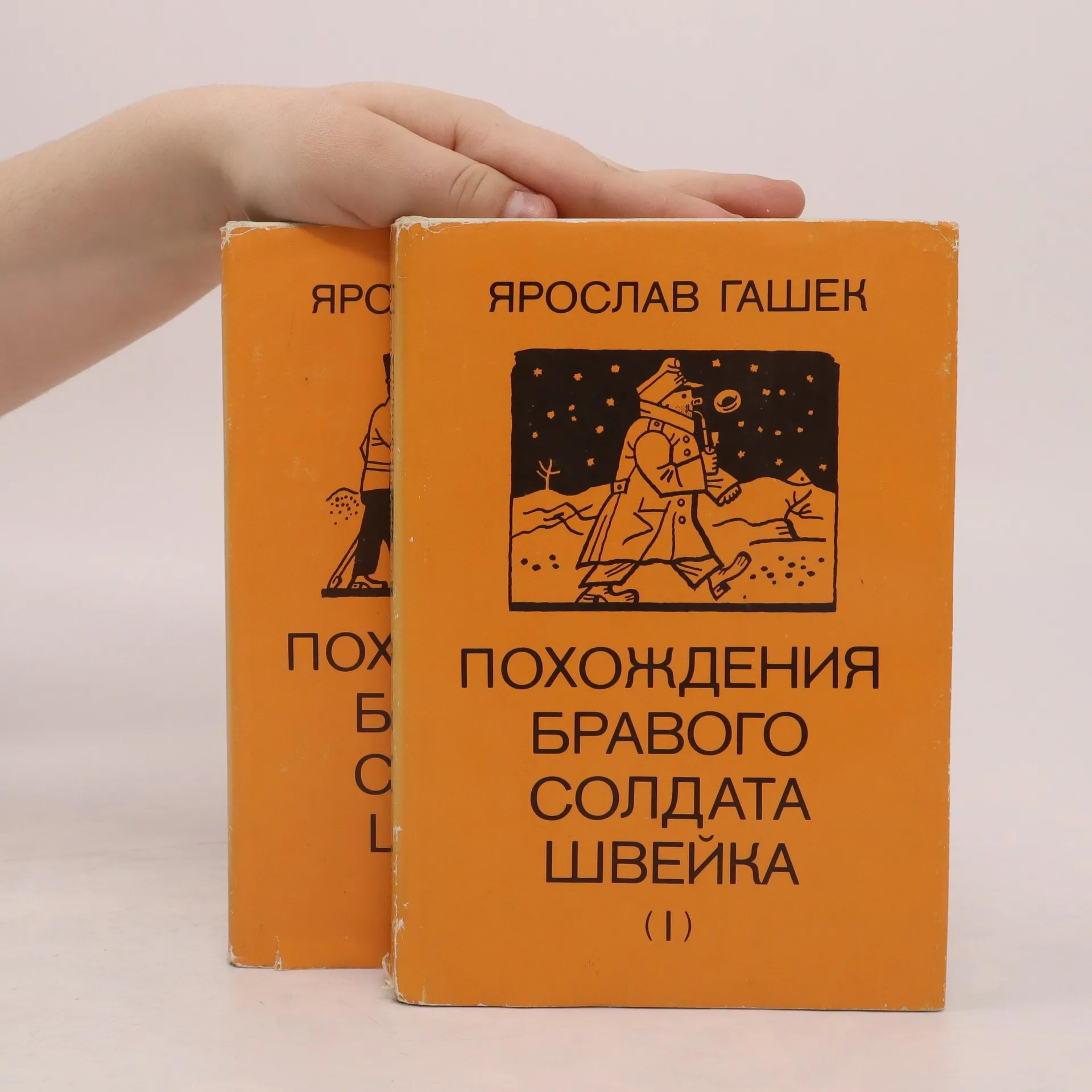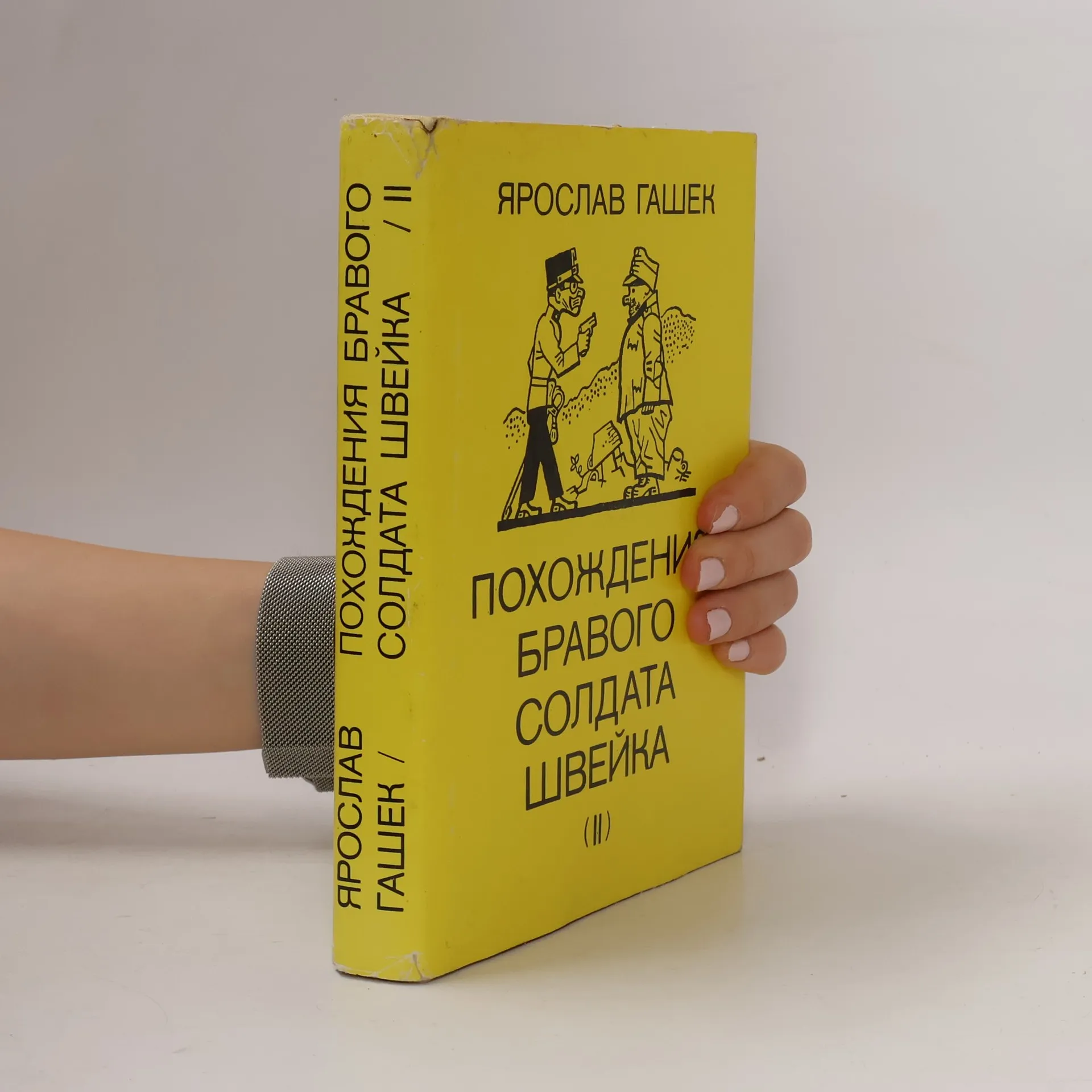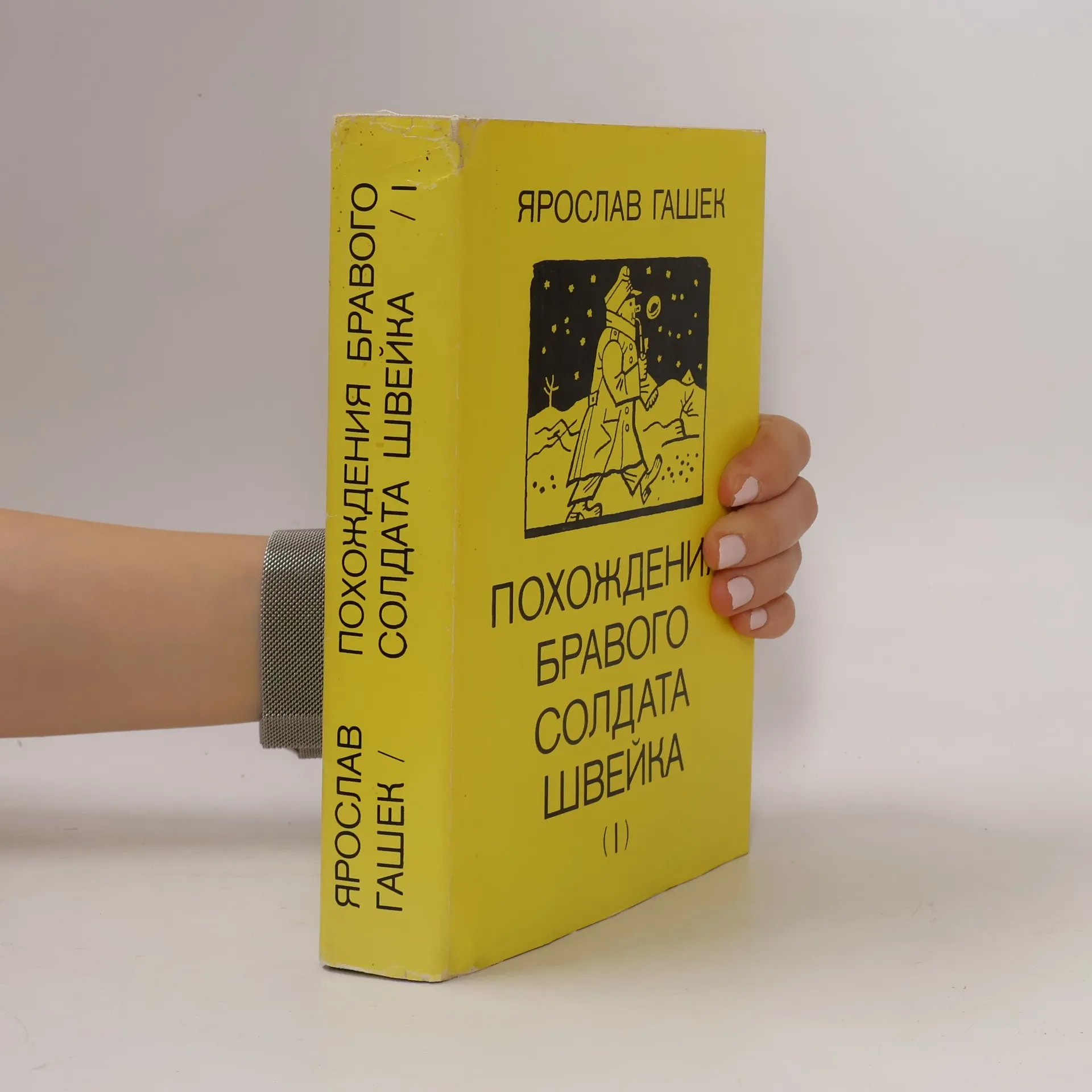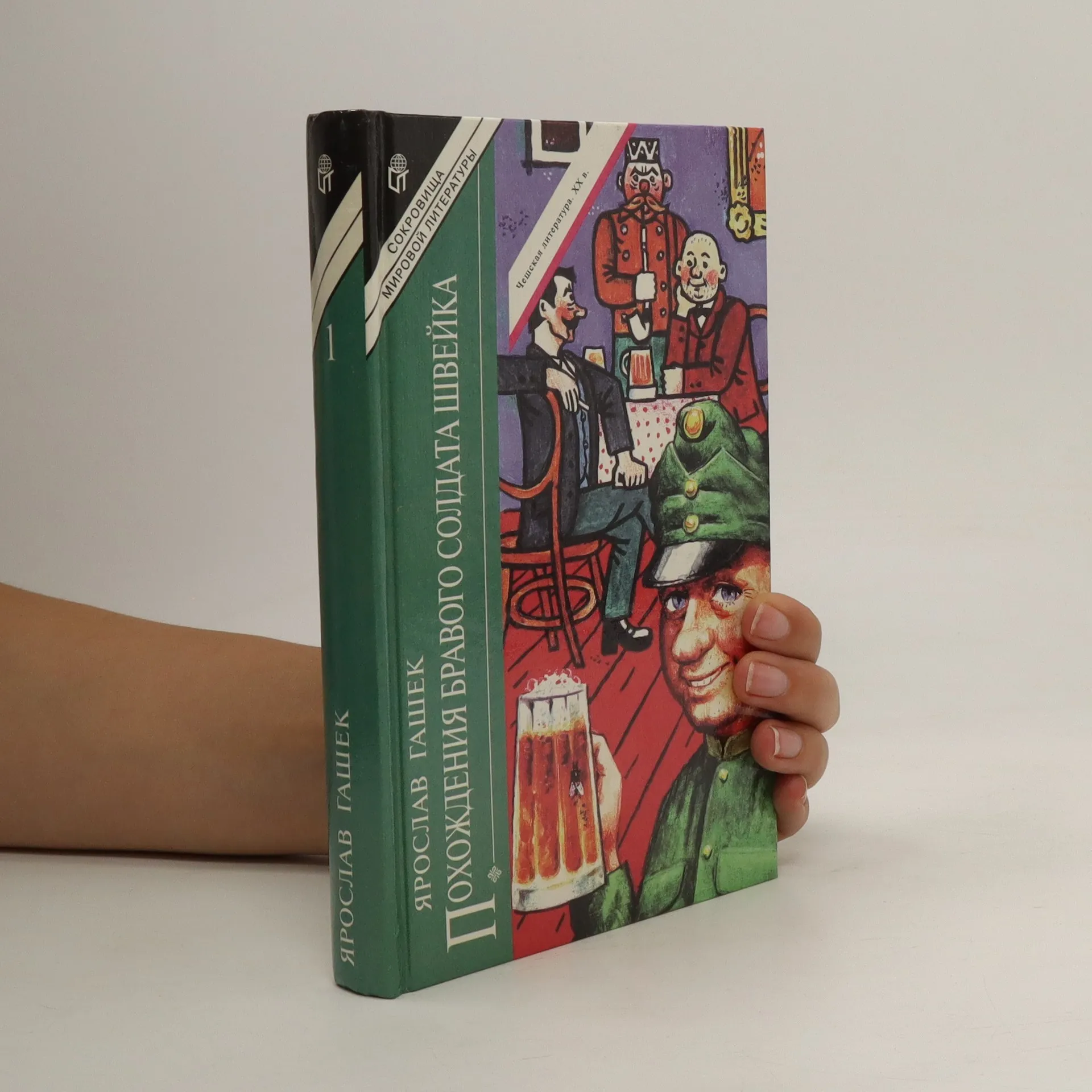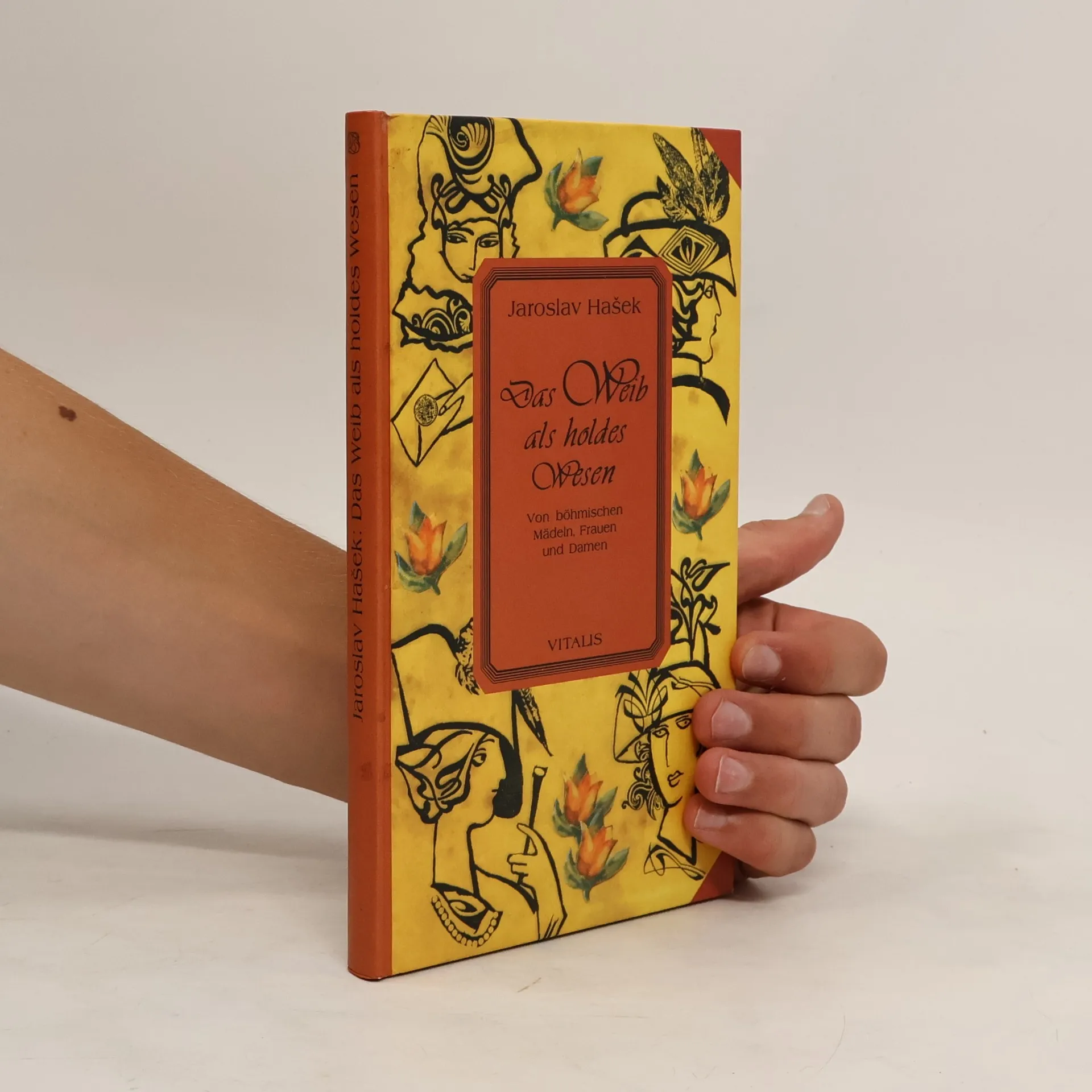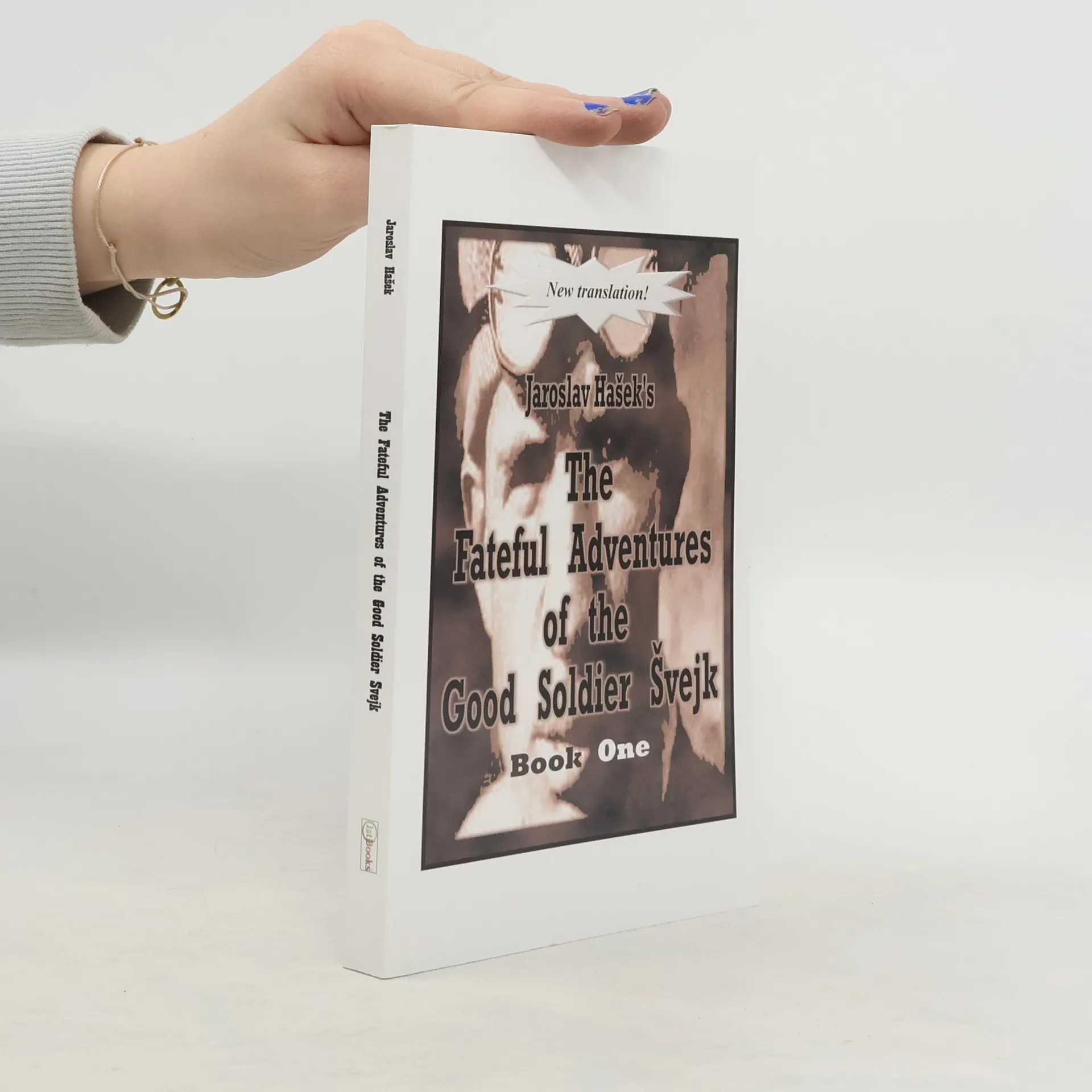
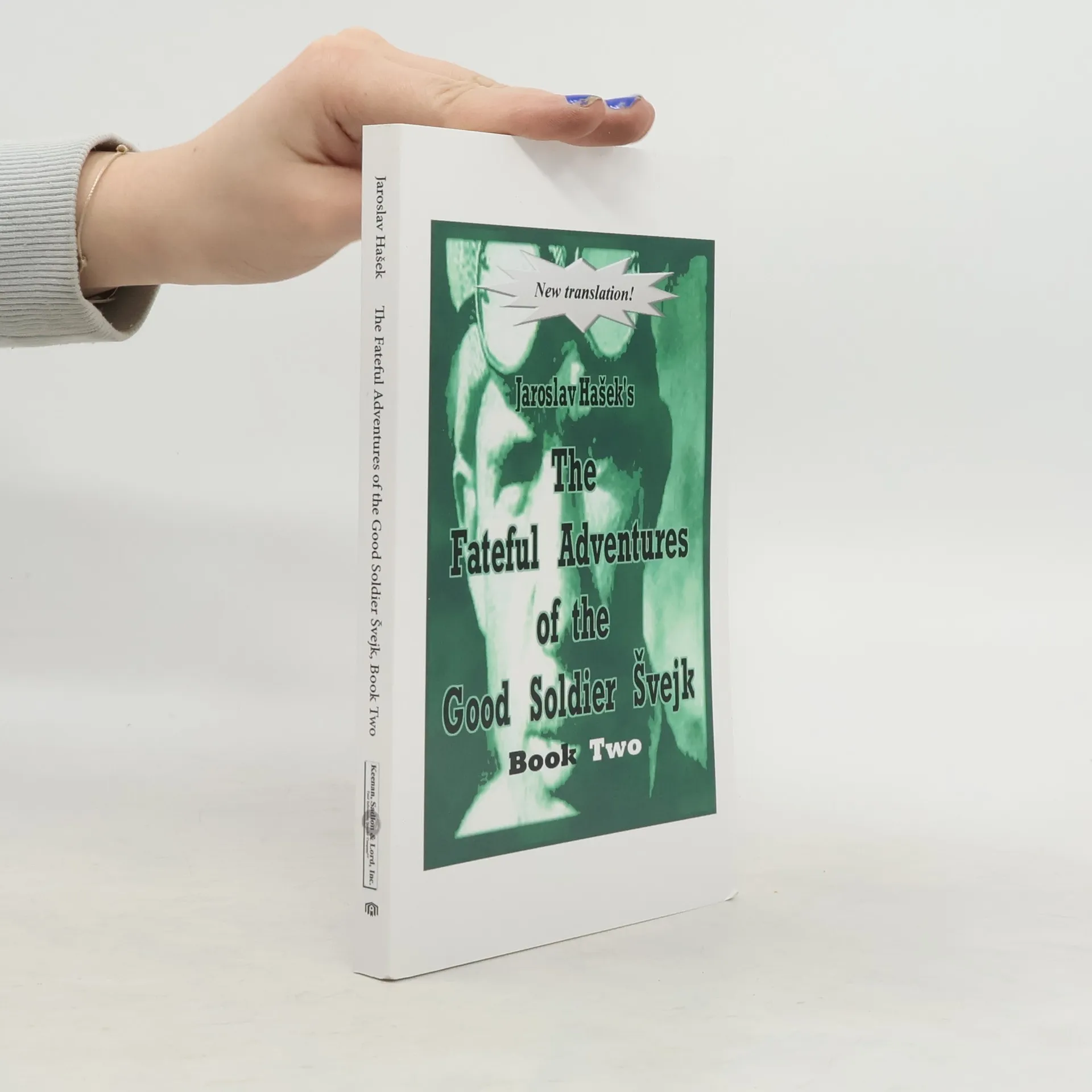
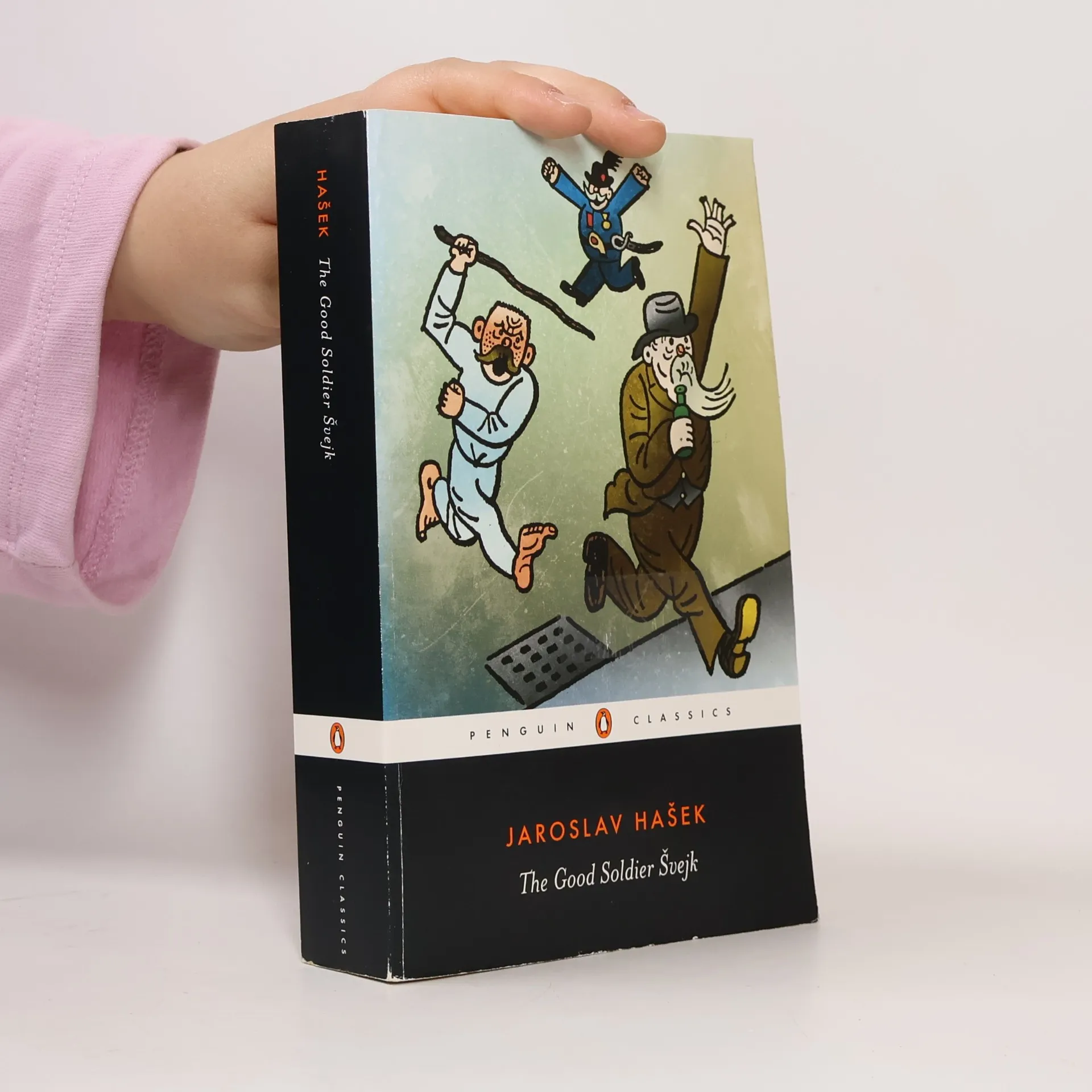
An attack on war which broadens into a satire on the ANCIEN REGIME of the Austro-Hungarian empire, THE GOOD SOLDIER SVEJK recreates the age-old figure of the simple soldier whose sheer determination to survive brings into question the mighty social and political institutions he confronts.
Jaroslav Hašek Books
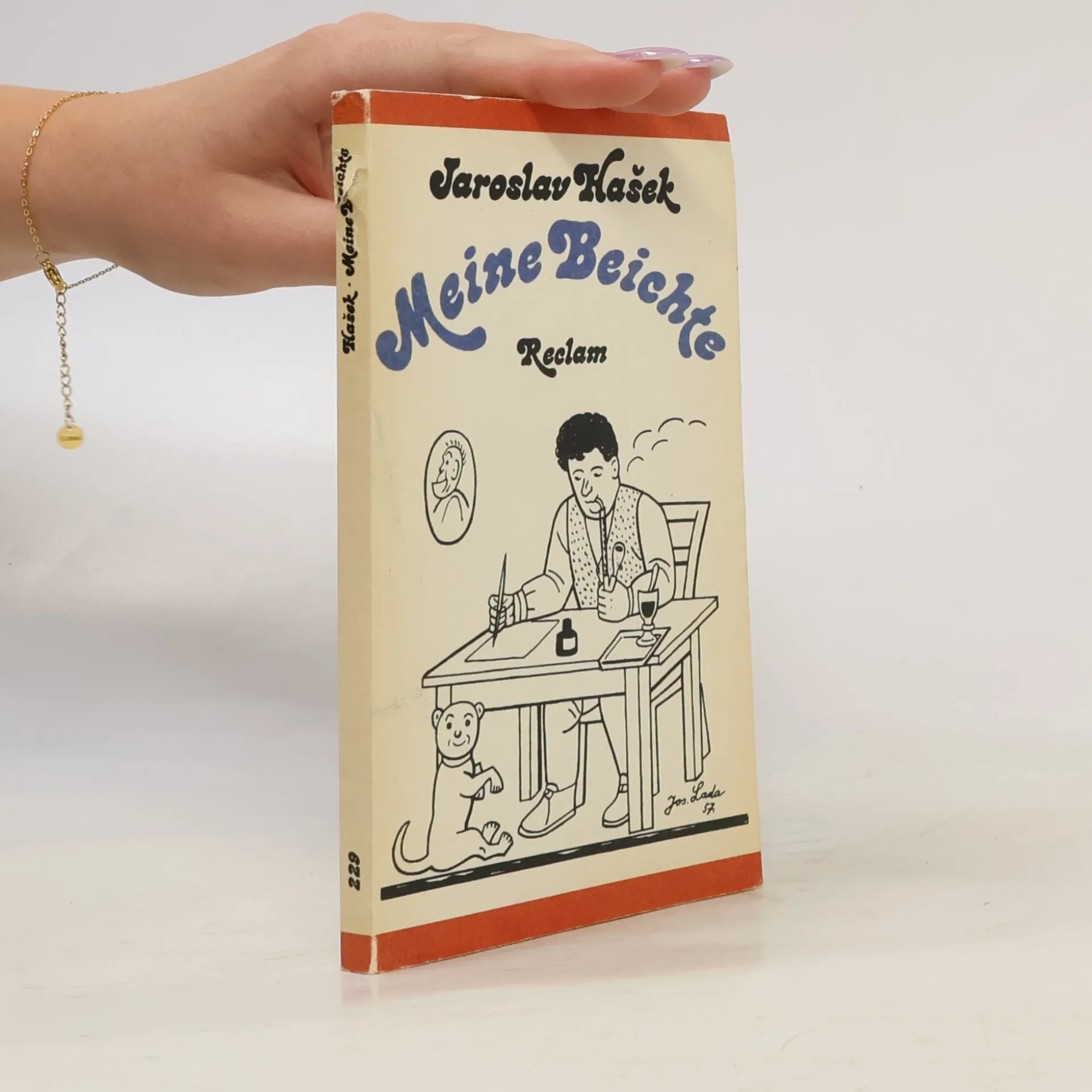
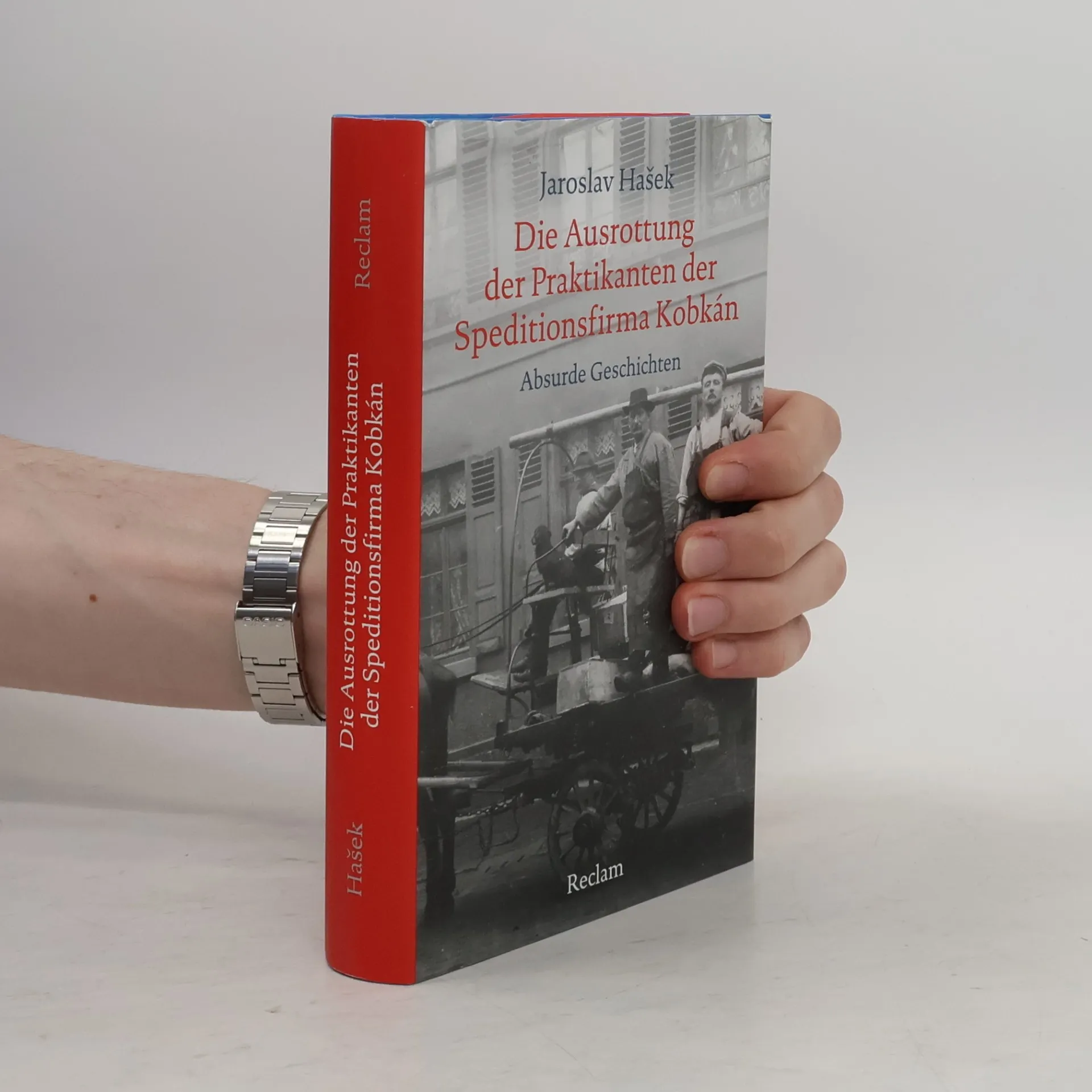
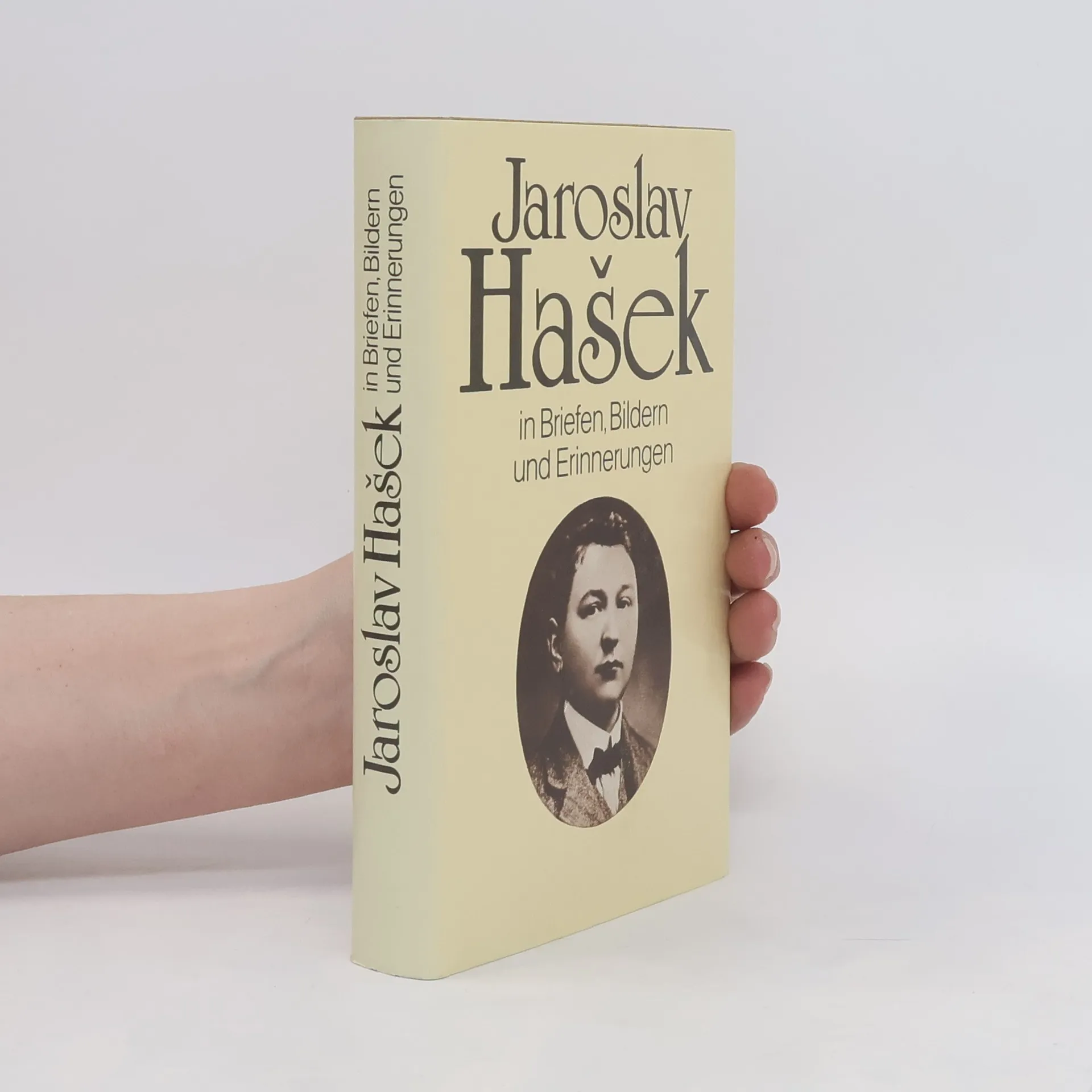
Jaroslav Hašek was a Czech humorist, satirist, and writer, celebrated for his unfinished novel, 'The Good Soldier Švejk'. This work, a collection of farcical incidents about a soldier in World War I, serves as a sharp satire on the ineptitude of authority figures. Beyond this iconic novel, Hašek was a prolific writer of short stories, a journalist, a bohemian figure, and a known prankster, whose unconventional style and biting social commentary continue to resonate with readers.


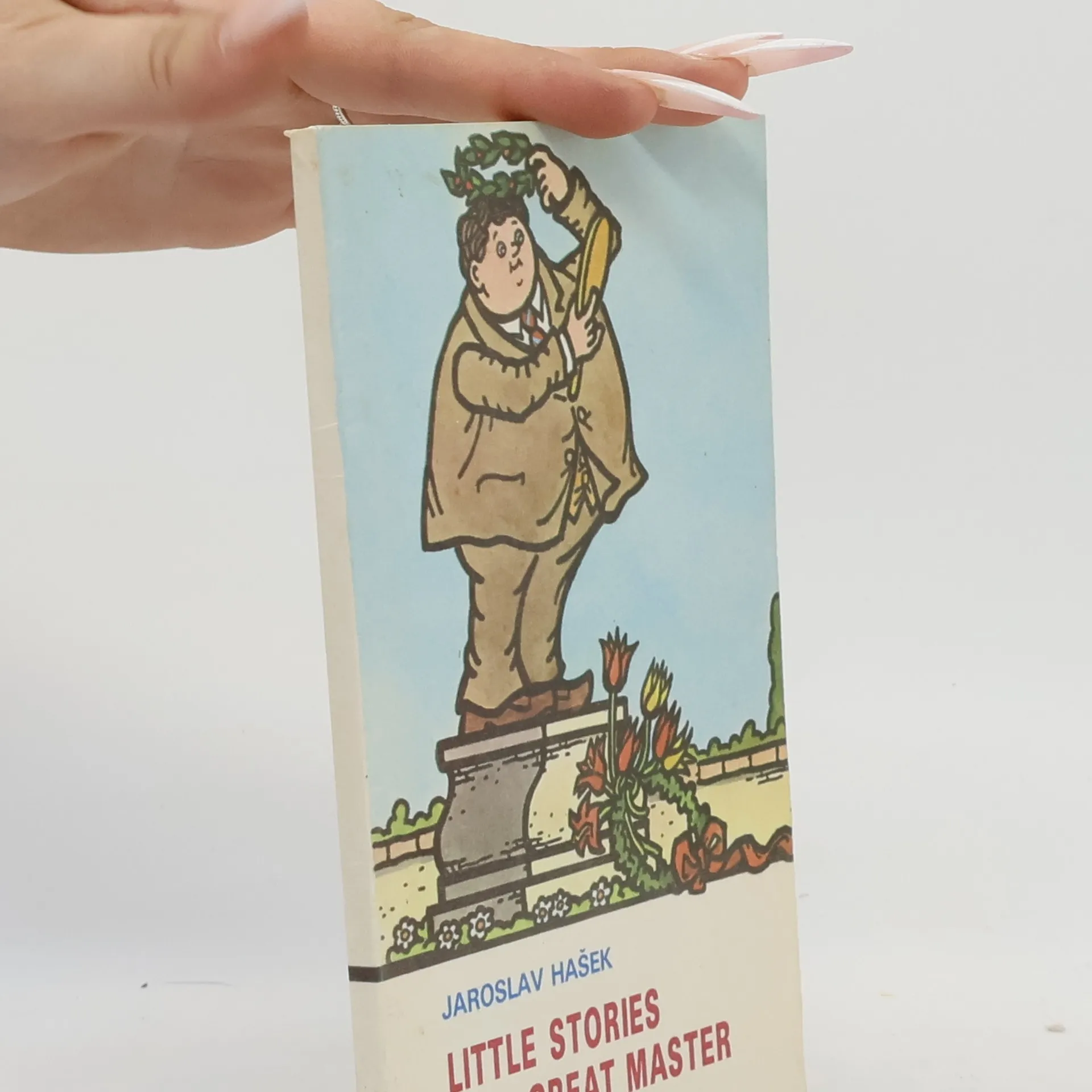
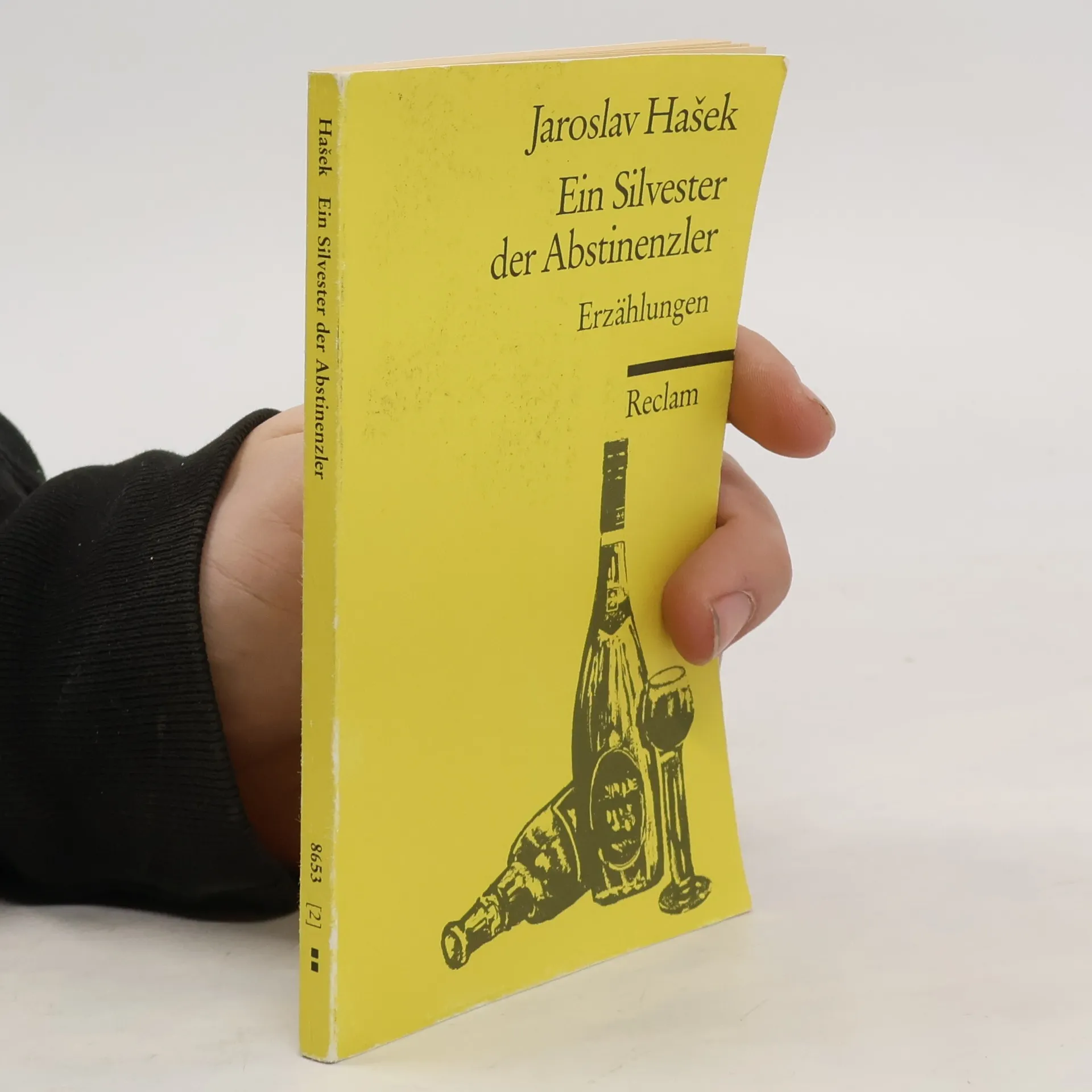
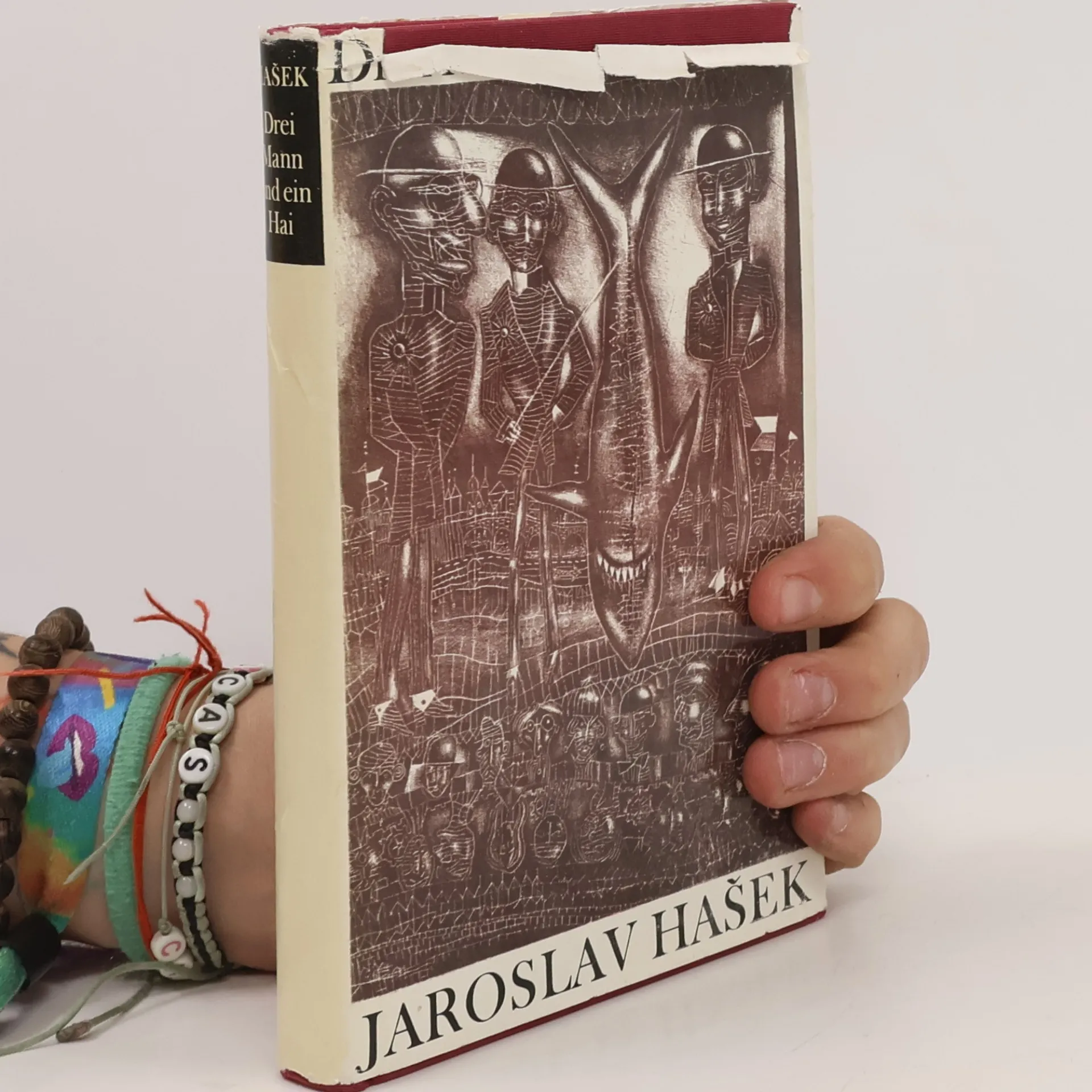
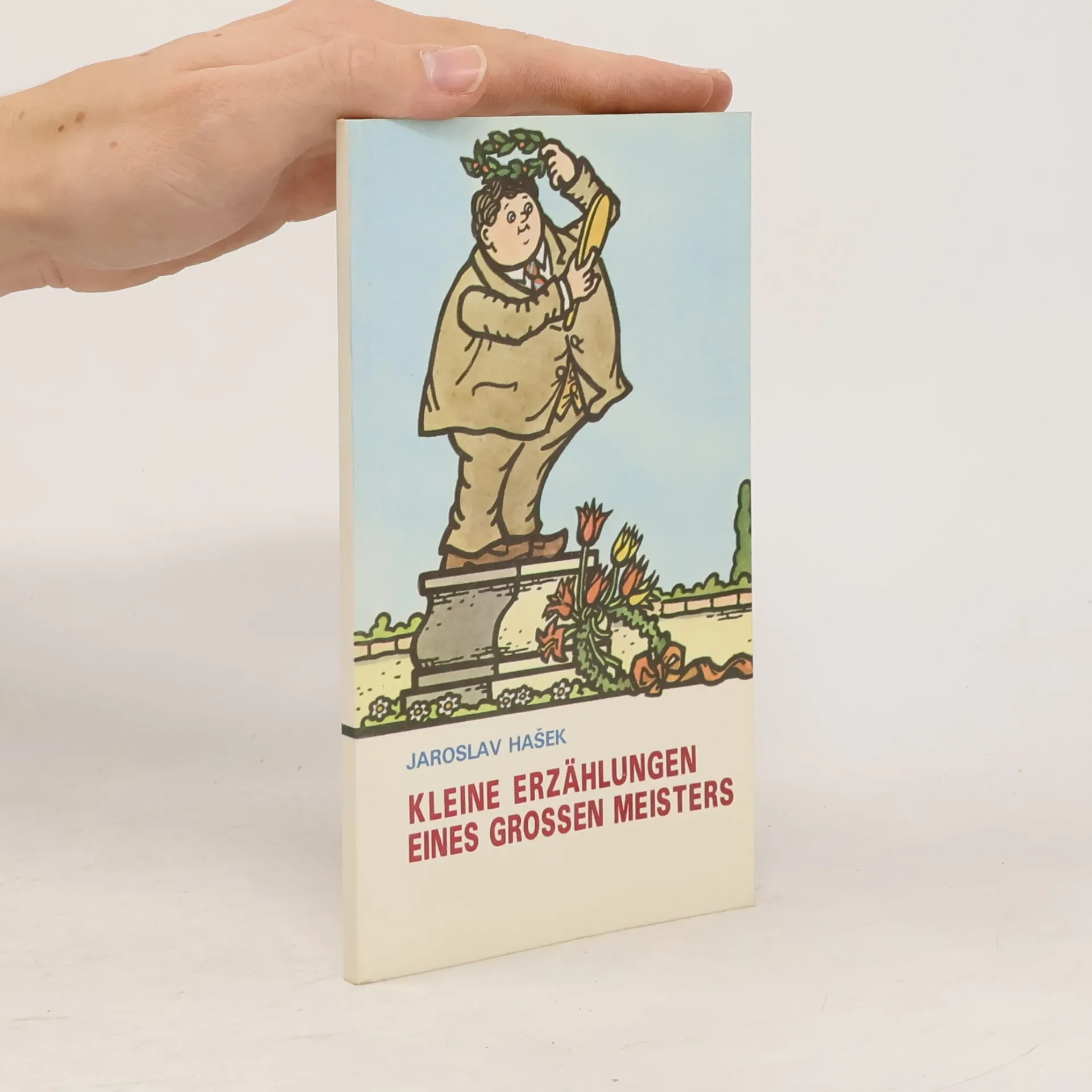
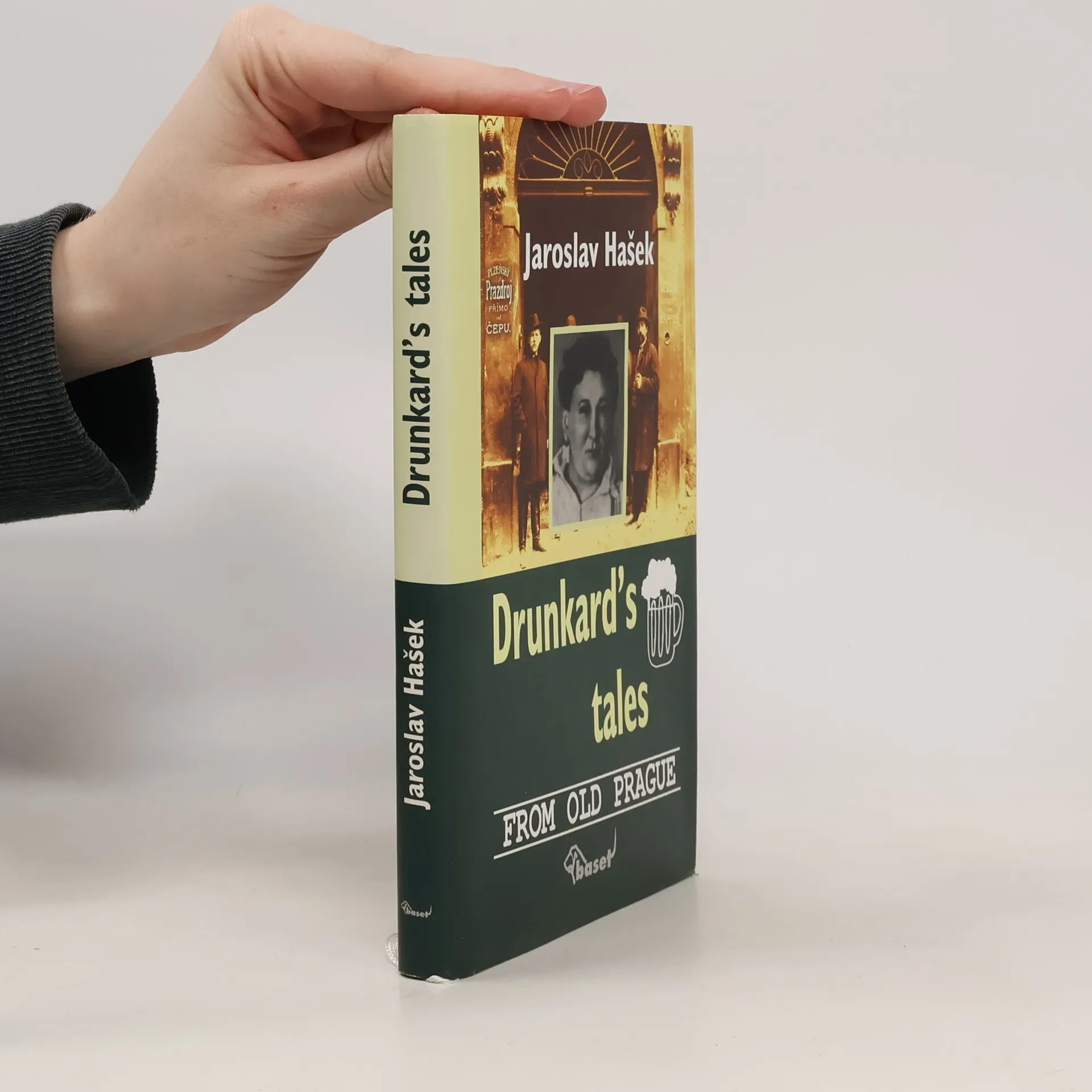
Drunkard's tales from old Prague
- 130 pages
- 5 hours of reading
"Here in Bohemia neither the YMCA, nor the Salvation Army can achieve much with their obsession that the Prohibition is the best gift to humanity. However, alcoholism in this country is a historical fact, supported by a number of privileges given by our kings who granted rights to towns to brew beer and their subjects to drink it."
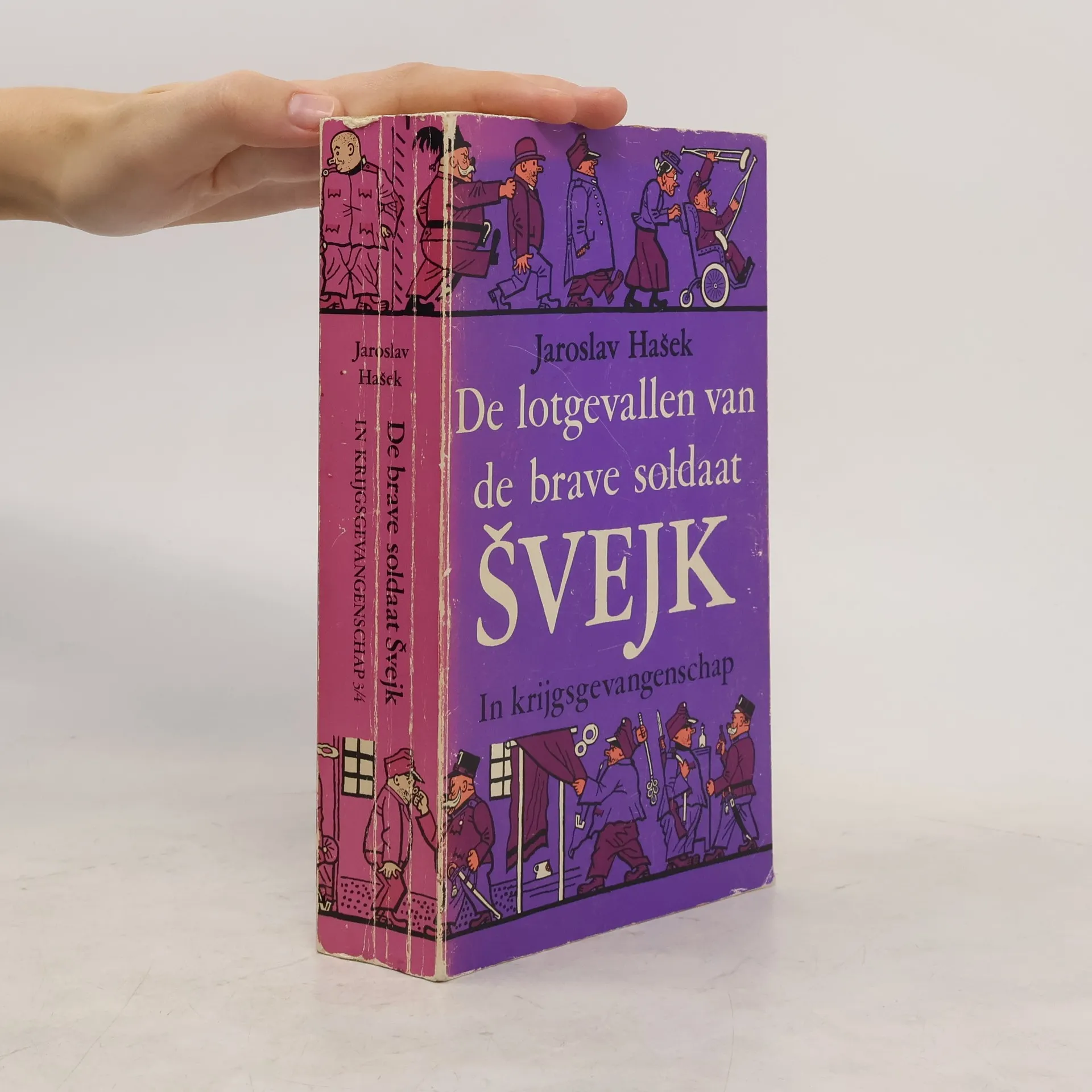
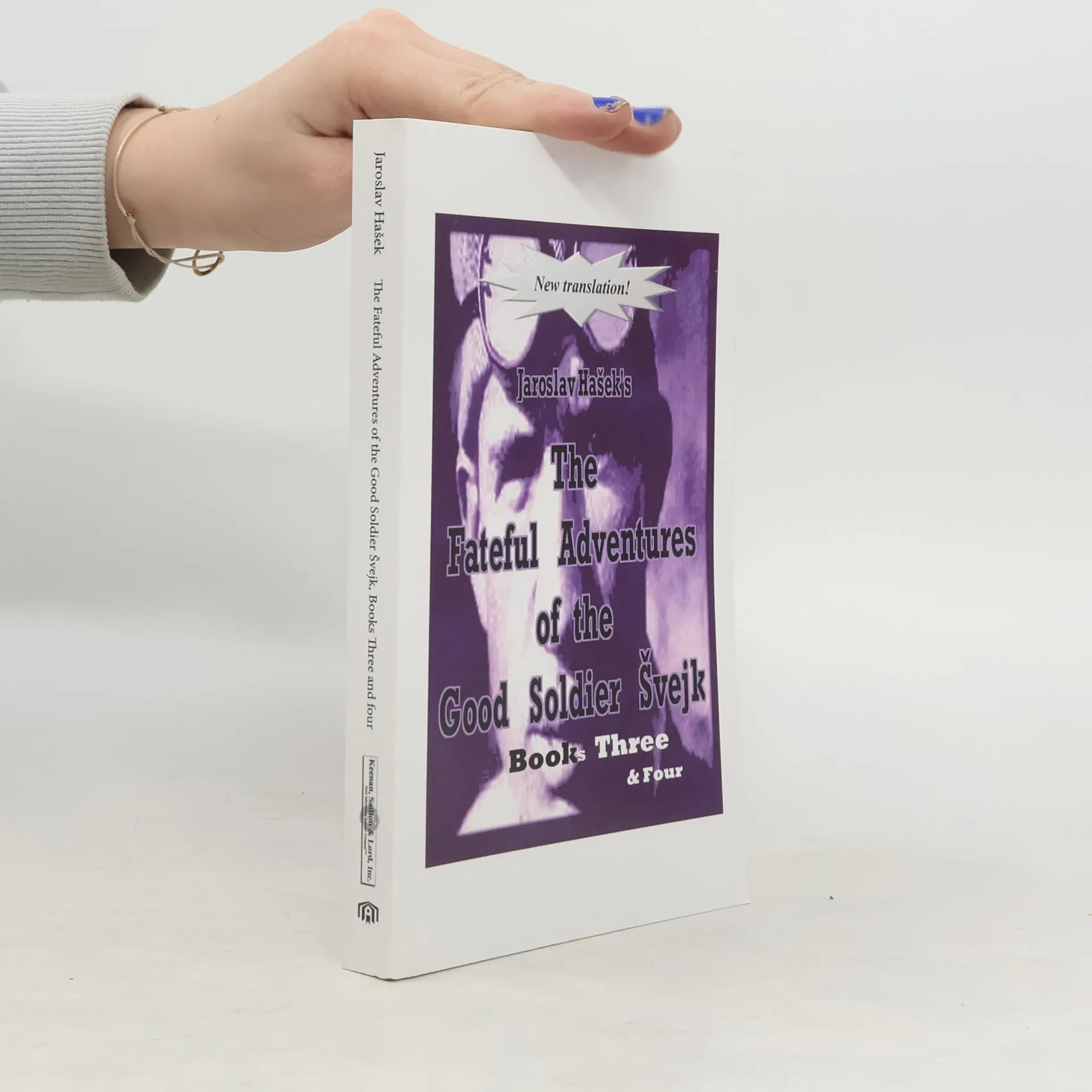
The Fateful Adventures of the Good Soldier Vejk During the World War, Book(s) Three & Four
- 296 pages
- 11 hours of reading
The final volume of Jaroslav Hašek's series encompasses Book Three and the incomplete Book Four, reflecting the author's struggles with health as he navigated the chaos of World War I. Although intended to consist of six books, this installment captures the essence of the protagonist's satirical and absurd adventures, showcasing Hašek's unique humor and poignant commentary on war. Despite its unfinished nature, the work is seen as a fitting conclusion to the narrative that established Hašek's literary legacy.
The Fateful Adventures of the Good Soldier Vejk During the World War, Book Two
- 228 pages
- 8 hours of reading
Set against the backdrop of World War I, this book presents a humorous exploration of life before the war through the eyes of the protagonist, vejk. It vividly depicts the familiar settings of pubs, politics, and daily struggles, showcasing how life continues unchanged even as he dons a military uniform. The narrative highlights the absurdity of military life, likening it to the police force, and emphasizes the camaraderie and resilience of soldiers. This first installment lays the groundwork for vejk's upcoming adventures at the front.
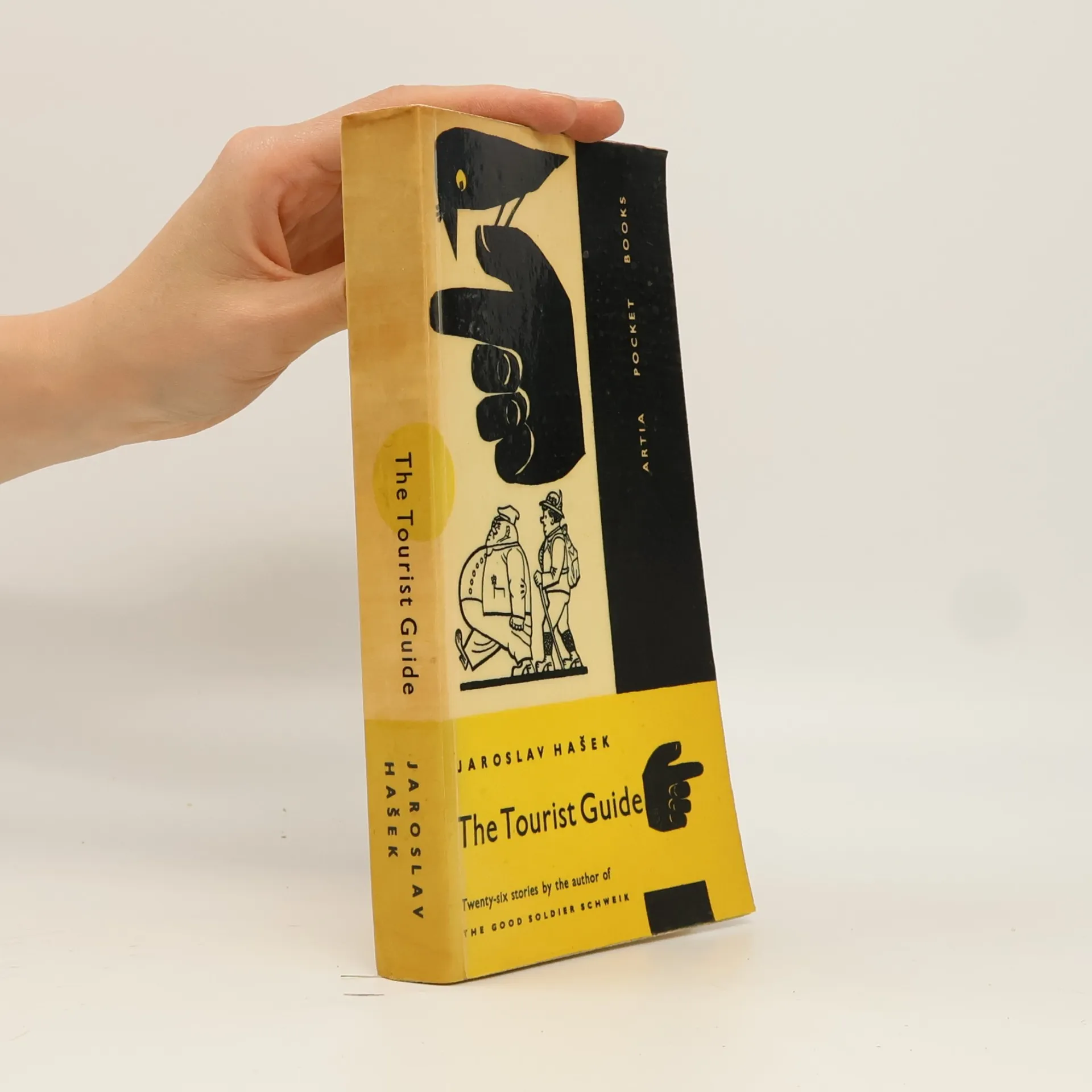
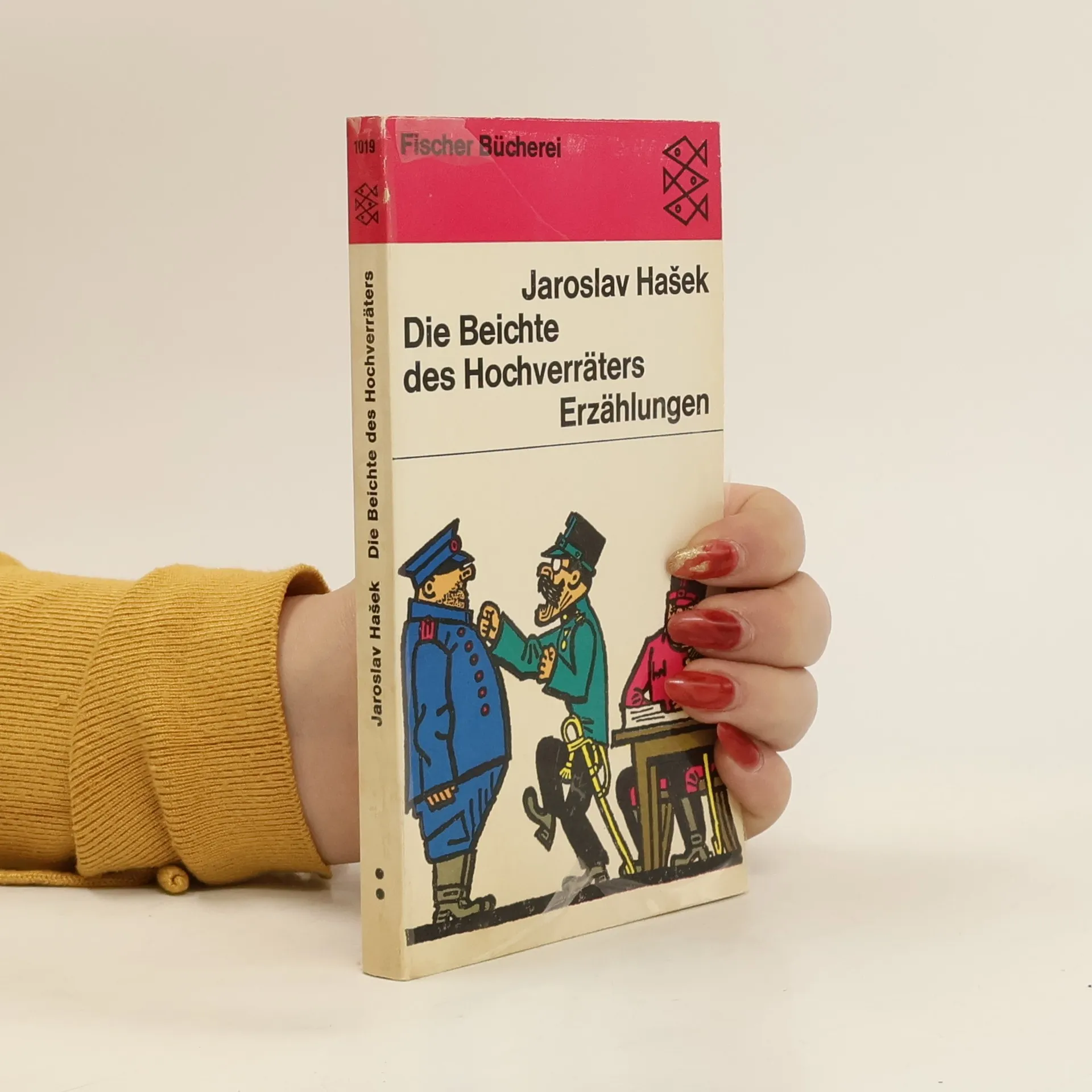
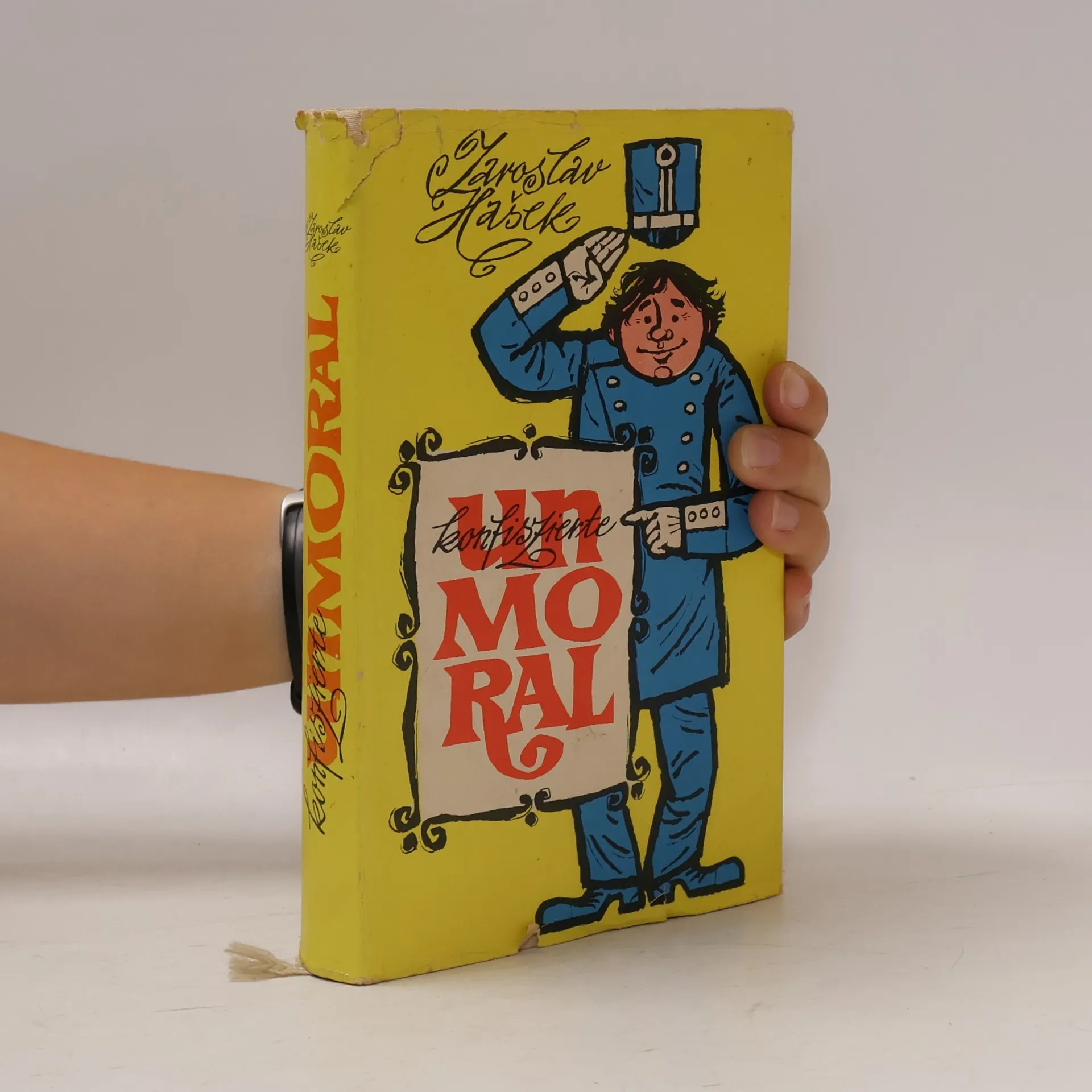
Jaroslav Hasek is best known for his satirical masterpiece "The Good Soldier Svejk." That has been described as 'Perhaps the funniest novel ever written.' Although his life was short and chaotic, Hasek did however write more as this volume tellingly reveals. In his preface, Cecil Parrott, translator and biographer of Hasek, crisply defines its purpose.. 'All the world has heard of Svejk, but few are familiar with the countless other characters Hasek created in his stories and sketches, which together with his feuilletons and articles are though to number some twelve hundred. The best of these deserve to be made available to the Western public and are included in this volume.' The range is wide. There is a selection from his Bugulma stories (Hasek as Bolshevik and Red Commissar), some early Svejk stories, reminiscences of Hasek's apprenticeship days, and the hilariously funny speeches made by Hasek when promoting his political 'Party of Moderate Progress within the bounds of the Law'.
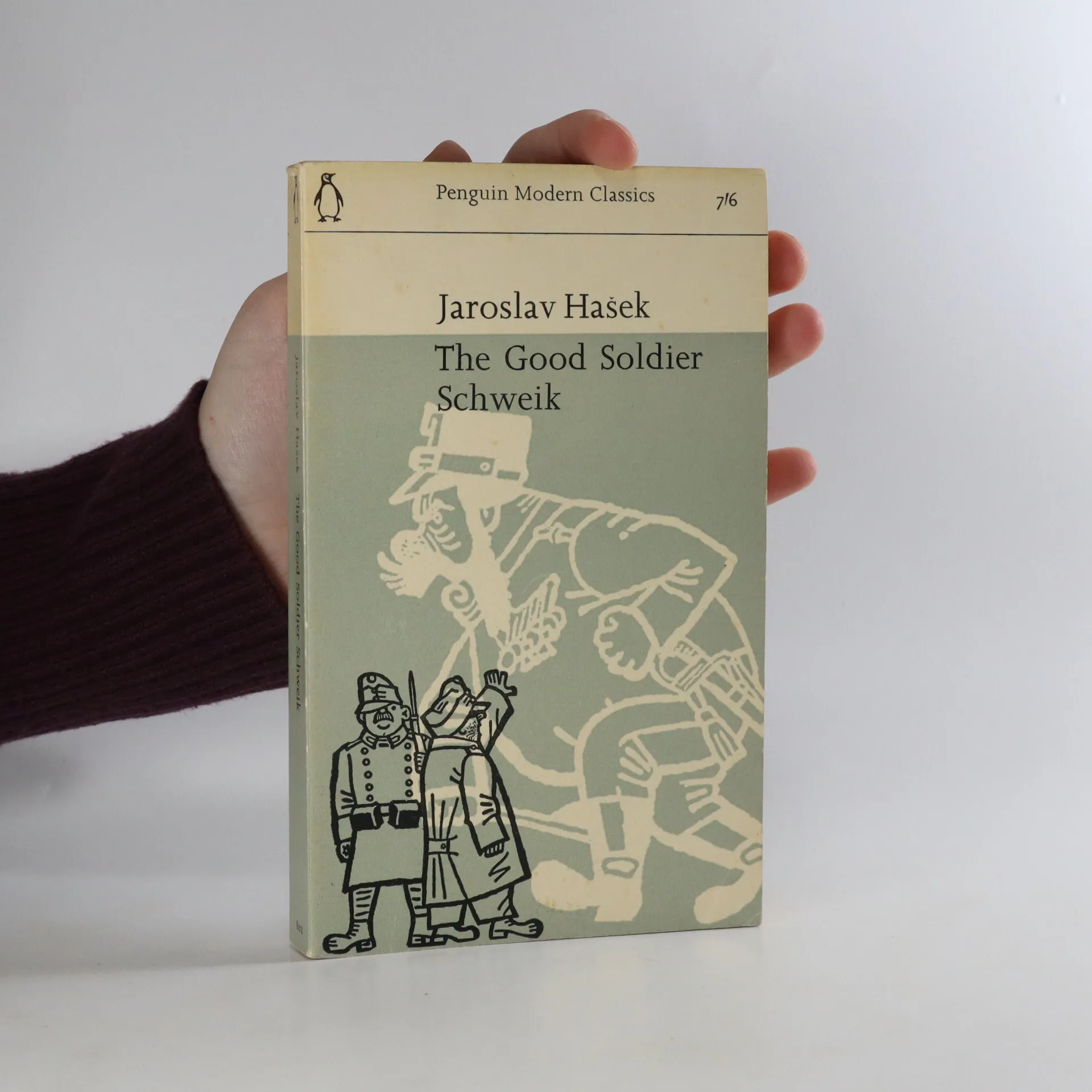
Good-natured and garrulous, Svejk becomes the Austrian army's most loyal Czech soldier when he is called up on the outbreak of World War I - although his bumbling attempts to get to the front serve only to prevent him from reaching it. Playing cards and getting drunk, he uses all his cunning and genial subterfuge to deal with the police, clergy, and officers who chivy him toward battle. Cecil Parrott's vibrant translation conveys the brilliant irreverence of this classic about a hapless Everyman caught in a vast bureaucratic machine.
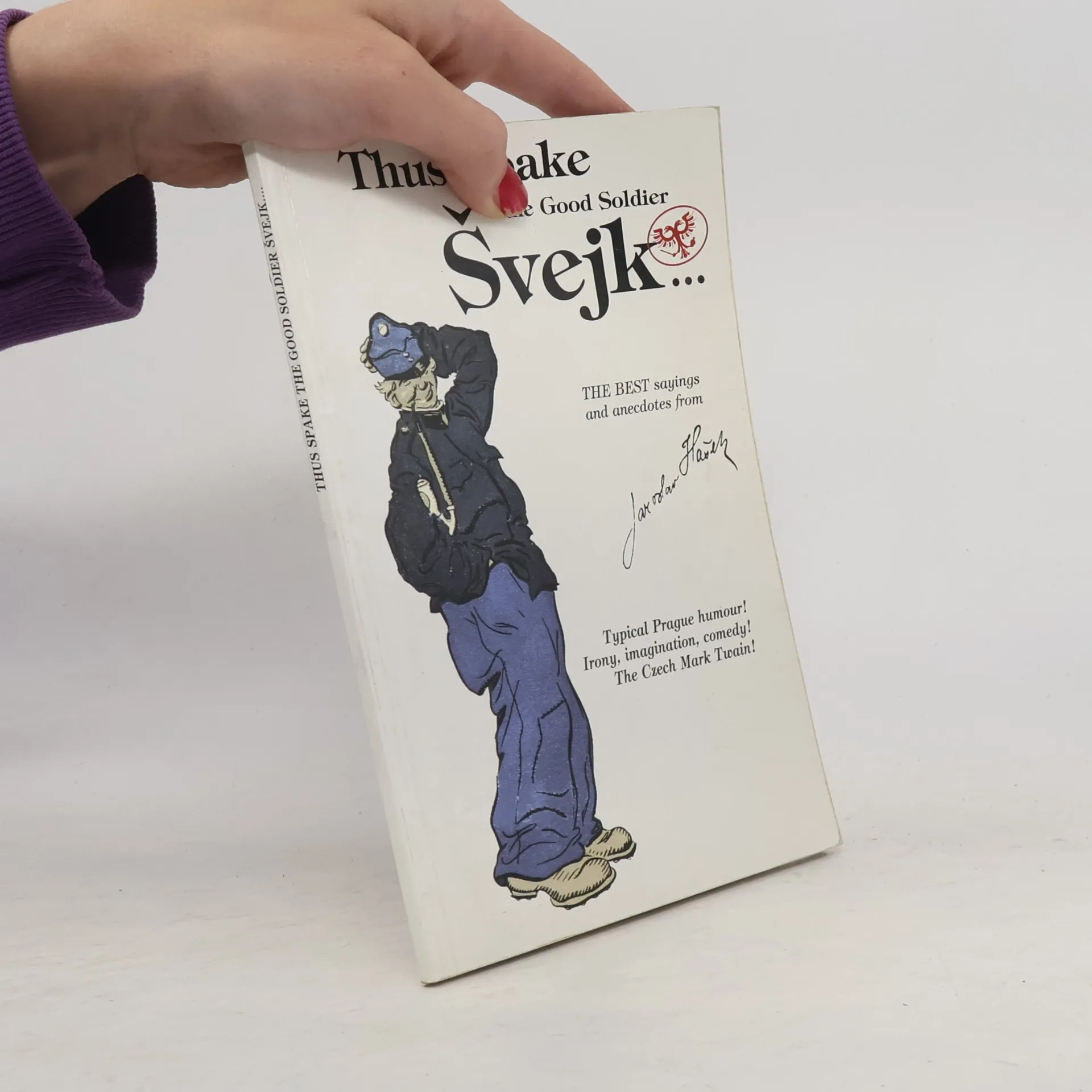
Thus spake the good soldier Švejk- : the best sayings from Hašek's Švejk
- 72 pages
- 3 hours of reading
Behind the Lines
- 129 pages
- 5 hours of reading
The collection of short stories entitled Behind the Lines: Bulguma and Other Stories draws on Hašek’s experience from revolutionary Russia. In a manner similar to that employed in his caricatures of the pre-war monarchy, he satirically captures events of the Bolshevik revolution from the perspective of a Red commissar in a combination of grotesque humor and sarcasm. Historical events serve merely as part of the historical mystification. Hašek presents them as he perceived them as a man and participant in historical events. He depicts them primarily as simple and human, pushing his critical view into the background. On the border of a comic exaggeration and a realistic depiction, an amusing story about a forgotten Tartar town of Bugulma unfolds featuring the Soviet commander of the Tver Revolutionary Regiment, drunk Yerokhimov, and Comrade Gašek, the Commanding Officer of Bugulma. Employing humor and exaggeration, Hašek demonstrates the zealotry of the revolutionary period as well as the stupidity and simple human insecurity of authoritarians. The collection of short stories, Behind the Lines, also includes other sketches by Hašek, written at the same time.