
Explore the latest books of this year!
Bookbot

Thadious M. Davis

    Her poetry delves into the rich tapestry of African American identity and the intricate realities of their experiences. Through her writing, she illuminates and celebrates the history and culture of Black women, often focusing on themes of position, resilience, and the search for voice. Her work is a significant contribution to American literature, enriching the poetic landscape with distinctive perspectives.

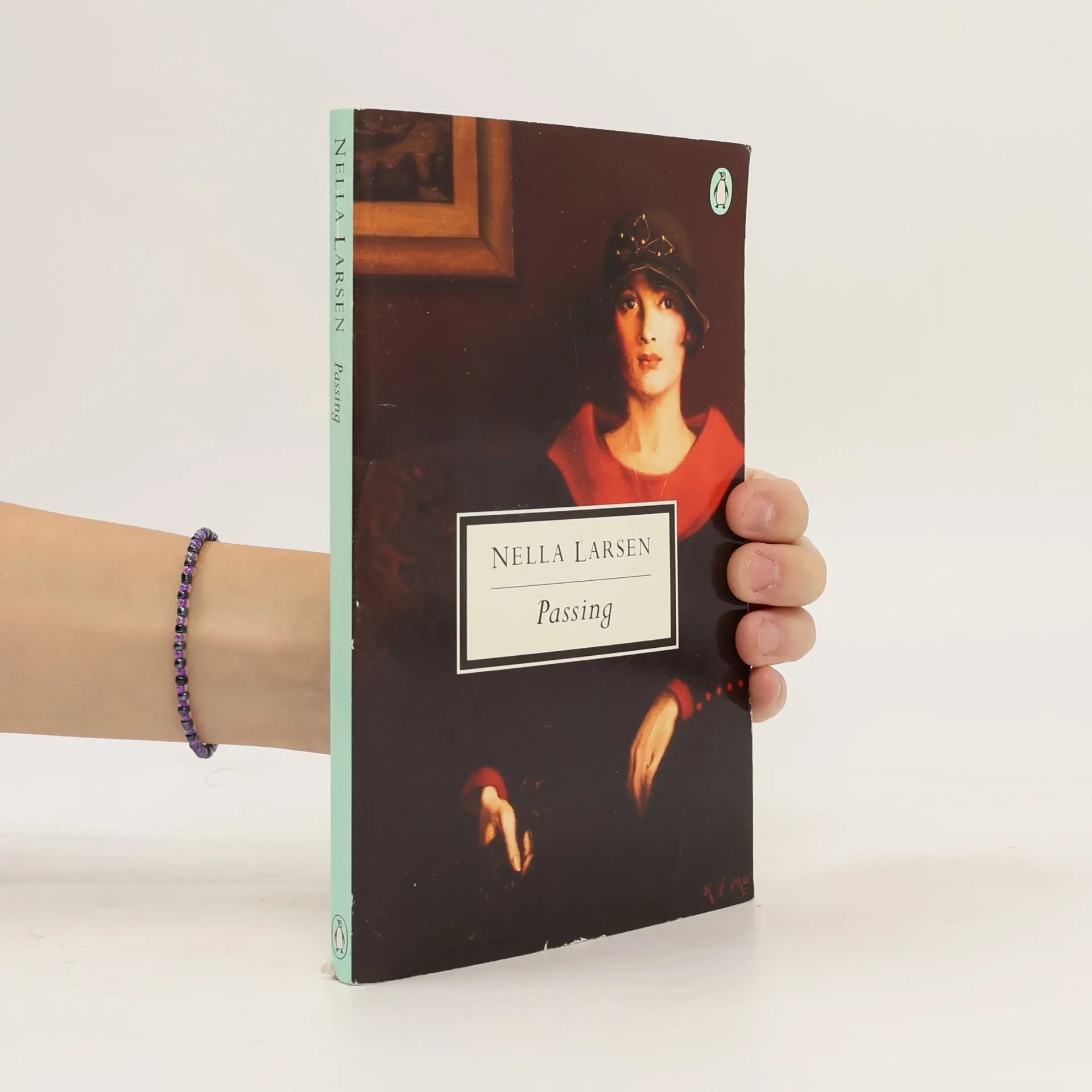
    Passing
    Passing
    • Passing

      • 102 pages
      • 4 hours of reading

      2011 Reprint of 1928 Edition not reproduced with Optical Recognition Software. Clare and Irene were two childhood friends. They lost touch when Clare's father died and she moved in with two white aunts. By hiding that Clare was part-black, they allowed her to 'pass' as a white woman and marry a white racist. Irene lives in Harlem, commits herself to racial uplift, and marries a black doctor. The novel centers on the meeting of the two childhood friends later in life, and the unfolding of events as each woman is fascinated and seduced by the other's daring lifestyle. The end of the novel is famous for its ambiguity. Many see this novel as an example of the plot of the tragic mulatto, a common figure in early African-American literature. Recently, Passing has received renewed attention because of its close examination of racial and sexual ambiguities and liminal spaces. It has achieved canonical status in many American universities.

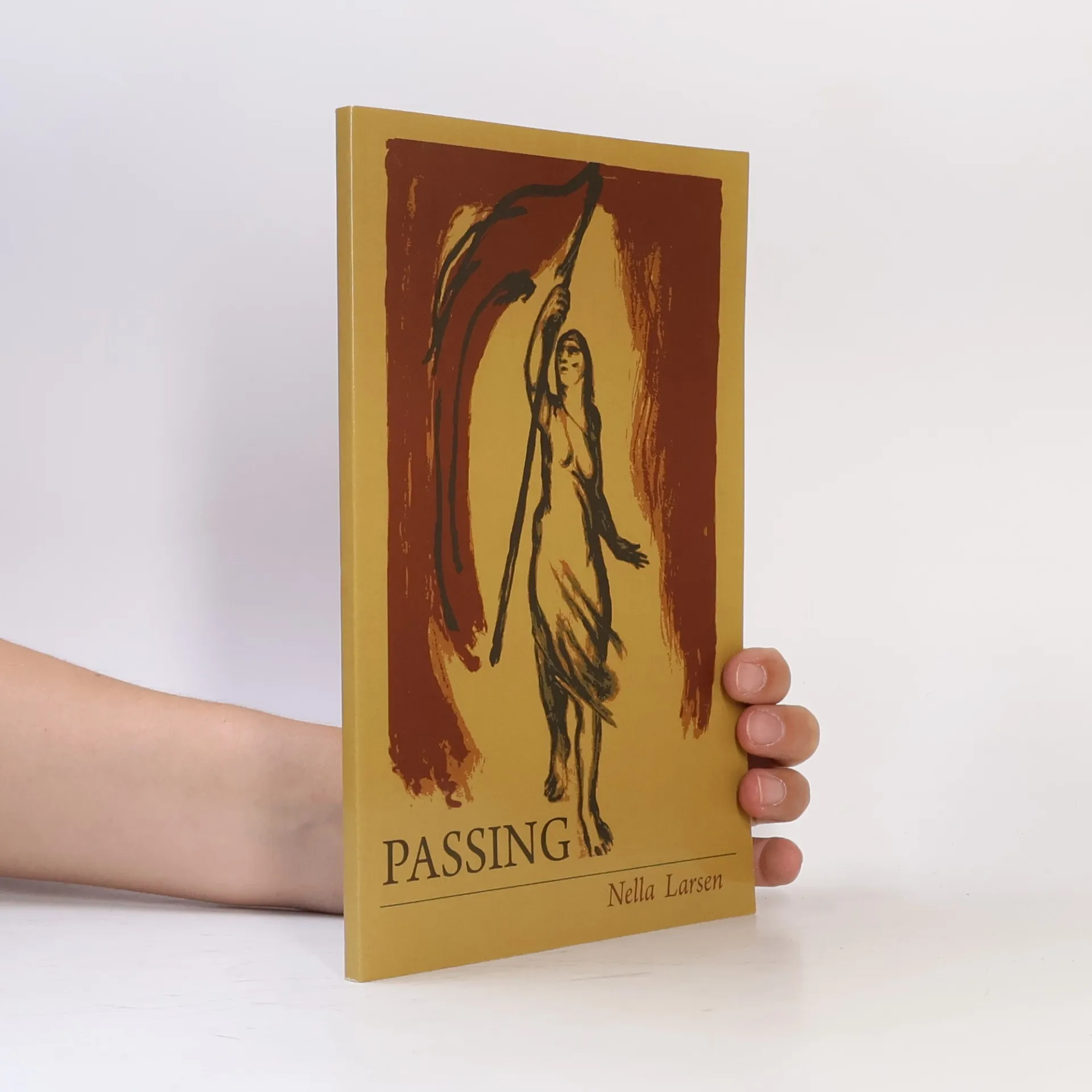
      Passing
      3.9
    • Passing

      • 160 pages
      • 6 hours of reading

      The beautiful, elegant, and ambitious Clare Kendry leads a dangerous life. A light-skinned African American married to a white man unaware of her racial heritage, Clare has severed all ties to her past to become part of white, middle-class society. Clare's childhood friend, Irene Redfield, as light-skinned as Clare, has chosen to remain within the African-American community. Married to a successful doctor and the mother of two boys, Irene refuses to acknowledge the racism she grew up with and that continues to set limits on her family's happiness. A chance encounter forces both women to confront the lies they have told others and the secret fears they have buried within themselves.

      Passing