

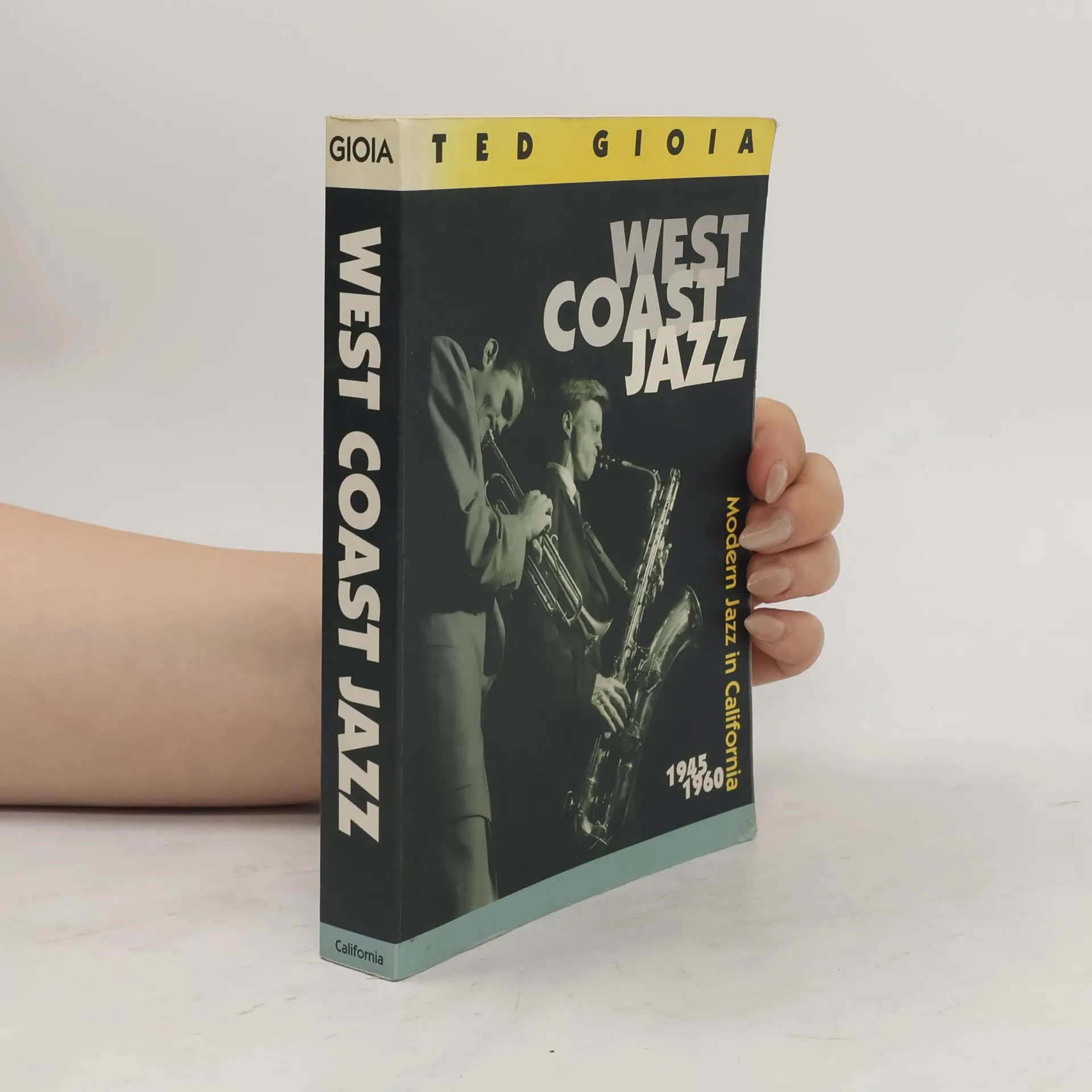
How could it when the same critics asking the question could hardly agree on a definition of jazz itself? Was West Coast jazz the last regional style or merely a marketing fad? Was there really ever any such thing as West Coast jazz? If so, was it better or worse than East Coast jazz? This title deals with this queries.
Ted Gioia Books
October 21, 1957


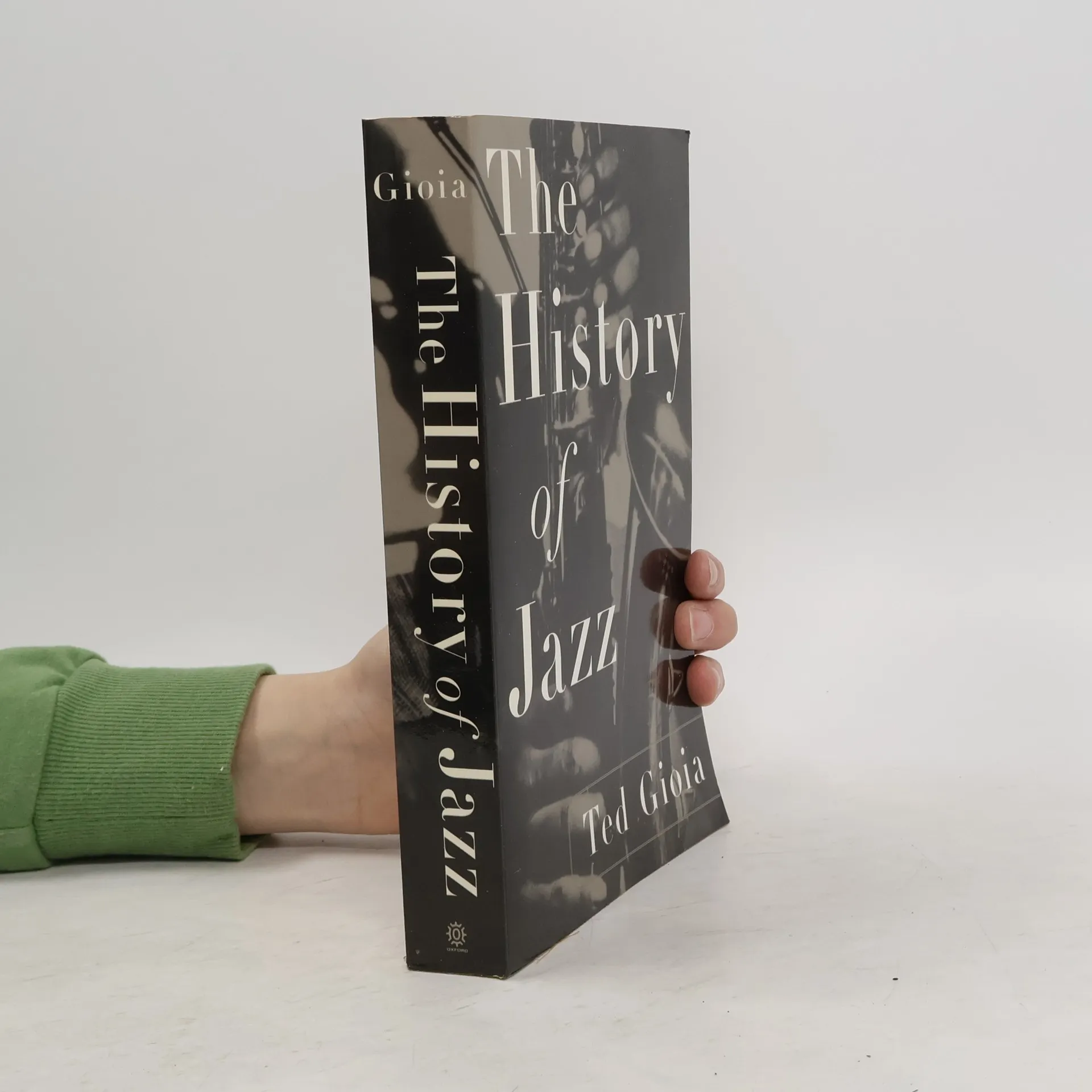
The History Of Jazz
- 480 pages
- 17 hours of reading
Ted Gioia tells the story of jazz as it has never been told before, in a book that brilliantly portrays the legendary players, the breakthrough styles, and the world in which it evolved. Gioia provides readers with lively portraits of great musicians, intertwined with vibrant commentary on the music they created. 9 photos.
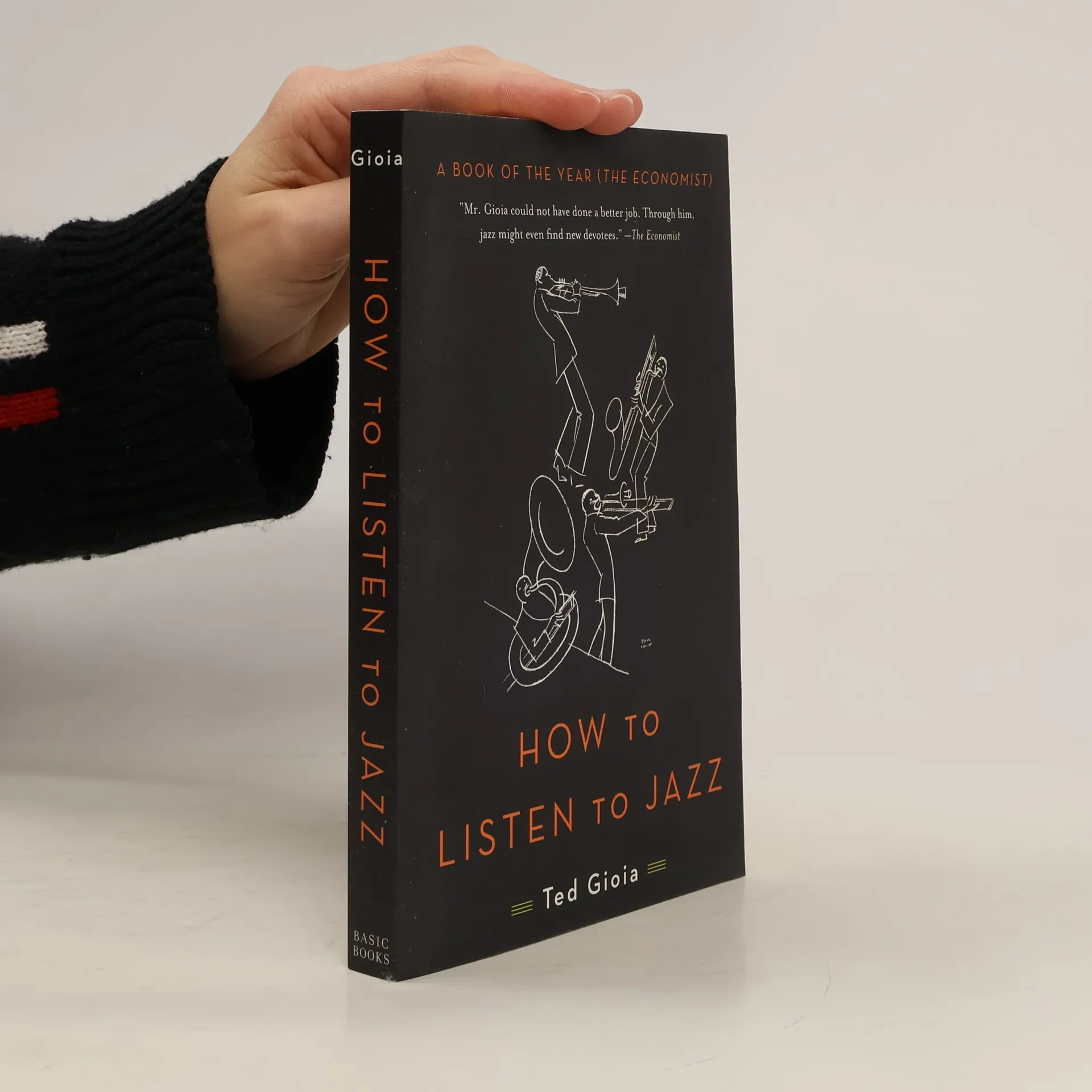
How to Listen to Jazz
- 272 pages
- 10 hours of reading
An acclaimed music scholar presents an accessible introduction to the art of listening to jazz
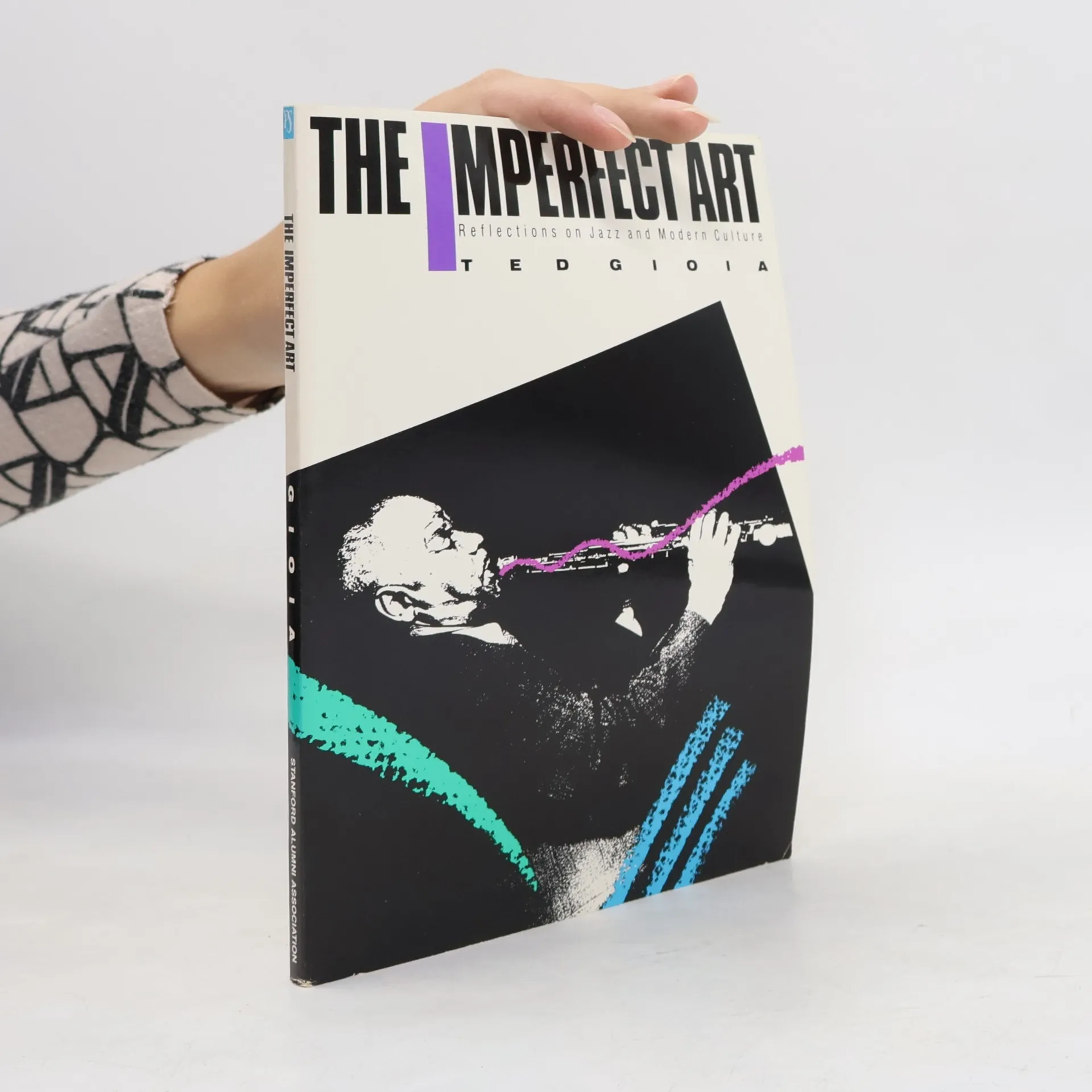
Taking a wide-ranging approach rare in jazz criticism, Ted Gioia's brilliant volume draws upon fields as disparate as literary criticism, art history, sociology, and aesthetic philosophy in order to place jazz within the turbulent cultural environment of the twentieth century. He argues that because improvisation--the essence of jazz--must often fail under the pressure of on-the-spot creativity, we should view jazz as an "imperfect art" and base our judgments of it on an "aesthetics of imperfection."Incorporating the thought of such seminal thinkers as Walter Benjamin, José Ortega y Gasset, and Roland Barthes, The Imperfect Art offers vivid portraits of the giants of jazz and startling insights into this vital musical form and the interaction of society and art.
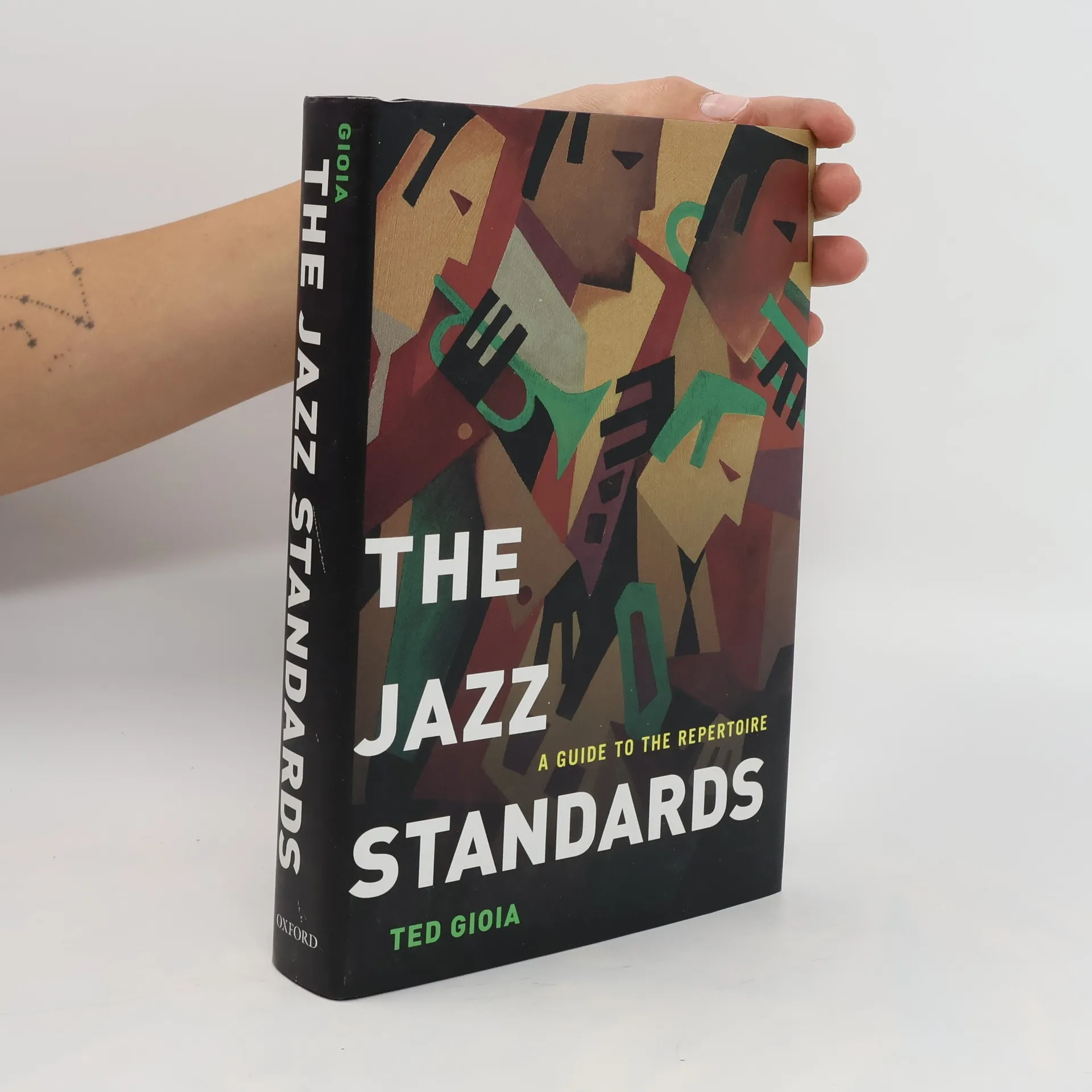
The Jazz Standards : A Guide to the Repertoire
- 544 pages
- 20 hours of reading
Kniha od oceněného jazzového historika Teda Gioii nabízí osvětlivý pohled na více než 250 zásadních jazzových skladeb. V tomto komplexním a jedinečném přehledu jsou zahrnuty písně, které tvoří jádro jazzového repertoáru, od "Ain't Misbehavin'" a "Autumn in New York" po "God Bless the Child," "How High the Moon" a "I Can't Give You Anything But Love." Gioia zahrnuje broadwayské melodie napsané takovými velikány jako George Gershwin a Irving Berlin, a klasiky od slavných jazzových hudebníků jako Miles Davis, Thelonious Monk, Duke Ellington a John Coltrane. Kniha nabízí živé diskuse o každé písni, plné informací o tom, jak byla píseň napsána, kdo ji nahrál, její místo v jazzové historii a mnohem více. Gioia zahrnuje doporučení pro více než 2 000 nahrávek, s výběrem doporučených skladeb pro každou píseň. Naplněna barevnými anekdotami a odborným komentářem, Jazzové standardy osloví široké publikum, slouží jako fascinující úvod pro nové fanoušky, neocenitelná a dlouho potřebná příručka pro milovníky jazzu a hudebníky, a jako nezbytný odkaz pro studenty a pedagogy.
Dějiny možná píšou vítězové. Muziku však mají na svědomí rebelové. Pro většinu lidí jsou dějiny hudby pouze matným pojmem ze školních učebnic, s nímž má jejich vlastní posluchačský zájem jen málo společného. Pestrému dvacátému století předcházejí portréty vážných skladatelů a napudrovaných paruk. Dál do minulosti už je jen doba chorálů, lidových písní, louten a temna. Archeologické nálezy a historické zkoumání však ukazují, že hudba člověka provází od počátku lidstva: písně byly důležitou součástí lovu i duchovního života, šumění lučních trav znělo jako koncert. Proč se tedy z dějin hudby staly nudné zástupy úspěšných mužů? Hudební historik a kritik Ted Gioia ve své odvážné knize tvrdí, že to je dáno obecně revolučními možnostmi hudby. Společnost musela nejdříve rebely potlačit a až následně jejich inovace zpracovala do krotkého hudebního kánonu. Vyprávět dějiny hudby proto pro Gioiu znamená vyprávět příběhy odpadlíků a podivínů, kteří hledali nové způsoby, jak, kde a pro koho vyluzovat zvuky či jen poslouchat.