

Describes the development of the Nazi tank forces and examines the deployment of German tanks in key battles of World War II
Bryan Perrett Books
January 1, 1934 – January 1, 2020
A professional military historian, Bryan Perrett's extensive body of work delves into the intricacies of warfare, examining strategies and the psychological motivations that drive conflict. Drawing from personal experience, his writings offer deep insights into the tactical decisions and human spirit evident in pivotal historical moments. Perrett's prose is recognized for its thorough research and compelling narrative, making complex military events accessible and engaging. His analysis consistently explores themes of resilience and determination, resonating with readers on both sides of the Atlantic.

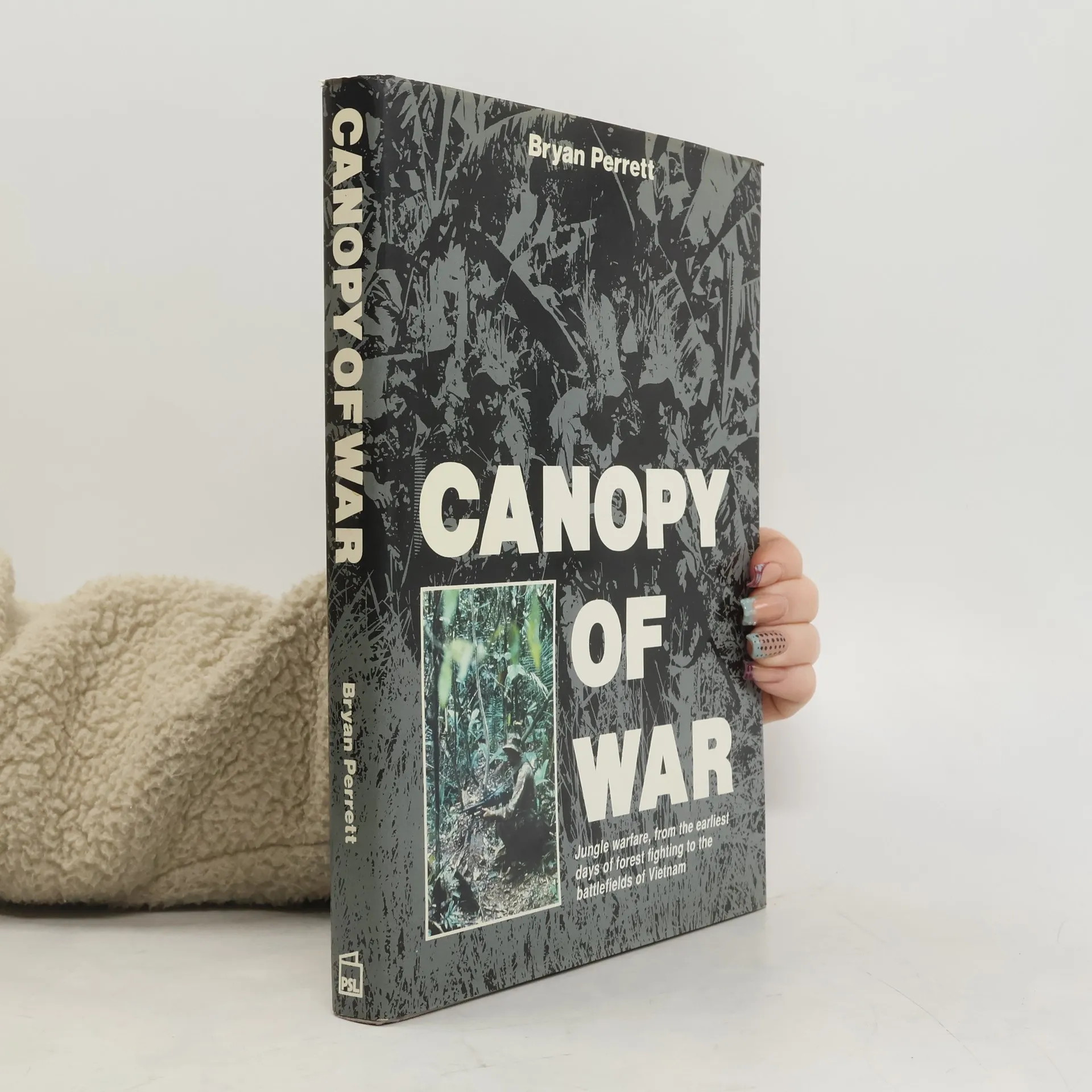
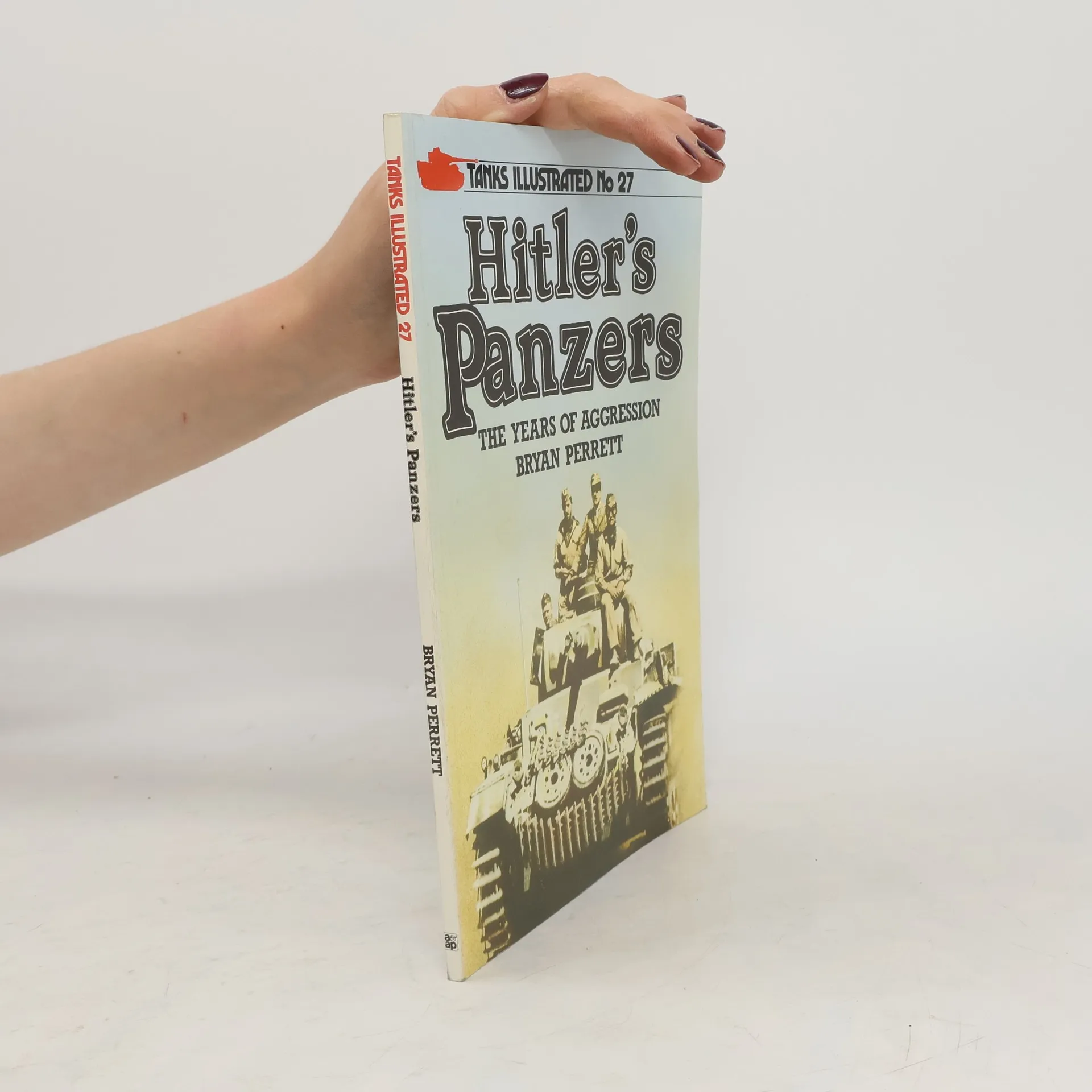
Canopy of War
Jungle Warfare, From the Earliest Days of Forest Fighting to the Battlefields of Vietnam
- 208 pages
- 8 hours of reading
Whether of high intensity between regular forces, or low intensity confrontation and counter-insurgency, this book gives an account of conflicts in the jungle, from the Japanese invasion of Western territories in 1941-2 to the present day. The author also wrote "Desert Warfare", "A History of Blitzkreig", "Knights of the Black Cross - Hitler's Panzerwaffe and its Leaders", Soviet Armour since 1945", "Tank Tracks to Rangoon", "The Czar's British Squadron" and "Weapons of the Falklands Conflict".
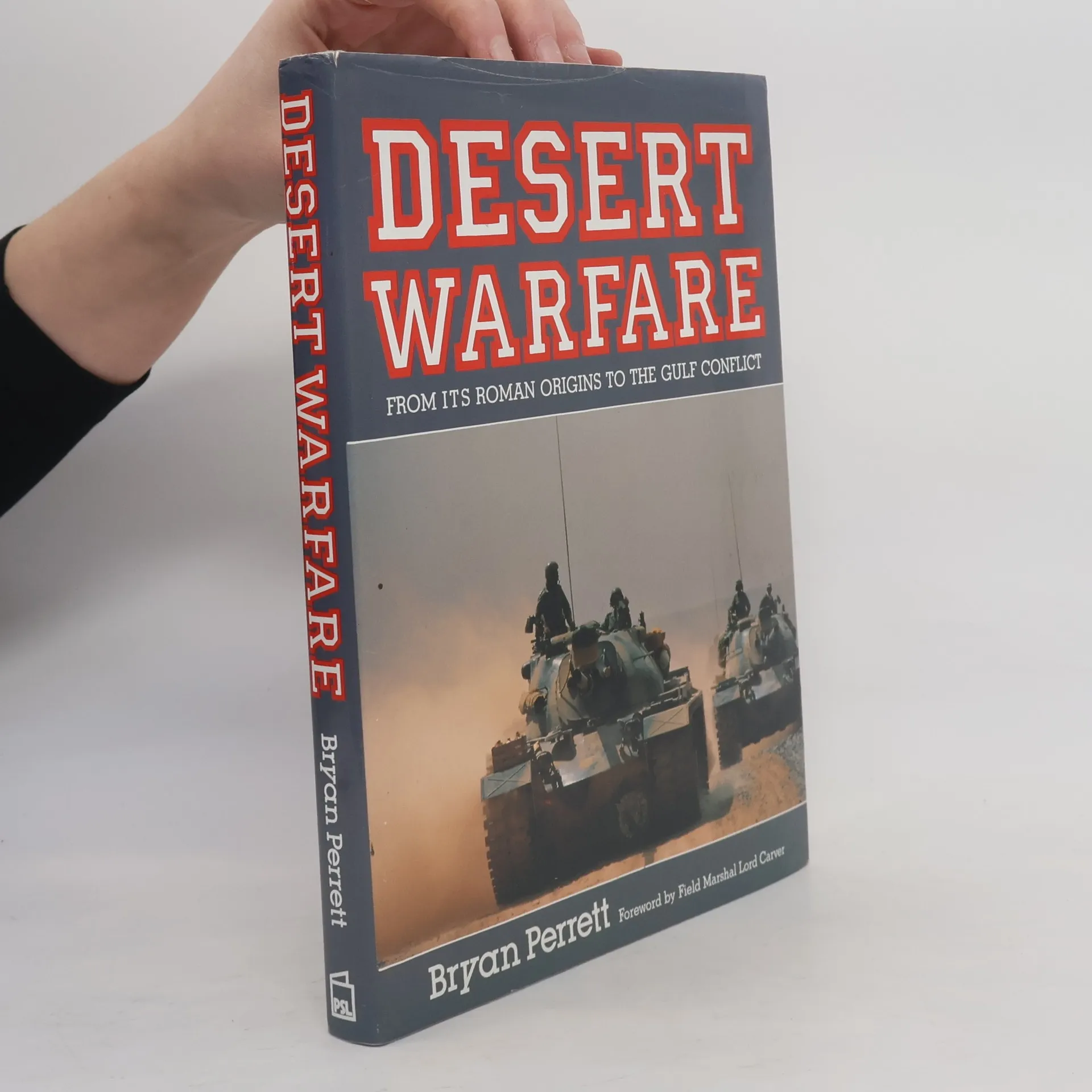
Approximately one-fifth of the earth's surface consists of desert, and throughout history these arid regions have witnessed some of the world's most decisive battles. Here, Bryan Perrett gives an absorbing account of desert conflicts from the first century BC to more contemporary conflicts such as those in Iran and Iraq. As he demonstrates, acclimatization and familiarization with the day-to-day problems of desert life are vital not only to teach troops how to protect themselves and their equipment, but also to bring them to terms with the harsh environment. The desert does not compromise, and battles fought there result in total victory or total defeat, often at horrific cost. Initially released in 1988 by Patrick Stephens Limited, this re-issue marks a determination on the author's and the publisher's part to keep an esteemed publication in print.
My Story: D-Day
- 176 pages
- 7 hours of reading
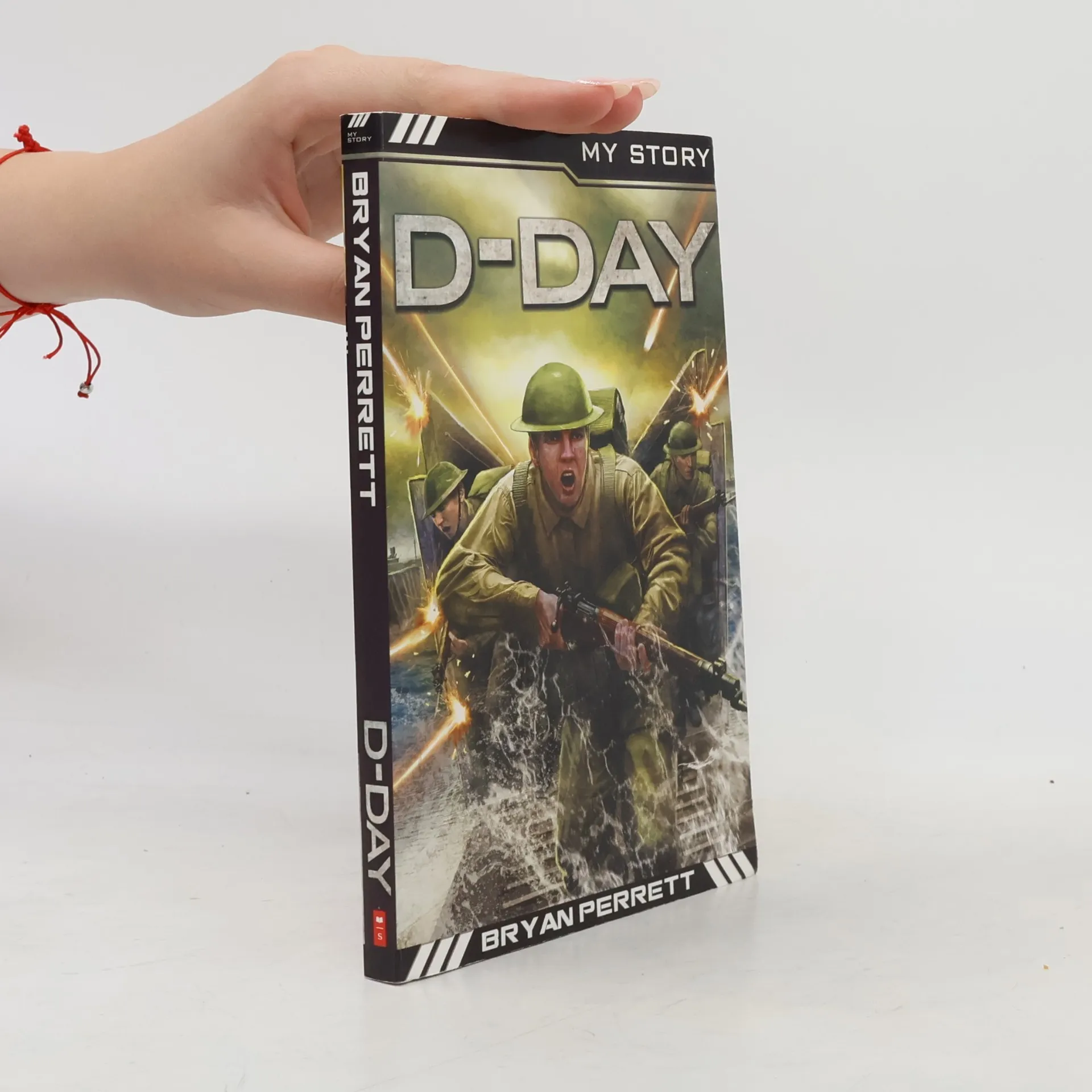
It's 1944 when Lieutenant Andy Pope takes part in the D-Day landings, crossing the English Channel to the beaches of Normandy. Ordered to cut off the Germans' line of retreat, Andy's company comes under sustained attack until, as the only unwounded officer left, Andy finds himself in command and fighting for survival...
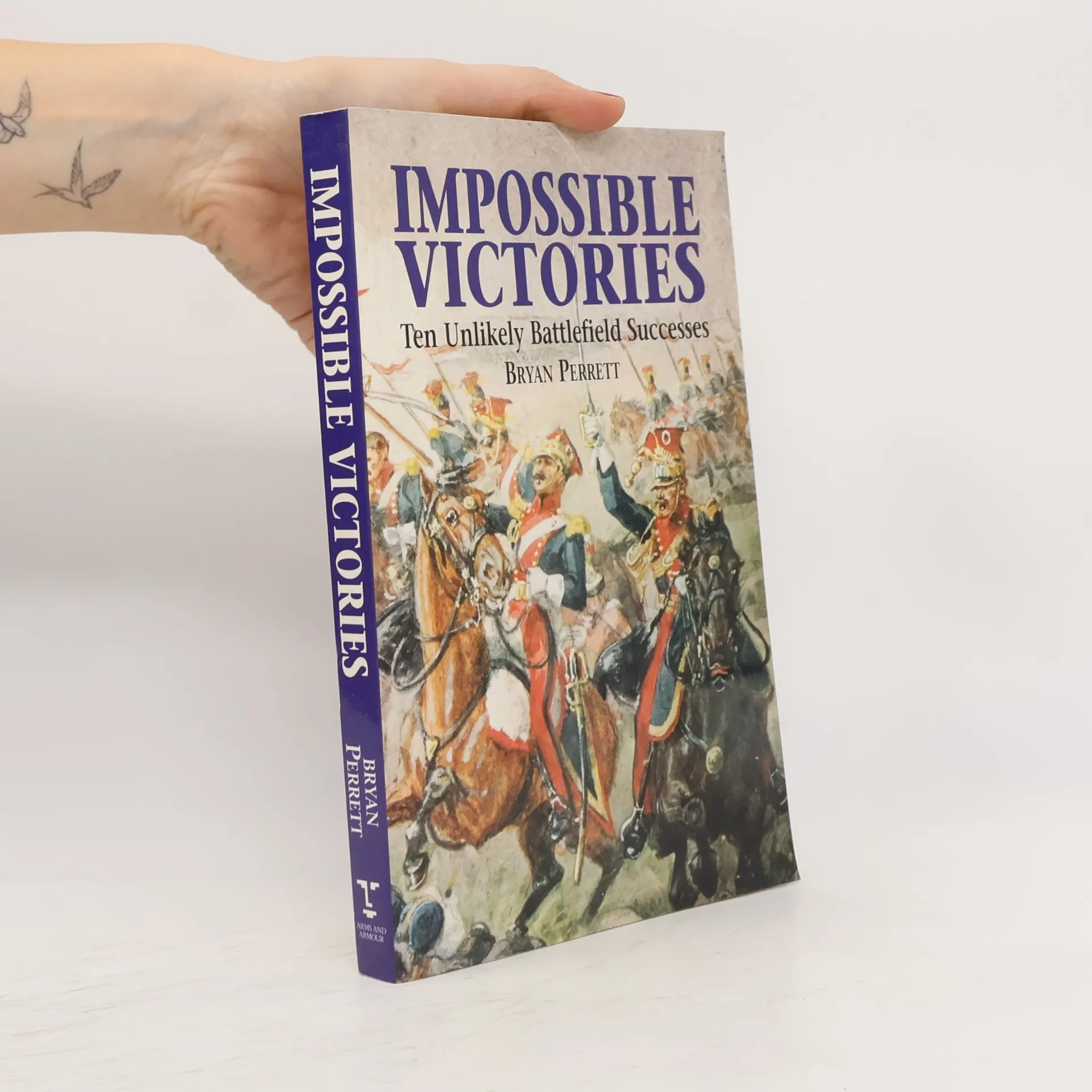
A collection of ten accounts that illustrate how occasionally, in war situations, very unlikely outcomes occur. The text draws on campaigns such as the Peninsular War of 1811, the two World Wars and the Vietnam War.
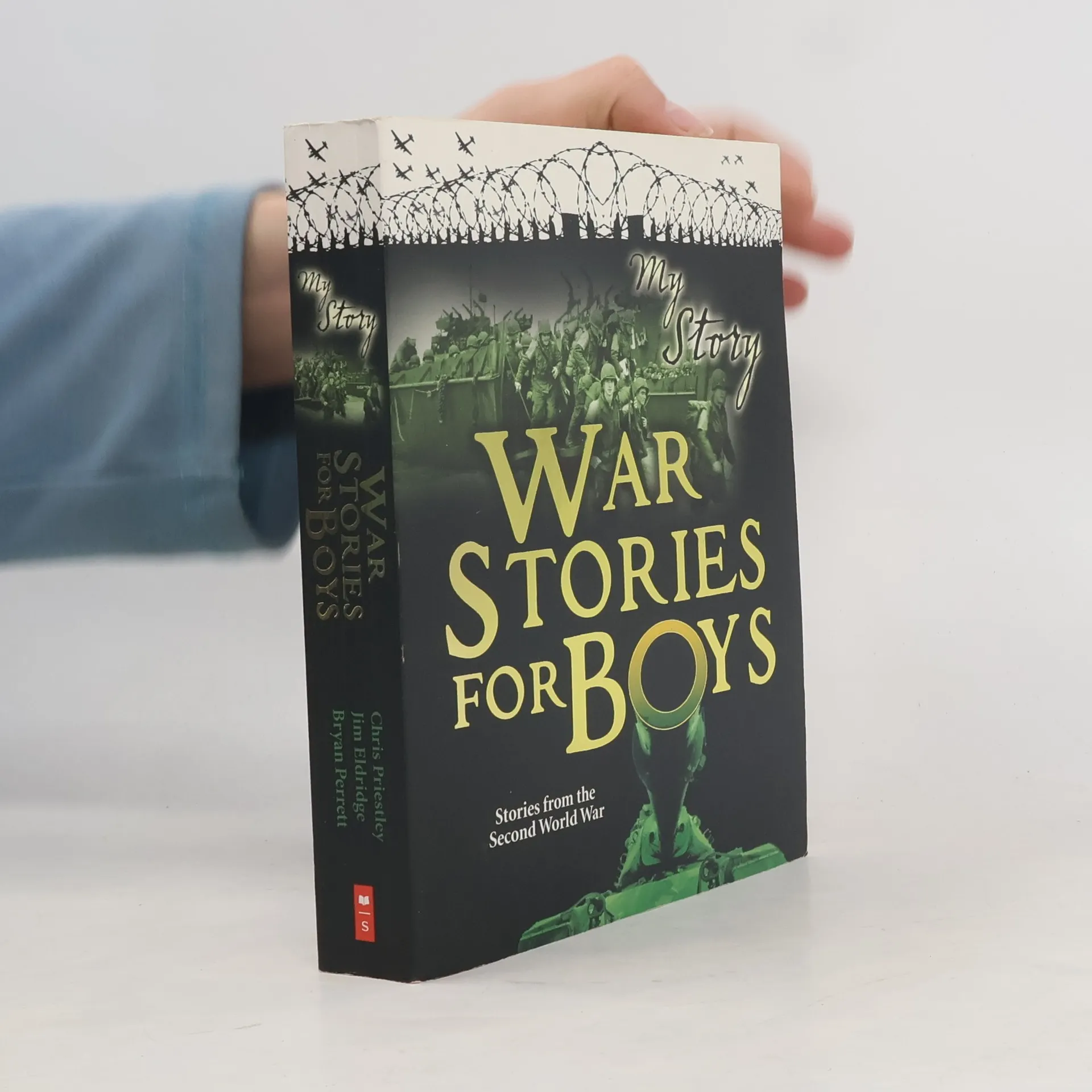
War Stories for Boys
- 416 pages
- 15 hours of reading
The Battle of Britain - when the RAF fought the Luftwaffe for control of the skies above the English Channel. The decisive battle at Alamein, where the British 'Eighth Army' destroyed the German forces in Egypt. D-Day - the Allied invasion of France, when 130,000 men were landed on the Normandy beaches under enemy fire.
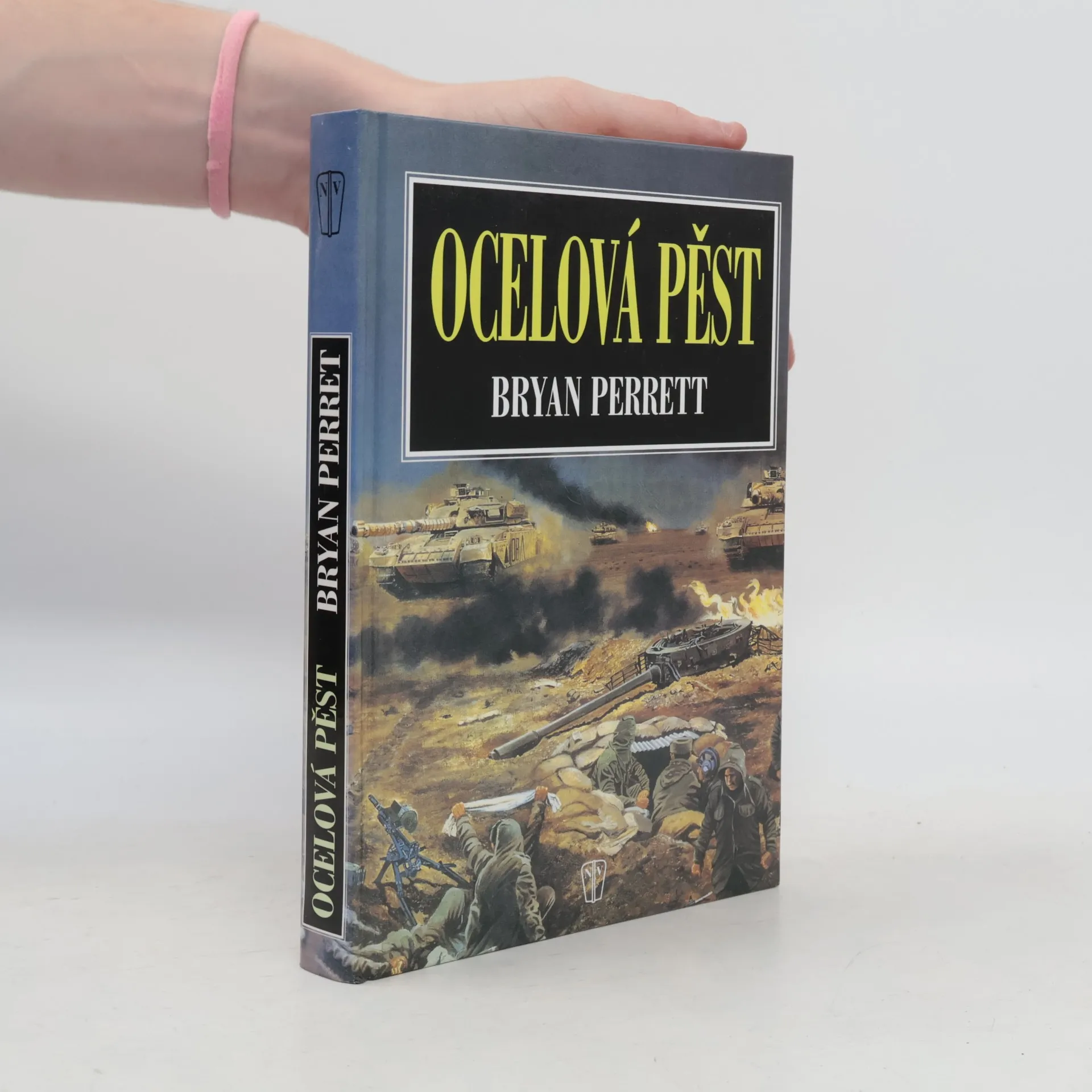
Ocelová pěst
- 239 pages
- 9 hours of reading
Pozor, tanky! Výkřik, při kterém se pěšák většinou skrčil v koutku svého okopu a modlil se, aby ho ocelové monstrum neobjevilo a nezlikvidovalo. Ocelové krabice nasazené poprvé v I. světové válce jako průlomová zbraň na podporu pěchoty se vyvinuly v samostatný bojový prostředek, ve valné míře rozhodující při svém nasazení na bojišti. Byla to opravdu ocelová pěst každé armády. Autor popisuje nejen vývoj zbraně, která se po skončení studené války zdála být na chvíli zastaralou a nepotřebnou, ale také různé způsoby jejího nasazení, od jednotlivých malých oddílů až po mohutné tankové svazy, jako tomu bylo například v bitvě u Kurska, židovsko-arabské válce, v Normandii i v Itálii, v Zálivu. Samozřejmě se zabývá taktikou bleskové války, neopomíná ani nasazení tanků na tichomořském a asijském válčišti. Zmíněny jsou i obrněné automobily, které také rozhodly nejeden válečný konflikt, a v neposlední řadě se věnuje jednotlivým tankistům, kteří byli považováni za esa u svých zbraní.
Neuvěřitelná vítězství : [deset zcela nepravděpodobných bitev]
- 248 pages
- 9 hours of reading
Podtitul: deset zcela nepravděpodobných bitev. Albuera – Chippewa a Lundy's Lane – Lakhnaú – Ta-ku – Dargaj – San Juan – Beerševa a Hádž – Pointe du Hoe a pláž Omaha – Kóta 112 – Ngok Kom Leat a kóta 875.
![Neuvěřitelná vítězství : [deset zcela nepravděpodobných bitev]](https://rezised-images.knhbt.cz/1920x1920/93958868.webp)