

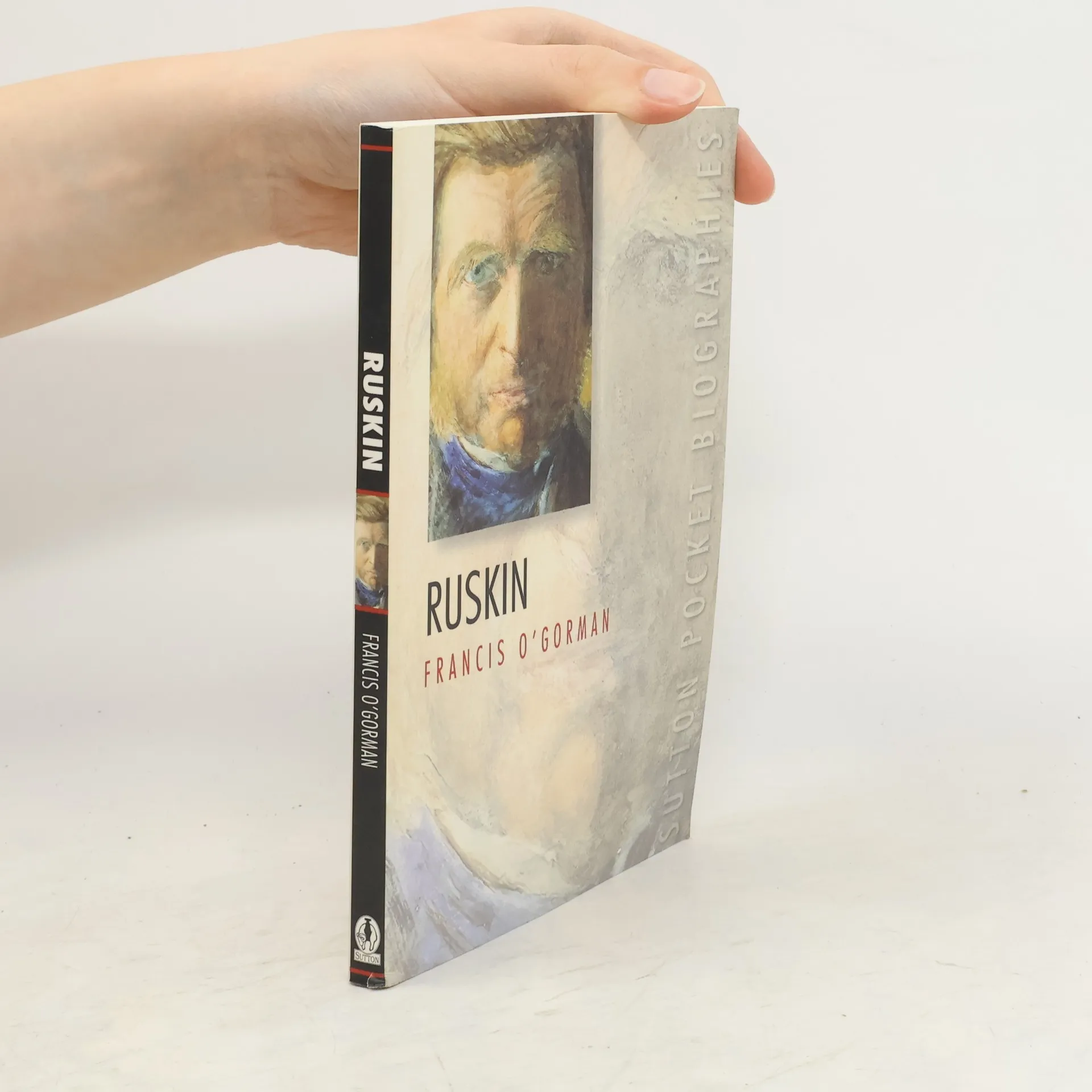
John Ruskin was one of the greatest Victorian critics of art and society, but he was also preoccupied with politics, economics and education. This pocket-sized biography explores his influence on his own age and ours, examining his work, his relationships and his creative life.
Francis O'Gorman Books

The Victorian era produced artistic achievements, technological inventions and social developments that continue to shape how we live today. This Companion offers authoritative coverage of that period's culture and its contexts in a group of specially commissioned essays reflecting the current state of research in each particular field. Covering topics from music to politics, art to technology, war to domestic arts, journalism to science, the essays address multiple aspects of the Victorian world. The book explores what ‘Victorian' has come to mean and how an idea of the ‘Victorian' might now be useful to historians of culture. It explores too the many different meanings of ‘culture' itself in the nineteenth century and in contemporary scholarship. An invaluable resource for students of literature, history, and interdisciplinary studies, this Companion analyses the nature of nineteenth-century British cultural life and offers searching perspectives on their culture as seen from ours.
Forgetfulness
- 200 pages
- 7 hours of reading
Forgetfulness is a book about modern culture and its profound rejection of the past. It traces the emergence in recent history of the idea that what is important in human life and work is what will happen in the future. Francis O'Gorman shows how forgetting has been embraced as a requirement for modern existence and how our education, as well as life with fast-moving technology, further disconnects us from our pasts. But he also examines the cultural narratives that urge us to resist our collective amnesia. O'Gorman argues that such narratives, in rich but oblique ways, indicate our guilt about modernity's great unmooring from history. Forgetfulness asks what the absence of history does to our sense of purpose, as well as what belonging both to time and place might mean in cultures without a memory. It is written in praise of the best achievement and deeds of the past, but is also an expression of profound anxiety about what forgetting them is doing to us.
Victorian An Annotated Anthology is a fully annotated and illustrated collection of Victorian poetry.
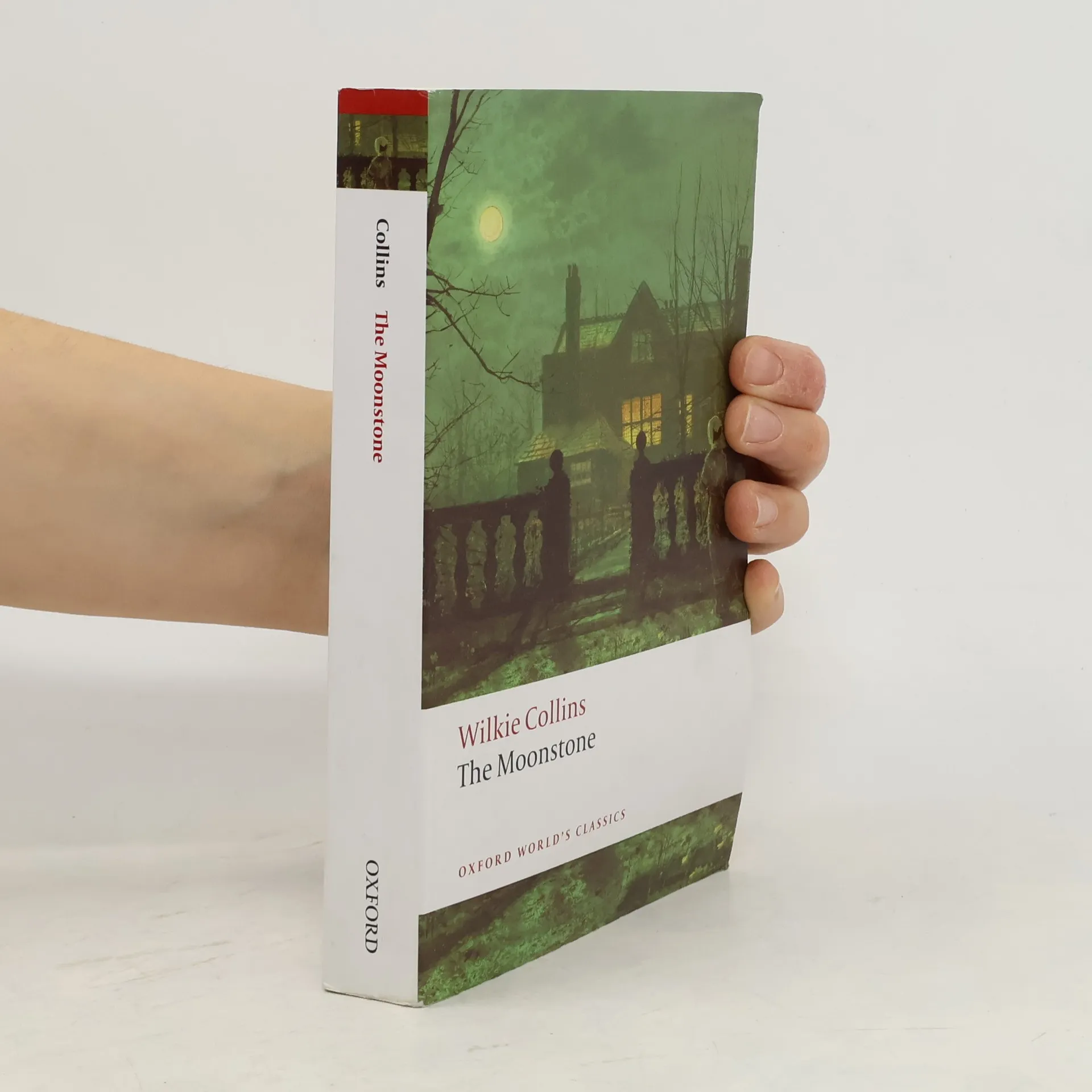
Oxford World's Classics: The Moonstone
- 576 pages
- 21 hours of reading
A fabulous yellow diamond disappears, the case looks simple, but in mid- Victorian England no one is what they seem, and nothing can be taken for granted.