

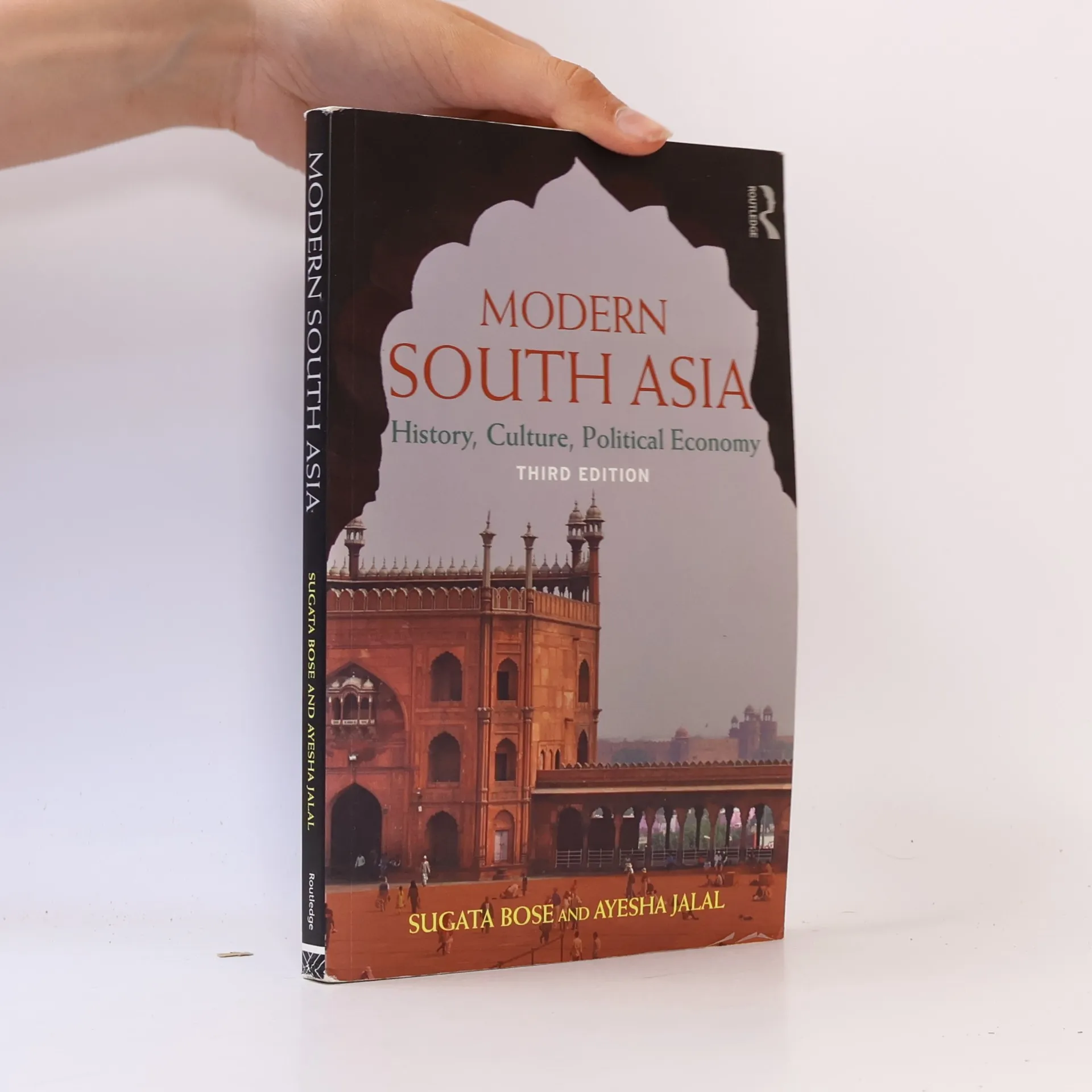
Drawing on the newest and most sophisticated historical research and scholarship in the field, Modern South Asia provides a challenging insight for those with an intellectual curiosity about the region. After sketching the pre-modern history of the subcontinent, the book concentrates on the last three centuries. Jointly authored by two leading Indian and Pakistani historians, it offers a rare depth of historical understanding of the politics, cultures, and economies that shape the lives of more than a fifth of humanity. In this comprehensive study, the authors interpret and debate the striking developments in contemporary South Asian history and historical writing, covering the entire spectrum of the region's modern history - social, economic and political. The book provides new insights into the structure and ideology of the British raj, the meaning of subaltern resistance, the refashioning of social relations along the lines of caste, class, community and gender, the different strands of anti-colonial nationalism and the dynamics of decolonization. This third edition brings the debate up to the present day, taking account of recent historical research and covering the closer integration of South Asia with the global economy, the impact of developments in Afghanistan on the region as a whole, and the fresh challenges to South Asia's nation-states.
Ayesha Jalal Books
Ayesha Jalal is a Pakistani-American historian whose work critically examines post-colonial politics and Muslim identity in South Asia. She challenges the necessity of the partition of India and Pakistan, reframing it as a human tragedy rather than a political inevitability. Her scholarship presents key figures as pragmatists motivated by securing greater rights for Muslims. Jalal's research delves into the complex historical forces that shape identity and political landscapes.

Muslim Enlightened Thought in South Asia
- 320 pages
- 12 hours of reading
Exploring the enlightened perspectives of modern Muslim philosophers, artists, and intellectuals, this book highlights their connections to a rich intellectual tradition that transcends Western liberalism. It delves into the historical context of Islam and South Asia, making it a compelling read for those interested in the evolution of thought within these cultures. The work emphasizes the unique contributions of these figures to contemporary discourse, offering insights into their impact on society and intellectual history.
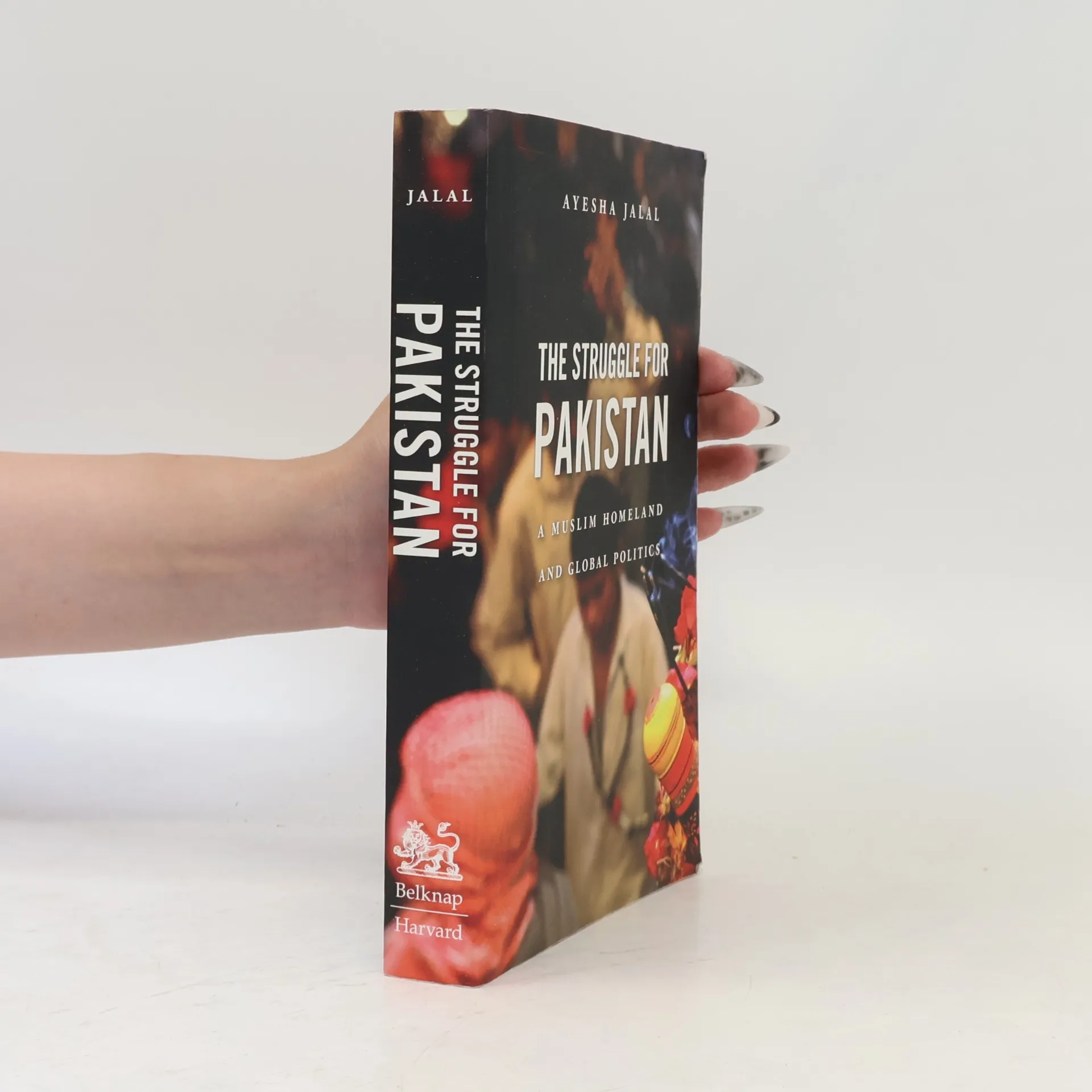
Established as a homeland for India’s Muslims in 1947, Pakistan has had a tumultuous history. Beset by assassinations, coups, ethnic strife, and the breakaway of Bangladesh in 1971, the country has found itself too often contending with religious extremism and military authoritarianism. Now, in a probing biography of her native land amid the throes of global change, Ayesha Jalal provides an insider’s assessment of how this nuclear-armed Muslim nation evolved as it did and explains why its dilemmas weigh so heavily on prospects for peace in the region. “[An] important book...Ayesha Jalal has been one of the first and most reliable [Pakistani] political historians [on Pakistan]...The Struggle for Pakistan [is] her most accessible work to date...She is especially telling when she points to the lack of serious academic or political debate in Pakistan about the role of the military.” —Ahmed Rashid, New York Review of Books “[Jalal] shows that Pakistan never went off the rails; it was, moreover, never a democracy in any meaningful sense. For its entire history, a military caste and its supporters in the ruling class have formed an ‘establishment’ that defined their narrow interests as the nation’s.” —Isaac Chotiner, Wall Street Journal