
Explore the latest books of this year!
Bookbot

Steve Gross

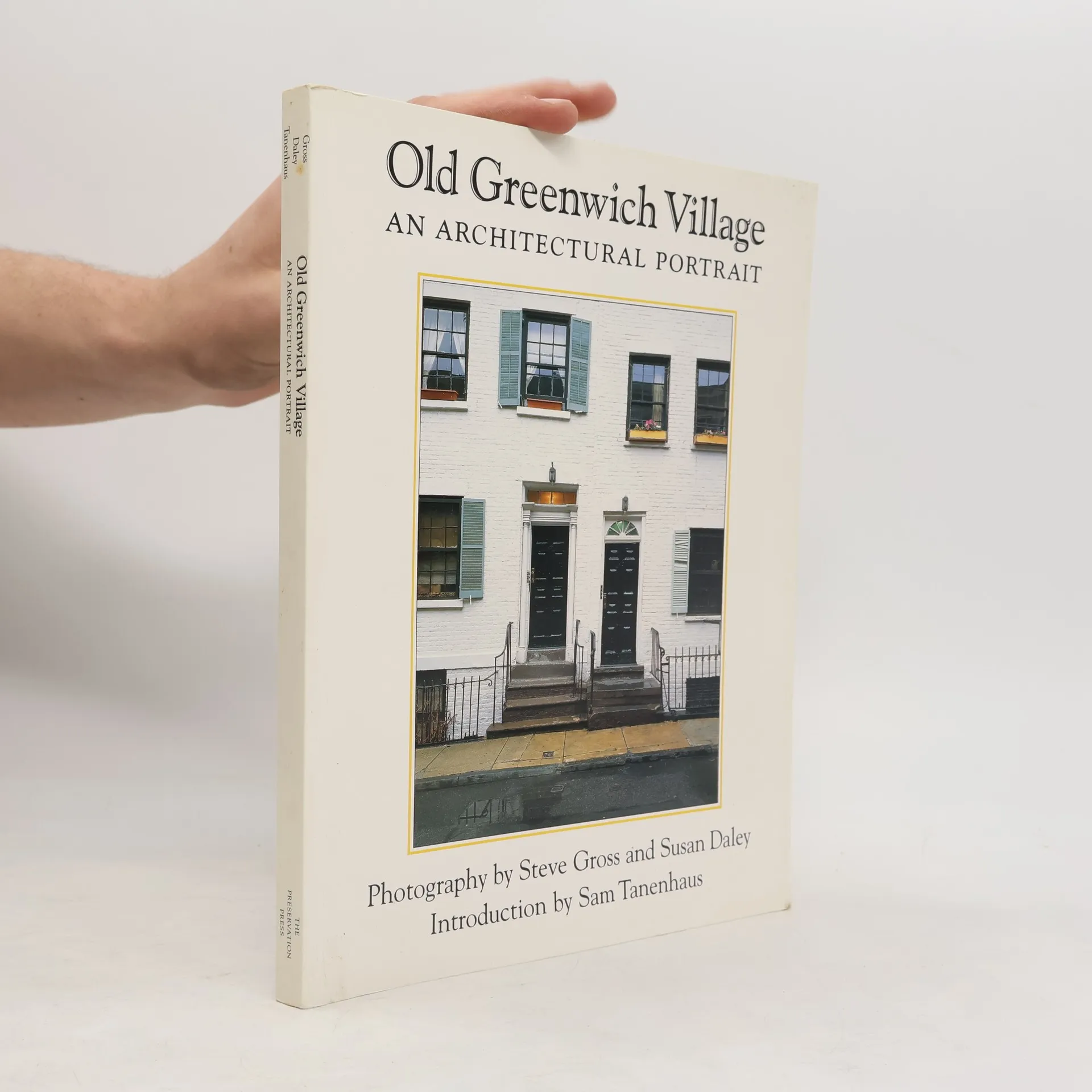
    Old Greenwich Village
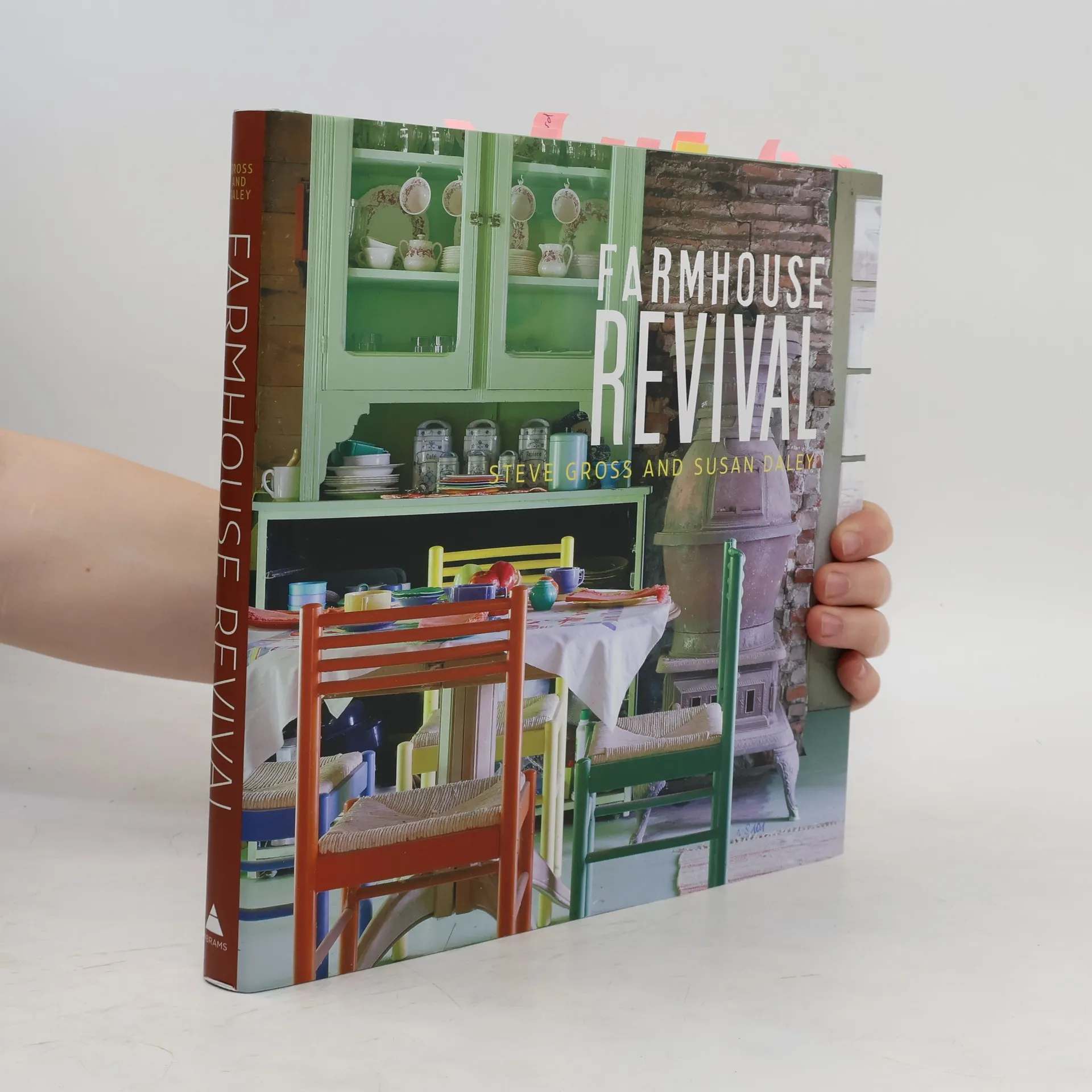
    Farmhouse Revival
    Backroads Buildings
    Creole Houses
    • Creole Houses

      • 192 pages
      • 7 hours of reading

      Creole houses, found from New Orleans to northern Louisiana, are one of the nation’s unique architectural treasures. A blend of French and Spanish colonial styles, with West Indian, Canadian, and other influences, these lovely houses were astutely designed to withstand their sultry, subtropical environment. Significantly, most major examples withstood the devastating hurricanes of 2005. No other book of photography evocatively examines the development of this singular American style, embracing architecture and interior decoration, which thrived from the early eighteenth through the mid-nineteenth century. Creole Houses offers an appreciation of Creole culture as seen through its historic homes and celebrates not only a memorable way of life, but the history, and the unique sensibility, that produced it.

      Creole Houses
      4.2
    • Backroads Buildings

      In Search of the Vernacular

      • 144 pages
      • 6 hours of reading

      Exploring the remnants of working-class commercial architecture from 1870 to 1940, this work offers a poignant examination of the historical significance and cultural impact of these structures. It highlights the stories they tell about the communities they served and the socioeconomic conditions of their time. Through detailed analysis and evocative imagery, the book captures the essence of an era marked by transformation and resilience in the face of changing urban landscapes.

      Backroads Buildings
      3.8
    • Farmhouse Revival

      • 192 pages
      • 7 hours of reading

      "The American farmhouse represents integrity, ingenuity, self-reliance, and agricultural heritage. Today, the farmhouse is a rare survivor from another era that can be found sensitively reinterpreted by artists, carefully preserved by original owners, or functionally maintained by farm-to-table artisanal food producers. In more than 200 stunning images, Steve Gross and Sue Daley have painstakingly photographed 20 of the most beautifully preserved farmhouses in the northeast. Some are working farmhouses that have been passed down in families for generations; some have been made productive again by a whole new generation of organic farmers. Still others have been rescued from neglect and restored to their former splendor. Each house is accompanied by an overview of the farmhouse owner and how he or she maintains the property. Fans of the farm-to-table movement as well as historic architecture and preservation will find this an intriguing and beautiful read"-- Provided by publisher

      Farmhouse Revival
      3.6
    • Old Greenwich Village

      An Architectural Portrait

      • 128 pages
      • 5 hours of reading

      Greenwich Village is best known as the bastion of America's avant-garde, a mecca for artists and writers, free thinkers and blithe spirits. But the Village is also one of the nation's most venerable urban comniunities, rich in social and architectural history. In 1811, ambitious city fathers blueprinted a lock-step grid for the whole of Manhattan. The independent-minded residents of Greenwich vigorously protested. They wanted their rural hamlet to remain a place apart, left to evolve in its own way. They won the fight and to this day the area is distinguished by its web of crooked streets, many crowded with two- and three-story rowhouses seventeen decades old, others lined with charming cafes and bistros. This legacy of independence is also exemplified by the buoyant iconoclasm of Village inhabitants, a Who's Who of artistic and literary America, from Walt Whitman and Henry James to Jackson Pollock and Sam Shepard. The striking color photographs in this volume celebrate the spirit of the Village, the tranquil churchyards and vibrant piazzas, the handsome facades and cheerful storefronts. An introduction surveys the Village's cultural history and evokes its memorable personalities. Above all, Old Greenwich Village captures the neighborhood's exquisite blend of past and present and "the eccentricity that has enabled the Village to remain, after two centuries, truly a village."

      Old Greenwich Village