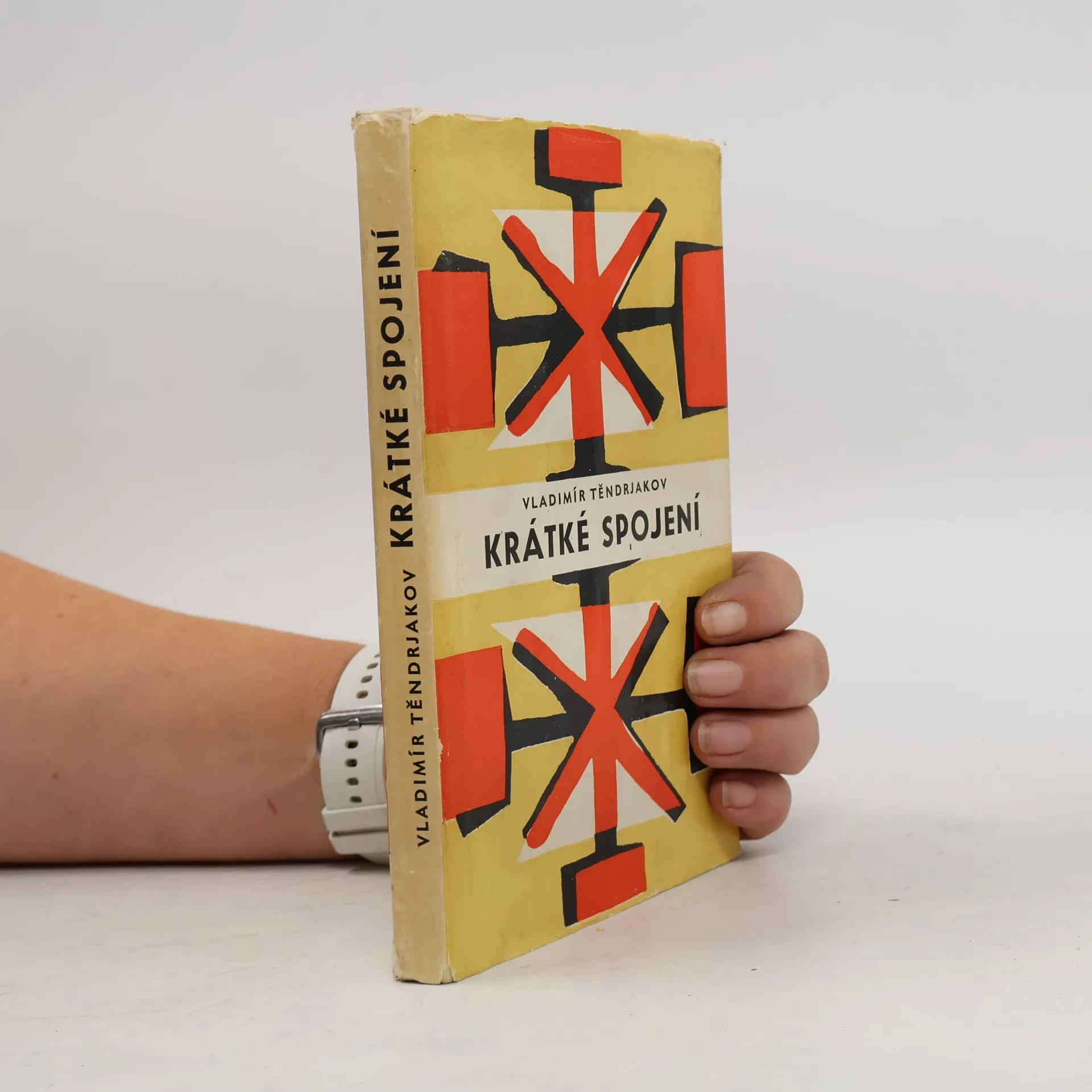
A reckoning of a disillusioned individual, embodying the archetype of the angry citizen and misanthrope. A former civil servant bitterly resides in his basement apartment on the outskirts of St. Petersburg, lamenting the world around him. Although in his forties, he has resigned from his position and lives poorly off a small inheritance. His fury is directed at the "modern man" and the society shaped by him. With unrestrained candor, he recounts his own experiences of failure, alienation, and misunderstandings. As he delves deeper into his personal reckoning, he becomes increasingly relentless in his self-criticism. Dostoevsky's masterful psychological study captivates with the compelling force of a radically honest self and world description.
Ruda Havránková Books

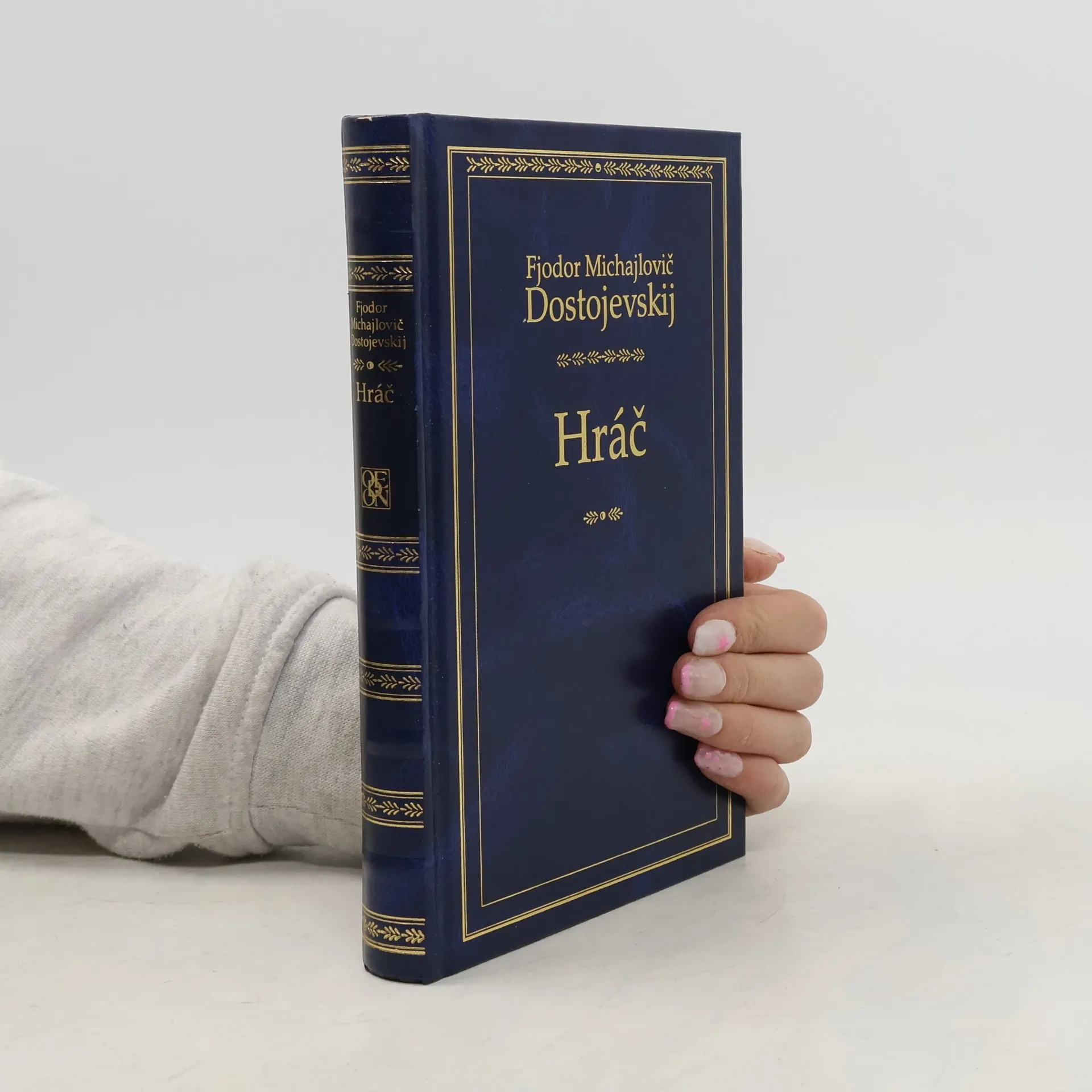

Titulní próza Hráč (1866), kterou sám autor označuje jako román, je mistrovskou, zčásti autobiografickou studií hráčské vášně: v prostředí lázeňského města se odehrává příběh mladého preceptora, jenž se stává obětí kurtizány „mezinárodního formátu“ a končí jako profesionální hráč. Novela Věčný manžel (1870) líčí svérázný způsob problému manželského trojúhelníku - až na to, že tady se podváděný manžel dovídá o svých parohách ex post, po smrti své ženy. Závěrečná Nemilá příhoda je sarkastická povídka o generálovi, který zcela neplánovaně navštíví oslavu svatby svého podřízeného a notně se tam ztrapní....
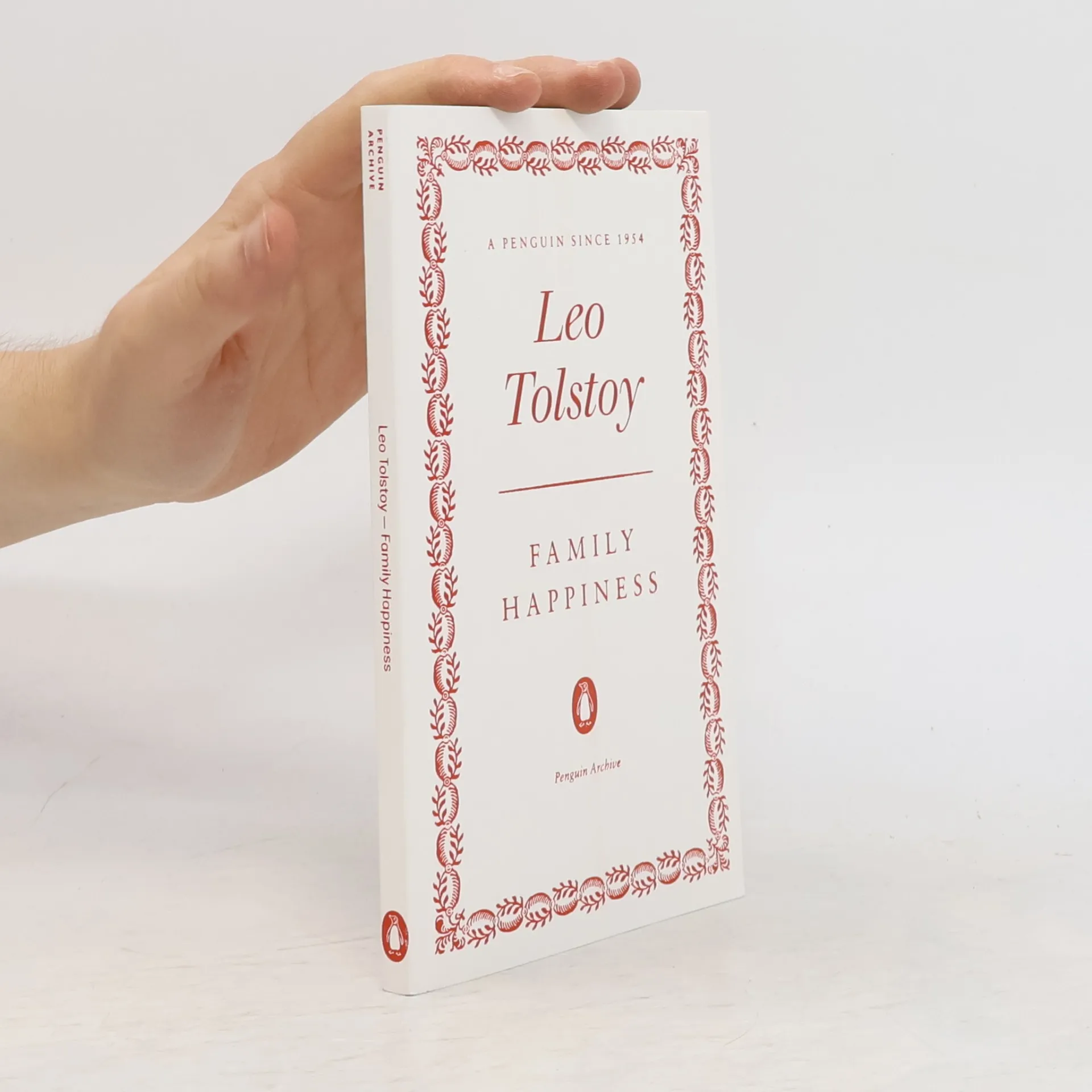
Penguin Archive: Family Happiness
- 144 pages
- 6 hours of reading
'I'm not the sort of husband you dream of when you're walking alone along the avenue in the evening, am I? And it would be a disaster, wouldn't it?' How does love die? This question lies at the heart of Tolstoy's desperately sad novella. It tells the story of seventeen-year-old Masha who, despite their differences, falls passionately in love with an older man, and marries him. Soon, however, the gap between them becomes unbridgeable.
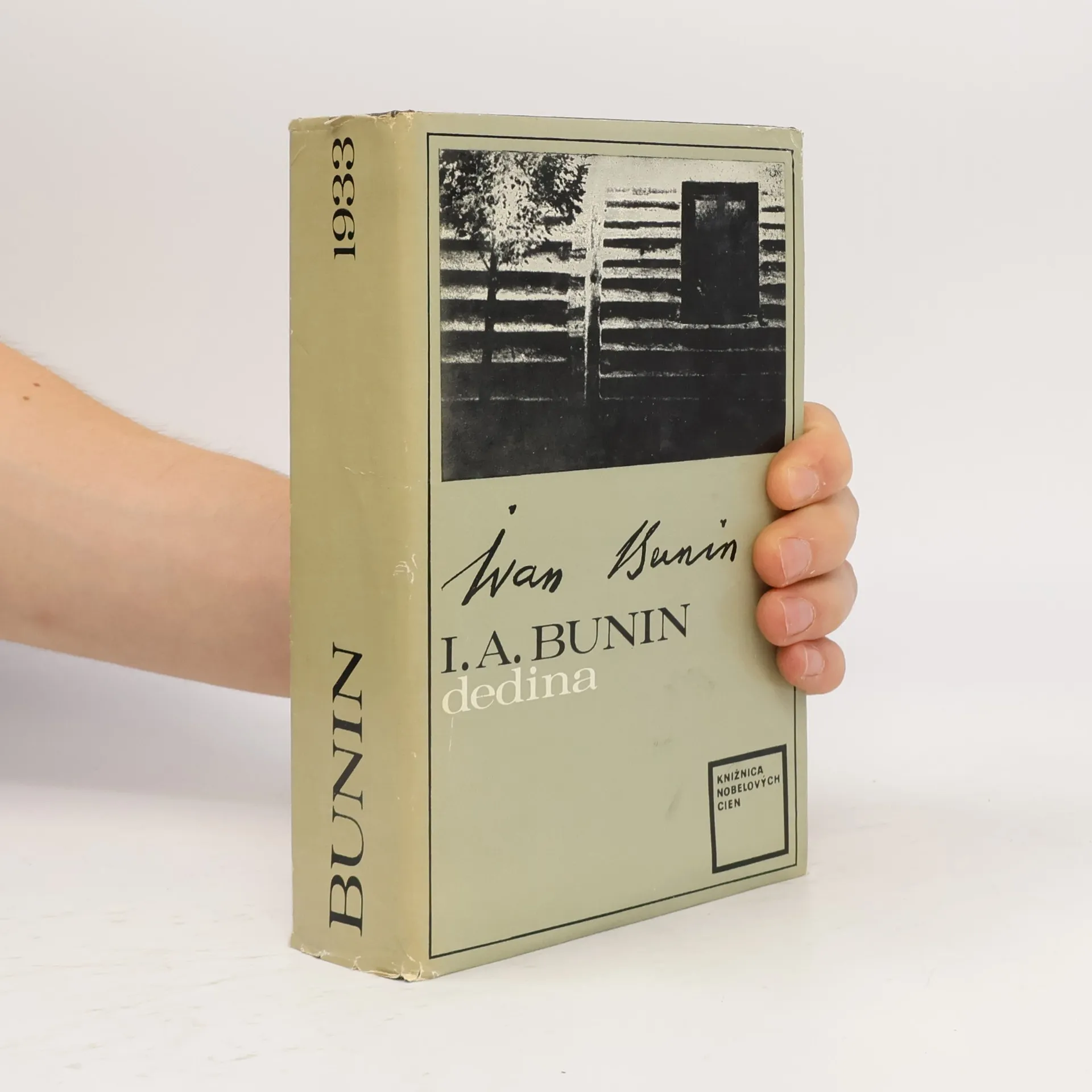
Novela, po prvé uveřejněná v r. 1910, je najzávažnejšou sociálnou prózou významného ruského spisovateľa, ktorý bol v r. 1936 vyznamenaný Nobelovou cenou. Bunin podal v tejto "prozaickej básni plnej žalu a tvrdej, príkré otvorenosti" otřesné záběry z ruského vesnického života na počiatku tohto storočia. "Syrové obrazy hladem zdivočelých a zaostalých rolníkov, zbohatlých a bohatnúcich vydřiduchov a zchudlých šľachticov zo strastiplné doby po porážke revolúcie 1905 sa tu striedajú s lyrikou stesku a melanchólie, s mlhavými a nekonečne smutnými scenériami ruskej stepi a širokých diaľok, s poéziou tamojších ľudových zvykov, priepoviedok a piesní." Ako všetky Buninove diela, aj táto poviedka vyniká formálnou precíznosťou a bohatým kultivovaným jazykom.
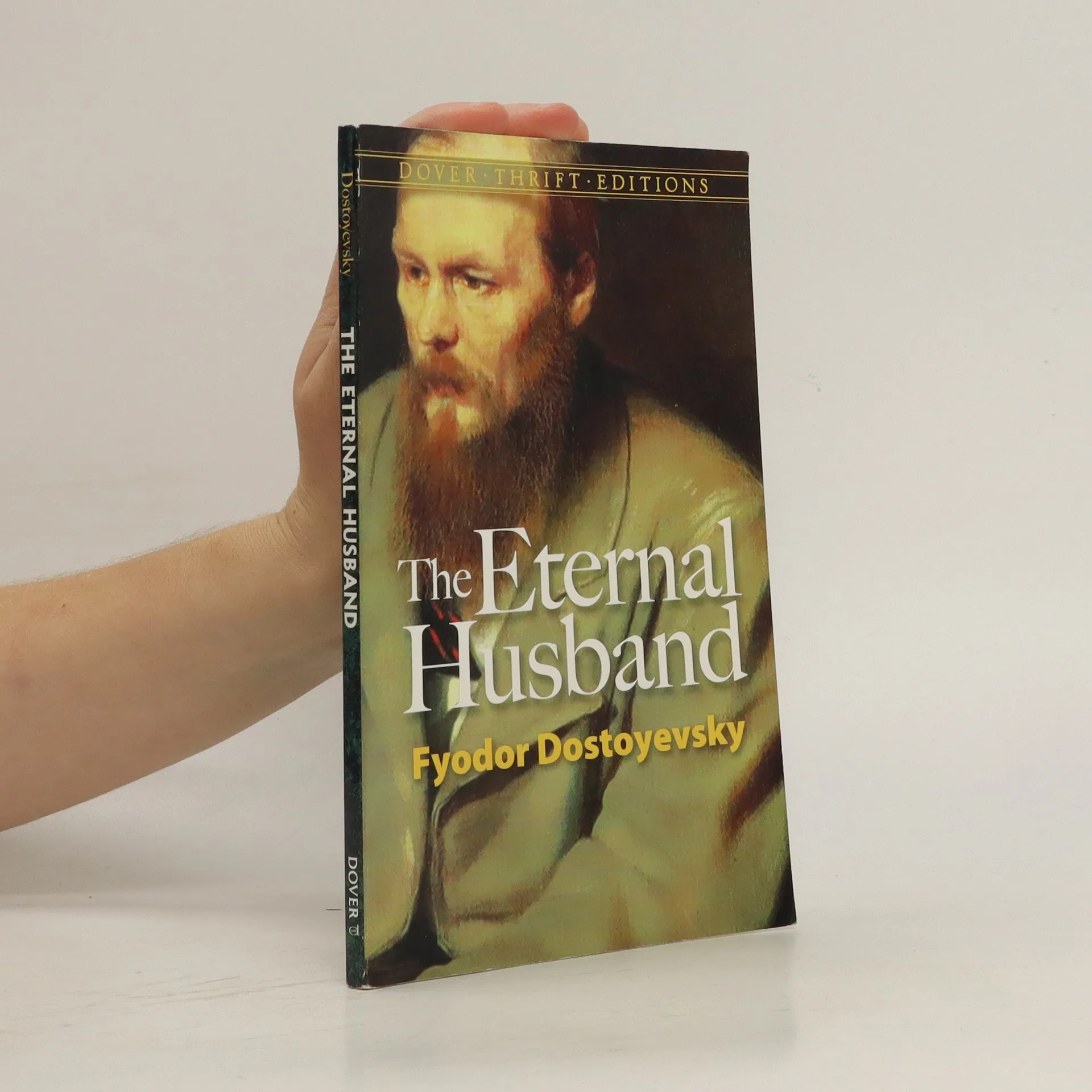
A rich and idle man confronts his dead mistress's husband in this psychological novel of duality. Powerful and accessible, it offers a captivating and revealing exploration of love, guilt, and hatred.
Pod Gediminovou horou je ilustrovaná kniha pro děti. Válka očima chlapce. Moskevský pionýr Míša odjíždí na část prázdnin za svým otcem, náčelníkem vojenské nemocnice v právě osvobozeném Vilně Sovětskou armádou. Prožívá tu mnohá dobrodružství s tamními chlapci, kteří jej uznají za svého vůdce, vytvářejí partu timurovců a pomáhají litevské dívce Anutě najít nacisty odvlečeného otce. Autor dovede mladého čtenáře zaujmout a zároveň nenásilně zdůrazňuje vlastnosti správného pionýra, odsuzuje fašistické barbarství a vychovává k socialistickému vlastenectví.
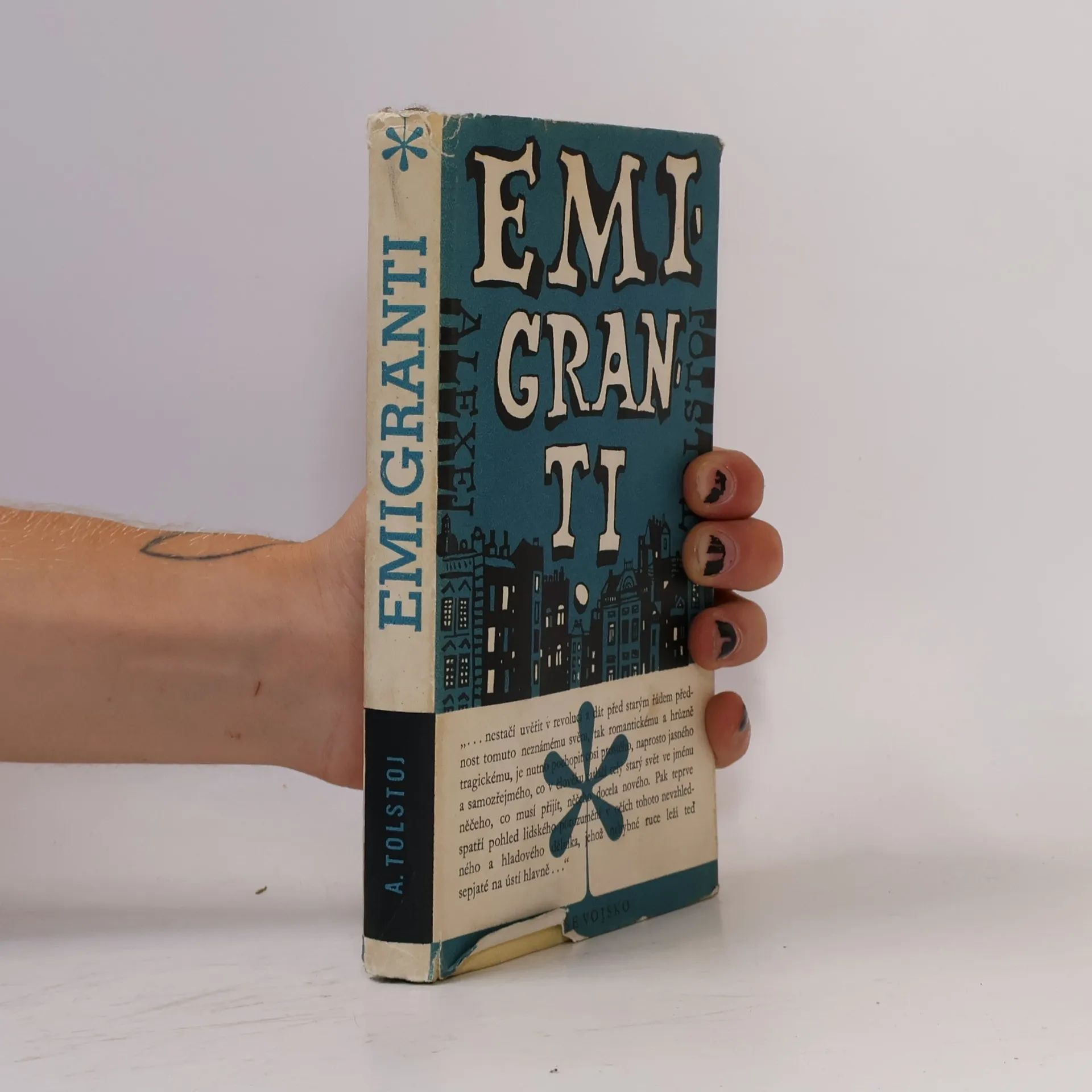
Román význačného sovětského spisovatele je analýzou pocitů ruských emigrantských ztroskotanců (r. 1919-1920), chmurný příběh lidí zradivších svou rodnou zem. (Román vyšel naposled u nás po válce pod názvem "Černé zlato".)