

Exploring the essence of humanity, this book delves into the philosophical inquiries surrounding human nature, identity, and existence. Jason Eberl examines the interplay between mind, body, and soul, drawing on Thomas Aquinas's insights while contrasting them with modern theories like substance dualism and animalism. The text addresses critical questions about the beginning of human life and the definition of death, ultimately advocating for the Thomistic perspective as a comprehensive understanding of human existence from conception to beyond.
Jason T. Eberl Books
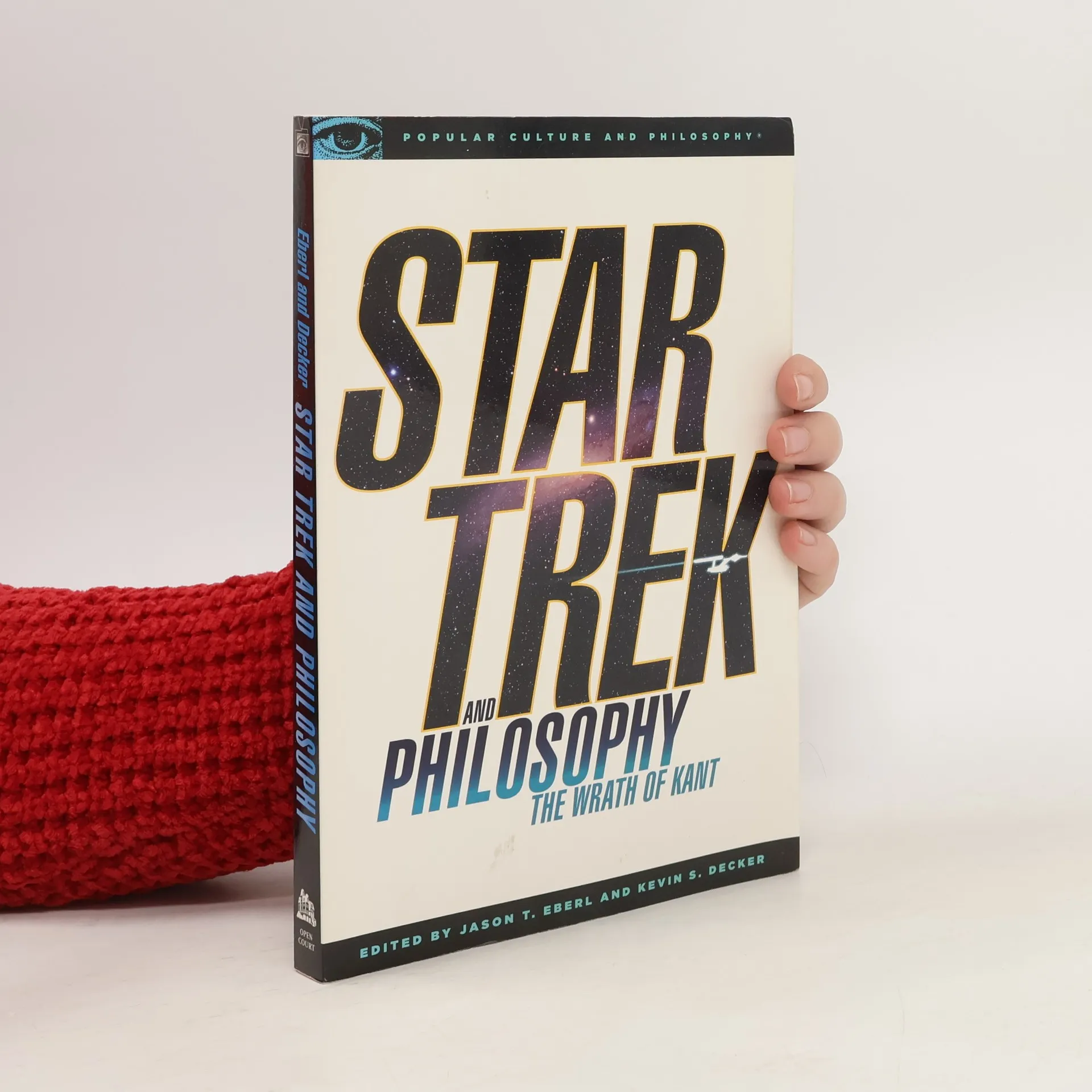

Star Trek and Philosophy
- 287 pages
- 11 hours of reading
Philosophy and space travel are characterized by the same fundamental purpose: exploration. An essential guide for both philosophers and Trekkers, Star Trek and Philosophy combines a philosophical spirit of inquiry with the beloved television and film series to consider questions not only about the scientific prospects of interstellar travel but also the inward journey to examine the human condition. The expansive topics range from the possibilities for communication among different cultural backgrounds to questions about the stoic temperament exhibited by Vulcans to Ferengi business practices. Specifically chosen to break new ground in exploring the philosophical dimensions of Star Trek, these articles boldly go where no philosopher has gone before.
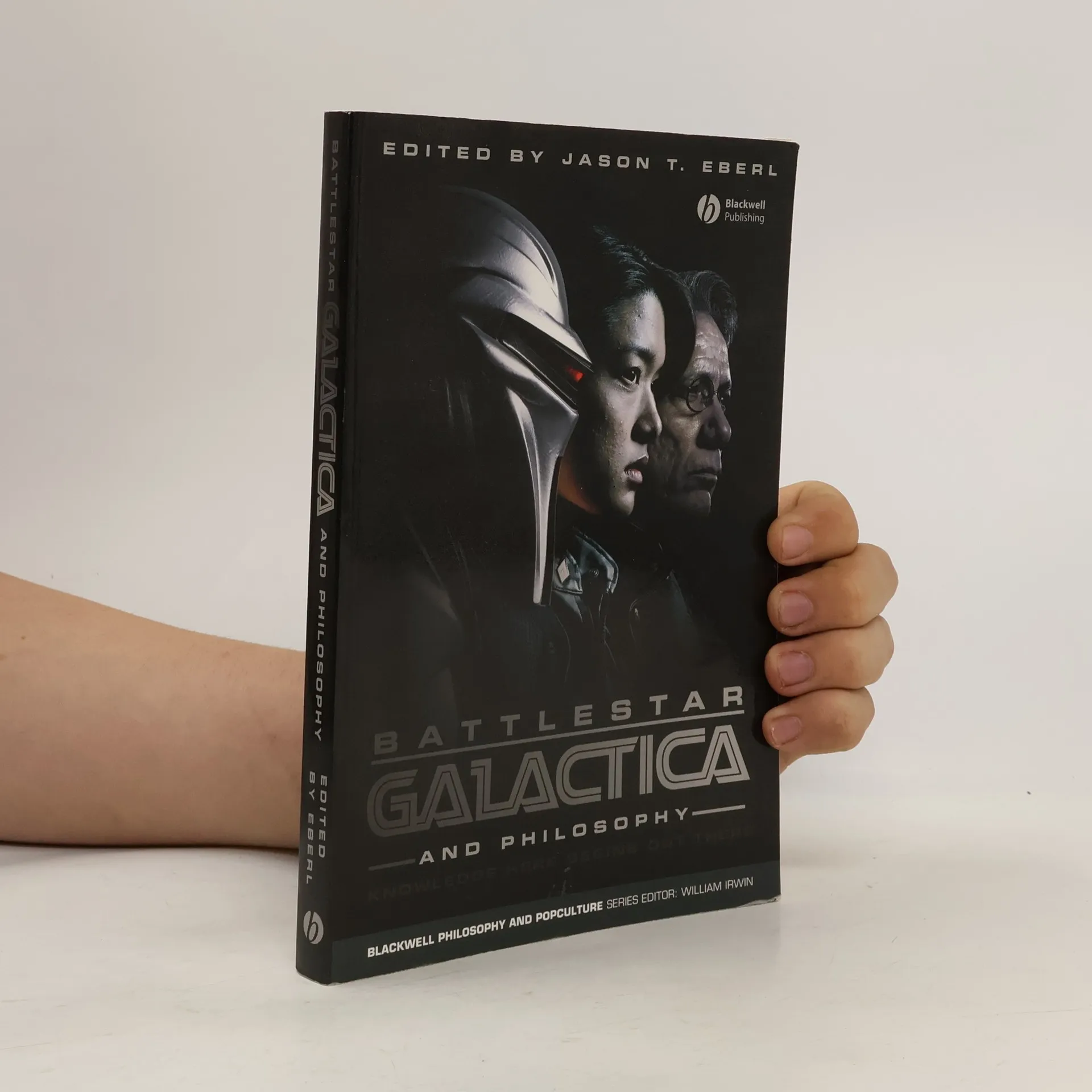
Blackwell Philosophy and Pop Culture Series: Battlestar Galactica and Philosophy
Knowledge Here Begins Out There
- 288 pages
- 11 hours of reading
What's the point of living after your world has been destroyed? This is one of many questions raised by the Sci-Fi Channel's critically acclaimed series Battlestar Galactica. More than just an action-packed "space opera," each episode offers a dramatic character study of the human survivors and their Cylon pursuers as they confront existential, moral, metaphysical, theological, and political crises.This book addresses some of the key questions to which the Colonials won't find easy answers, even when they reach Earth: Are Cylons persons? Is Baltar's scientific worldview superior to Six's religious faith? Can Starbuck be free if she has a special destiny? Is it ethical to cut one's losses and leave people behind? Is collaboration with the enemy ever the right move? Is humanity a "flawed creation?" Should we share the Cylon goal of "transhumanism"? Is it a really a big deal that Starbuck's a woman?