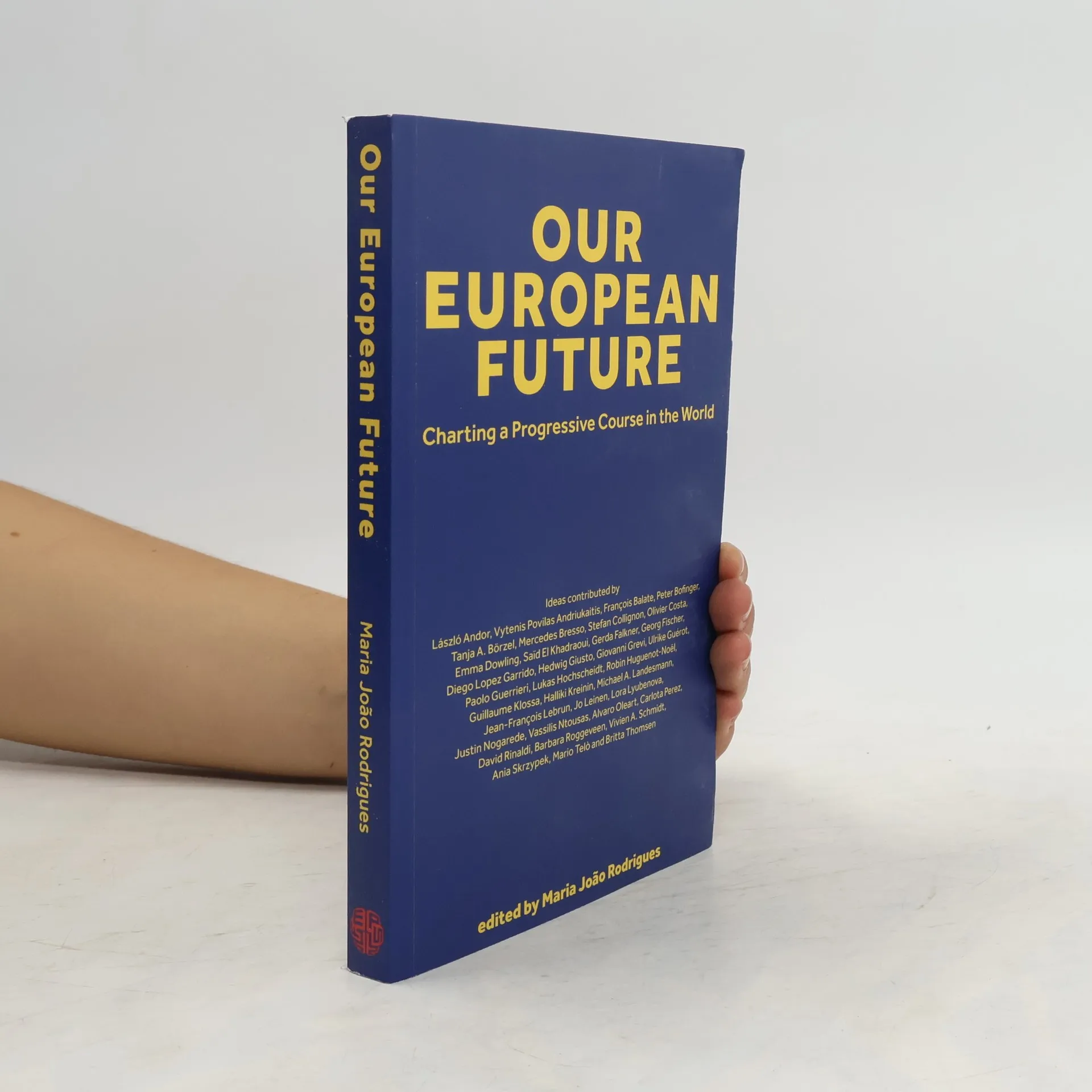
The world is facing many great challenges: from pandemics to climate change, and from increasing inequality to the issues surrounding digitalization. In a new and rapidly changing global landscape, Europe must look for solutions to these difficulties to follow up on its impressive decades-long process of integration. Europe has the capacity to chart a progressive course in the world. Our European Future offers solutions to rethink our socioeconomic model in the glare of the environmental and digital transformations; to redefine Europe's role in the world to contribute to renewed multilateralism; to strengthen investment in public goods; and finally, to re-invent our democratic contract. The book brings together the insights of renowned experts from across Europe, and it should prove a handy guide for any progressive thinker, policymaker or activist, and for any citizen who would like to take part in the necessary democratic debate about our future. This book, edited by Maria João Rodrigues with the collaboration of François Balate, is a first contribution from the Foundation for European Progressives Studies to the Conference on the Future of Europe and beyond.
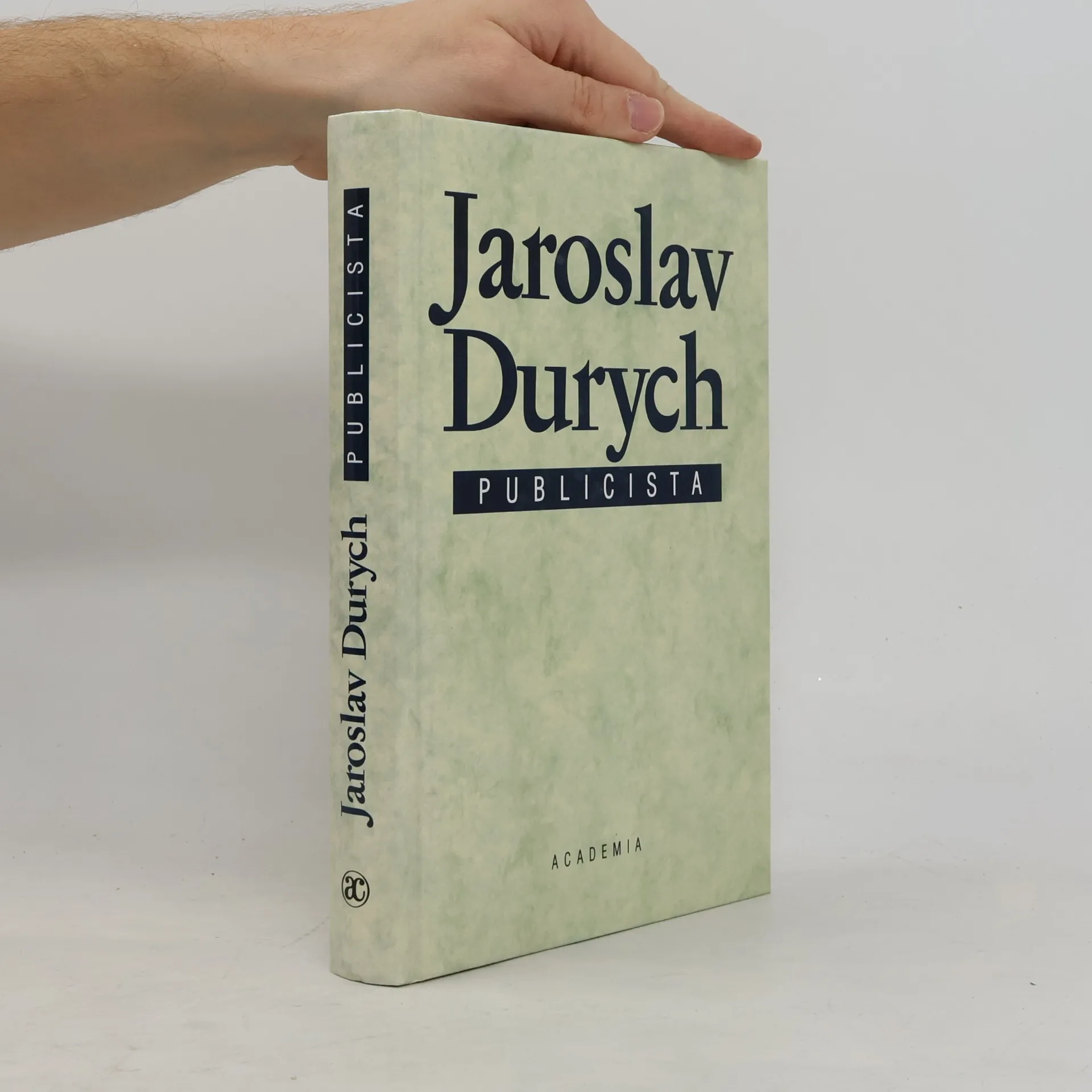
Jaroslav Durych Books
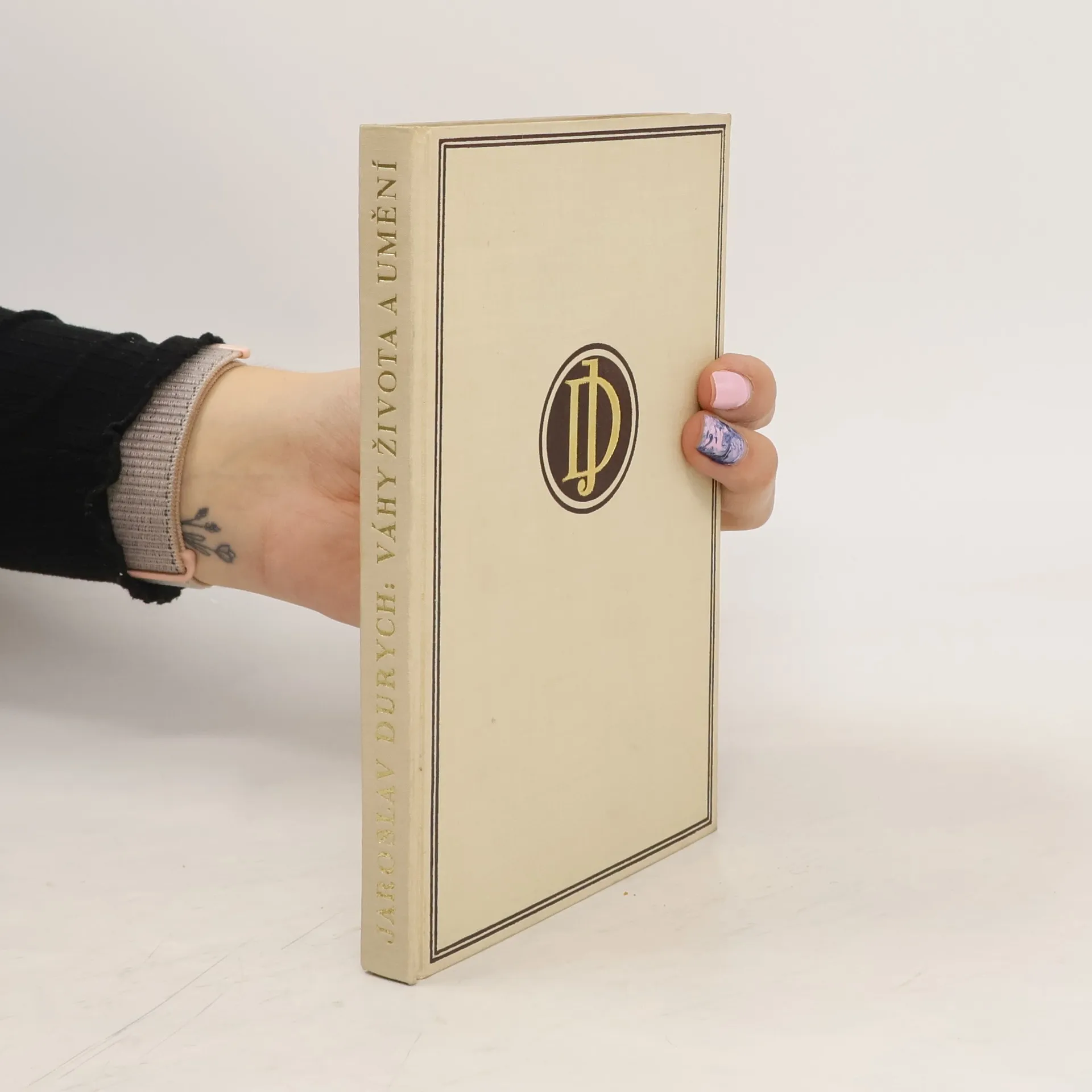
- Jaroslav Žabka

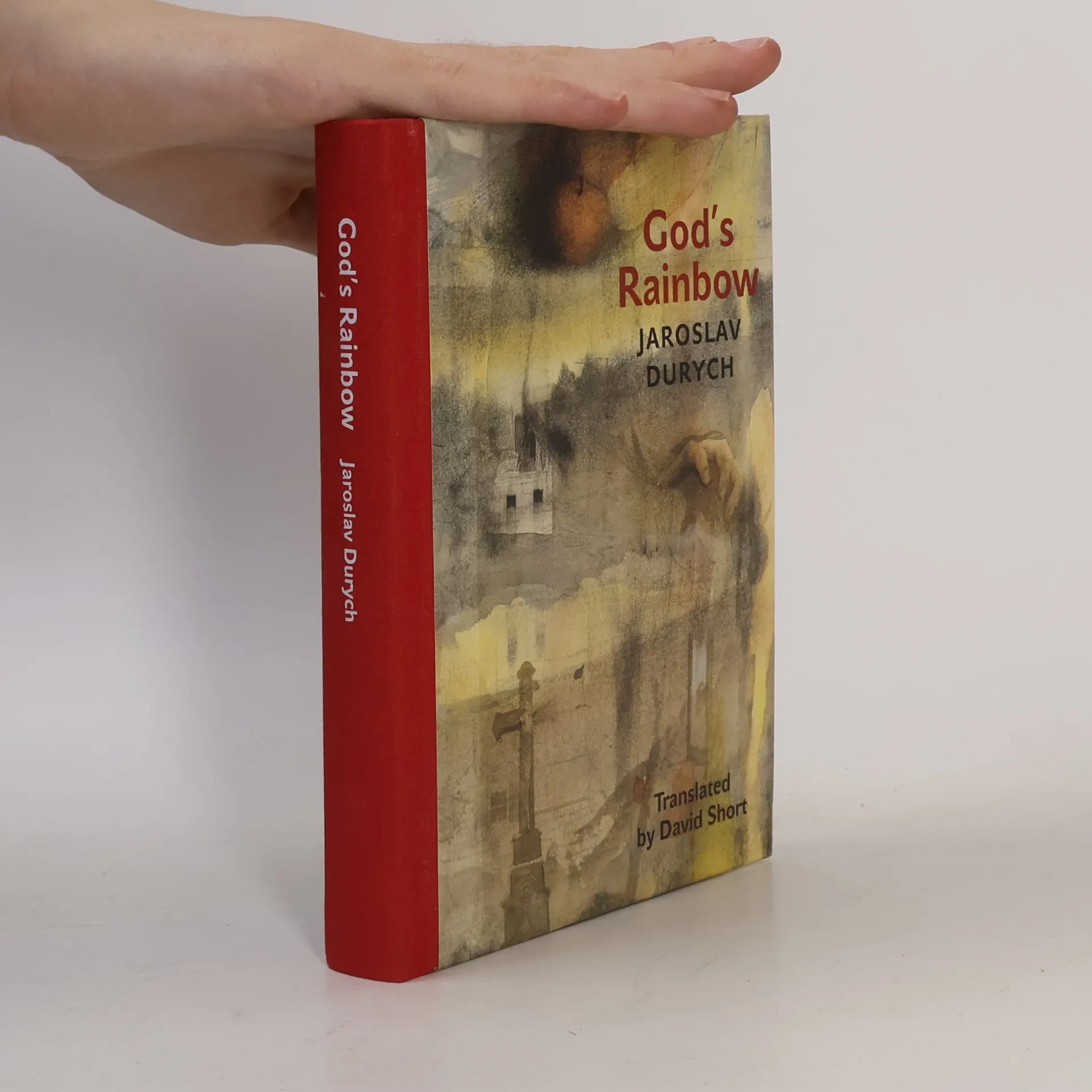
God's Rainbow
- 256 pages
- 9 hours of reading
Kniha o kolektivní vině, individuálním osudu a pokání. Autor se ptá, jak se stáváme odpovědnými za zločiny, kterých jsme se přímo nedopustili a ani jsme neměli sílu jim zabránit. Děj příběhu se odehrává v československém pohraničí krátce po druhé světové válce za odsunu německého obyvatelstva. Hlavními postavami jsou starší Čech a mladá Němka, a především atmosféra krajiny po katastrofě. Jaroslav Durych se svým poetickým a hluboce symbolickým románem vyrovnává s moderní dobou bez Boha a bez naděje. Boží duha se řadí mezi vrcholná Durychova díla.
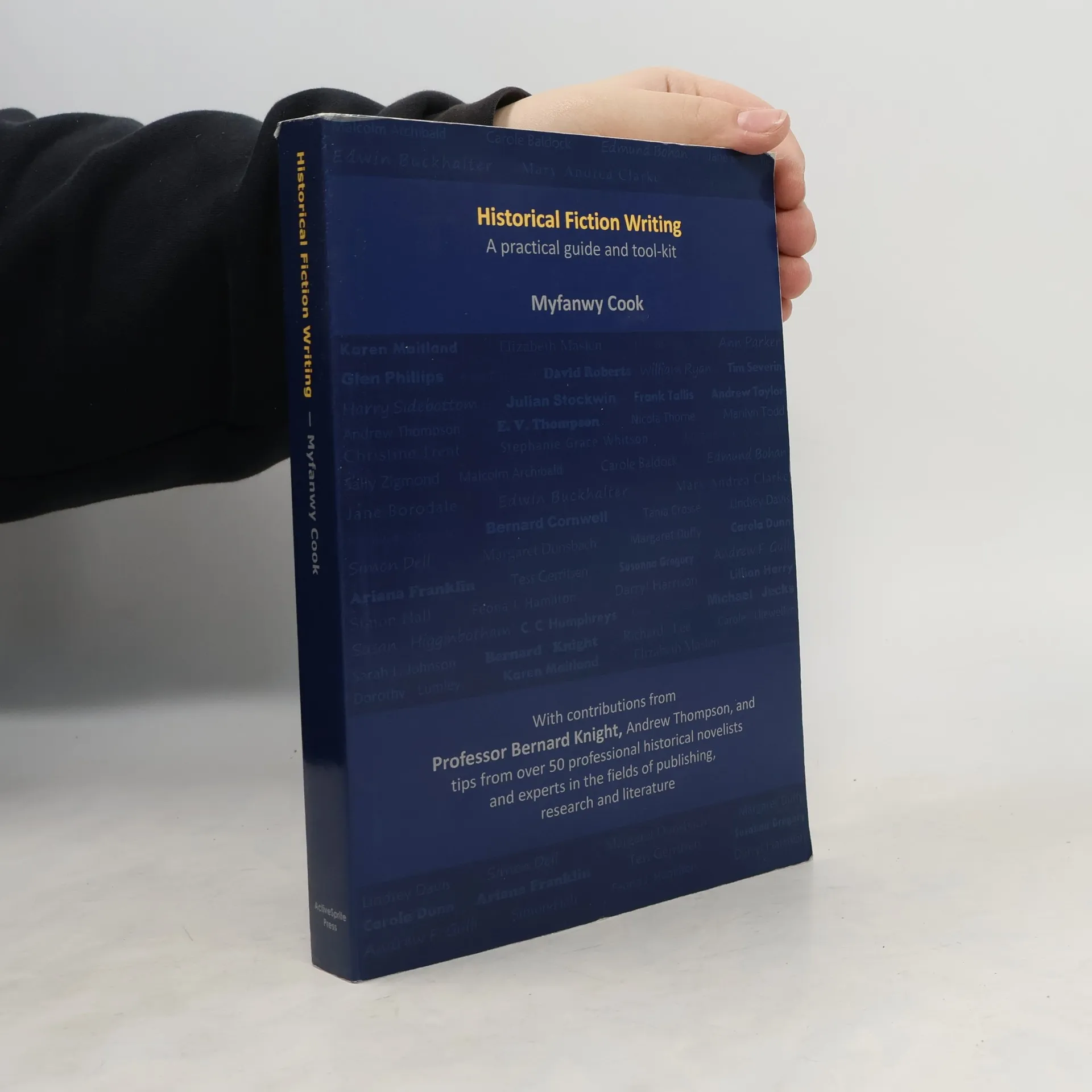
Revised edition featuring an interactive table of contents, cross-referencing, links to external websites, downloadable resources, and optimized content for Kindle e-readers. This historical writers’ guide aims to equip aspiring writers with the essential skills for crafting historical novels and short stories. It also serves experienced writers looking to refine their craft or transition to historical fiction. The step-by-step format includes practical activities that encourage experimentation with techniques necessary for creating authentic and engaging historical narratives. Organized into seven main headings, each chapter focuses on a specific writing skill or tool, allowing for independent use to address particular challenges or reinforce concepts introduced. The guide aims to provide the necessary tools for writing in various historical subgenres, including historical crime fiction. Contributions from notable historical fiction writers offer insights that both complement and challenge the activities, providing a diverse perspective on the craft. The activities stem from innovative workshops led by Myfanwy Cook, a published author with numerous accolades. She emphasizes that mastering writing is akin to an apprenticeship, requiring practical skills, imagination, and a commitment to the craft. This guide seeks to fill gaps in knowledge and inspire aspiring writers by enhancing their confidence and skills in historical fi
Dividend on death
- 221 pages
- 8 hours of reading
The first Mike Shayne novel. The redheaded private eye meets his wife while solving a murder case.
Methods of Hormone Analysis
- 568 pages
- 20 hours of reading
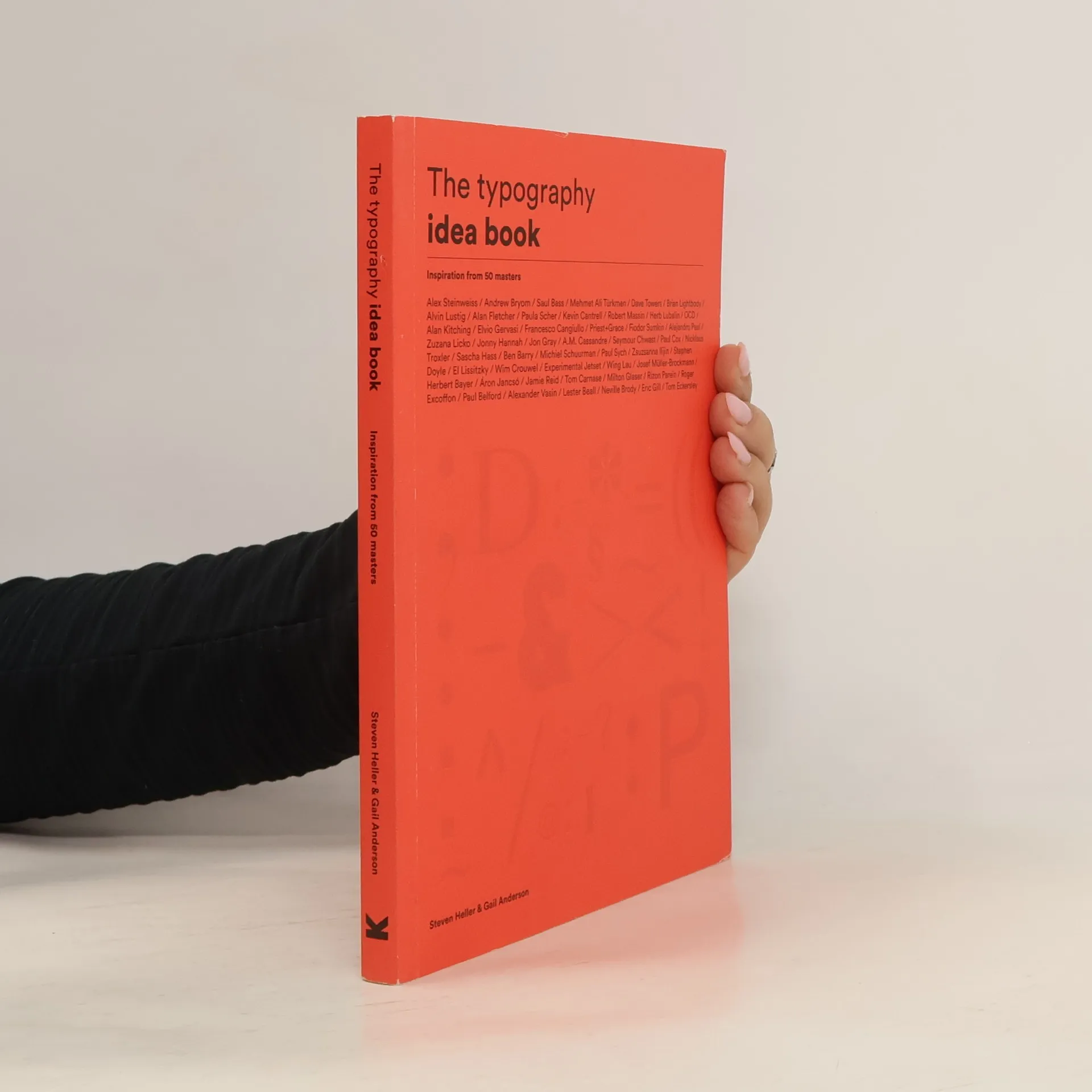
This book serves as an introduction to the key elements of good typographic design. Broken into sections covering the fundamentals of typography, the book features inspiring works by acclaimed typographic designers from across the world. Each section illustrates technical points and encourages readers to try out new ideas of their own. The subjects covered include typographic rebus, abstract form, overlapping, using grids, metaphoric construction and illumination. The result is an instantly accessible, jargon-free guide to typographic design using professional techniques
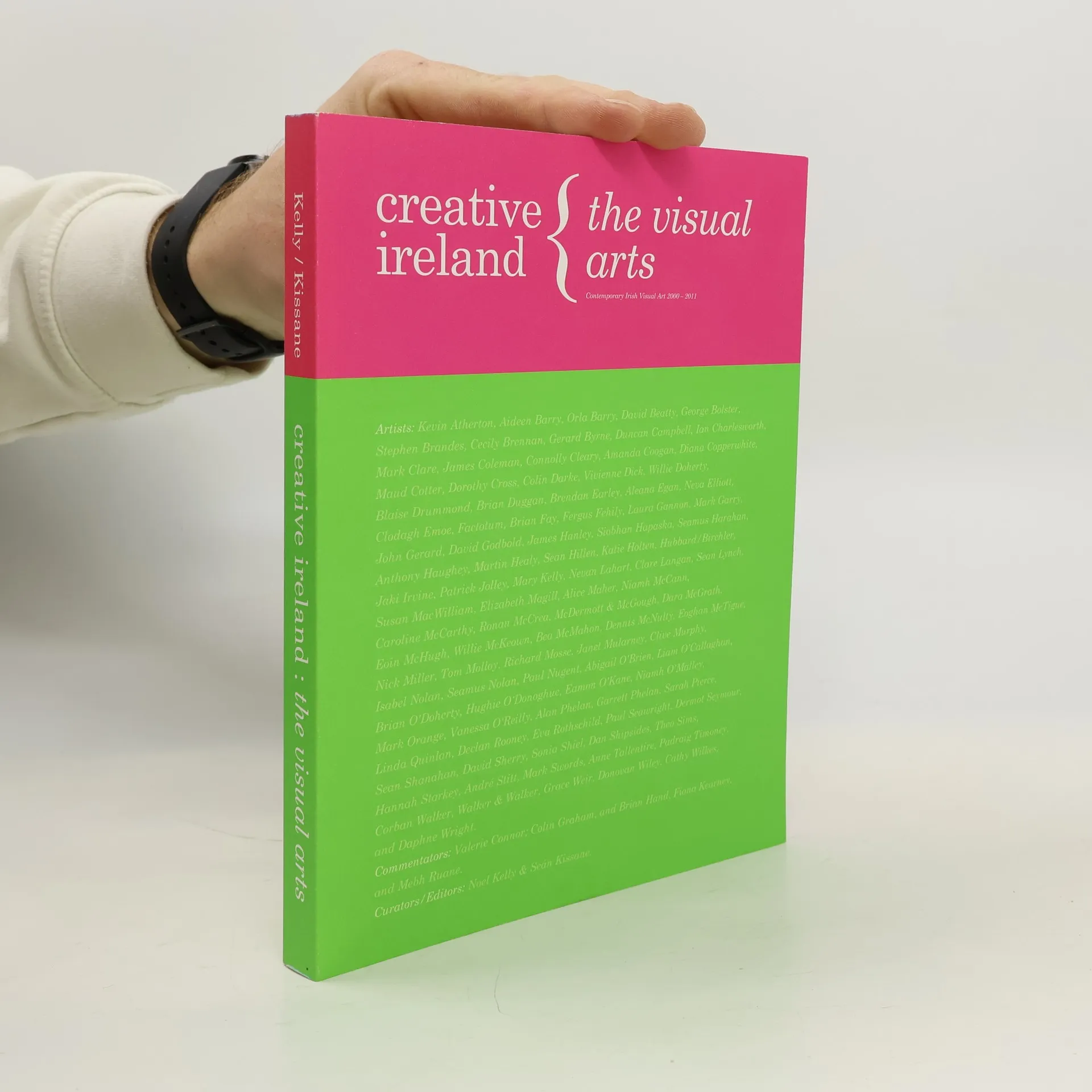
Creative Ireland
The Visual Arts, Contemporary Visual Arts in Ireland 2000-2011
- 244 pages
- 9 hours of reading
100 Irish Artists, 100 Colour Plates. 6 Commentaries from respected writers such as: Mebh Ruane, Colin Graham, Valerie Connor, Fiona Kearney, Brian Hand and Noel Kelly - Creative Ireland: The Visual Arts will fast become the most desirable visual arts book this season. Creative Ireland: The Visual Arts presents an attractive record of the early 21st century contemporary visual arts in Ireland with 100 artists who have been selected for their specific contribution to the contemporary arts in the first years of the 21st Century. Aimed at a general audience, as well as the art connoisseur and enthusiast, each artist is profiled with an iconic example of their practice shown in full colour. The texts are engaging as they explain Ireland within the context of the early 21st century, and the impact that this has had socially, economically and culturally. The book is in an attractive format, and is priced at a level that makes it affordable.
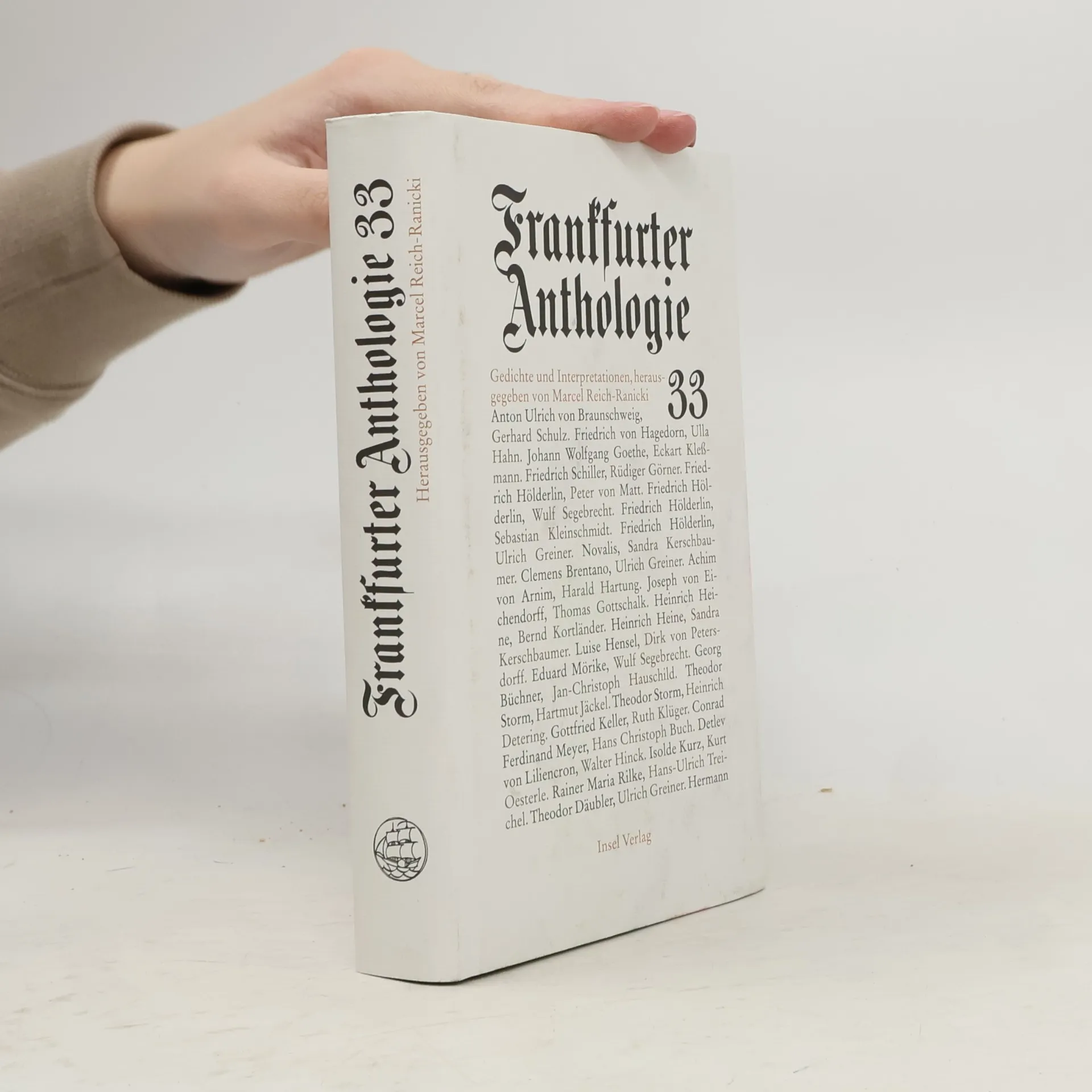
Frankfurter Anthologie
- 318 pages
- 12 hours of reading
Vor über fünfunddreißig Jahren, am 15. Juni 1974, startete Marcel Reich-Ranicki ein in der europäischen Literaturgeschichte einmaliges Unternehmen: Unter dem Motto »Der Dichtung eine Gasse« stellt er seitdem in jeder Samstagsausgabe der Frankfurter Allgemeinen Zeitung Gedichte aus sämtlichen Epochen deutscher Lyrik vor, jedes erläutert von einem namhaften Interpreten. Die Bände der Frankfurter Anthologie fassen die Gedichte und Interpretationen eines Jahrgangs zusammen. Mit dem dreiunddreißigsten Band liegen insgesamt über 1750 Gedichte vor.
Zukunft seit 1560: Die Chronik
Von der Kunstkammer zu den Staatlichen Kunstsammlungen Dresden
- 231 pages
- 9 hours of reading
Deutscher Kunstverlag, Berlin, (2010). 286 S., Pbd. mit Lesebndchen, quart - neuwertig -
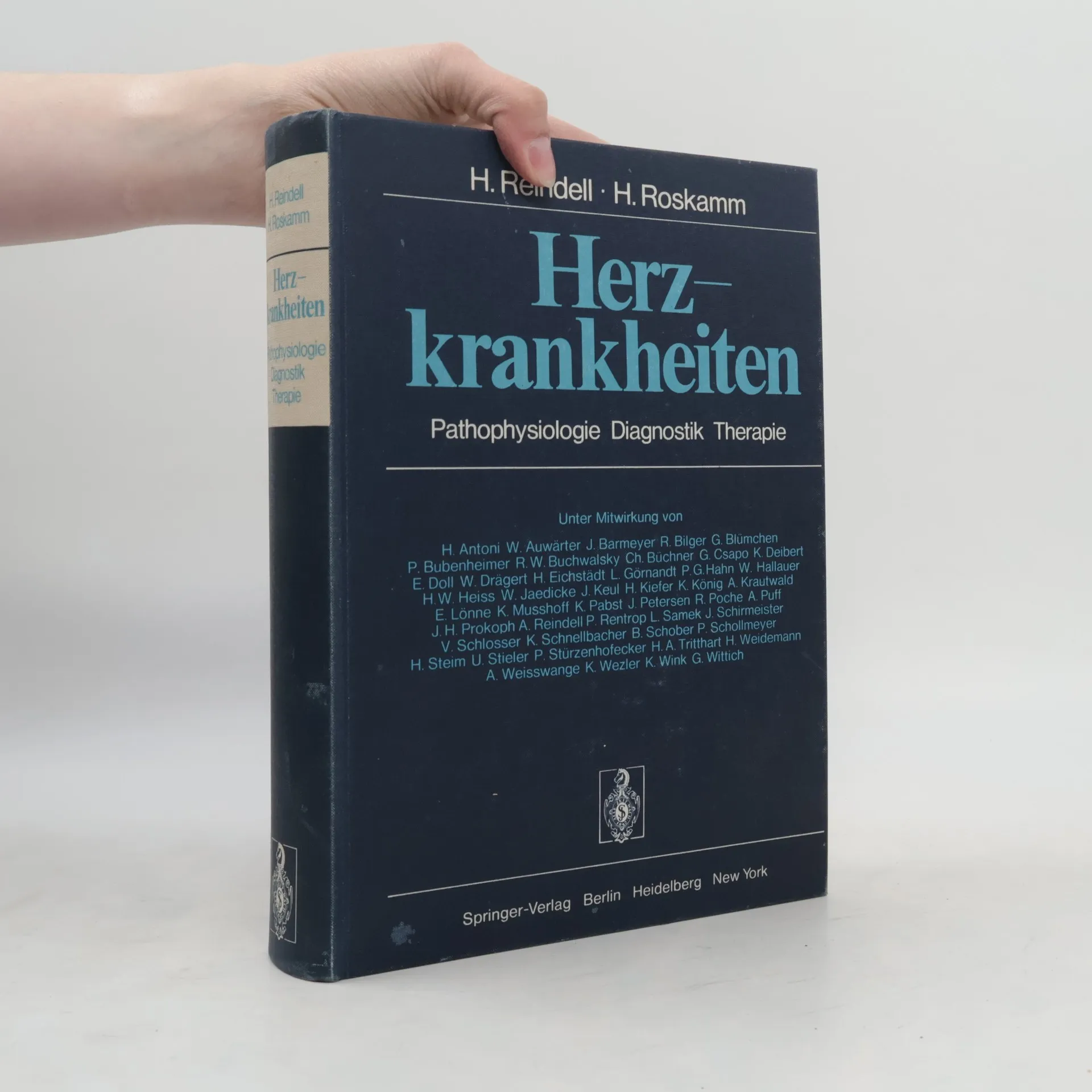
Herzkrankheiten
Pathophysiologie Diagnostik Therapie
German
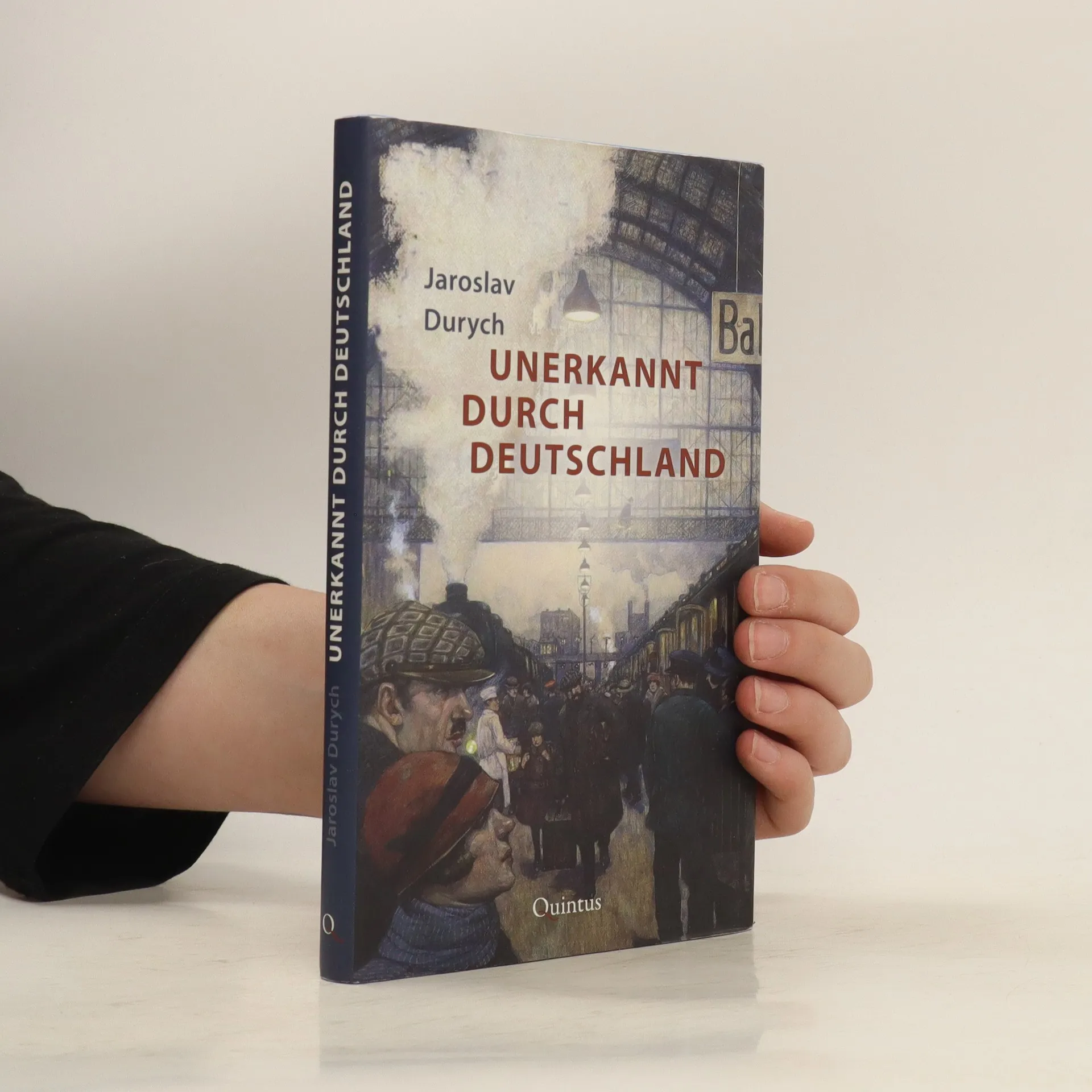
Unerkannt durch Deutschland
- 120 pages
- 5 hours of reading
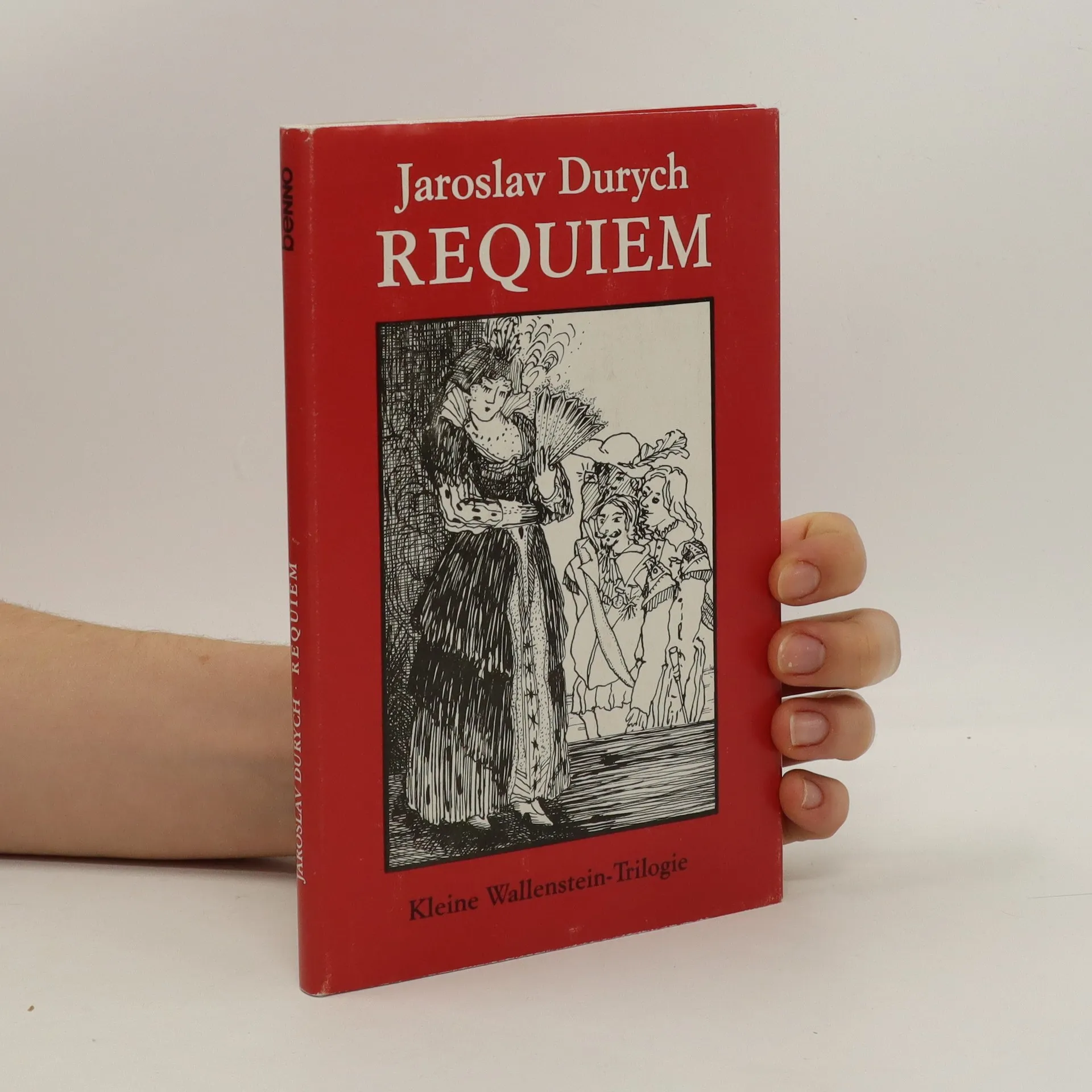
Als der tschechische Schriftsteller und Militärarzt Jaroslav Durych 1925 zu einer Reise durch Deutschland aufbricht, scheint er dies fast widerwillig zu tun: Nicht reizvolle Landstriche, nicht die Deutschen und ihre Kultur locken ihn, sondern ein lang gehegtes Interesse für Wallenstein, den legendären Feldherrn im Dreißigjährigen Krieg. Doch bringt Durych weder eine Beschreibung historischer Schlachten noch eine klassische Reisereportage zu Papier. Wortgewaltig und assoziativ erzählend zeigt er Leipzig, Berlin, Magdeburg, Stralsund und andere Orte in einem originellen, oft ironischen, mitunter bedrückenden Licht. Die Gegenwart verschmilzt mit der Vergangenheit; Klischees werden unbefangen aufgegriffen und entlarvt. Glaubt Durych zunächst, „in die Hölle“ zu reisen und sich im „Land ohne Lachen“ verbergen zu müssen, kommt ihm Deutschland am Ende wie ein Märchen von schauriger Schönheit vor. Thomas Mann äußerte sich begeistert über den späteren großen Wallenstein-Roman Durychs und war überzeugt, „dass der Name dieses Autors ein Weltname“ werden würde.
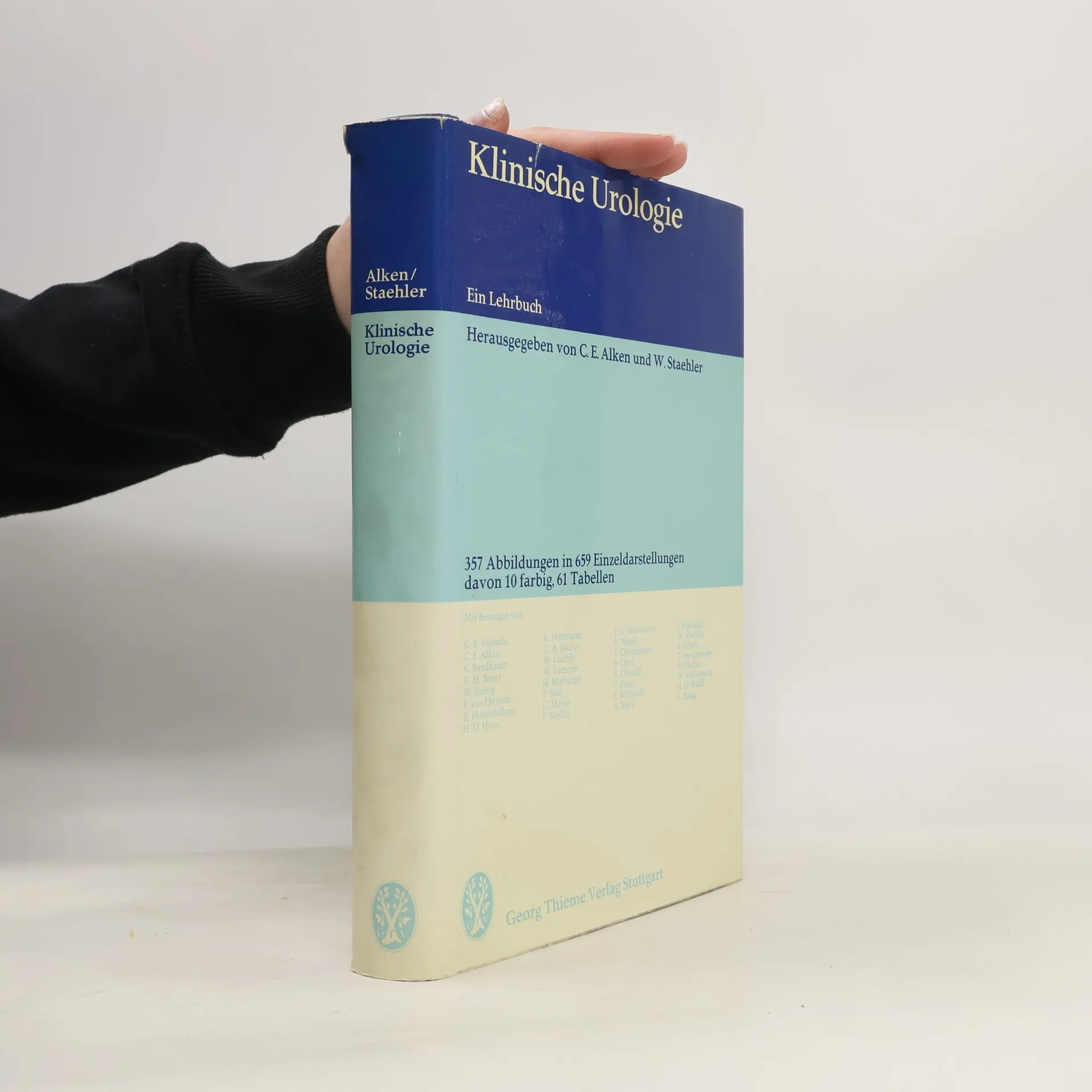
Klinische Urologie
Ein Lehrbuch; 61 Tab. hrsg. von C. E. Alken; W. Staehler. Mit Beitr. von K.-F. Albrecht
- 611 pages
- 22 hours of reading
Epilepsiebedingte Hirnschäden, psychogene Anfälle, audiovisuelle Anfallanalyse
- 269 pages
- 10 hours of reading
Spurenelemente
Analytik, Umsatz, Bedarf, Mangel und Toxikologie: Symposium in Bad Kissingen 1977
- 199 pages
- 7 hours of reading
Beta-adrenerge Blocker und Hochdruck
internationales Symposium Rottach-Egern/Tegernsee, West-Germany 30. Oktober - 1. November 1975 = Beta-Adrenergic Blockers and Hypertension
- 210 pages
- 8 hours of reading
German, English
Praxis der Immunologie
- 553 pages
- 20 hours of reading
Sous-vide-Grundkochbuch
Wissen und Rezepte von Spitzenköchen und Experten
- 463 pages
- 17 hours of reading
Protokolle '71
Wiener Halbjahresschrift für Literatur, bildende Kunst und Musik
Interdisziplinäre Gastroenterologie: Entzündliche Erkrankungen des Dickdarms
- 332 pages
- 12 hours of reading
Unter Mitarbeit zahlreicher Fachwissenschaftler
Halbzeit
Fünfzig 50-Jährige zur Schweiz: Provokationen, Optionen, Visionen
- 297 pages
- 11 hours of reading
German, French, Italian
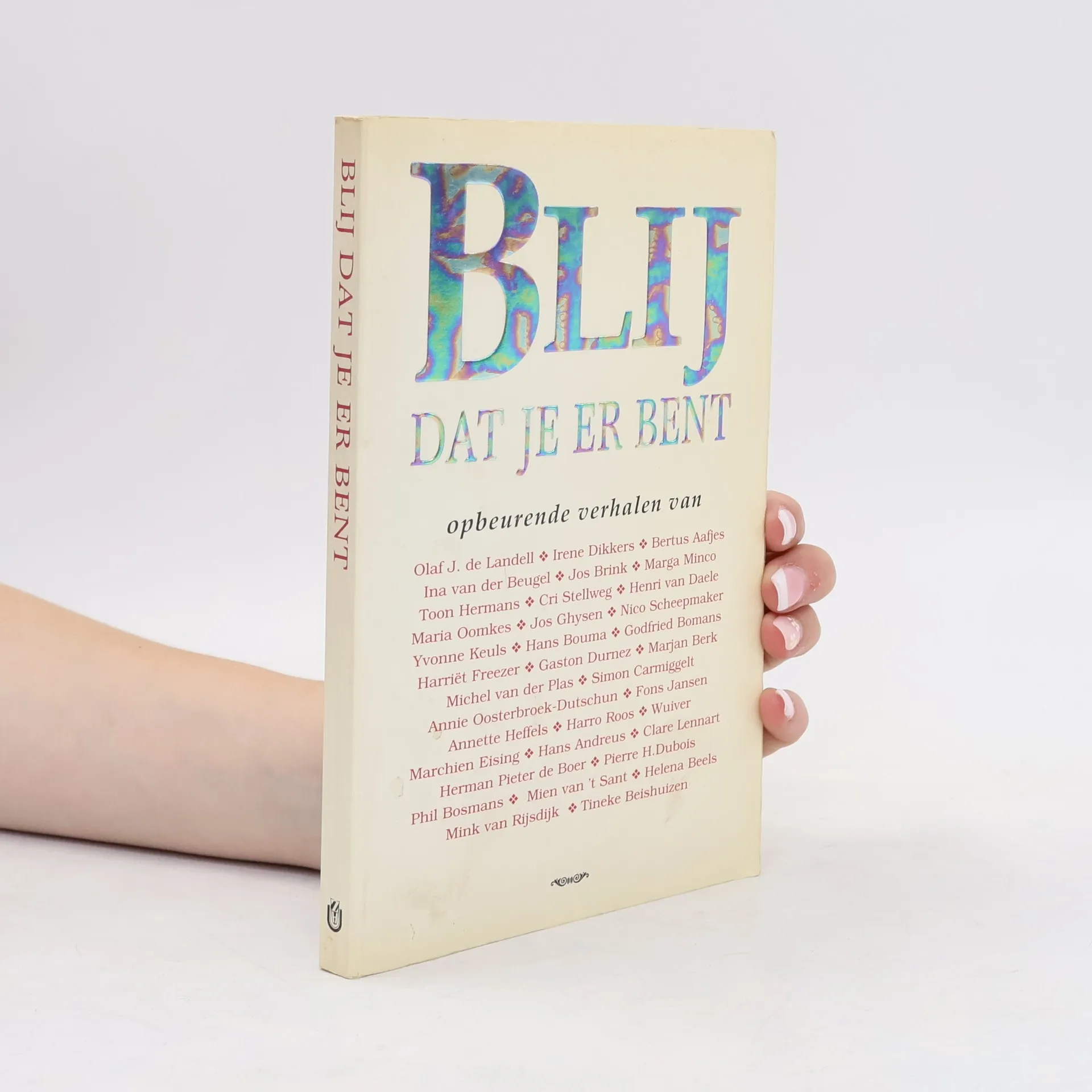
Blij dat je er bent
- 128 pages
- 5 hours of reading
Vierendertig zeer korte verhalen en twee gedichten, bedoeld om de lezer een hart onder de riem te steken. De samenstellers combineren Jos Brink met Marga Minco en Mien van 't Sant met Marjan Berk of zoals de flaptekst zegt 'bekende en geliefde' Nederlandse hedendaagse auteurs. Het resultaat is een allegaartje waar geen lezerskring voor te definiren valt. Dat mensen door lezing van deze bundel met moeilijke momenten verzoend raken, zoals de flaptekst suggereert, lijkt me onwaarschijnlijk, juist omdat zoveel goede bedoelingen bij elkaar wat te veel van het goede is. Het woord - Blij - staat met grote veelkleurige metallicletters op de omslag; normale druk.(Biblion recensie, Tonnie Haarsma.)
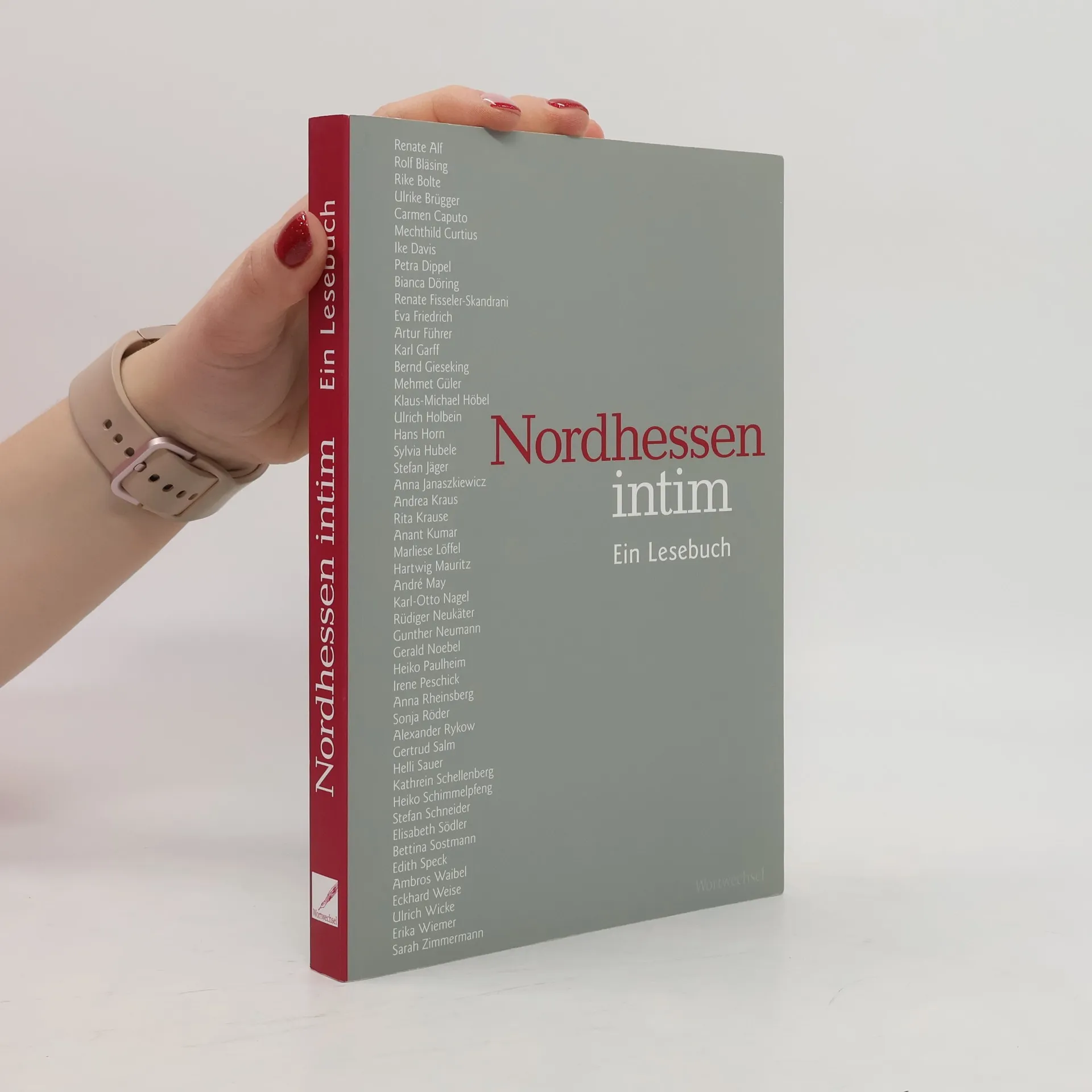
Landschaft und Liebe, Verlust und Verortung, Heimliches und Hässliches, Erinnerungen und Experimentelles – eine literarische Auseinandersetzung mit Kassel und der nordhessischen „Provinz“. 49 AutorInnen aus Kassel, den fünf nordhessischen Landkreisen und anderen Teilen der Welt lassen ihre Verbindung zur Region erkennen, jenseits von rückwärts gewandter, kritikloser Heimatverbundenheit und begeben sich in die Auseinandersetzung darüber, was denn „mein Ort“ sein könnte. Die Anthologie gewährt intime Einblicke in das gelegentlich verschlossen wirkende, manchmal spröde Nordhessen. Einblicke in Wohnzimmer und Politik, in Herzen und Vergangenheiten, in allen Facetten von der Liebeserklärung bis zur schonungsloser Analyse, bereiten sowohl Alteingesessenen und Neulingen als auch Literaturfans und Neugierigen aller Art Lesevergnügen. 232 Seiten Prosa, Lyrik und mehr – die Anthologie präsentiert die besten Texte aus dem Wettbewerb NORDHESSEN INTIM, an dem sich 230 Schreibende beteiligt haben und der von den Herausgeberinnen in 2004 und 2005 durchgeführt wurde. Reizvoll ist die Mischung aller Genres und Generationen sowie die von professionellen Schriftstellern und Laienschreibern. Als bekannte AutorInnen sind u. a. vertreten Bianca Döring, Karl Garff, Bernd Gieseking, Ulrich Holbein, Anna Rheinsberg und Ambros Waibel.
Z růže kvítek vykvet nám
- 104 pages
- 4 hours of reading
Příběhy novozákonní pro mládež. Kapitoly: Starý zákon, Mládí Mariino, Anděl Páně, V Betlémě, V Egyptě. V Nazaretě, Předchůdce Páně, Prorokem ve své vlasti, Vyvolení apoštolů, Nový zákon, Úklady farizeů, Syn Boží před Židy, Ukřižování, Oslavení.
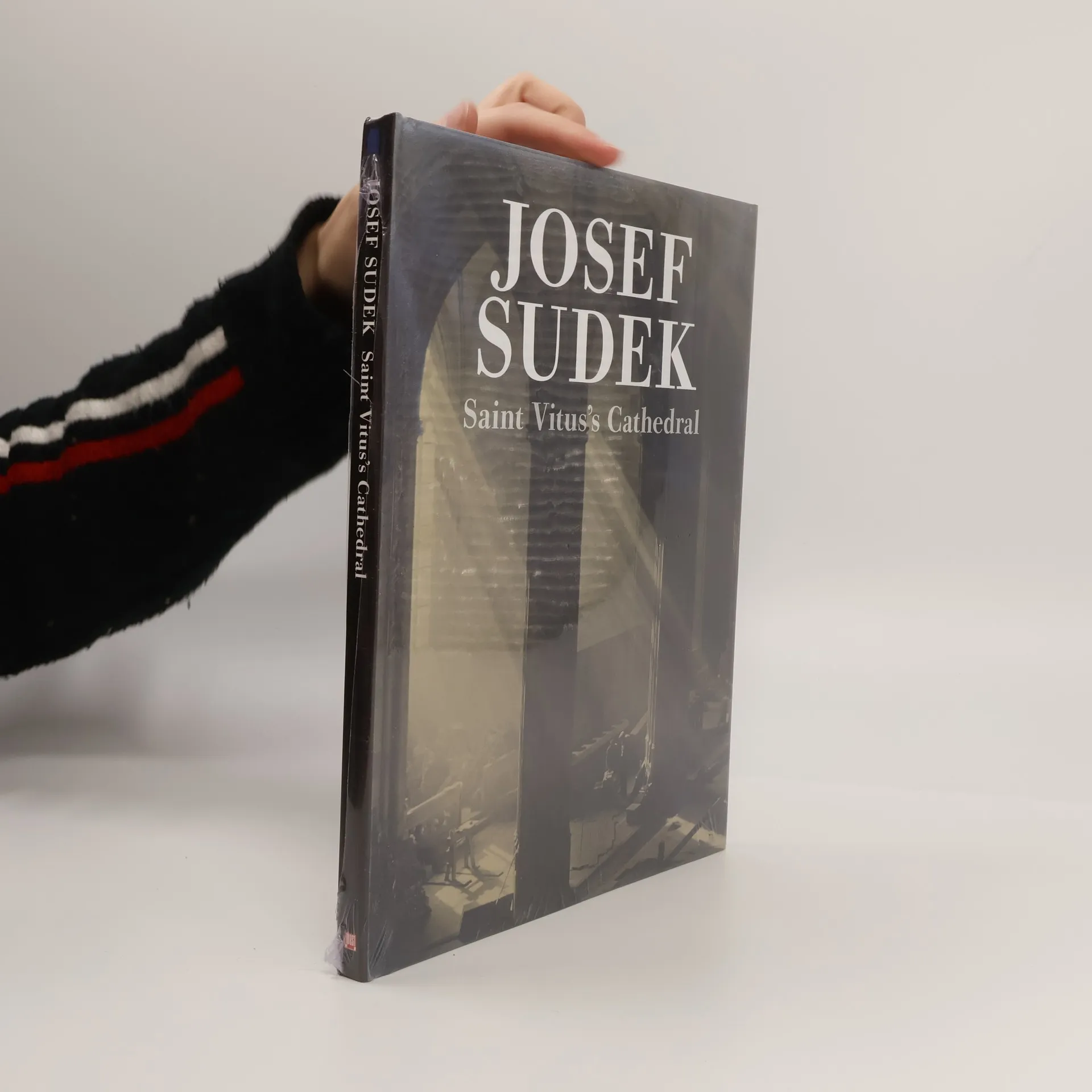
Saint Vitus´s Cathedral
- 120 pages
- 5 hours of reading
Další v řadě knižních vydání fotografických cyklů Josefa Sudka přináší unikátní svazek fotografií Svatovítské katedrály z dvacátých let, o jejichž knižní vydání autor neúspěšně usiloval po celý svůj život. Klíčové snímky vznikly v době přestavby katedrály, kdy měl fotograf možnost zachytit v jejím interiéru i hromady suti či lešení, vždy ve zcela ojedinělém osvětlení, na něž v budově čekal třeba celý den. Kniha je uvozena studií Josefa Mouchy a původním textem spisovatele Jaroslava Durycha z prvního Sudkova portfolia.
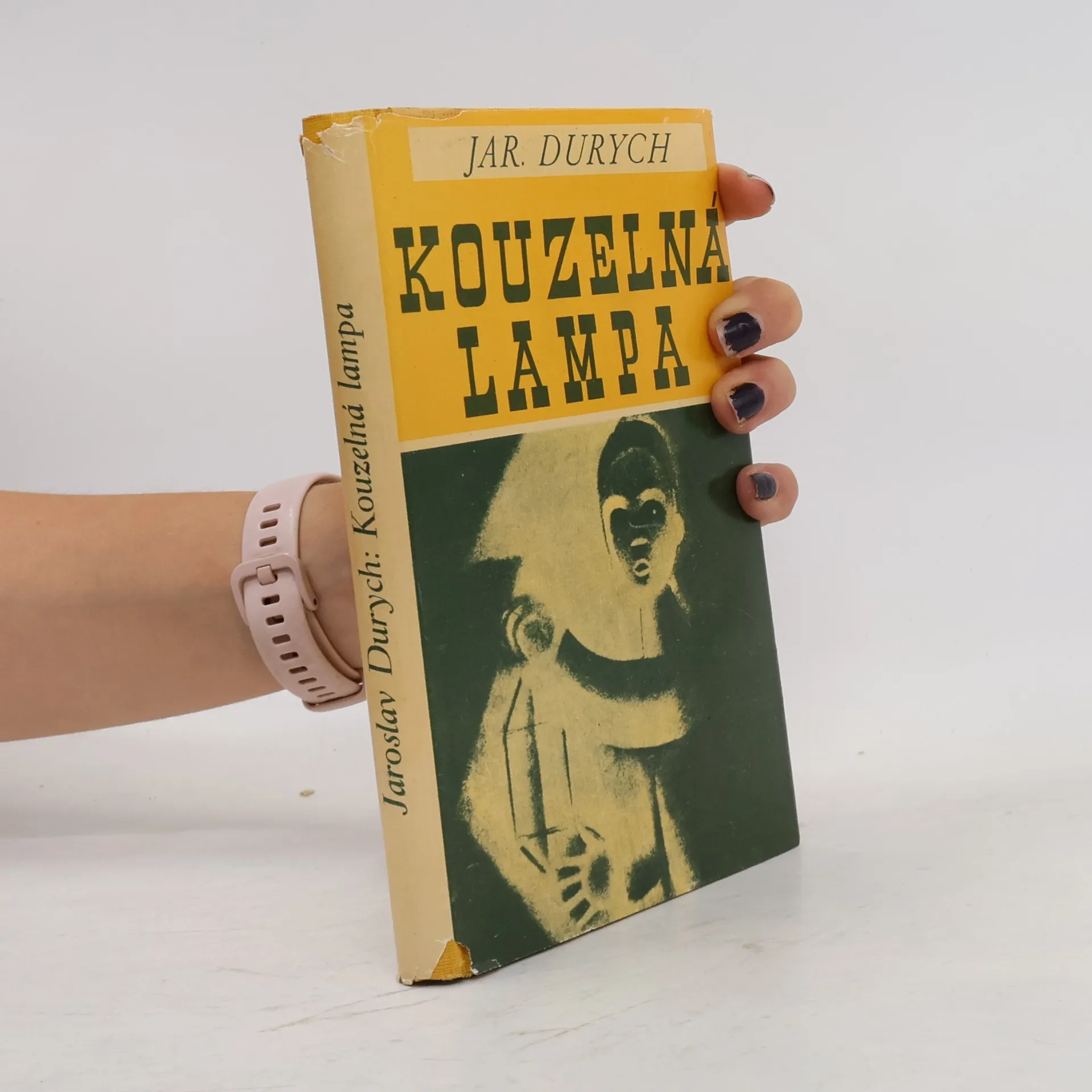
Román lásky, vytvořený skutečným kouzelníkem slova.
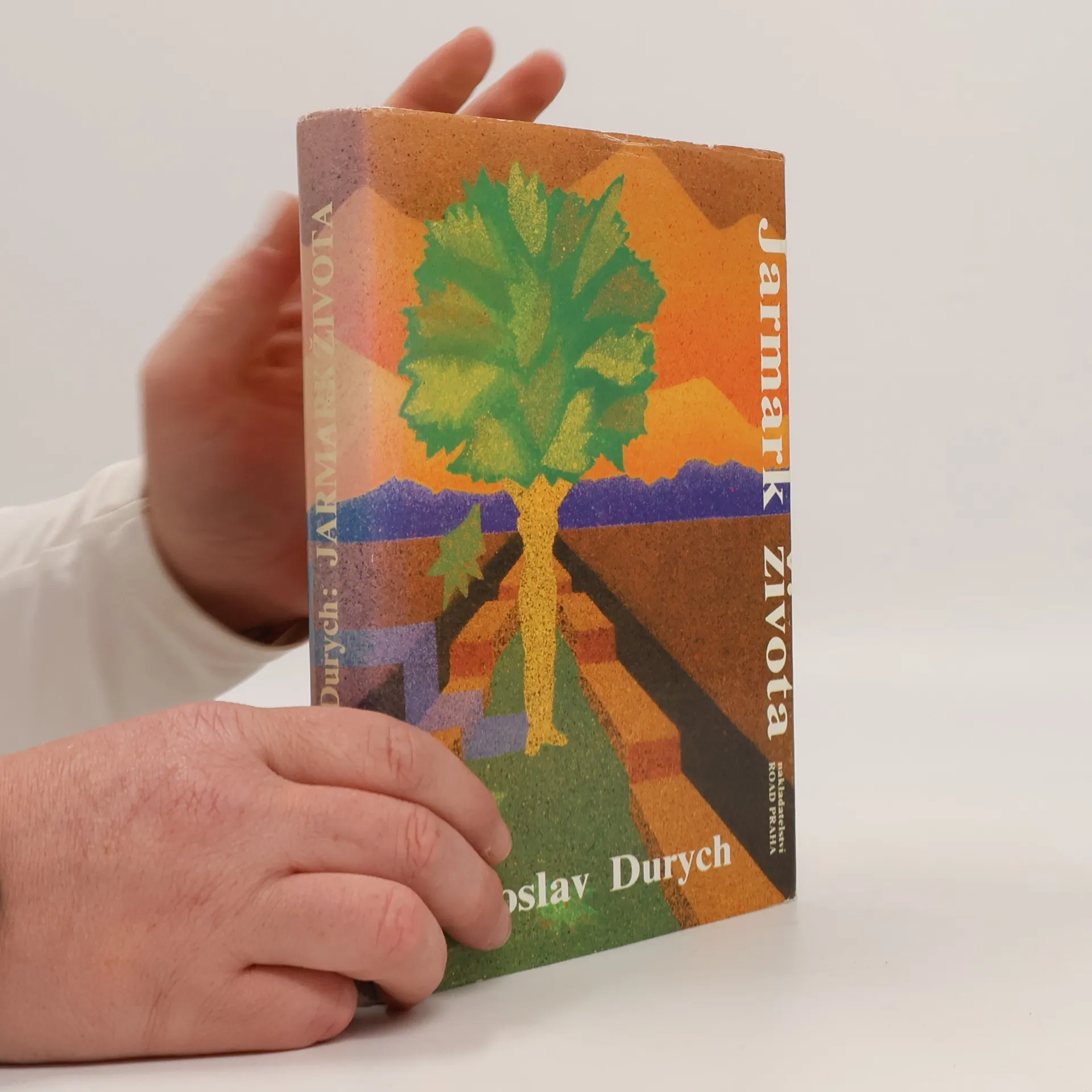
Jarmark života
- 394 pages
- 14 hours of reading
Soubor dvou prozaických prací Na horách a Jarmark života a dvou balad Cikánčina píseň a Laň a panna, napsaných v letech 1913 až 1925, vychází poprvé jako autorem původně zamýšlený cyklus.
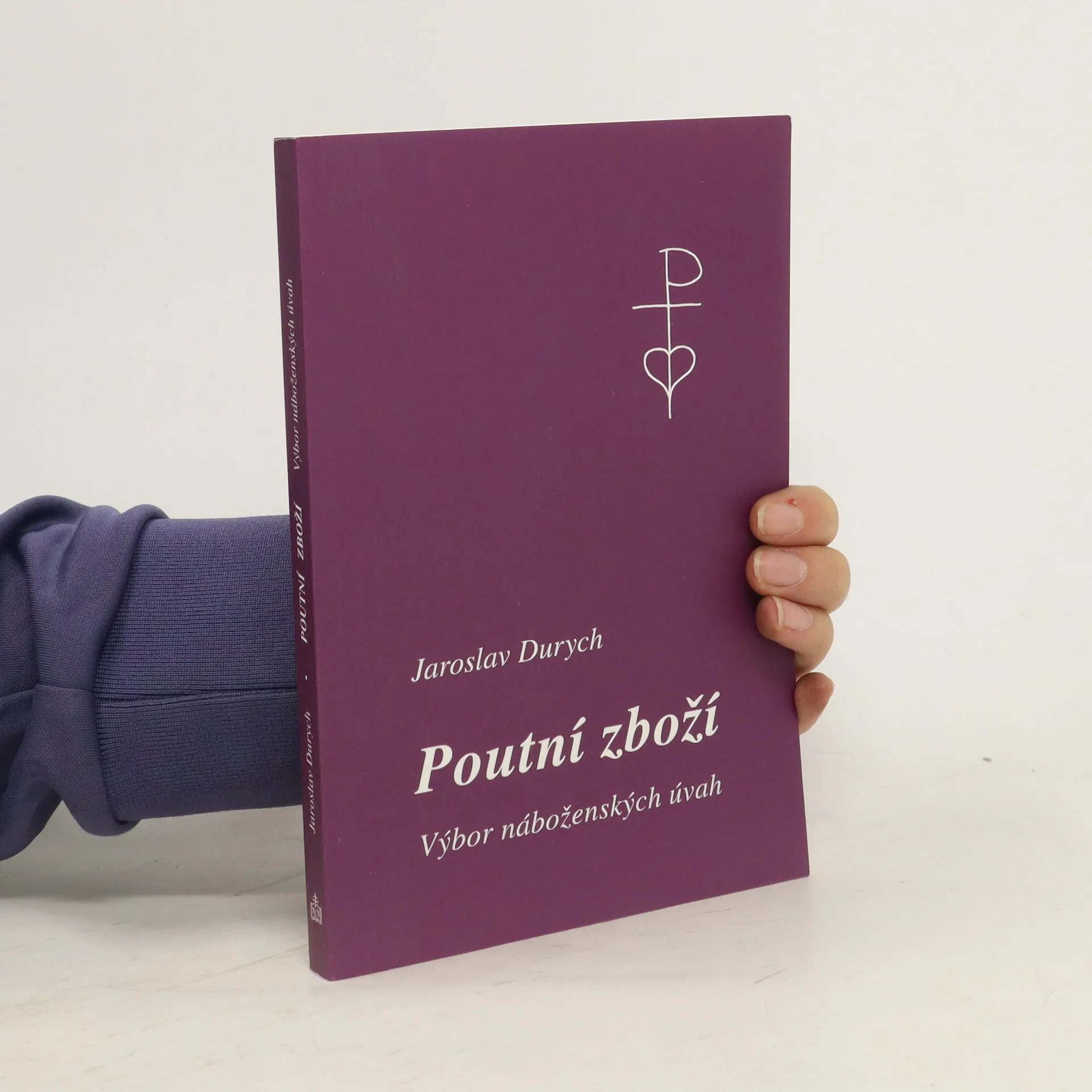
Poutní zboží: výbor náboženských úvah
- 222 pages
- 8 hours of reading
Reflex básníkových zápasů, bídy, víry, naděje a lásky.
Prozaické básně, drobné lyrické příhody, které představují dojmové bohatství těch nejprostších životních skutečností. Kniha se vyznačuje podivuhodným množstvím básnických obrazů a dojmů.
Osamělé květy
- 148 pages
- 6 hours of reading
Svazek obsahuje výbor z autorovy celoživotní básnické tvorby z let 1902-1929. Jeho verše jsou v samém počátku ovlivněny symbolisticko-dekadentním směrem, později navazují na klasický útvar české romantické balady (Erben, Čelakovský), aby pak přešly k lyricko-epickým portrétům (cyklus Panenky), k trpké a ironické satiře (Žebrácké písně) či se zamyslely nad tajemnou podstatou moravských hor (Beskydy). Závěr antologie pak tvoří ryze náboženské poezie, jež ústí do parafráze svatováclavského chorálu, kterou se Durychova básnická tvorba definitivně uzavírá.
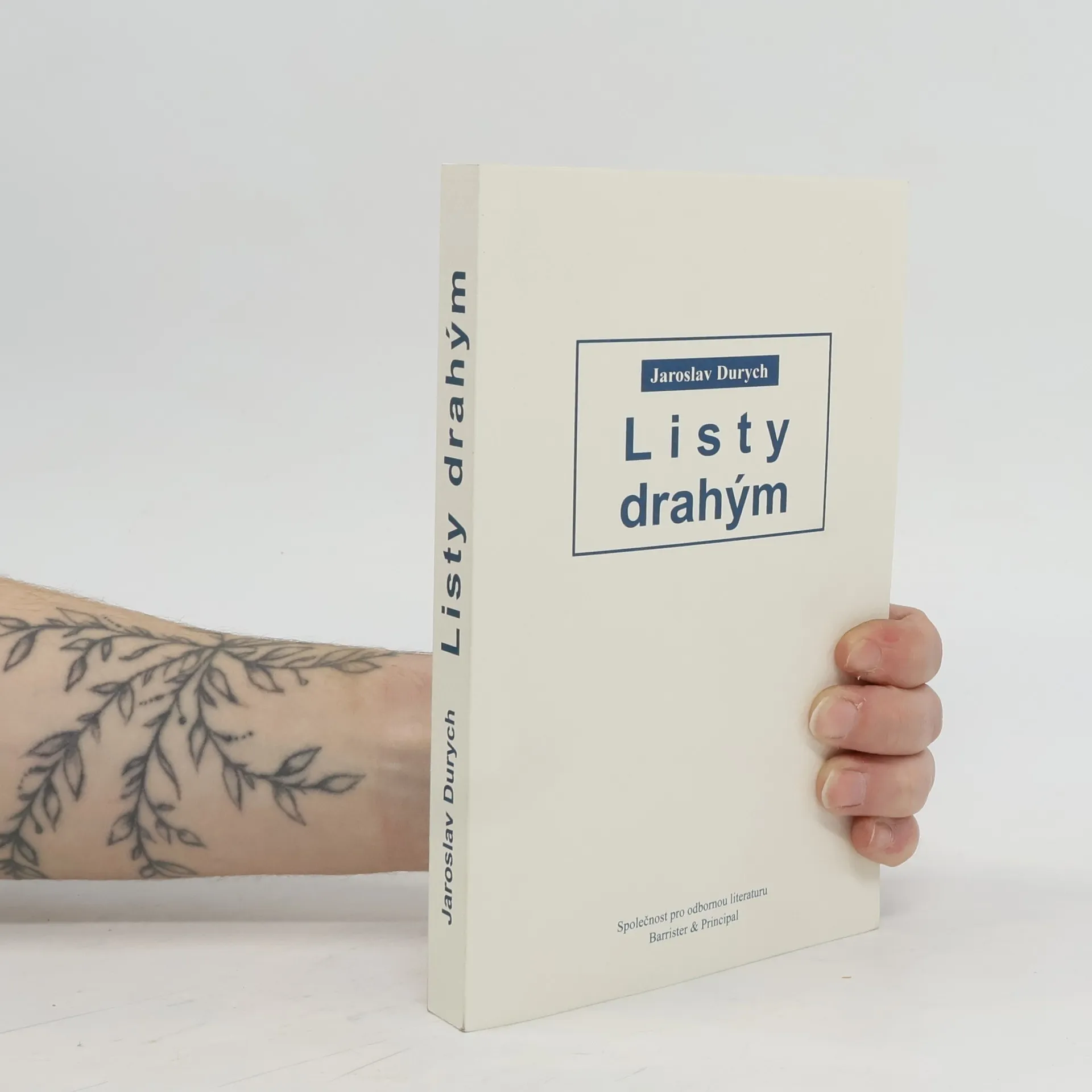
Listy drahým
- 317 pages
- 12 hours of reading
O spisovateli Jaroslavu Durychovi se často připomíná, že to byl nesmiřitelný polemik a militantní zastánce náboženství, který své protivníky bezohledně kritizoval a ironizoval. Také je pro něj příznačné, že z jeho díla, hlavně z jeho historických próz, pevně utkvívají v paměti čtenářů výjevy hrůzy a děsu, které Durych dovedl zobrazit nadmíru působivě. Z mnoha literárněkritických portrétů vychází Durych jako člověk s netolerantní bojovnou povahou a spisovatel se zálibou v líčení násilí. A i když tato osobní charakteristika jistě není úplná, může nás nad ní napadnout otázka: Jaký byl Jaroslav Durych v soukromí? Jak se choval k manželce a dětem? Na tyto otázky by měl poskytnout odpověď náš výbor ze soukromých dopisů, které Jaroslav Durych psal svým nejbližším: manželce, dcerám, synovi, tchyni. Tyto dochované dopisy ukazují, že autor infernálních historických výjevů a bojovný publicista byl v soukromí citlivým člověkem se zájmem o své blízké a jejich „obyčejné“ životy.
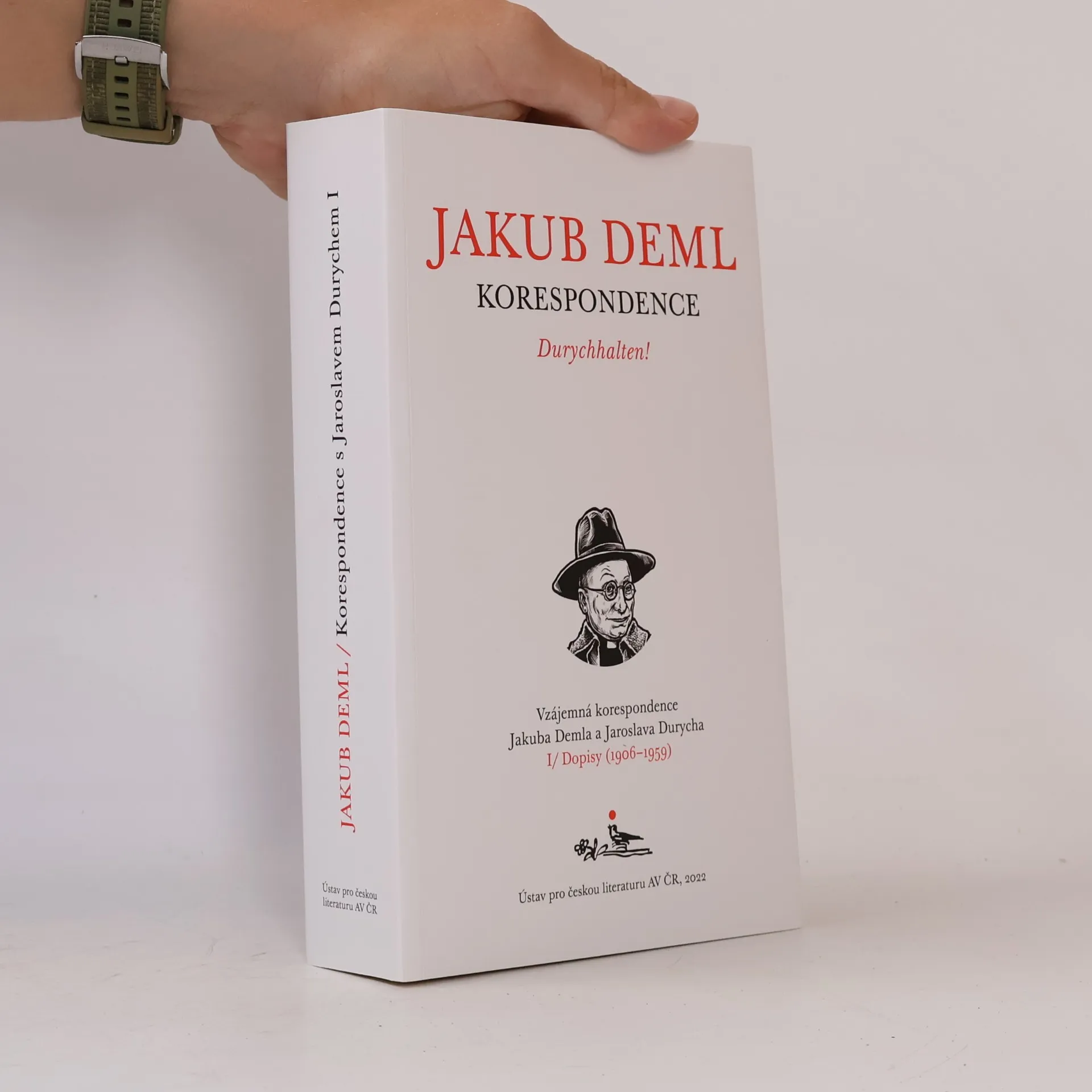
Durychhalten! Korespondence s Jaroslavem Durychem 1. Dopisy (1906-1959)
- 776 pages
- 28 hours of reading
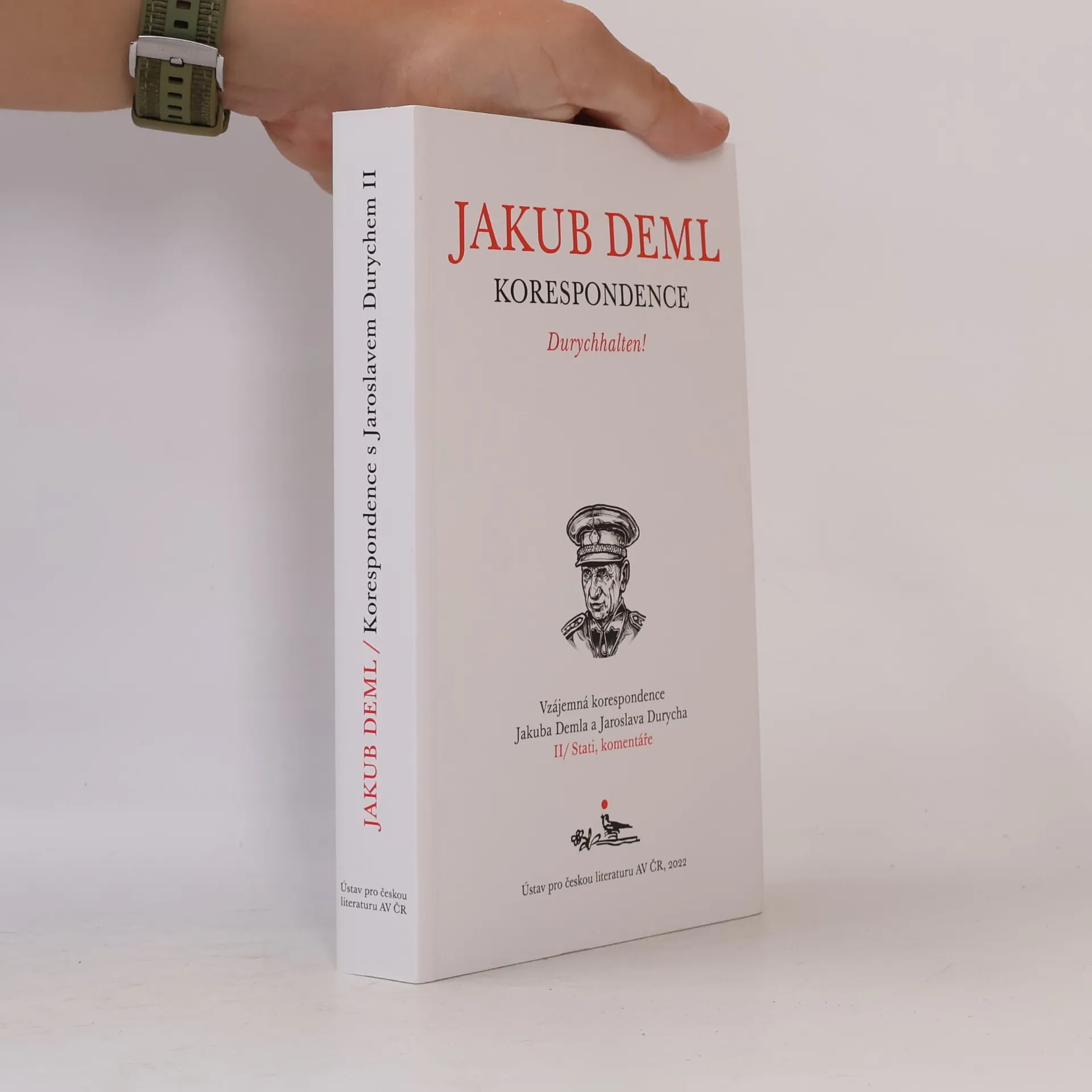
Durychhalten! Vzájemná korespondence Jakuba Demla a Jaroslava Durycha. Kniha II. Stati a komentáře
- 776 pages
- 28 hours of reading
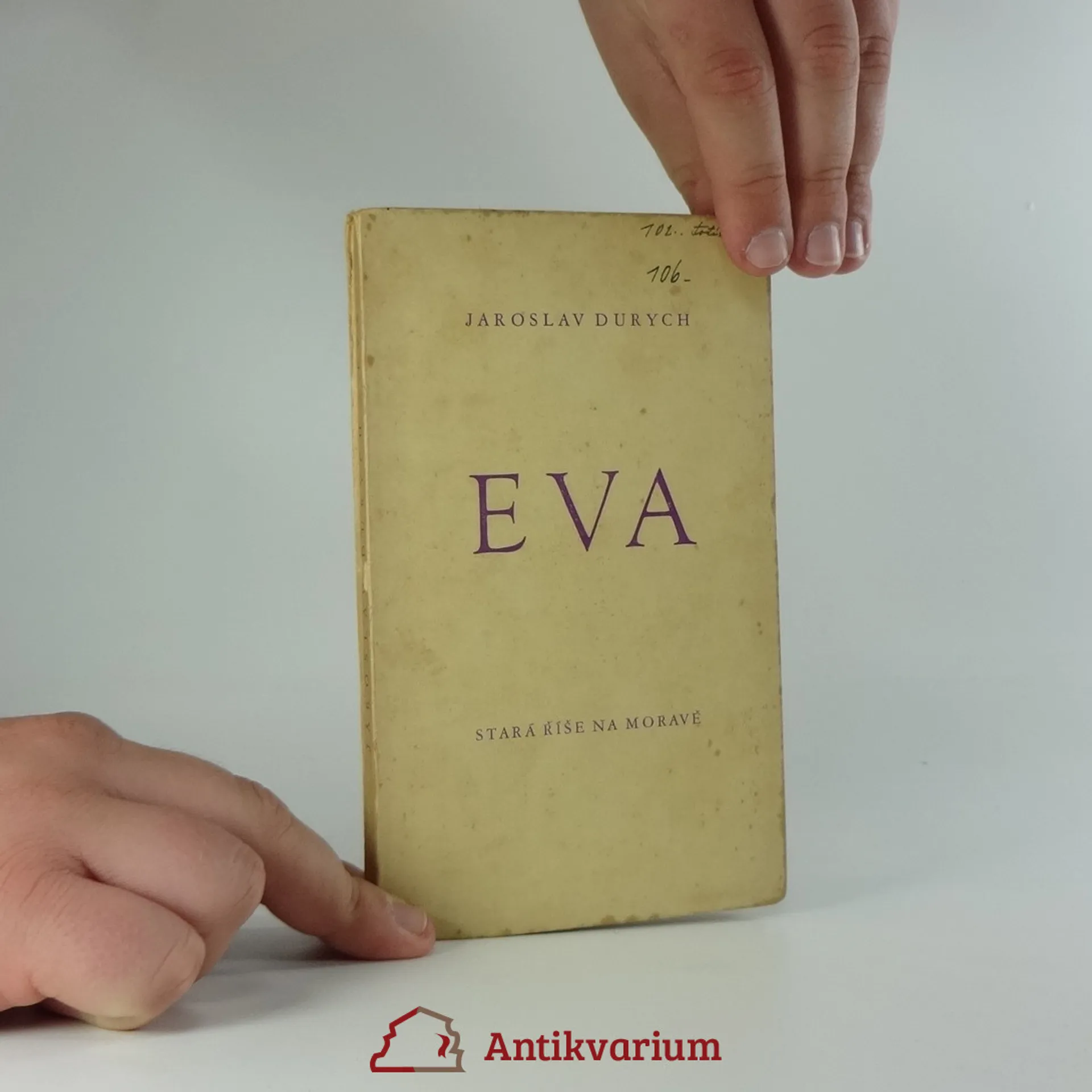
Souborné vydání dvou kratších básnických sbírek – zařazena je Eva jako katolická oslava ženství a Té nejkrásnější jako šest básní věnovaných Nejvyšší kráse, touze a lásce.
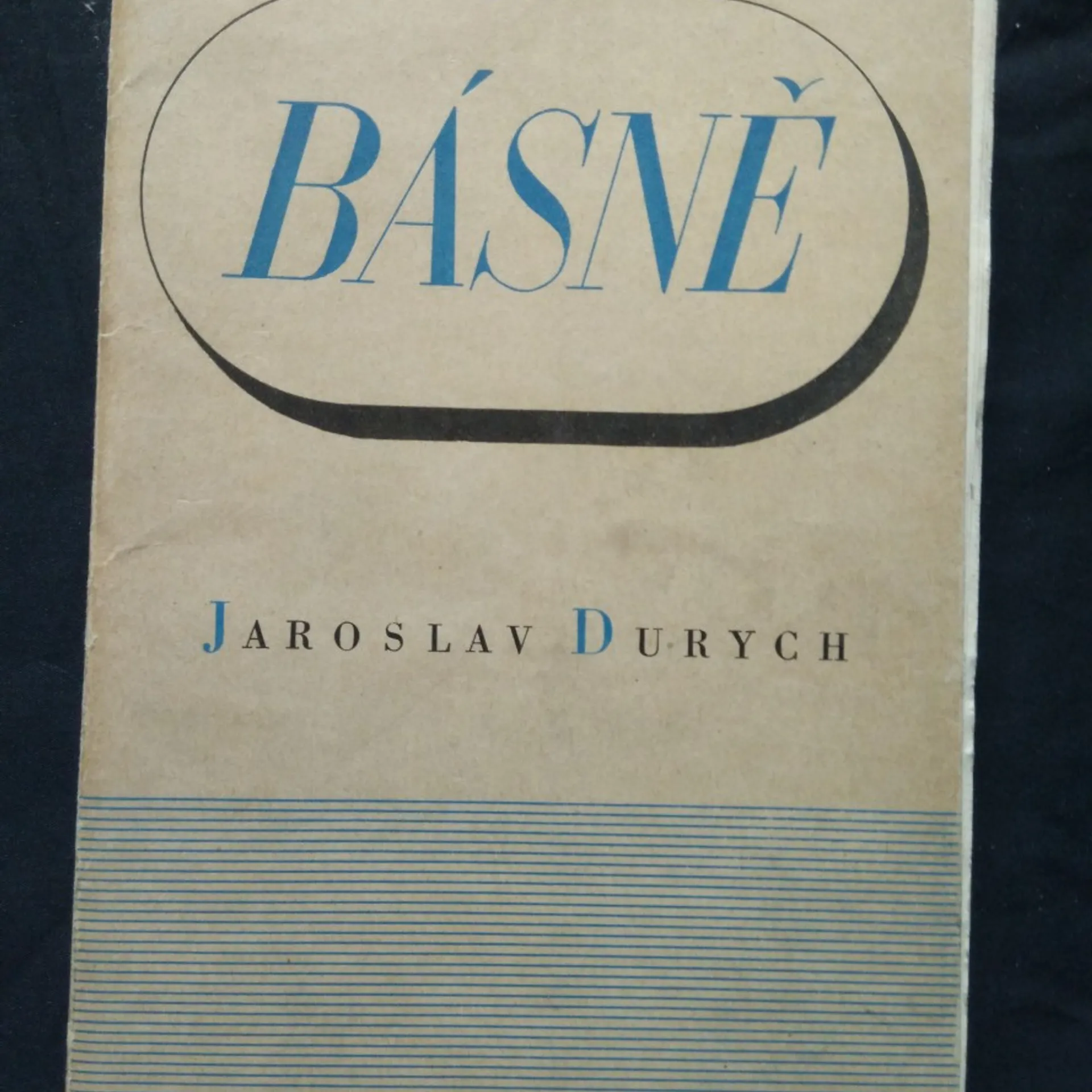
Básník shrnul do tohoto souborného vydání své balady, které vyšly už v několikerém vydání: Panenky, které vyšly ve IV. vydání, Žebrácké písně, které vyšly ve II. vydání, a Beskydy, které dosáhly rovněž II. vydání. Vychází-li nyní celý tento soubor znovu, je to jistě dokladem pronikavého úspěchu básnického umění Durychova, které nezůstává v ničem pozadu za jeho dovedností prozaickou. Durych dovede skloubit verš s tak mistrnou umností, že působí prostotou lidové písně. Durychovo spříznění s lidovou písní je zřejmé i ve výběru námětů: je to oslava země a jejích darů, oslava čisté dívčí krásy, oslava života, který se zbožně uzavírá gotickým obloukem víry. Durych je lyrik celým svým založením. I v próze právě lyrické části dovedou vyvolat s neobyčejnou pronikavostí náladu, v jejímž vylíčení je Durych mistrem. V básních podrobil toto své umění kázni vázané mluvy. Jsou tu čísla, která zůstanou navždy pokladem českého písemnictví, básně, k nimž se budou vracet i generace. Ve své básnickosti je Durych zjev výlučný, ojedinělý, a tím víc přitažlivý. V ní spočívá kouzlo jeho svébytného a nenapodobitelného umění.
Reminiscence na doby, lidi a místa, jejichž vliv vystopujete na stránkách Durychova díla.
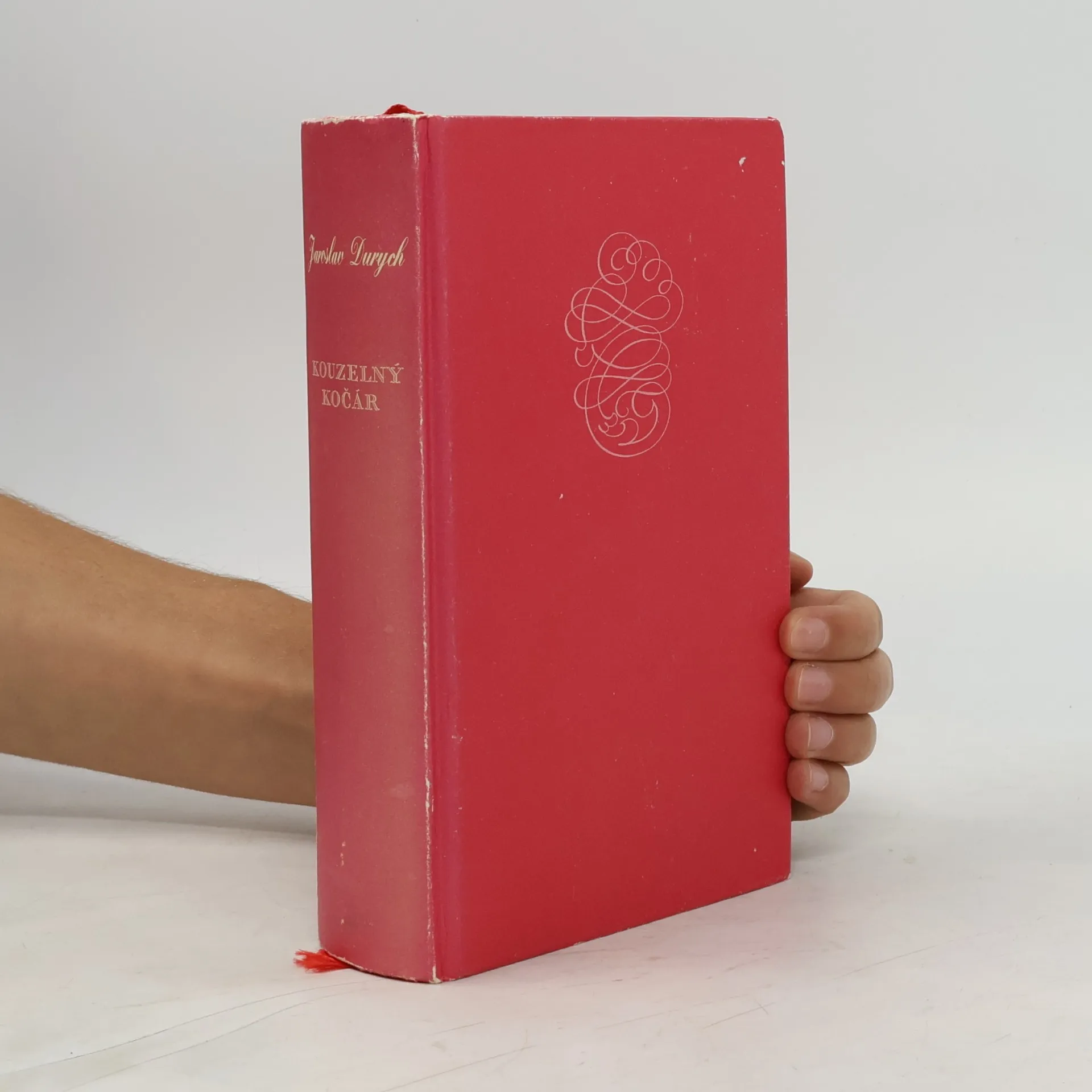
První vydání rozsáhlého románu, který Jaroslav Durych dokončil krátce před svou smrtí v roce 1962. Ve třech dílech kniha sleduje osudy rodů spisovatelova otce, matky a manželky v období tří set let. Na základě dlouhodobého studia desítek dobových kronik, matričních zápisů a korespondence autor vytvořil panoramatický obraz života mnoha generací Čechů od 17. do 20. století. Básnický jazyk autorův se v knize střídá s citacemi z dobových pramenů. Kniha je fascinujícím holdem české zemi, je prostoupena láskou ke krajině (Turnovsko, Nechanice), hlubokou křesťanskou vírou a vcítěním do pohnutých osudů našich předků. Je doplněna rodokmeny, ilustracemi, fotografiemi a rozsáhlou ediční poznámkou, obsahující autorovy dopisy z doby práce na románu.
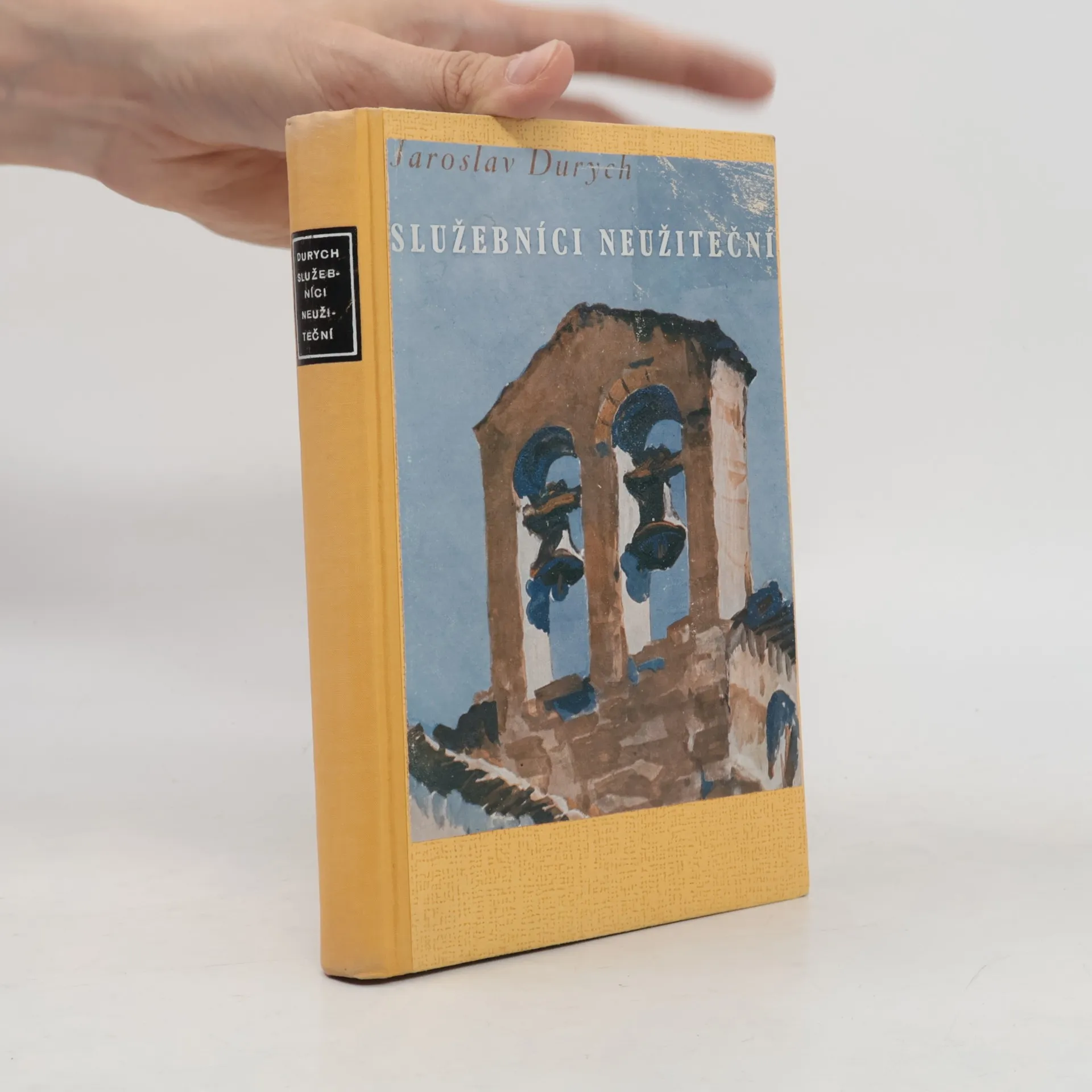
Souborné vydání všech čtyř dílů románu předpokládá rozsáhlé studium a znalost světových dějin druhé poloviny 16. století. Autor se svrchovaně pohybuje ve všech pásmech chaotického světa: od námořnického umění a živelných katastrof po politiku mocností jako Portugalsko, Španělsko, Anglie a Holandsko. Dává promlouvat starým i novým řeholím, církevním prelátům, světcům a lupičům. Umělecky vyspělé a duchovně hluboké je líčení mladého japonského křesťanstva, jeho opravdovosti, hrdinské oddanosti a mučednické věrnosti. Karel Spinola vyjadřuje lásku k duším bez vedení a touhu položit život za víru, čímž se stává „neužitečným služebníkem“ v očích světa, který svaté považuje za blázny. Durychův román je oslavou jezuitského řádu a hymnem na tajemství Boží milosti, která proniká do zmatených příběhů světa skrze vyvolené duše: básníky, milence, chudé a světce. Bez zvláštního úmyslu autorova se román stává obranou duchovní velikosti Evropy, připomínající, že pravá Evropa žije i jinak, než jak je dnes často hanobena pro své hříchy a materialismus.
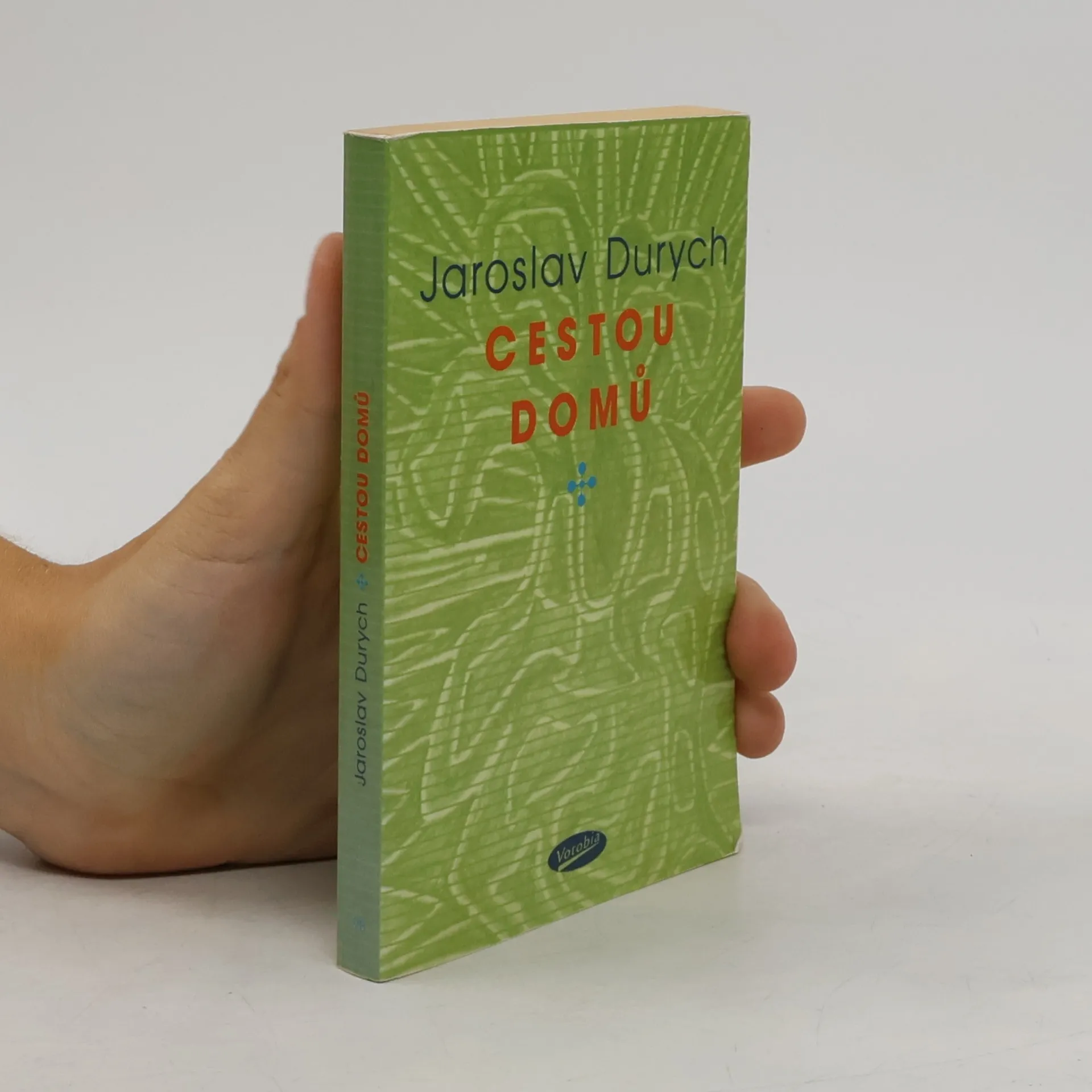
Cestou domů
- 116 pages
- 5 hours of reading
Kniha je beletrickým veledilem. Emotivní povídky o lidech, ocitajících se v mezních situacích, odkrývají taje jejich duší.
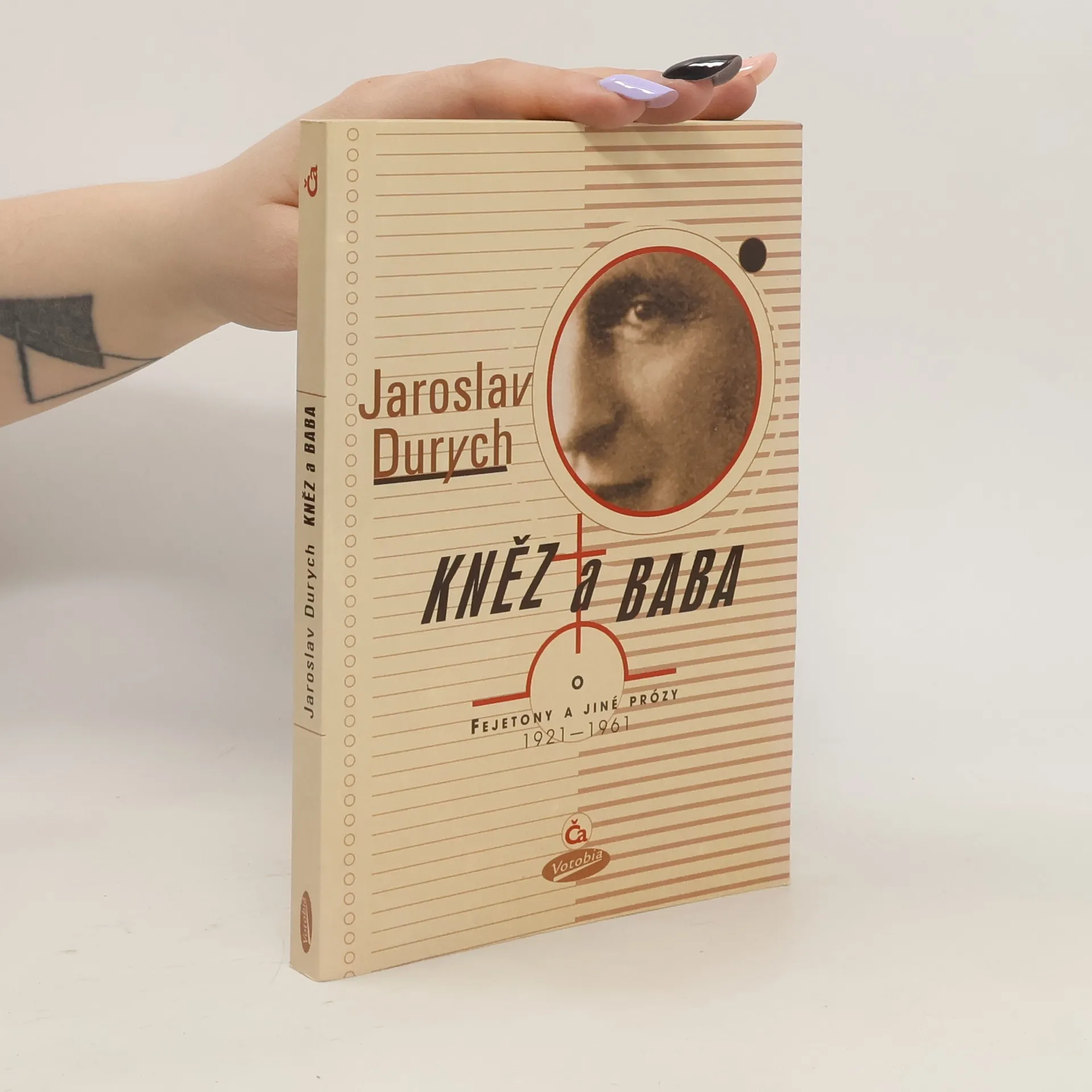
Kněz a baba
- 244 pages
- 9 hours of reading
Autorovy fejetony, publikované především v Lidových novinách, přibližují atmosféru dvacátých let první republiky. Kromě fejetonů výbor obsahuje i texty z pozůstalosti, drobné prózy ne zcela hotové, které však napomáhají pochopení autorova vývoje a zrání.
Svazek obsahuje všechny čtyři části autorovy prvotiny.
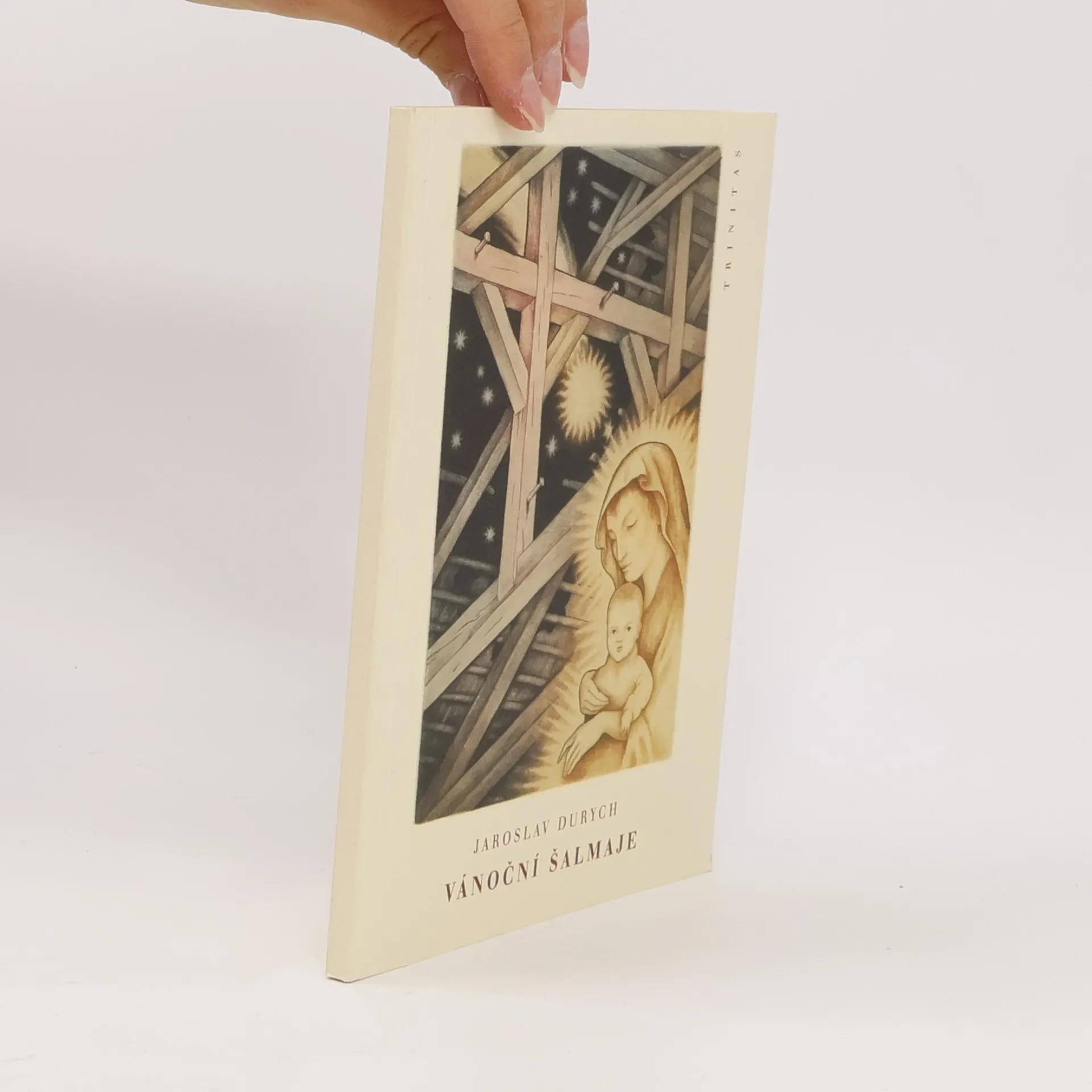
Vánoční šalmaje
- 58 pages
- 3 hours of reading
Vánoce patřily k oblíbené tématice J. Durycha ve všech obdobích i žánrech jeho tvorby. Výbor přináší nejlepší texty s vánočními motivy z jeho básnického i prozaického díla, z esejů a fejetonů. [vybral a k tisku připravil Mojmír Trávníček]
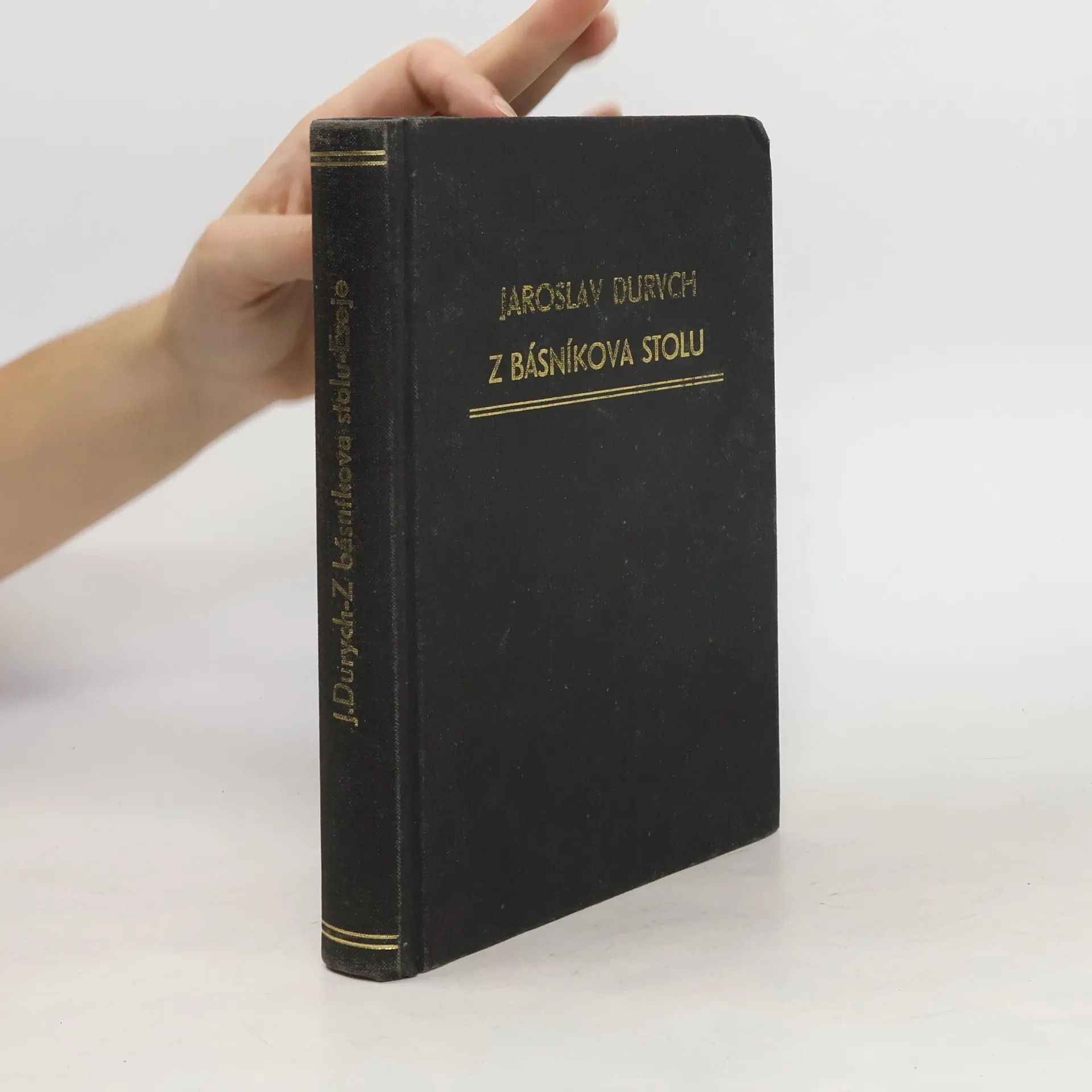
Z ráje i očistce
- 175 pages
- 7 hours of reading
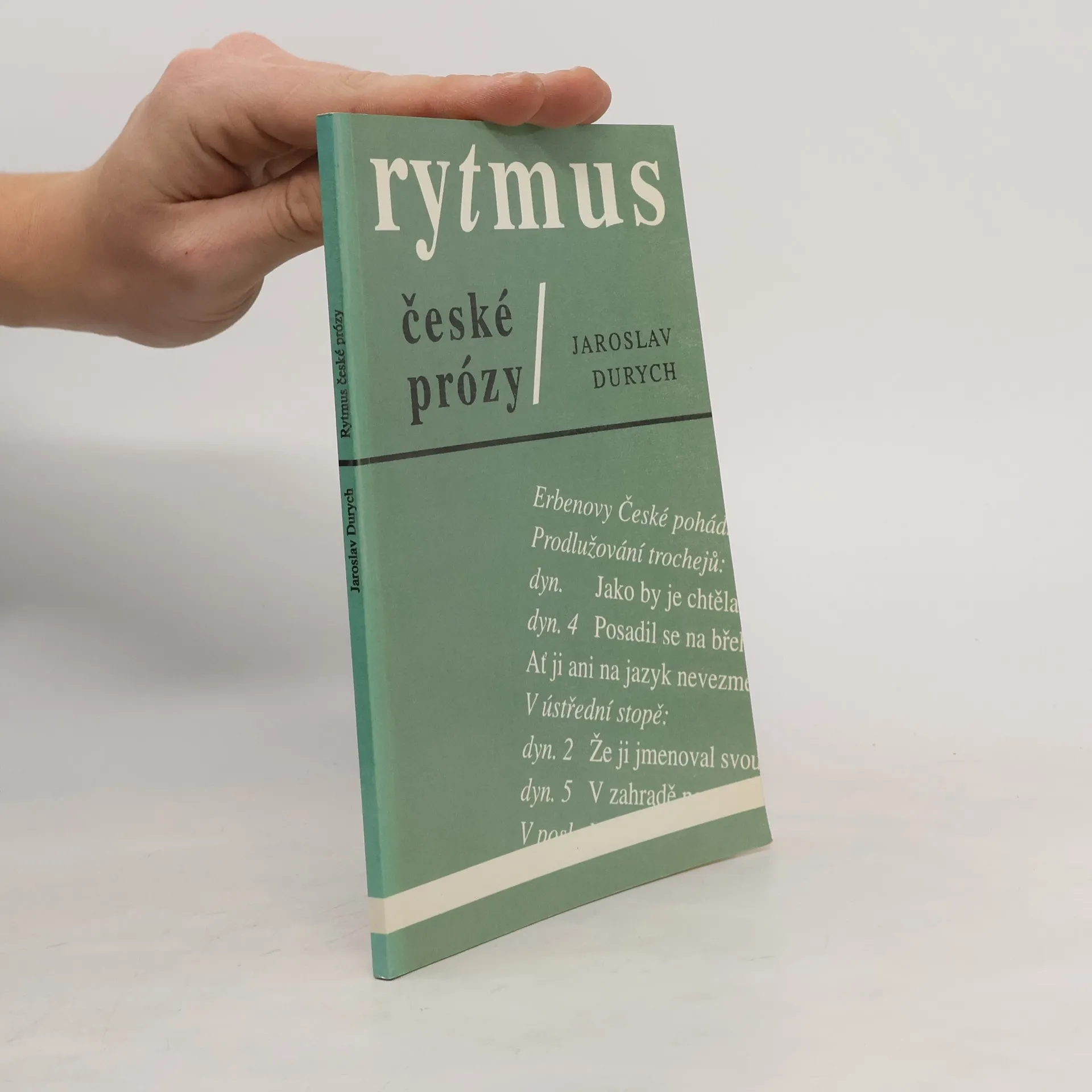
Rytmus české prózy
- 85 pages
- 3 hours of reading
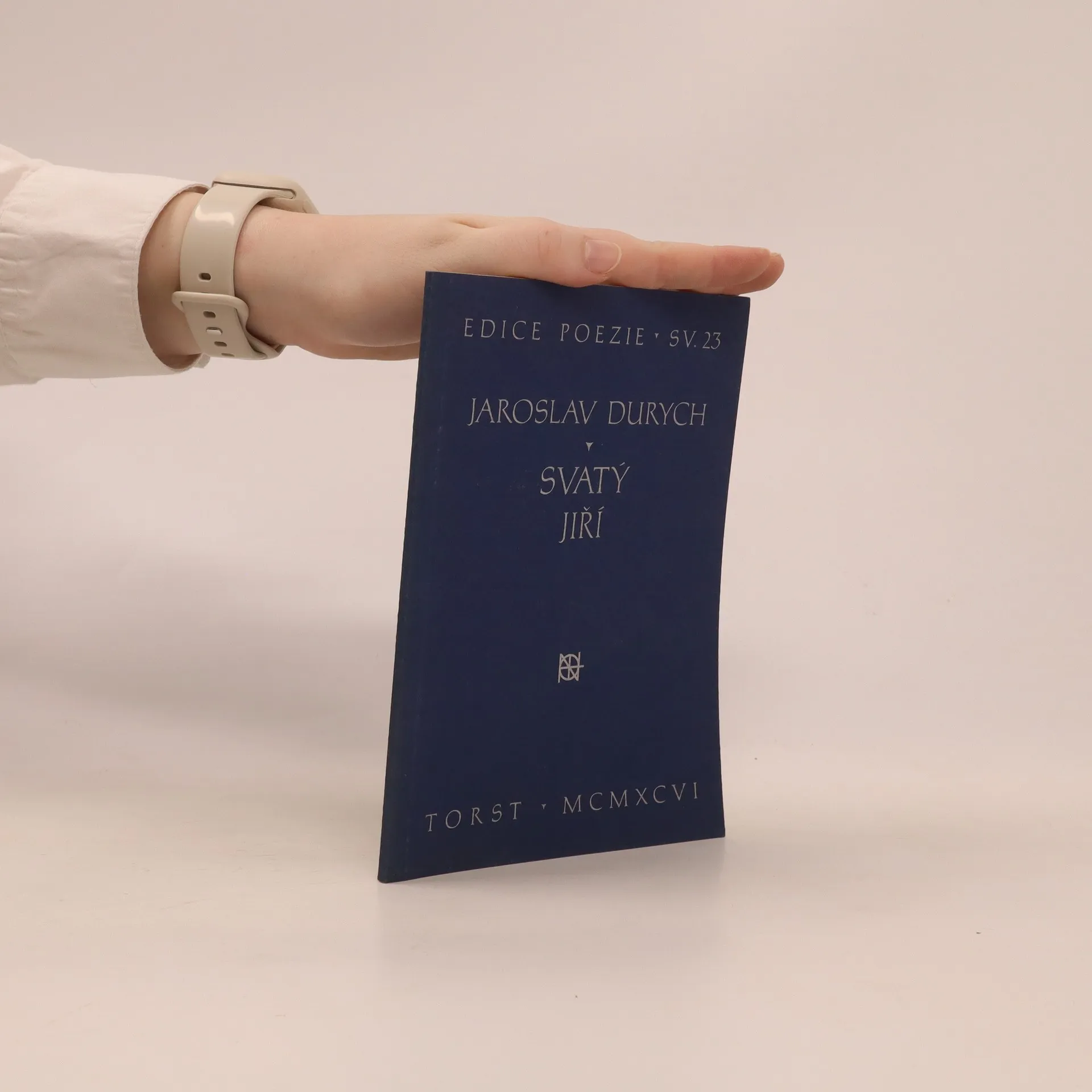
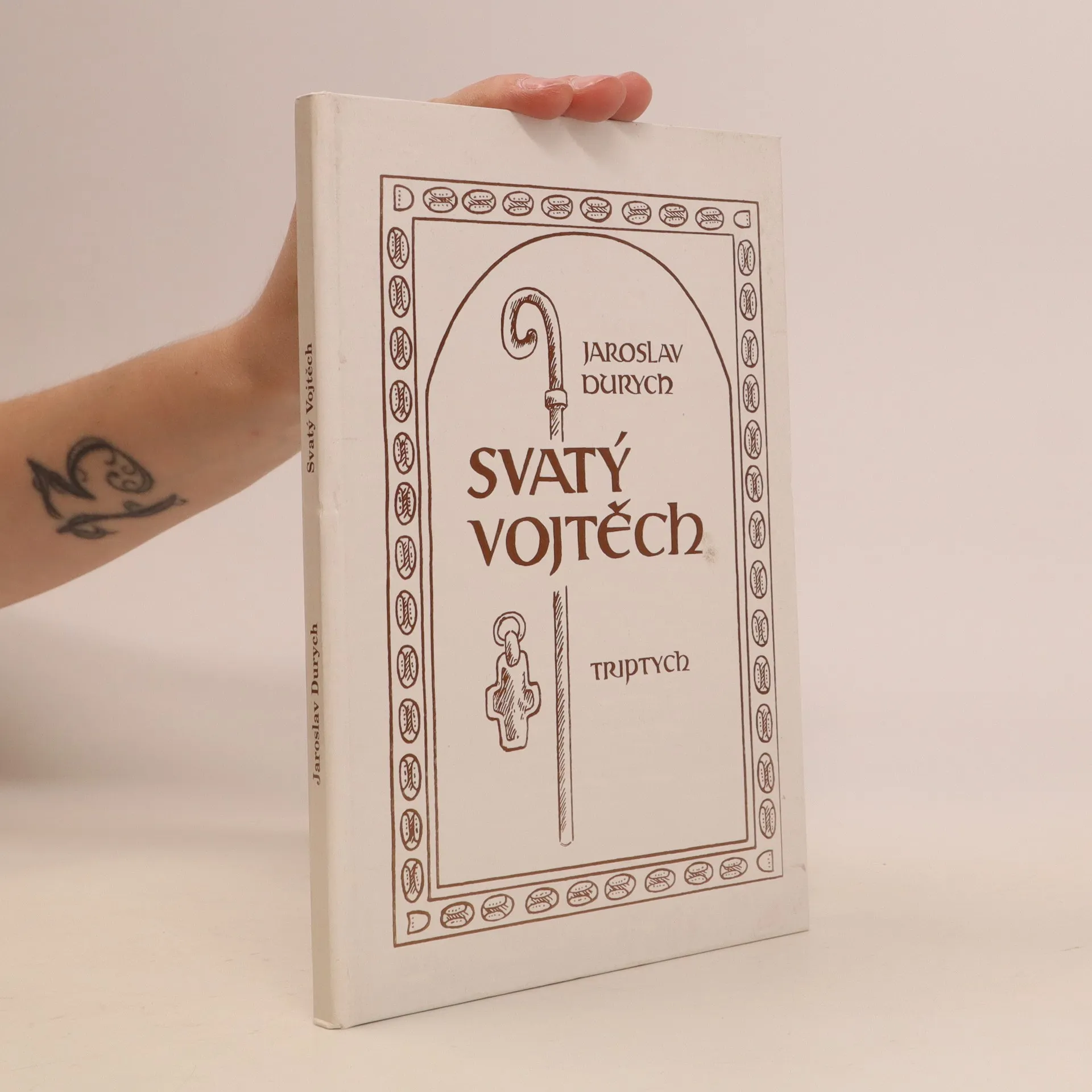
Svatý Vojtěch
- 120 pages
- 5 hours of reading
Základní dramatickou zápletkou hry je střet obhájce křesťanského života biskupa Vojtěcha s krutou světskou mocí tehdejších českých vládců.
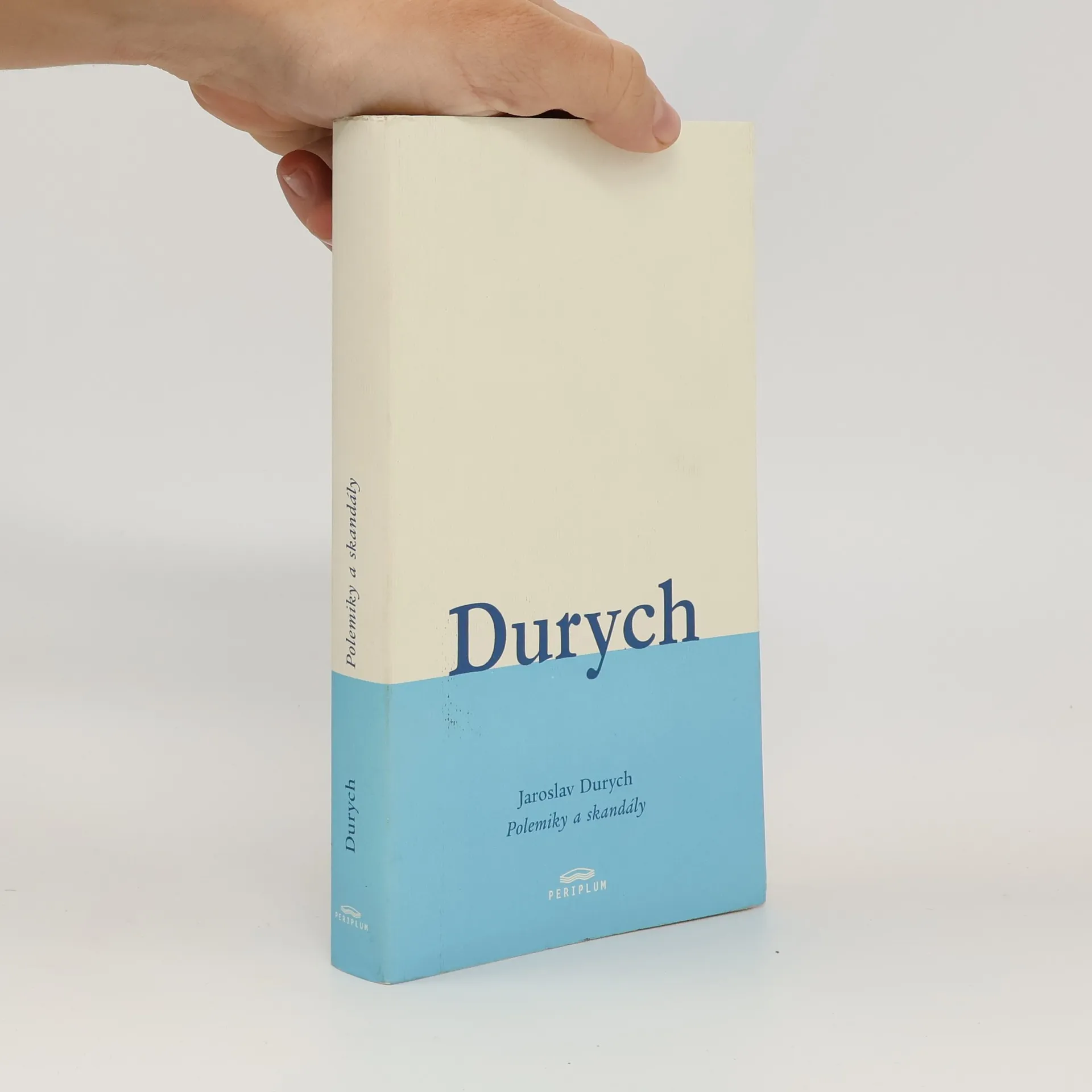
Polemiky a skandály
- 285 pages
- 10 hours of reading
Kniha "Polemiky a skandály" spadá do žánru Romány. Autorem je Durych Jaroslav. Obsahuje 286 stran. Jedná se o počin nakladatelství "Periplum" z roku 2002. Přejeme příjemné čtení.
Oslava ženství ovlivněná katolickou vírou autorovou.
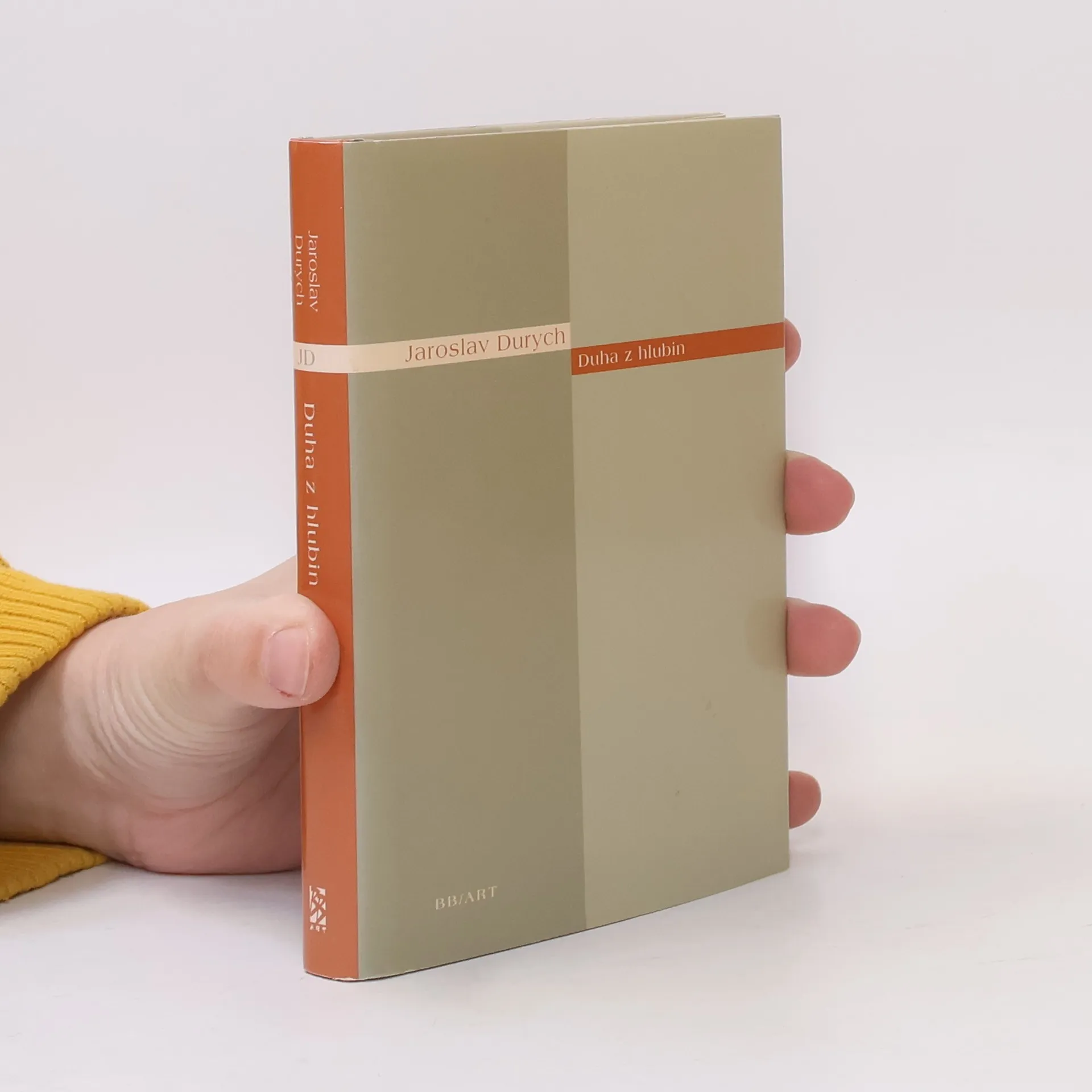
Duha z hlubin
- 143 pages
- 6 hours of reading
Výbor z veršů jednoho z největších českých prozaiků, který byl rovněž vzácným básnickým následovníkem Karla Jaromíra Erbena.
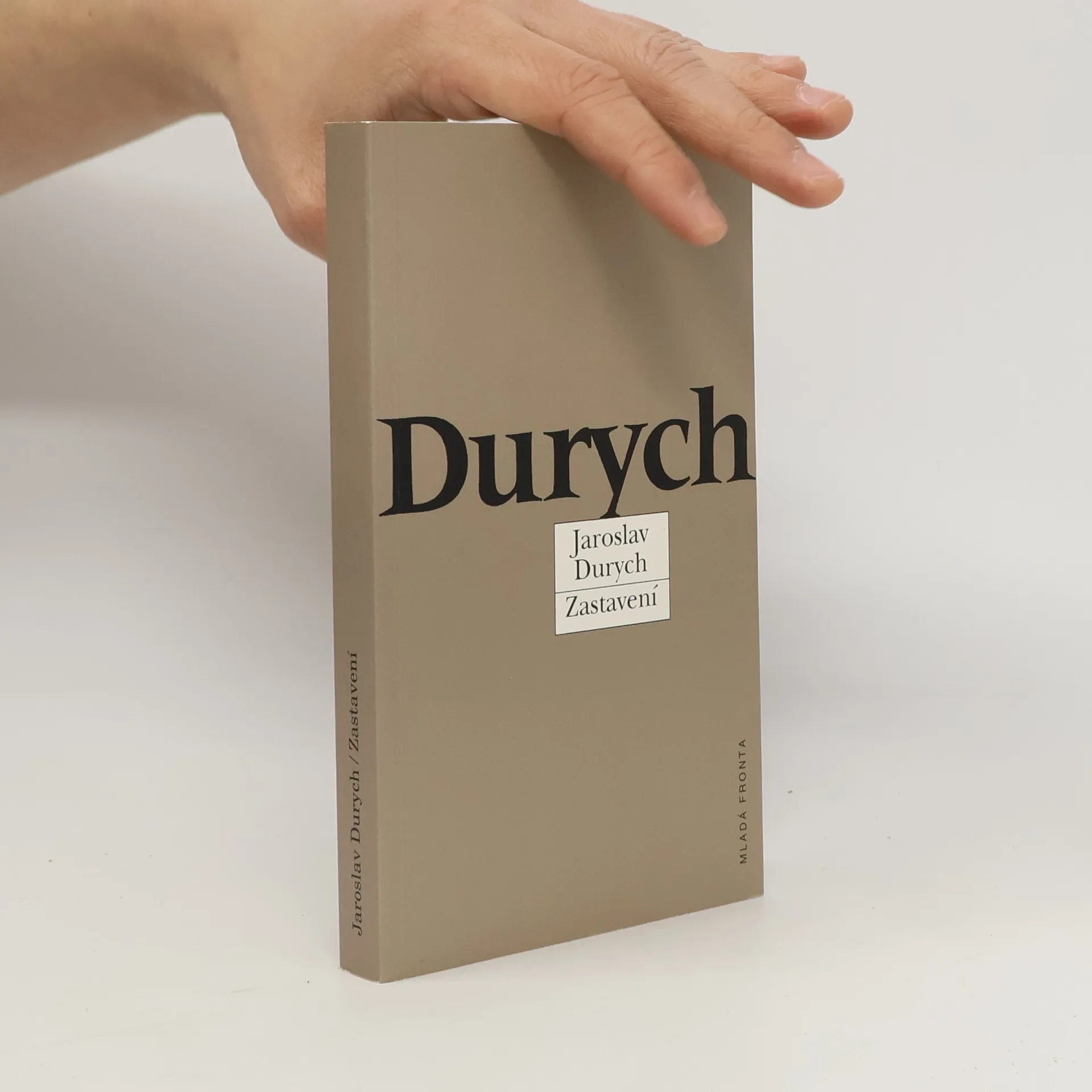
Zastavení
- 331 pages
- 12 hours of reading
Výbor z povídkové tvorby se snaží zachytit autorovo celoživotní tvůrčí směřování. Jeho vidění života, založené na přímých kontrastech duchovnosti a smyslovosti, abstrakce a předmětnosti, ironie a lyrismu, provází touha překonat hřích, bídu, nemoc, ješitnost, nelásku či pokrytectví průhledem do vyššího světa mravnosti, což činí v duchu katolicity, pro nějž zůstával v nejedné etapě svého života nepochopen.
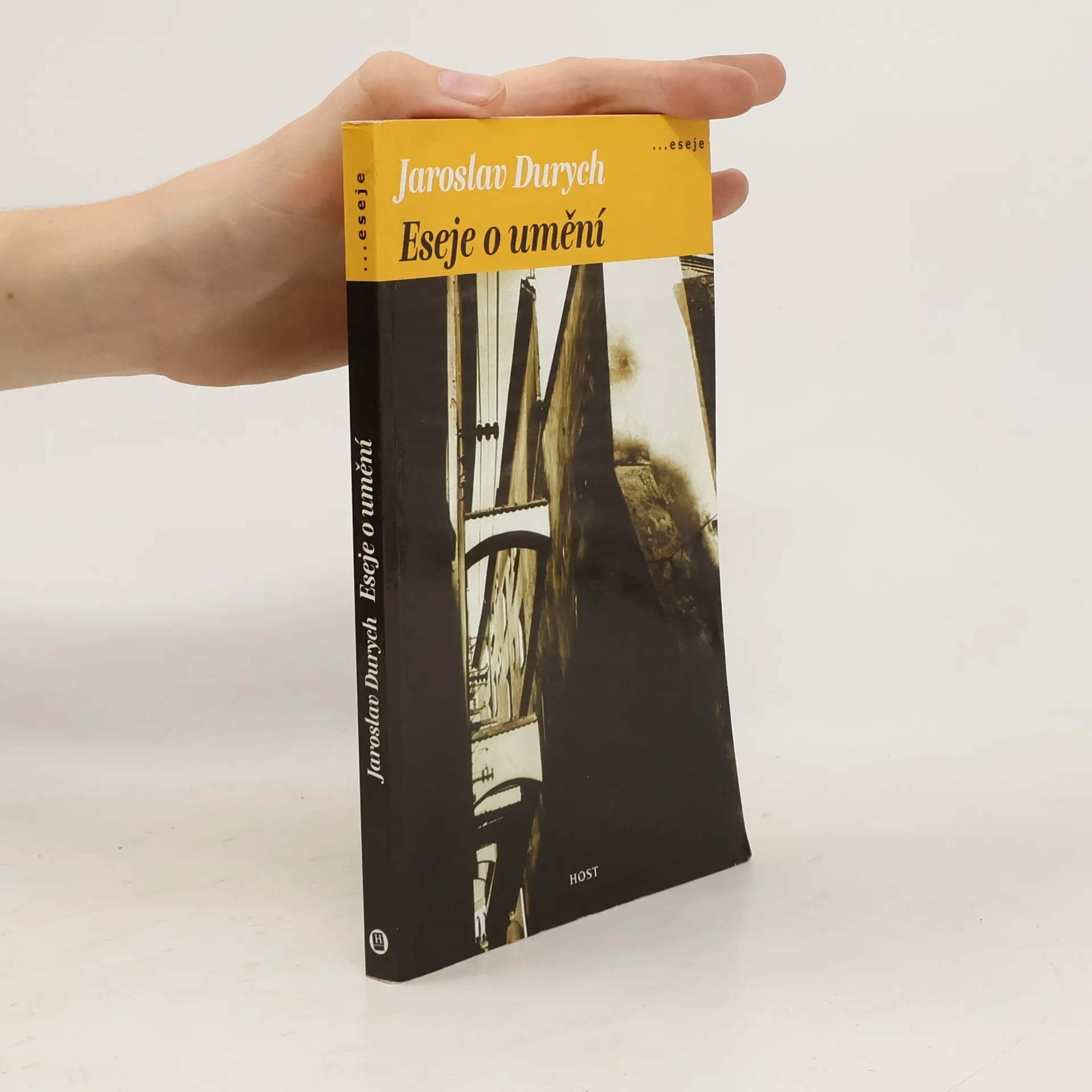
Eseje o umění
- 121 pages
- 5 hours of reading
V neobyčejně rozsáhlém a mnohostranném díle prozaika, básníka a publicisty Jaroslava Durycha (1886–1962) mají nezanedbatelné místo i jeho eseje o umění, v nichž se chtěl dobrat nejen smyslu vlastní umělecké tvorby, ale uvažoval zde i o otázkách umělecké tvorby obecně. Tyto eseje, vznikající v převážné většině ve dvacátých letech minulého století, dokládají nejen Durychovu souvislost s dobovým historickým a uměleckým kontextem, ale také jeho osobitost a nezávislost, s níž vnímal přítomnost estetického prožitku v hodnotovém chaosu poválečného času.
Málo známé dílko J.Durycha napsané roku 1939 a poprvé vydané péčí benediktinů břevnovských roku 1940. Svatý Vojtěch (955-997), II. biskup pražský.
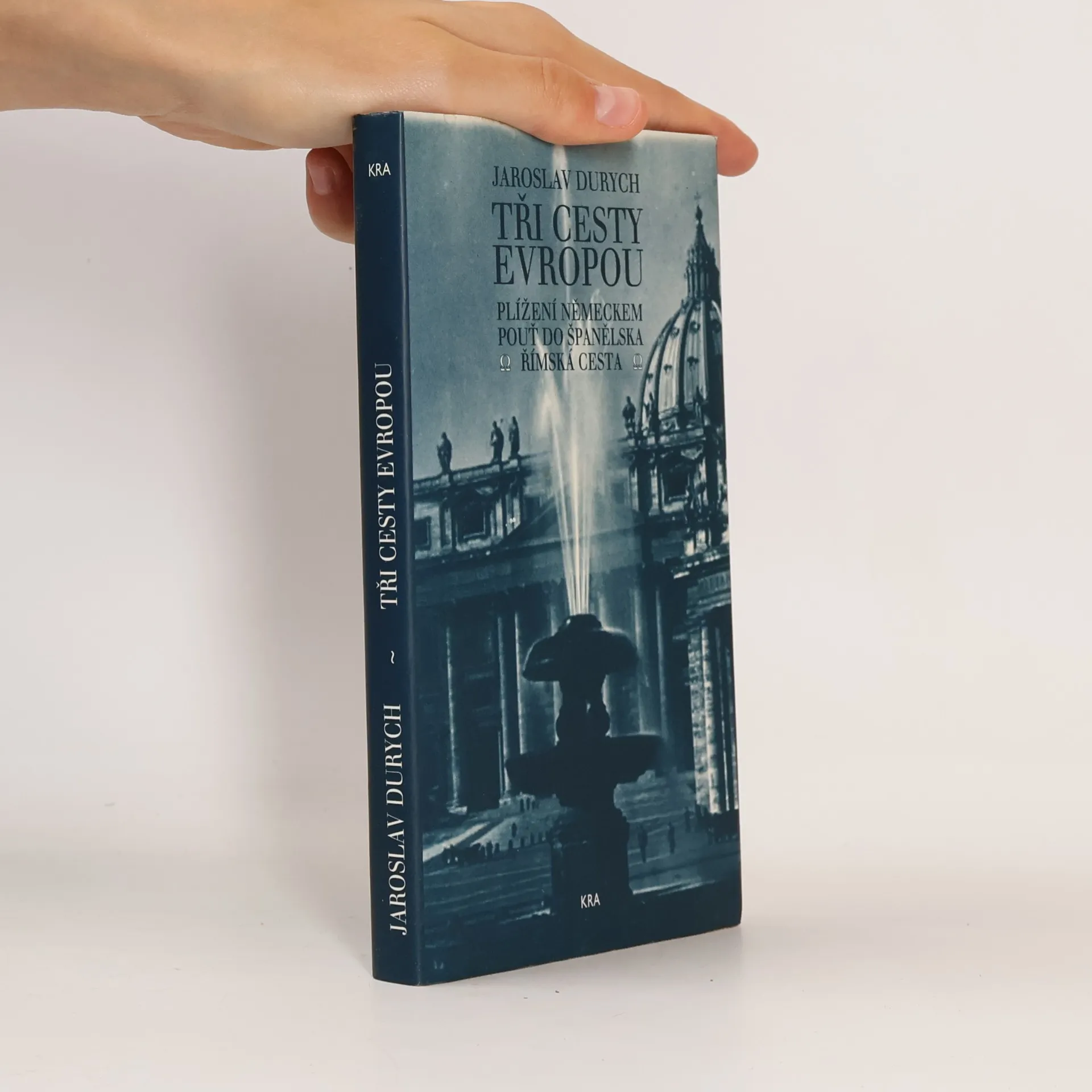
Tři cesty Evropou
- 187 pages
- 7 hours of reading
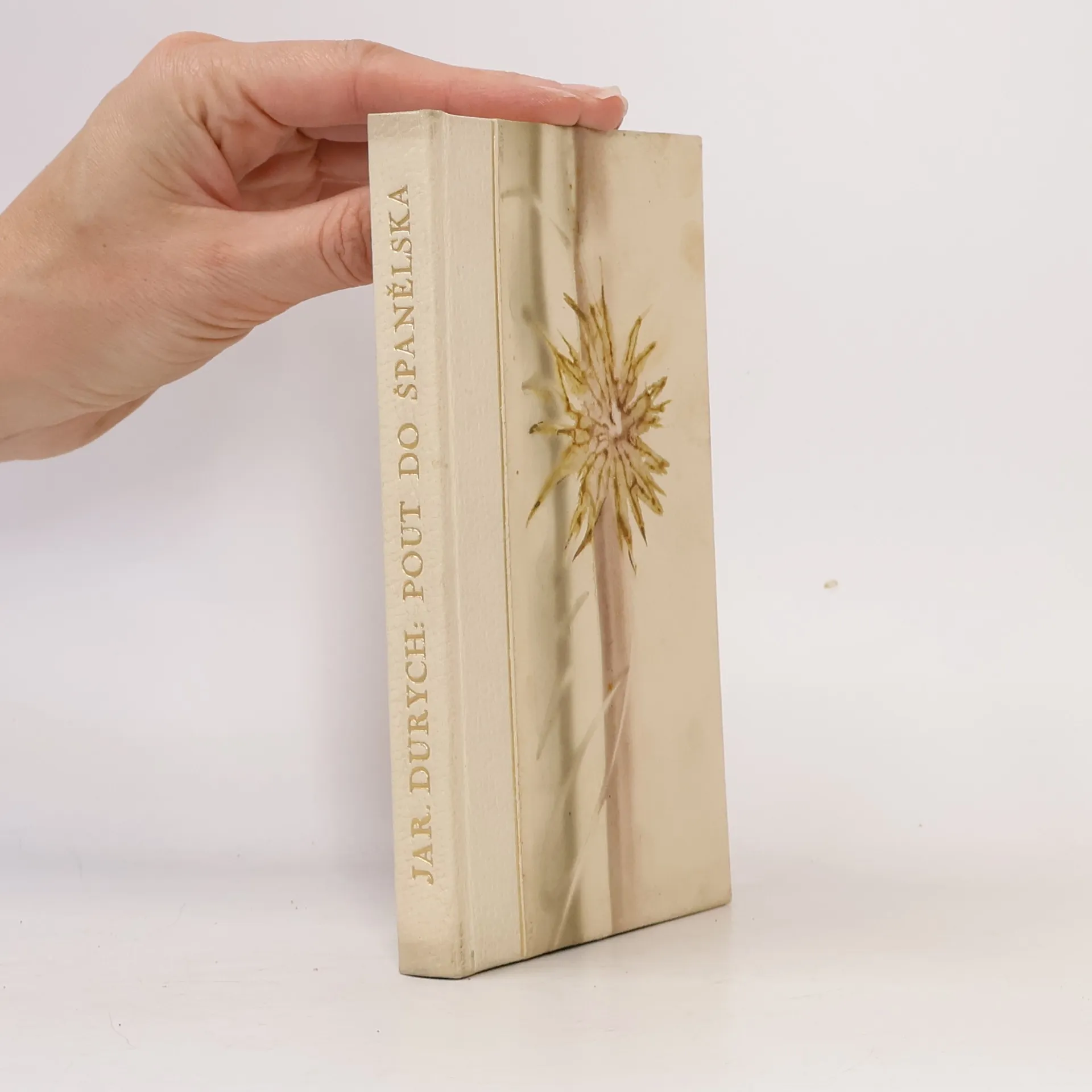
Tyto tři cestopisné knihy s Názvy Plížení Německem, Pouť do Španělska a Římská cesta vyšly už dříve v jiných svazcích. Cesty podnikl autor v průběhu shromažďování materiálu ke knihám Bloudění a Služebníci neužiteční.
Kniha o blahoslavené paní Zdislavě, ve které autor podal historické doklady o její životní pouti a na jejich základě se pokusil načrtnout "přibližný obraz její duše". 2. vydání - reprint vydání Křesťanské akademie z r. 1988.
Příběh tří mladých dívek, dvou sester a sestřenice, jejichž život poznamenala láska k jednomu muži. Typické dílo J. Durycha plynoucí v téměř lyrickém stylu psaní, v expresionismu. Působí jako lyrická milostná poezie přepsaná do prozaického díla.
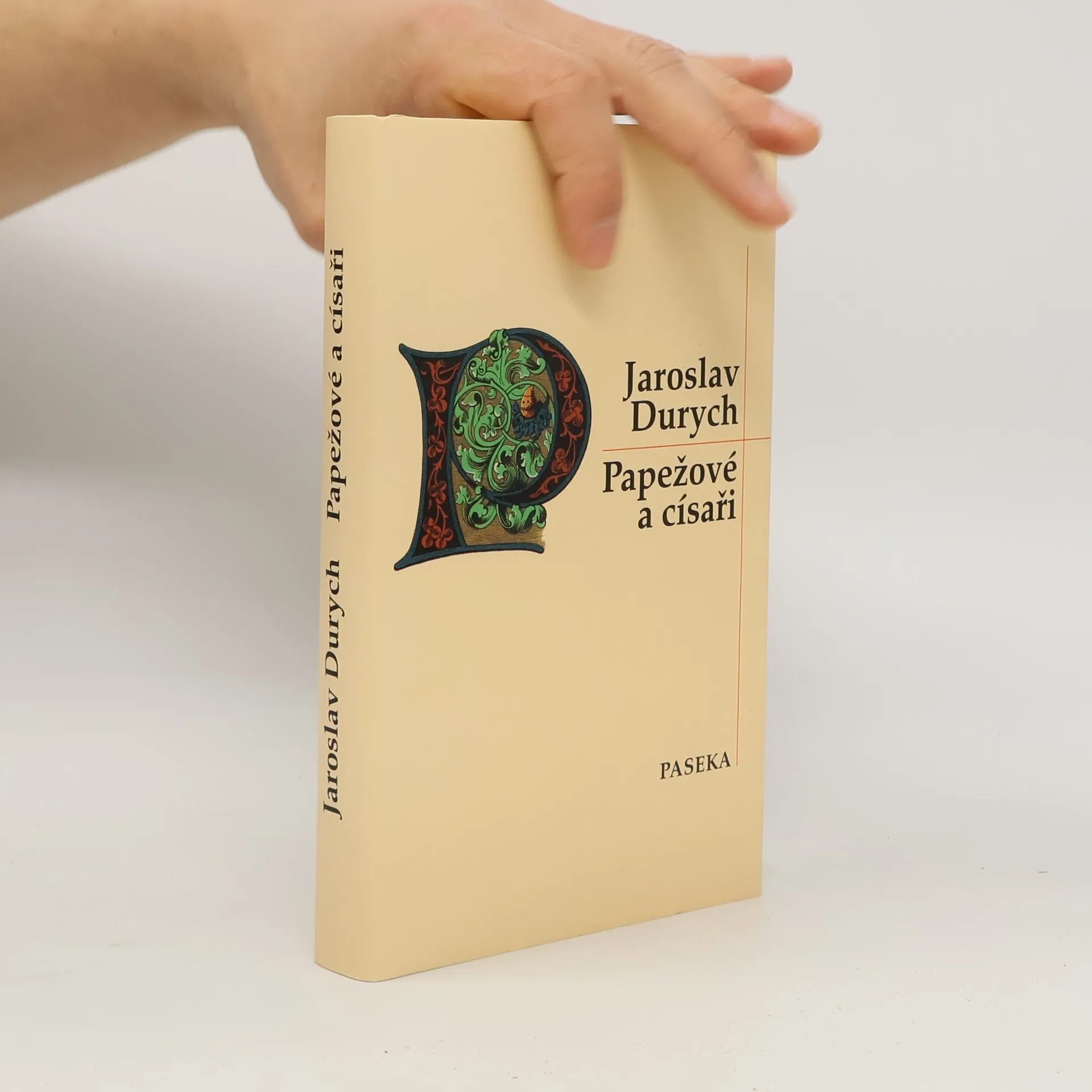
Papežové a císaři
- 229 pages
- 9 hours of reading
Dosud nikdy nevydaná kniha z pozůstalosti autora, která literárně zpracovává v sedmi kapitolách témata z historie. Vypraví o době byzantské, o nesmyslném zápolení moc světské s mocí církevní, o normanských králích na Sicílii, o bloudění řecké princezny, o slávě papeže Inocence III., o starostech biskupa Ondřeje a dvou královských dcerách.
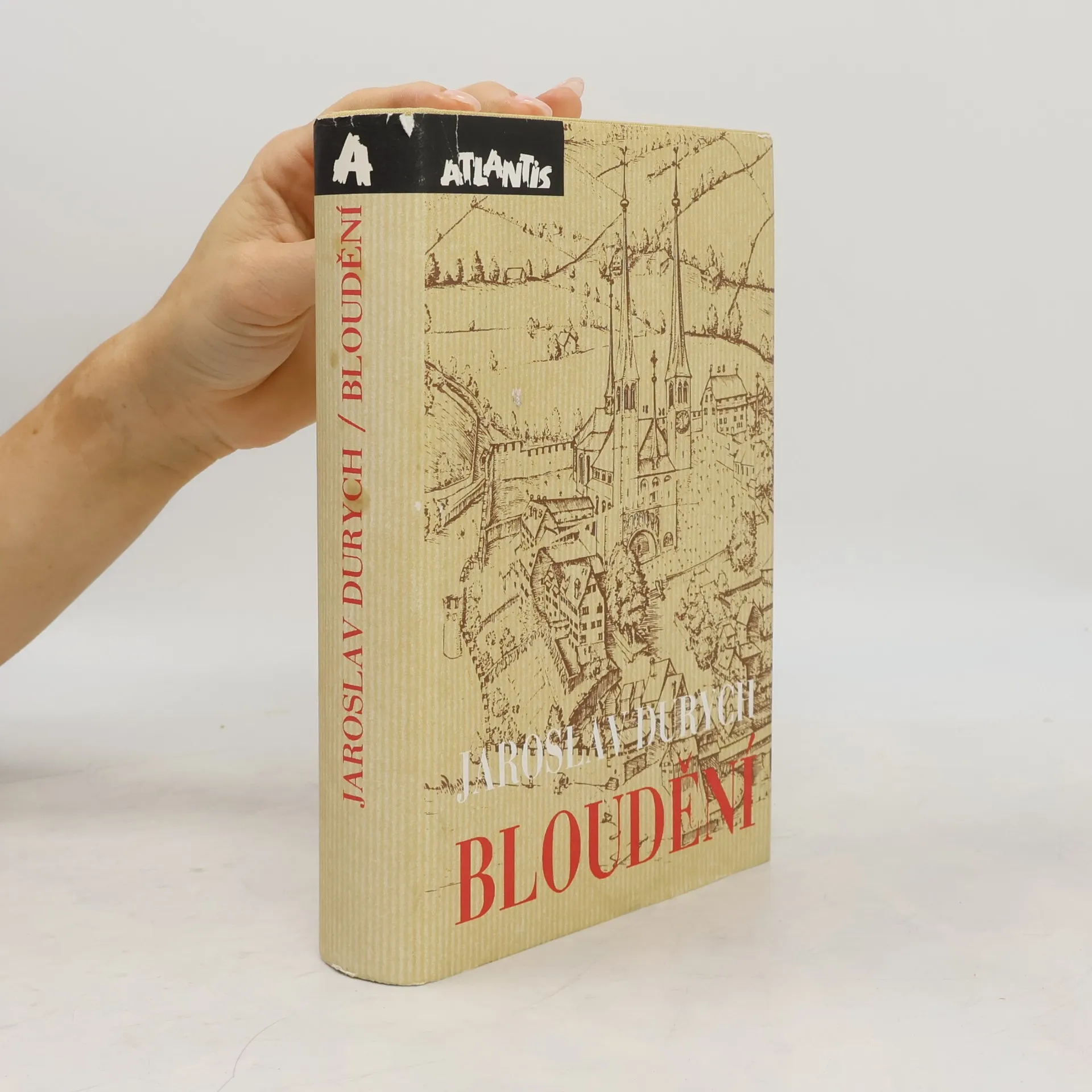
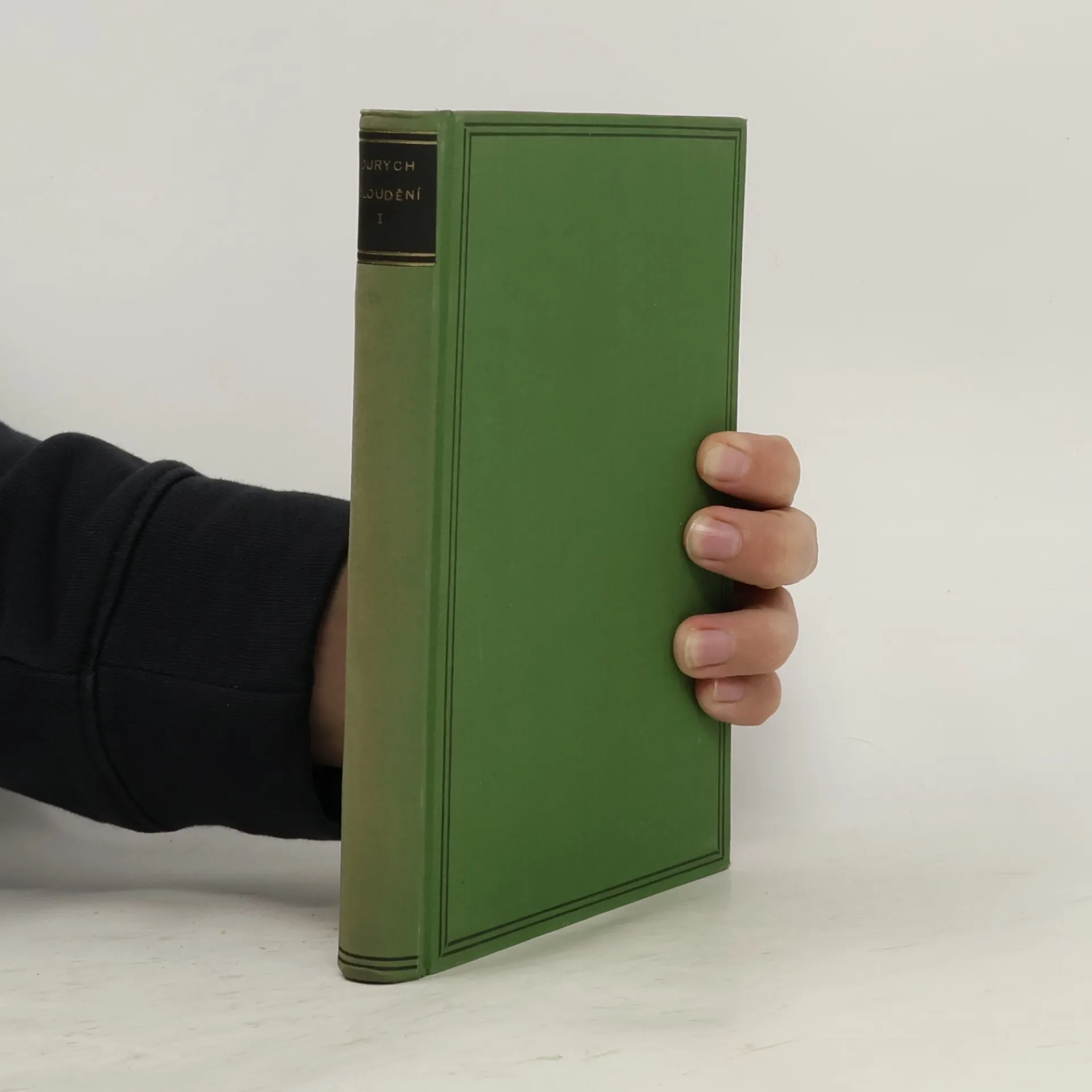
Větší valdštejnská trilogie. Příběh Čecha prožívajícího v pobělohorské době hlubokou krizi a provázeného láskou dívky španělského původu, která mu přináší zvěst o zakotvení v pevné víře.
Šest próz shrnutých z původních cyklů "Tři dukáty" a "Tři troníčky" představuje citově i myšlenkově jednotný obraz autorova vzrušeného pohledu na sociální skutečnost, na život chudých této země někdy v počátku dvacátého století. Hrdinkami těchto baladických příběhů a současnělyrických písní, podmanivých osobitostí básníkova nevšedního umění, jsou vždy ženy, které ve své bídě touží po nejskromnějším štěstí, po kráse lásky. Tak hledá Jaroslav Durych vnitřní vítězství života mezi nejprostšími, mezi vyděděnými ubožáky, stojícími na samém pokraji lidské společnosti, a tam nalézá vřelá, upřímná srdce a nejskutečnější cit, vykrystalizovaný utrpením.
Sedmikráska
- 141 pages
- 5 hours of reading
Milostný příběh o bloudění mladého člověka, který šestkráte potkává svou dívku a teprve po sedmé ji s její pomocí poznává a zůstává s ní. Oslava chudoby jako boží stopy na zemi je prostoupena společenskou skutečností doby po první světové válce a v její transformaci poetické je ostře zvýrazněn Durychův základní odpor k měštáckému světu, soustředěnému cele na zisk a bohatství, zdrojem básnické síly příběhu je rovnováha realistických a fantasijních složek.
Tři povídky z doby po pádu Albrechta z Valdštejna, jež jako by dopovídaly autorův velký historický román Bloudění. První (Kurýr) líčí věrnost vojáků velkému vojevůdci, druhá (Budějovická louka) vypráví o společnosti prominentů
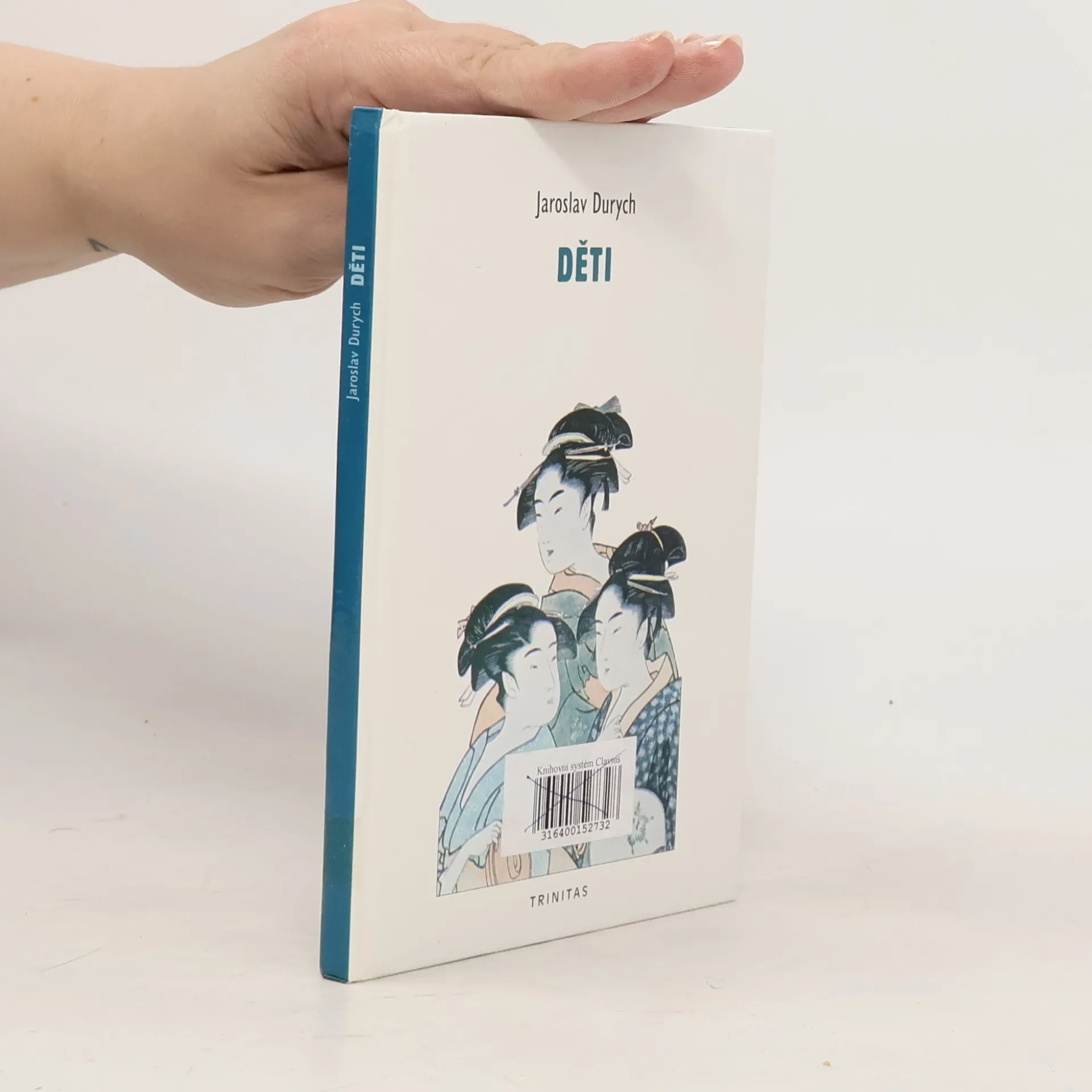
Děti
- 49 pages
- 2 hours of reading
Próza Jaroslava Durycha zavádí čtenáře do roku 1622 ke křesťanům v japonské Nagasaki.
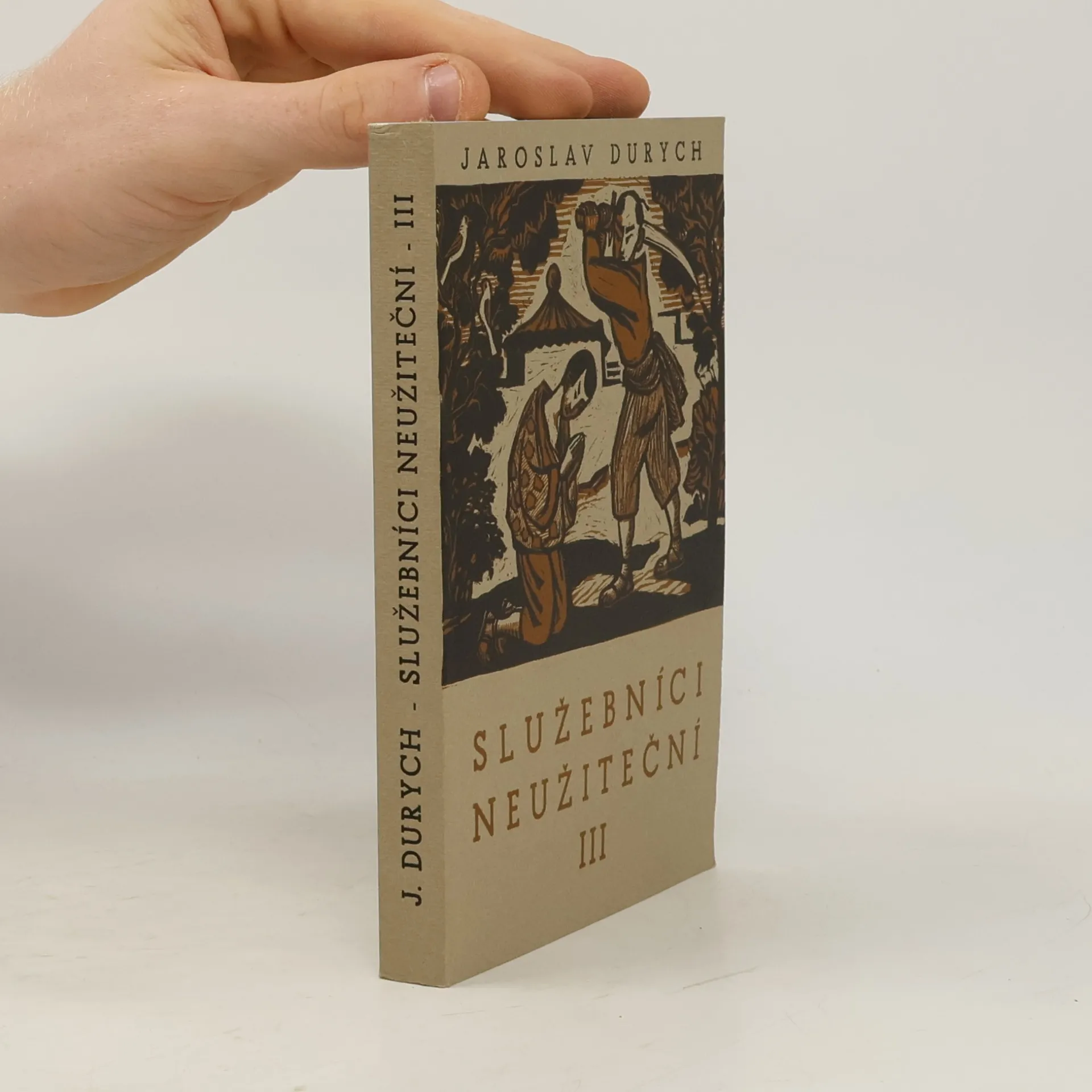
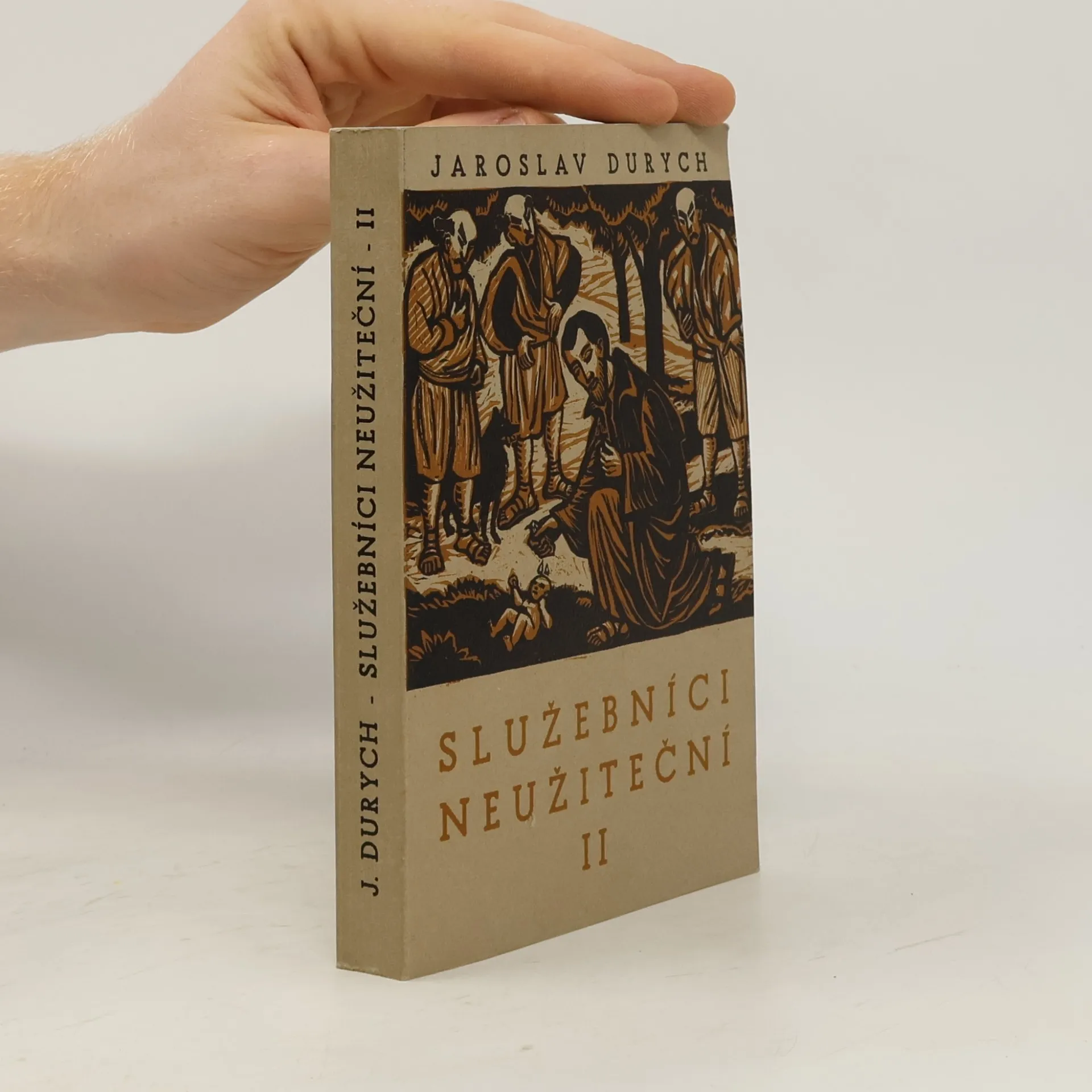
Služebníci neužiteční III
- 276 pages
- 10 hours of reading
V obsáhlé románové tetralogii se autor vrací do rudolfinské doby a zpracovává dějiny jezuitského řádu v protireformační době. Třetí díl je věnován podivuhodně úspěšné misijní činnosti v Japonsku, které je zmítáno spory mezi knížaty a kam spolu s katolickými Portugalci a Španělynebo na jejich úkor pronikají také protestantští Nizozemci a Angličané. Jezuité přitom soupeří s františkány a dominikány. Záhy je křesťanství různě zakazováno a posléze jsou krvavě pronásledováni jak misionáři, tak jejich japonští souvěrci, kterých bylo snad na 600 000. Spinola, houževnatý, dovedný, učený a zanícený, se stává biskupským prokurátorem a odmítá, jako už dříve víckrát, hierarchicky vyšší postavení, které by znamenalo odchod z Japonska.
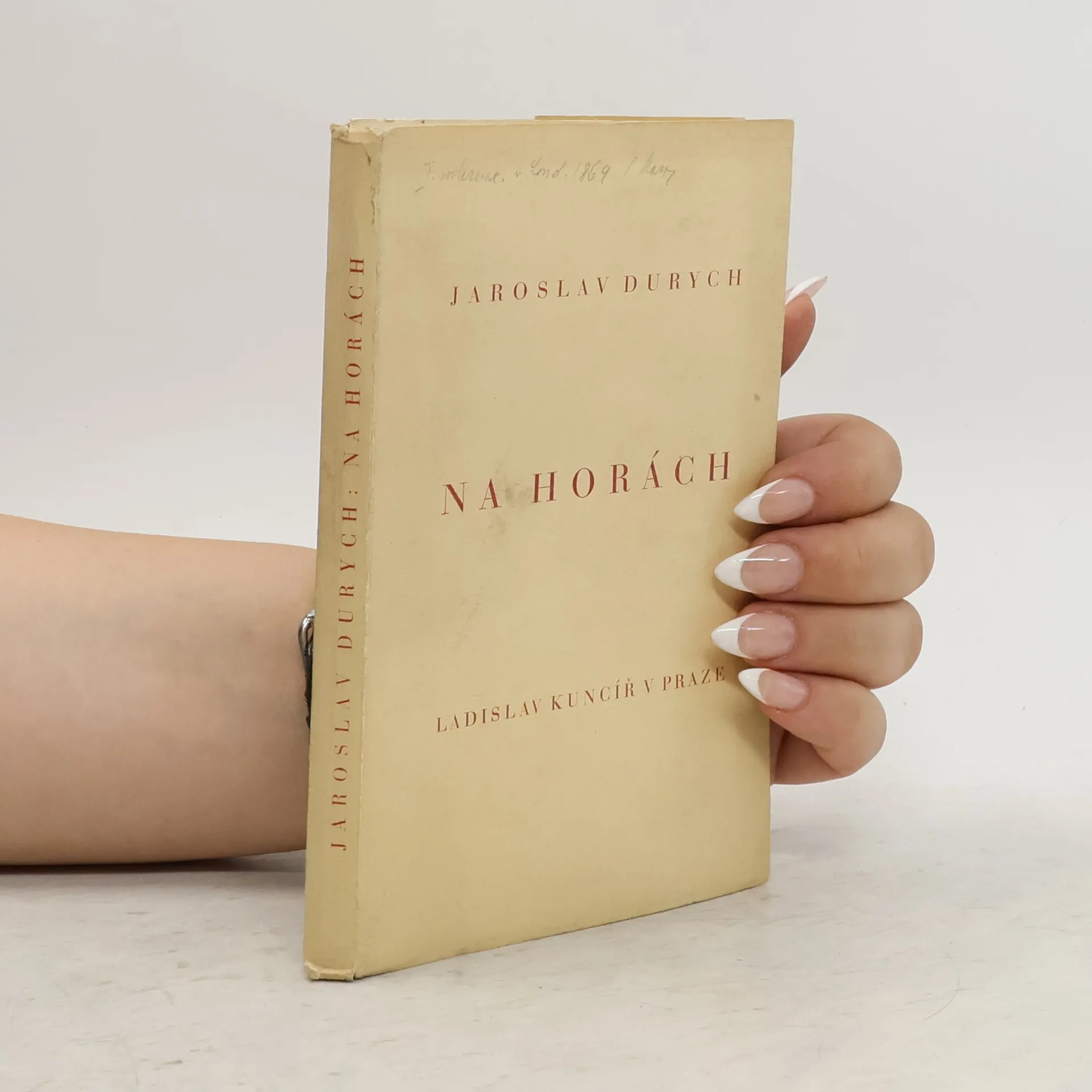
Na horách
Spisy J. Durycha 1
Bloudění. Část první.
Větší valdštejnská trilogie.
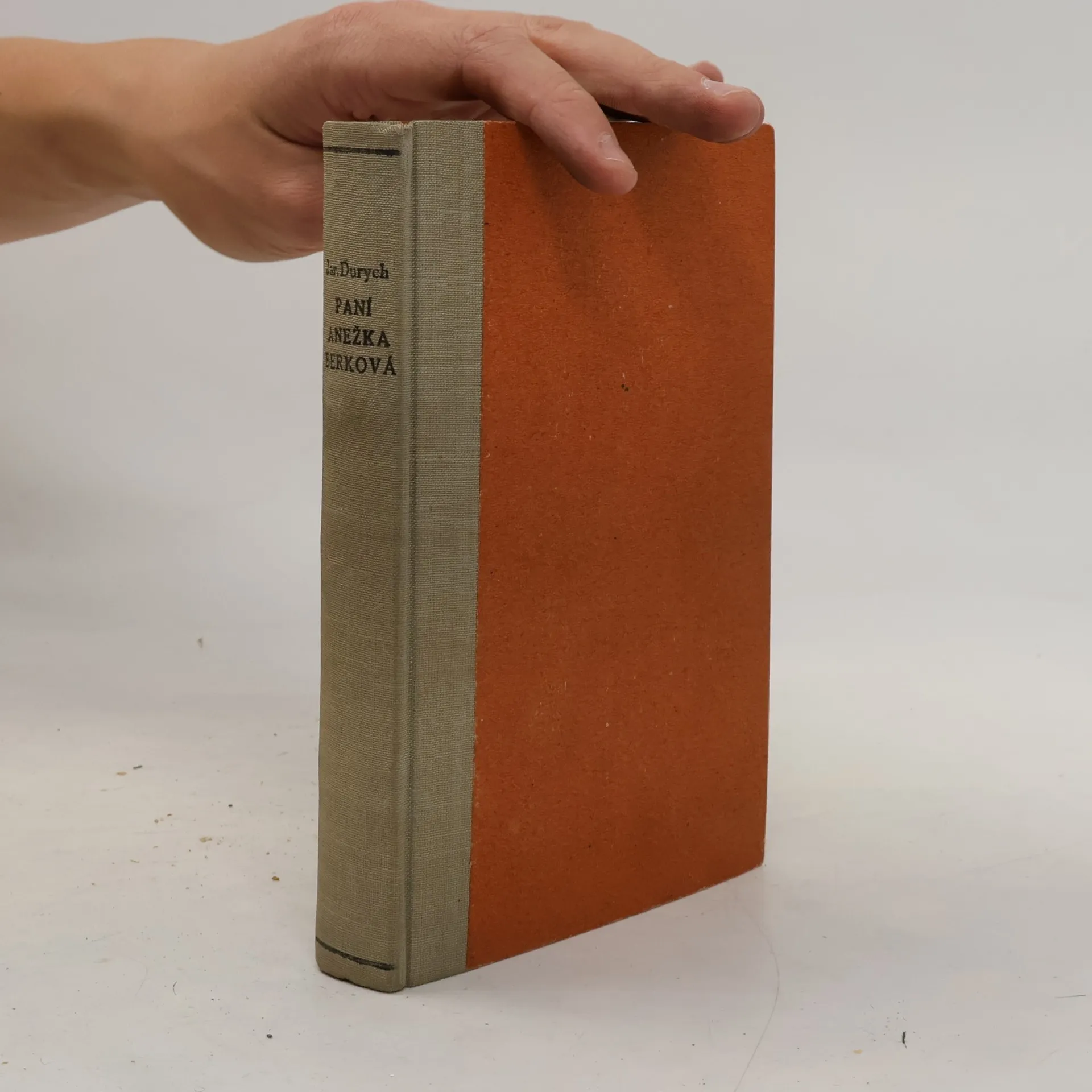
Rodinný román Paní Anežka Berková (1931) přednáší příběh dětského poslušenství a mateřské prozřetelnosti....