Franklin's heartfelt attachment to his beloved Buzzy Bee is put to the test when Buzzy goes missing. This story explores themes of friendship, loss, and the journey of searching for something precious. As Franklin navigates his feelings and the challenges of finding his lost companion, readers are taken on an emotional adventure that highlights the importance of love and perseverance.
Richard Turner Book order (chronological)


Made in Lancashire: A Collective Biography of Assisted Migrants from Lancashire to Victoria 1852-1853
- 256 pages
- 9 hours of reading
At the height of the Victorian gold rush, between July 1852 and June 1853, hundreds of government-assisted migrants from Lancashire, England, made their way to Australia and disembarked in Victoria. They were part of a huge flood of such migrants who were poured into the new-born colony as the colonial administration scrabbled to cope with the gold rush. The scheme was an unprecedented achievement in government-organised migration. Yet most historians have tended to dismiss these assisted migrants as the unskilled poorest-of-the-poor, and not of the same calibre as the working-class and middle-class unassisted migrants also arriving at the colony in great numbers. Made in Lancashire is a collective biography that explores in detail who the Lancashire assisted migrants were, their origins, why they migrated, where they went on arrival in Victoria, and what they made of their lives. Far from being the dross of England, these migrants were intelligent, highly motivated risktakers, many of whom went on to experience success as gold diggers, selectors, tradespeople and entrepreneurs.
Hawsmoor at Home should be covered in fingerprints and splashes of food, as it's a great hands-on book to use every day.' HESTON BLUMENTHAL'When we started out we had a simple plan - to open the best steak restaurant in London.
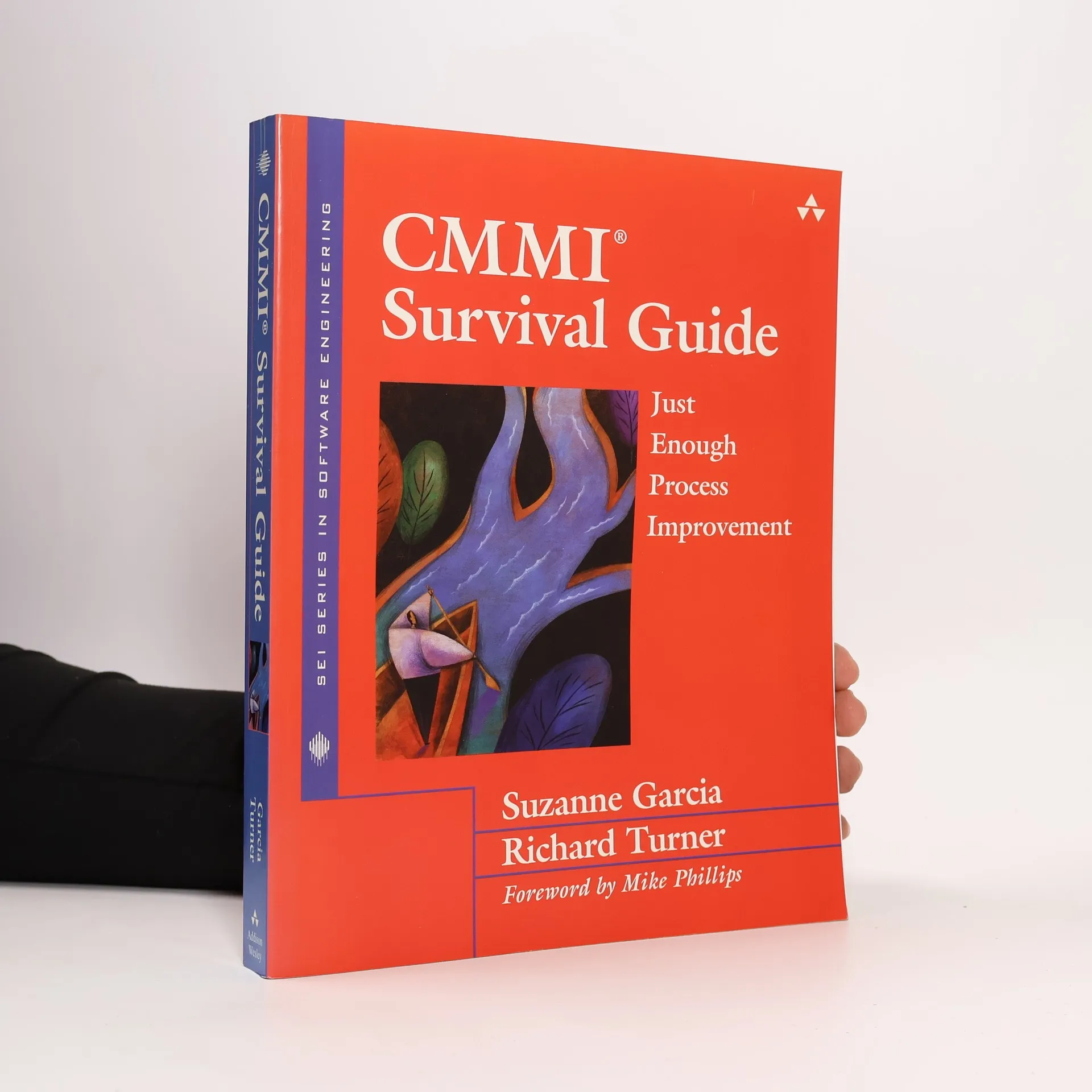
SEI Series in Software Engineering: CMMI Survival Guide
Just Enough Process Improvement
- 336 pages
- 12 hours of reading
Traveling the CMMI road can be challenging and time-consuming, but the authors provide a practical roadmap that highlights essential learning points and pitfalls to avoid. Their Survival Guide serves as a valuable resource for achieving process improvement. It offers quick access to the core elements of CMMI with minimal hassle. Readers are encouraged to keep this guide handy for repeated insights, especially those involved in process improvement initiatives. The book is particularly beneficial for smaller organizations with limited resources, providing real, actionable techniques to prioritize and establish reasonable improvement plans. The authors present a variety of methods for process implementation, framed with lessons learned, making the content relatable and practical. The conversational style and humor enhance readability, making it an enjoyable experience. The CMMI framework, while complex, can yield substantial business value with the right guidance. This book is designed for various audiences—whether you're just considering process improvement, actively implementing CMMI, or seeking direction mid-journey. It offers alternative, less intensive approaches to CMMI implementation, drawing on the authors' extensive experience and practical knowledge. Overall, this guide helps navigate the CMMI landscape effectively, making it an essential companion for anyone on this journey.