

The first book to tackle the importance of women's networks for civil society in Japan in th nineteenth century. The essays traverse the divide when Japan started transforming itself from a decentralized to a centralized government, and from legally imposed restrictions on movement to the breakdown of travel barriers.
Anne Walthall Book order (chronological)
Anne Walthall's work delves into the profound impact of historical shifts on individual lives, with a particular focus on women's experiences. She critically examines the societal structures and forces that shaped daily realities across various historical periods. Walthall's scholarship offers deep insights into often overlooked aspects of history, emphasizing personal narratives within broader societal transformations. Her approach illuminates the complex interplay between individual agency and large-scale historical change.
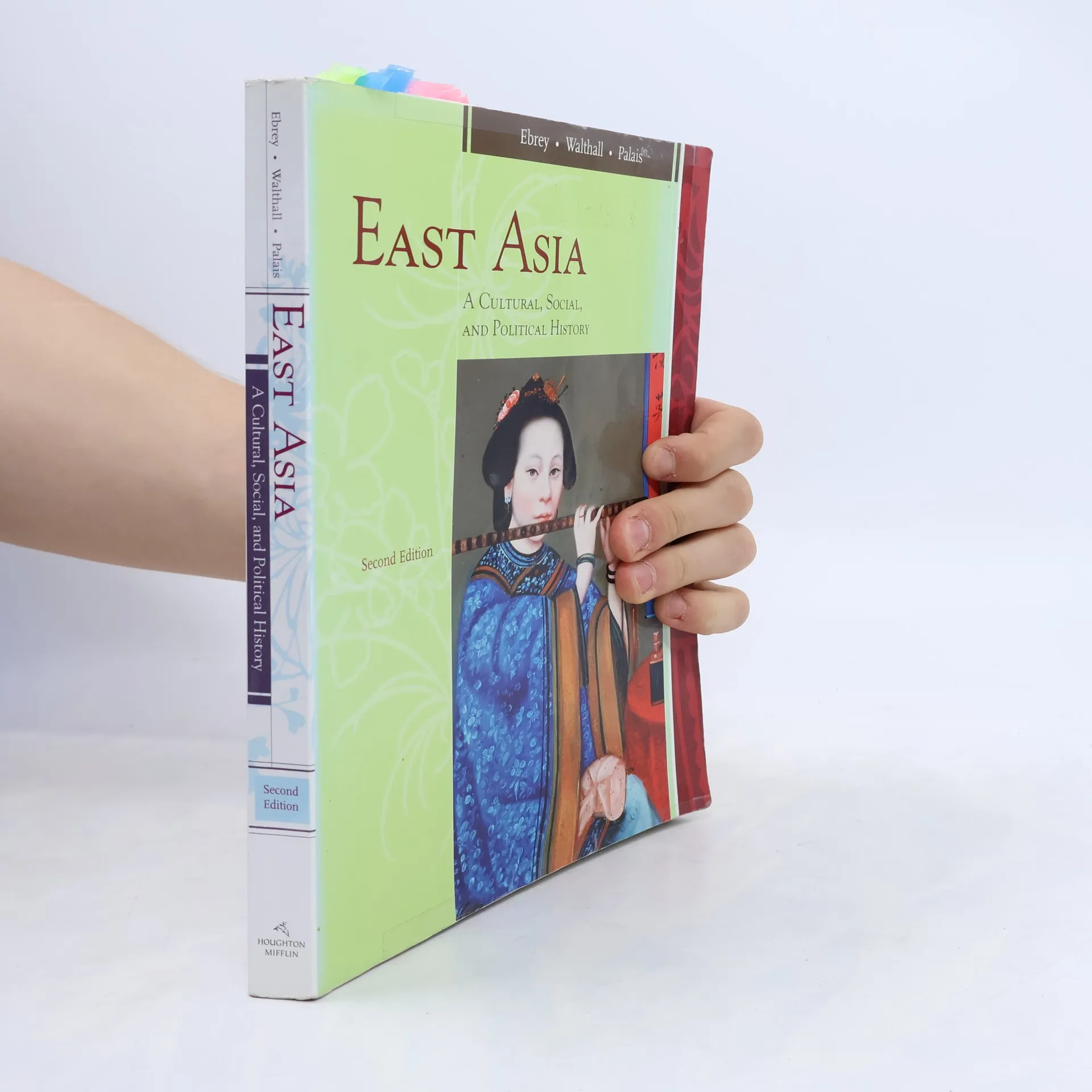

East Asia
A Cultural, Social, and Political History
Designed for the East Asian history course, this text features the latest scholarship on the region's cultural, political, economic, and intellectual history. Coverage is balanced among East Asian countries, with approximately 20 percent of the text focused on Korea, an area that has become increasingly important in world politics. Special attention is devoted to gender and material culture, themes are reinforced through the text's pedagogical features. Full color inserts on topics such as food, clothing, and art objects illustrate the rich artistic heritage of East Asia and bolster the coverage of material culture. Features include a range of primary source documents on topics such as women's independence and students-turned-soldiers, and biographical sketches throughout the text highlight the lives of popular figures and ordinary people. Connections features provide an international context for the history of East Asia, including topics such the origin and spread of Buddhism and a global perspective of World War II.