

A new translation of one of the most important philosophical works of all time A Penguin Classic Aristotle’s classic treatise is based on his famous doctrine of the golden mean, which advocates taking the middle course between excess and deficiency. Reacting against Plato’s absolutism, Aristotle insisted that there are no definitive moral standards and that ethical philosophy must be based on human nature and experience. Treating such topics as moral worth, intellectual virtue, pleasure, friendship, and happiness, The Nicomachean Ethics asks above all: What is the good life, and how can we live it?
Terence Irwin Books
April 21, 1947
Terence Irwin is a distinguished scholar and philosopher whose work centers on ancient Greek thought and the history of ethics. He meticulously examines the evolution of moral philosophy across Western traditions, from antiquity through medieval and modern periods. Irwin's scholarly contributions illuminate the development of foundational ethical concepts and their enduring impact. His extensive academic career at renowned institutions underscores his profound influence on the field.
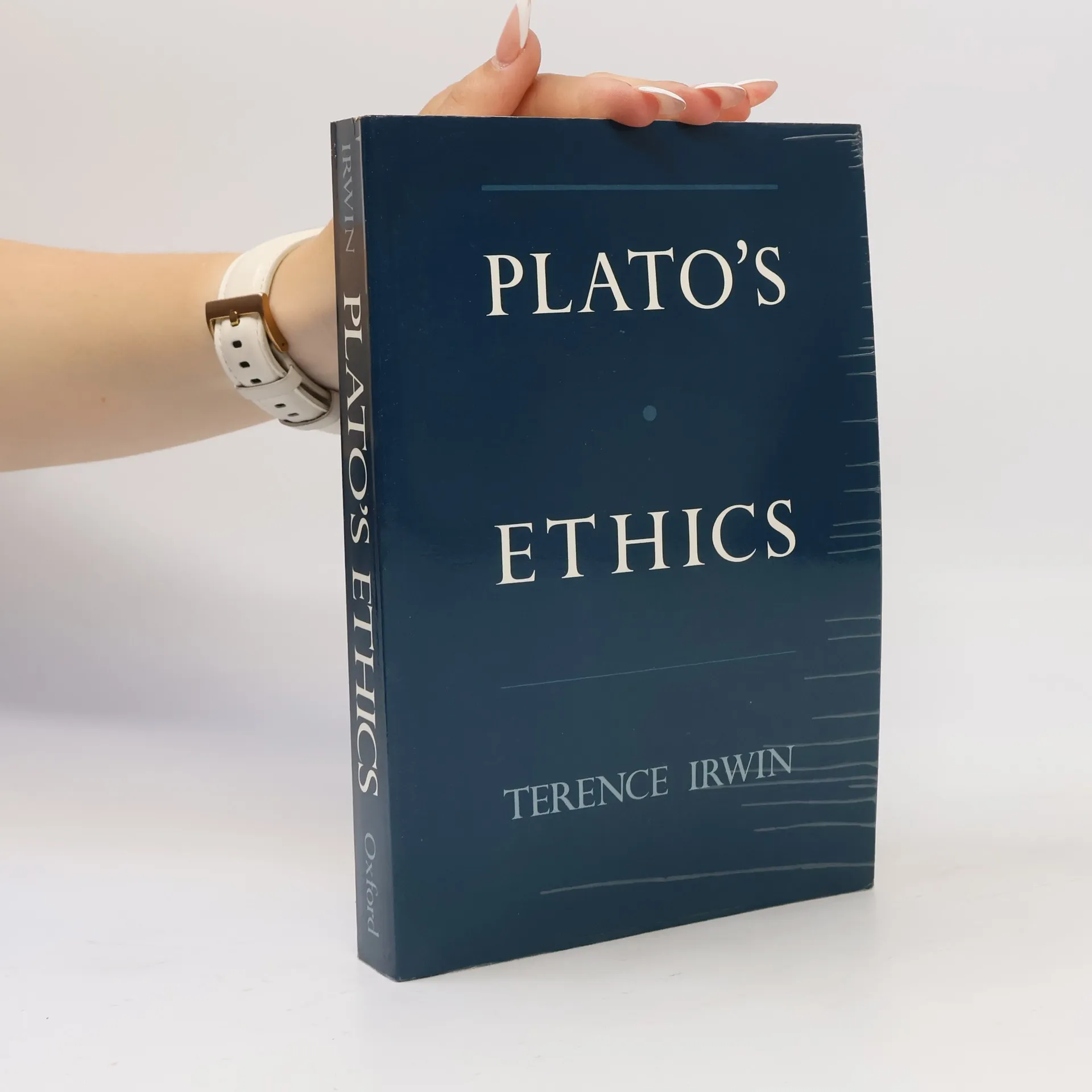

Plato's Ethics
- 464 pages
- 17 hours of reading
This exceptional book examines and explains Plato's answer to the normative question, "How ought we to live?" It discusses Plato's conception of the virtues; his views about the connection between the virtues and happiness; and the account of reason, desire, and motivation that underlies his arguments about the virtues. Plato's answer to the epistemological question, "How can we know how we ought to live?" is also discussed. His views on knowledge, belief, and inquiry, and his theory of Forms, are examined, insofar as they are relevant to his ethical view. Terence Irwin traces the development of Plato's moral philosophy, from the Socratic dialogues to its fullest exposition in the Republic . Plato's Ethics discusses Plato's reasons for abandoning or modifying some aspects of Socratic ethics, and for believing that he preserves Socrates' essential insights. A brief and selective discussion of the Statesmen , Philebus , and Laws is included. Replacing Irwin's earlier Plato's MoralTheory (Oxford, 1977), this book gives a clearer and fuller account of the main questions and discusses some recent controversies in the interpretation of Plato's ethics. It does not presuppose any knowledge of Greek or any extensive knowledge of Plato.