
Explore the latest books of this year!
Bookbot

Carroll L. Riley Books

    This author's work delves into the rich tapestry of human experience, exploring diverse cultures and environments. Their research often involves immersive fieldwork, living among indigenous communities to gain a profound understanding of their way of life and perspectives. This deep engagement with subjects informs a writing style that is both scholarly and deeply humanistic, offering readers unique insights into societies and landscapes.

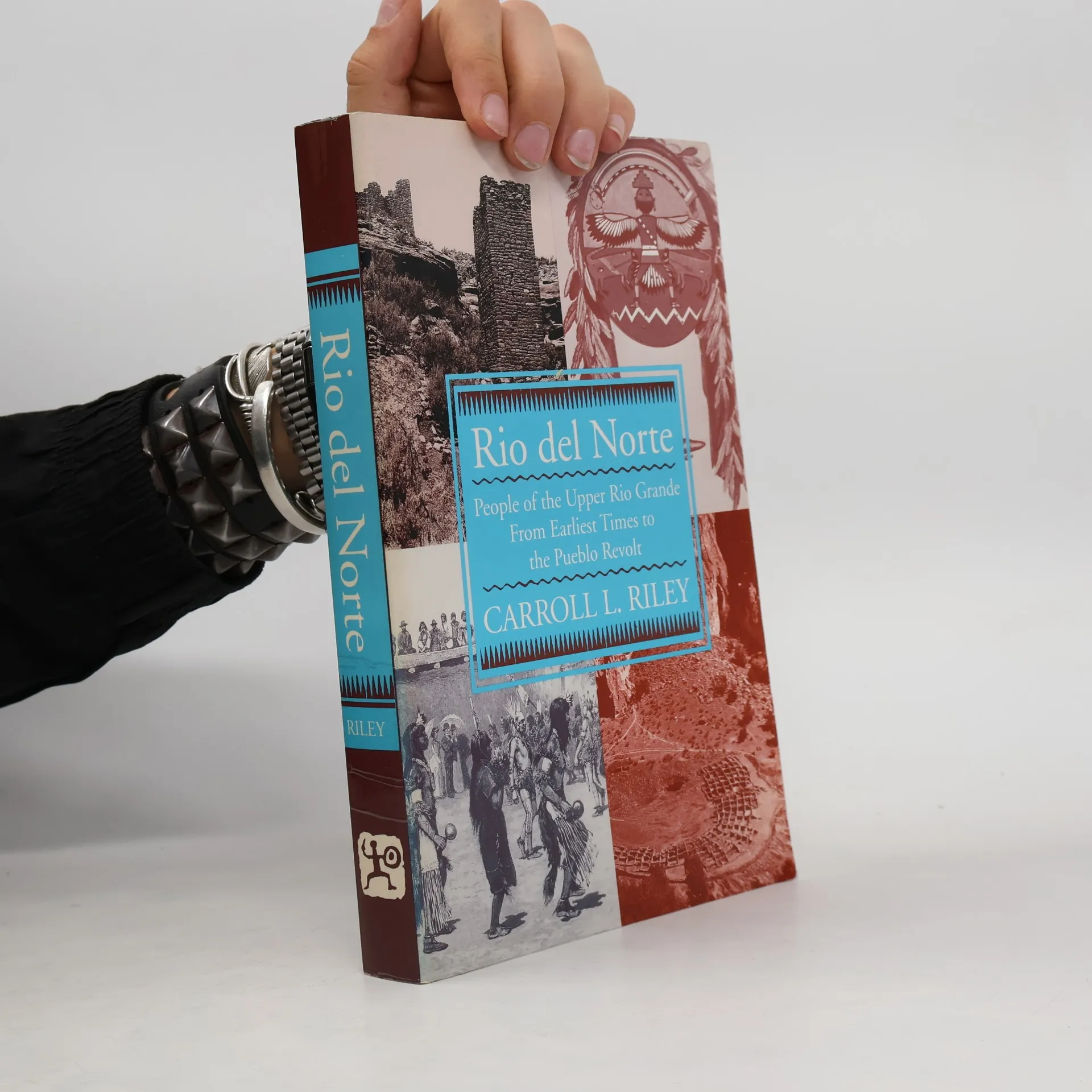
    Rio del Norte
    Kachina and the Cross
    • Kachina and the Cross

      • 352 pages
      • 13 hours of reading

      Focusing on the dramatic conflict between the Pueblo Indians and Franciscan missionaries in 17th-century New Mexico, the narrative highlights the often-overlooked Indian resistance against Spanish colonial forces. By integrating archaeological and anthropological research from the past four decades, the author enriches the historical account of Spanish-Pueblo relations, offering a more balanced perspective on this tumultuous period. The book challenges previous narratives that primarily emphasized the Spanish experience, providing a comprehensive view of the decade-long war that ensued.

      Kachina and the Cross
      3.9
    • Rio del Norte

      People of Upper Rio Grande from Earliest Times to Pueblo Revolt

      • 360 pages
      • 13 hours of reading

      Rio del Norte chronicles the upper Rio Grande region and its divers peoples across twelve thousand years of continuous history. Based on the most up-to-date historical and archaeological research, Rio del Norte is a tour de force, highlighting the unbroken history of the upper Rio Grande.Beginning with the mammoth hunters of eleven millennia ago, Carroll Riley adeptly eaves the threads of twelve thousand years of continuous history through the introduction of agriculture, the rise of the Basketmaker-Pueblo (Anasazi) people, and the extraordinary "quickening" that occurred along the Rio Grande and its tributaries as the Anasazi era ended.At that time large towns appeared, some holding several thousand people who practiced irrigation-based agriculture, maintained complex social and political organizations, and had a rich artistry. This "golden age" was continuing when Spaniards contacted, then colonized and missionized the region. In 1680 the Pueblos joined in a powerful record and ousted the invaders. Although the Spanish returned, the Pueblos have maintained important parts of their cultural heritage to the present.

      Rio del Norte