

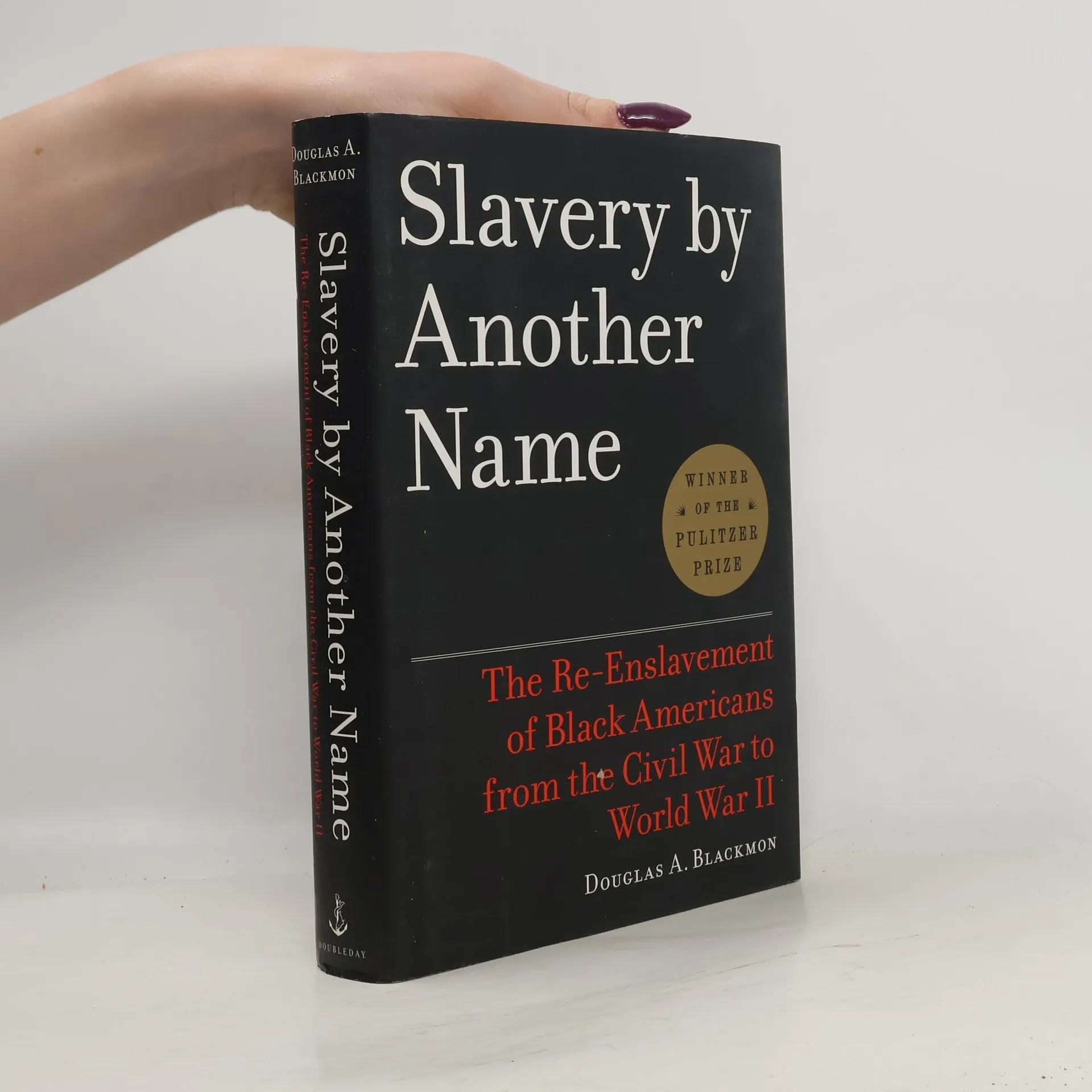
Slavery by Another Name
The Re-Enslavement of Black Americans from the Civil War to World War II - Winner of the Pulitzer Prize
- 480 pages
- 17 hours of reading
In this groundbreaking historical exposé, Douglas A. Blackmon reveals a dark chapter in American history—an “Age of Neoslavery” that persisted from the Civil War's aftermath until World War II. Following the war, laws were enacted to intimidate African Americans, leading to the arbitrary arrest of tens of thousands who were burdened with exorbitant fines and charged for their own arrests. Unable to pay these “debts,” many were sold as forced laborers to coal mines, lumber camps, and plantations. Others were seized by southern landowners and coerced into years of involuntary servitude. Government officials leased falsely imprisoned blacks to entrepreneurs and corporations, including U.S. Steel, seeking cheap labor. This system exploited legal loopholes and federal policies that discouraged the prosecution of whites for holding black workers against their will. It poured millions into southern treasuries and terrorized African Americans seeking political participation. Drawing from original documents and personal narratives, the work uncovers the lost stories of those who transitioned from freedom back into servitude and highlights the resistance against human trafficking. It also examines the modern companies that profited from neoslavery and the system's decline in the 1940s, influenced by fears of enemy propaganda regarding American racial abuses. This account serves as a sobering reminder of a little-known crime against Afri