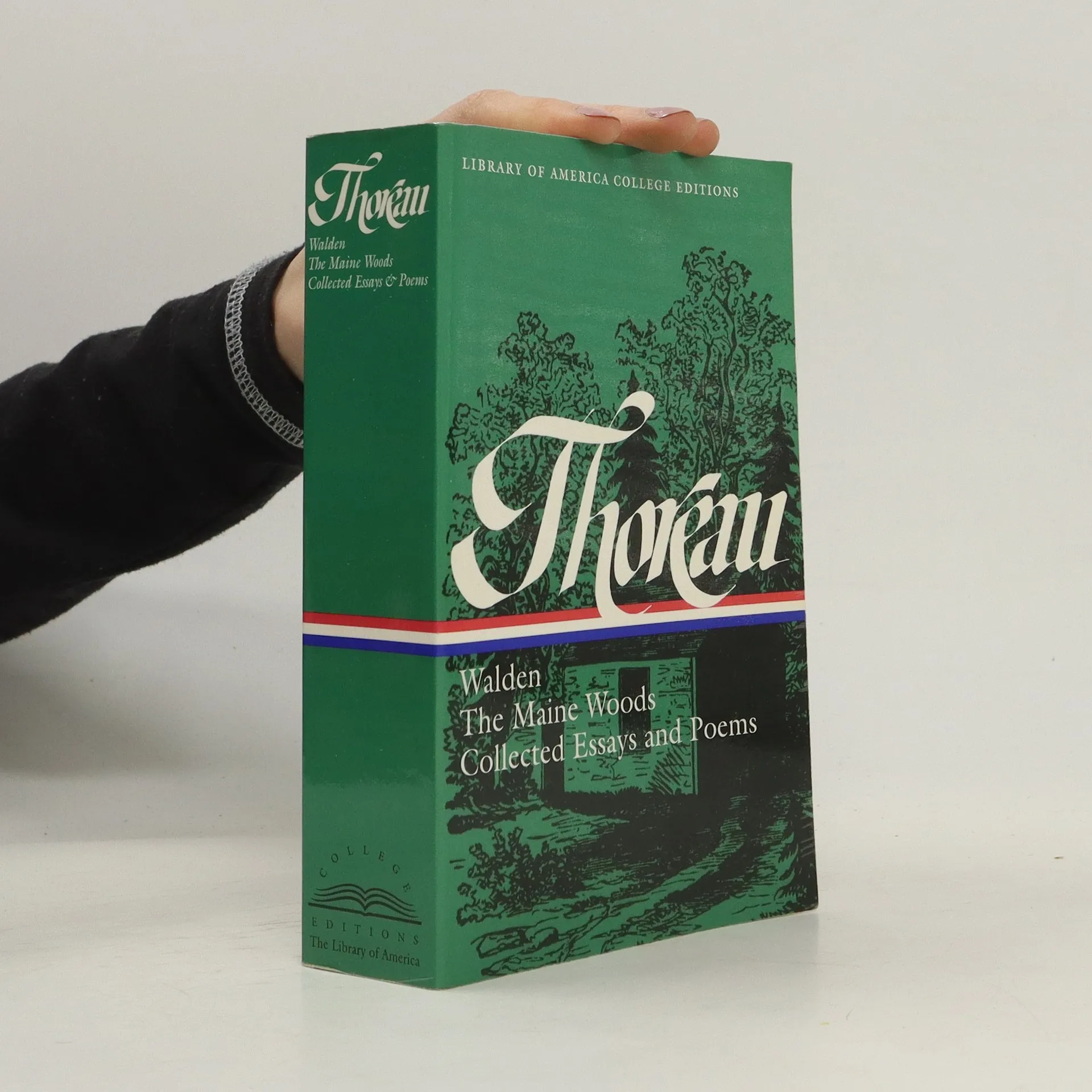
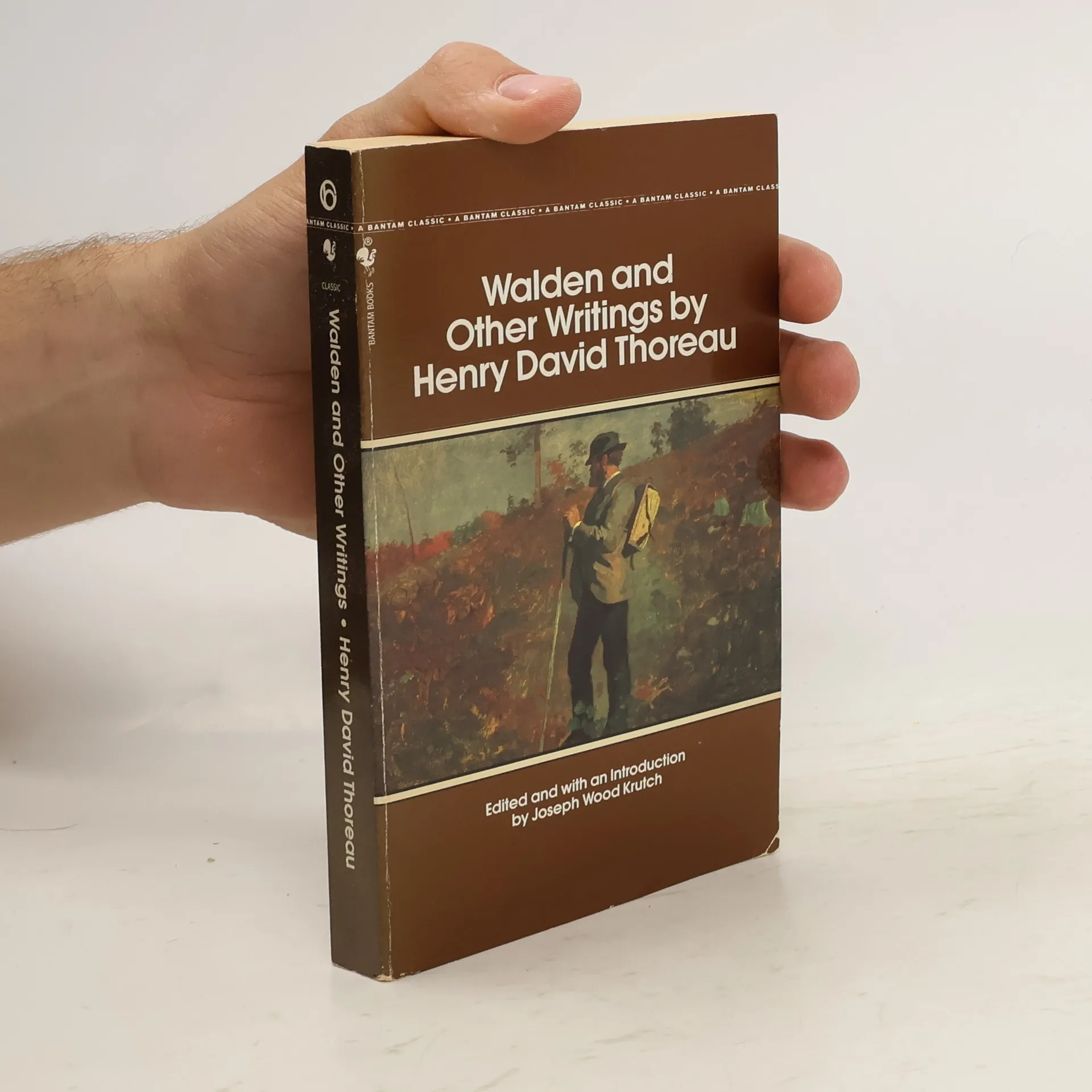
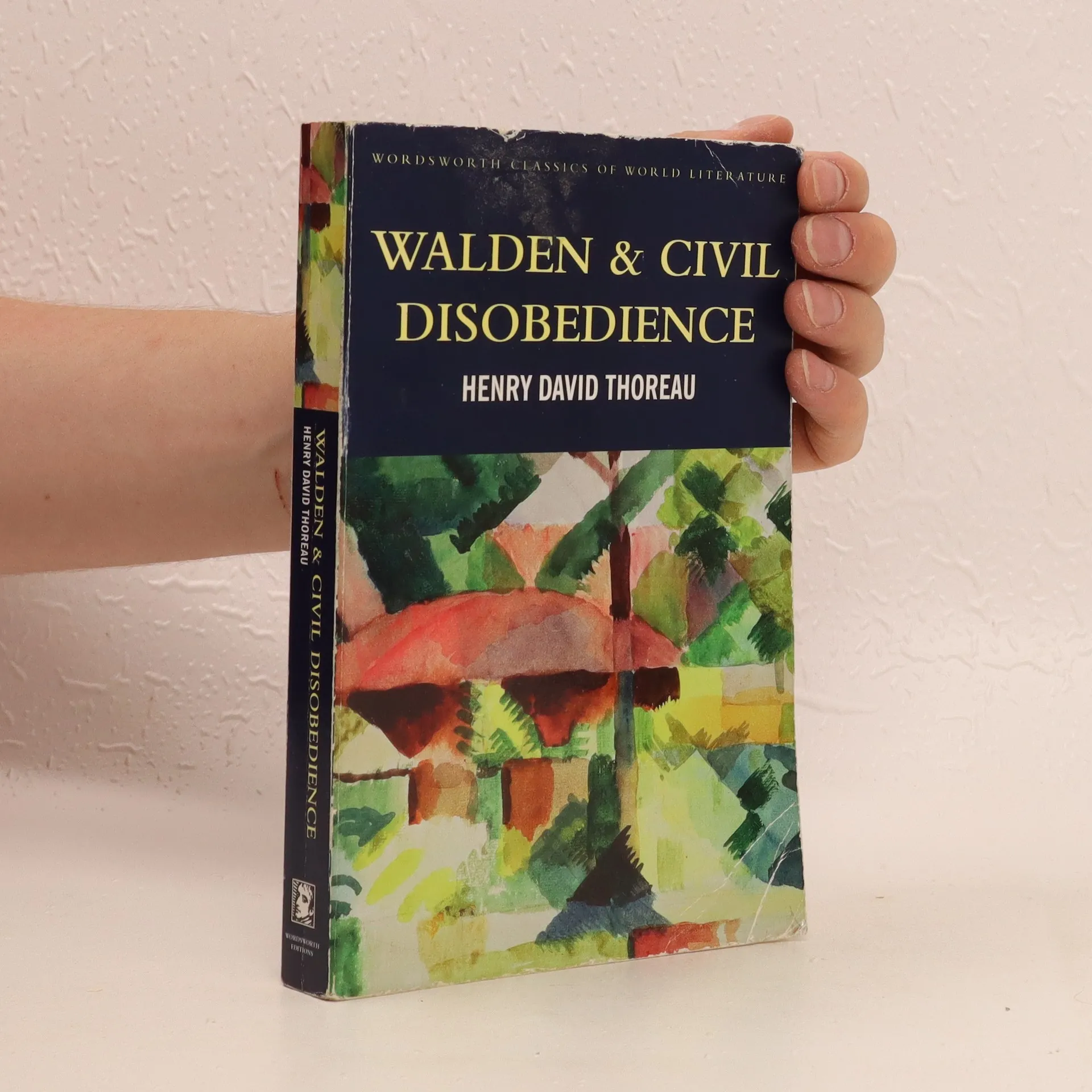
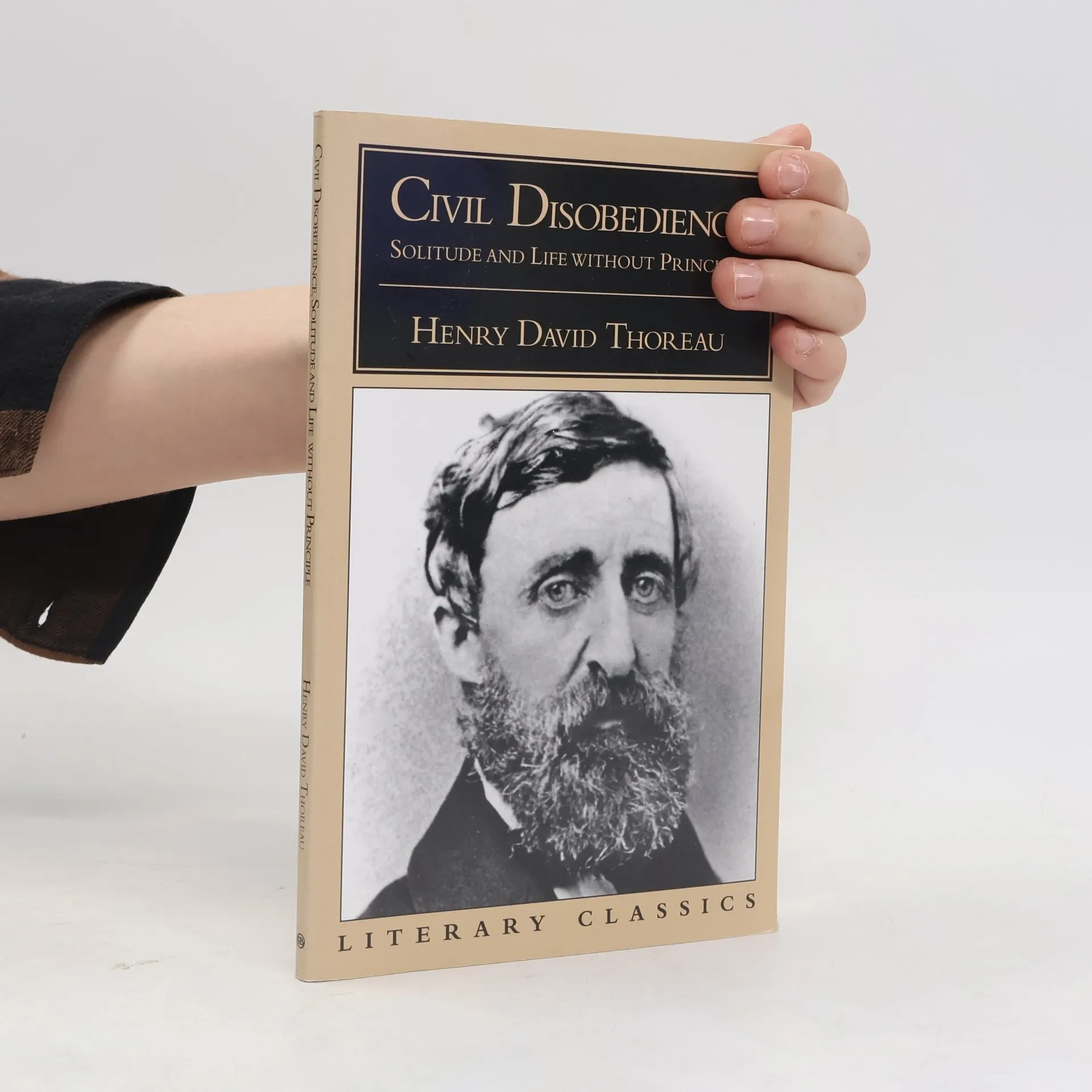
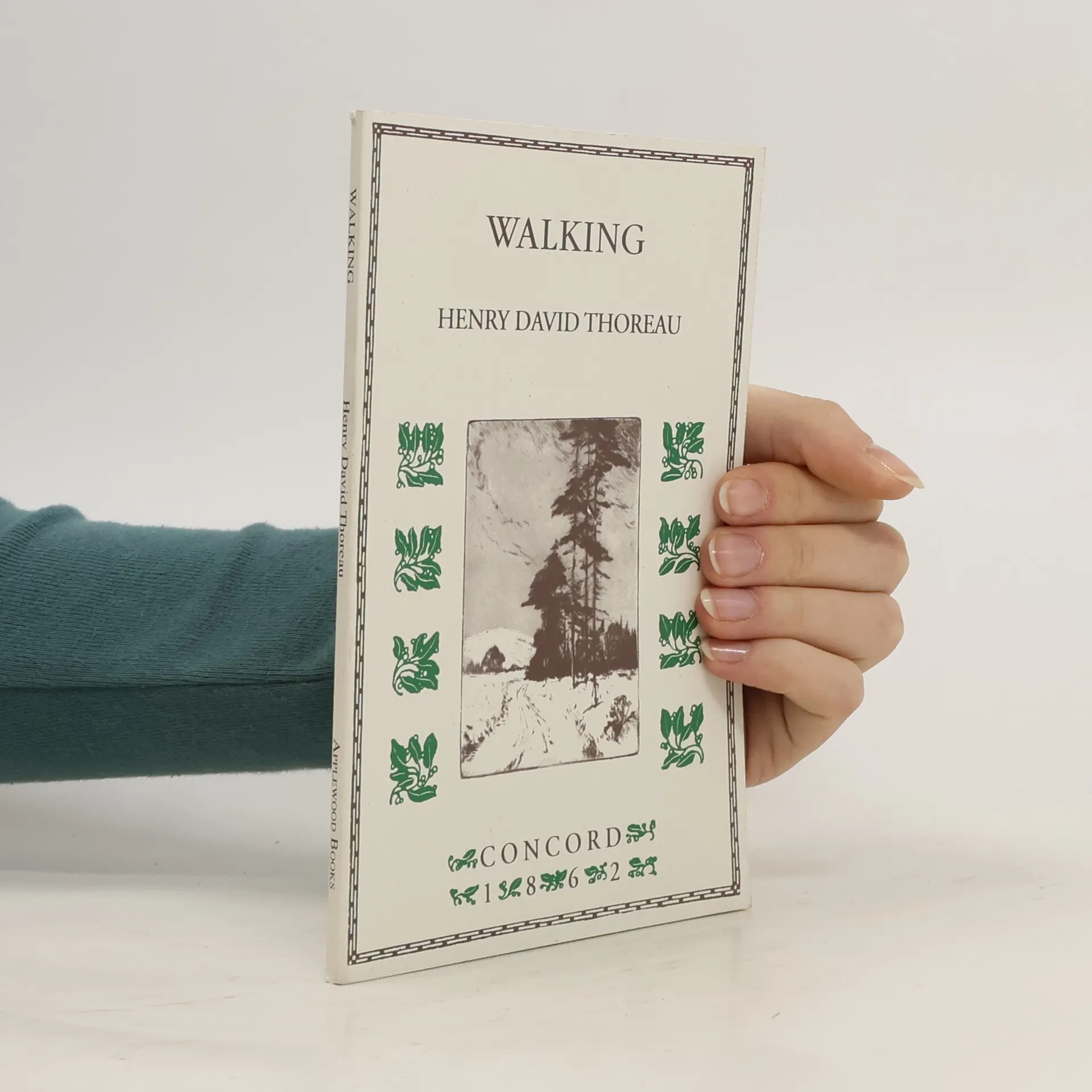
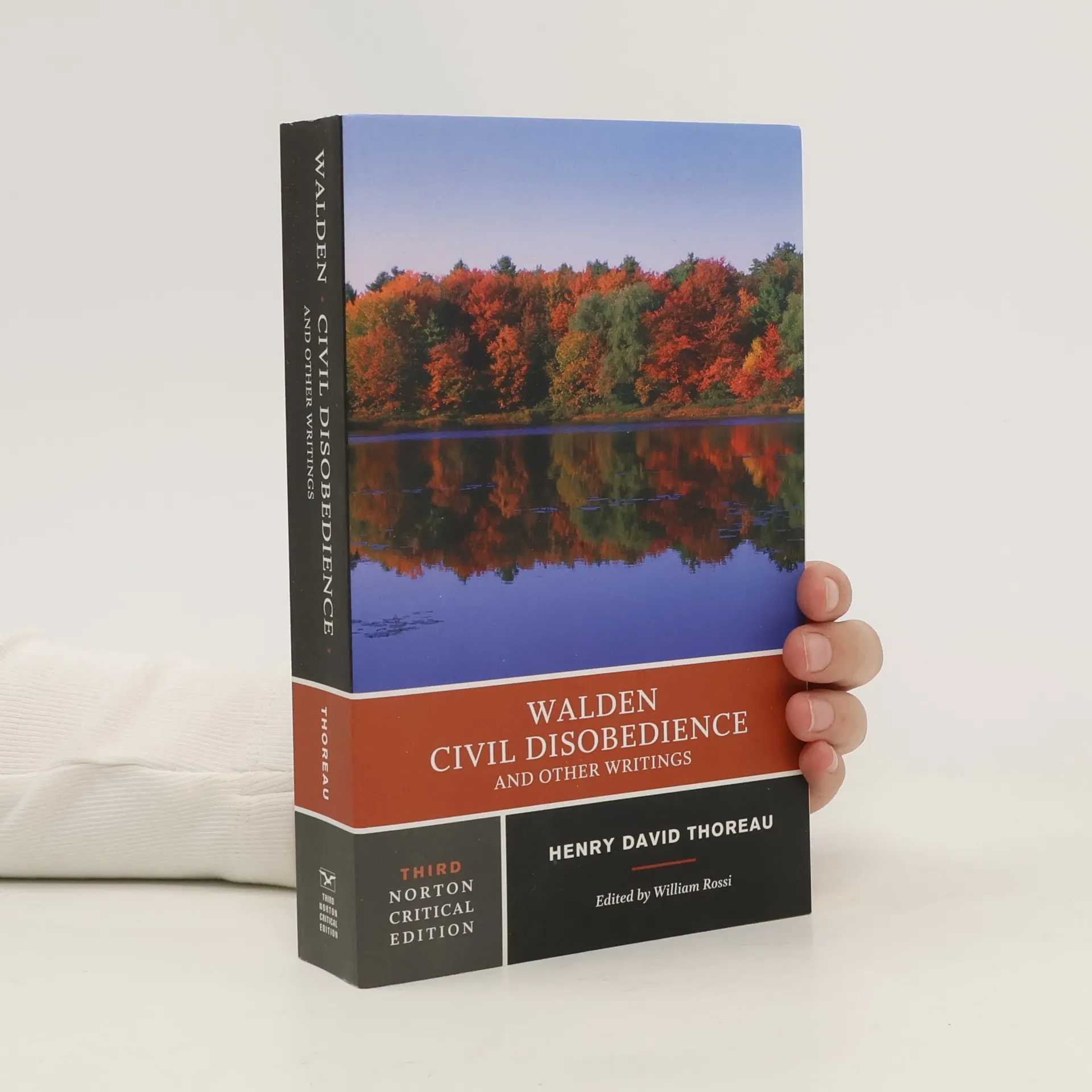
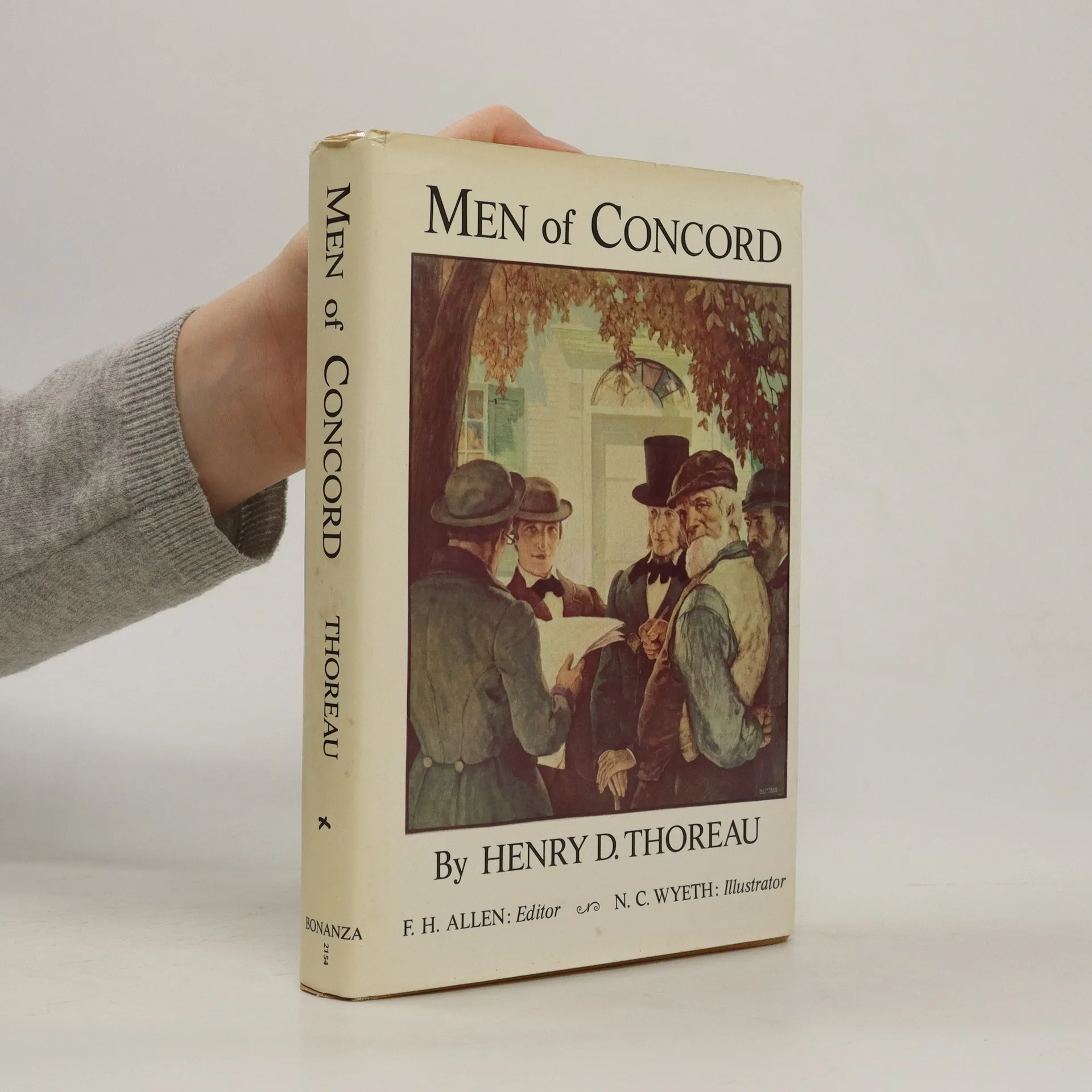
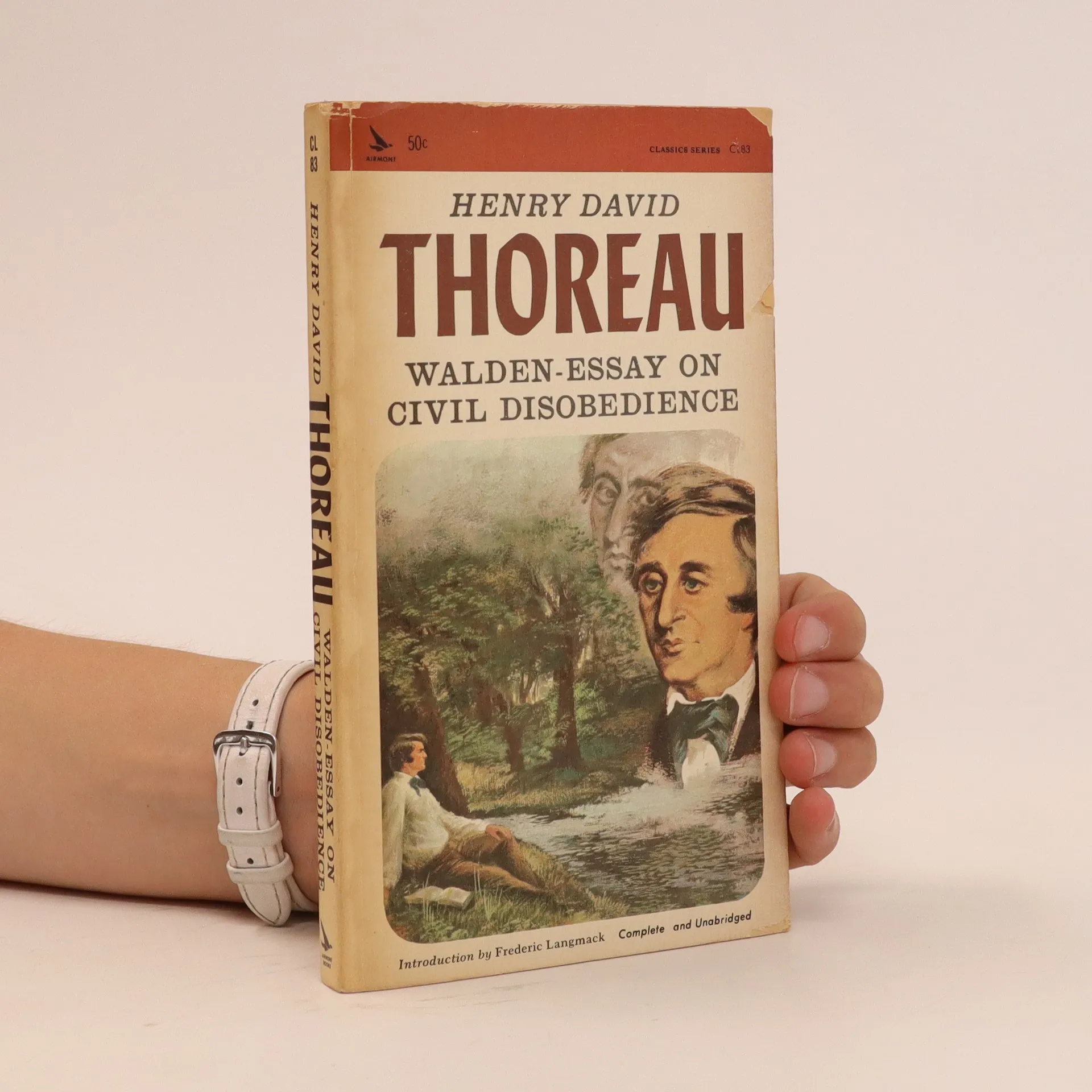
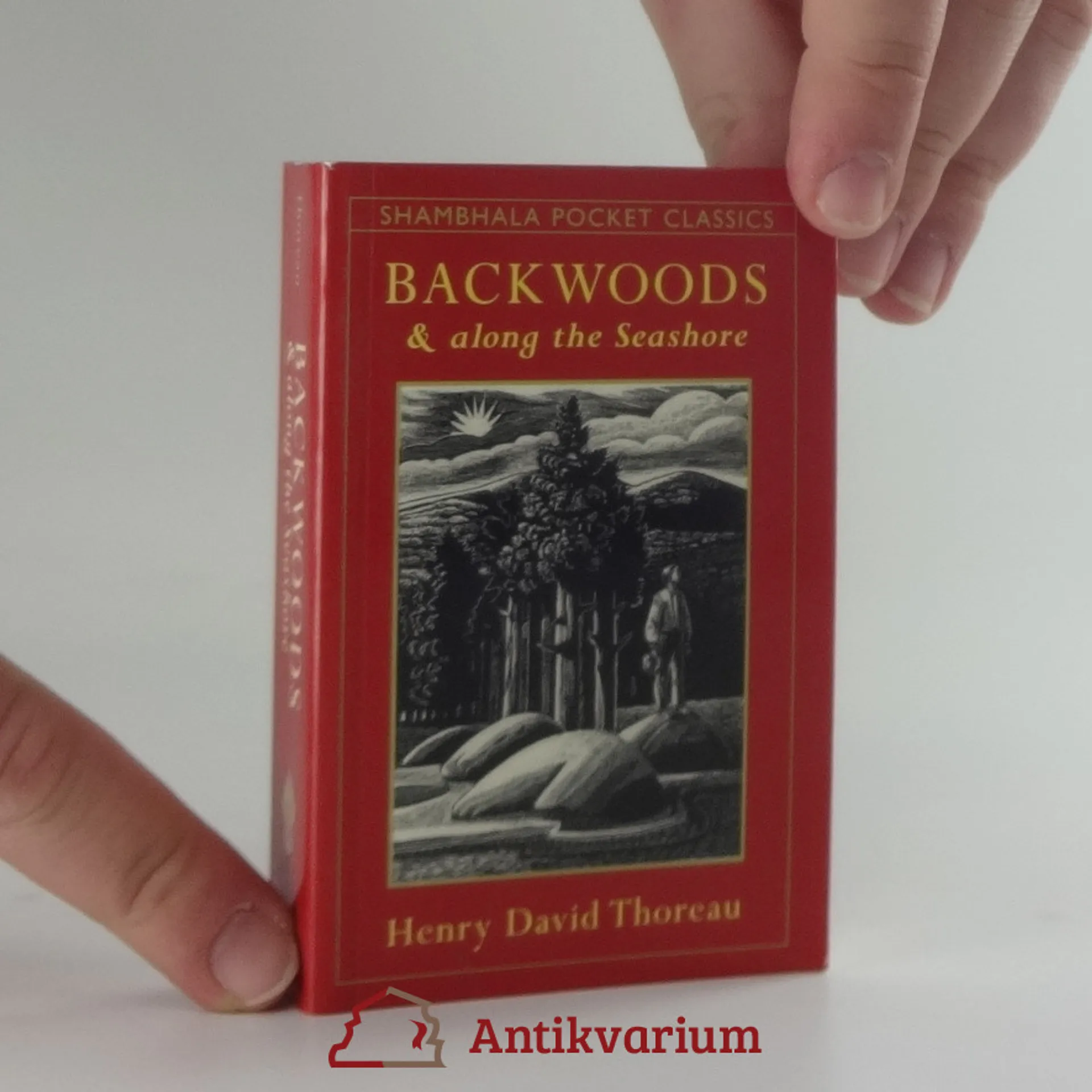
Henry David Thoreau was an American author, naturalist, and thinker whose work explores the themes of simple living in nature and civil disobedience. His reflections on living in harmony with the natural world anticipated modern ecological thought, and his philosophy of nonviolent resistance profoundly influenced key figures of the 20th century. Thoreau championed individual resistance against unjust states, examining the relationship between humanity and the environment with deep introspection. Rooted in Transcendentalism, his writings continue to inspire contemplation on personal integrity and societal responsibility.
Many of the earliest books, particularly those dating back to the 1900s and before, are now extremely scarce and increasingly expensive. We are republishing these classic works in affordable, high quality, modern editions, using the original text and artwork.
Exploring themes of politics, simplicity, and independent living, Thoreau's influential works challenge readers to question societal norms and adhere to their own principles. Over 150 years later, his reflections remain relevant, inspiring generations of thinkers. This elegant keepsake edition celebrates the timeless wisdom of Thoreau, capturing the essence of his philosophy while honoring the tradition of beautiful book publishing.
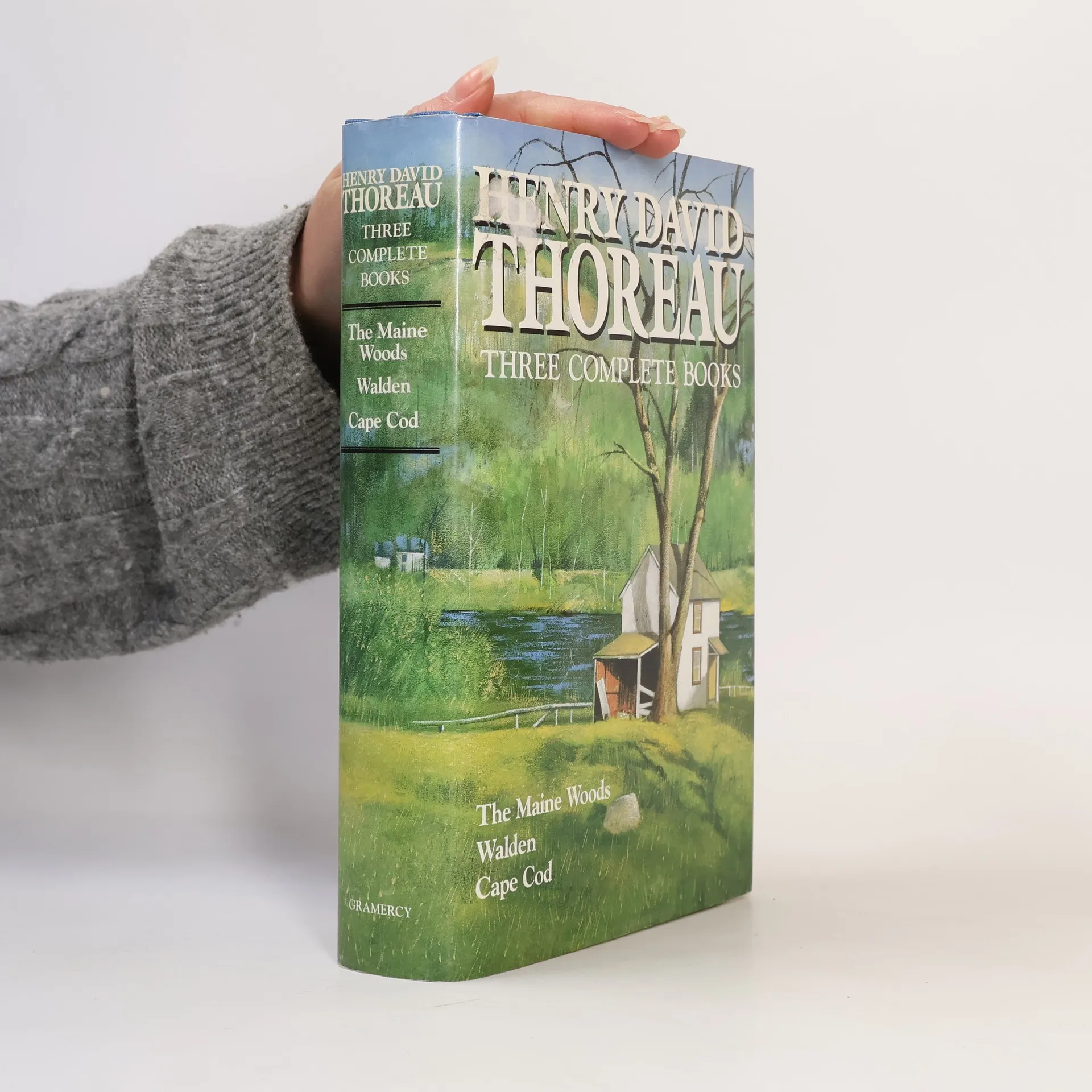
Three great works by the incomparable naturalist, writer, and philosopher, a leading thinker of the American Transcendentalist movement. Includes The Maine Woods, Cape Cod, and Walden.
Henry David Thoreau’s Journal was his life’s work: the daily practice of writing that accompanied his daily walks, the workshop where he developed his books and essays, and a project in its own right—one of the most intensive explorations ever made of the everyday environment, the revolving seasons, and the changing self. It is a treasure trove of some of the finest prose in English and, for those acquainted with it, its prismatic pages exercise a hypnotic fascination. Yet at roughly seven thousand pages, or two million words, it remains Thoreau’s least-known work. This reader’s edition, the largest one-volume edition of Thoreau’s Journal ever published, is the first to capture the scope, rhythms, and variety of the work as a whole. Ranging freely over the world at large, the Journal is no less devoted to the life within. As Thoreau says, “It is in vain to write on the seasons unless you have the seasons in you.”
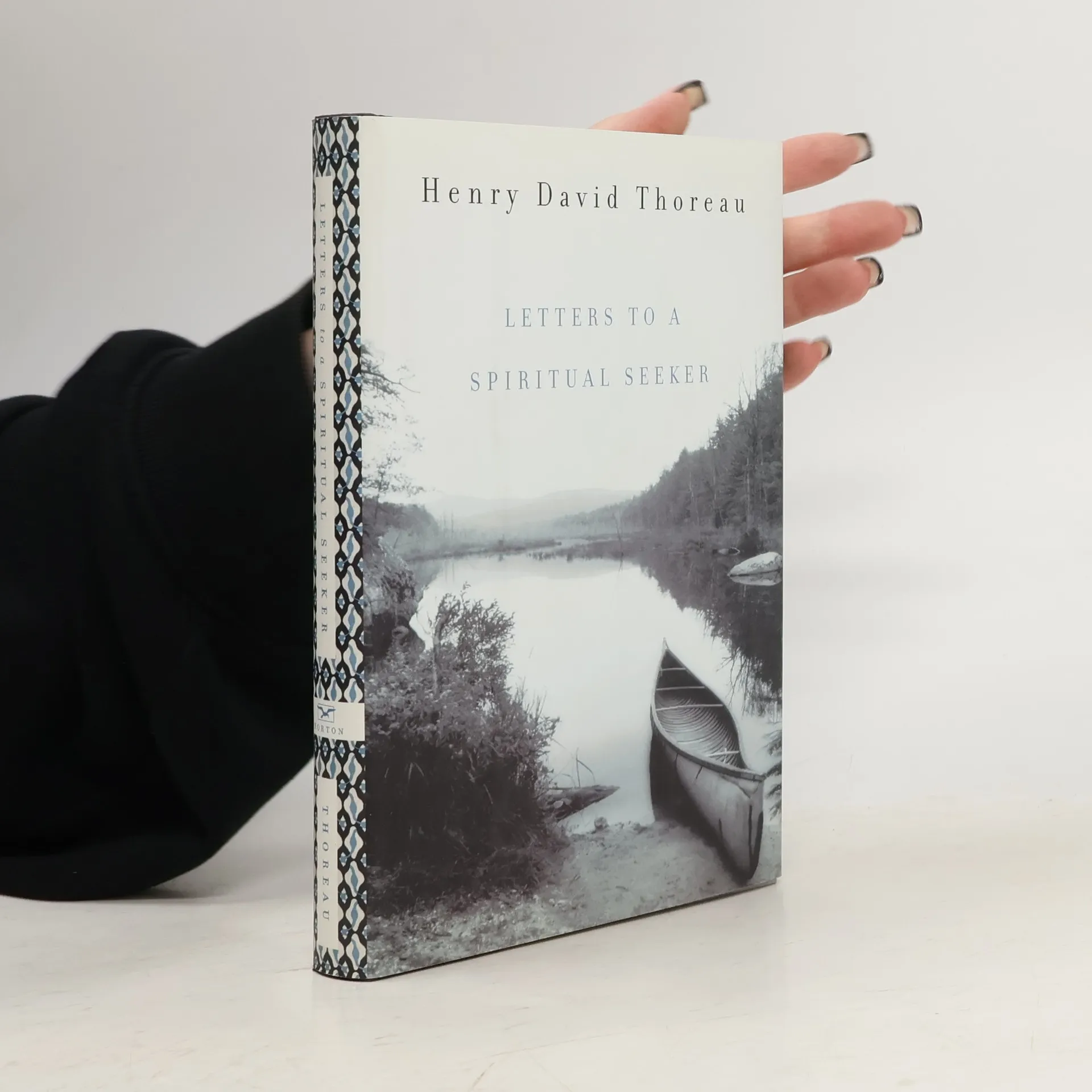
Henry David Thoreau is famous for the literary excellence of his political and nature writings but his friend Harrison Blake understood that the significance of Thoreau's life was in fact spiritual, and he asked him for guidance in finding a path of his own. The result was a regular exchange of letters charting the evolution of Thoreau as a writer and thinker. The fifty letters, assembled and annotated here are by turns earnest, oracular, witty, playful, practical, insightful and inspiring.
A classic book of nature photography, this large-format volume is designed to convey the spirit of American nature as so sensitively described by Thoreau. Eliot Porter, one of America's foremost nature photographers, blends short excerpts from Thoreau's Walden and many other works with 72 full-color photographs that perfectly reproduce the writer's sense of quiet drama.
Citadel Press is proud to announce the newest titles in the Wisdom Library, a collection of books showcasing the thoughts and writings of diverse literary, philosophical, political, and scientific immortals. These books deserve a place on every home bookshelf and in every student's basic library.
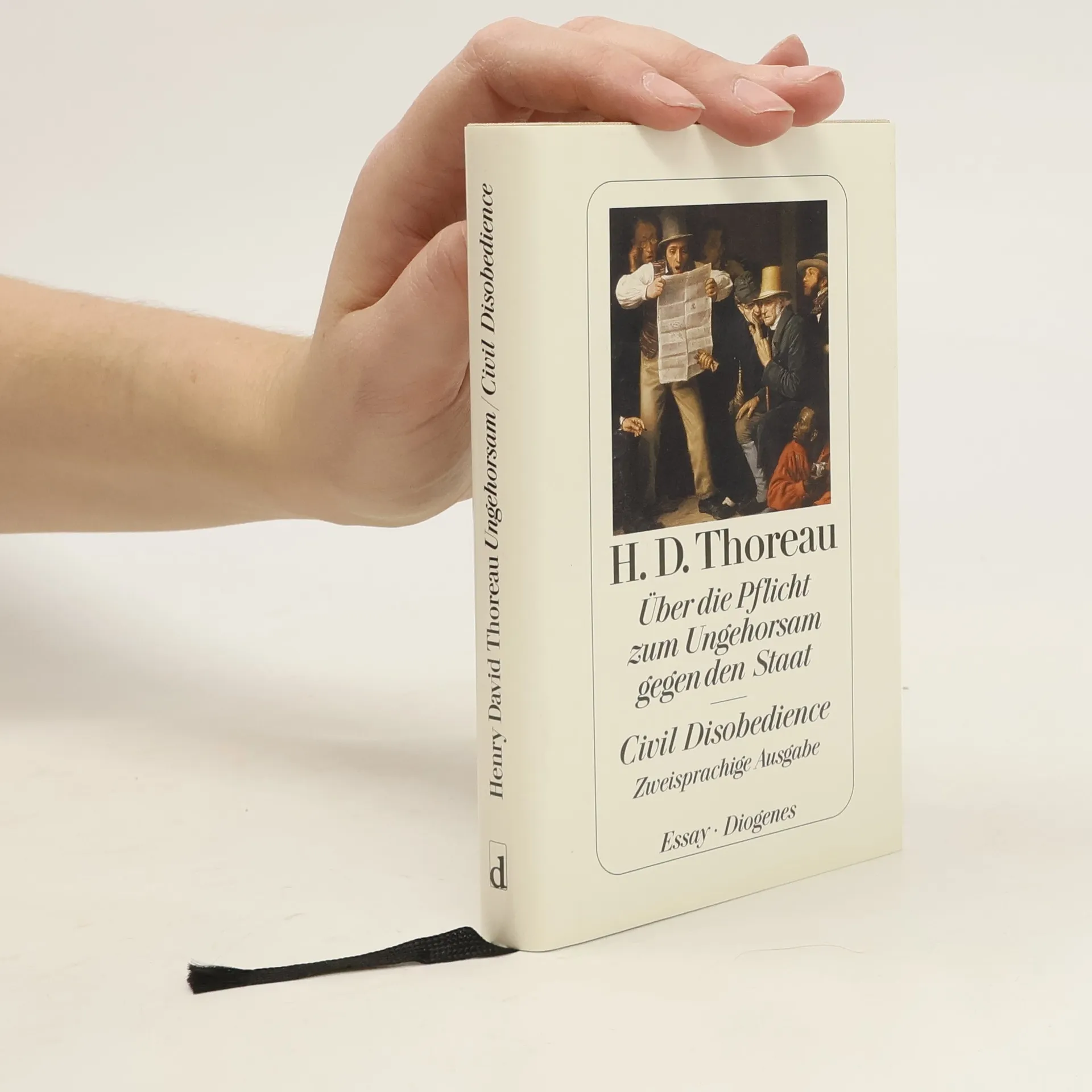
Eines jener Bücher, die die Welt verändern: Thoreaus Essay 'Über die Pflicht zum Ungehorsam gegen den Staat', den er 1849 aus Protest gegen die amerikanische Eroberungs- und Sklavenpolitik veröffentlichte und der nun erstmals in einer zweisprachigen Leinenausgabe erscheint. Nicht so sehr ein Pamphlet als schlicht große Poesie.
Henry David Thoreau dedicated his life to preserving his freedom as a man and an artist. Nature was the fountainhead of his inspiration and his refuge from what he considered the follies of society. Heedless of his friends' advice to live in a more orthodox manner, he determinedly pursued his own inner bent, which was that of a poet-philosopher, in prose and verse. Carl Bode brings together the best of Thoreau's works in The Portable Thoreau, a comprehensive collection of the writings of a unique and profoundly influential American thinker. The complete texts of Thoreau's classic works Waldenand "Civil Disobedience," as well as selections from The Maine Woods, Cape Cod, the Journal, and eighteen poems are included. Bode's introduction rounds out this compact volume, offering a thorough and informative analysis of Thoreau and the forces that shaped his life and writing.
Thoreau's political writing is intensely personal and direct. Both his life and work focus uncompromisingly on the question "how should I live?." This edition of Thoreau's political essays includes "Civil Disobedience," selections from Walden, and the anti-slavery addresses. In her introduction, Nancy L. Rosenblum places the essays in the context of Thoreau's life of self-examination, and analyzes the themes of citizenship and resistance that have made Thoreau an enduring influence in political philosophy and practice.
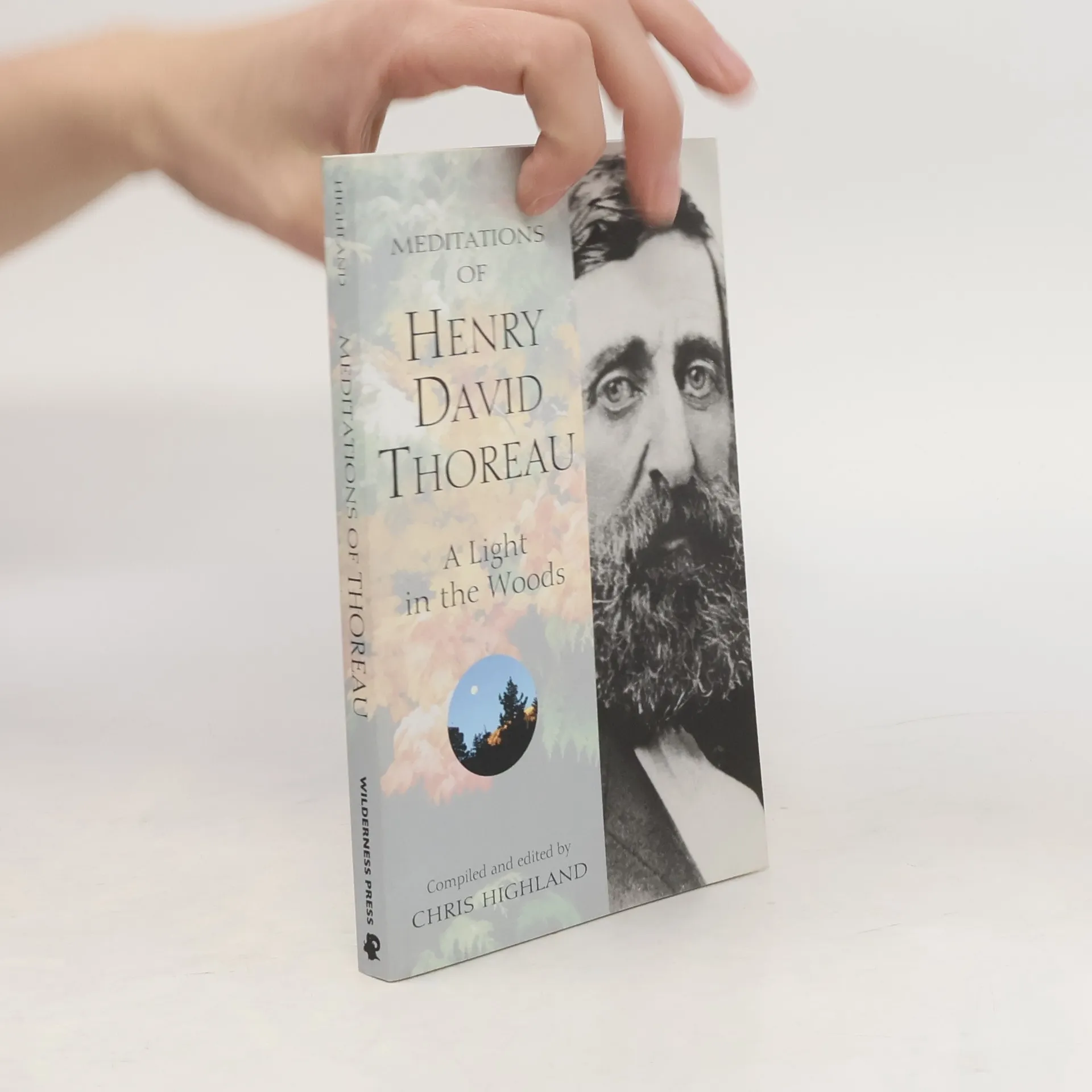
Carry Henry David Thoreau’s wisdom with you in this inspirational guide that features 60 of his most insightful quotes.Pencil-maker, surveyor, naturalist—Henry David Thoreau (1817–1862) wrote articles and essays that established him as America’s first great conservationist. As a 19th century man, Thoreau witnessed the Industrial Revolution, Westward expansion and its harbinger, the railroad, slavery, and Civil War. He stayed alert to the dynamics of human behavior, but Nature was his foremost wild laboratory for the soul.In Meditations of Henry David Thoreau , editor Chris Highland pairs 60 Thoreau quotes with selections from other celebrated thinkers and spiritual texts. Take this pocket-size guide with you on backpacks, nature hikes, and camping trips. Let Thoreau’s words enrich your experience as you ponder the wilderness from riverbank, mountaintop, or as you relax beside your campfire.Inside you’ll As a preeminent social critic, Thoreau’s sense of social justice influenced Mahatma Gandhi and Martin Luther King, Jr. May this portable sampler of Thoreau’s help you discover your own light in the woods.
The book presents two influential essays on civil disobedience from Henry David Thoreau and Hannah Arendt, exploring the responsibilities of citizenship and moral conscience. Thoreau's "Resistance to Civil Government" details his imprisonment for refusing to pay poll taxes, advocating for individual conscience as a political force. In contrast, Arendt's "Civil Disobedience" critiques Thoreau, emphasizing the importance of collective action and societal promises for enacting meaningful change. An introduction by Roger Berkowitz contextualizes their arguments within the tradition of civil disobedience and contemporary politics.
Originally published in 1849 under the title 'Resistance to Civil Government', Thoreau's electrifying work is perhaps the most famous essay in American literature.
The book offers a vivid portrayal of Cape Cod's natural beauty through the eyes of Henry David Thoreau, an avid naturalist and philosopher. Based on his excursions, it combines travel journal elements with explorations of the region's geography and wildlife. Thoreau's detailed observations reflect his deep appreciation for the outdoors and the indigenous species he encountered. This captivating work not only showcases the Cape's charm in the 1800s but also appeals to nature lovers and those interested in the area's history.
With their call for "Simplicity, simplicity, simplicity!," for self-honesty, and for harmony with nature, the writings of Henry David Thoreau are perhaps the most influential philosophical works in all American literature. The Selections in this volume represent Thoreau at his best. Included in their entirety are Walden, his indisputable masterpiece, and his two great arguments for nonconformity, "Civil Disobedience" and "Life Without Principle." A lifetime of brilliant observation of nature–and of himself–is recorded in selections from A Week on the Concord and Merrimack Rivers, Cape Cod, The Maine Woods, and the Journal.
The essays are framed within Thoreau's journey of self-examination and the historical debates surrounding slavery. Nancy L. Rosenblum explores key themes of citizenship and resistance, highlighting Thoreau's lasting impact on political philosophy and activism. Through this analysis, readers gain insight into how Thoreau's ideas continue to resonate in contemporary discussions of civic engagement and social justice.
Walden is his autobiographical record of his life of relative isolation at Walden Pond, but it is also a work of detailed natural history and the expression of a philosophy of life by a deeply poetic sensibility. His essay, 'Civil Disobedience', has over the 150 or so years since its publication exerted an enormous influence.
Henry David Thoreau (1817-1862) championed the belief that people of conscience were at liberty to follow their own opinion. In these selections from his writings, we see Thoreau the individualist and opponent of injustice. "Civil Disobedience" (1849), composed following Thoreau's imprisonment for refusing to pay his taxes in protest against slavery and the Mexican War, is an eloquent declaration of the principles that make revolution inevitable in times of political dishonor. "Solitude," from his masterpiece, Walden (1854), poetically describes Thoreau's oneness with nature and the companionship solitude offers to those who want to be rid of the travails of the world to discover themselves. "Life without Principle" (posthumously published 1863) decries the way in which excessive devotion to business and money coarsens the fabric of society: in merely making a living, the meaning of life gets lost.
"What a wilderness walk for a man to take alone!...Here was traveling of the old heroic kind over the unaltered face of nature." -Henry David Thoreau Over a period of three years, Thoreau made three trips to the largely unexplored woods of Maine. He climbed mountains, paddled a canoe by moonlight, and dined on cedar beer, hemlock tea and moose lips. Taking notes constantly, Thoreau was just as likely to turn his observant eye to the habits and languages of the Abnaki Indians or the arduous life of the logger as he was to the workings of nature. He acutely observed the rivers, lakes, mountains, wolves, moose, and stars in the dark sky. He also told of nights sitting by the campfire, and of meeting men who communicated with each other by writing on the trunks of trees. In The Maine Woods, Thoreau captured a wilder side of America and revealed his own adventurous spirit. For more than seventy years, Penguin has been the leading publisher of classic literature in the English-speaking world. With more than 1,700 titles, Penguin Classics represents a global bookshelf of the best works throughout history and across genres and disciplines. Readers trust the series to provide authoritative texts enhanced by introductions and notes by distinguished scholars and contemporary authors, as well as up-to-date translations by award-winning translators.
In this charming little book, Thoreau treats his subject as if it were a walk itself. As he wanders, so do his thoughts. Thoreau walked both for exercise of mind and body and as a way of exploring his inner and outer worlds.
The narrative recounts a boat journey along the Concord and Merrimack Rivers that Thoreau undertook with his brother John in 1839. Through vivid descriptions of nature and reflections on life, the book serves as both a travelogue and a tribute to John's memory after his untimely death. Thoreau's philosophical musings and observations on the beauty of the landscape intertwine with themes of brotherhood and loss, creating a poignant exploration of human connection and the natural world.
In addition to the texts of "Walden" and "Civil Disobedience", this title reprints the important works, "Slavery in Massachusetts", "Walking" and "Wild Apples". It includes the best critical writing on the texts by nineteen contributors.
In March 1845, Henry David Thoreau moved into a small cabin in the woods surrounding Walden Pond. Here he conducted a two-year social experiment, removing himself almost entirely from society while instead engaging with the sounds, the animals and the passers-by that inhabited the wilderness. In this isolation he built his own shelter and sourced his own food, testing the limits of his capacity to be self-reliant. From this experience the masterpiece Walden emerged; it is Thoreau's manifesto for simplicity, self-sufficiency and detachment from the unnecessary constructs of urban societies and economies. Thoreau's thoughtful, witty and memorable journal asks us to question absolutely everything we have come to believe about how to live.
A highly descriptive and engaging narrative from one of America's beloved nature writers, this short piece shows well Thoreau's great love of the early American wilderness. Be transported to the deep woods of Maine and share in both Thoreau's delight in nature and also his admiration of those others who have a deeper connection with the natural world around them.
In 1845 Henry David Thoreau left his home town of Concord, Massachusetts to begin a new life alone, in a rough hut he built himself a mile and a half away on the north-west shore of Walden Pond. Walden is Thoreau's classic autobiographical account of this experiment in solitary living, his refusal to play by the rules of hard work and the accumulation of wealth and above all the freedom it gave him to adapt his living to the natural world around him
Walden (first published as Walden; or, Life in the Woods) is an American book written by noted transcendentalist Henry David Thoreau, a reflection upon simple living in natural surroundings. The work is part personal declaration of independence, social experiment, voyage of spiritual discovery, satire, and manual for self-reliance. First published in 1854, it details Thoreau's experiences over the course of two years, two months, and two days in a cabin he built near Walden Pond, amidst woodland owned by his friend and mentor Ralph Waldo Emerson, near Concord, Massachusetts. The book compresses the time into a single calendar year and uses passages of four seasons to symbolize human development.
Approaching a liberal arts tradition in the classroom, across the curriculum, and beyond, The McGraw-Hill Reader offers rich and diverse readings in education, the social sciences, business and economics, the humanities, and the sciences. This new eleventh edition offers a new focus on reading and composing across various media; it includes over 100 selections from prominent thinkers and writers; each essay was chosen to provoke critical thought and encourage effective writing.
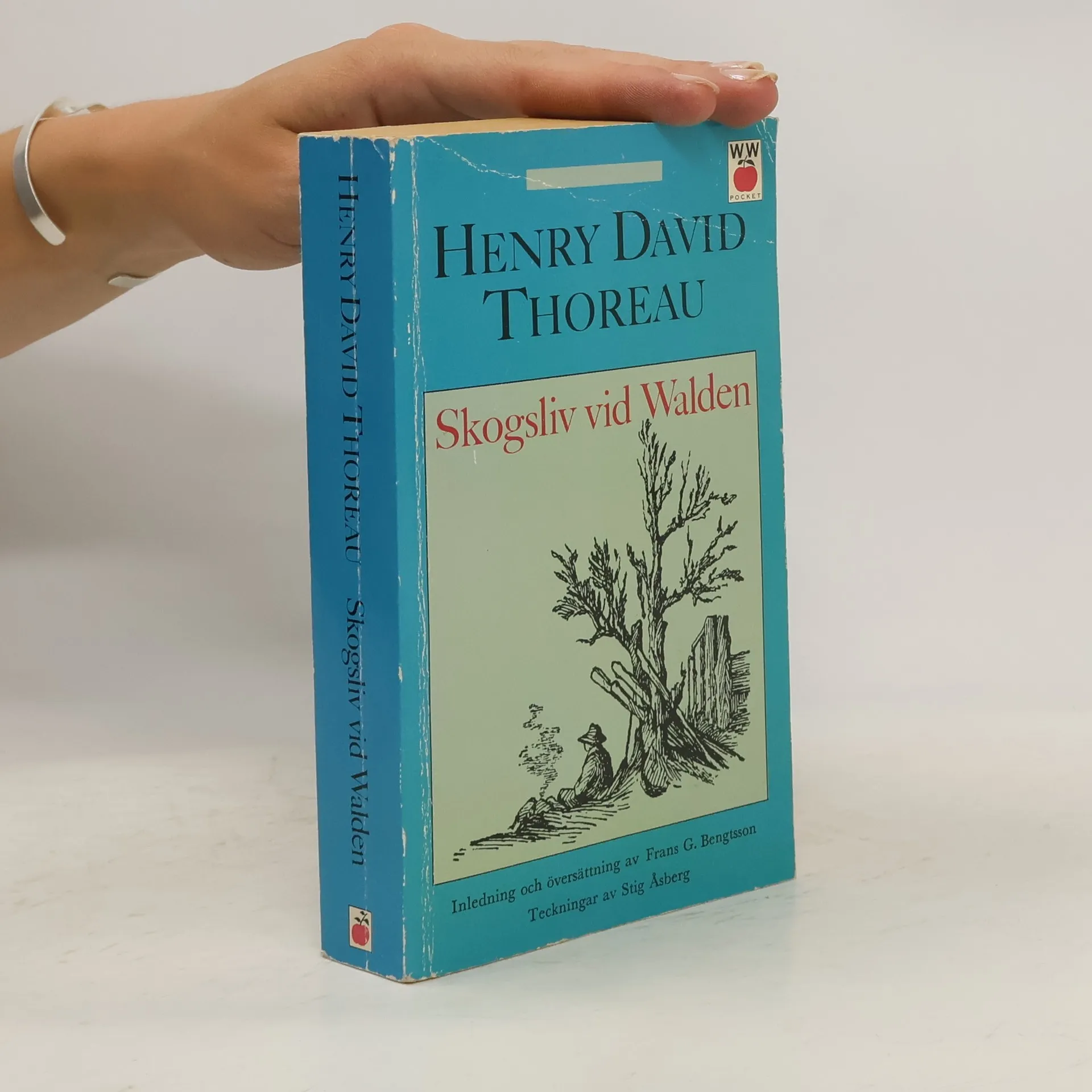
Focusing on simple living and self-reliance, this influential work recounts Henry David Thoreau's two-year experiment in a cabin by Walden Pond. Set in the natural beauty of Concord, Massachusetts, it explores themes of independence, spirituality, and social critique. Through personal reflections and observations, Thoreau presents a unique blend of autobiography, philosophy, and practical guidance, making it a cornerstone of American literature and transcendentalist thought.
4 Books in 1 | Walden | Civil Disobedience | A Week on the Concord and Merrimack Rivers | Walking
444 pages
16 hours of reading
This collection features four of Henry David Thoreau's most significant works, showcasing his profound insights on nature, society, and individualism. Readers will explore themes of simplicity, self-reliance, and the importance of personal introspection. Thoreau's eloquent prose invites reflection on the relationship between humanity and the natural world, making this anthology a cornerstone for those interested in transcendentalism and environmental philosophy. Ideal for both new readers and longtime fans, it highlights Thoreau's enduring legacy.
Set against a backdrop of relentless adventure, this book captures the essence of exploration and the thrill of the unknown. It invites readers to embark on a journey filled with excitement, challenges, and the spirit of discovery. The narrative weaves together themes of courage, resilience, and the unyielding quest for knowledge, showcasing characters who embrace the call to adventure and face the trials that come with it. This tale promises to inspire those with a passion for exploration and a love for the great unknown.
A Woman's Adaptation of Henry David Thoreau's "Walden"
340 pages
12 hours of reading
Reinvigorating a classic American tale, this edition breathes new life into the original narrative, emphasizing its enduring themes and relevance. The book explores profound societal issues through its rich characters and compelling plot, inviting readers to reflect on the cultural and historical context that shaped its creation. Enhanced with fresh insights and modern interpretations, it offers a captivating experience for both new readers and those familiar with the original work, making it a significant addition to contemporary literature.
This book is a reproduction of a historical work, published by Megali, a company dedicated to creating large print editions for those with impaired vision. The focus on accessibility ensures that important texts remain available to a wider audience, enhancing the reading experience for individuals who may struggle with standard print sizes.
This book is a reproduction of a historical work, presented in large print to enhance accessibility for readers with impaired vision. Published by Megali, a company dedicated to making classic literature more readable, it aims to preserve the original content while catering to the needs of those who benefit from larger text.
This publication focuses on making historical works more accessible by utilizing large print, catering specifically to individuals with impaired vision. Megali, the publishing house behind this initiative, aims to preserve and share important texts while enhancing readability for a broader audience.
Thoreau's Walden, Civil Disobedience & Walking, and Emerson's Nature, The American Scholar & Self-Reliance
326 pages
12 hours of reading
This volume compiles key writings of Transcendentalism, showcasing the philosophical and literary contributions of influential figures like Ralph Waldo Emerson and Henry David Thoreau. It explores themes of individuality, nature, and self-reliance, highlighting the movement's emphasis on personal intuition and spiritual connection to the world. The collection serves as an essential resource for understanding the ideals that shaped American thought and culture in the 19th century.
In "Life Without Principle," Henry David Thoreau critiques society's obsession with wealth and advocates for a life focused on meaningful living. Though initially overlooked, his ideas have inspired leaders like Gandhi and Martin Luther King Jr. This essay remains essential for anyone seeking guidance on a fulfilling life.
""Resistance to Civil Government" ("Civil Disobedience") is an essay by American transcendentalist Henry David Thoreau that was first published in 1849"--Amazon
Celebrating the beauty and intricacies of the natural world, this collection features the works of Henry David Thoreau, a renowned American philosopher and naturalist. His poems reflect a deep appreciation for nature, exploring themes of solitude, observation, and the interconnectedness of life. Through vivid imagery and thoughtful reflections, Thoreau invites readers to connect with the environment and contemplate their place within it.
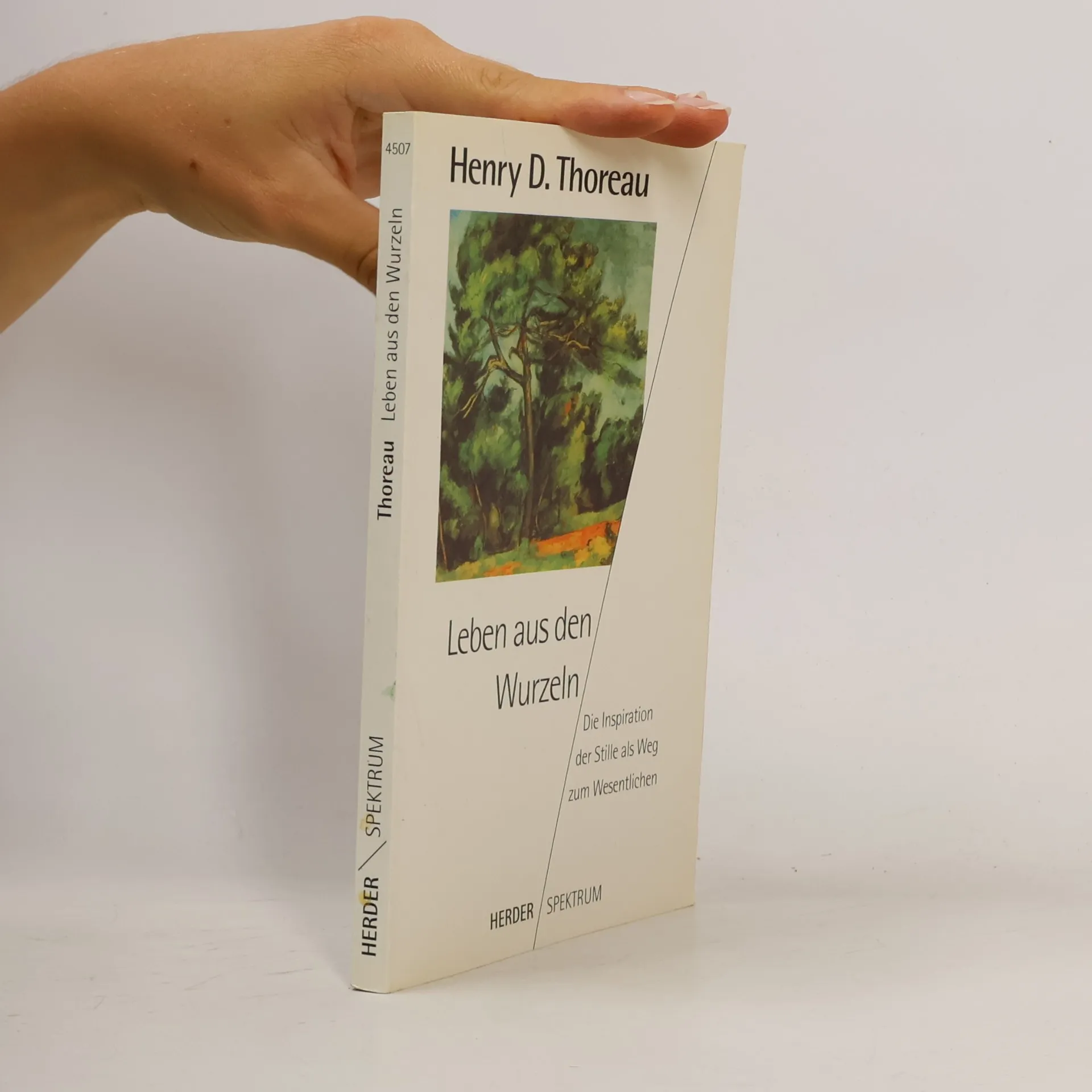
Von Natur und Zivilisation, Einsamkeit und Freundschaft, Wissenschaft und Politik
Ein Paar Stiefel, eine Hose, ein Teller und nichts als die eigene Gesellschaft: Um eine Existenz in Einfachheit und Bewusstheit zu erproben, zog sich Thoreau zwei Jahre lang in die Wälder Neuenglands zurück. Seine unvoreingenommenen Beobachtungen und mutigen Einsichten sind 200 Jahre alt und wie für uns heute geschrieben.
Henry David Thoreau (1817-1862) nació en Concord, Massachusetts, y estudió en Harvard. Seguidor y amigo de Emerson se definió a sí mismo como un místico, un trascendentalista y un filósofo de la naturaleza. «Walden» está considerada como una obra literaria maestra y como uno de los libros seminales de su siglo. Antiesclavista militante, toda su obra se centra en la búsqueda de la «vida con principios», principios que serán el criterio de cómo debe ser vivida —con la honradez del trabajo como medio para ganarse la vida—, una vida que él explora y experimenta a través del estudio y la comprensión de la Naturaleza. El 4 de julio de 1845, Thoreau se traslada a vivir en la cabaña que él mismo había construido en Walden Pond. Durante dos años escribe allí la obra homónima en la que describe su economía doméstica, sus experimentos en agricultura, sus visitantes y vecinos, las plantas y la vida salvaje. La obra de Thoreau es la historia de un experimento original, sin precedentes literarios. «Walden» es un modo de escribir, de ponerse a «disposición de las palabras», pero también es una Escritura, una forma de aprender lo que la vida tiene que enseñar.
Das Buch enthält die Schrift: "Leben Ohne Prinzipien" In neuer Übersetzung. Kommentierte Ausgabe: - Ausführliche Anmerkungen zur Neuübersetzung, - Hinweise zu historischen Hintergründen des Werkes - und zu den Bedeutungen verschiedener Textabschnitte.
Im Sommer 1845 zieht der amerikanische Schriftsteller, Philosoph und Freigeist Henry David Thoreau in den Wald, genauer: in eine selbstgebaute Blockhütte am Walden-See in Massachusetts, einsam gelegen und fernab von den Einflüssen einer schon damals immer schneller und lauter werdenden Zivilisation. Thoreaus Gedanken über Nachhaltigkeit und ein einfaches, freies Dasein zählen zu den Gründungstexten der Umweltbewegung. Sie sind eine Unabhängigkeitserklärung, ein soziales Experiment und eine spirituelle Entdeckungsreise, heute noch genauso existentiell wie damals. – Mit einer kompakten Biographie des Autors.
Im Herbst 1853 unterbricht Henry David Thoreau die Arbeit an dem Manuskript seines wichtigsten Werks, »Walden«, um in die Wälder von Maine zurückzukehren. Schon einmal, sieben Jahre zuvor, hat er sich dorthin aufgemacht, um den »Großen Berg« zu besteigen (dt. »Ktaadn«, 2017), nun gilt sein Interesse den Elchen - und neben diesen majestätischen und scheuen Tieren den Ureinwohnern, ihrer Lebensweise und Sprache, sowie den ausgedehnten Kiefernwäldern, die zunehmend Spuren ökonomischer Vernutzung zeigen. Thoreau hat einen Blick für diese Verheerungen und macht sich keine Illusionen darüber, was sie für Mensch und Natur bedeuten, aber er bewegt sich mit der Achtsamkeit eines Gastes und der Lust eines Entdeckers durch diese Landschaft, als hätte sie vor ihm noch keiner betreten. Die Notizen, die er dabei macht, werden später unter dem Titel »Chesuncook« zu einem Vortrag, dessen Humor und Empfindungsreichtum, dessen Lebendigkeit und Ernst begeistern. Während seinen Begleitern der getötete Elch vom Fell bis zum Geweih zur Trophäe wird, bringt Thoreau als Andenken seiner Reise Schneeschuhe mit.
Wofür lebe ich – und lebe ich überhaupt richtig? Der amerikanische Schriftsteller Henry David Thoreau beantwortete diese Frage, indem er sich zwei Jahre lang tief in die Wälder von Massachusetts zurückzog, um eine Existenz in Einfachheit und Bewusstheit zu erproben. In seinem berühmten Buch »Walden« von 1854, dem die Texte dieses Bandes entnommen sind, hat er seine Erfahrungen vom »alternativen« Leben mitgeteilt. Es hat Menschen vieler Generationen Wege zurück zur Natur und zum freien Betätigen des Verstandes gewiesen – und regt noch heute dazu an.
oder Vom Leben im Wald - Übersetzt von Fritz Güttinger, mit einem Nachwort von Susanne Ostwald
608 pages
22 hours of reading
Pflichtlektüre für alle Fortschrittsskeptiker, Sinnsucher, Weltflüchtige sowie Wald- und Naturliebhaber Ein Klassiker von enormer Brisanz: ein leidenschaftliches Plädoyer für Verantwortung, Selbstbestimmung und ein naturnahes, ressourcenschonendes Leben. Nirgendwo finden sich die besseren Argumente für Achtsamkeit und Nachhaltigkeit, Minimalismus und Vegetarismus. Was ist im Leben wirklich von Bedeutung? Um dies herauszufinden, kehrte Henry David Thoreau vor über hundertfünfzig Jahren der Zivilisation den Rücken und zog hinaus in die Stille der Wälder. Am Walden-See in Concord, Massachusetts, verbrachte er zwei Jahre in einer selbst gebauten Holzhütte, um «zu sehen, ob ich nicht lernen könne, was es zu lernen gibt, damit mir in der Stunde des Todes die Entdeckung erspart bleibe, nicht gelebt zu haben». Der grandiose Selbsterfahrungsbericht «Walden» legt Zeugnis von seiner Suche ab: mit sensiblen, poetischen Naturbeschreibungen und dem glaubhaften Plädoyer für echte Naturverbundenheit und ein selbstbestimmtes Dasein. Längst ist dieses Buch zu einer Art grüner Bibel geworden, in der man die besten Argumente für Nachhaltigkeit, Ökologie, Vegetarismus und Minimalismus findet.
Als Henry David Thoreau sich 1857 entschließt, gemeinsam mit einem Freund die Urwälder von Maine zu durchqueren, heuert er einen Penobscot an. Joseph Polis heißt der Mann, er hat ein Kanu, und er ist genau der Richtige für die nicht ungefährliche Expedition durch die Wälder, Sümpfe und Seen. Versehen mit dem nötigen Proviant und der richtigen Kleidung, machen sie sich auf ihren Weg durch das unentdeckte Land. Thoreau lernt viel auf dem Weg, nicht zuletzt durch »Joe« an seiner Seite, der uraltes Wissen und die Vorteile der Zivilisation zu verbinden weiß. Er erkennt, was ihm die Sprache der Natur vermitteln kann, wenn er ihre Zeichen zu deuten und ihren vielen Stimmen zu lauschen versteht. Ein faszinierender Bericht aus der Zeit der wahren Entdeckung Amerikas und aus der Feder eines großen Vordenkers des gelingenden Lebens.
In dieser Sammlung von sowohl klassischen Texten als auch zum Teil auf deutsch noch nicht erschienenen Essays macht Thoreau eindringlich auf die Notwendigkeit persönlicher Verantwortung und höherer Prinzipien aufmerksam, durch die man sich führen kann und muss, wenn die Welt chaotisch und unbegreiflich scheint. Genau das macht Thoreau zu einem die Zeiten überdauernden Philosophen, da wir auch heute noch bei ihm Hinweise darauf finden, wie wir ein Leben im Einklang mit der Umwelt führen können.
Am Ende des Sommers 1846 macht sich Henry David Thoreau auf in den Norden. Was als Reise beginnt, mit Eisenbahn und Dampfschiff, setzt sich auf Pferd und Wagen, im Kanu und schließlich zu Fuß fort und wird nach und nach zu einer Expedition. Sein Ziel: »Der große Berg«, 1606 Meter hoch, der höchste Punkt von Maine - Ktaadn, wie er in der Sprache der Ureinwohner heißt. Der Weg führt durch unkartiertes Gebiet, durch eine labyrinthische Landschaft von Seen und Flüssen und die ausgedehnten Wälder einer weitgehend unberührten und unwegsamen Natur. Die Grenzen menschlicher Lebensräume sind bald überschritten, es geht tiefer und tiefer in die Wildnis. Die letzten Zeichen der Zivilisation, vom Alkohol zugrunde gerichtete Indianer, die Spuren der Holzfäller und Pelzhändler, zeugen von Gier und Zerstörungswut. Und doch erscheint Thoreau die Natur in ihrer ganzen Vielfalt und Ausdehnung davon unberührt und gleichgültig - gleichgültig auch gegenüber den Fragen, die sich dem stellen, der sich ihr ungeschützt aussetzt: »Wer sind wir? Wo sind wir?«
Pocos escritores han logrado extraer la esencia del mundo como Henry David Thoreau. A través de su obra, que incluye ensayos, diarios, poemas y cartas, ofrece pensamientos que resuenan profundamente, iluminando nuestra vida y abriendo nuevas posibilidades. Este volumen presenta una antología de sus mejores reflexiones sobre una variedad de temas: la belleza y el azar, la amistad y la imaginación, la libertad y la insumisión, así como la simplicidad y el dinero. Thoreau aborda la naturaleza, el trabajo, el amor, la muerte y lo que nos salva, explorando tanto lo salvaje en la naturaleza como en nosotros mismos. También se adentra en la felicidad de los humanos y de las marmotas, los paseos por el bosque y la ciudad, y el ciclo interminable de la vida. Cada fragmento es un destello de sabiduría que invita al lector a reflexionar y a conectar con lo esencial. Este libro es un verdadero regalo para quienes, como Thoreau, comprenden que todo lo bueno es libre y salvaje.
Der Gang in die Natur als Heilmittel gegen die Unbilden der Zivilisation - Henry David Thoreaus ebenso lebenskluger wie stilistisch brillanter Essay von 1861 ist heute aktueller denn je. Für den berühmten Autor von „Walden“ und „Vom Ungehorsam gegen den Staat“ sind seine Streifzüge durch die vom menschlichen Eingriff unversehrte Natur Akte der Reinigung von Körper und Geist, die umso nötiger werden, je intensiver der Mensch sich den Auswüchsen moderner Gesellschaft ausgesetzt sieht.
Von Mahatma Gandhi und Martin Luther King bis zu Extinction Rebellion: Thoreaus Gedanken zu zivilem Ungehorsam, seine Gesellschafts- und Konsumkritik sowie seine Auseinandersetzung mit der Natur bleiben so einflussreich wie aktuell. Dabei schafft seine Philosophie nicht nur ein Fundament für friedliche Widerstandsbewegungen oder Inspiration für zahlreiche Künstler:innen, sie kann jeder und jedem neue Perspektiven eröffnen. Dieses Buch versammelt wesentliche Auszüge seiner Schriften, von den Tagebüchern, Briefen und Essays bis zum berühmten Walden, und ermöglicht somit einen umfangreichen Einblick in seine Weltsicht. Die Überlegungen laden zum Denken und Bewusstwerden ein, zum Pflegen der von Thoreau so geschätzten Einfachheit, und bieten den Lesenden gleichermaßen Wahrnehmungsfülle wie Geistestiefe.
Der Text thematisiert die Anziehungskraft des Wilden in der Literatur und hebt hervor, dass langweilige, zahme Gedanken nicht die gleiche Faszination ausüben. Er zieht Parallelen zwischen wilden und zahmen Elementen, sowohl in der Natur als auch im Denken, und betont, dass das Genie wie ein Blitz erhellend wirkt, während alltägliche Gedanken verblassen. Der Autor verweist auf bedeutende Werke wie Hamlet und die Ilias, um zu zeigen, dass freies, unkonventionelles Denken die wahre Essenz der Literatur ausmacht.
Henry David Thoreau dokumentierte 20 Jahre lang täglich Naturbeobachtungen sowie politische und kulturelle Gedanken. Sein Tagebuchwerk, herausgegeben von Matthes & Seitz, thematisiert in Band VI die Sklaverei und den Imperialismus als Schlüssel zur Entwicklung des Industriekapitalismus. Thoreau kritisierte diese Entwicklungen und trat gegen die Sklaverei ein.
En plein XIXe siècle, dans le pays qui est en passe de devenir le plus industrialisé du monde, Thoreau tourne le dos à la civilisation et s'installe seul, dans les bois, à un mille de tout voisinage, dans une cabane qu'il a construite lui-même, au bord de l'étang de Walden, Massachusetts. Il ne doit plus sa vie qu'au travail de ses mains. C'est là qu'il commence à écrire Walden, grand classique de la littérature américaine, hymne épicurien, souvent loufoque, à la nature, aux saisons, aux plantes et aux bêtes, toutes choses et tous êtres qui ne sont, selon les propres dires de Thoreau, que «l'envers de ce qui est au-dedans de nous».
In »Walden oder Leben in den Wäldern« beschreibt Henry Thoreau sein mehr als zwei Jahre andauerndes Leben abseits der Zivilisation. 1845 baute sich Thoreau eine Blockhütte an einem einsamen Waldsee und lebte dort im Einklang mit der Natur. Sein Bericht über das Selbstexperiment ist zu einem Klassiker des alternativen Lebens geworden.