An Interactive Guide to the Literatures on Migration and Diversity
509 pages
18 hours of reading
It starts with an introduction to migration studies and continues with an
introductory reading of migration drivers, migration infrastructures,
migration flows, and several transversal topics such as gender and migration.
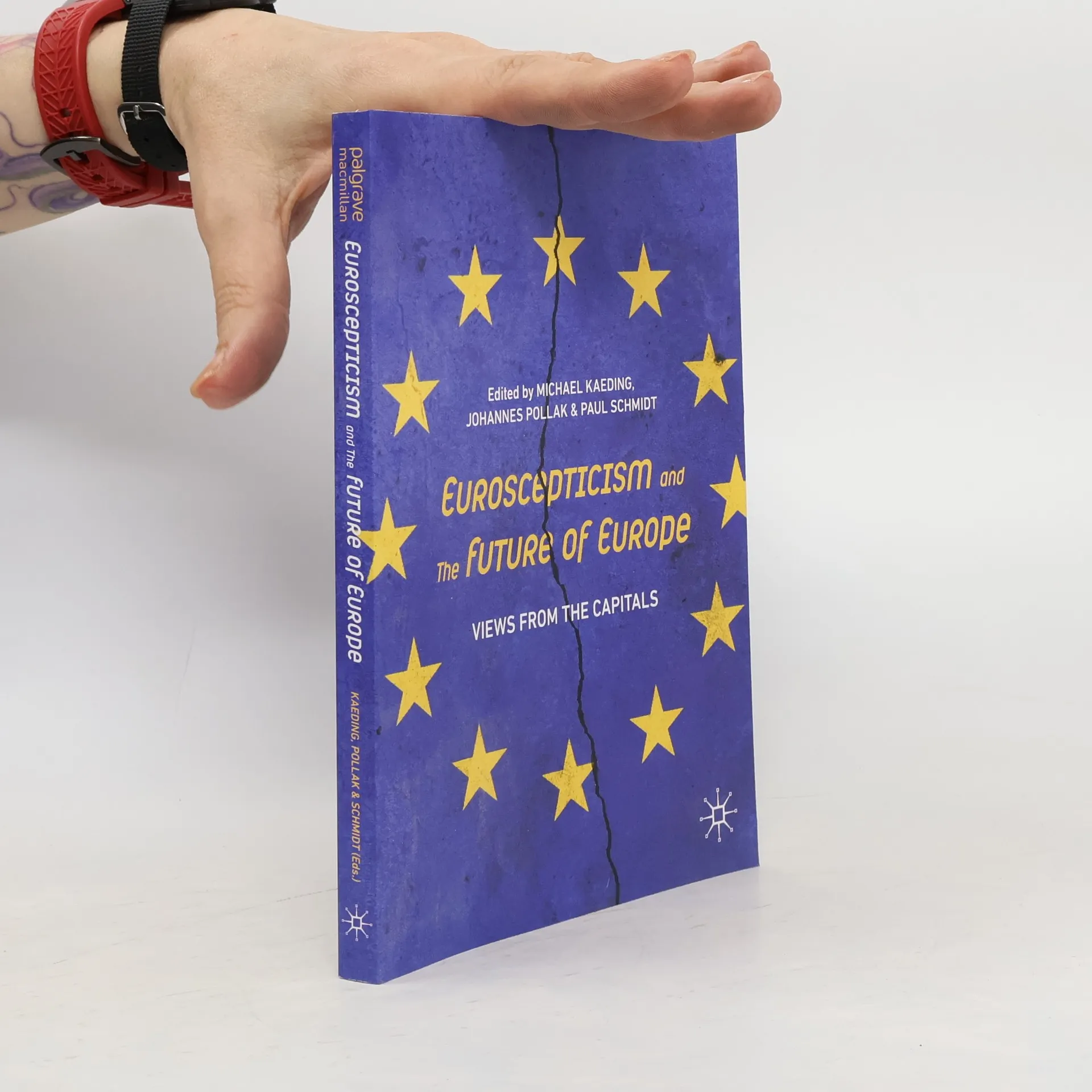
Euroscepticism is a significant force in national and EU policy-making, and this book enhances understanding of its various forms across Europe. It emphasizes that addressing Euroscepticism requires acknowledging the often valid concerns driving these sentiments. As European integration faces increasing contestation, the book explores 40 shades of Euroscepticism, making it essential for both academics and practitioners. It provides valuable insights into the populist and nationalist forces opposing mainstream European integration, highlighting their influence on mainstream parties and the future of Europe.
The work examines how the rise of Eurosceptic and nationalist parties impacts the thinking of established political entities and their representatives in the European Parliament. Contributions from authors across EU Member States, neighboring countries, and potential applicant nations offer diverse perspectives on the European project's future. With many Eurosceptic parties now in government or shaping national debates, the book analyzes the nature and impact of Euroscepticism and nationalism within various European party systems. National political parties, as gatekeepers of political representation, play a crucial role in mobilizing civil society and setting political agendas, ultimately influencing how Europe is perceived and addressed as a political issue. Thus, the future of Europe is shaped significantly from national
This book contains stories of women engineers' paths through the golden age of
microelectronics, stemming from the invention of the transistor in 1947.
Since the 1970 and 1980s, fanzines have constituted a zone of freedom of
thought, of do-it-yourself creativity and of alternatives to conventional
media. This book moves beyond the usual focus on Anglophone punk scenes to
consider fanzines in international contexts.