

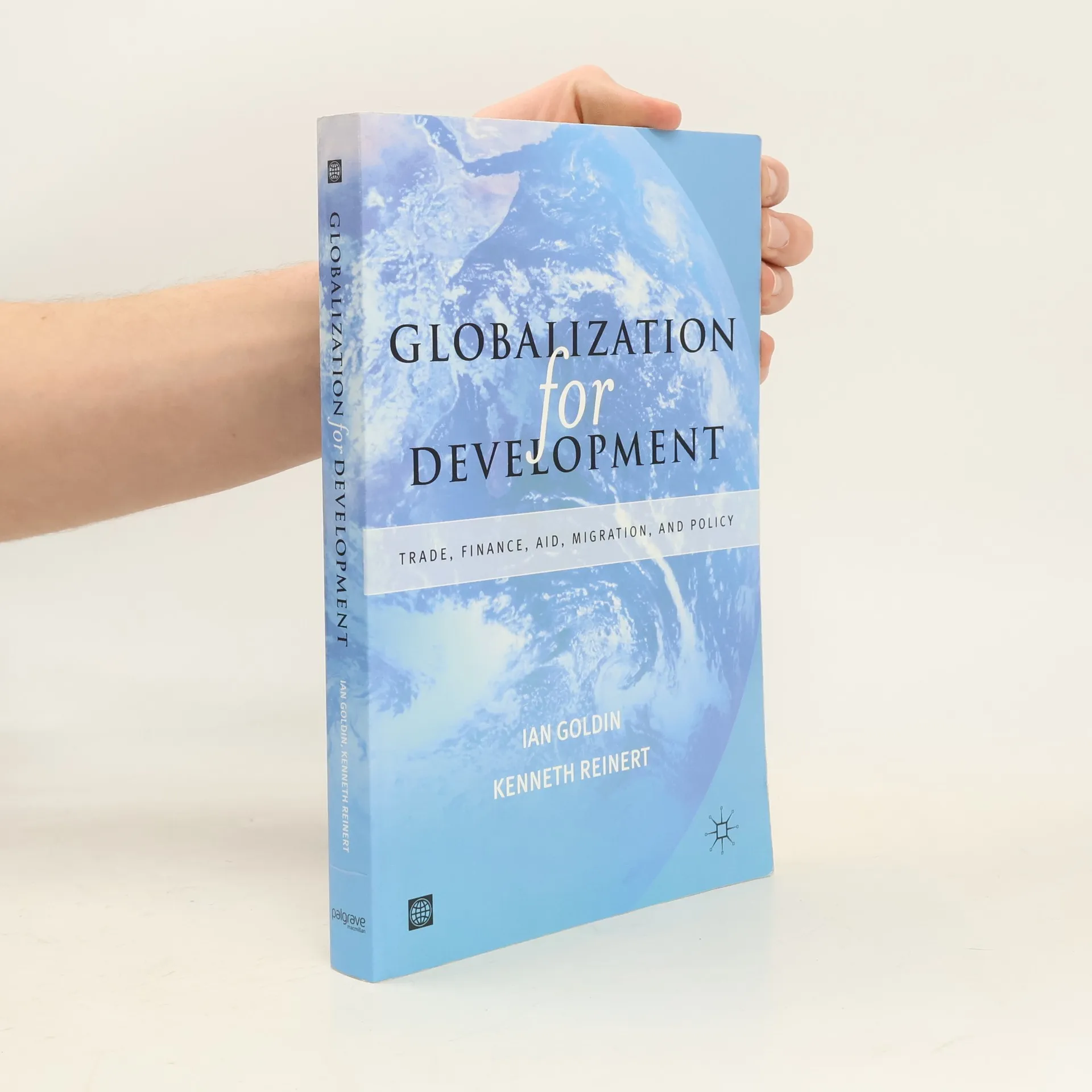
Globalization and its relation to poverty reduction and development is not well understood. The book identifies the ways in which globalization can overcome poverty or make it worse. The book defines the big historical trends, identifies main global flows—trade, finance, aid, migration, and ideas—and examines how each can contribute to undermine economic development. By considering what helps and what does not, the book presents policy recommendations to make globalization more effective as a vehicle for shared growth and prosperity. It will be of interest to students, researchers and anyone interested in the effects of globalization in today’s economy and in international development issues.
Kenneth A Reinert Books
N/A

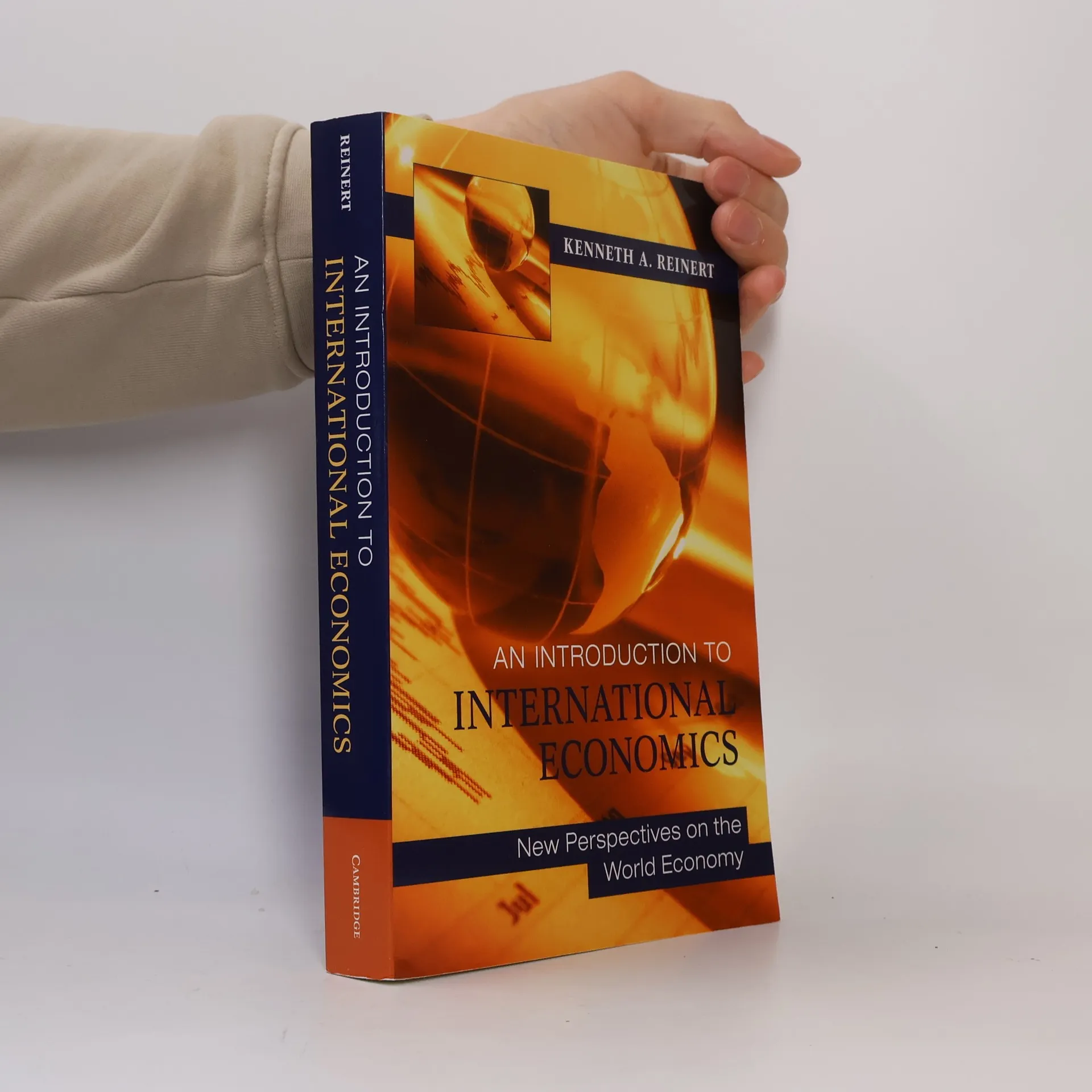
An Introduction to International Economics
New Perspectives on the World Economy
- 502 pages
- 18 hours of reading
This book is designed for a one-semester or two-semester course in international economics, primarily targeting non-economics majors and programs in business, international relations, public policy, and development studies. It has been written to make international economics accessible to wide student and professional audiences. The book assumes a minimal background in microeconomics and mathematics and goes beyond the usual trade-finance dichotomy to give equal treatment to four "windows" on the world economy: international trade, international production, international finance, and international development. It takes a practitioner point of view rather than a standard academic view, introducing the student to the material they need to become effective analysts in international economic policy.