Explore the latest books of this year!
Bookbot

Franz Schubert

    31 de enero de 1797 – 19 de noviembre de 1828

    Franz Peter Schubert, a prolific composer of the early Romantic era, created a vast body of work despite his short life. His compositions include an extensive collection of Lieder, symphonies, liturgical music, operas, and a significant amount of chamber and solo piano music. Although his music was not widely appreciated during his lifetime, it gained considerable recognition posthumously, championed by prominent 19th-century musicians. Today, Schubert is celebrated as a central figure of his time and remains a frequently performed composer.

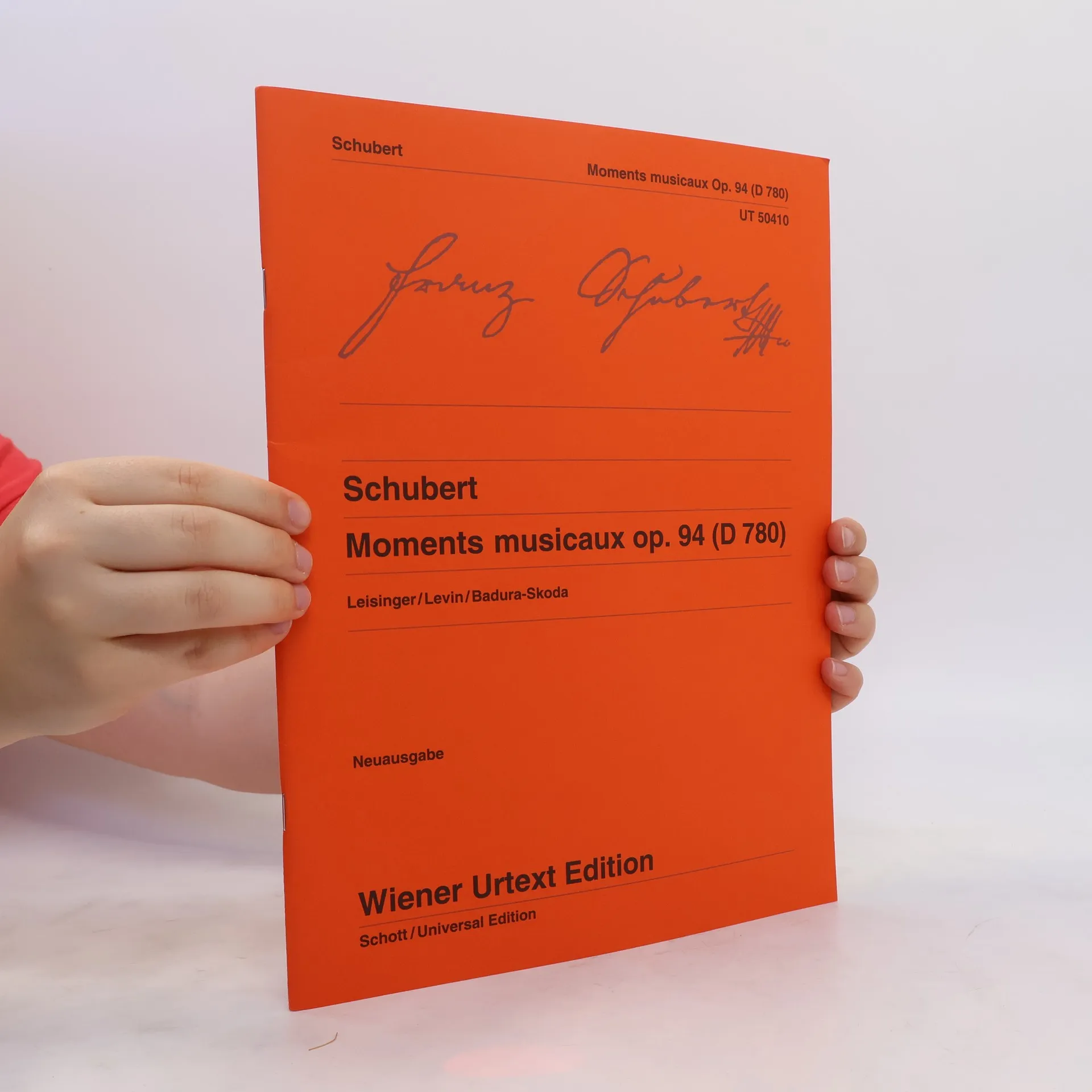
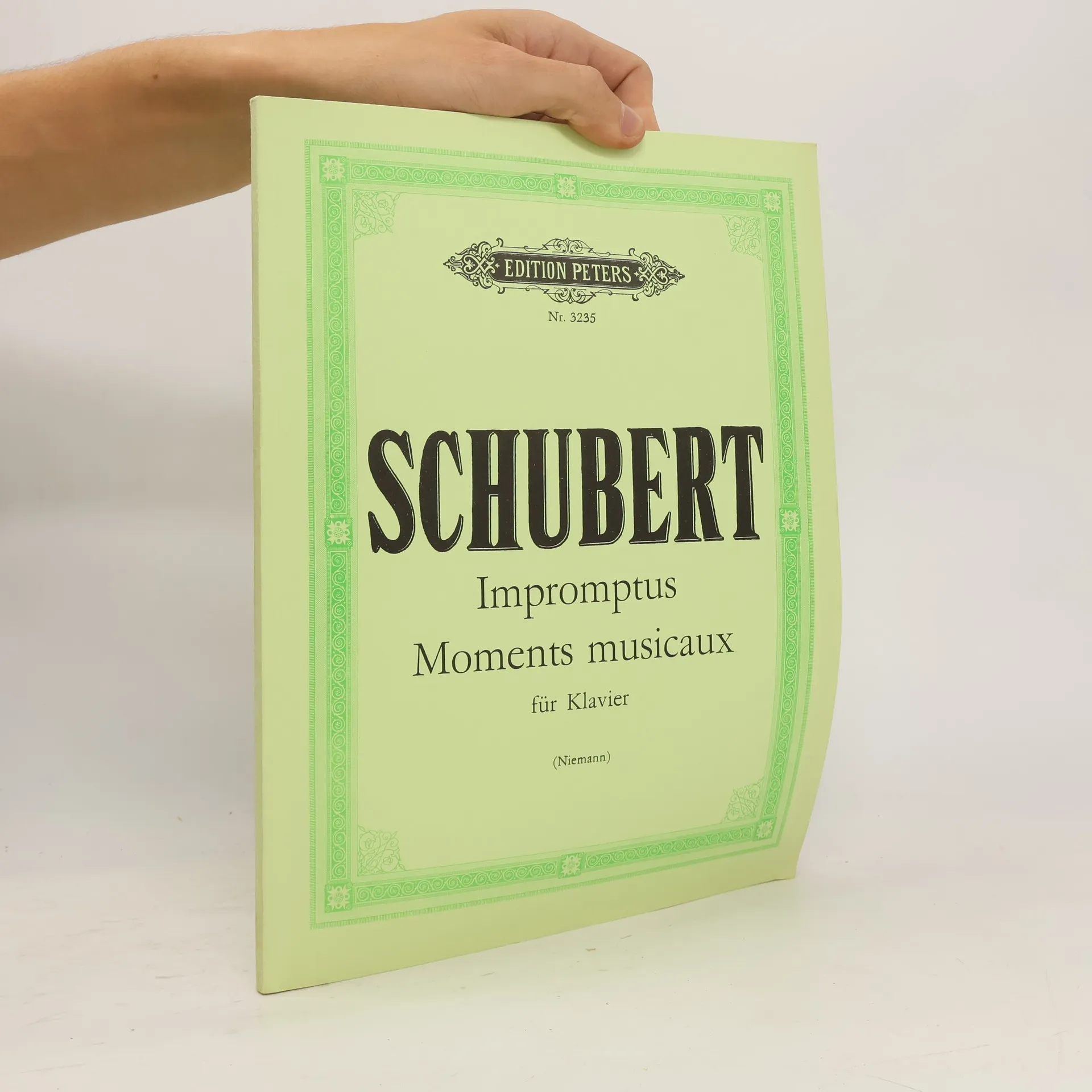
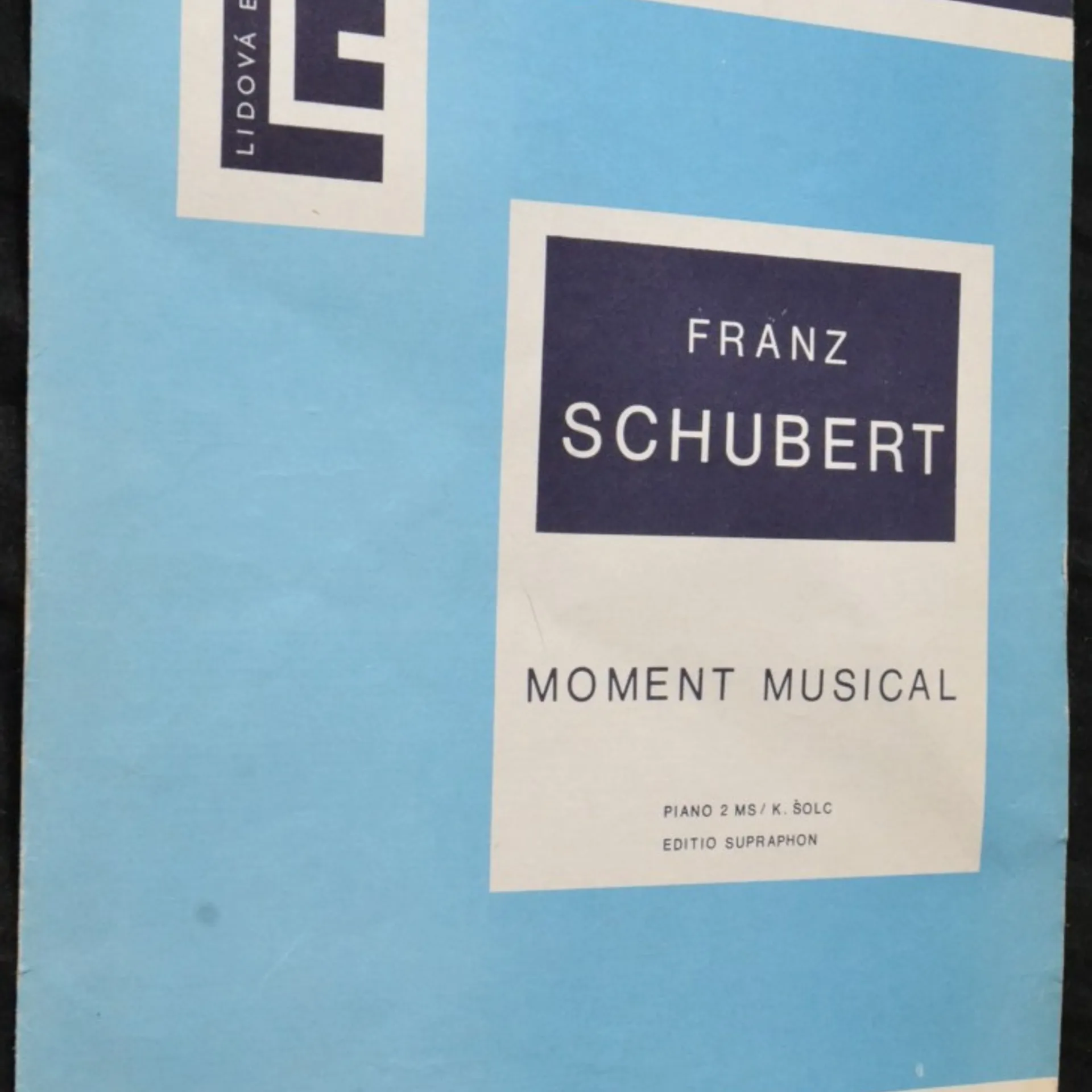
    Moment Musical
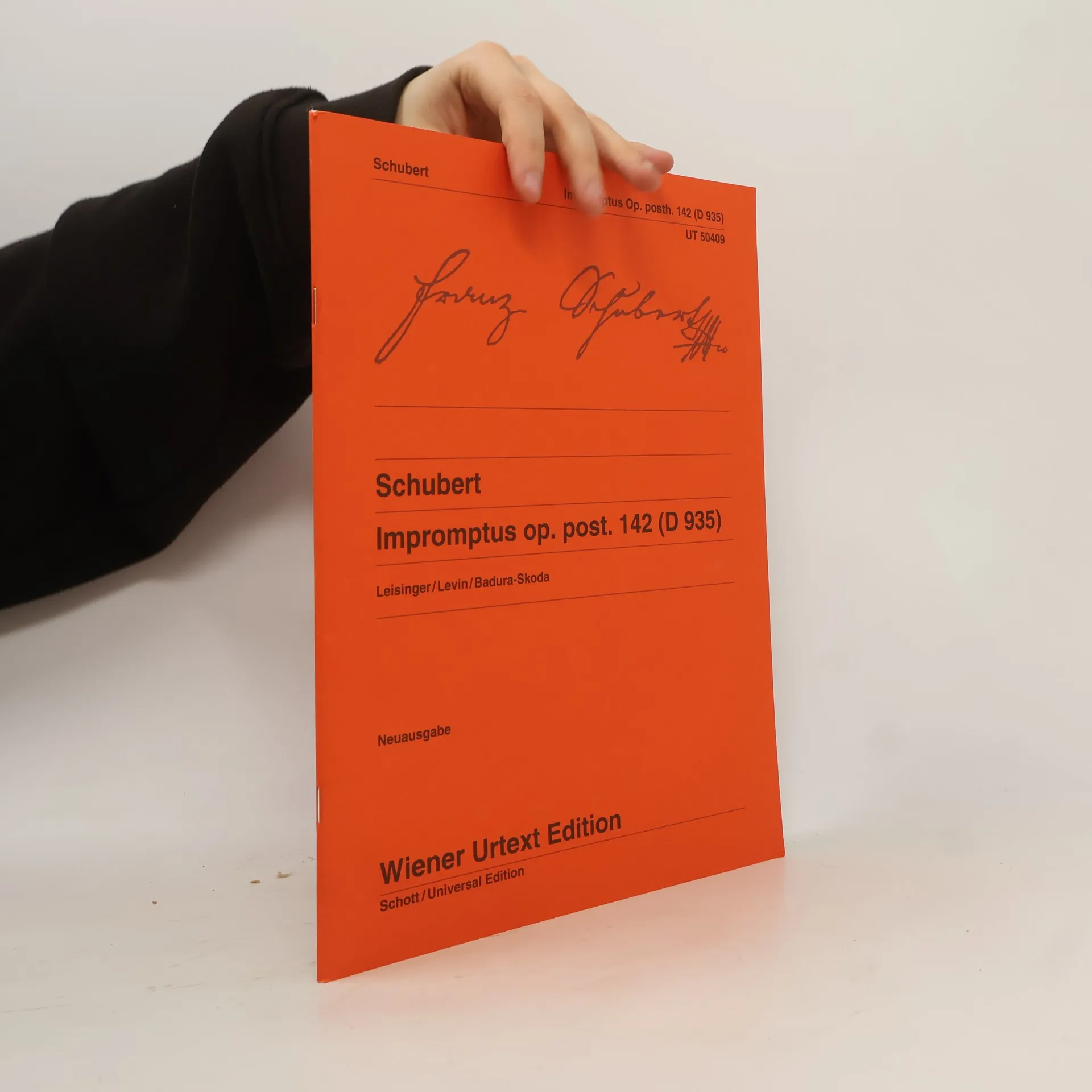
    Schubert's Impromptus for Piano
    Adagio Cantando (from Fünf Klavierstücke): Conductor Score
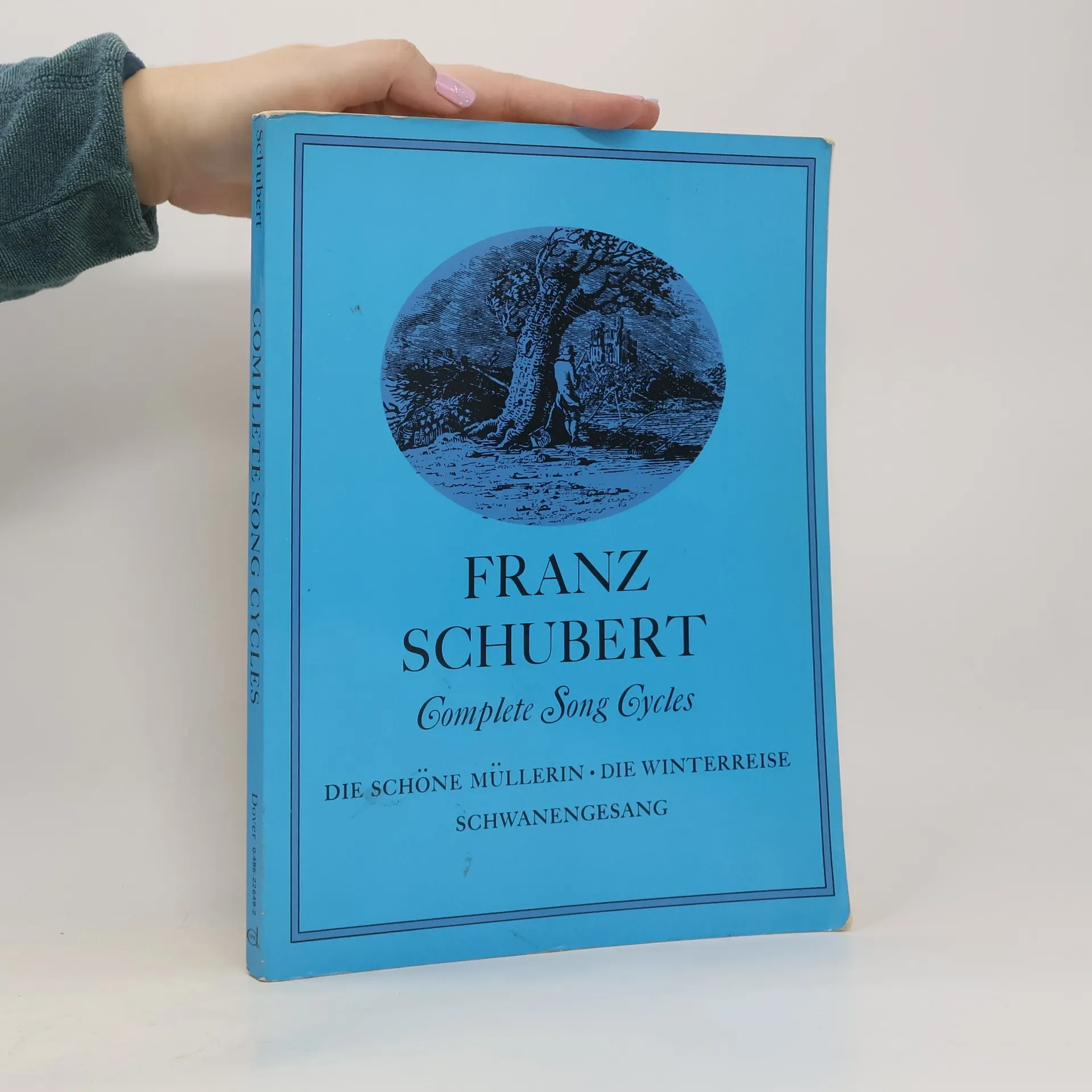
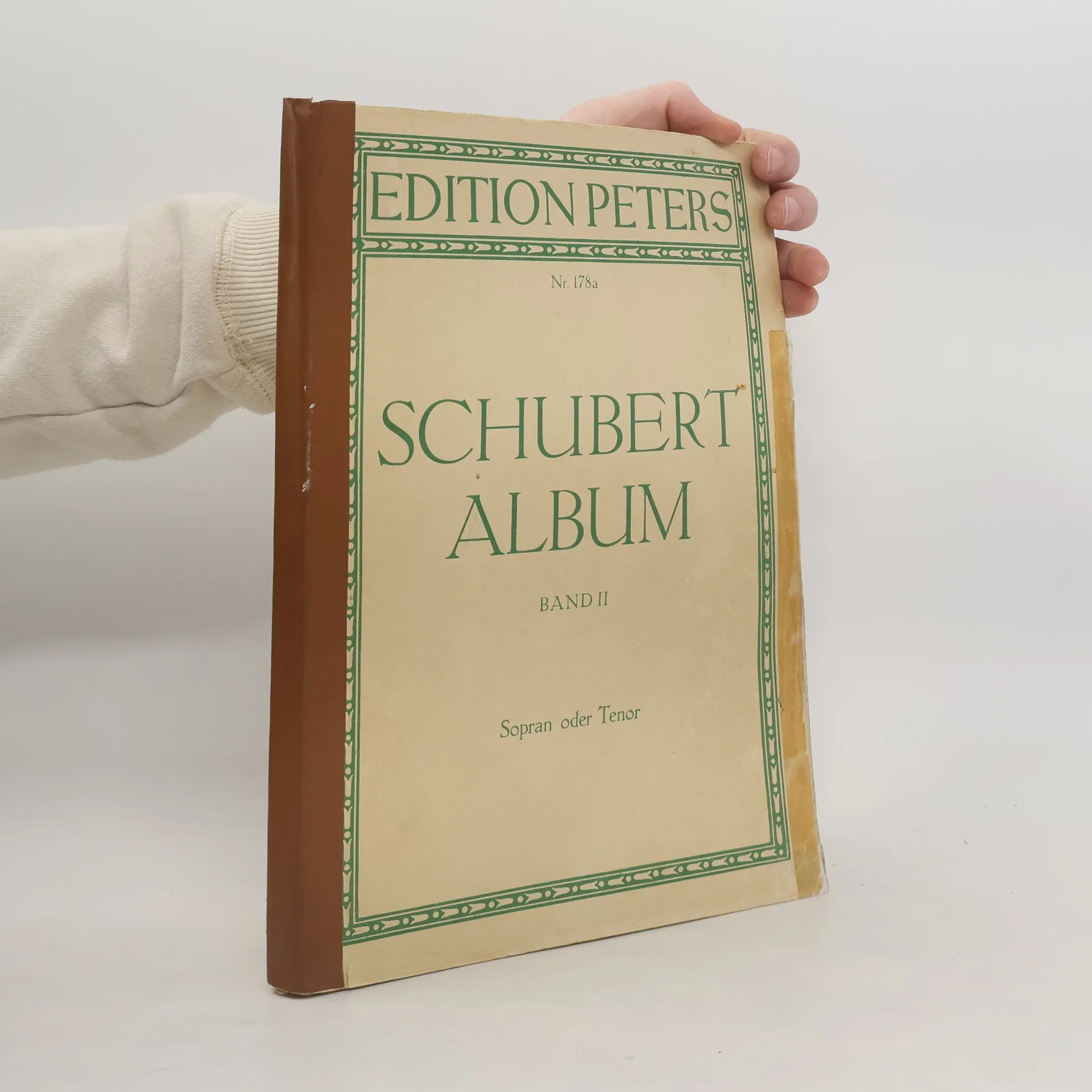
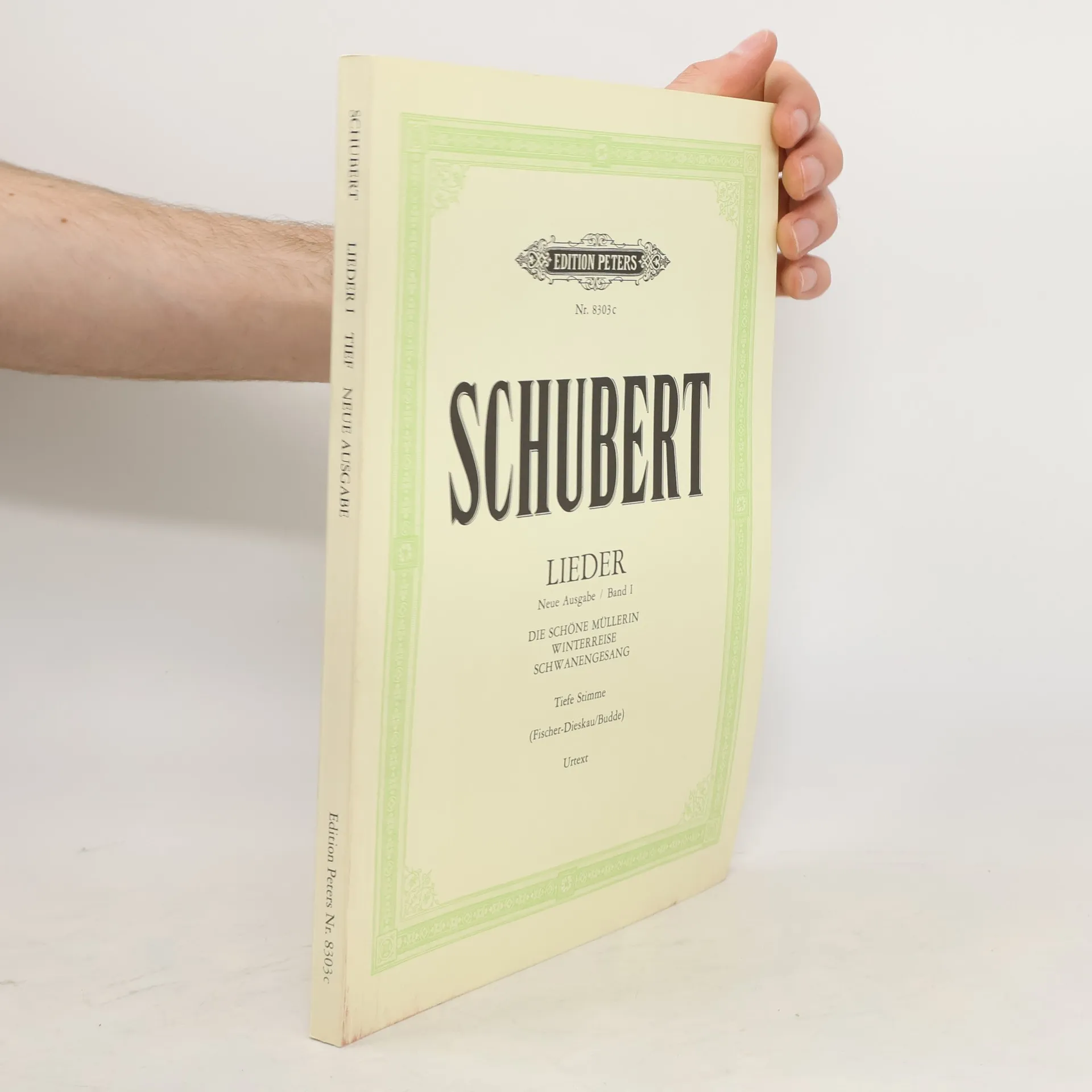
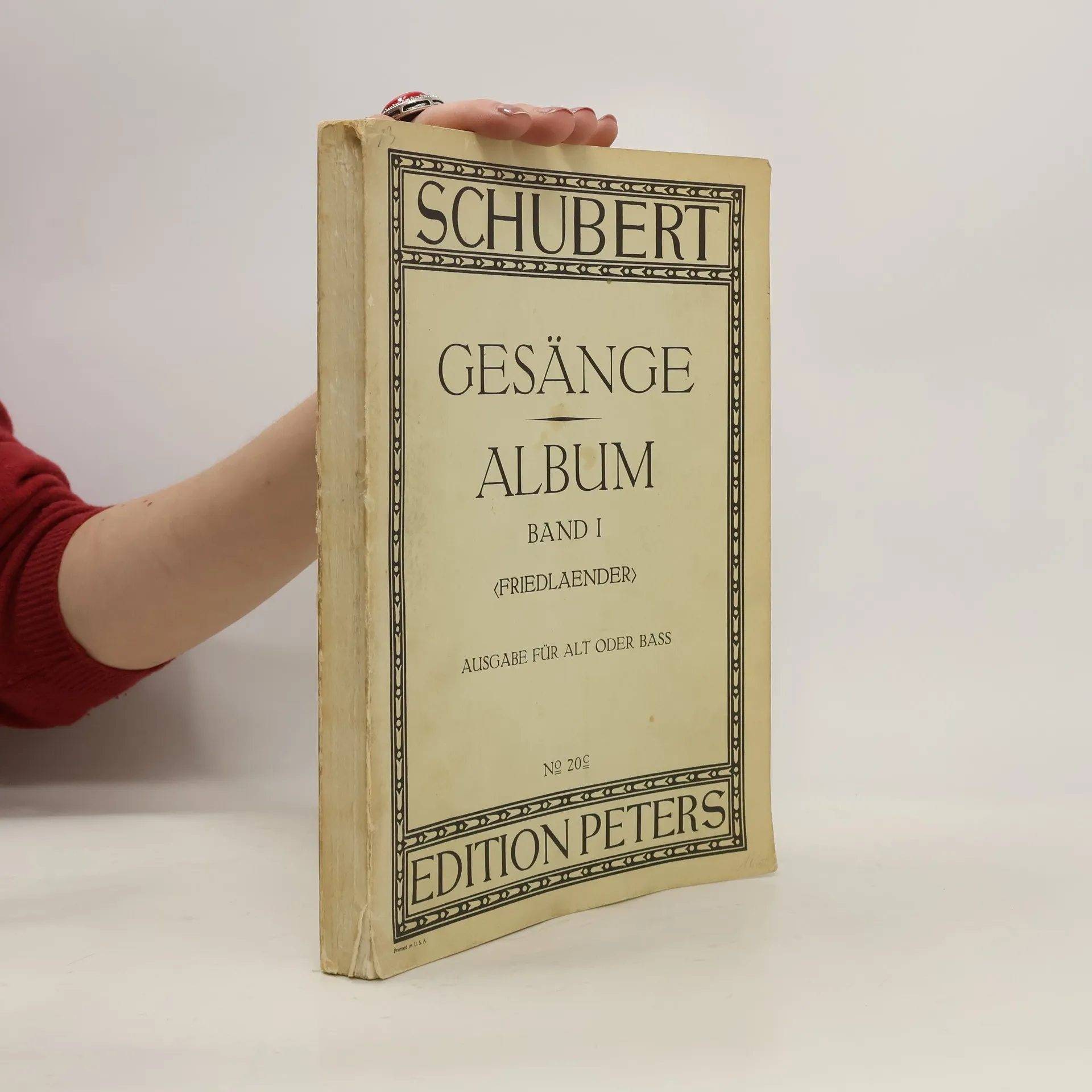
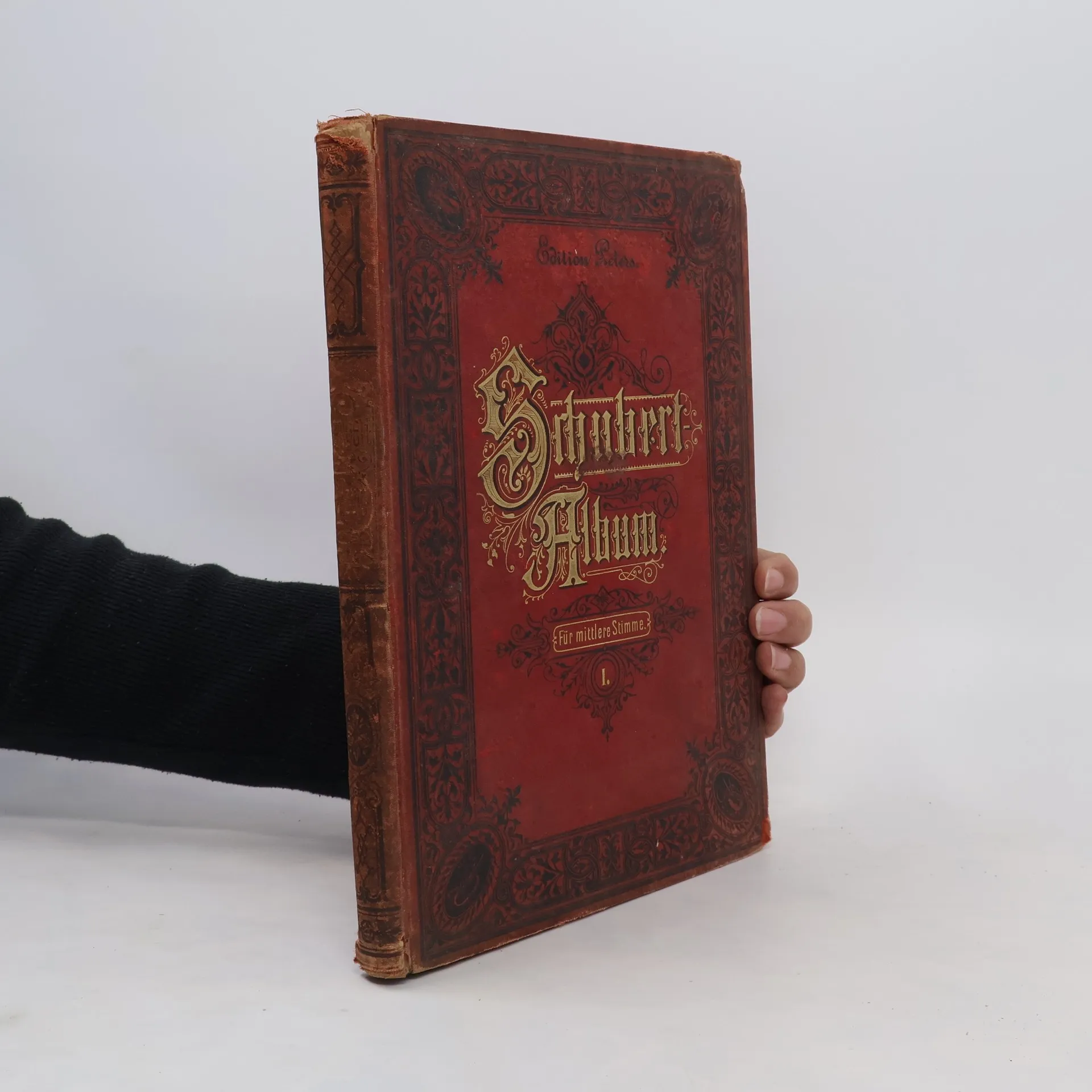
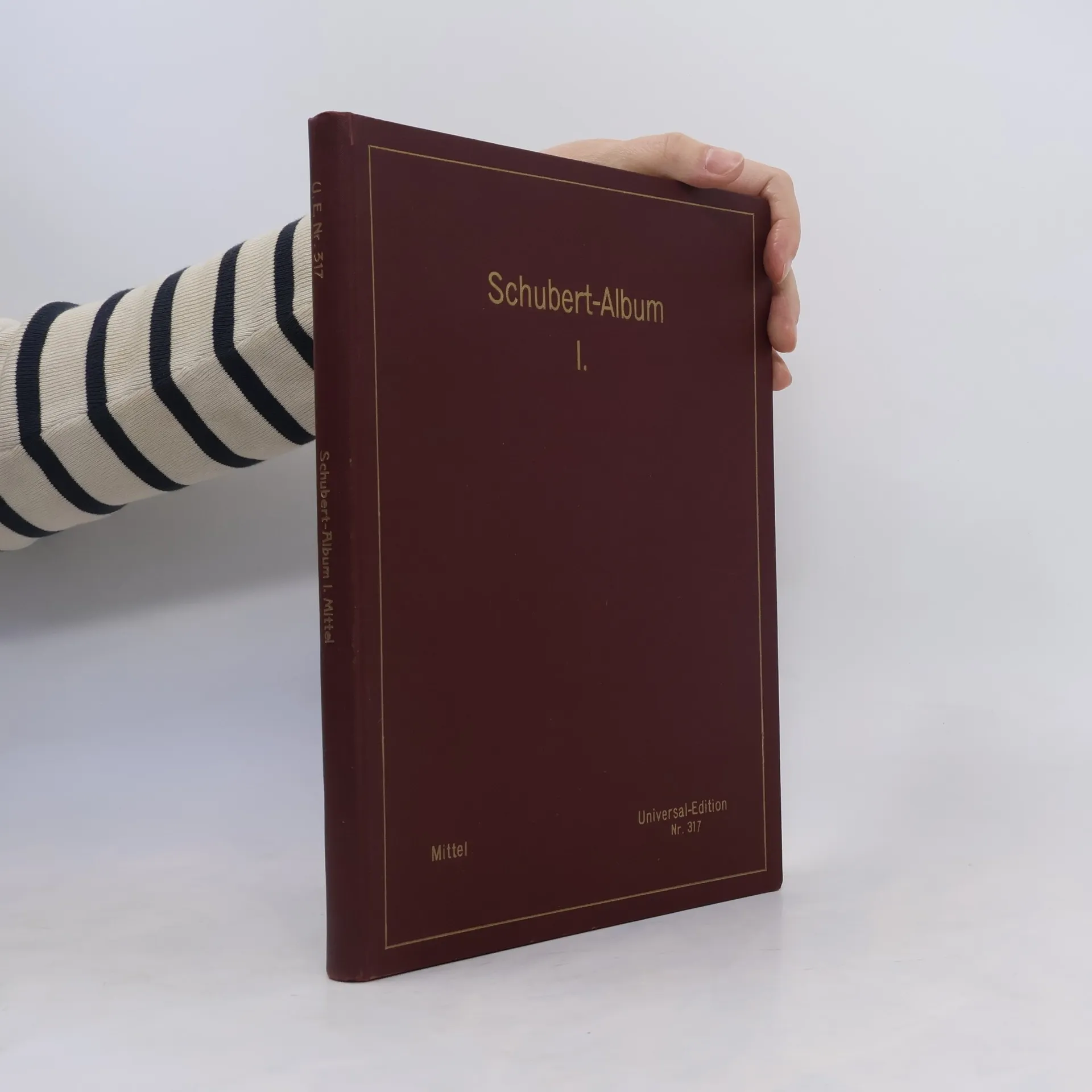
    Songs (Medium Voice): 92 Songs, Incl. Die Schöne Müllerin, Winterreise, Schwanengesang
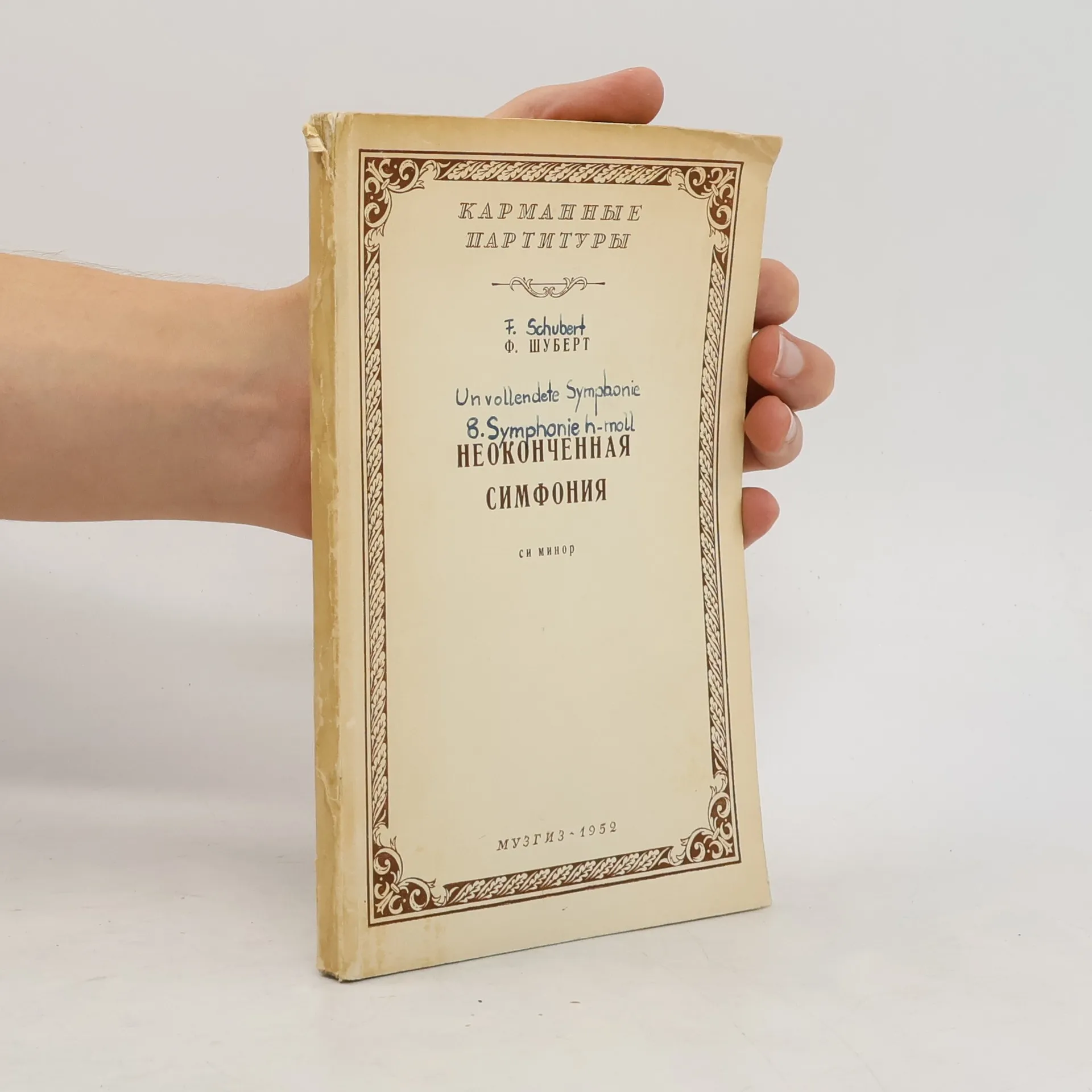
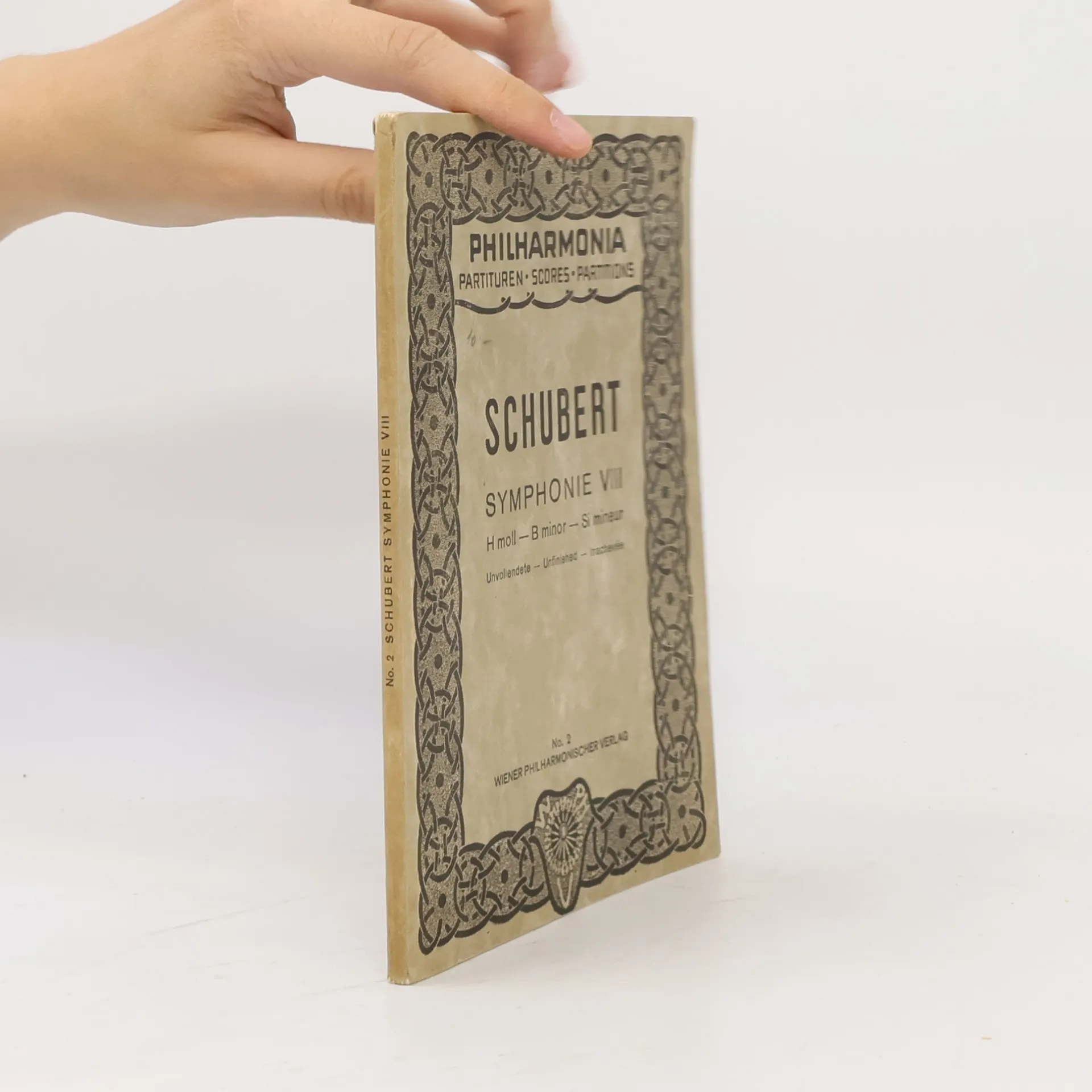
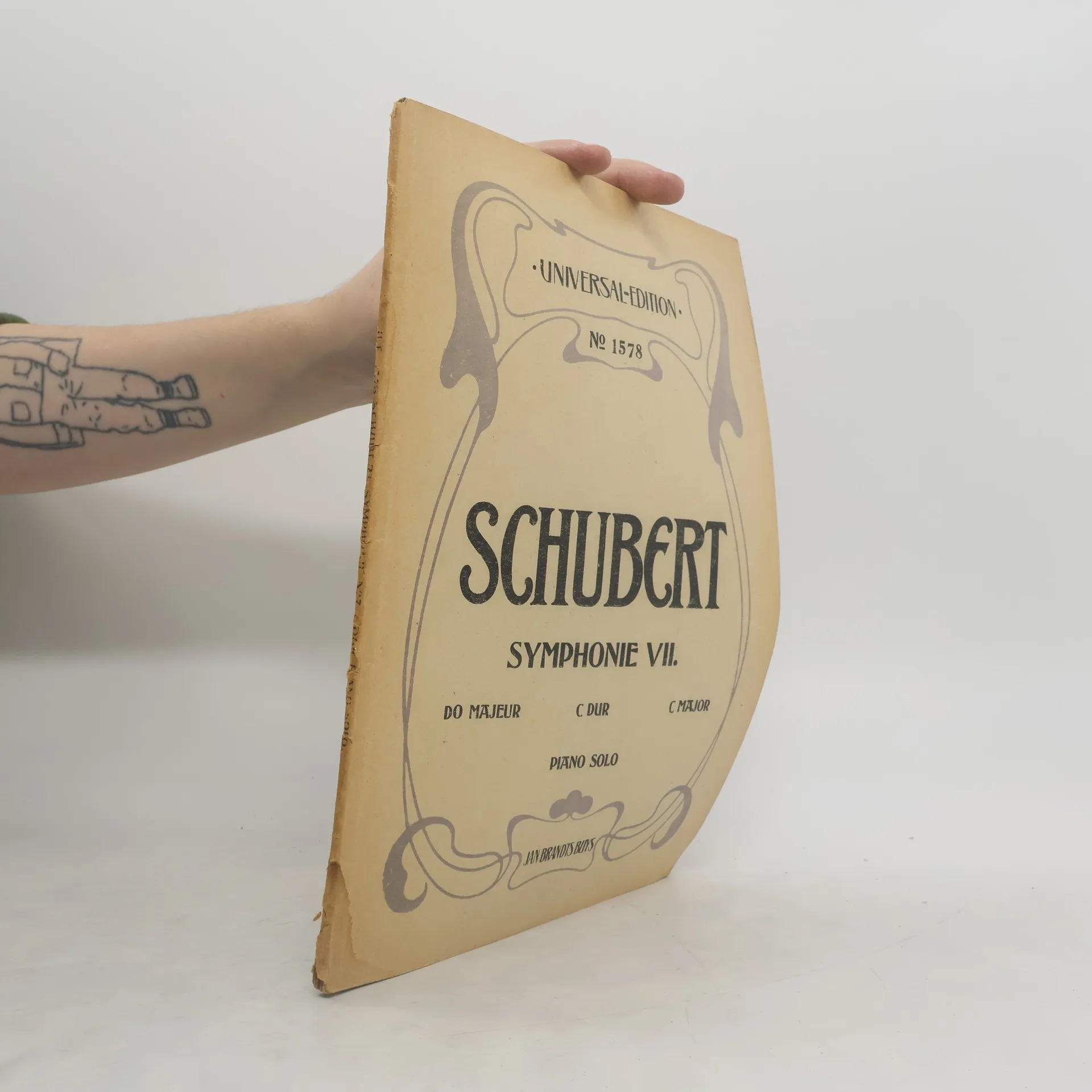
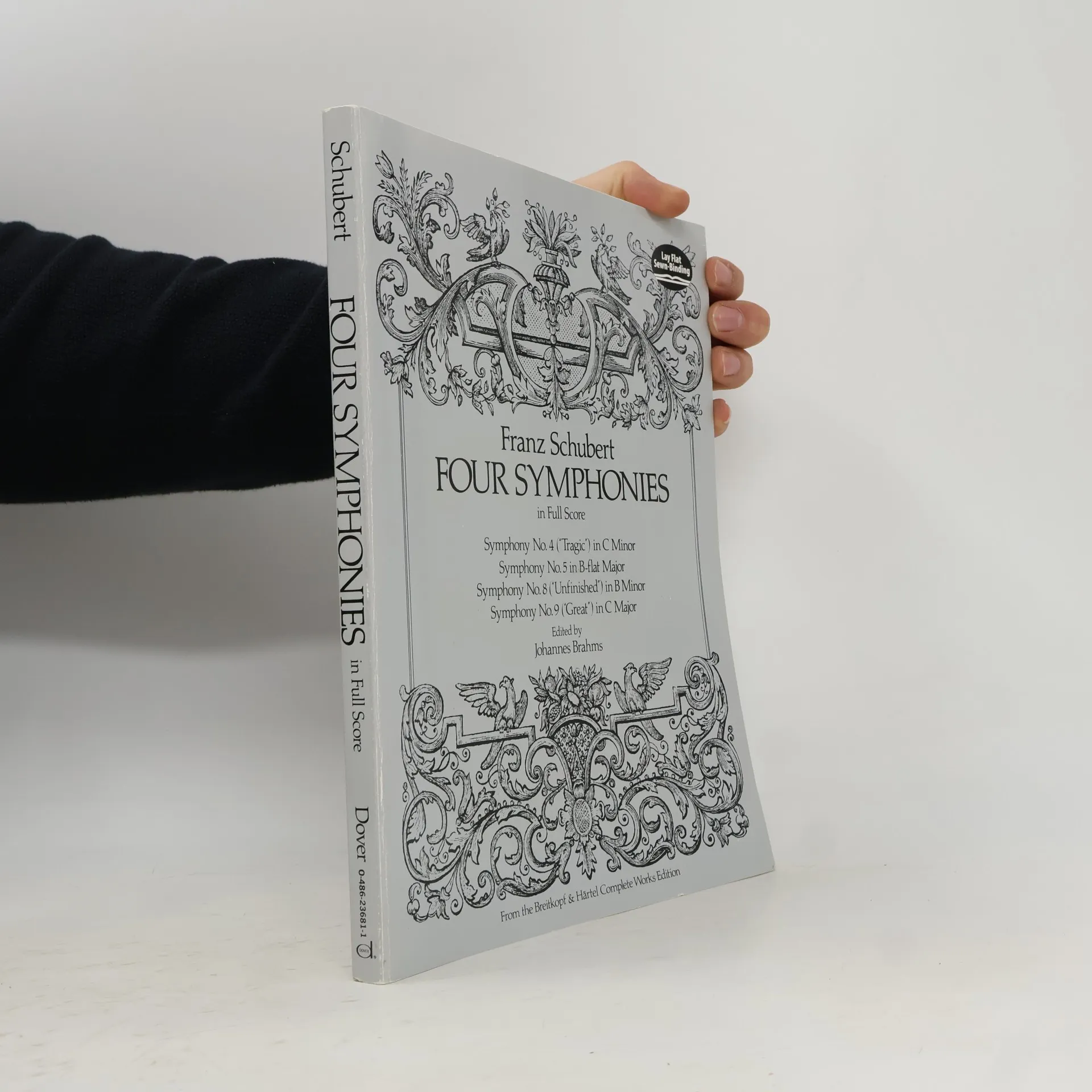
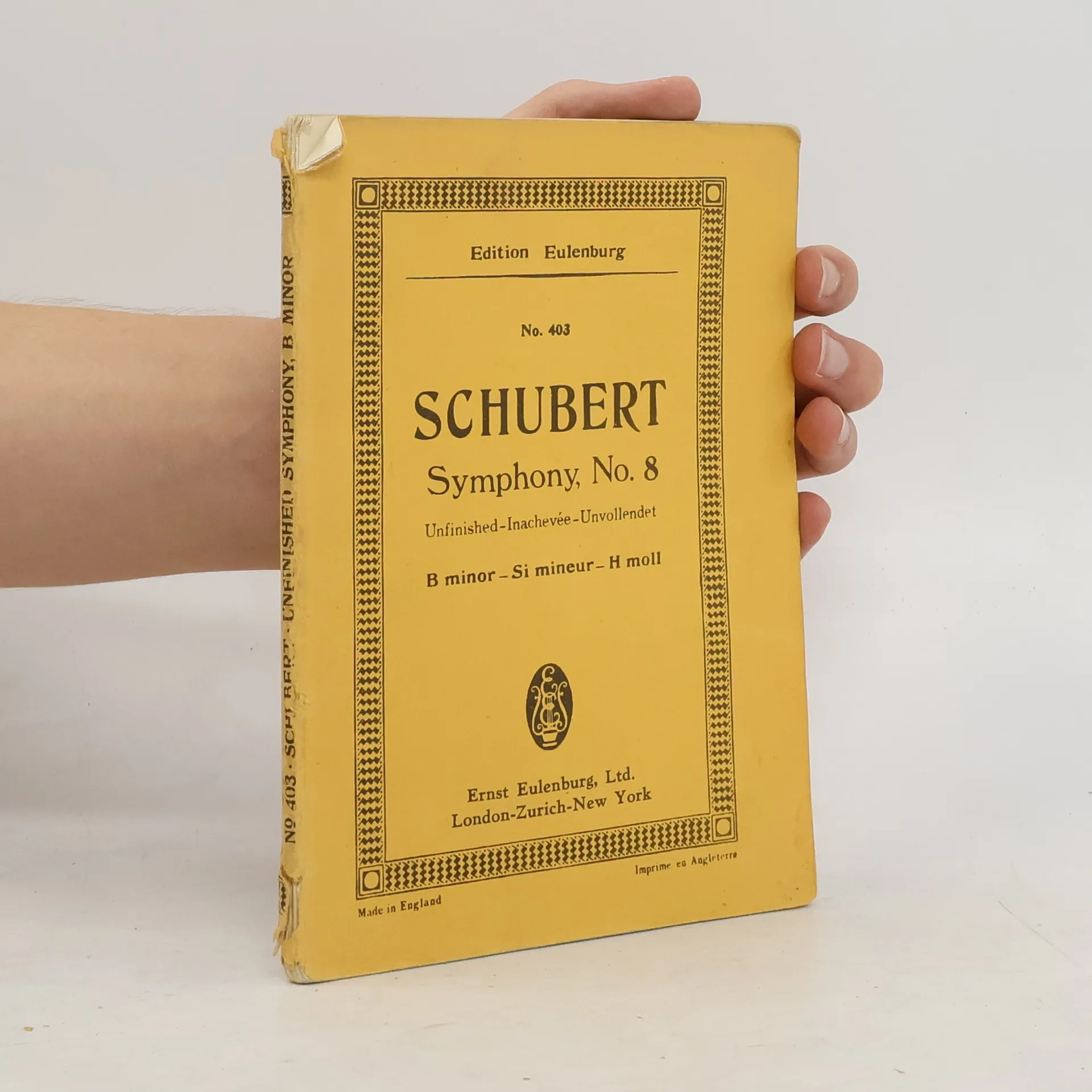
    Schubert Symphony No.8
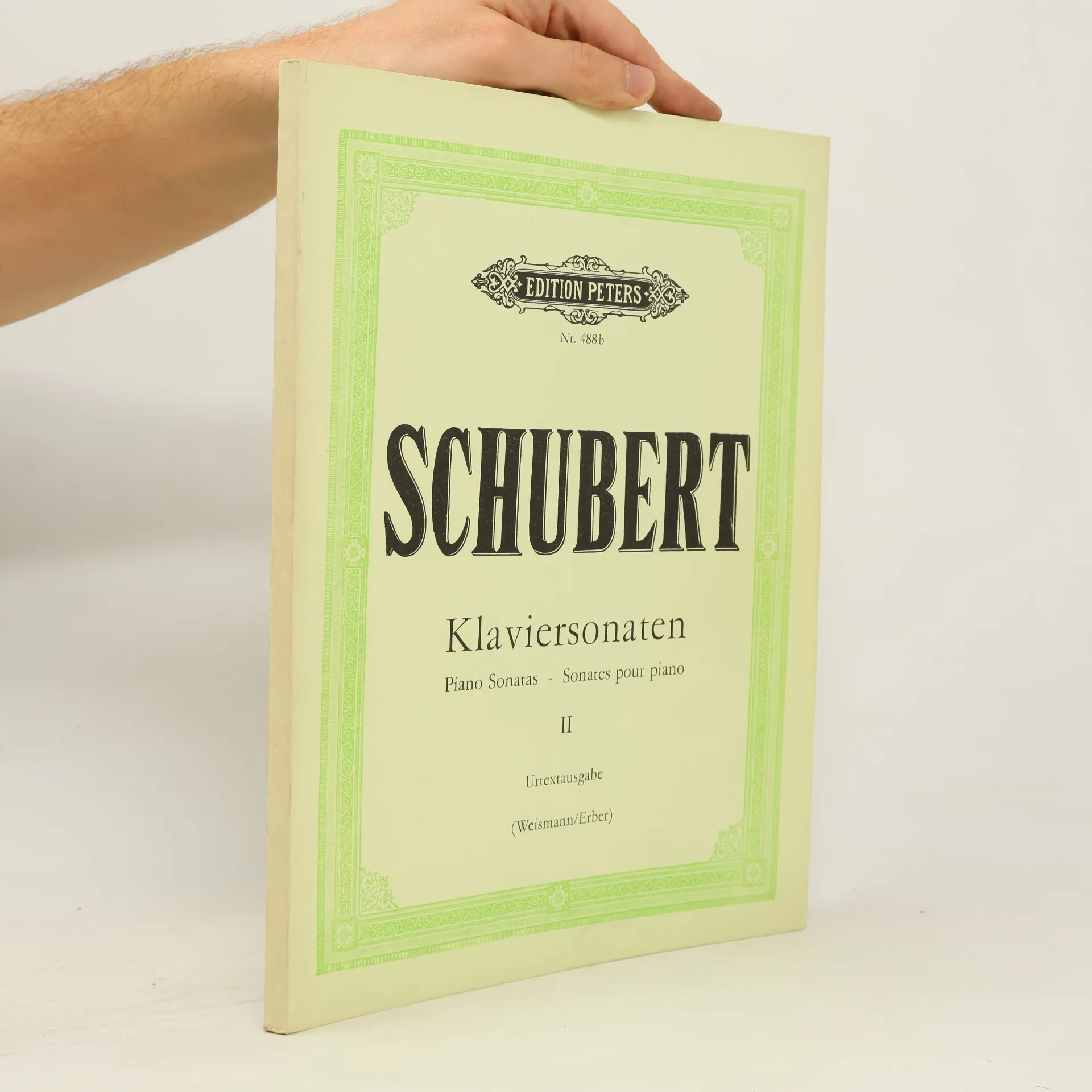
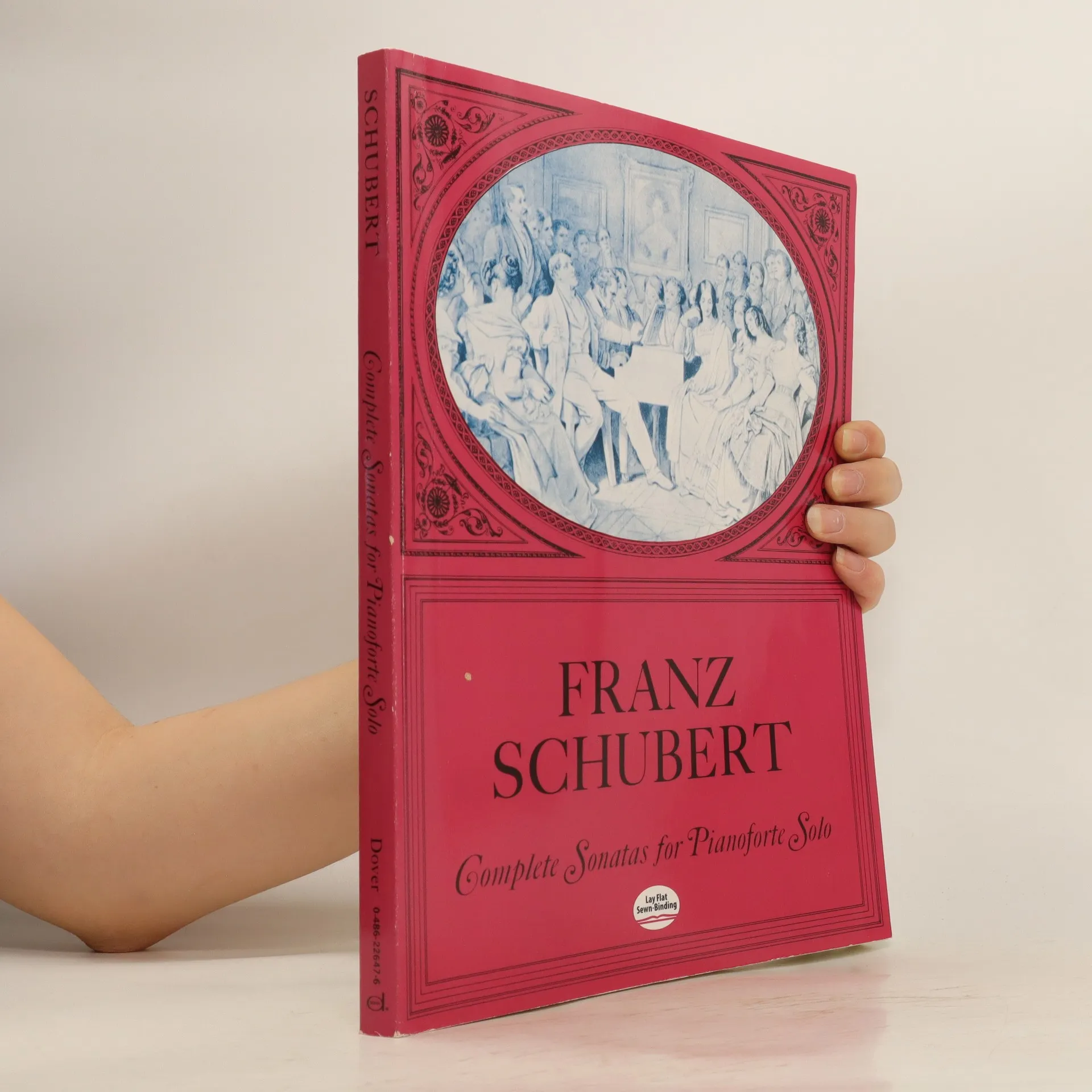
    Complete sonatas for pianoforte solo
    • Complete sonatas for pianoforte solo

      • 298 pages
      • 11 hours of reading

      The piano sonatas of Franz Schubert are characterized by the supremely lyrical greatness that distinguishes all of this composer's work. The unfailing melody, the fresh modulations, and the emotional range — from blissful contentment to pensive melancholy — of these works place them firmly among the undisputed piano classics.This volume, reproduced directly from Series 10 of the definitive Breitkopf & Härtel Schubert-Gesammtausgabe, contains all fifteen of Schubert's piano the charming early sonatas, the groundbreaking sonatas of the early 1820s, right up to the brilliant final sonatas.Noteheads in this edition have been reproduced in a size large enough to be read easily at the keyboard, and margins and spaces between staves are conveniently wide to permit written notes, harmonic analysis, fingerings, and running measure numbers. Essential to all classical pianists, this edition is also practical for study, reference, enjoyment — virtually any use.

      Complete sonatas for pianoforte solo
      4.5
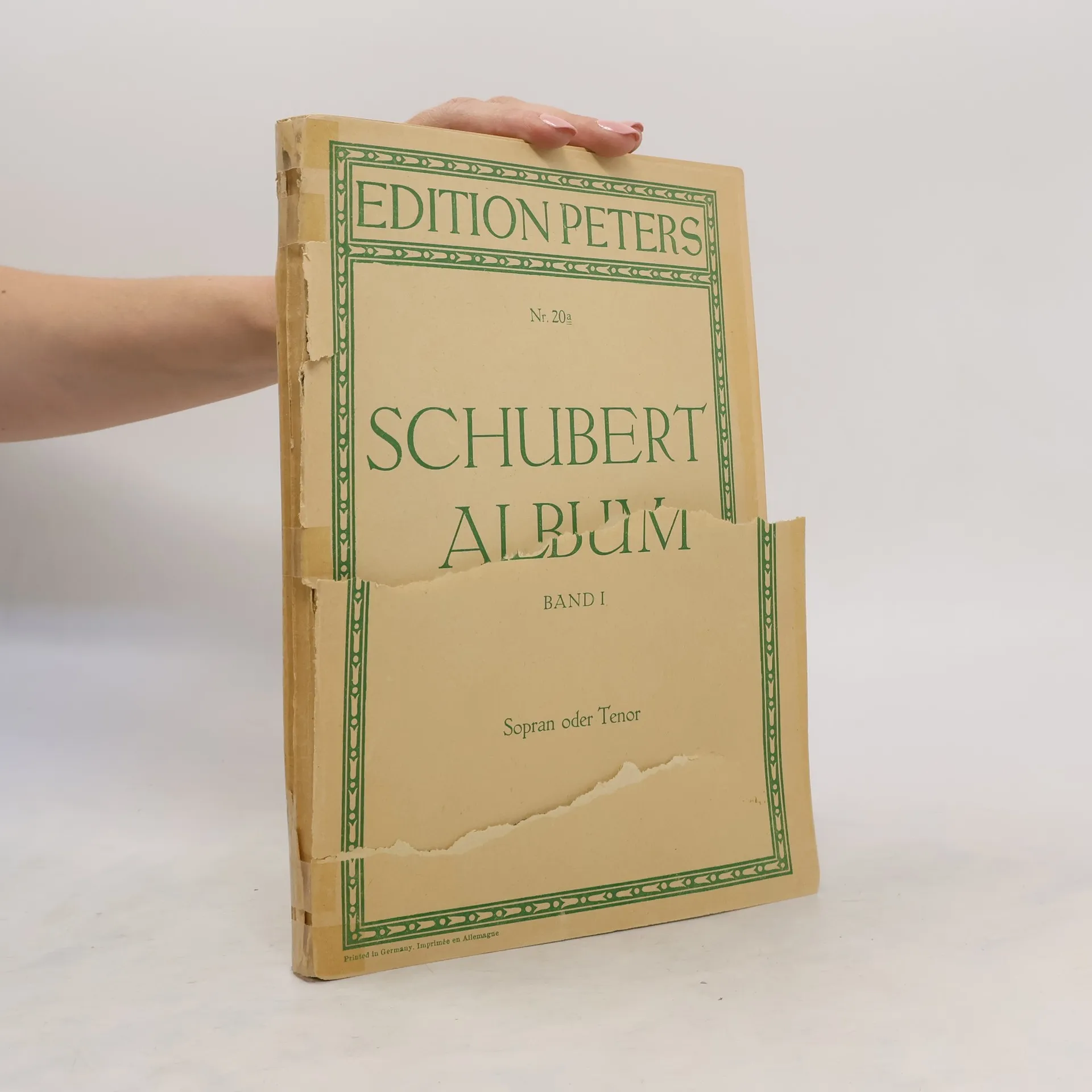
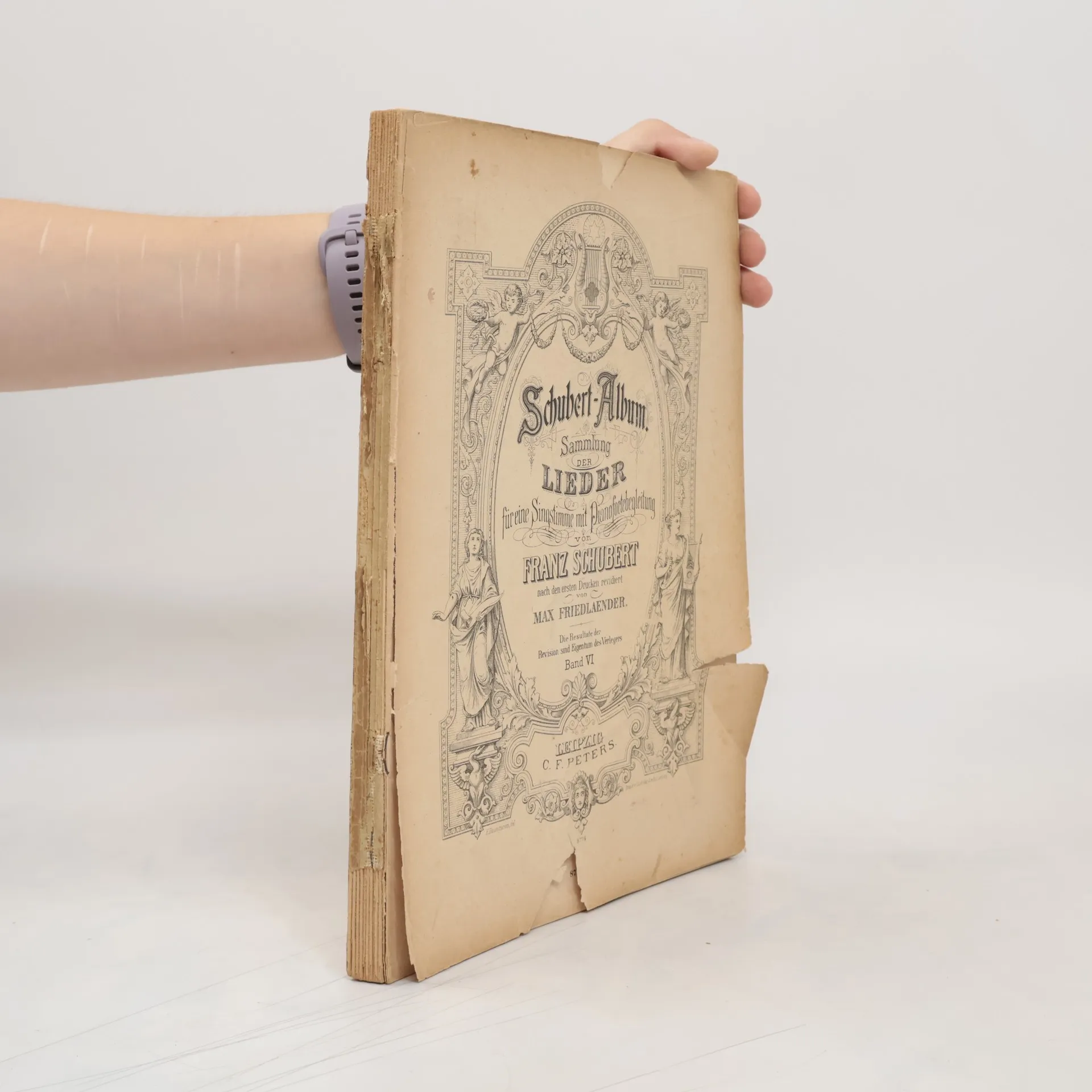
    • Franz Schubert's contribution to vocal music is as unquantifiable as the fact that he wrote so many hundreds of masterpieces for voice in his 31 short years is almost inexplicable. This classic Edition Peters collection (for Medium Voice), an essential publication for any singer of art song, contains the most famous song cycles Die Schöne Müllerin op. 25 D795, Winterreise op. 89 D911 and Schwanengesang D957 as well as 34 other songs. This famous edition, beloved of singers across the world, was edited by Max Friedlaender who based it on a thorough examination of the sources both published and manuscript.

      Songs (Medium Voice): 92 Songs, Incl. Die Schöne Müllerin, Winterreise, Schwanengesang
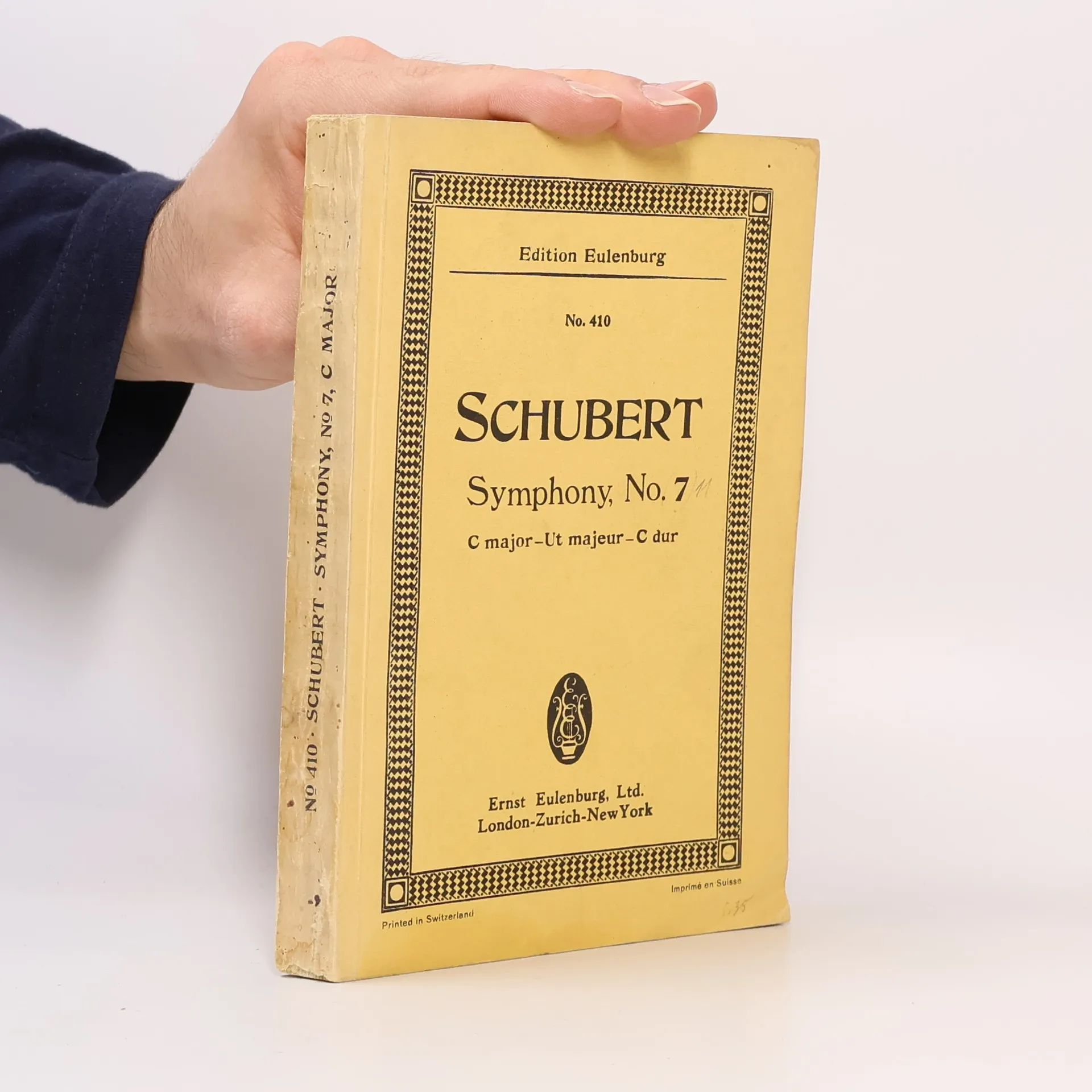
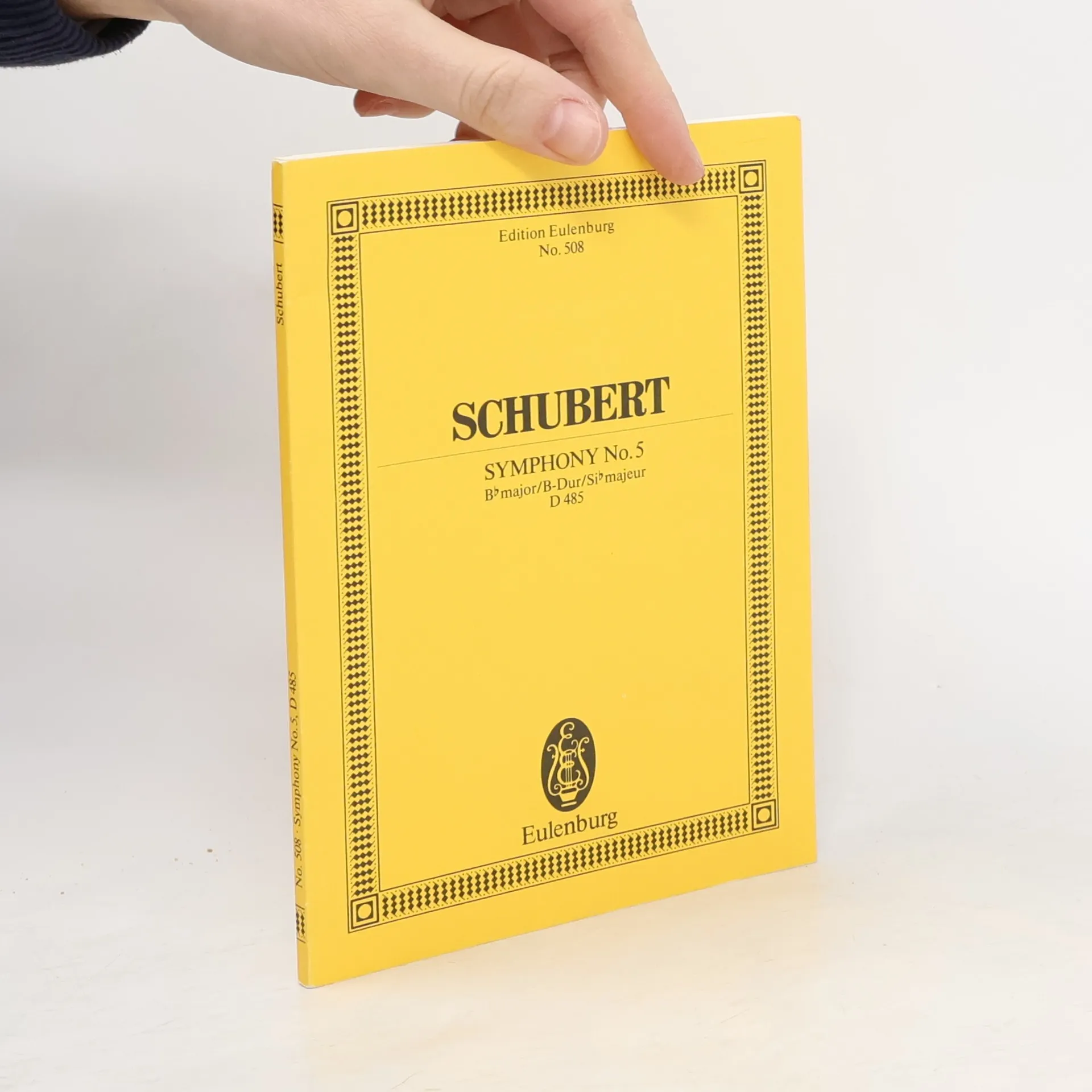
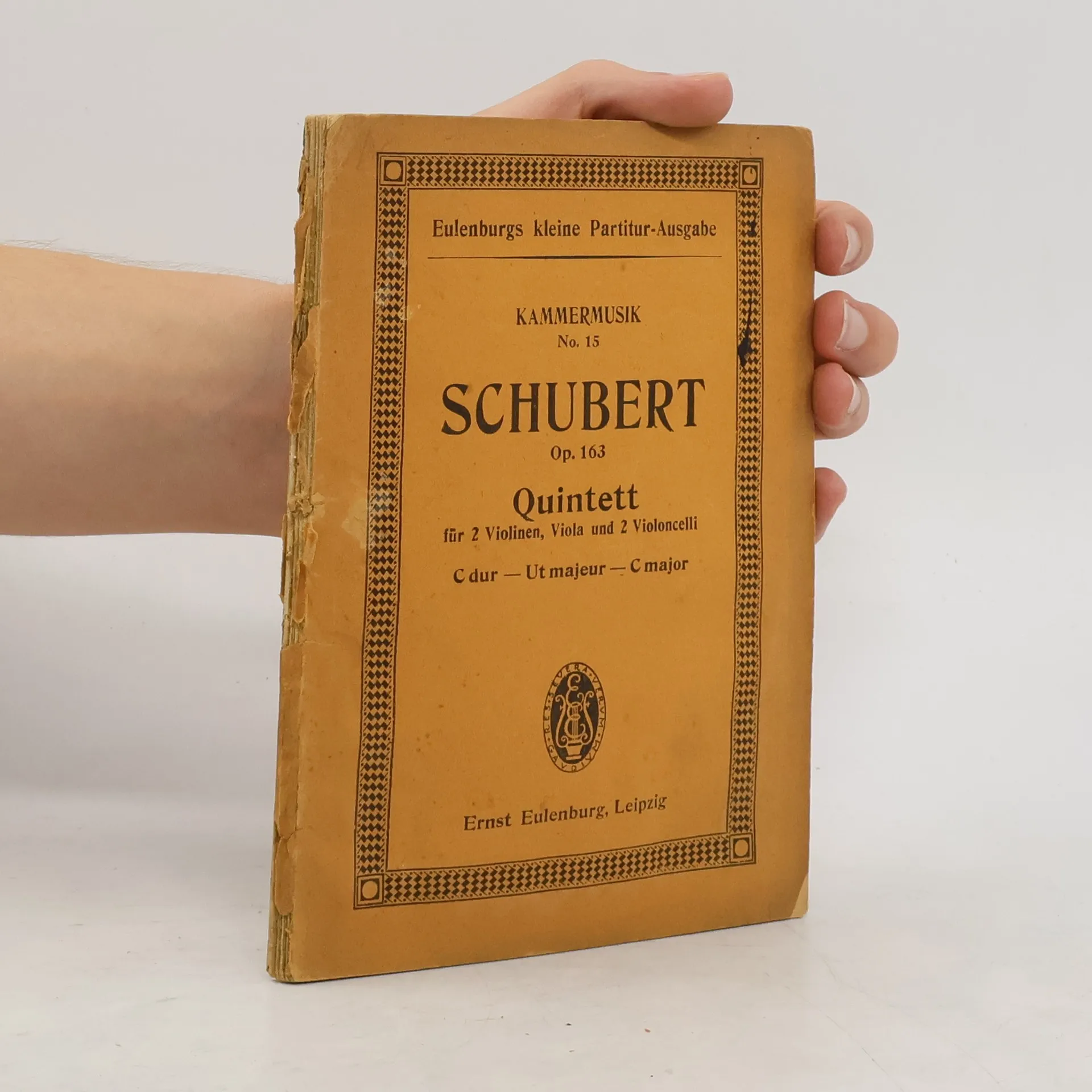
    • Symphony 5 D. 485 Bfl Maj.

      • 78 pages
      • 3 hours of reading

      inch....this work is likely to become a standart work very quickly and is to be recommended to all schools where recorder studies are undertaken inch. (Oliver James,Contact Magazine) A novel and comprehensive approach to transferring from the C to F instrument. 430 music examples include folk and national songs (some in two parts), country dance tunes and excerpts from the standard treble repertoire of•Bach, Barsanti, Corelli, Handel, Telemann, etc. An outstanding feature of the book has proved to be Brian Bonsor's brilliantly simple but highly effective practice circles and recognition squares designed to give, in only a few minutes, concentrated practice on the more usual leaps to and from each new note and instant recognition of random notes. Quickly emulating the outstanding success of the descant tutors, these books are very popular even with those who normally use tutors other than the Enjoy the Recorder series.
      Symphony 5 D. 485 Bfl Maj.
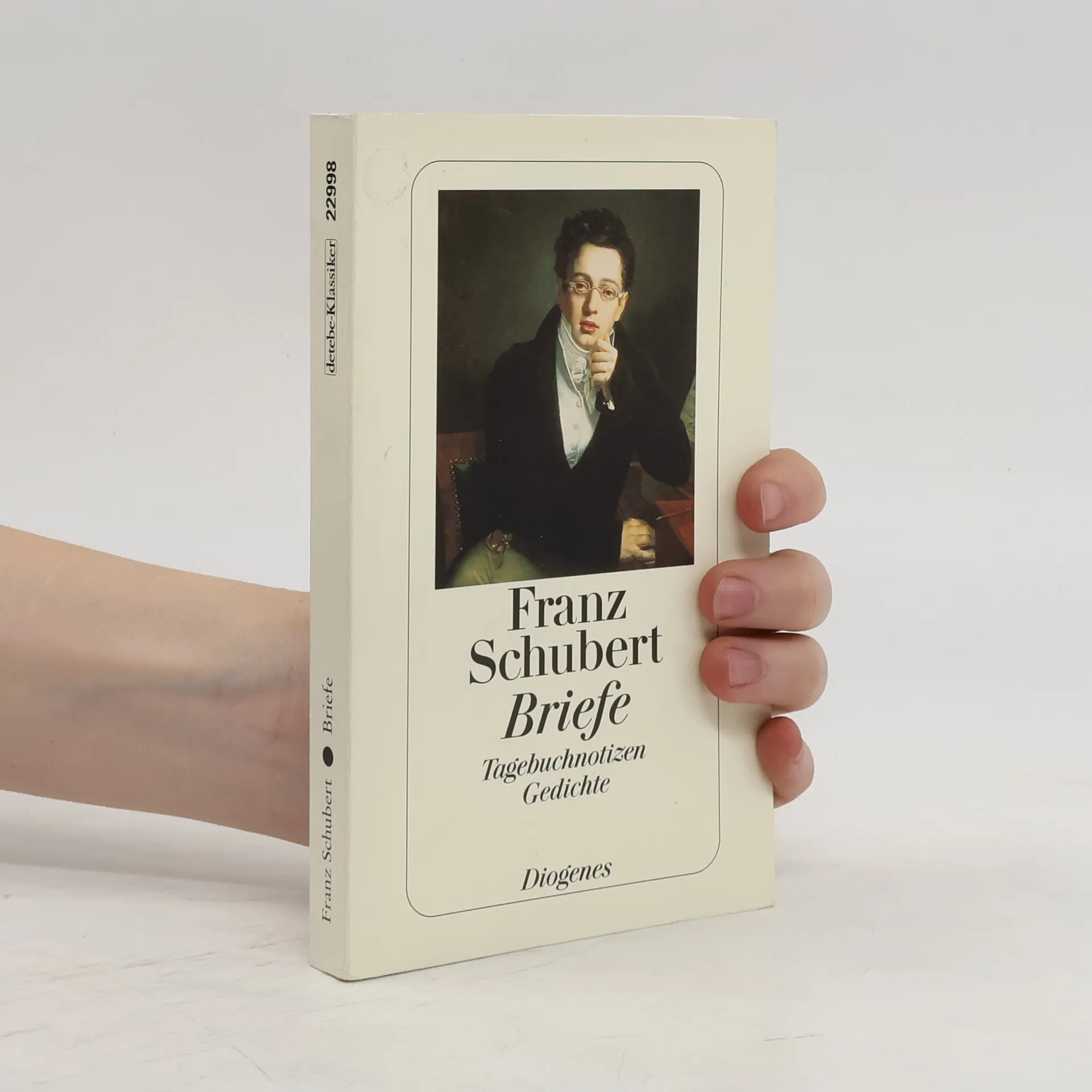
    • Briefe, Tagebuchnotizen, Gedichte

      • 158 pages
      • 6 hours of reading

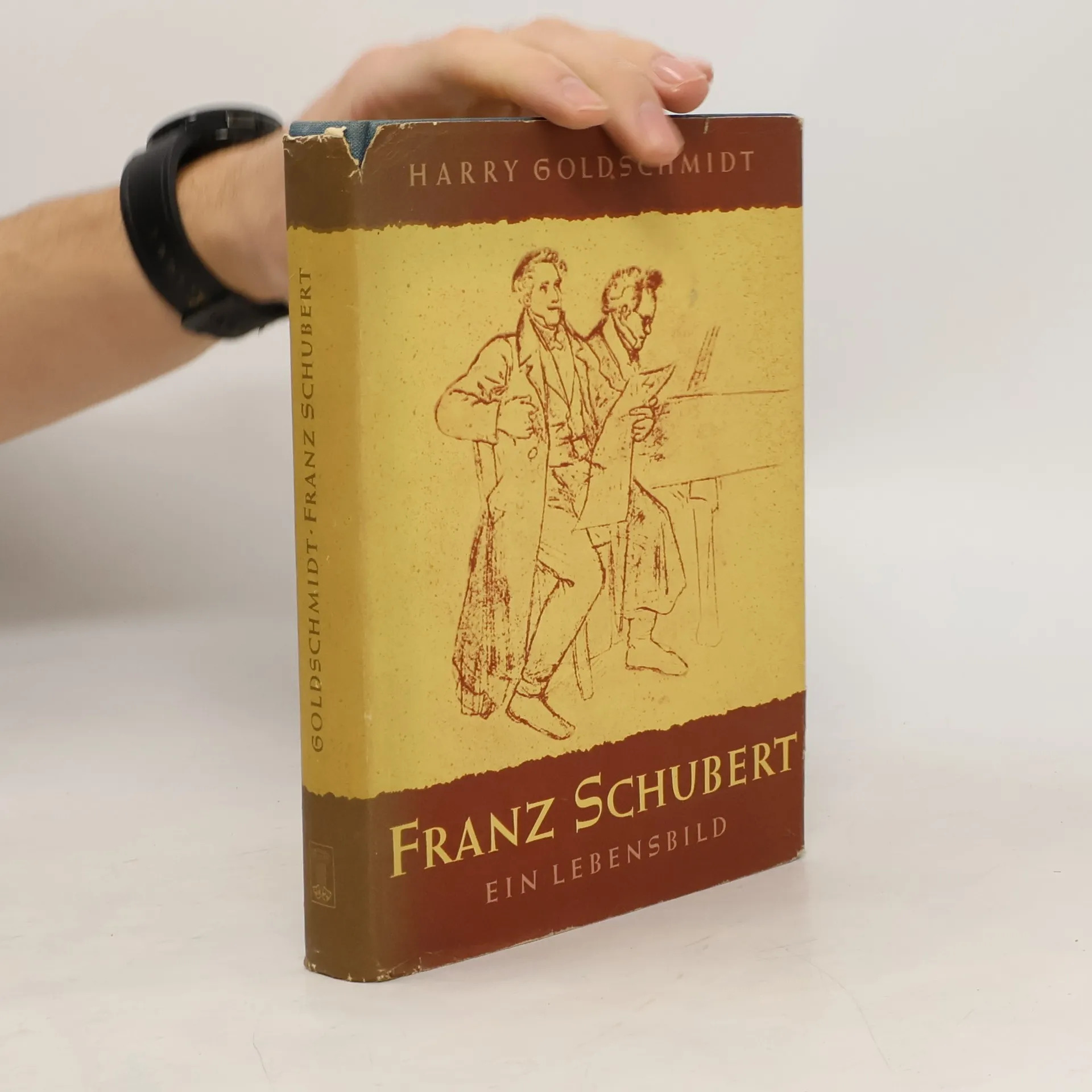
      Der von seinen Freunden als ›wortkarg‹ beschriebene Schubert, der nur lebhaft und mitteilsam wurde, wenn es um die Musik ging oder aber um die Bekundung seiner freundschaftlichen Gefühle, äußerte sich gegenüber seiner Umwelt in nur wenigen Briefen. Um so mehr sprach er mit sich selbst, wenn er seine Gedanken, Empfindungen und Beobachtungen in Tagebuchnotizen und Gedichten niederschrieb. Brief, Gedicht und Tagebuch ergeben ein Ganzes, das überraschende und imponierende Einblicke in die Mentalität dieses Künstlers gibt.

      Briefe, Tagebuchnotizen, Gedichte
      3.5