Cricket in the Road
- 143 pages
- 6 hours of reading
These stories are told with the freshness and directness one has come to expect of Michael Anthony.


Recognized as one of Trinidad's foremost historians, this author's literary contributions are deeply rooted in the significant events of his native island's past. His work masterfully intertwines historical research with compelling narrative storytelling. Early in his career, he produced novels and collections of short stories, with each story meticulously drawing inspiration from specific historical moments. Later, his focus shifted predominantly to in-depth historical research on Trinidad, significantly enriching the understanding of the island's cultural and societal heritage.

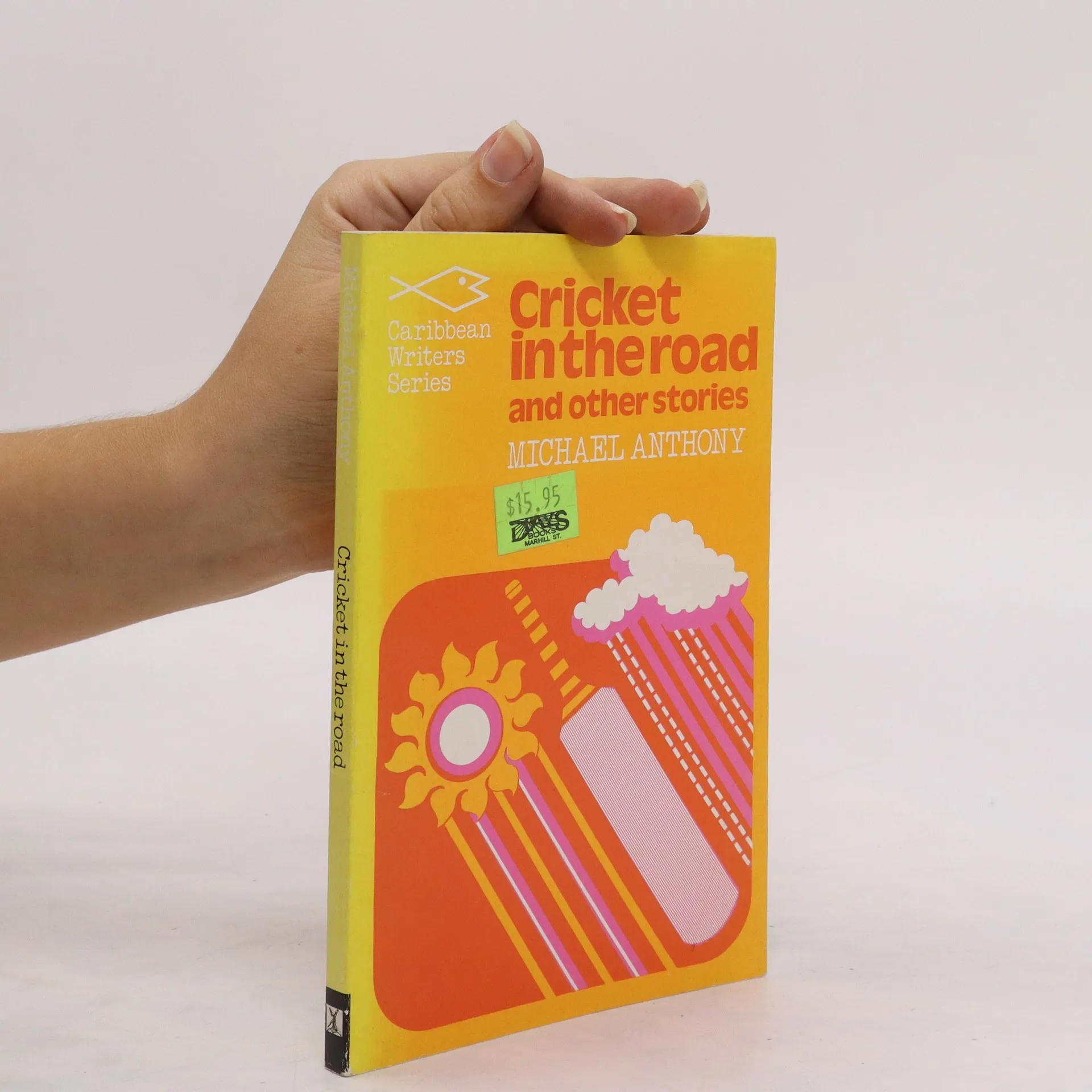
These stories are told with the freshness and directness one has come to expect of Michael Anthony.
Interconnectedness of all life and the detrimental effects of consumerism and industrialization are central themes in this work. The author highlights the urgent need to address environmental destruction, emphasizing the contradiction of humanity's self-destructive choices. With a call for a transformative approach, the book advocates for a lifestyle that honors our relationship with nature and leverages human intelligence to foster a sustainable and harmonious future for the planet and its inhabitants.