La Dame Aux Camelias
- 215 pages
- 8 hours of reading
It is a story of a young man who has an affair with a courtesan, Marguerite. His father ends the affair, and Marguerite dies of tuberculosis.


Alexandre Dumas fils was a French playwright and novelist whose work was deeply shaped by his personal experiences and the social attitudes of his era. His writing frequently explored moral dilemmas, particularly the status of illegitimate children and the position of women in society. Dumas fils gained renown through his successful adaptations of his novels for the stage, establishing himself as a creator of modern French tragedy. His literary legacy lies in his candid portrayal of relationships and social conventions, which continues to resonate.




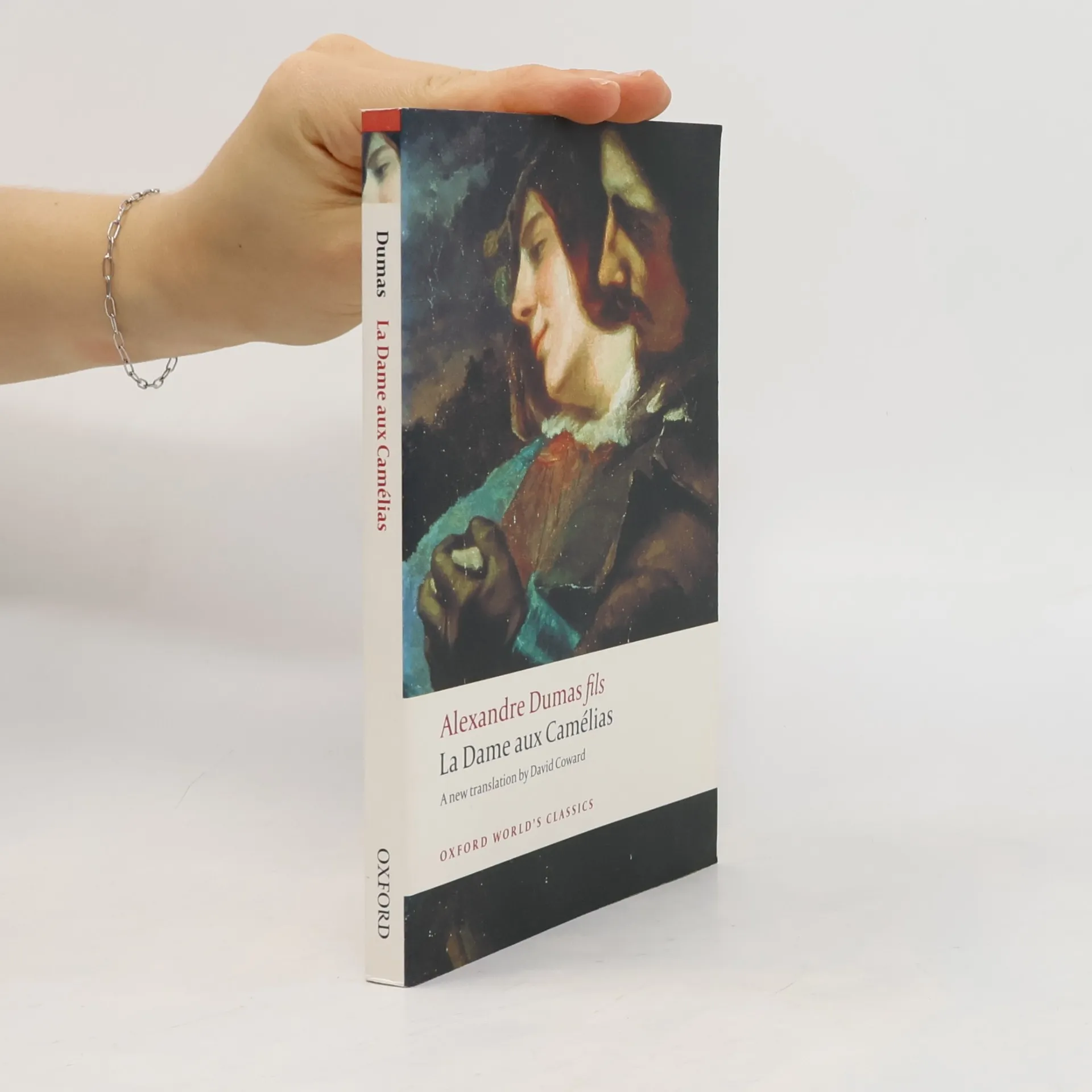
It is a story of a young man who has an affair with a courtesan, Marguerite. His father ends the affair, and Marguerite dies of tuberculosis.
The narrative unfolds through a letter from Pierre Clemenceau, an illegitimate child, to a judge while he is imprisoned. Reflecting on his troubled upbringing, he critiques the societal injustices faced by women and children in 19th-century France. Pierre's life is marked by bullying, distrust, and a descent into crime, stemming from his mother's secrecy about his father. He grapples with guilt over his mother's struggles and questions a society that absolves men of paternal responsibility. This edition presents a classic work of French literature for contemporary readers.
"Claudius Ruprecht, an orphan unaware of his lineage, embarks on a journey through Germany after joining Wilna University. In Munich, he becomes embroiled in a duel with Major von Sendlingen and seeks refuge with a girl he saved. However, an old beggar woman reveals his true identity, leading to a revenge plot against him."
Occhi neri, capelli d’ebano e pelle di pesca. Lei è Marguerite Gautier, la fanciulla più affascinante e chiacchierata di Parigi. Le donne la invidiano, gli uomini la desiderano, tutti ne parlano. Ma Marguerite è un lusso per pochi e sa come tenere al guinzaglio i suoi spasimanti, siano abbienti signori o irrequieti rampolli di buona famiglia. Eppure per il timido e gentile Armand Duval, appena giunto in città, lei è solo la più bella ragazza mai vista, l’unica capace di far battere il suo cuore e di umiliarlo nello stesso tempo. Deciso a conoscerla nonostante tutto, Armand scoprirà che dietro la vita sfrenata di Marguerite si celano malattia e solitudine, e lotterà per conquistarne non il fragile corpo, bensì ciò che nessuno prima di allora ha mai avuto: il cuore.
Drei Romane - Boheme, Die Kameliendame, Madame Bovary
Eine sonderbare Geschichte
In "La Piroche" wird ein zum Tode Verurteilter mit der Aussicht auf den Ozean konfrontiert, die ihm Trost spenden soll. Doch die Situation entwickelt sich unerwartet und bringt eine bizarre Wendung mit sich.
Výbor z díla Alexandra Dumase mladšího obsahuje kromě Ilky další tři novely.