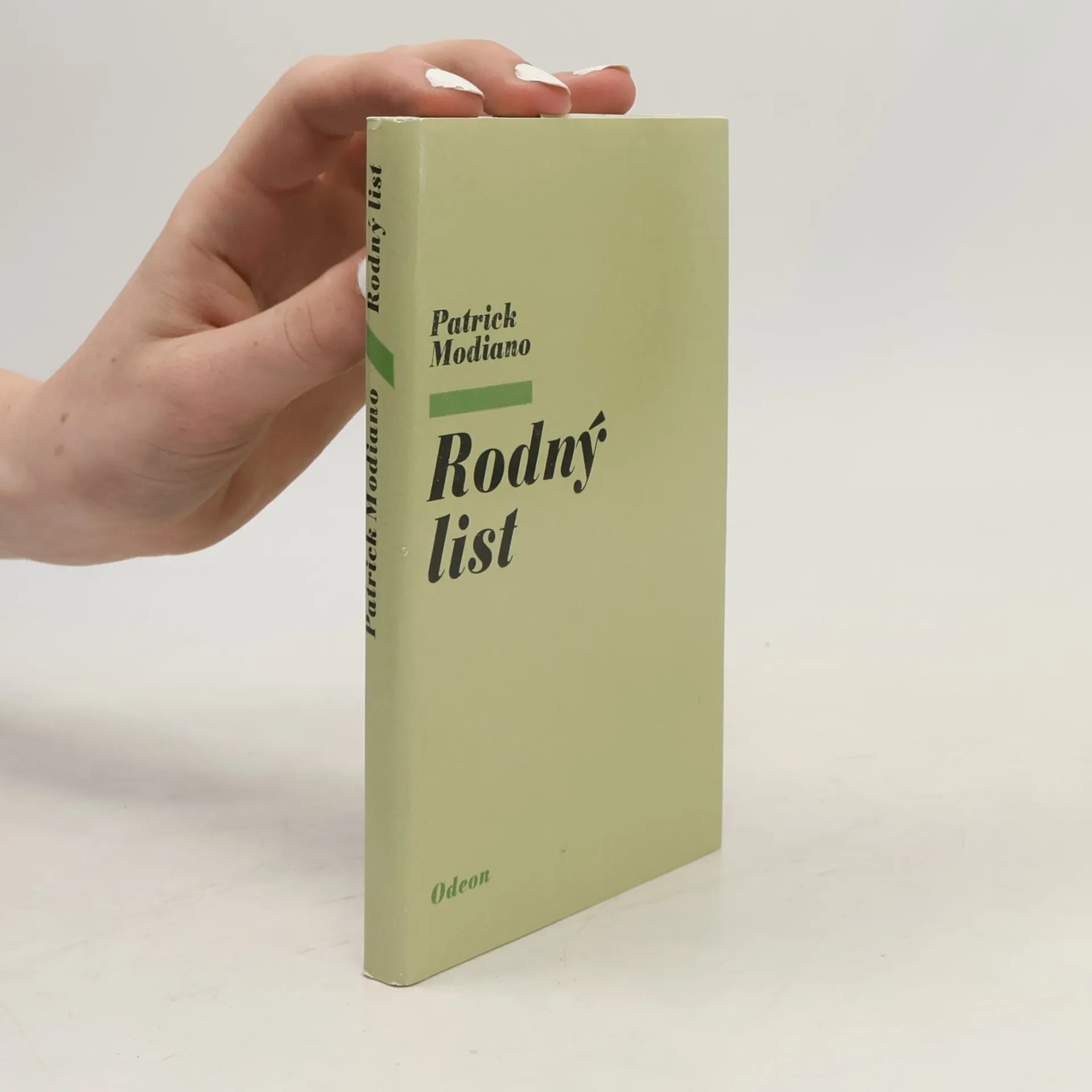
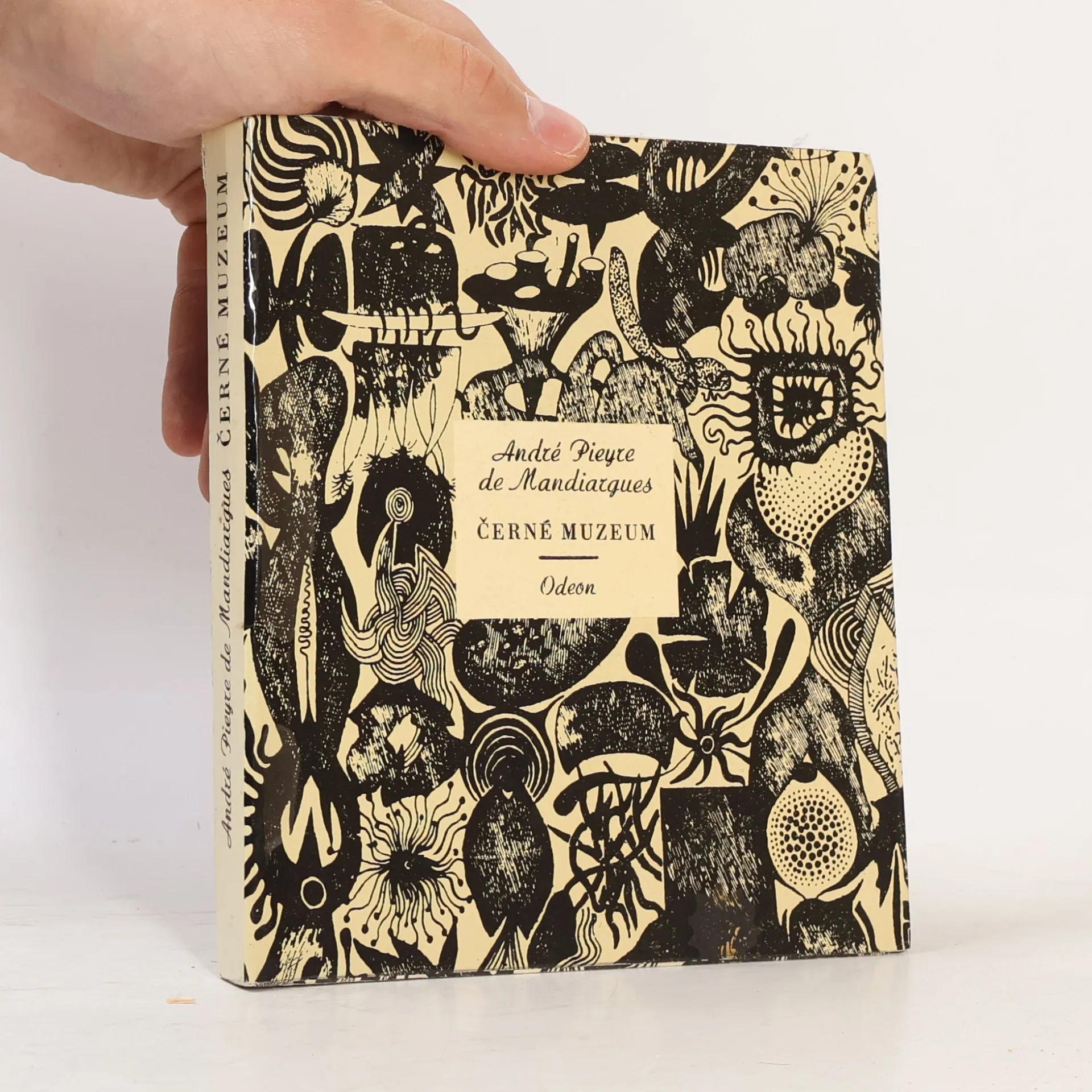
Sedm surrealistických povídek (Krev beránka, Pasáž Pommeraye, Muž z parku Monceau, Černý beránek, Náhrobek Aubreye Beardsleyho aneb distingovaní Číňané, Most, Popravčí kasino), výchozí dílo předního představitele druhé generace francouzských surrealistů (nar. 1909). Příběhy zachycujínapětí, romantiku, fantastiku, podivuhodné milostné nebo erotické vztahy, jevy a dění mimo čas a prostor.
Stanislav Jirsa Book order (chronological)
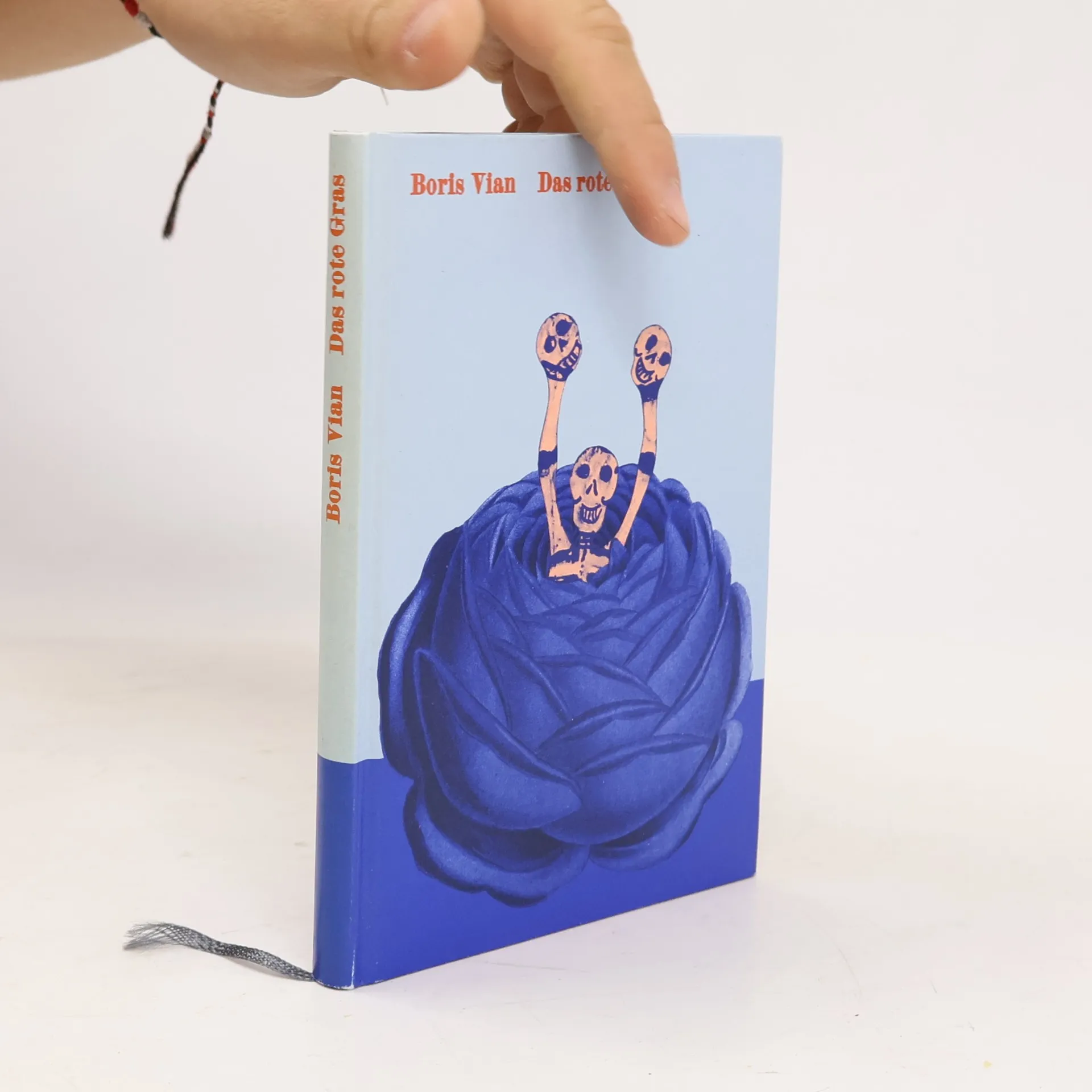
Saphir Lazuli lebt mit Folavril zusammen, der Ingenieur Wolf mit Lil, dem Hund Senator und seinem Ouapiti. Die Welt um sie herum ist ziemlich provisorisch: Häuserwände schwanken, Schnapsflaschen verdampfen, Bürgermeister und ganze Blaskapellen lösen sich in Nichts auf. Das Gras ist rot. Die Liebe ist kompliziert, denn immer sind störende Gäste dabei. Zur Orientierung gibt es eine Bewußtseins-Rakete, mit der man auf Behördenkorridore und auf grüne Wiesen gelangen kann. Dort wird vom lieben Gott oder einem Schuldirektor die Welt wieder geradegebogen - bevor sie am Ende ganz aus den Fugen gerät. Der Kulissenzauber dieses Romans, dessen melancholische Helden einem unerreichbaren Lebensglück hinterherrasen, ist das Meisterstück eines genialen Pataphysikers.§
Jules arrives from Austria in belle poque Paris, where he is befriended by Jim. Together they embark upon a riotously Bohemian life, full of gaiety, color and bustle. And then there is Kate, the enigmatic German girl with the mysterious smile. Capricious, untamed and curiously innocent, Kate steals their hearts in turn, and so begins the moving and tender story of three people in love, with each other and with life. Francois Truffaut, whose film of the novel is one of cinema's greatest achievments, has called Jules et Jim "a perfect hymn to love." Henri-Pierre Roch devoted his life to the arts, numbering Duchamp, Brancusi, Braque, Satie and Picasso amongst his closest friends. Jules et Jim, an autobiographical novel, was originally published in France in 1953 and was followed by Deux Anglaises et le Continent, which Truffaut also made into a film. "A delightful account of people sharing and unsharing each other."?Times Literary Supplement
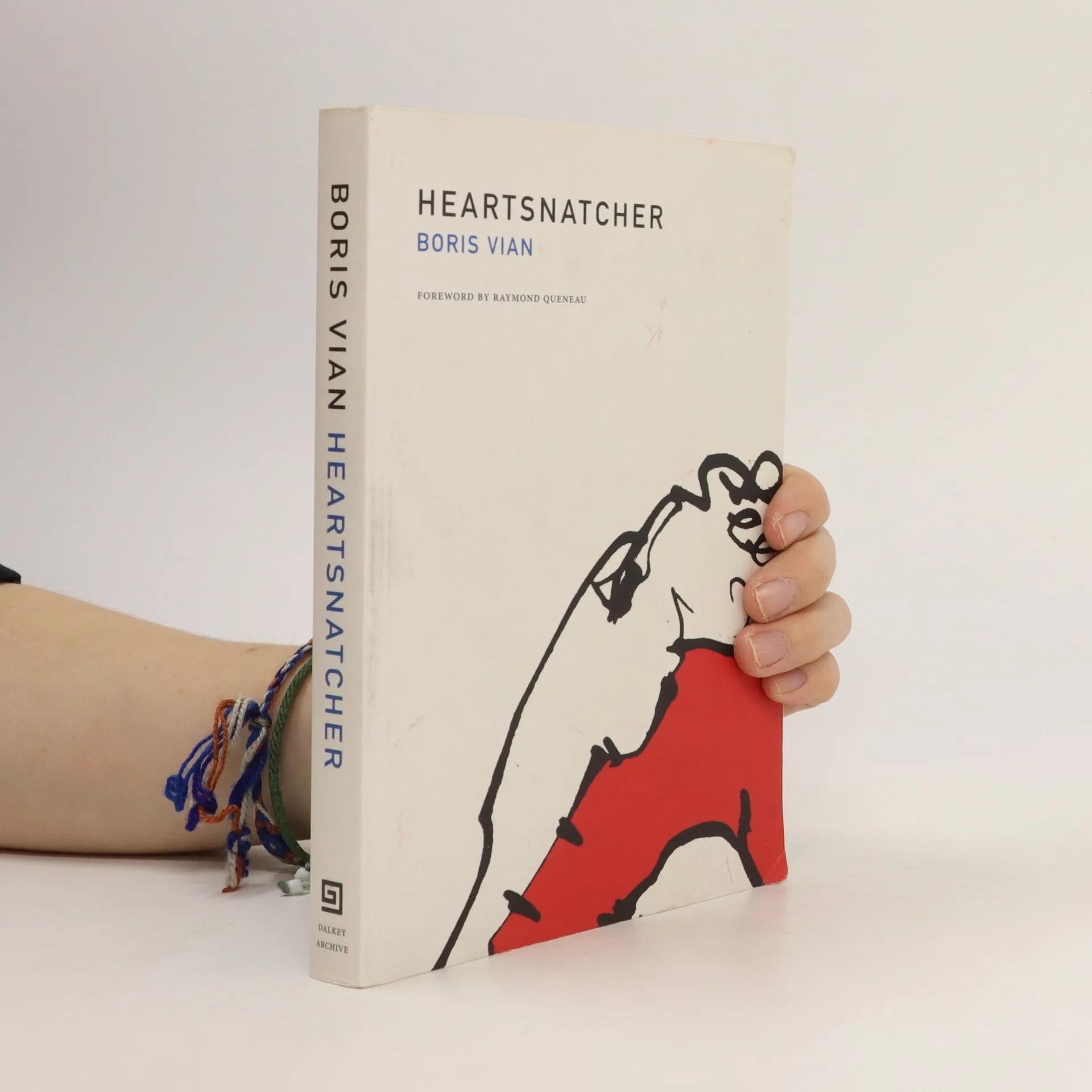
Set in a bizarre and slightly sinister town where the elderly are auctioned off at an Old Folks Fair, the townspeople assail the priest in hopes of making it rain, and the official town scapegoat bears the shame of the citizens by fishing junk out of the river with his teeth. Heartsnatcher is Boris Vian's most playful and most serious work. The main character is Clementine, a mother who punishes her husband for causing her the excruciating pain of giving birth to three babies. As they age, she becomes increasingly obsessed with protecting them, going so far as to build an invisible wall around their property.
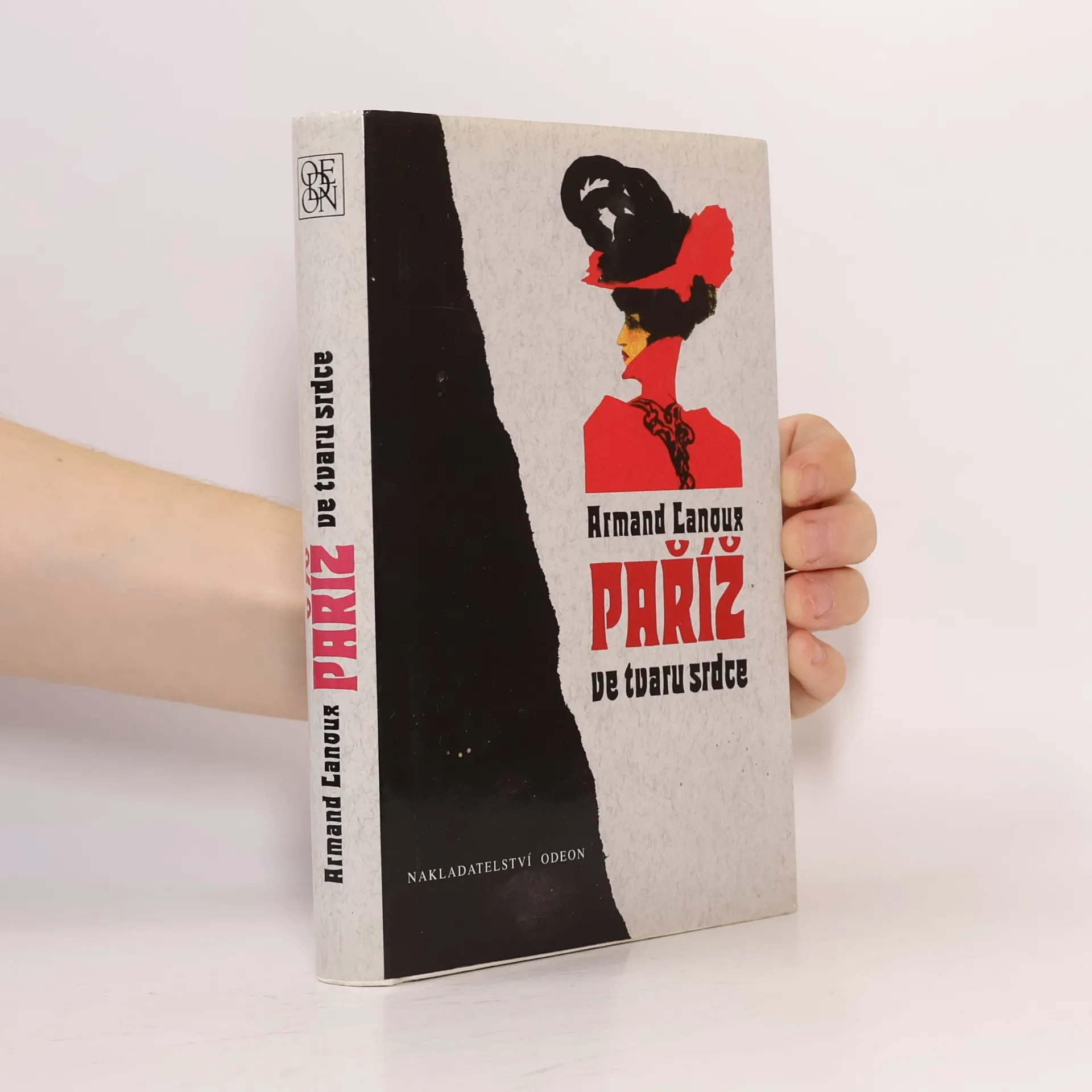
Paříž ve tvaru srdce
- 413 pages
- 15 hours of reading
(fyziologie Paříže) Obsáhlá monografie věnovaná Paříži.
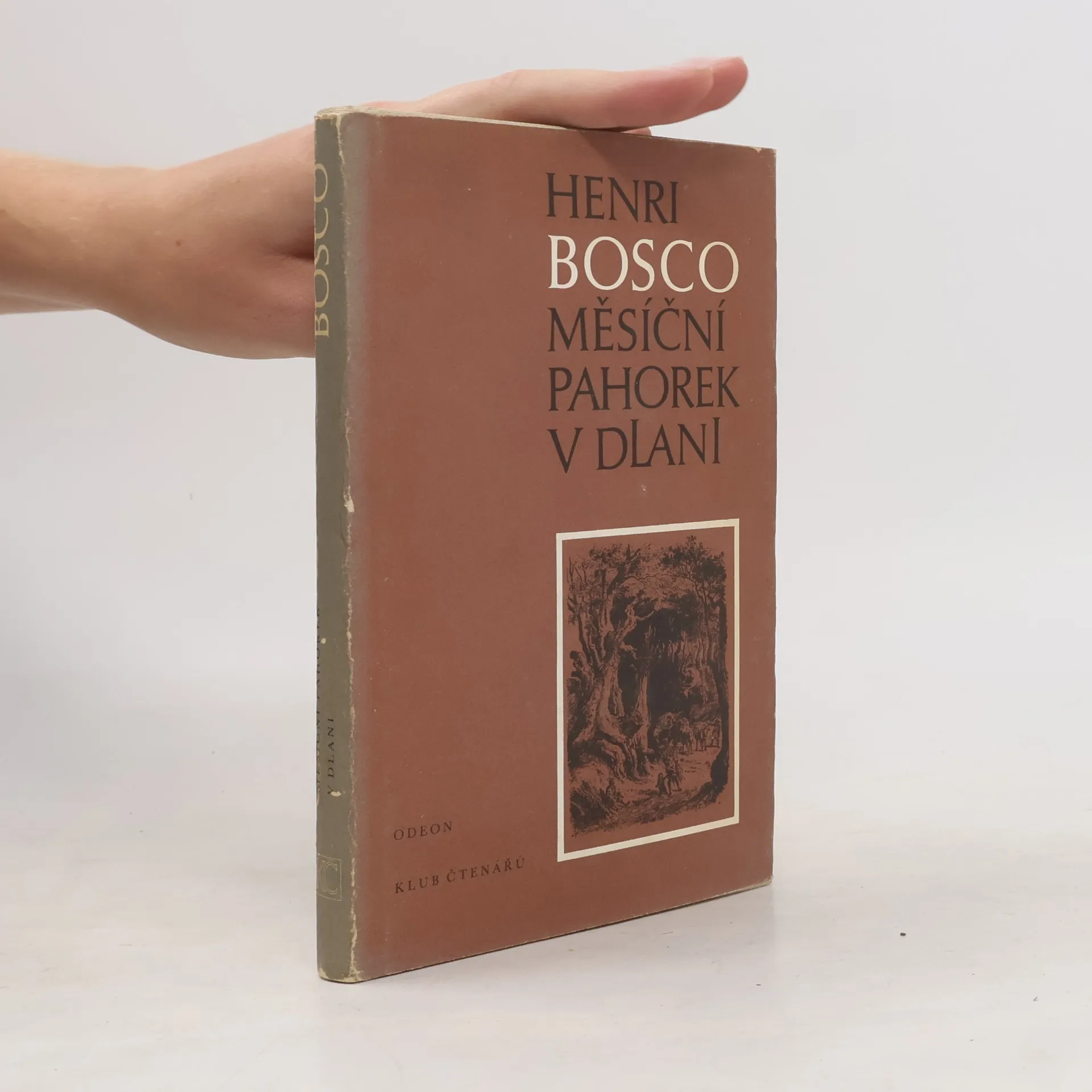
Poetický román jež se odehrává v jihofrancouzské Provence, v době kdy Martial Malicroix opouští své bydliště a rodiště, přichází na venkov se ujmout svého dědictví – domu, statku, sídla i pozemků. V novém a dosud neznámém prostředí se dostává do střetu s vlastními životními zvyklostmi a s lidmi, kteří ho jen většinou neradi přijímají mezi sebe.
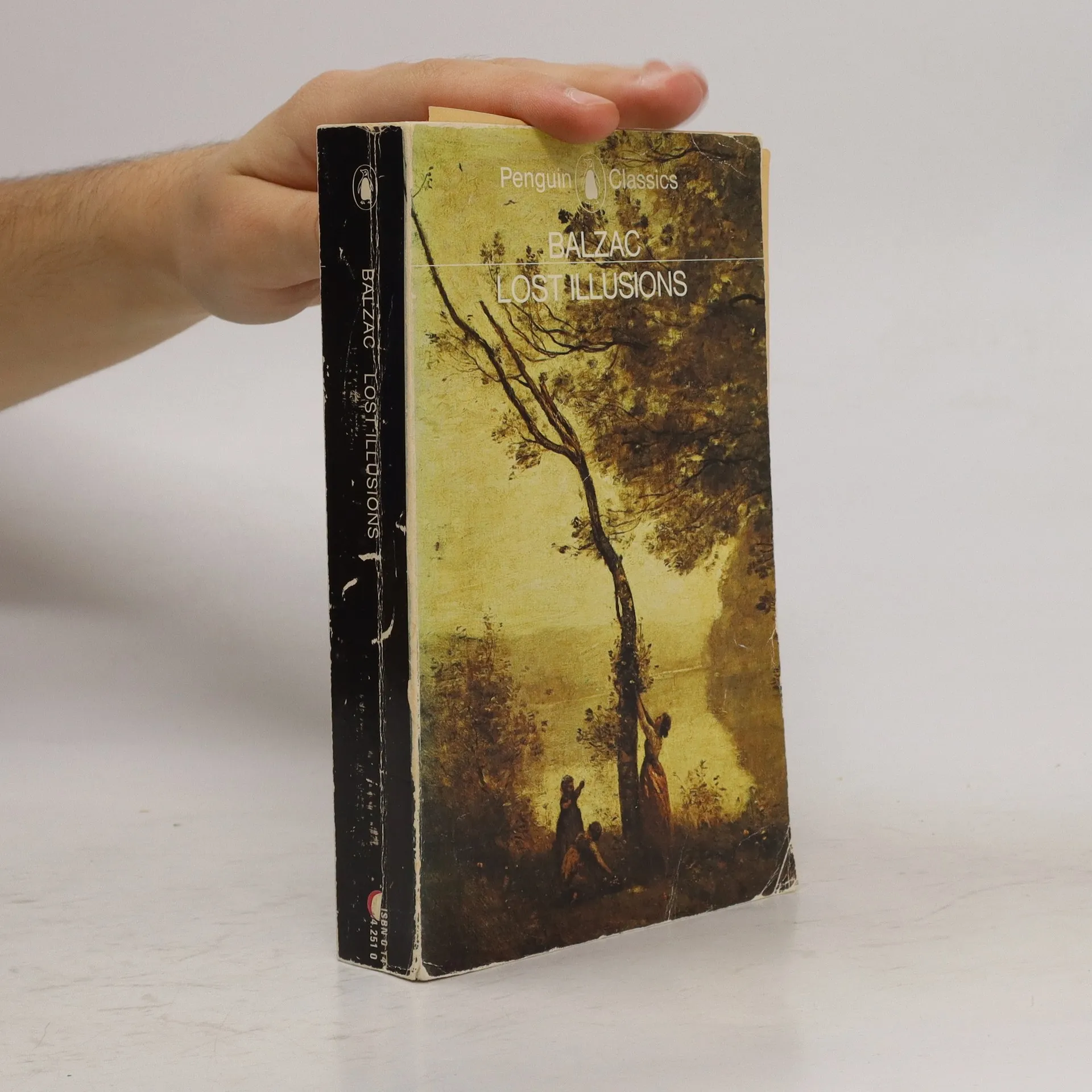
Lost Illusions
- 704 pages
- 25 hours of reading
Handsome would-be poet Lucien Chardon is poor and naïve, but highly ambitious. Failing to make his name in his dull provincial hometown, he is taken up by a patroness, the captivating married woman Madame de Bargeton, and prepares to forge his way in the glamorous beau monde of Paris. But Lucien has entered a world far more dangerous than he realized, as Madame de Bargeton's reputation becomes compromised and the fickle, venomous denizens of the courts and salons conspire to keep him out of their ranks. Lucien eventually learns that, wherever he goes, talent counts for nothing in comparison to money, intrigue and unscrupulousness. Lost Illusions is one of the greatest novels in the rich procession of the Comédie humaine, Balzac's panoramic social and moral history of his times. For more than seventy years, Penguin has been the leading publisher of classic literature in the English-speaking world. With more than 1,700 titles, Penguin Classics represents a global bookshelf of the best works throughout history and across genres and disciplines. Readers trust the series to provide authoritative texts enhanced by introductions and notes by distinguished scholars and contemporary authors, as well as up-to-date translations by award-winning translators.
Román francouzského spisovatele, v němž autor s autobiografickou fikcí a s humorem a ironií vypráví o sobě, o své rodině, o její snaze zakotvit ve společnosti, v níž žijí, ale která jim v minulosti, zvláště za nacistické okupace, neposkytla legální totožnost.
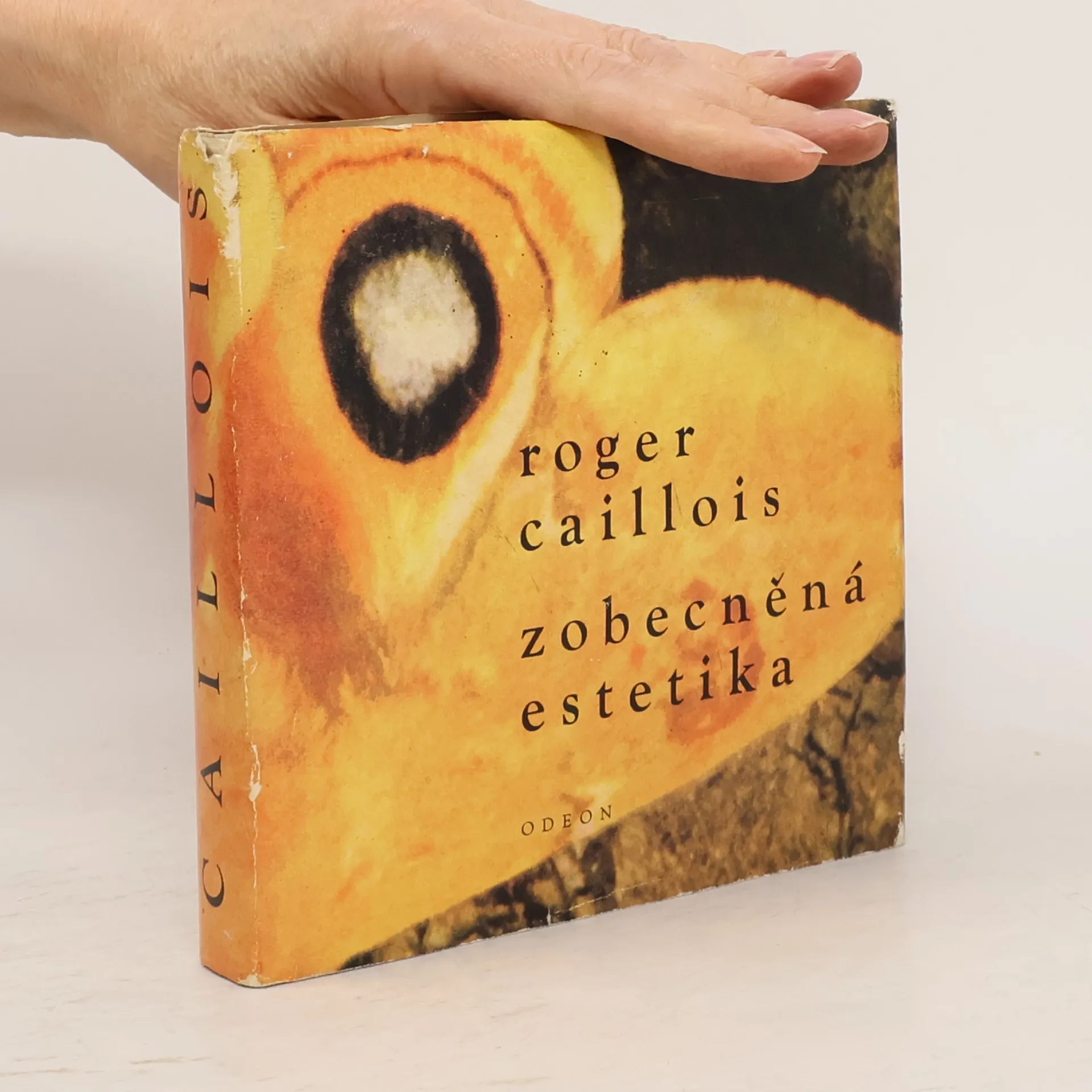
Autor, původně sociolog, zasahuje svými pracemi nejen do sociologie, etnologie, historie, psychologie, filosofie, estetiky, literární teorie a kritiky, ale i do zoologie, botaniky a mineralogie. Nalézá, spojuje vědu s uměním a překračuje hranice poznání rozdrobeného přílišnou specializací, souvislosti, jež specialistovi unikají. Výbor z jeho díla obsáhl spisy Mýtus a člověk, Medúsa a spol. a Zobecněná estetika. V prvním formuloval ortodoxně své vědecké krédo, v druhém ukazoval na kontrasty mezi hmyzem a člověkem, mezi mechanismem a svobodou, mezi přírodou a historií, v třetím zobecnil a systemizoval své myšlenky, hlavně pak dovozoval, že estetické představy a umělecká díla koneckonců odpovídají kosmologickým zákonitostem.Z francouzských originálů připravil Miroslav Míčko, který také vybral obrazovou přílohu a napsal ediční poznámku a doslov Člověk v přírodě a příroda v člověku; přeložili Stanislav Jirsa a Miroslav Míčko; fotografie Karel Kuklík a kol.
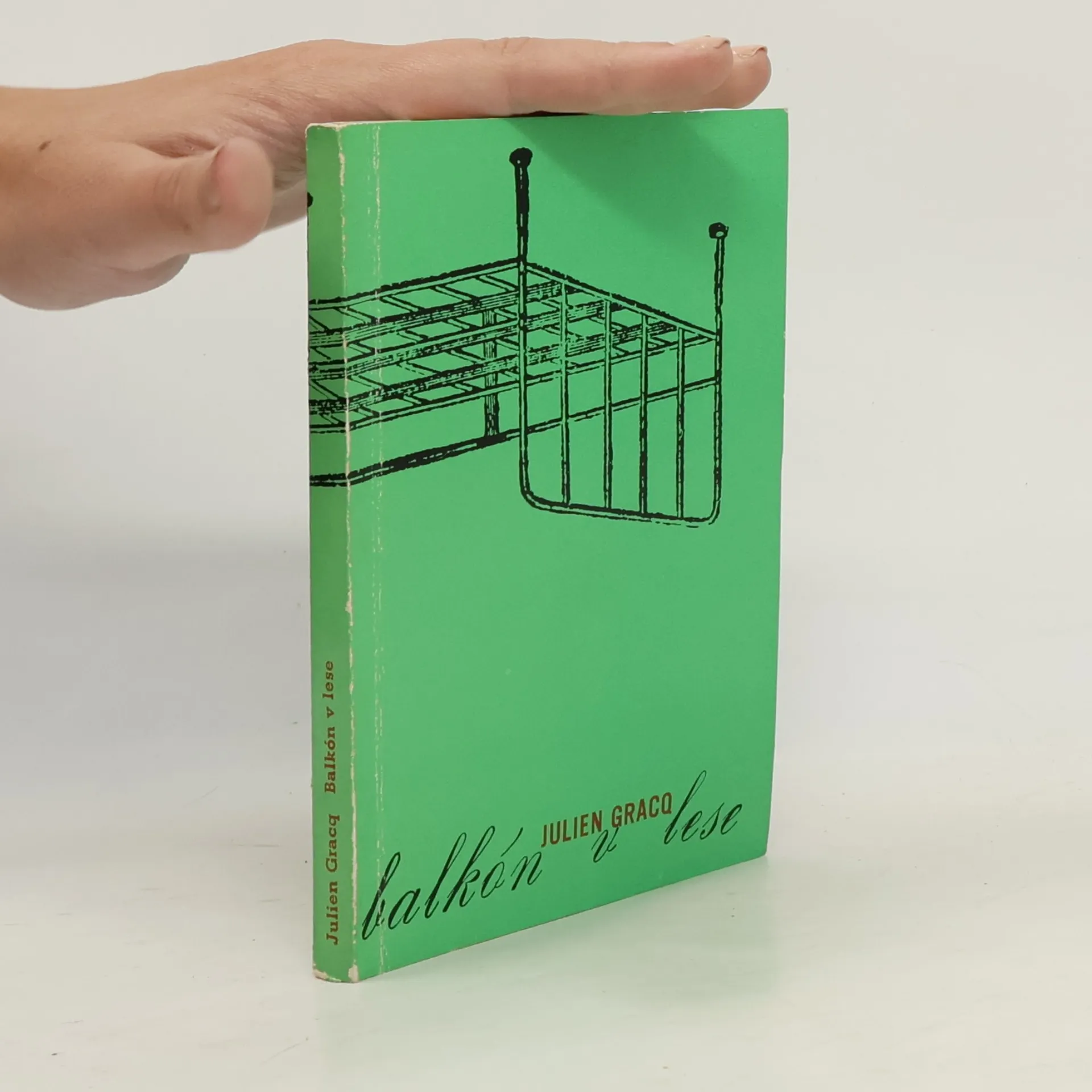
Román podložený autorovými vlastními zkušenostmi a zážitky z druhé světové války. Základní inspirací tohoto díla jsou vzpomínky na válečnou epizodu, na ztracenou vartu kdesi v Ardenském lese. Základní ladění hrůzy a povědomého strachu z ohrožení neznámými silami i zvolený literární styl vzácně koresponduje s válečným námětem – vyprávění působí místy až dojmem realisticky zpracovaného příběhu.