Joseph Stiglitz is a distinguished economist known for his critical perspective on the management of globalization and certain international institutions. His work frequently explores themes of inequality, market failures, and the societal impacts of economic policy. Stiglitz's influential voice in economic discourse is characterized by his emphasis on the need for regulation and social responsibility within the global economy. He is recognized as one of the most cited economists globally, with analyses that shape contemporary understanding of international development.
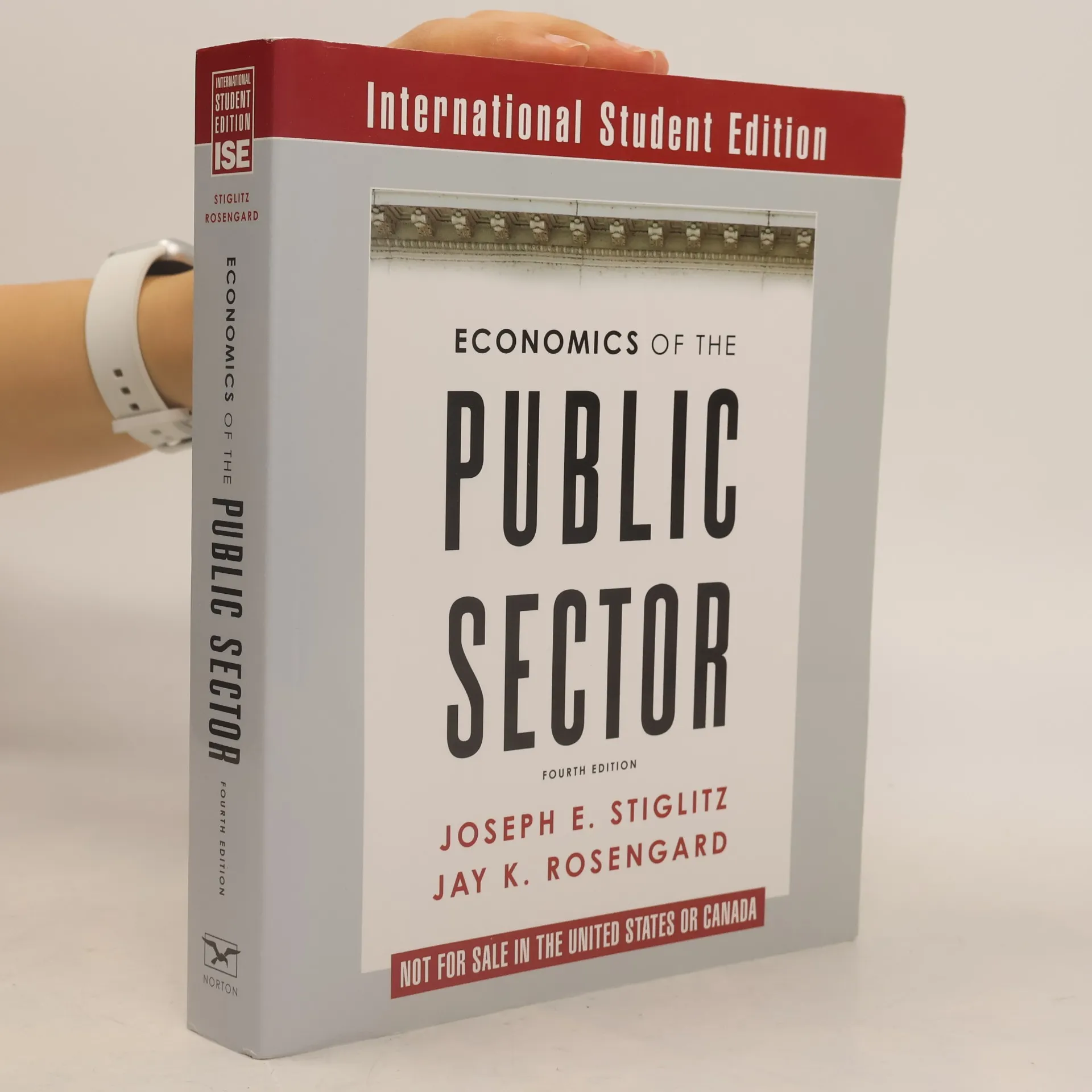
What should be the role of government in society? How should it design its programs? How should tax systems be designed to promote both efficiency and fairness? Nobel Laureate Joseph Stiglitz and new co-author Jay Rosengard use their first-hand policy-advising experience to address these key issues of public-sector economics in this modern and accessible Fourth Edition.
The book builds upon the Wicksell lectures delivered at the Stockholm School of Economics in April 1990, offering an in-depth exploration of economic theories and concepts. It delves into the implications of these lectures, providing insights into the development of economic thought and its relevance to contemporary issues. The content is enriched with analytical perspectives, making it a valuable resource for those interested in the evolution of economic ideas and their application in modern contexts.
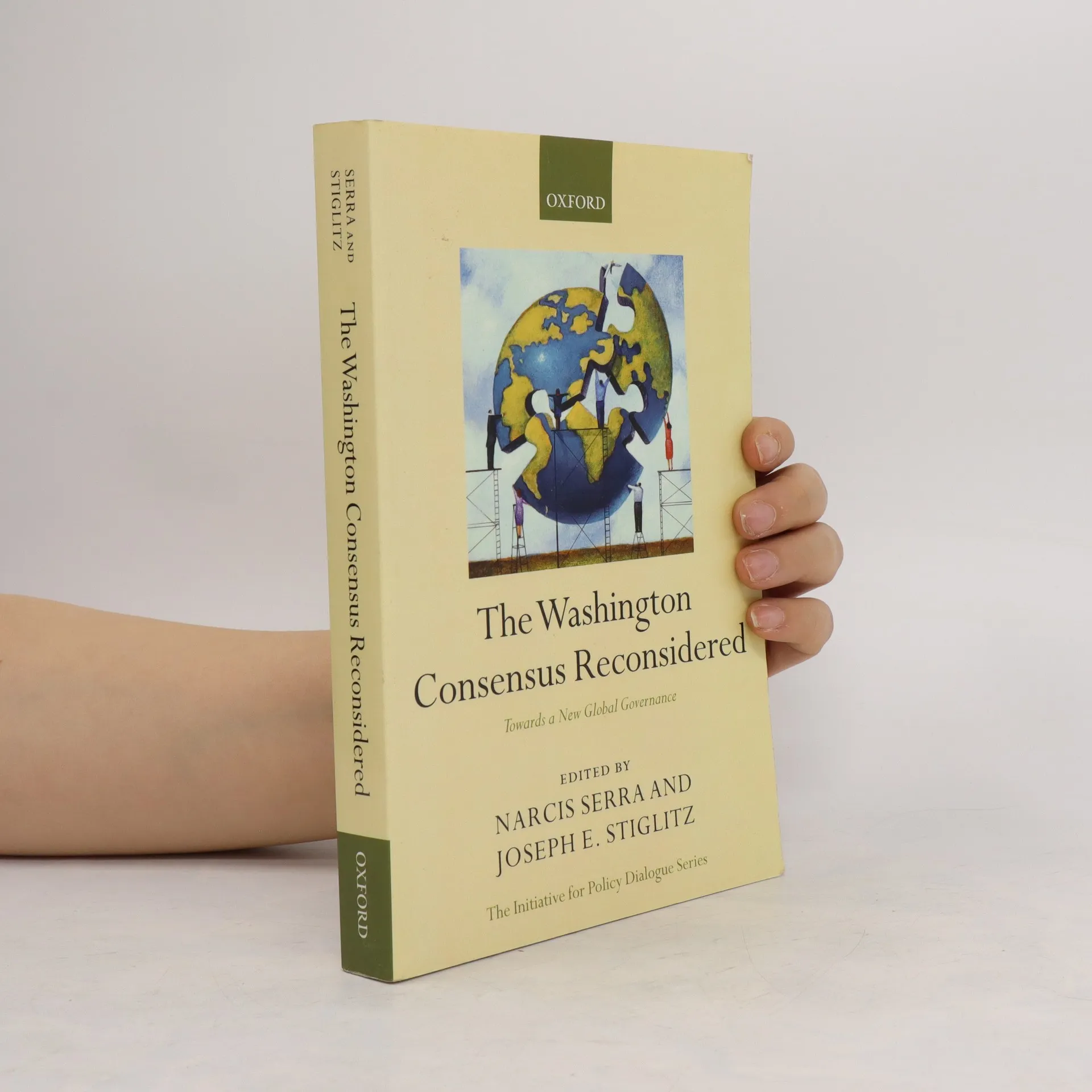
Introduction: From the Washington Consensus towards a new global governance / Narcís Serra, Shari Spiegel, Joseph E. Stiglitz -- A short history of the Washington Consensus / John Williamson -- Inequality and redistribution / Paul Krugman -- Is there a post-Washington Consensus consensus? / Joseph E. Stiglitz -- The Barcelona development agenda -- A broad view of macroeconomic stability / José Antonio Ocampo -- The wild ones : industrial policies in the developing world / Alice H. Amsden -- Sudden stop, financial factors, and economic collapse in Latin America : learning from Argentina and Chile / Guillermo A. Calvo, Ernesto Talvi -- Towards a new modus operandi of the international financial system / Daniel Cohen -- The world trading system and implications of external opening / Jeffrey A. Frankel -- The world trading system and development concerns / Martin Khor -- Reforming labor market institutions : unemployment insurance and employment protection / Olivier Blanchard -- International migration and economic development / Deepak Nayyar -- The future of global governance / Joseph E. Stiglitz -- Growth diagnostics / Ricardo Hausmann, Dani Rodrik, Andrés Velasco -- A practical approach to formulating growth strategies / Dani Rodrik.
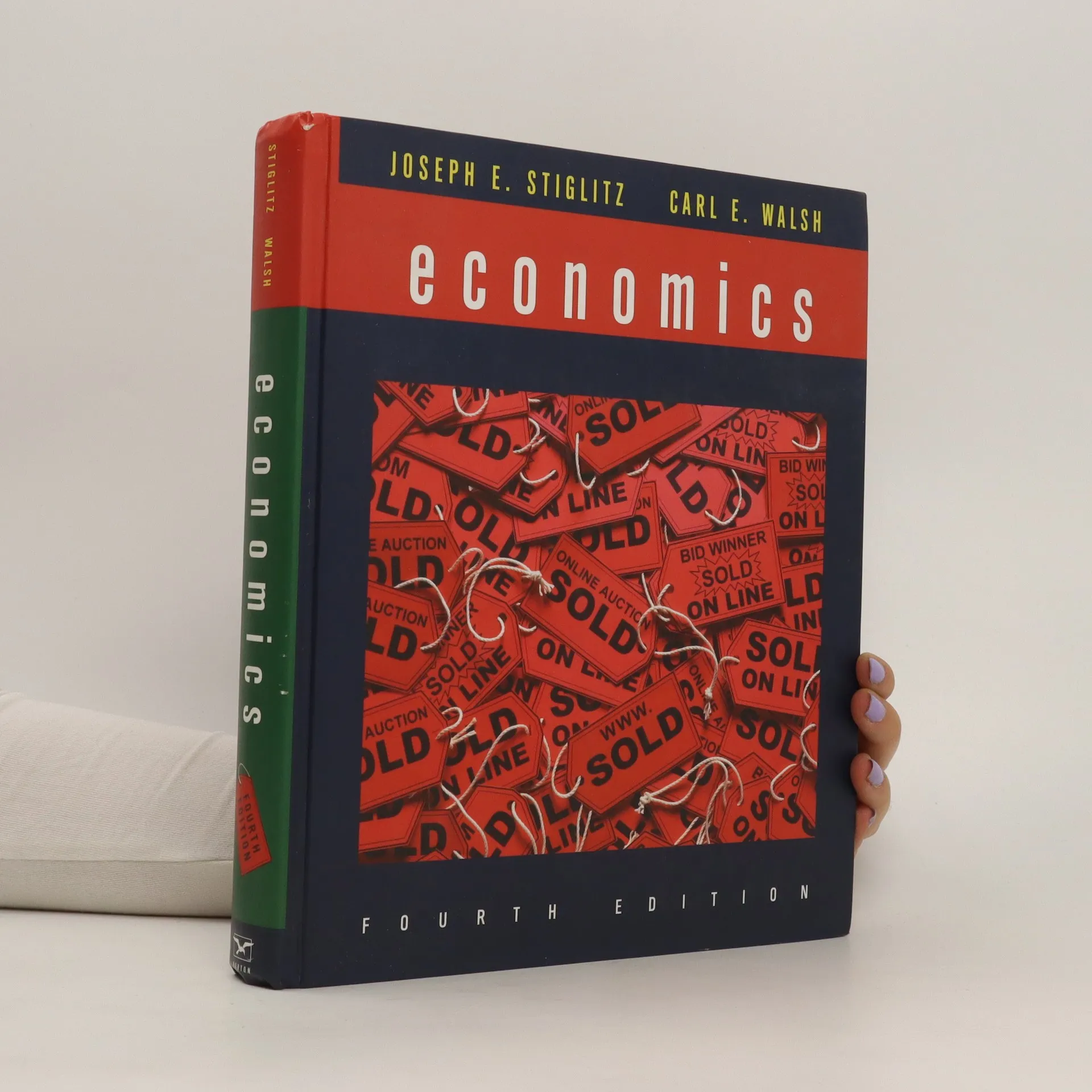
Integrates contemporary economics into the traditional curriculum. This book offers coverage of the economics of information and imperfect markets. It emphasises on the critical role of capital markets in the macro economy.
This book explores the insights and contributions of the Nobel Prize for Economics, highlighting key theories, influential economists, and the impact of their work on understanding economic principles and policies. It serves as a comprehensive overview of the evolution of economic thought through award-winning research.
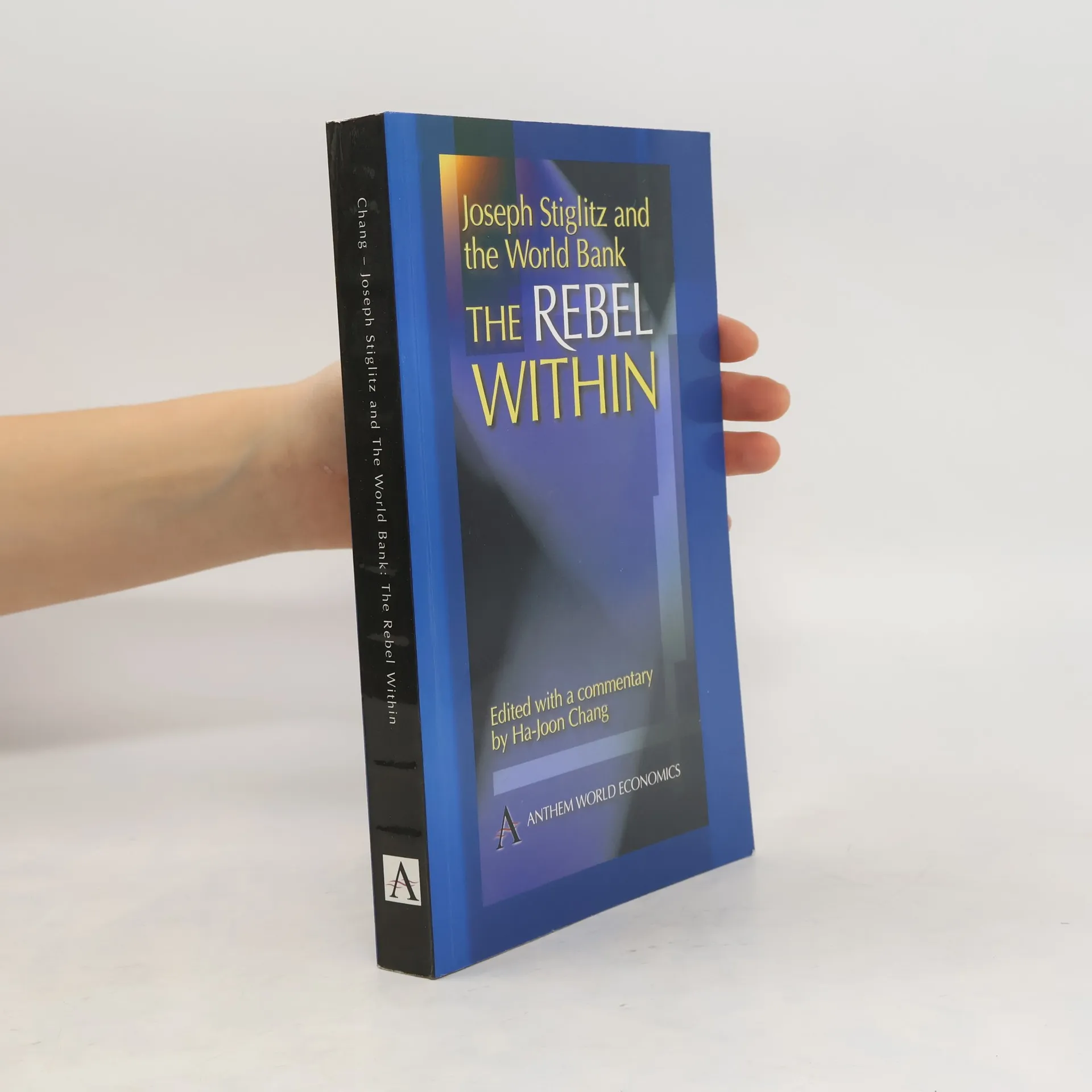
In controversial speeches made around the world, Stiglitz has undone the conventional wisdom that dominated policy-making at the World Bank, the International Monetary Fund and the US Treasury Department. For the first time, Stiglitz's nine most revealing speeches have been gathered together, covering such topics as the failure of shock therapy and transition economics, the limits of capital market liberalization, the myopia of the Washington consensus, the role of knowledge in markets, the process of developing market institutions and the primacy of openness and worker participation. A landmark collection of material for economists everywhere.
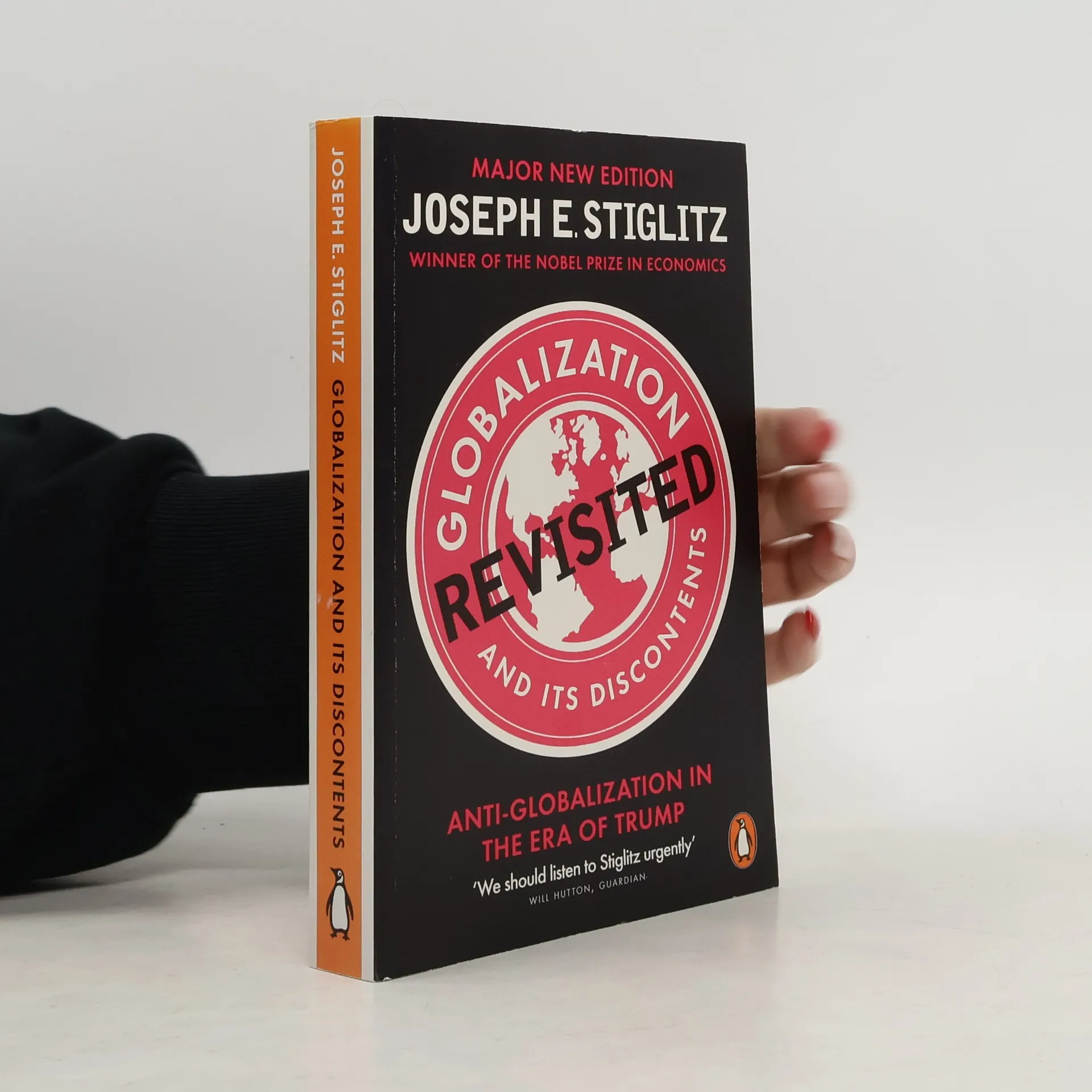
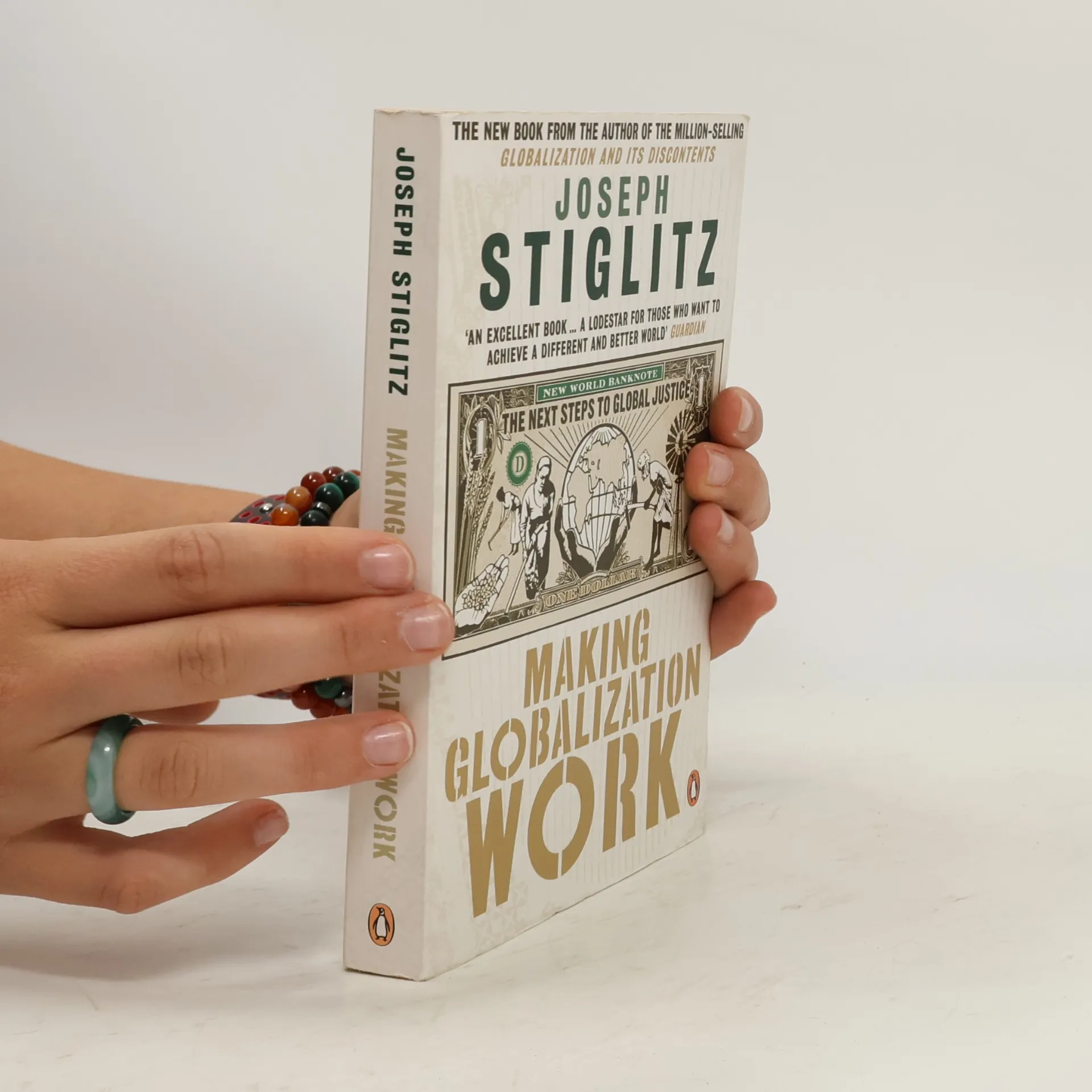
Over 1 million copies sold worldwide MAJOR NEW EDITION From Nobel laureate Joseph Stiglitz, Globalization and its Discontents is the bestselling exposé of the all-powerful organizations that control our lives. Joseph Stiglitz's landmark book lifted the lid on how globalization was hurting those it was meant to help. Many of its predictions came true, and it became a touchstone in the debate. This major new edition looks afresh at the continuing mismanagement of globalization, and how it has led to our current political and economic discontents. Globalization can still be a force for good, Stiglitz argues. But the balance of power has to change. Here he offers real, tough solutions for the future. 'A massively important political as well as economic document ... we should listen to him urgently' Will Hutton, Guardian 'Stiglitz is a rare breed, an heretical economist who has ruffled the self- satisfied global establishment that once fed him. Globalization and its Discontents declares war on the entire Washington financial and economic establishment' Ian Fraser, Sunday Herald 'Gripping ... this landmark book shows him to be a worthy successor to Keynes' Robin Blackburn, Independent
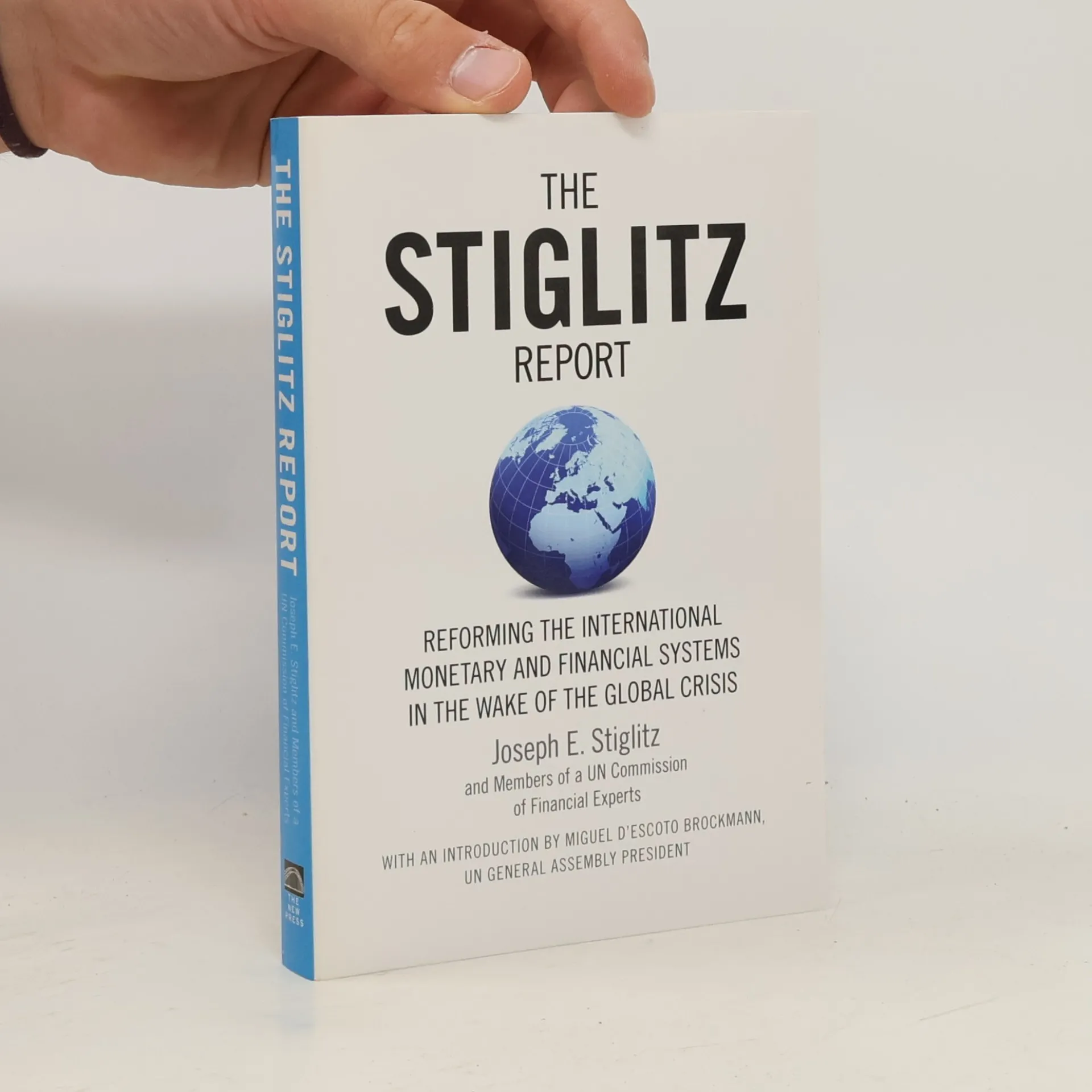
The fact that our global economy is broken may be widely accepted, but what precisely needs to be fixed has become the subject of enormous controversy. In 2008, the president of the United Nations General Assembly convened an international panel, chaired by Nobel Prize-winning economist Joseph Stiglitz and including twenty leading international experts on the international monetary system, to address this crucial issue.The Stiglitz Report , released by the committee in late 2009, sees the recent financial crisis as the latest and most damaging of several concurrent crises―of food, water, energy, and sustainability―that are tightly interrelated. The analysis and recommendations in the report cover the gamut from short-term mitigation to deep structural changes, from crisis response to reform of the global, economic, and financial architecture.The report establishes a bold agenda for policy change, that is sure to be the gold standard for understanding and contending with the international economy for many years to come. The Stiglitz Report is essential reading for anyone concerned about a secure and prosperous world.
From a leading economist comes a compelling vision of personal and economic freedom. The nation was founded on the belief in individual liberty, yet since the mid-20th century, this idea has been distorted. Political forces on the Right have masked exploitation with rhetoric about freedom, resulting in pharmaceutical companies overcharging, unregulated Big Tech, and corporations polluting without consequence. This raises critical questions about whose freedom is prioritized and should be prioritized.
In this work, Nobel laureate Joseph E. Stiglitz examines America's economic system and the political ideologies that shaped it, revealing their failures. Unfettered markets have led to crises like the financial collapse, the opioid epidemic, and growing inequality, benefiting a small elite while wages stagnate for the majority. Such exploitation has fueled populist movements that equate freedom with the abandonment of civic responsibility, posing a threat to genuine economic and political liberty.
Drawing on his extensive experience as an advisor and chief economist, Stiglitz critiques the neoliberal agenda and challenges the ideas of influential economists. He advocates for a reevaluation of freedom that accounts for conflicts between individuals and emphasizes collective action through regulation and investment. The urgency of this task is paramount, making this work essential for anyone dedicated to fostering an economic and
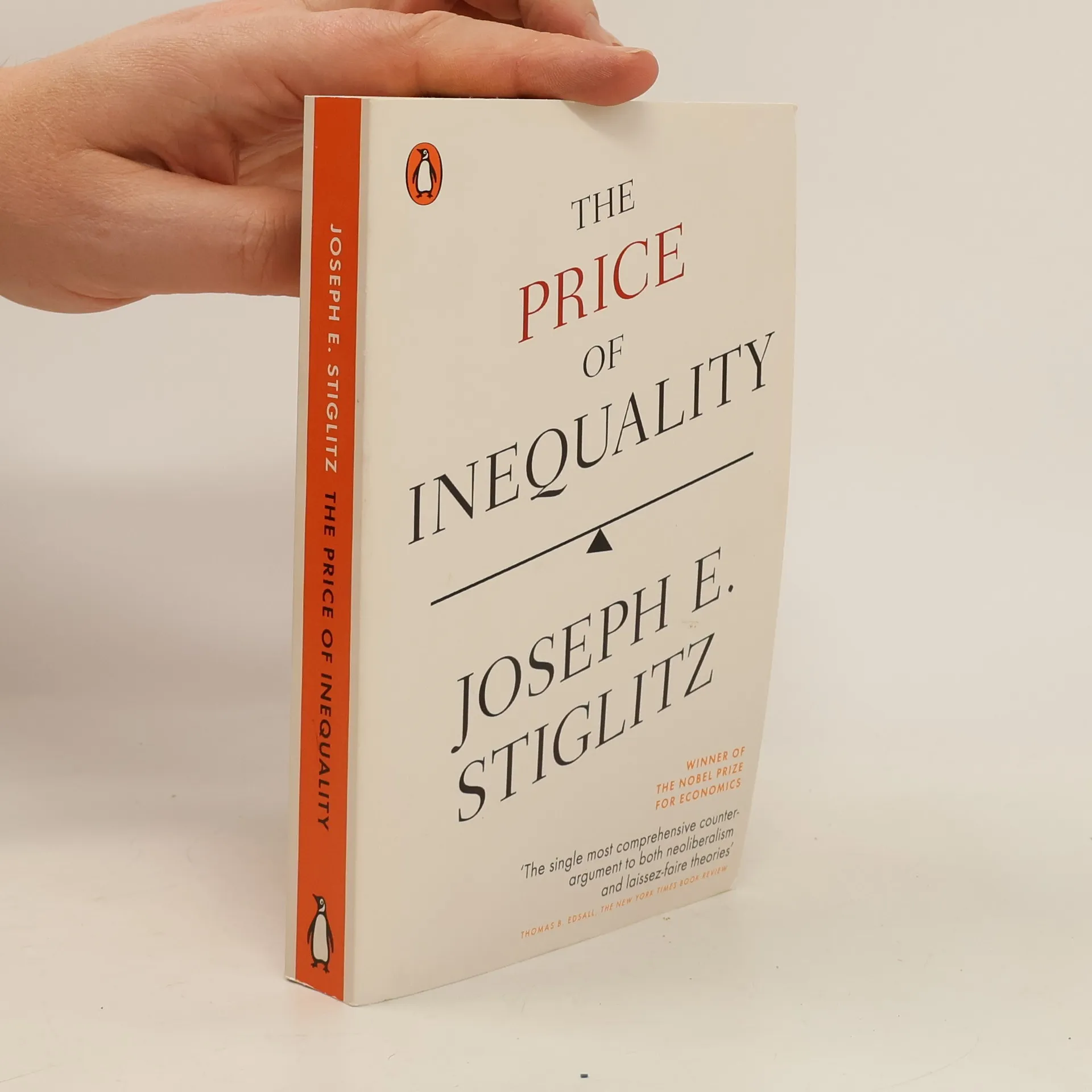
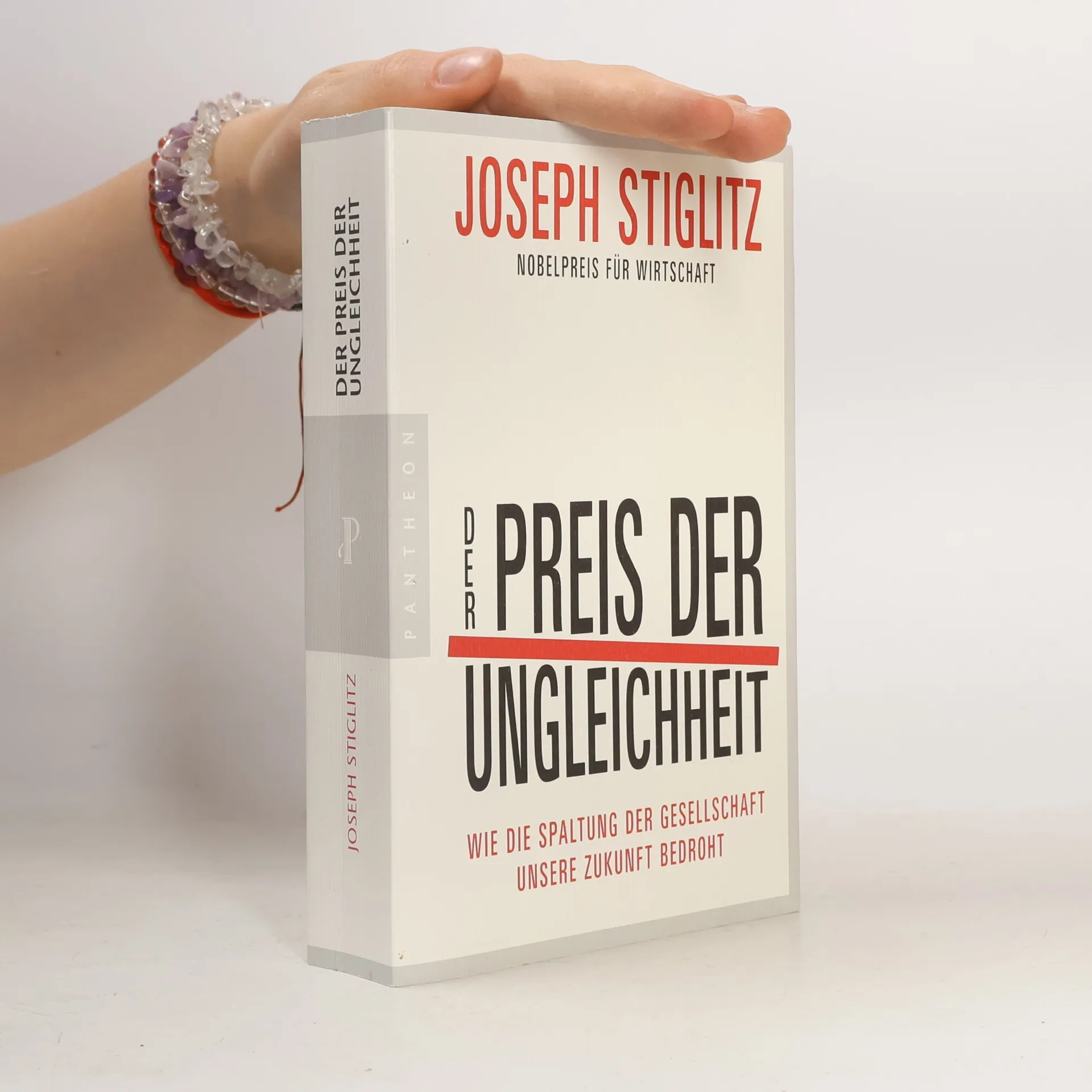
The social impact of inequality is now increasingly understood - higher crime, health problems and mental illness, lower educational achievements and life expectancy. But what are the causes of inequality, why is it growing so rapidly and what are its economic and political impacts? In this exceptional book Joseph Stiglitz gives the answers. He shows how, left to their own devices, markets are neither efficient nor stable and tend to accumulate money in the hands of the few rather than engender competition, producing slower growth and lower GDP. He also demonstrates how political institutions, far from countering these trends, often enhance them. Arguing that 'another world is possible', The Price of Inequality provides a powerful, vital critique of free-market ideas. 'Superb and original . . . Stiglitz is a rare combination of virtuoso economist, witty polemicist and public intellectual' Robert Kuttner, New Statesman 'Important and smart . . . a searing read' Nicholas Kristof, The New York Times 'The often inchoate anger seen in Occupy Wall Street is given shape, fluency, substance and authority by Stiglitz . . . he methodically and lyrically (almost joyously) exposes the myths that provide justification for 'deficit fetishism''' Yvonne Roberts, Observer 'Trenchant, engaging . . . Stiglitz writes clearly and provocatively' Dante Chinni, Washington Post 'A towering genius of economics' Independent
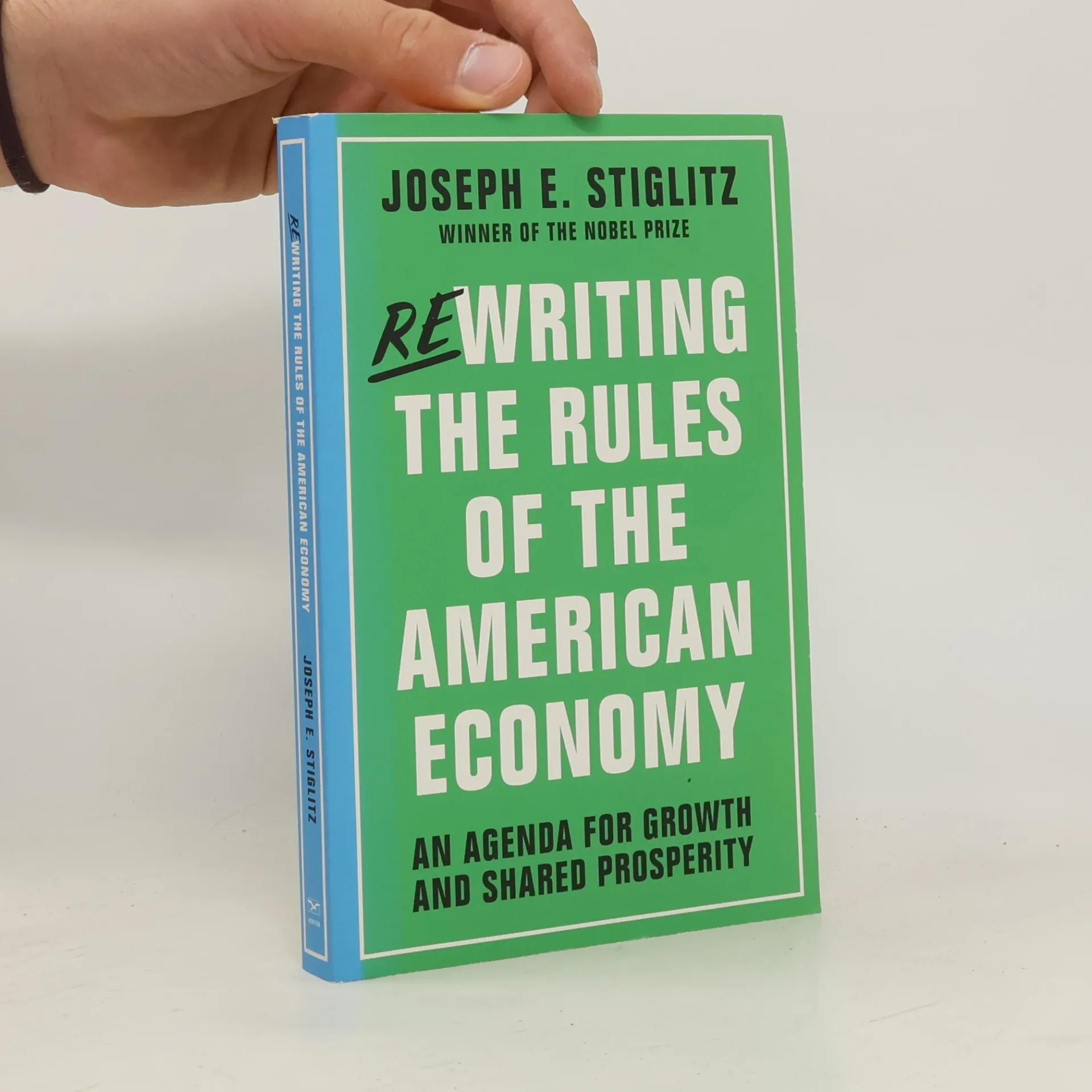
Inequality is a choice.The United States bills itself as the land of opportunity, a place where anyone can achieve success and a better life through hard work and determination. But the facts tell a different story—the U.S. today lags behind most other developed nations in measures of inequality and economic mobility. For decades, wages have stagnated for the majority of workers while economic gains have disproportionately gone to the top one percent. Education, housing, and health care—essential ingredients for individual success—are growing ever more expensive. Deeply rooted structural discrimination continues to hold down women and people of color, and more than one-fifth of all American children now live in poverty. These trends are on track to become even worse in the future.Some economists claim that today’s bleak conditions are inevitable consequences of market outcomes, globalization, and technological progress. If we want greater equality, they argue, we have to sacrifice growth. This is simply not true. American inequality is the result of misguided structural rules that actually constrict economic growth. We have stripped away worker protections and family support systems, created a tax system that rewards short-term gains over long-term investment, offered a de facto public safety net to too-big-to-fail financial institutions, and chosen monetary and fiscal policies that promote wealth over full employment.
Capitalism, Socialism and Democracy remains one of the greatest works of social theory written in the twentieth Century. Schumpeter's contention that the seeds of capitalism's decline were internal, and his equal and opposite hostility to centralist socialism have perplexed, engaged and infuriated readers since the book's first publication in 1943. By refusing to become an advocate for either position, Schumpeter was able both to make his own great and original contribution and to clear the way for a more balanced consideration of the most important social movements of his and our time.
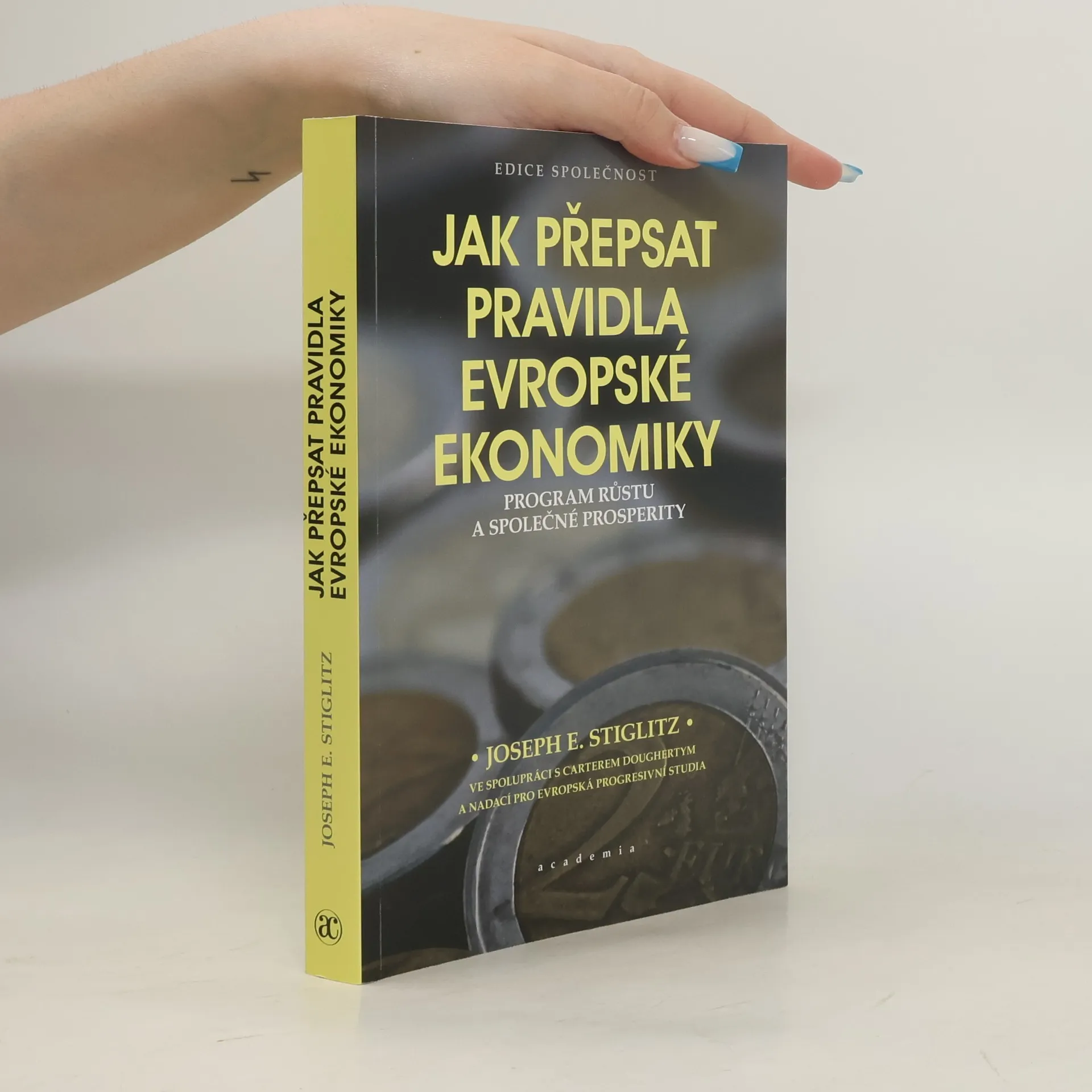
A companion to his acclaimed work in Rewriting the Rules of the American Economy, Joseph E. Stiglitz, along with Carter Dougherty and the Foundation for European Progressive Studies, lays out the economic framework for a Europe with faster growth that is more equitably shared. Europe is in crisis. Sluggish economic growth in many countries, widespread income stagnation, and recession have led to severe political and social consequences. Social protections for citizens have been cut back. Governments offer timid responses to deep-seated problems. These economic and political failures have contributed to the rise of extremist parties on the right. Marginalized populations are being made scapegoats for Europe’s woes. But the problems of today’s Europe stem from decisions based on a blind worship of markets in too many areas of policy. If Europe is to return to an innovative and dynamic economy—and if there is to be shared prosperity, social solidarity, and justice—then EU countries need to break with their current, destructive trajectory. This volume offers concrete strategies for renewal that would also reinvigorate the project of European integration, with fresh ideas in the areas of both macroeconomics and microeconomics, including central banking, public investment, corporate governance and competition policy, social policy, and international trade.
From Nobel laureate Joseph Stiglitz, this bestselling exposé reveals the powerful organizations that shape our lives. Globalization is failing, harming those it was intended to help, and the tide is shifting. As chief economist at the World Bank, Stiglitz gained unique insights into globalization's management. He critiques the IMF and WTO for promoting fair trade while imposing damaging economic policies on developing nations. He highlights how free market 'shock therapy' has left millions in East Asia and Russia worse off than before and argues that the West has manipulated the global agenda for its own financial gain. Stiglitz believes globalization can still be a force for good, but a shift in the balance of power is essential. He presents concrete solutions for a better future. Critics laud the work as a crucial political and economic commentary, urging urgent attention to Stiglitz's insights. A rare voice challenging the complacent global establishment, he emerges as a worthy successor to Keynes. Stiglitz, a prominent economist, served as Chief Economist at the World Bank and chaired President Clinton's Council of Economic Advisers. He is currently a professor at Columbia University and authored several bestselling works.
In this book Stiglitz identifies the true sources of wealth and of increases in standards of living, based on learning, advances in science and technology, and the rule of law. He shows that the assault on the judiciary, universities, and the media undermines the very institutions that have long been the foundation of America's economic might and its democracy. Helpless though we may feel today, we are far from powerless. In fact, the economic solutions are often quite clear. We need to exploit the benefits of markets while taming their excesses, making sure that markets work for us-the U.S. citizens-and not the other way around. If enough citizens rally behind the agenda for change outlined in this book, it may not be too late to create a progressive capitalism that will recreate a shared prosperity. Stiglitz shows how a middle-class life can once again be attainable by all. An authoritative account of the predictable dangers of free market fundamentalism and the foundations of progressive capitalism, People, Power, and Profits shows us an America in crisis, but also lights a path through this challenging time
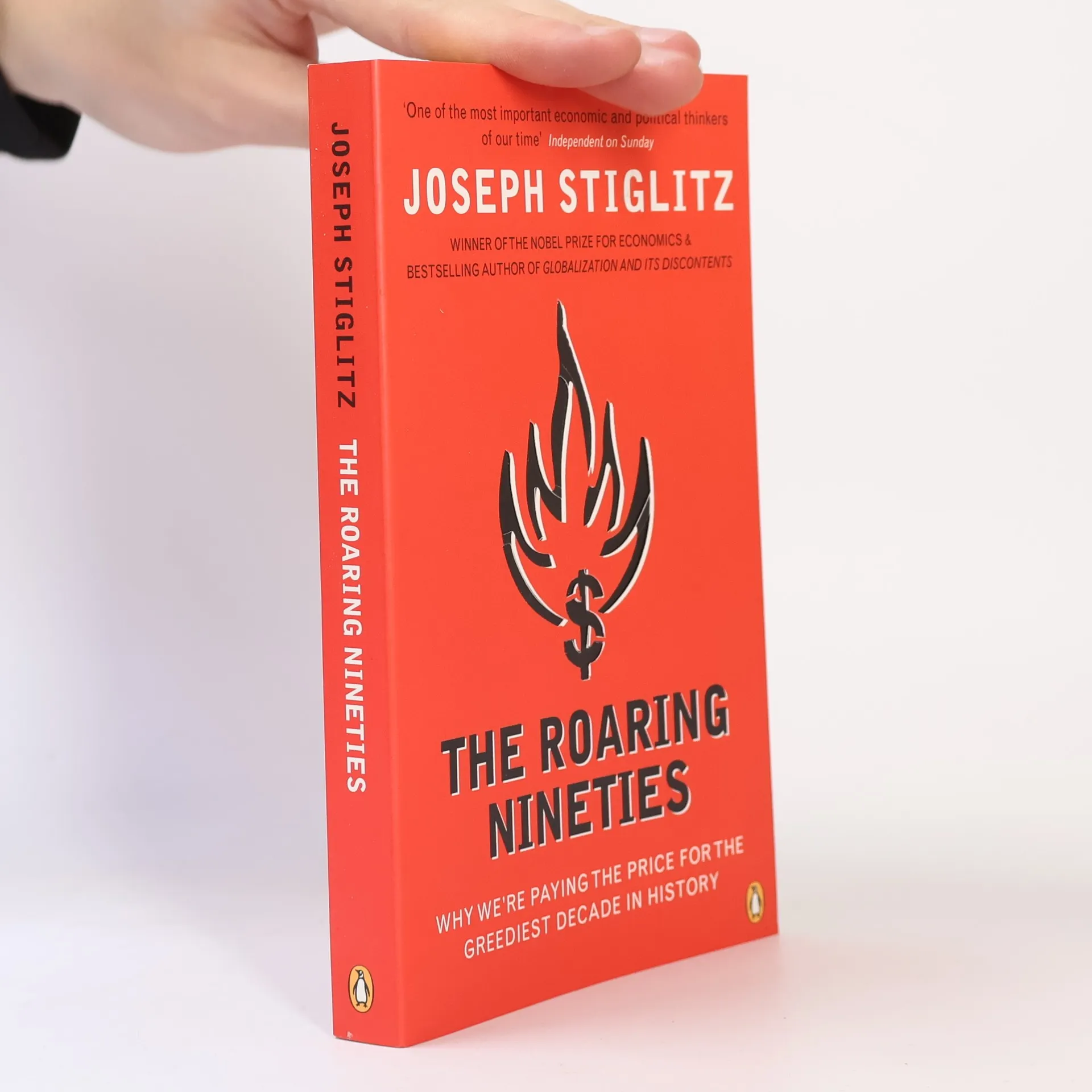
Why we're paying the price for the greediest decade in history
432 pages
16 hours of reading
A searing critique of Dubyanomics ... The Nobel laureate who took on the IMF is now turning his guns on the American President. Stiglitz knows when to pick a fight' - Observer. His previous book revealed the shocking truth about globalization. Now, Joseph Stiglitz blows the whistle on the devastation wrought by the free market mantra in the nineties and shows how Bush is ignoring the lessons from what happened.
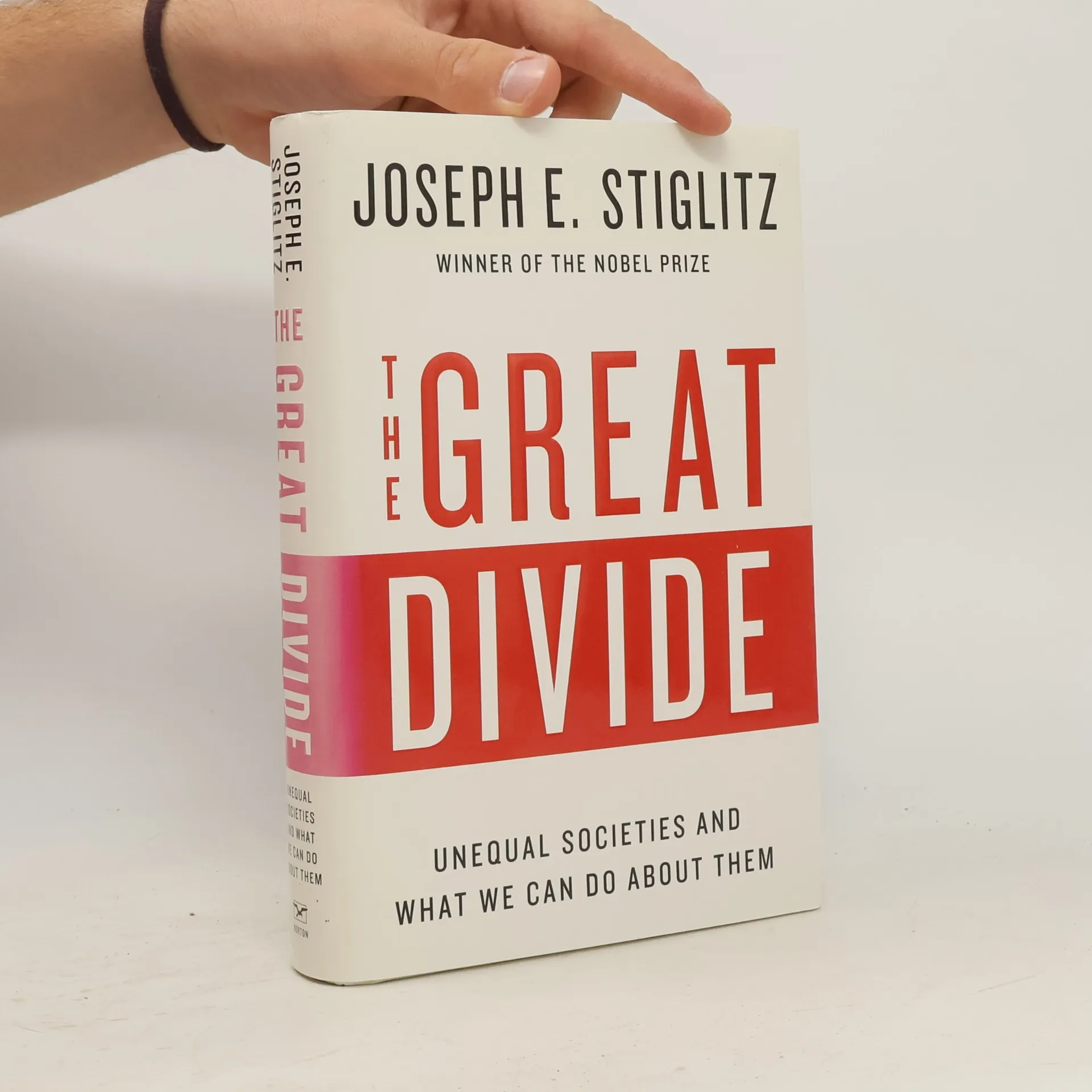
In "The Great Divide," Joseph E. Stiglitz examines America's growing inequality, attributing it to unjust policies and misguided priorities. He critiques the detrimental effects of tax cuts and deregulation while proposing solutions like increased taxes on the wealthy and investments in education and infrastructure. Stiglitz argues for a fairer economy that benefits all.
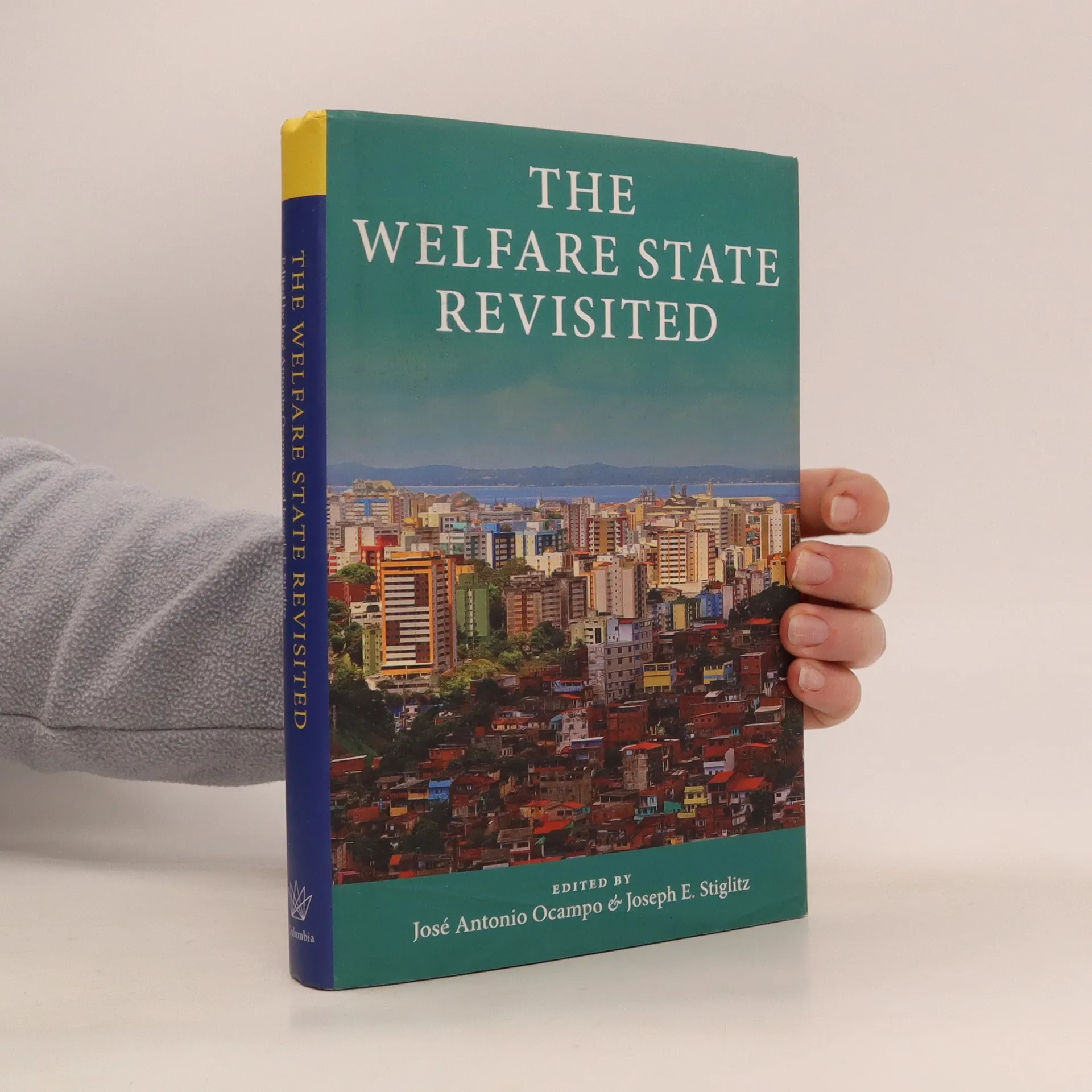
The welfare state has been under attack for decades, but now more than ever we need strong social programs to combat inequality, support social justice, and even improve economic performance. This book brings together distinguished contributors to examine global variations of social programs and make the case for a redesigned welfare state.
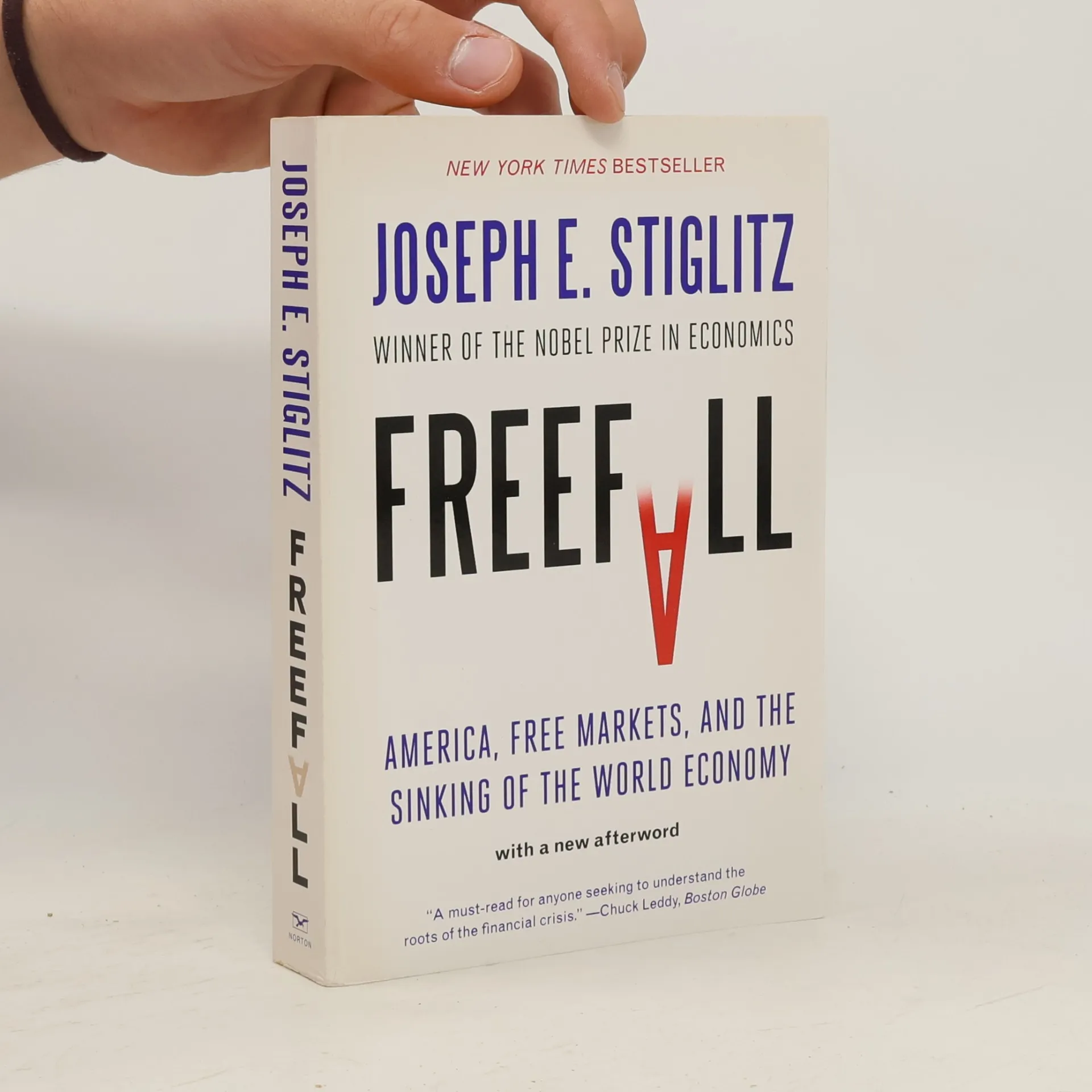
A "New York Times" bestseller, "Freefall" recounts the recent financial crisis and the way forward by a Nobel Prize-winning economist. This edition includes a new Afterword.
Why isn't globalization benefiting as many people as it should? Joe Stiglitz shows us that things can change and that an optimistic world can exist where globalization really does work. Stiglitz examines how change has occurred rapidly over the past four years, proposing solutions and looking to the future. He puts forward radical new ways of dealing with the crippling indebtedness of developing countries, a new system of global reserves to overcome international financial instability and a new framework, combining economic incentives and principles of equity, for dealing with the greatest threat to our planet, global warming - one which is more likely to be accepted both by the US and the developing world than previous proposals. He argues convincingly for the reform of global institutions such as the UN, the IMF and the World Bank to make them truly capable of responding to the problems of our age and shows why treating developing countries more fairly is not only morally right, but ultimately will be to the benefit of the developed countries as well.
"Designed to bring Europe closer together, the euro has actually done the opposite- after nearly a decade without growth, unity has been replaced with dissent and enlargements with prospective exits. Joseph Stiglitz argues that Europe's stagnation and bleak outlook are a direct result of the fundamental flaws inherent in the euro project - economic integration outpacing political integration with a structure that actively promotes divergence rather than convergence. Money relentlessly leaves the weaker member states and goes to the strong, with debt accumulating in a few ill-favoured countries. The question now is- can the euro be saved? Laying bare the European Central Bank's misguided inflation-only mandate and explaining why austerity has condemned Europe to unending stagnation, Stiglitz outlines three possible ways forward- fundamental reforms in the structure of the Eurozone and the policies imposed on the member countries suffering the most; a well-managed end to the euro; or a bold, new system he dubs the 'flexible euro;. This important book, by one of the world's leading economists, addresses the euro-crisis on a bigger intellectual scale than any predecessor."
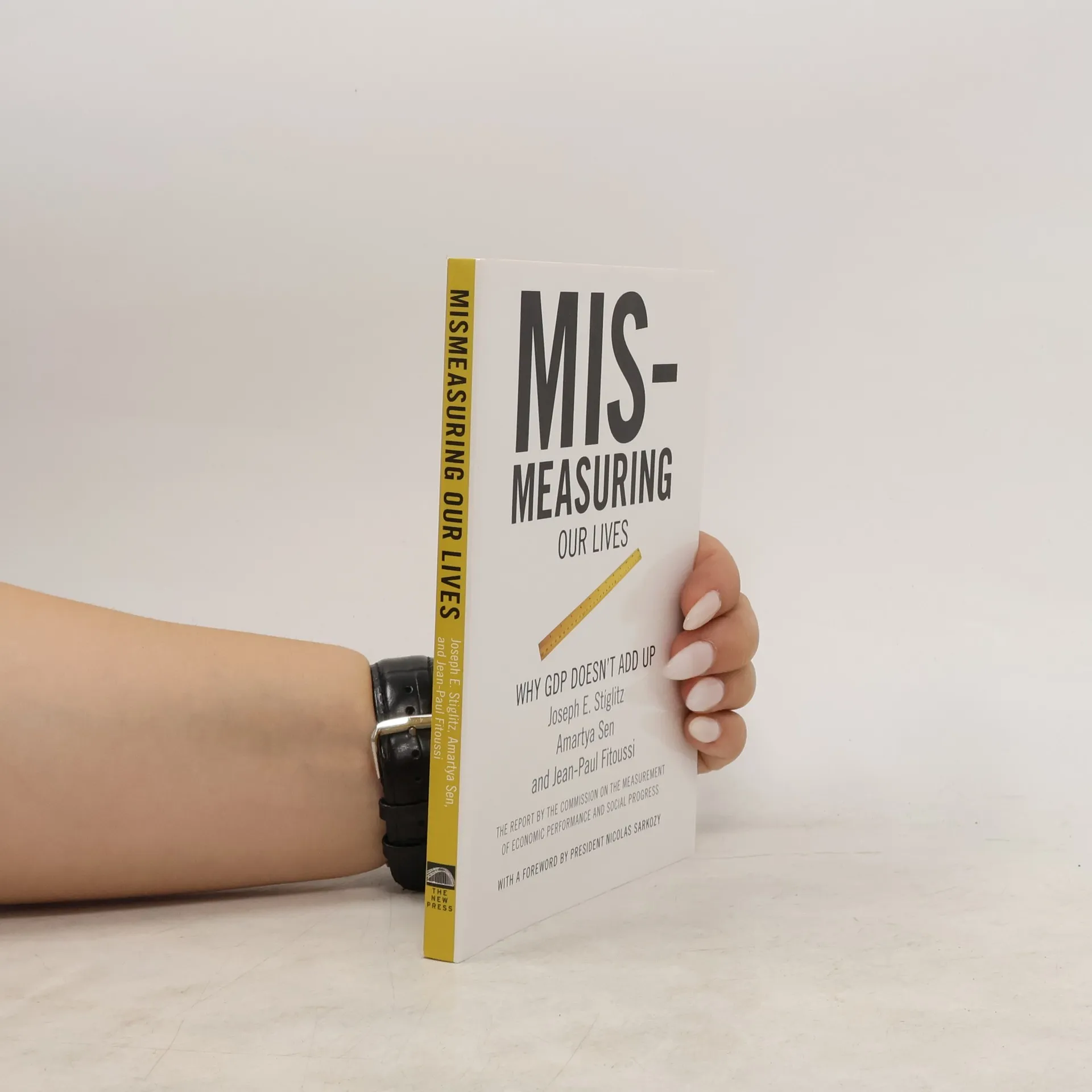
In February of 2008, amid the looming global financial crisis, President Nicolas Sarkozy of France asked Nobel Prize–winning economists Joseph Stiglitz and Amartya Sen, along with the distinguished French economist Jean Paul Fitoussi, to establish a commission of leading economists to study whether Gross Domestic Product (GDP)—the most widely used measure of economic activity—is a reliable indicator of economic and social progress. The Commission was given the further task of laying out an agenda for developing better measures.Mismeasuring Our Lives is the result of this major intellectual effort, one with pressing relevance for anyone engaged in assessing how and whether our economy is serving the needs of our society. The authors offer a sweeping assessment of the limits of GDP as a measurement of the well-being of societies—considering, for example, how GDP overlooks economic inequality (with the result that most people can be worse off even though average income is increasing); and does not factor environmental impacts into economic decisions.In place of GDP, Mismeasuring Our Lives introduces a bold new array of concepts, from sustainable measures of economic welfare, to measures of savings and wealth, to a “green GDP.” At a time when policymakers worldwide are grappling with unprecedented global financial and environmental issues, here is an essential guide to measuring the things that matter.
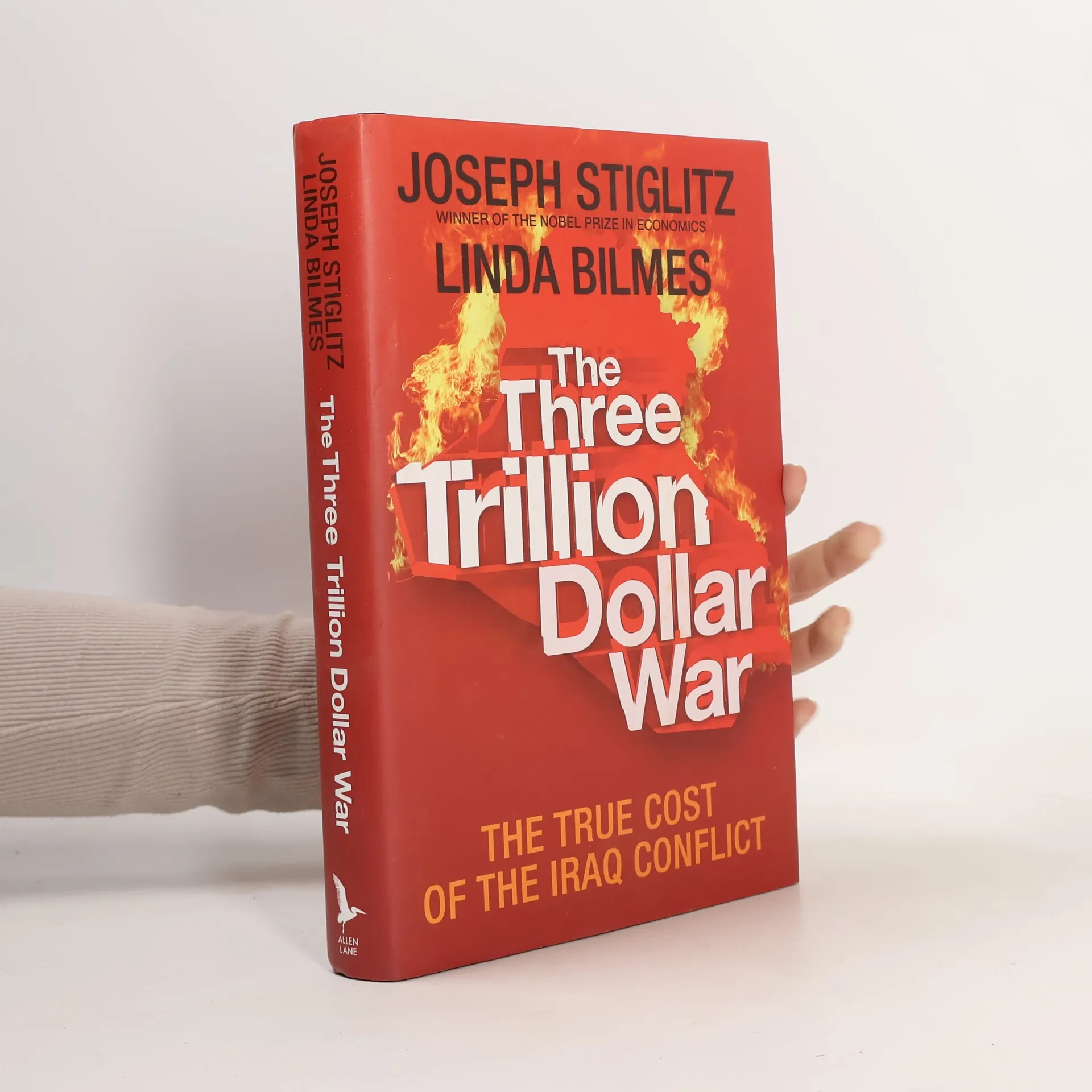
The three trillion dollar war will be a devastating reckoning of the true cost of the Iraq war - quite apart from its tragic human toll - which the Bush administration has estimated at $50 billion, but which Stiglitz and Bilmes will show underestimates the real figure by approximately six times. The authors expose the gigantic expenses which have so far not been officially accounted for, including not only big ticket items like replacing military equipment (being used up at six times the peacetime rate) but also the cost of caring for thousands of wounded veterans - for the rest of their lives. Shifting to a global perspective, the authors investigate the cost in lives and damage within Iraq and the Middle East generally. With chilling precision, they calculate what the money spent on the war would have produced had it been further invested in the growth of the economy, in the US and around the world, and in infrastructure building. Stiglitz and Bilmes write in simple language, which makes the details they present, and the sums they add up, all the more disturbing. This book will change forever the way we think about the Iraq war - and about the cost of war generally.
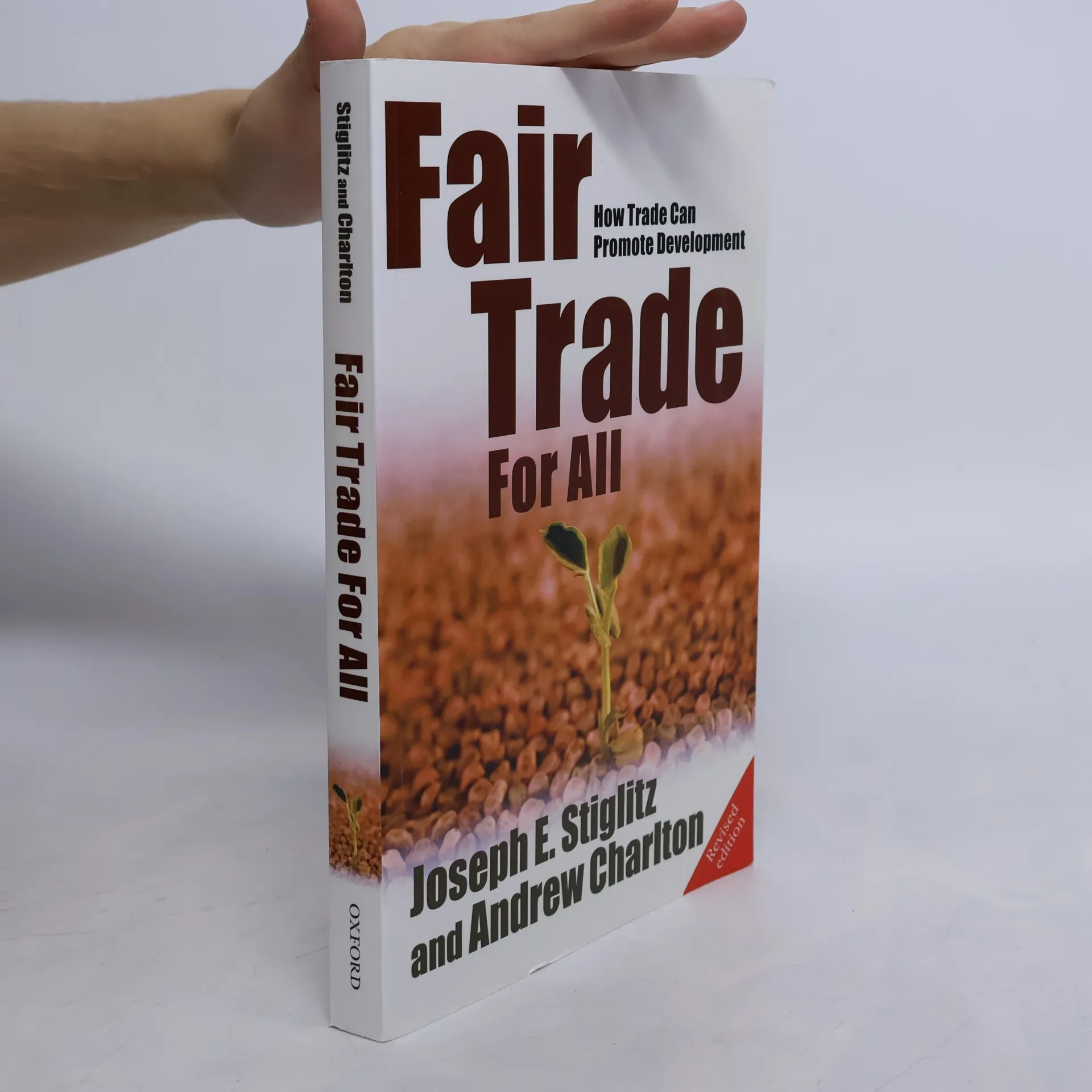
How can the poorer countries of the world be helped to help themselves through freer, fairer trade? This challenging and controversial book addresses one of the key issues facing world leaders today. This book puts forward a radical and realistic new model for managing trading relationships between the richest and the poorest countries. Beginning with a brief history of the World Trade Organisation and its agreements, the authors explore the issues and events which led to the failure of Cancun and the obstacles that face the successful completion of the Doha Round of negotiations. Finally they spell out the reforms and principles upon which a successful agreement must be based. Accessibly written and packed full of empirical evidence and analysis, this book is a must read for anyone interested in world trade and development
The book critiques the enduring narrative of neoliberalism, which promotes the idea that minimal regulation and unfettered capitalism lead to increased prosperity and individual freedom. It explores how this perspective, despite its evident shortcomings, continues to influence public opinion and government policies globally, arguing that the moral implications of such a belief system warrant closer examination.
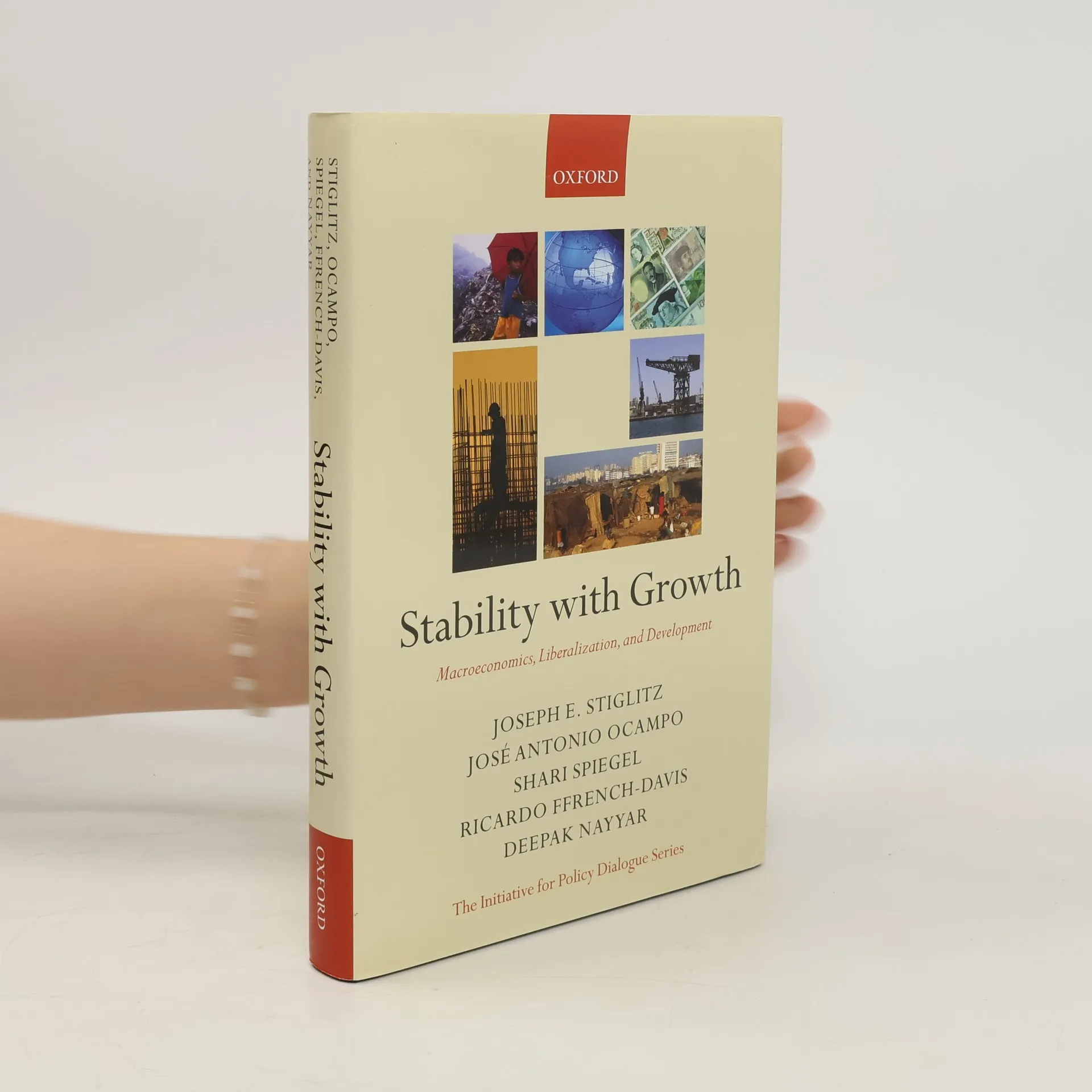
"There is growing dissatisfaction with the economic policies advocated by the IMF and other international financial institutions - policies that have often resulted in stagnating growth, crises, and recessions for client countries. This book presents an alternative to "Washington Consensus" neo-liberal economic policies by showing that both macro-economic and liberalization policy must be sensitive to the particular circumstances of developing countries. One-size-fits-all policy prescriptions are likely to fail given the vast differences between countries. This book discusses how alternative approaches to economic policy can better serve developing countries both in ordinary times and in times of crisis."--Book cover
This second volume in a series of selected scientific papers by a distinguished economist delves into the implications of the New Information Paradigm for labor, capital, and product markets, with papers spanning from 1969 to 2009. Building on the concepts introduced in Volume I, which highlighted the differences in market behavior under imperfect or asymmetric information, this volume explores how these principles apply in various economic contexts. Awarded the Nobel Memorial Prize in Economics in 2001, the New Paradigm has transformed our understanding of economics, prompting new inquiries into corporate governance and revisiting traditional questions about corporate finance and the interplay between finance and the economy.
While focusing on practical applications, the volume also extends theoretical frameworks, illustrating the effectiveness of the author's research approach. It challenges the notion that key market phenomena can be fully explained by rational expectations, even in the presence of imperfect information. The work emphasizes the significance of how societies manage the acquisition, processing, and dissemination of information, asserting that these processes are as crucial as the production and distribution of goods. By laying the groundwork for a New Institutional Economics, the papers analyze how institutions like sharecropping and banks function, influence resource allocation, and emerge in specific form
The Political Economy of Capabilities Accumulation
575 pages
21 hours of reading
In the 1990s, development policy advocated by international financial institutions was influenced by Washington Consensus thinking. This strategy, based largely on liberalization, privatization, and price-flexibility, downplayed, if not disregarded, the role of government in steering the processes of technological learning and economic growth. With the exception of the Far East, many developing countries adopted the view that industrial policy resulted in inefficiency and poor economic growth.Ample historical evidence shows that industrial policy does work, when the right technologies and industries are supported and when appropriate combinations of policy measures are implemented. This book provides an in-depth exploration of which industrial policies have been successful, the trade-offs associated with these microeconomic approaches to growth and development, and the opportunities and constraints associated with the current organization of international economic relations.
This annotation presents a compelling examination of the critical issue of information disclosure by governments and powerful organizations. It highlights the dangers of excessive secrecy, which can erode democracy, foster corruption, and hinder effective public policymaking. However, it also acknowledges the necessity of maintaining confidentiality around military strategies, personal data, and trade secrets to protect the public interest.
In recent years, there has been a global push for transparency, with countries like India and South Africa implementing groundbreaking freedom of information laws. China is also moving toward greater openness, inspired by successful initiatives in cities like Shanghai. Across various continents, nations are striving to dismantle longstanding secrecy and create effective disclosure policies, with over seventy countries currently developing or enhancing their disclosure frameworks.
Despite this progress, many of the nearly 200 countries worldwide lack coherent disclosure laws, and enforcing existing regulations can be challenging. There is also no consensus on disclosure standards for the increasingly influential private sector. As the demand for transparency grows, governments and corporations must navigate the complexities of public scrutiny. This work distills valuable lessons from diverse national experiences, analyzing transparency's effects on governance, business regulation, enviro
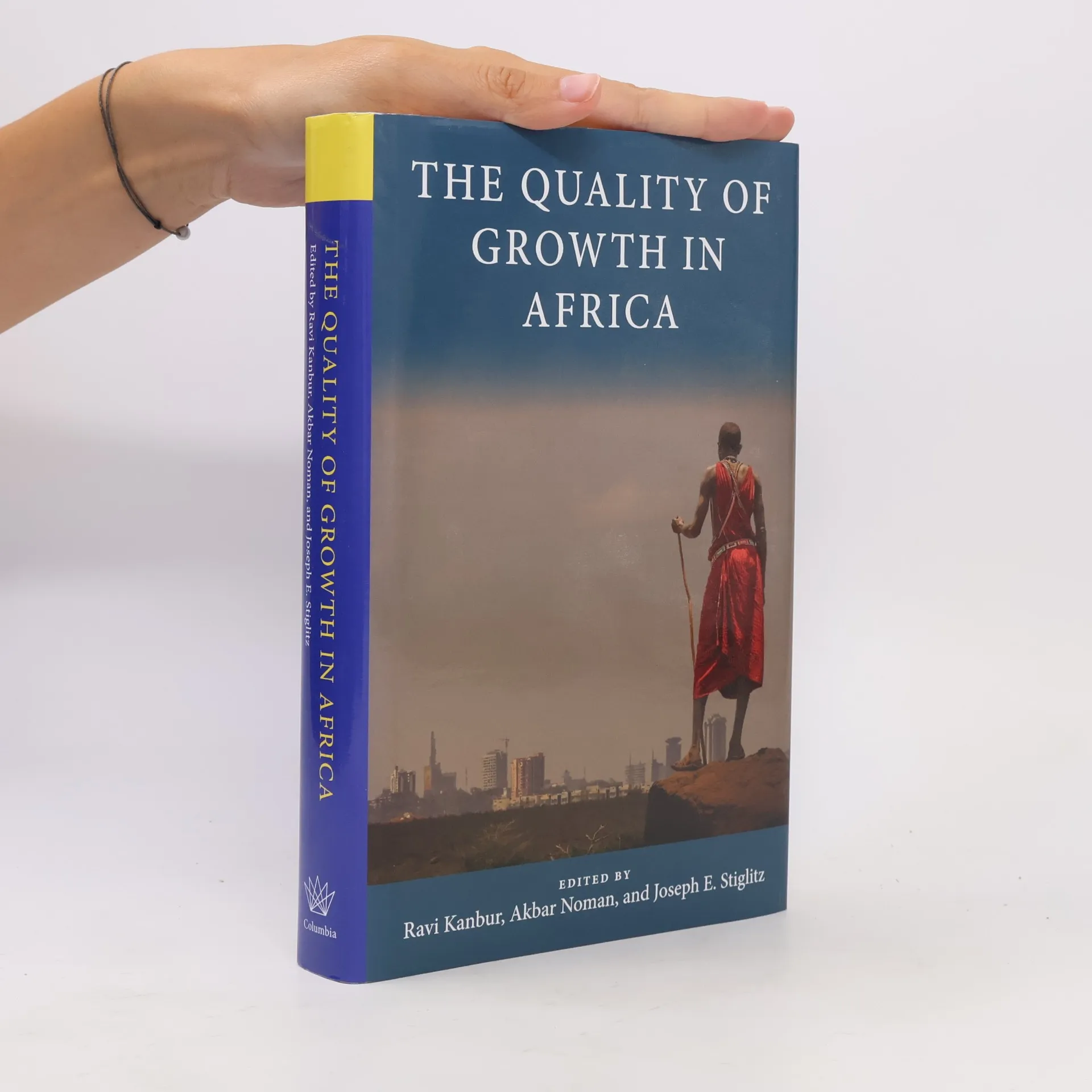
In recent years, concerns about the outcomes and nature of economic growth have given way to a new emphasis on its quality. This volume brings together prominent international contributors to consider a range of interrelated questions concerning the quality of growth in Africa, with a primary focus on sub-Saharan countries. Contributors discuss the measurement of growth, the transformations necessary to sustain it, and issues around equity and well-being. They consider topics such as the distribution of income gains from growth; the extent to which economic growth has resulted in improvements in employment, poverty, and security; structural transformations of the economy and diversification of the sources of growth; environmental sustainability; and management of urbanization. Offering both diagnoses and prescriptions, The Quality of Growth in Africa helps envision a future that goes beyond increasing GDP to ensuring that growth translates into advancements in well-being. Although the book focuses on sub-Saharan Africa, much of the contributors' incisive analysis has implications for countries outside the region.
Warum die Ungleichheit wächst und was wir dagegen tun können Mit seinem Bestseller »Der Preis der Ungleichheit« hat sich Joseph Stiglitz an die Spitze der Debatte über die zunehmende Spaltung unserer Gesellschaft in Reich und Arm gesetzt. In seinem neuen Buch beweist der Nobelpreisträger erneut, dass er nicht nur ein brillanter Ökonom, sondern auch ein scharfsinniger politischer Denker ist, der beherzt für eine gerechtere Verteilung des Wohlstands kämpft. Wachsende Ungleichheit ist kein Schicksal, sondern Folge politischer Entscheidungen, diese Überzeugung vertritt Joseph Stiglitz vehement. Deswegen fordert er eine Politik, die den Wohlstand endlich wieder gerechter verteilt. In seinem neuen Buch zeigt er uns, jenen 99 Prozent der Bevölkerung, denen die zunehmende Spaltung der Gesellschaft in Reich und Arm schadet, welche Risiken die wachsende Ungleichheit birgt und was wir gegen sie tun können. »Reich und Arm« versammelt die einflussreichsten Texte von Joseph Stiglitz aus den letzten Jahren, erstmals sind seine kämpferischen Einwürfe nun auf Deutsch zu lesen. Wer über die wachsende Ungleichheit in unserer Gesellschaft mitdiskutieren will, wird an »Reich und Arm« nicht vorbeikommen.
Der amerikanische Wirtschaftsnobelpreisträger spricht über neue Leitplanken für eine gerechtere Weltwirtschaft. Passgenaue öffentliche Ausgaben, vor allem Investitionen in die grüne Wirtschaft, sind das Gebot der Stunde. Können wir die nationalen Wirtschaften nach Corona wiederaufrichten? Ja, aber nur mit mehr Kooperation, nicht weniger! Die Probleme nach Corona sind die Probleme vor Corona, nur schlimmer. Das hat die Pandemie schonungslos gezeigt. Ob Ungleichheit und Klimawandel, Wirtschaft und Arbeit, Geschlechterverhältnisse, Gesellschaft, Demokratie und Staat – Corona beschleunigt alte Missstände und Widersprüche. Was sind die Folgen? Wie kommen wir da wieder raus? Und was können wir besser machen? Ein Band aus unserer Corona-Interviewreihe, in der acht prominente Köpfe aus Wissenschaft, Politik und Kultur Antworten geben.
Wie die Spaltung der Gesellschaft unsere Zukunft bedroht
Viele Arme, wenige Reiche – was sich in Wirtschaft und Politik ändern muss Die Ungleichheit in der Welt nimmt zu: Immer weniger Menschen häufen immer größeren Reichtum an, während die Zahl der Armen wächst und die Mittelschicht vom Abstieg bedroht ist. Welche Risiken das dramatische Gleichheitsgefälle für unsere Gesellschaft birgt und wie wir ihm am besten begegnen, zeigt Nobelpreisträger Joseph Stiglitz eindrücklich in seinem neuen Beststeller. Die Schere zwischen Arm und Reich wird größer, daran konnte auch die weltweite Finanz- und Wirtschaftskrise nichts ändern – im Gegenteil. Politik und Wirtschaft scheinen selbst in der Krise immer einseitiger den Interessen der Superreichen zu folgen, während es vielen Menschen zunehmend schlechter geht. Besonders drastisch lässt sich diese Entwicklung in den USA erkennen. Doch die wachsende Ungleichheit hat ihren Preis, wie Joseph Stiglitz in seinem neuen Buch zeigt. Sie behindert Wirtschaft und Wachstum, führt zu weniger Chancengerechtigkeit und korrumpiert Justiz und Politik. Deswegen ruft Nobelpreisträger Stiglitz dazu auf, die zunehmende Ungleichheit in unseren Gesellschaften nicht einfach hinzunehmen, sondern Wirtschaft und Politik so zu reformieren, dass der Wohlstand wieder gerechter verteilt ist.
La globalizzazione non è un male e va abbracciata. A sostenere questa tesi è Stiglitz, autorevole sostenitore della critica alla globalizzazione liberista. Si tratta forse di una ritrattazione del Premio Nobel? In realtà, è il frutto di una constatazione: se la globalizzazione è un processo inevitabile, è possibile farla funzionare in direzione del benessere dei paesi più arretrati e dei cittadini dei paesi avanzati attraverso un mix di politiche di solidarietà e di intervento delle istituzioni internazionali.
Das weltweite Wirtschaftswachstum stagniert. Was lässt sich dagegen tun? Neue Exportmärkte durch mehr Freihandel schaffen? Ganz falsch! Wachstum entsteht vor allem durch Innovation, zeigen Joseph E. Stiglitz und Bruce C. Greenwald. Und Innovation gedeiht am besten an geschützten Orten, wo Raum ist für ständiges Dazulernen. Hohe soziale und ökologische Standards können Industriestaaten zu so einem Ort machen. Entwicklungsländer brauchen sogar noch mehr Schutz: Zölle bieten ihnen die Chance, ihre Ökonomie überhaupt erst aufzubauen. Damit Fortschritt gelingt, müssen wir deshalb statt neuer Freihandelsabkommen eine innovative Gesellschaft möglich machen!
Con il meeting internazionale delle comunità del cibo di Torino, una rete permanente e radicata in quasi ogni nazione del pianeta, Terra Madre compie i suoi primi dieci anni. Li festeggia con ''Voler bene alla Terra'': uno straordinario collage di dialoghi pubblicati prima su La Stampa e poi su La Repubblica, che presenta le idee, i progetti e le esperienze di quanti aderiscono ai valori della multinazionale virtuosa governata dal desiderio di un mondo migliore, da costruire attraverso il cibo.Sono le voci di grandi donne e uomini che si trovano in piena sintonia con la rete e con la straordinaria umanità che ne fa parte: contadini, pescatori e nomadi, artigiani, cuochi e cuoche, musicisti, intellettuali, semplici cittadini. In queste pagine parlano premi Nobel, cuochi che hanno cambiato la gastronomia mondiale, icone del mondo artistico - musicale e letterario - o del mondo contadino, uomini di spirito che hanno illuminato non soltanto le strade dell'anima.''Voler bene alla Terra'' dice molto: coltivare e custodire l'ambiente è il segno distintivo di questo momento storico ed è la meta privilegiata per tutti noi che vogliamo rendere il nostro pianeta Terra un po' più sano, florido, felice per chi lo abita.
Depuis quinze ans, Jacques Attali est l'économiste français le plus engagé dans une économie alternative, visant à lutter contre la pauvreté et à protéger l'environnement. Avec Arnaud Ventura et des figures prestigieuses comme Muhammad Yunus et Joseph Stiglitz, il promeut le micro-crédit à travers leur association, PlaNet Finance, qui emploie plus de 1000 personnes dans 80 pays et a distribué plus de 200 millions de micro-crédits. En réponse à ce succès, Attali et Ventura ont lancé le LH Forum au Havre, mettant en avant l'économie positive, centrée sur l'humain et la planète, et visant une vision à long terme. Ce mouvement rejette l'immédiateté et les entreprises indifférentes à leurs salariés ou à l'impact environnemental de leurs actions. Plus de 10 000 participants, incluant économistes, chefs d'entreprise et personnalités internationales, soutiennent cette initiative. Le POSITIVE BOOK, à travers 200 pages et plus de 100 portraits, interviews et récits, vise à faire découvrir ce mouvement au grand public. À travers le monde, des individus innovent et créent des projets, souvent avec peu de ressources, pour combattre l'injustice sociale, la pauvreté et protéger notre planète.
Gegen die Freiheit des Raubtierkapitalismus: Warum unsere Gesellschaft eine neue Wirtschaftspolitik braucht, um zukunftsfähig und gerechter zu werden Unter Donald Trump und Elon Musk greift ein Kult der Freiheit um sich. Doch die Wahl- und Meinungsfreiheit, die J.D. Vance & Co. zu einem Fetisch erhoben haben, geht immer auf Kosten der Freiheit anderer. Joseph Stiglitz, Nobelpreisträger und einer der schärfsten Kritiker Donald Trumps, zeigt, wer die Opfer der neuen Meritokratie sind – und wie der Abbau von Bürokratie sowie unregulierte Märkte Wachstum bremsen und unsere Gesellschaften ärmer machen. Doch Stiglitz bleibt nicht bei der Analyse stehen, sondern weist uns den Weg, wie wir das Konzept der Freiheit zurückerobern können. Ein leidenschaftliches Plädoyer für eine gleichermaßen gerechtere wie freiere Welt.
Co je skutečným pramenem prudkého růstu životní úrovně v posledních dvou stoletích? Co odlišuje úspěšné firmy od neúspěšných? Proč se některým rozvojovým zemím daří dohánět náskok vyspělého světa, zatímco jiné setrvávají v chudobě navzdory tomu, jak důsledně se řídí radami uznávaných ekonomických expertů a světových institucí? Klíč k odpovědím na tyto otázky nespočívá v akumulaci kapitálu, ani v množství zdrojů či výstupů, ale ve schopnosti učit se a získané znalosti efektivně sdílet. Autoři této knihy vysvětlují, v čem se produkce znalostí liší od produkce jiných statků a proč tržní ekonomika sama o sobě nedokáže zajistit jejich efektivní tvorbu ani šíření.
Autor vychází z faktu, že dnešní Evropa, tedy i Evropská unie, bojuje s krizí, jejíž počátky spojuje s finančním propadem roku 2008. Nepopírá prospěšnost EU v určité fázi jejího vývoje, kdy fungovala jako záruka stability, prosperity a míru, současně si ale klade otázku, zda to platí iv 21. století. Stiglitz odpovídá záporně a upozorňuje na to, že v mnoha evropských zemích je ekonomický růst jen pozvolný, naopak dochází k všeobecnému propadu v příjmech a recese mají vážné politické i sociální důsledky. Kniha nabízí konkrétní plány obnovy, včetně vzkříšení projektu evropské integrace, a to z pohledu makroekonomického i mikroekonomického; neopomíjí oblasti centrálního bankovnictví, veřejných investic, hospodářské soutěže, sociální politiky a mezinárodního obchodu.