
Explore the latest books of this year!
Bookbot

Randall Collins

    January 1, 1941

    Randall Collins is an influential American sociologist and theorist, focusing on the macro-historical sociology of political and economic change, micro-sociology of face-to-face interaction, and the sociology of intellectuals and social conflict. His work deeply explores how societies are created and destroyed through human emotional behaviors. Considered a leading non-Marxist conflict theorist, his academic writings have been translated into numerous languages. Collins has significantly contributed to the understanding of social phenomena through his extensive research and publications.

    Randall Collins
    Trust-Based Observations
    Midair
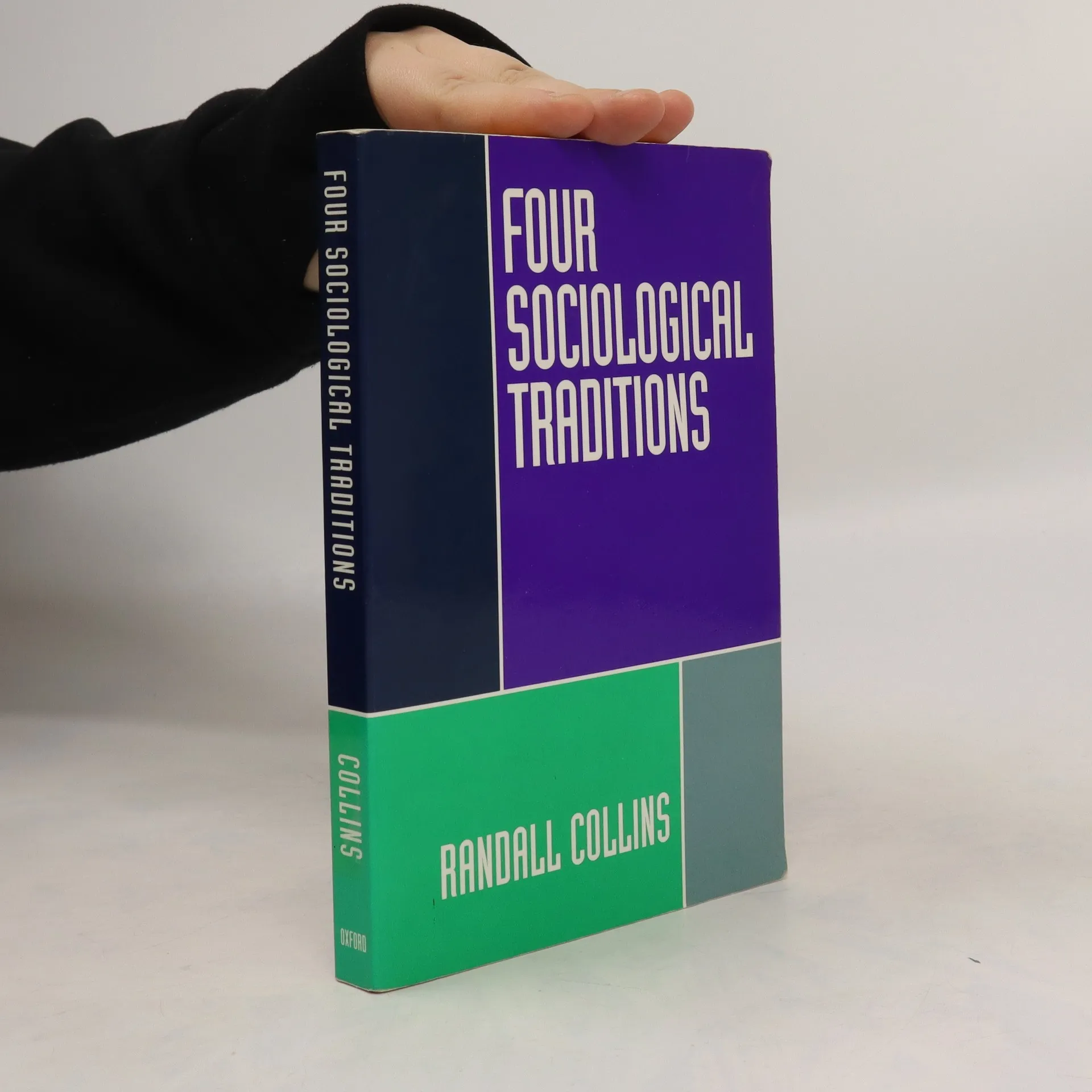
    Four sociological traditions Four sociological traditions
    Degenerations of Democracy
    Charisma
    Interaction Ritual Chains
    • Interaction Ritual Chains

      • 464 pages
      • 17 hours of reading
      4.3(126)Add rating

      "Sex, smoking, and social stratification are three very different social phenomena. And yet, argues sociologist Randall Collins, they and much else in our social lives are driven by a common process: interaction rituals. Interaction Ritual Chains is a major work of sociological theory that attempts to develop a "radical microsociology." It proposes that successful rituals create symbols of group membership and pump up individuals with emotional energy, while failed rituals drain emotional energy. Each person flows from situation to situation, drawn to those interactions where their cultural capital gives them the best emotional energy payoff. Thinking, too, can be explained by the internalization of conversations within the flow of situations; individual selves are thoroughly and continually social, constructed from the outside in. Book jacket"--Page 4 of cover

      Interaction Ritual Chains
    • Charisma

      Micro-sociology of Power and Influence

      • 124 pages
      • 5 hours of reading

      Exploring the nature of charisma, Randall Collins examines its role in generating influence and power through historical figures such as Jesus, Cleopatra, and Churchill. By analyzing how charisma shaped their leadership and legacy, he provides insights into its significance in society. The book offers a compelling look at the dynamics of charisma and its impact on both individuals and broader historical movements.

      Charisma
    • Craig Calhoun, Dilip Gaonkar, and Charles Taylor argue that democracies have embraced individual freedom at the expense of equality and solidarity, economic growth at the expense of democracy. Rebuilding local communities and large-scale institutions is now crucial, with attention to the public good beyond private advantage or ingroup loyalty.

      Degenerations of Democracy
    • Presents a concise intellectual history of sociology organized around the development of four classic schools of thought: the conflict tradition of Marx and Weber, the ritual solidarity of Durkheim, the microinteractionist tradition of Mead, Blumer, and Garfinkel, and--new to this edition--the utilitarian/rational choice tradition. Collins, one of the liveliest and most exciting writers in sociology today, traces the intellectual highlights of these four main schools from classical theories to current developments, introducing the roots of sociology and indicating the areas where progress has been made in our understanding, the areas where controversy still exists, and the direction in which sociology is headed

      Four sociological traditions Four sociological traditions
    • Midair

      • 248 pages
      • 9 hours of reading

      Midair is a true account of one of the most remarkable tales of survival in the history of aviation - a midair collision at 30,000 feet by two bomb-laden B-52s over a category 5 super typhoon above the South China Sea during the outset of the Vietnam War - and the subsequent story of what happened to the surviving pilot when he bailed out in the middle of the typhoon.

      Midair
    • Trust-Based Observations

      • 188 pages
      • 7 hours of reading

      Trust Based Observations teaches observers to build trusting relationships with teachers as they engage in frequent observations and reflective conversations with them. Using the manageable observation form and data driven goal setting, the result is teachers embrace risk-taking and take growth steps necessary for significant teaching improvement.

      Trust-Based Observations
    • Phases of the Moon

      • 256 pages
      • 9 hours of reading

      While in-depth cultural histories have been devoted to such classic horror monsters as the vampire, the zombie and Frankenstein's tragic creature, the cinematic werewolf has long been considered little more than the 'beast within': a psychoanalytic analogue for the bestial side of man. This book, the first scholarly study of the werewolf in cinema, redresses the balance by exploring over one hundred years of werewolf films - from The Werewolf (1913) to WolfCop (2014) via The Wolf Man (1941) and An American Werewolf in London (1981) - to reveal the cultural significance of she-wolves and wolf-men as evolving metaphors for the cultural fears and anxieties of their times. In doing so, it illustrates how we can begin to understand one of our oldest mythical monsters as a rich and diverse cultural metaphor.

      Phases of the Moon
    • Explosive Conflict

      • 320 pages
      • 12 hours of reading

      What determines how long conflict lasts and how much damage it does? Inequality and hostility are not enough to explain when and where violence breaks out. Collins shows what makes some protests more violent than others and why some revolutions are swift and non-violent tipping-points while others devolve into lengthy civil wars.

      Explosive Conflict
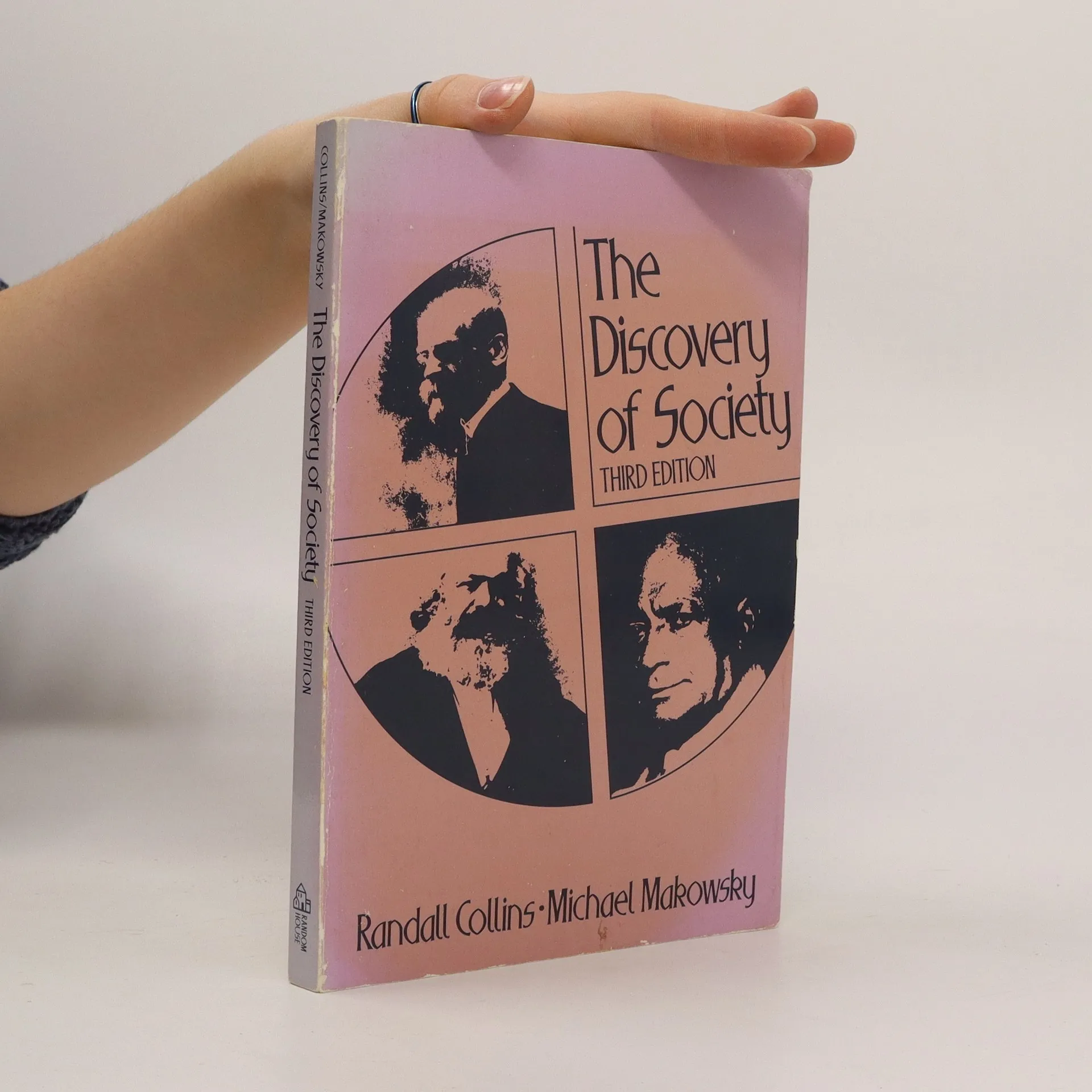
    • This volume explores the lives and ideas of social thinkers who have shaped and continue to forge traditions in sociology. Focusing on the great names in the field, it weaves biographical and conceptual details into the history of social thought of the 19th and 20th centuries.

      The Discovery of Society