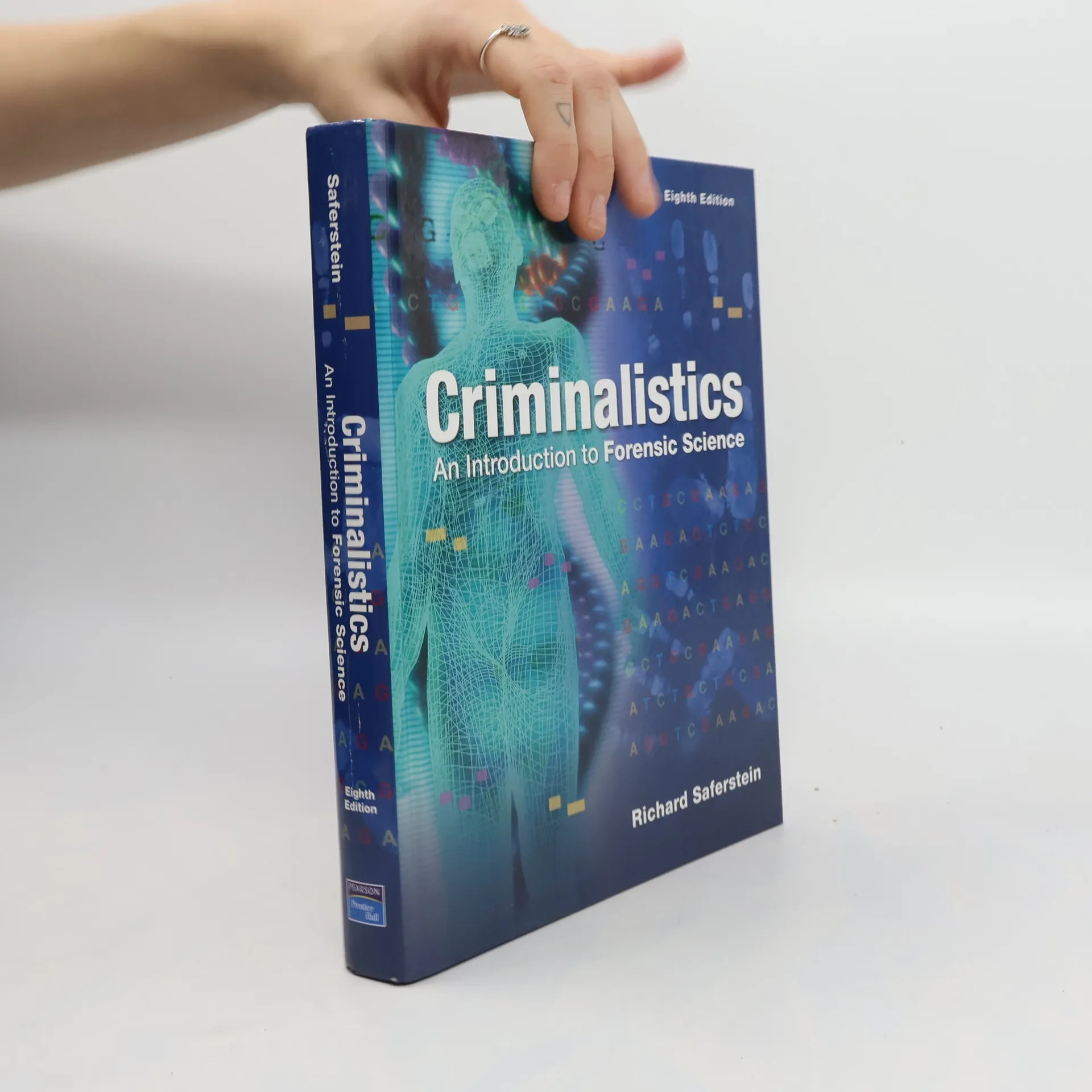
This best-selling text is designed for non-scientists and is suitable for students in criminal justice, law enforcement, and law. It aims to make modern crime laboratory technology accessible and understandable. The book defines physical evidence and explores the limitations of technology and current knowledge in its individualization and characterization. By integrating case stories with relevant technology, it captures the excitement of forensic science investigations. A significant portion focuses on common physical evidence encountered at crime scenes, detailing forensic analysis and updated techniques for evidence collection and preservation. It emphasizes the importance of probability in interpreting the significance of scientifically evaluated evidence. Written by a recognized authority in forensic science, the text provides clear writing tailored for non-scientific students, making it appropriate for a diverse audience. It offers comprehensive, up-to-date coverage of forensics and its role in criminal investigations, engaging even the busiest students. Outstanding pedagogical features support both teaching and learning. The text can be packaged with MyCJLab, a media tool that includes videos, simulations, activities, and assessments, encouraging active participation through critical thinking features. The latest research findings and current events shaping the field are also included, broadening students' understandin
Richard Saferstein Books