
Explore the latest books of this year!
Bookbot

François Boller

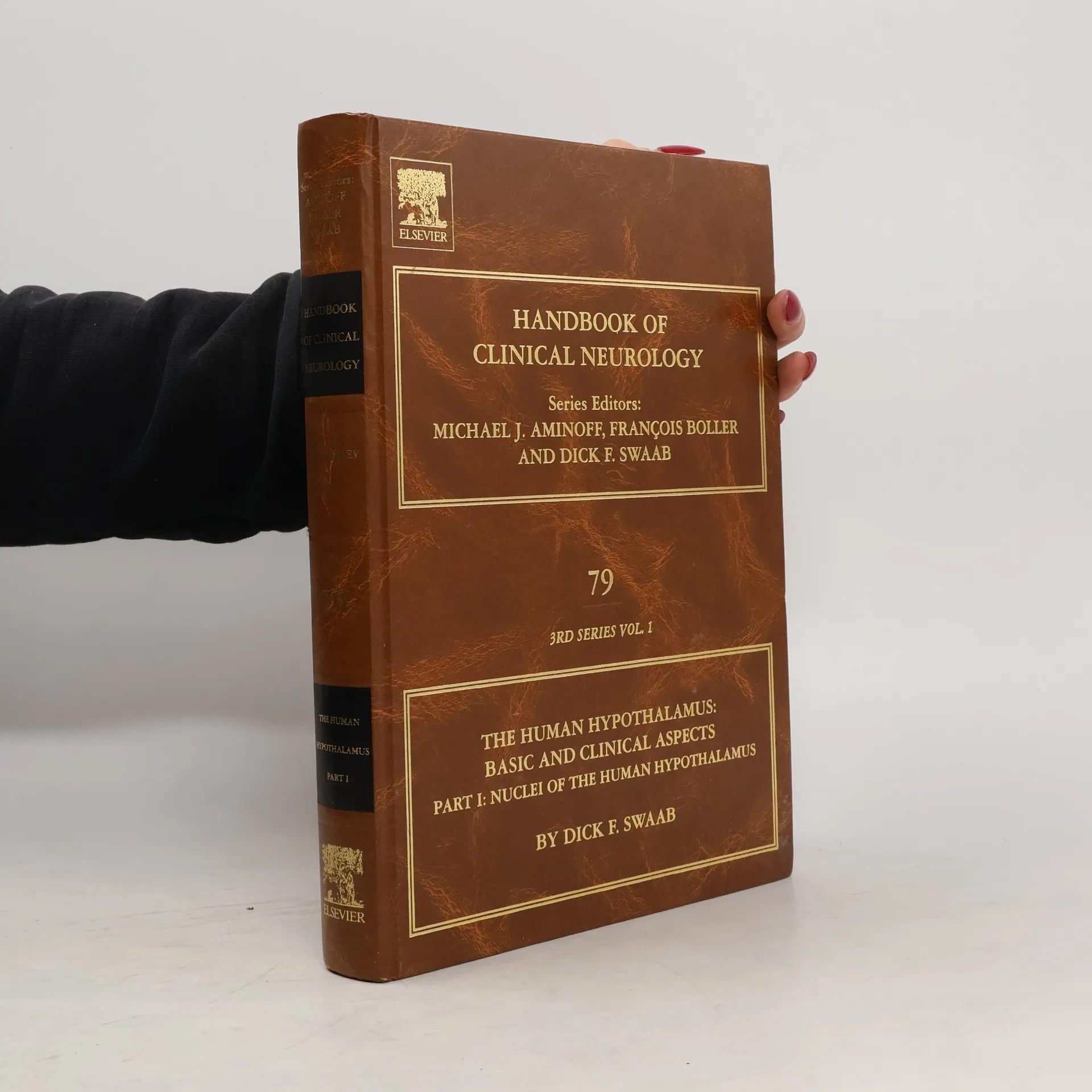
    Handbook of Clinical Neurology - 79: Human Hypothalamus
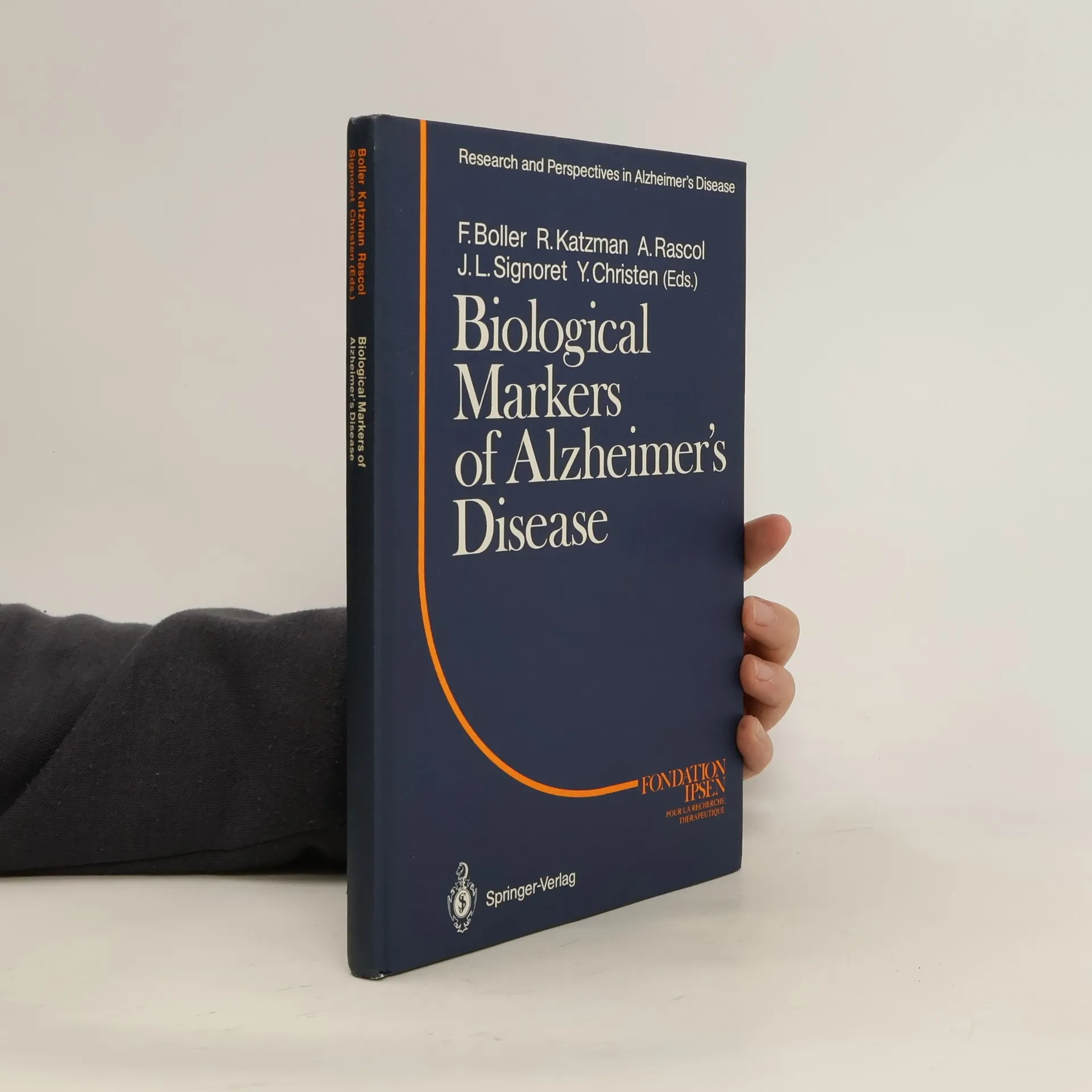
    Biological Markers of Alzheimer’s Disease
    • This volume presents the proceedings of the symposium held in Toulouse on April 24, 1989, on the topic "Biological Markers of Alzheimer's Disease. " This sym posium was the fourth of a continuing and successful series of Colloques Medecine et Recherche organized by the Fondation IPSEN pour la Recherche Therapeutique, addressing various aspects of contemporary research in the field of Alzheimer's disease (AD). The series started in September 1987 with "Im munology and Alzheimer's Disease," followed 6 months later in Paris by "Gene tics and Alzheimer's Disease" and in September 1988 in Montpellier by "Neuronal Grafting and Alzheimer's Disease. " The present symposium was organized for the purpose of gathering the most current ideas concerning biological markers of AD. The papers presented at this symposium may be roughly subdivided into three groups. The first deals with the markers of AD at the level of the brain itself. These markers are studied either through the cerebrospinal fluid or through techniques such as nuclear magnetic resonance (NMR) - approaches which respectively aim at demonstrating the cerebral changes indicated by the debris resulting from the disease, or studying the possible neurochemical abnormalities that occur in the earlier stages of AD.

      Biological Markers of Alzheimer’s Disease
    • Handbook of Clinical Neurology - 79: Human Hypothalamus

      Basic and Clinical Aspects, Part I

      • 508 pages
      • 18 hours of reading

      Traditionally viewed as part of the neuroendocrine system, the human hypothalamus has garnered little interest from neurologists. This volume revitalizes the topic by presenting groundbreaking research that connects this complex brain region to various neurological and psychological disorders. Clinicians, researchers, and practitioners across multiple medical fields will find a comprehensive overview of new findings related to the origin, diagnosis, and treatment of these disorders. The discussions link the hypothalamus to attention deficits in dementias, as well as its involvement in conditions like narcolepsy and certain epilepsies, making this resource invaluable for research and patient care. It includes specific information on depression, eating disorders, aggression, and mental retardation, providing professionals in neurology, psychiatry, endocrinology, and pediatrics with a deeper understanding of how the hypothalamus relates to patient disorders. This volume offers a thorough account of innovative research, insights into the hypothalamus's role in various disorders, and a clearer perspective on its impact on research and treatment protocols in diverse fields.

      Handbook of Clinical Neurology - 79: Human Hypothalamus