

Footprint’s one-of-a-kind guide to Borneo provides up-to-date recommendations of where to stay and eat, places to visit and tips for getting around. Includes in-depth coverage of the island’s environmental issues and comprehensive coverage of South Kalimantan, as well as information about jungle treks and ideal places to spot local wildlife.
James Alexander Books
James Alexander brings a fresh perspective to writing, consistently introducing innovative ideas to enhance his work and reader engagement. Primarily active in IT, he adeptly weaves his technological expertise into his narratives. This fusion of technology and storytelling imbues his works with a distinctive quality that resonates with contemporary audiences.
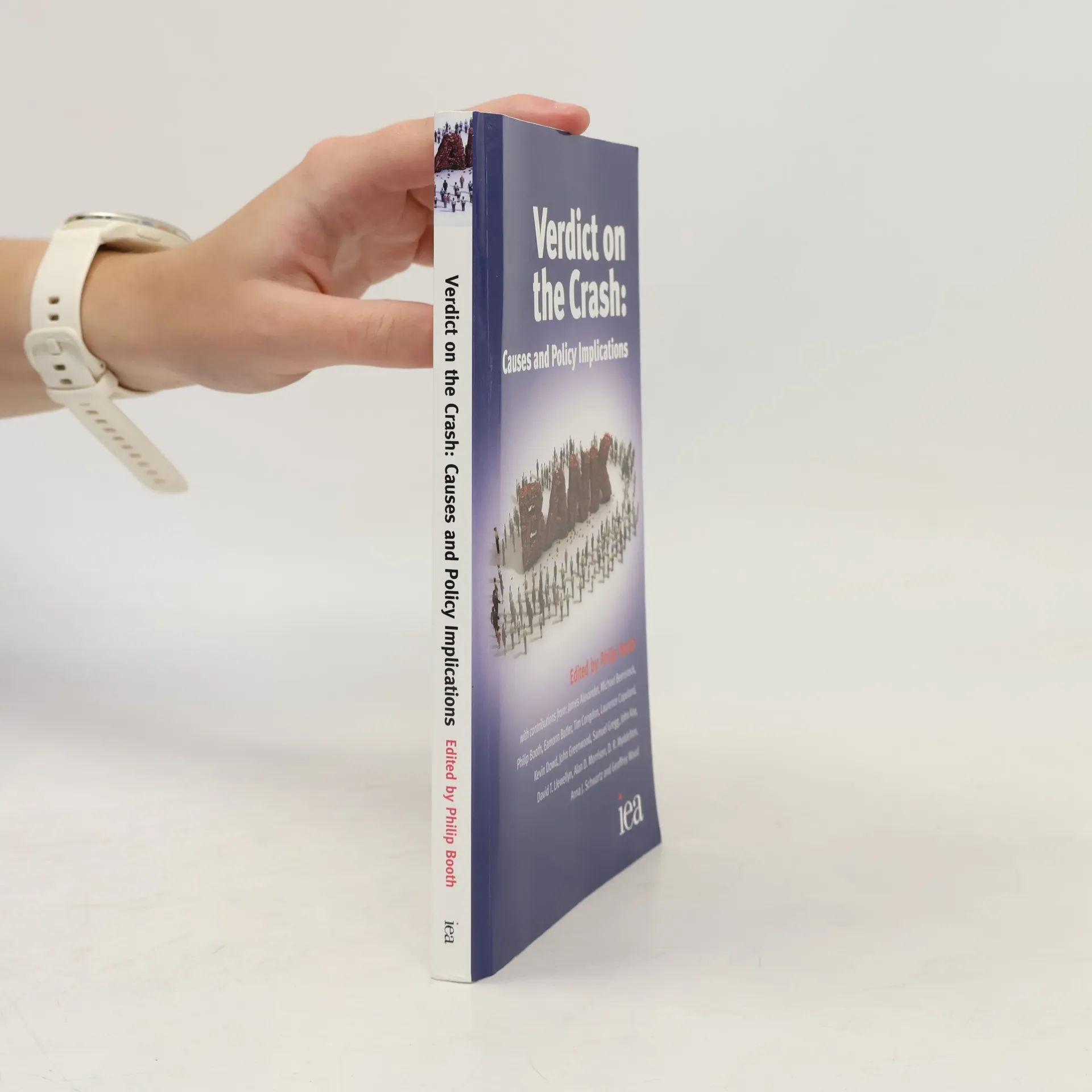

Challenging the belief that the banking crisis stemmed from inadequate regulation, this book argues that regulatory measures may have worsened the situation. The contributors, noted experts in finance, reveal that both statutory regulation and government policies failed, exacerbating risks and fostering an asset bubble through loose monetary policy. They advocate for targeted, non-intrusive regulatory tools to address specific banking weaknesses, making this work crucial for understanding the implications of recent financial events.