
Explore the latest books of this year!
Bookbot

Christine Le Boeuf

    Oracle Night
    The Sweet Hereafter
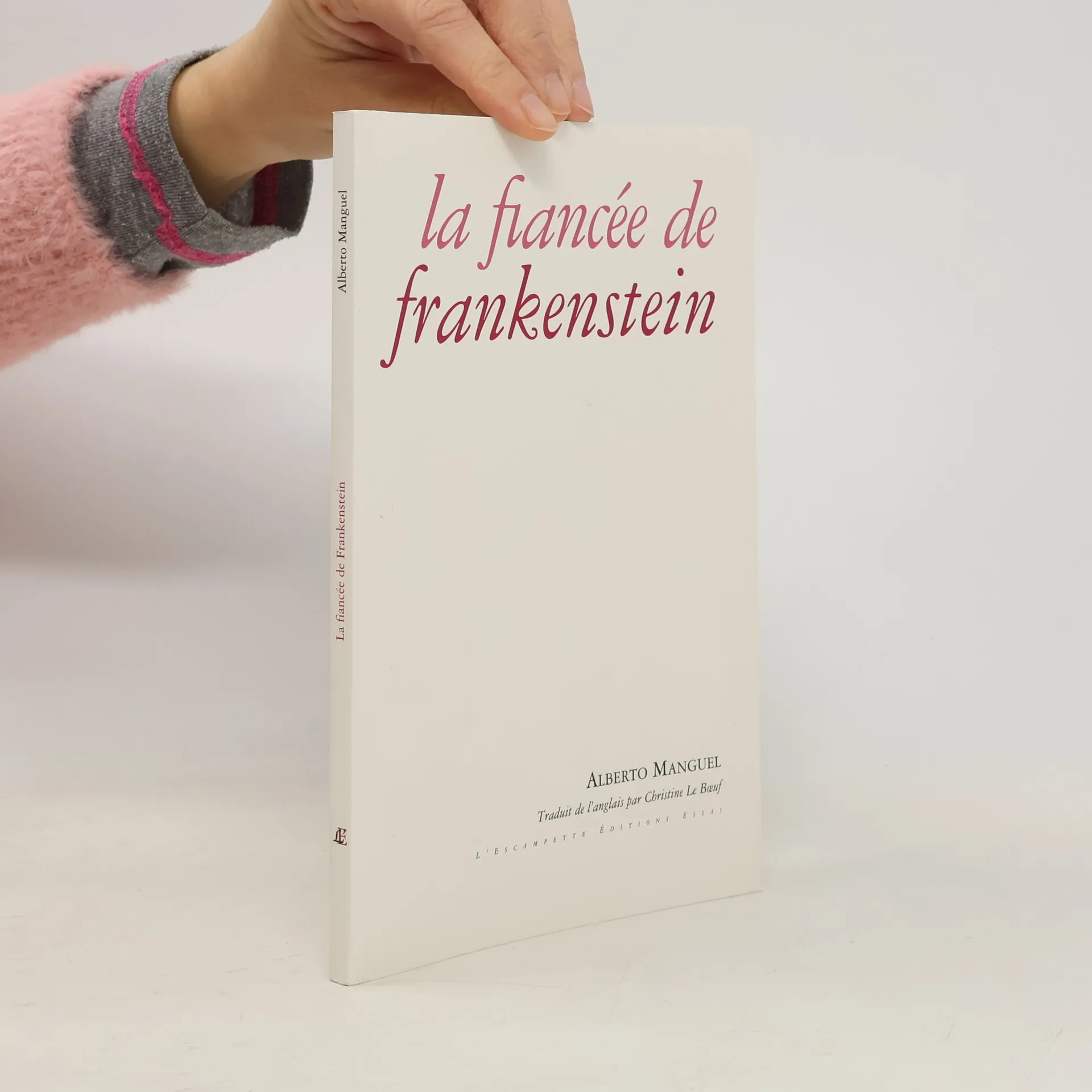
    La Fiancée de Frankenstein
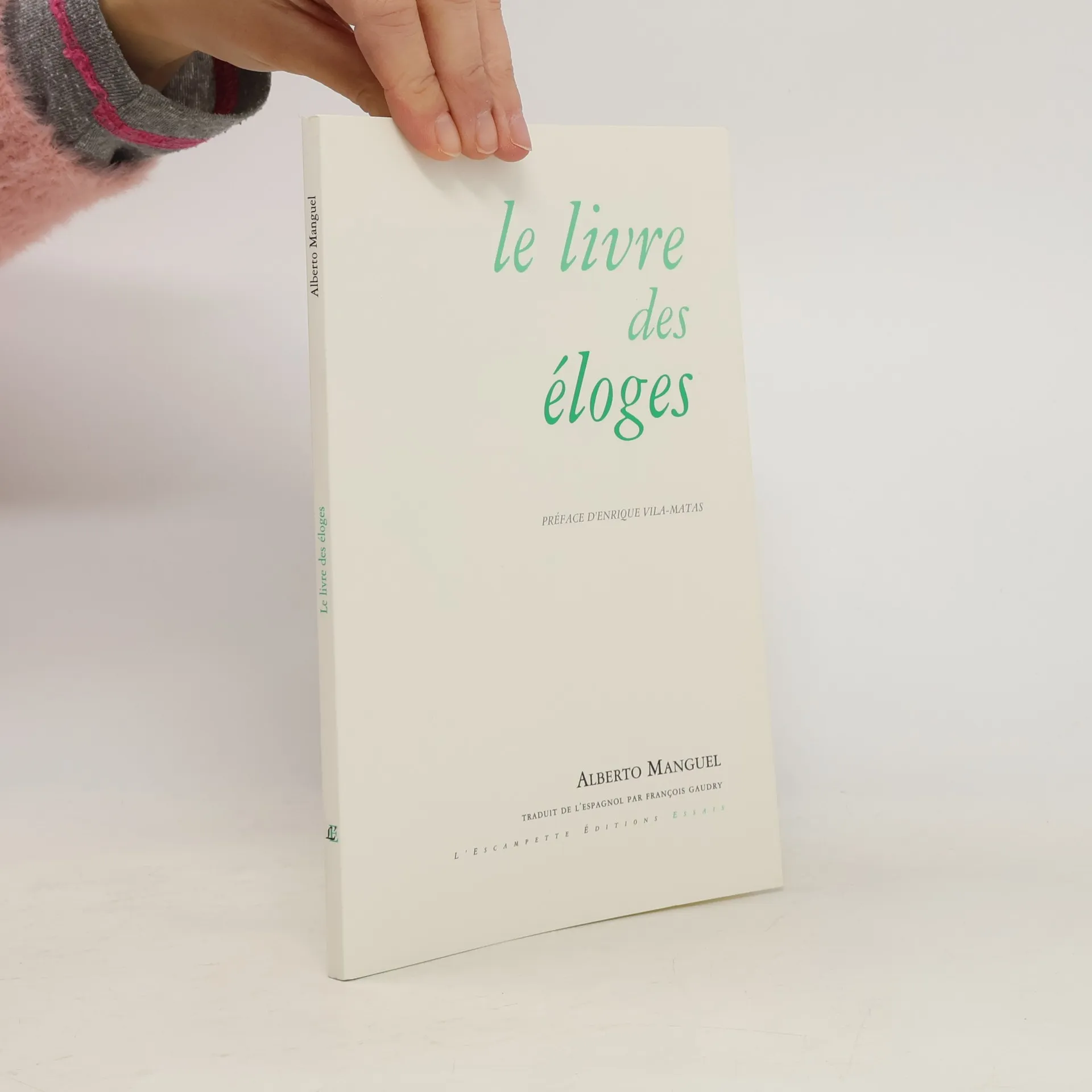
    Le livre des éloges
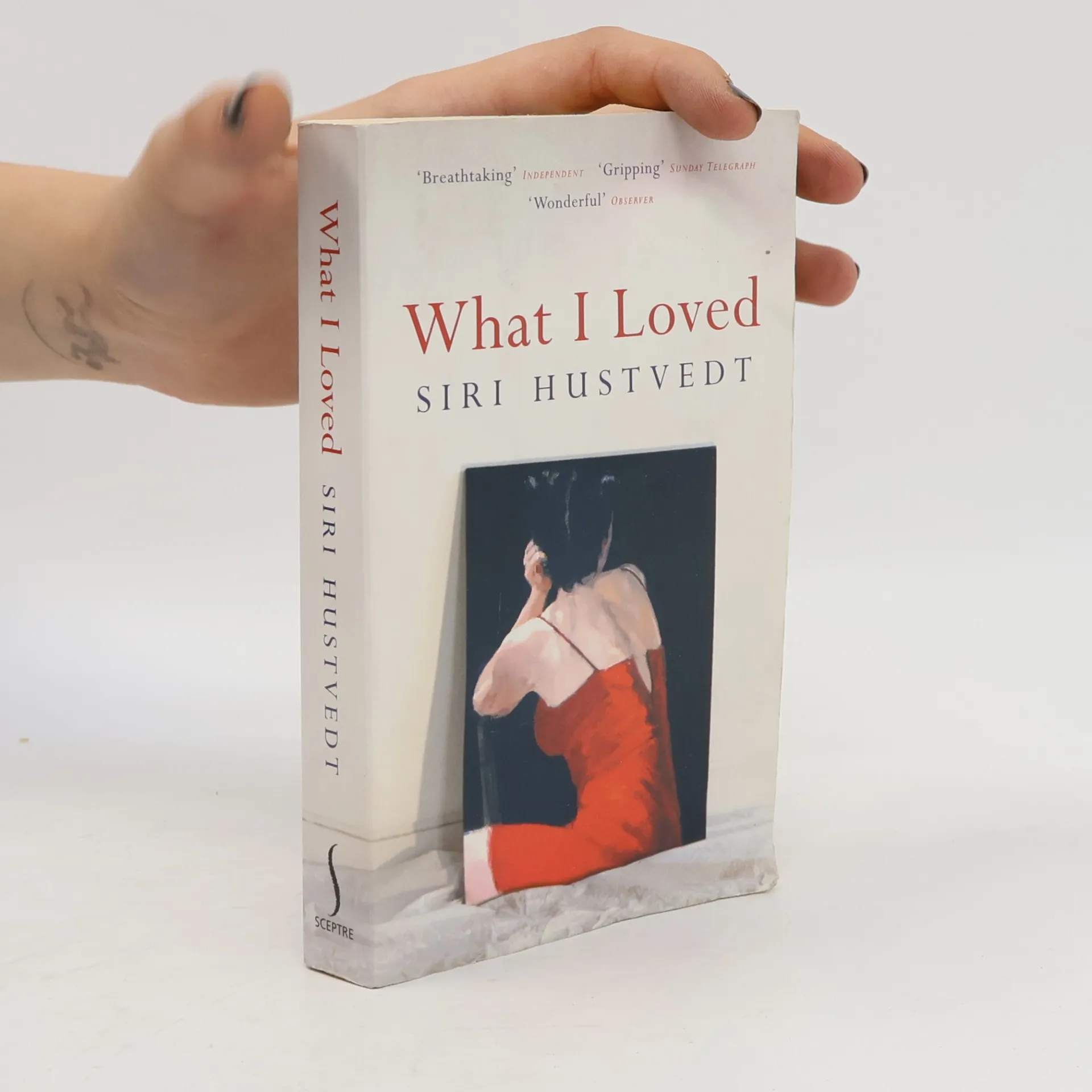
    What I loved
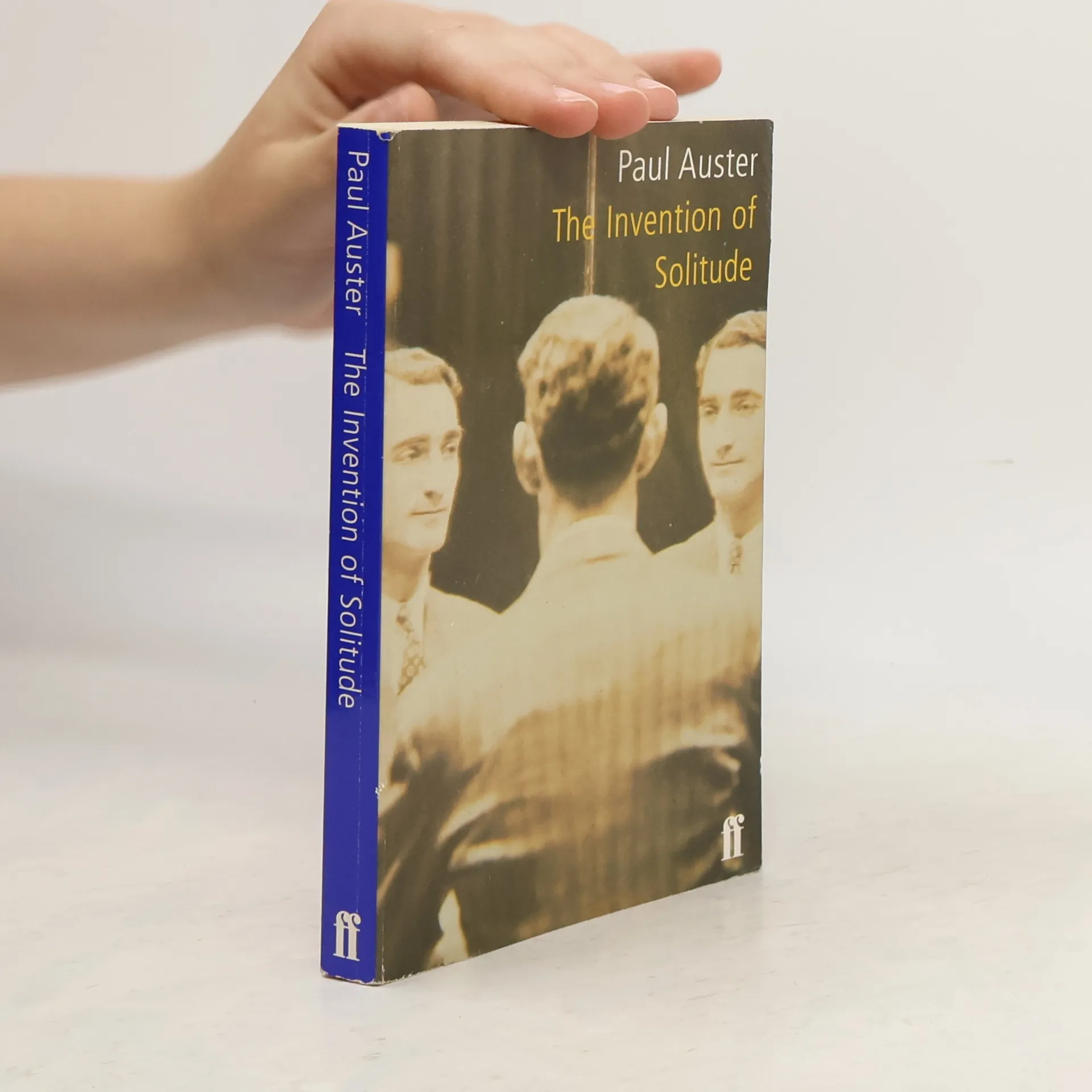
    The Invention of Solitude
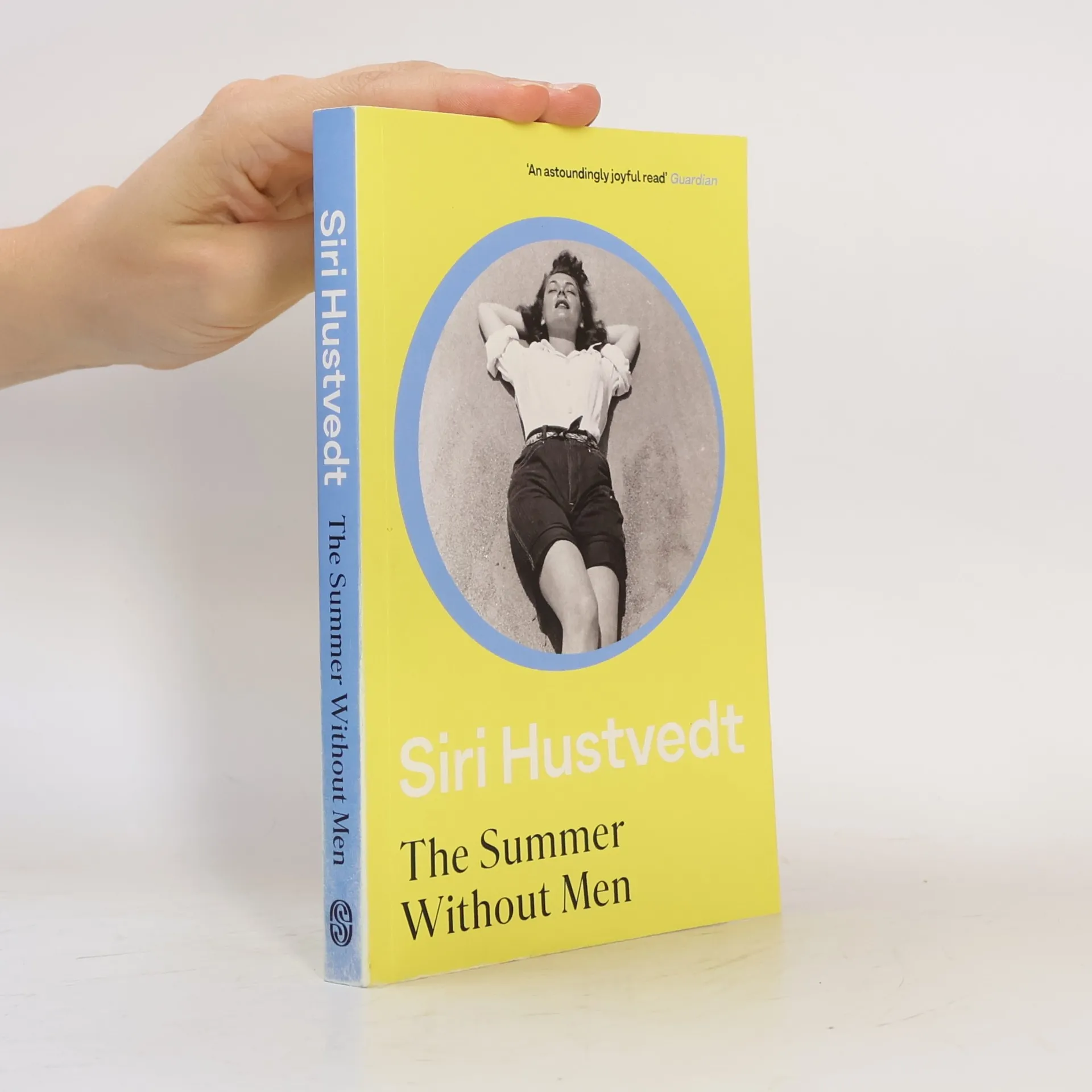
    • The Summer Without Men

      • 182 pages
      • 7 hours of reading

      Mia is forced to reexamine her life when her husband puts their marriage on "pause" after thirty years. She returns to the prairie town of her childhood, and is drawn into the lives of those around her.

      The Summer Without Men2013
      3.5
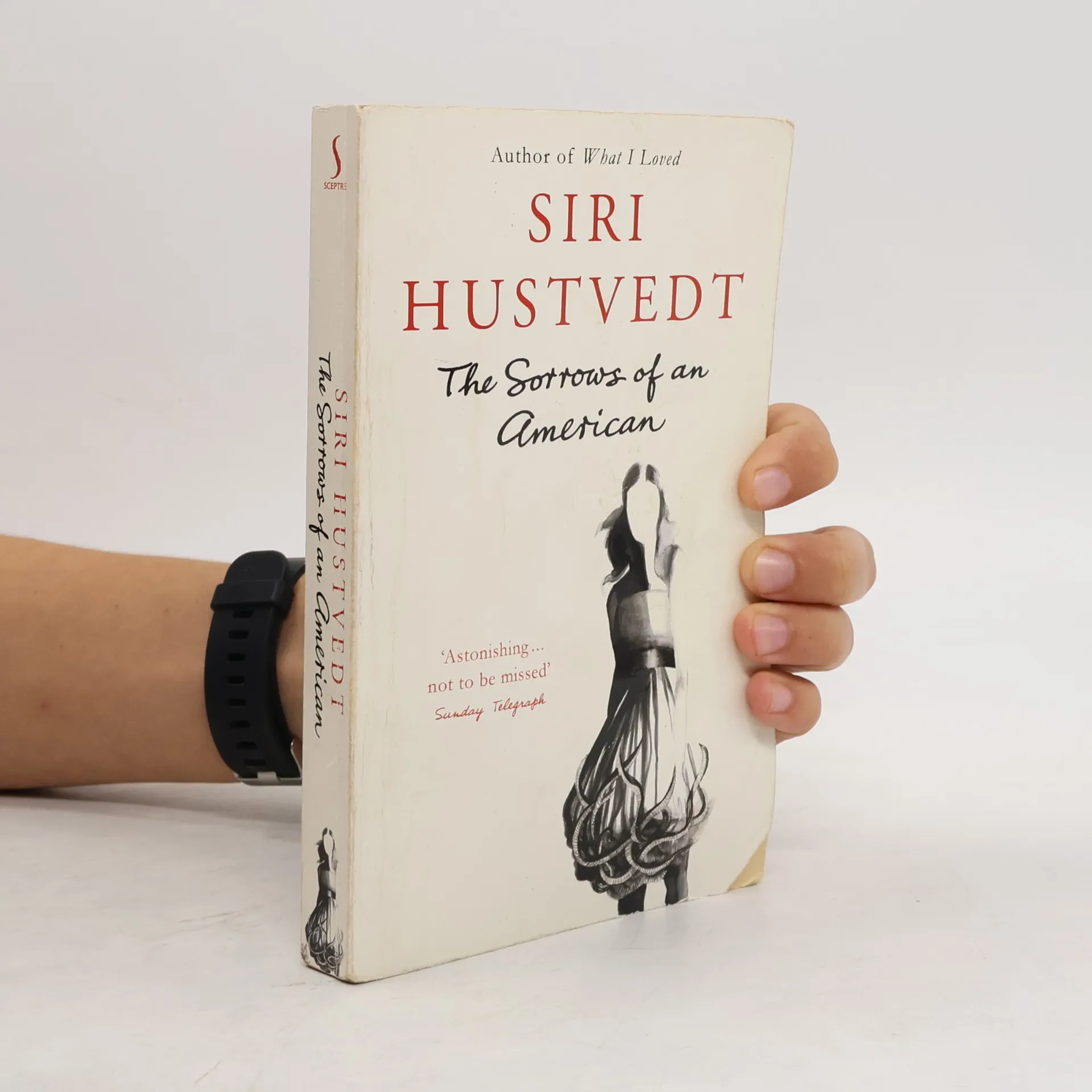
    • The Sorrows of an American

      • 320 pages
      • 12 hours of reading

      "When Erik Davidsen and his sister, Inga, find a disturbing note from an unknown woman among their late father's papers, they believe he may be implicated in a mysterious death. The Sorrows of an American tells the story of the Davidsen family as brother and sister uncover its secrets and unbandage its wounds in the year following their father's funeral." "Returning to New York from Minnesota, the grieving siblings continue to pursue the mystery behind the note. While Erik's fascination with his new tenants and emotional vulnerability to his psychiatric patients threaten to overwhelm him, Inga is confronted by a hostile journalist who seems to know a secret connected to her dead husband, a famous novelist. As each new mystery unfolds, Erik begins to inhabit his emotionally hidden father's history and to glimpse how his impoverished childhood, the Depression, and the war shaped his relationship with his children, while Inga must confront the reality of her husband's double life."--BOOK JACKET.

      The Sorrows of an American2010
      3.6
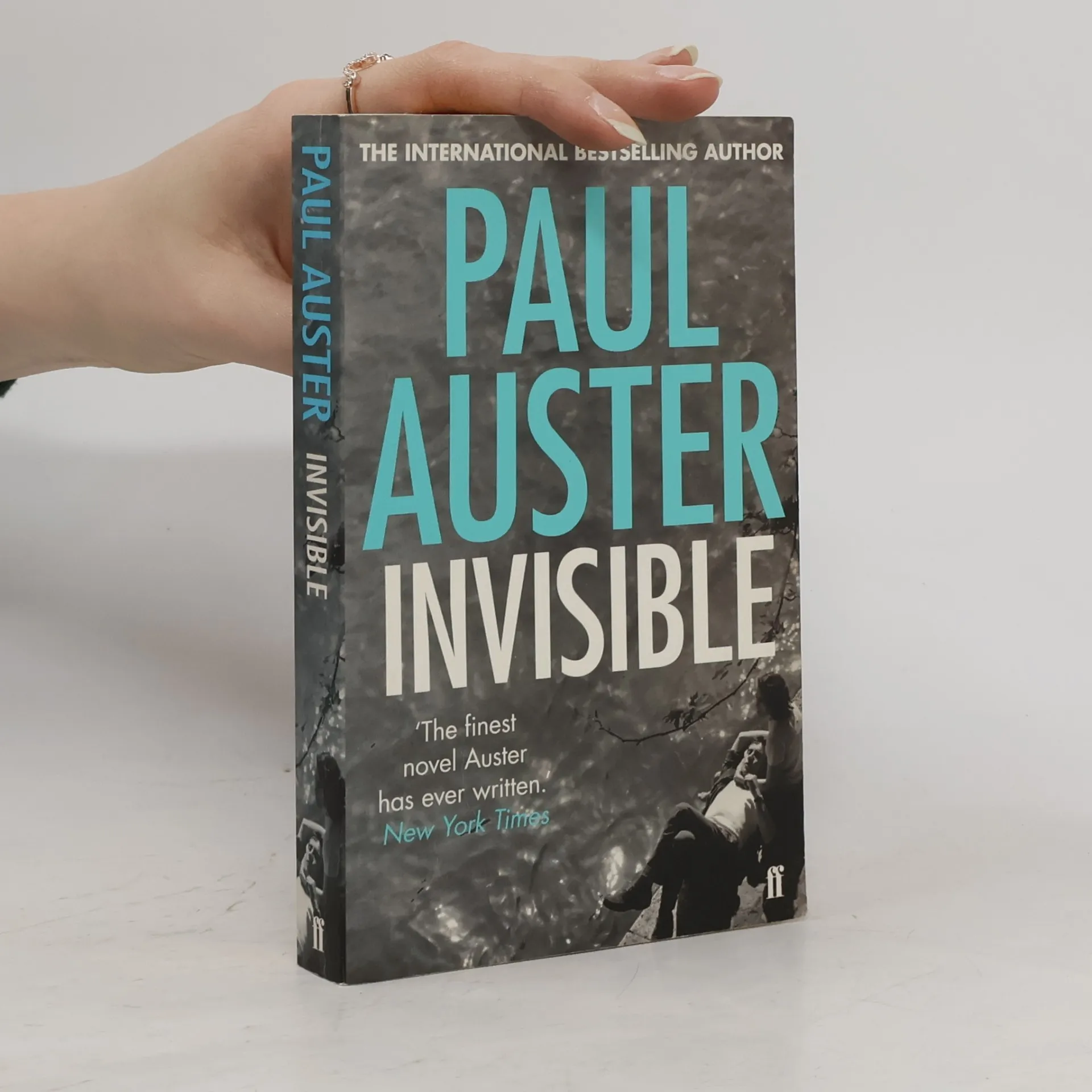
    • Invisible

      • 308 pages
      • 11 hours of reading

      Poet and student Adam Walker meets the enigmatic Frenchman Rudolf Born and his silent, seductive girlfriend, Margot, sending Adam into a perverse triangle that leads to a shocking act of violence that will alter his life.

      Invisible2010
      3.8
    • La Fiancée de Frankenstein

      • 81 pages
      • 3 hours of reading

      En première lecture, ce livre est un essai sur le film de James Whale (1935), ses origines (le célèbre roman de Mary Shelley), l'écriture de son scénario, le choix de ses acteurs, la relation avec la censure, etc. Mais, plus profondément, c'est un essai sur la création, sur les relations du créateur avec sa création, sur la prédominance de l'acte de création sur tout autres considérations philosophiques, religieuses ou morales. C'est aussi un essai sur le mal, sur la tentation de puissance, sur le vertige des interdits. A sa première apparition, le visage du monstre est présenté par Manguel comme l'une des icônes de notre temps, au même titre que le visage de Greta Garbo... Cela fait partie des nombreuses réussites de ce livre provoquées par ces rapprochements inattendus où nous entraînent l'intelligence et la culture de Manguel. La comparaison, du point de vue de la création pure, entre la Fiancée créée par Frankenstein et la Mariée mise à nu par ses célibataires créée par Duchamp est un grand moment d'analyse et de jubilation ! Enfin, et d'une façon assez classique dans la littérature et le cinéma fantastiques, la monstruosité n'est peut-être pas là où on le penserait. Le monstre n'aspire qu'à une harmonie que la société des hommes " normaux " lui refuse. L'instant de bonheur que connaît le monstre en compagnie d'un vieillard aveugle est une scène magnifiquement décrite...

      La Fiancée de Frankenstein2008
      3.0
    • August Brill is recovering from a car accident. Plagued by insomnia, he tries to push back thoughts about his wife's death and the horrific murder of his granddaughter's boyfriend, Titus. He is joined in the early hours by his granddaughter, and he opens up to her and recounts the story of his marriage and confronts the reality of Titus' death.

      Man in the Dark2008
      3.7
    • Le livre des éloges

      • 80 pages
      • 3 hours of reading

      Série d'éloges qui sont autant de variations sur les sujets les plus variés : la Bible, la librairie, l'horreur, le plaisir, les animaux, le blasphème ou la France.

      Le livre des éloges2007
      4.0
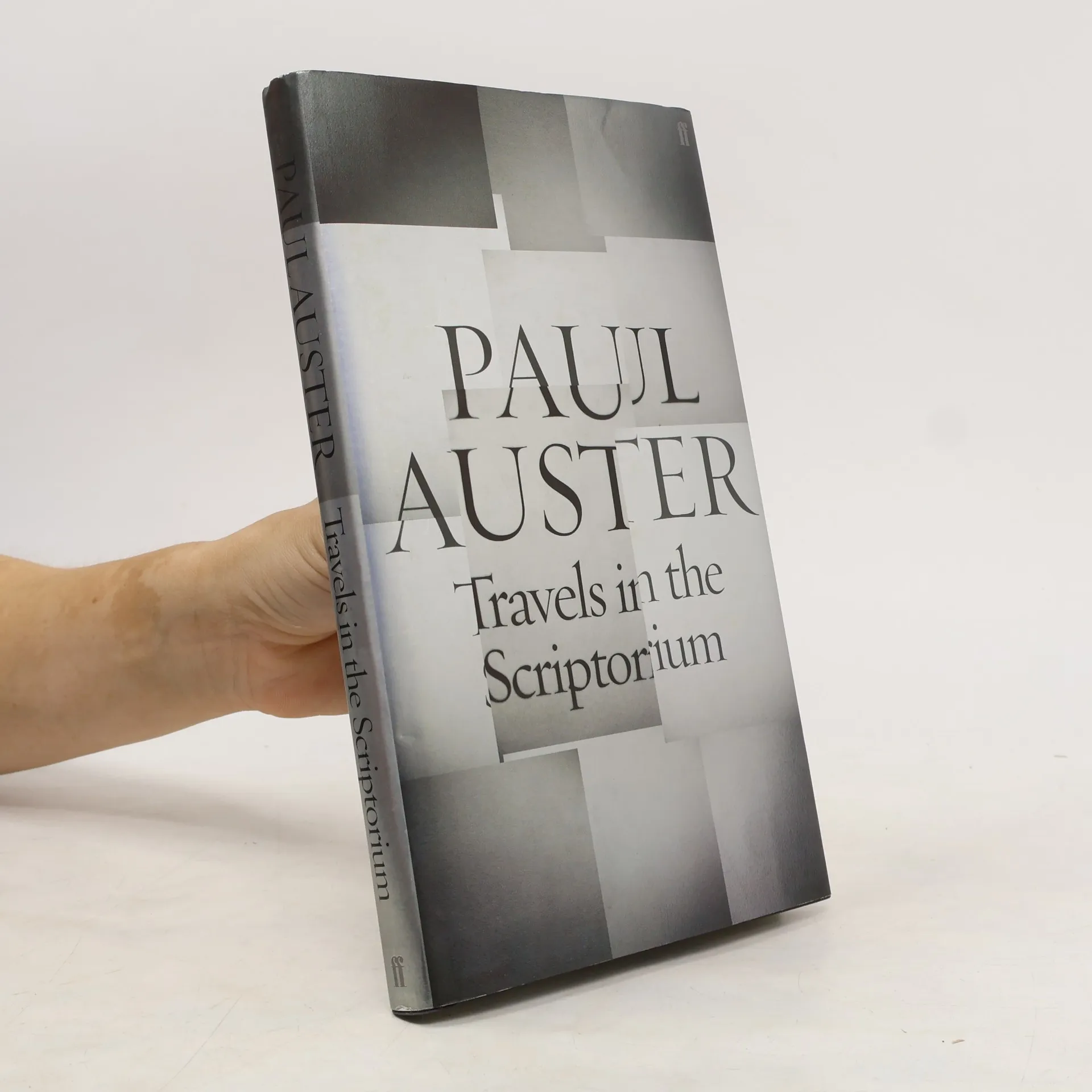
    • An old man sits in a room, with a single door and window, a bed, a desk and a chair. Each day he awakes with no memory, unsure of whether or not he is locked into the room. Attached to the few objects around him are one-word, hand-written, labels and on the desk is a series of vaguely familiar black-and-white photgraphs and four piles of paper. Then a middle-aged woman called Anna enters and talks of pills and treatment, but also of love and promises. Who is he? What is he doing here? When did he arrive and how long will he remain? With any luck, time will tell us all.

      Travels in the Scriptorium2007
      3.3
    • Several months into his recovery from a near-fatal illness, novelist Sidney Orr enters a Brooklyn stationery shop and buys a blue notebook. It is September 18th, 1982, and for the next nine days Orr will live under the spell of this blank book, within a world of eerie premonitions.

      Oracle Night2004
      3.8
    • What I Loved begins in New York in 1975, when art historian Leo Hertzberg discovers an extraordinary painting by an unknown artist in a SoHo gallery. He buys the work; tracks down the artist, Bill Wechsler; and the two men embark on a life-long friendship. Leo's story, which spans twenty-five years, follows the growing involvement between his family and Bill's--an intricate constellation of attachments that includes the two men, their wives, Erica and Violet, and their sons, Matthew and Mark.The families live in the same New York apartment building, rent a house together in the summers and keep up a lively exchange of ideas about life and art, but the bonds between them are tested, first by sudden tragedy, and then by a monstrous duplicity that slowly comes to the surface. A beautifully written novel that combines the intimacy of a family saga with the suspense of a thriller, What I Loved is a deeply moving story about art, love, loss, and betrayal.

      What I loved2003
      4.4
    • Mr Bones is the canine sidekick and confidant of Willy G. Christmas, a brilliant but troubled poet-saint from Brooklyn. Together they sally forth in search of Willy's beloved high-school teacher, who years ago knew him in his previous incarnation as William Gurevitch, son of Polish war refugees.

      Timbuktu2002
      3.7
    • The Sweet Hereafter

      • 416 pages
      • 15 hours of reading

      A small town's response to the inexplicable loss of its children in a school bus accident.

      The Sweet Hereafter1997
      3.9
    • Iris Vegan, a graduate student living alone and impoverished in New York, encounters four strong characters who fascinate and in different ways subordinate her: an inscrutable urban recluse who employs her to record the possessions of a murdered woman; a photographer whose eerie portrait of Iris takes on a life of its own; an old woman in hospital who tries to claim a remnant of the ailing Iris; and a professor she has an affair with. An exploration of female identity in an age when the old definitions - as some man's daughter/wife/mother - no longer apply, fuelled with eroticism and a sense of menace.

      The Blindfold1996
      3.8
    • La vera storia dell'ultimo re socialista

      • 248 pages
      • 9 hours of reading

      «E se le cose fossero andate in un altro modo?». Domande che chiunque si pone quando riflette sulla Storia. Roy Lewis esplora questa tematica in un romanzo, utilizzando lo stesso approccio vivace e illuminante che ha caratterizzato il suo lavoro sulla preistoria. Immagina un supercomputer che elabora la vittoria del socialismo anziché del capitalismo nella rivoluzione del 1848 in Europa. Il risultato è un racconto in cui la regina Vittoria abdica nel 1849 a causa della rivolta dei cartisti. Si instaura un regime socialista che, pur mantenendo la monarchia, si concentra su lavoro e uguaglianza. Tuttavia, questo socialismo bucolico si rivela un lento disastro, poiché non riesce a gestire l'impatto della tecnologia, che altera continuamente i rapporti sociali. I socialisti, incapaci di adattarsi, preparano così il terreno per una nuova rivoluzione. Ma cosa accade quando l'«ultimo re socialista» diventa complice di questa rivolta? La sua storia, narrata da lui stesso, è indimenticabile: un sovrano gentile e amabile, che avrebbe preferito insegnare matematica, si trova a guidare una controrivoluzione per rovesciare il proprio regime, esautorando se stesso. La vera storia dell'ultimo re socialista è stata pubblicata in Inghilterra nel 1990.

      La vera storia dell'ultimo re socialista1993
      3.6
    • With all the keen literary intelligence familiar from The New York Trilogy or Sunset Park, Paul Auster crafts an intensely intimate work from a ground- breaking combination of introspection, meditation and biography.

      The Invention of Solitude1993
      3.9