

This edited volume addresses the global health issue of arsenic contamination in drinking water and crops, highlighting its toxicity and carcinogenicity. It presents multi-disciplinary solutions and case studies, covering exposure routes, health risks, and sustainable mitigation strategies using advanced technologies. The book targets a diverse audience of researchers and scientists.
Nitish Kumar Books
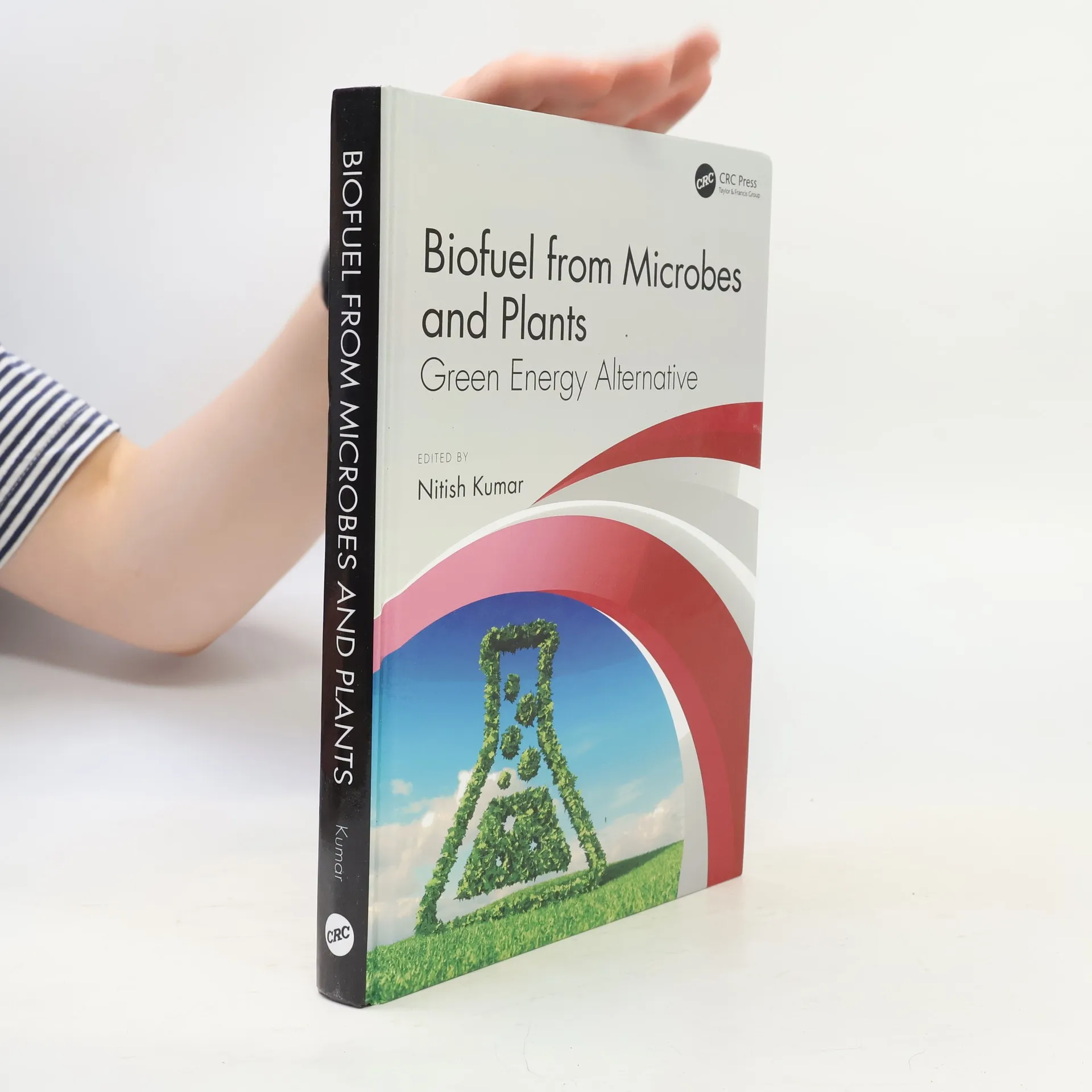

Global concern for energy security and environmental protection has put great emphasis on the search for alternative energy sources, particularly for the transport sector. Biofuels have emerged as a highly promising source of alternative energy, and have drawn global research and development for their production using biomass. With the increasing worldwide demand for energy, along with the depletion of conventional fossil fuel reserves, there has been growing global interest in developing alternative sources of energy. There has also been concern in growing economies regarding energy security. Biofuels offer much promise on these frontiers. In addition to these factors, they also have a reduced environmental impact in comparison to fossil fuels. Biofuels from Microbes and Plants provides state-of-the-art information on the status of biofuel production and related aspects. Academics, researchers, engineers, and technologists will develop a greater understanding of the relevant concepts and solutions to the global issues related to achieving alternative energy applications for future energy security, as well as environmental sustainability in medium- and large-scale industries. Key Features