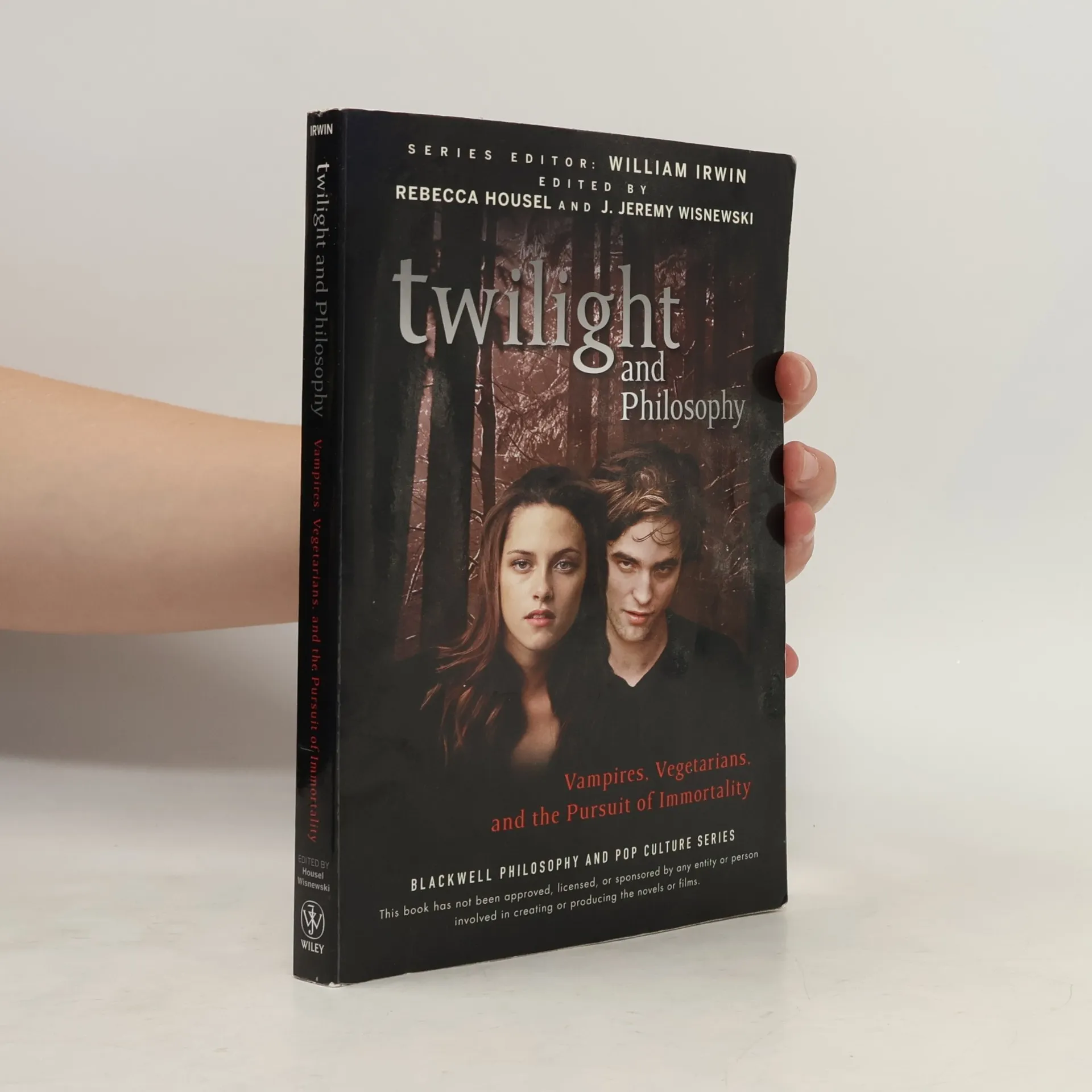
Heralded as the 'new Harry Potter', Stephenie Meyer's wildly popular Twilight
is a young adult vampire romance series in which teenaged Bella falls for a
vampire, Edward, and is drawn into his and his family's morally grey universe,
facing countless dangers and philosophical dilemmas.
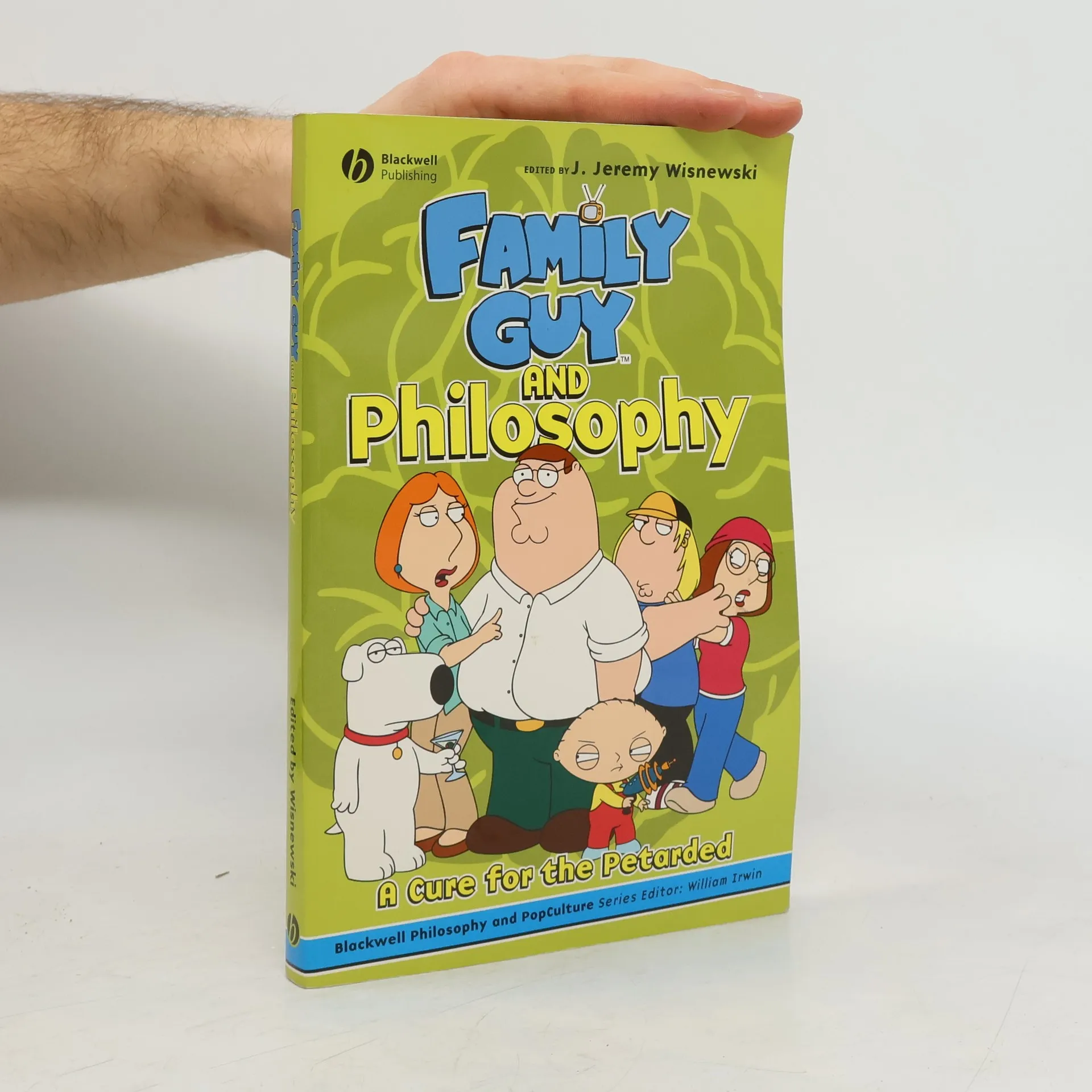
Family Guy and Philosophy brings together low-brow, potty-mouthed, cartoon humor and high-brow philosophical reflection to deliver an outrageously hilarious and clever exploration of one of TV's most unrelenting families. Ok, it's not that high-brow.A sharp, witty and absurd exploration of one of television's most unrelenting families, the stars of one of the biggest-selling TV series ever on DVD, now in its fourth seasonTackles the perennial positions of Family Guy at the same time as contemplating poignant philosophical issuesTakes an introspective look at what this show can teach us about ethics, ego, religion, death, and of course, time-travelConsiders whether Family Guy is really a vehicle for conservative politics, and whether we should be offended by the show, as well as diving into the philosophy of the cast